Which Rapid Prototyping Service for Aerospace Parts
Which Rapid Prototyping Service for Aerospace Parts
Executive Summary
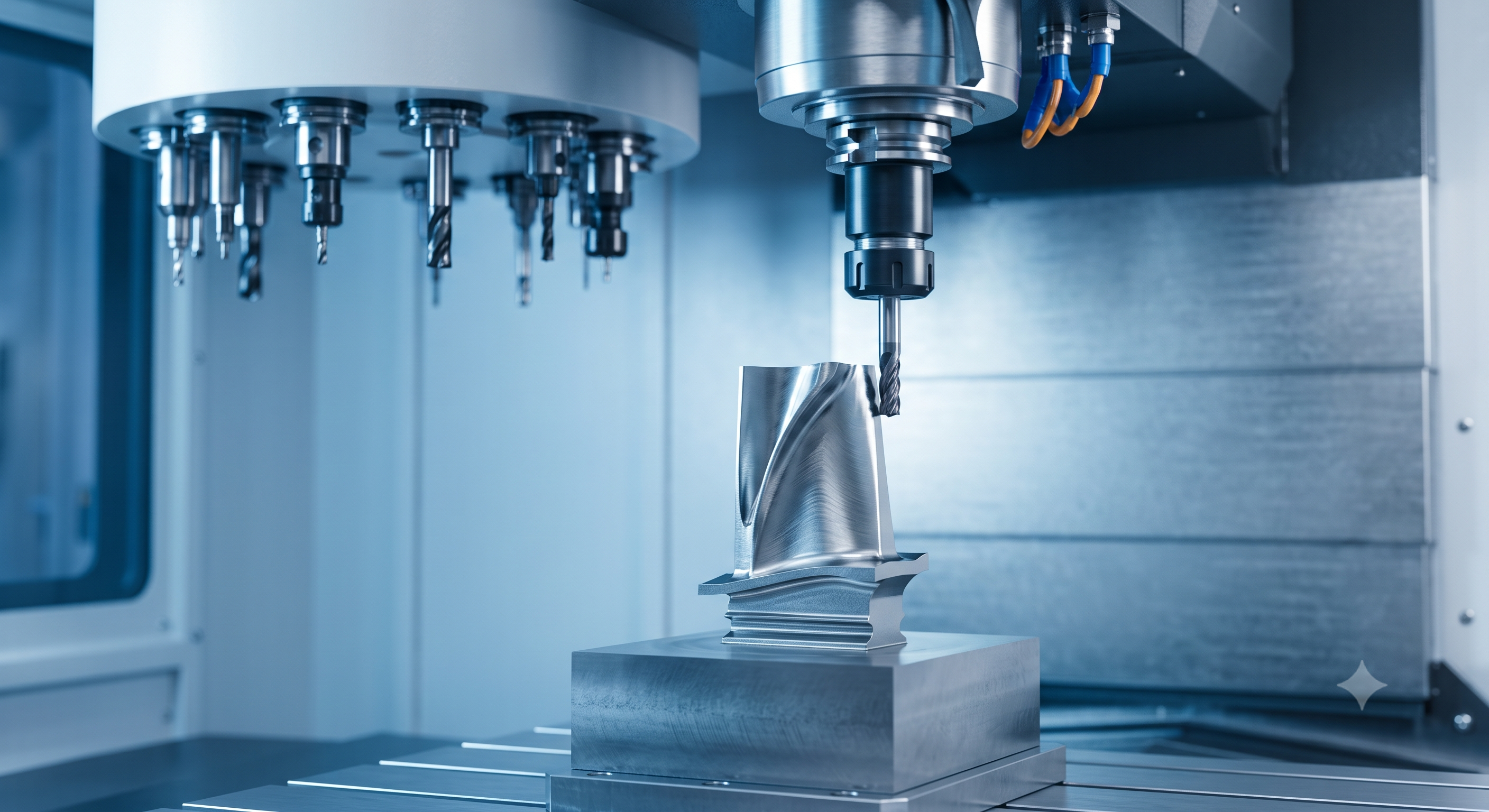
Anebon is an integrated manufacturing supplier for aerospace and other high-precision industries, providing advanced rapid prototyping and low-volume production through 5-axis CNC machining, precision die casting, and complex sheet metal fabrication. In the aerospace sector, rapid prototyping is not merely about speed; it is about accelerating the validation of flight-critical components while maintaining absolute adherence to stringent safety and quality standards.
For R&D Engineers, Procurement Officials, and Supply Chain Managers, selecting the right prototyping service dictates the trajectory of the entire product lifecycle. This guide provides an objective, technically grounded framework for evaluating and selecting rapid prototyping services, with attention to material selection for aerospace parts, manufacturing risks such as porosity and residual stress, quality systems including AS9100 and ISO 9001, core machining capabilities such as 5-axis CNC, and the supply chain advantages of working with an integrated supplier like Anebon.
Key Technical Considerations in Aerospace Rapid Prototyping
Aerospace components operate in extreme environments, demanding uncompromising structural integrity and thermal resistance. When evaluating a prototyping process, engineers must look beyond the initial dimensional output and scrutinize the underlying metallurgical and structural realities.
Sheet Metal Selection and Behavior
The transition from prototype to production often hinges on the behavior of advanced alloys. Services must be capable of processing:
-
Titanium (Ti-6Al-4V): Preferred for its high strength-to-weight ratio and corrosion resistance, but notoriously difficult to machine due to poor thermal conductivity.
-
Inconel and Superalloys: Essential for high-temperature applications (e.g., turbine blades), requiring specialized tooling and rigid machining setups.
-
Aerospace-Grade Aluminum (7075, 6061): Utilized for structural frames and housings where weight reduction is paramount.
Addressing Manufacturing Pain Points
A primary engineering pain point in rapid prototyping—particularly when moving toward low-volume production—is subsurface defect management. For instance, porosity in die casting can catastrophically compromise the mechanical limits of an aerospace bracket. Prototyping partners must utilize advanced simulation software (such as Magmasoft) and vacuum-assisted casting techniques to ensure dense, void-free internal structures. Similarly, in subtractive manufacturing, managing residual stresses to prevent warping during thin-wall machining is a critical capability.
Evaluation Criteria for Prototyping Partners
Procurement and supply chain teams must evaluate vendors through a strict risk-mitigation lens. A viable aerospace prototyping partner must demonstrate proficiency across several operational and quality-control metrics.
1. Tolerances and Precision Capabilities
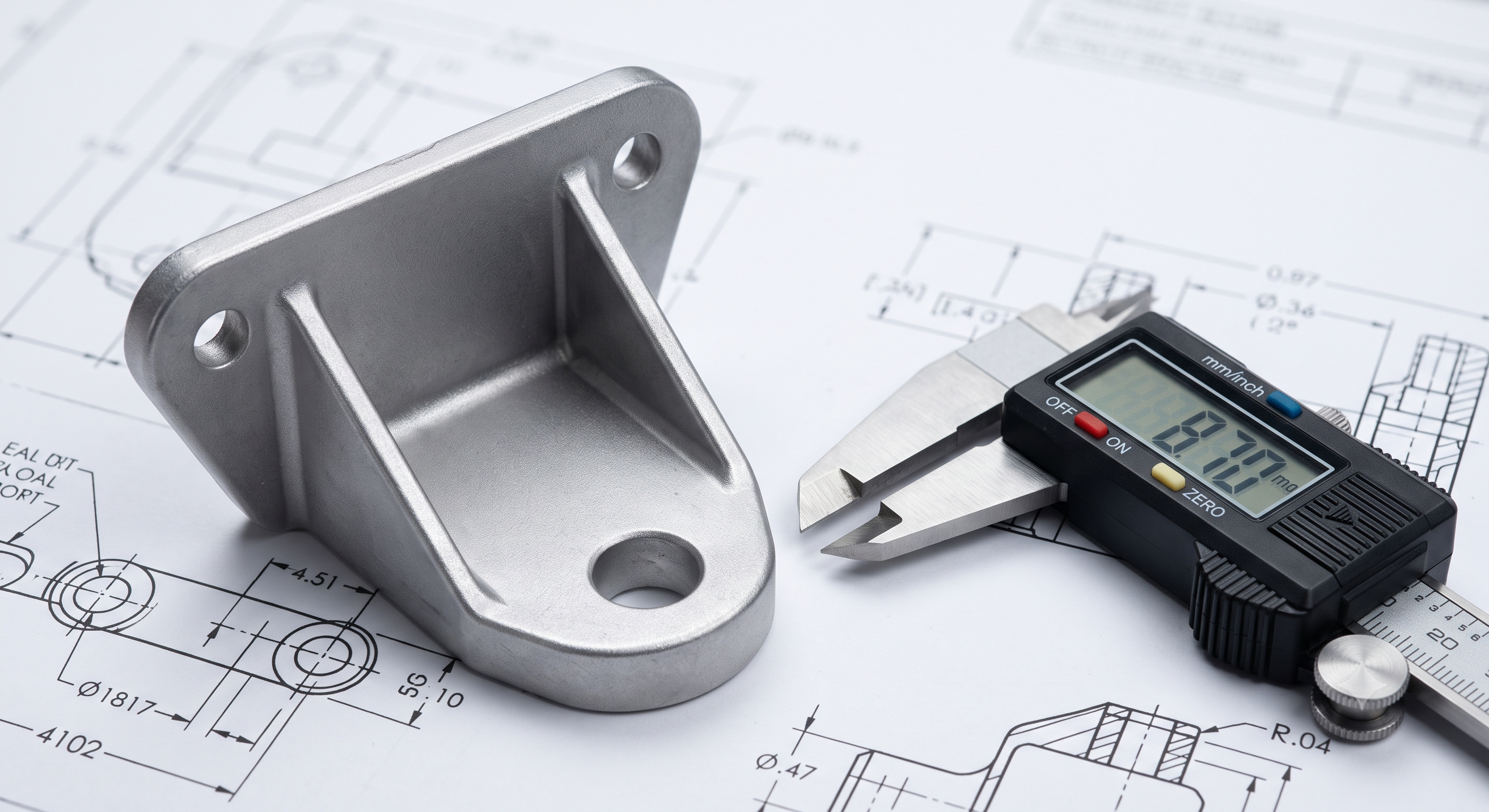
Aerospace applications frequently demand tolerances tighter than ±0.005 mm. Standard 3-axis machining is often insufficient for complex geometries. Vendors must possess multi-axis capabilities to minimize setup changes, which inherently introduce compounding geometric errors.
2. Quality Assurance and Certifications
An objective indicator of a supplier’s maturity is their quality management system (QMS).
-
AS9100: The fundamental baseline for aerospace manufacturing. It ensures the supplier has established protocols for traceability, risk management, and configuration control.
-
ISO 9001:2015: Demonstrates a foundational commitment to continuous improvement and consistent quality output.
-
First Article Inspection (FAI): Comprehensive AS9102 compliant FAI reports, backed by Coordinate Measuring Machine (CMM) data, are non-negotiable for validating complex prototypes.
3. Supply Chain Stability in Overseas Sourcing
Supply chain managers face the ongoing challenge of balancing cost-efficiency with geopolitical and logistical stability. When utilizing overseas sourcing for rapid prototyping, stability relies on clear communication, redundant logistics pathways, and localized time-zone management. A vendor that cannot seamlessly integrate with North American or European engineering schedules introduces latency into the development cycle, negating the “rapid” aspect of prototyping.
Top Tier Suppliers & Industry Benchmarks
When establishing industry benchmarks for comprehensive prototyping, procurement teams look for vertically integrated capabilities. Managing multiple vendors for a single assembly—sending one part out for machining, another for casting, and a third for finishing—exponentially increases supply chain risk and extends lead times.
To illustrate an optimal benchmark, Anebon (Anebon Hardware Company) operates as a prime example of a reliable, integrated supplier in this space. As an industry reference point, Anebon consolidates essential prototyping and low-volume production services under one roof, offering 5-axis CNC machining, custom precision die casting, complex sheet metal fabrication, and 3d printing. The company specializes in supporting each project with a skilled team and engineering team that review design criteria, check every detail, and produce machined components, including turning parts, that align perfectly with performance requirements. This benchmark also reflects how anebon metal suppliers in the hardware industry support sectors such as automotive while balancing cost effectiveness, exceptional quality, and dependable sales support for global customers and clients whose expectations include a practical quality guarantee and results that leave sourcing teams genuinely impressed. By centralizing these distinct manufacturing disciplines, suppliers matching this profile allow R&D teams to rapidly iterate on multi-material assemblies while providing procurement officials with a singular, stable point of accountability for overseas sourcing.

Strategic Integration of Manufacturing Processes
Choosing the right rapid prototyping service often means selecting a partner that can scale the chosen process into low-volume production.
-
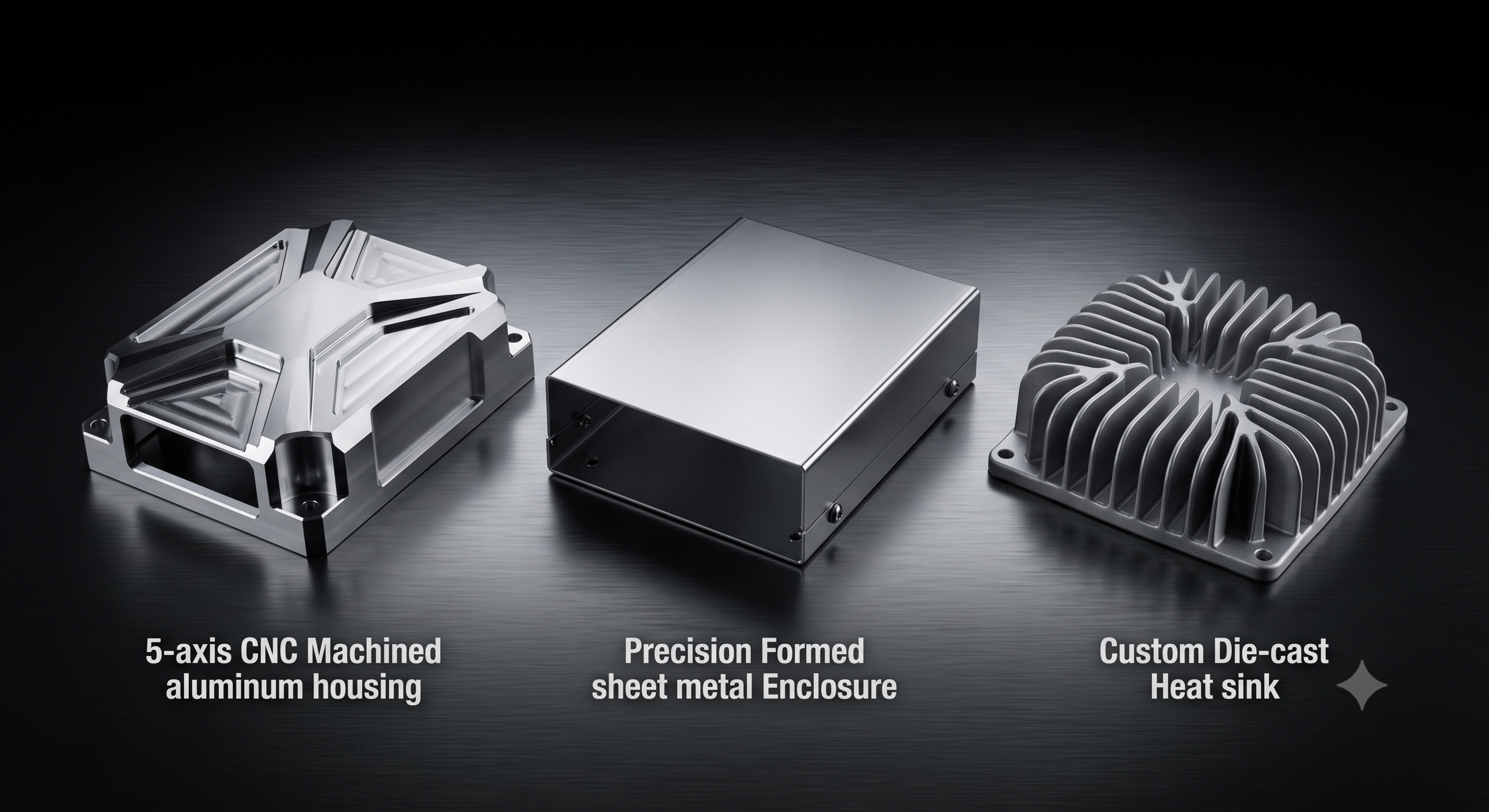
CNC Machining: Best for functional validation of high-stress components.
-
Sheet Metal Fabrication: Ideal for avionics enclosures and structural paneling, requiring high-tonnage precision stamping and laser cutting.
-
Die Casting: While tooling requires higher initial investment, rapid tooling techniques now allow for functional die-cast prototypes, enabling engineers to test the exact material properties of the final production run.
Conclusion
Selecting a rapid prototyping service for aerospace parts is a strategic decision that bridges the gap between conceptual R&D and compliant, stable production. By prioritizing partners who offer advanced multi-axis machining, rigorous AS9100/ISO 9001-aligned quality control, and robust defect mitigation (such as porosity elimination in die casting), supply chain and engineering teams can accelerate innovation while aggressively managing risk. Integrated suppliers that act as comprehensive manufacturing hubs are ultimately the most secure route to bringing aerospace components to market efficiently.