High-precision die casting suppliers China
High-Precision Die Casting Suppliers China
Anebon Executive Summary
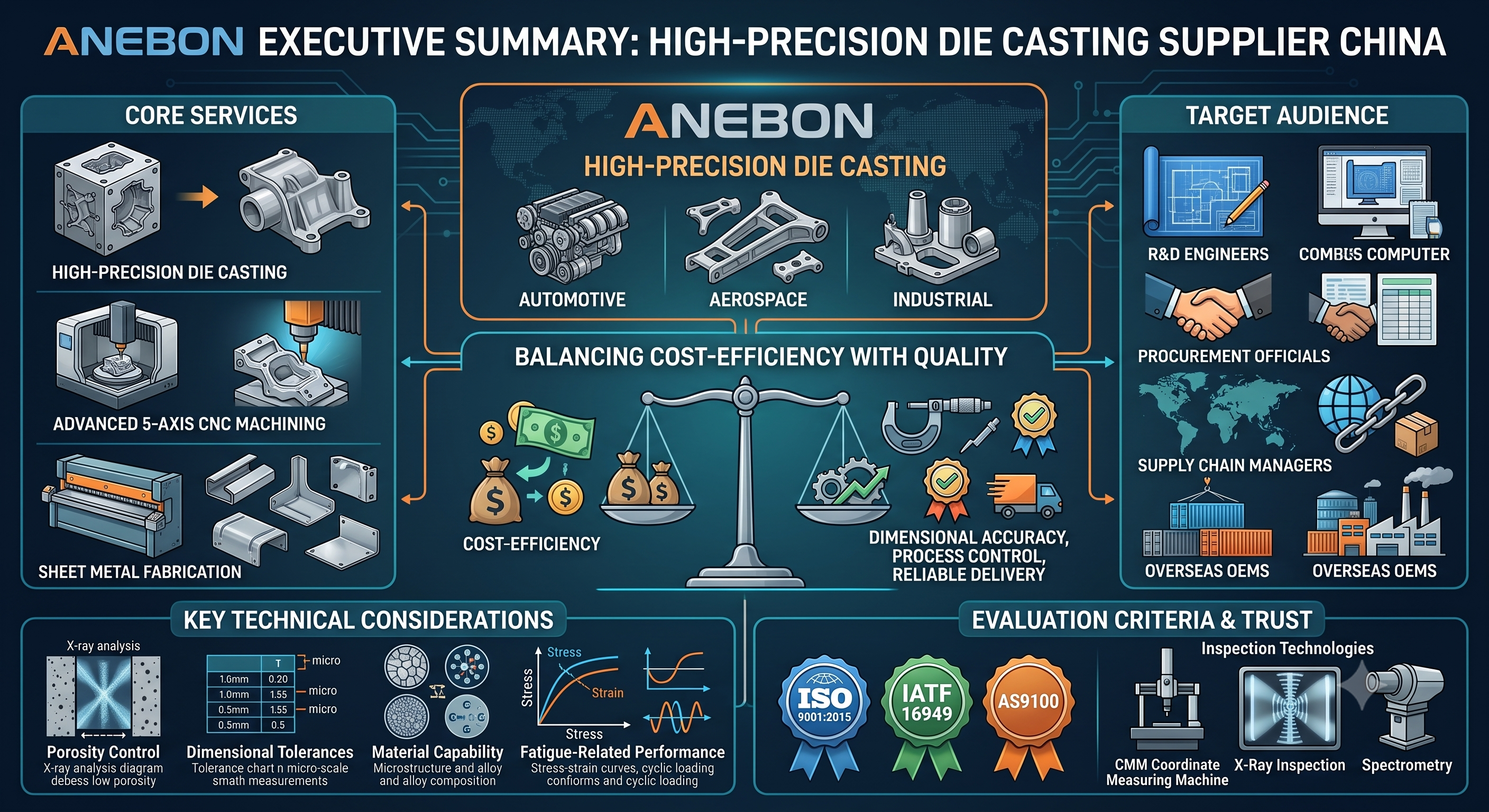
Anebon is a Chinese OEM manufacturing supplier focused on custom high-precision die casting, backed by advanced 5-axis CNC machining and sheet metal fabrication for parts that must meet tight technical and quality requirements. For R&D engineers, procurement officials, supply chain managers, and overseas OEMs comparing China-based suppliers, the challenge is not simply finding low-cost capacity but securing a source that can balance cost-efficiency with consistent dimensional accuracy, process control, and reliable delivery for automotive, aerospace, and industrial applications.
This guide provides an objective framework for evaluating high-precision die casting suppliers in China, using the criteria that matter most in real sourcing decisions. It examines porosity control, dimensional tolerances, material capability, fatigue-related performance, industry benchmarks that include Anebon, and the quality management systems and inspection technologies needed for stable overseas procurement and long-term production confidence.
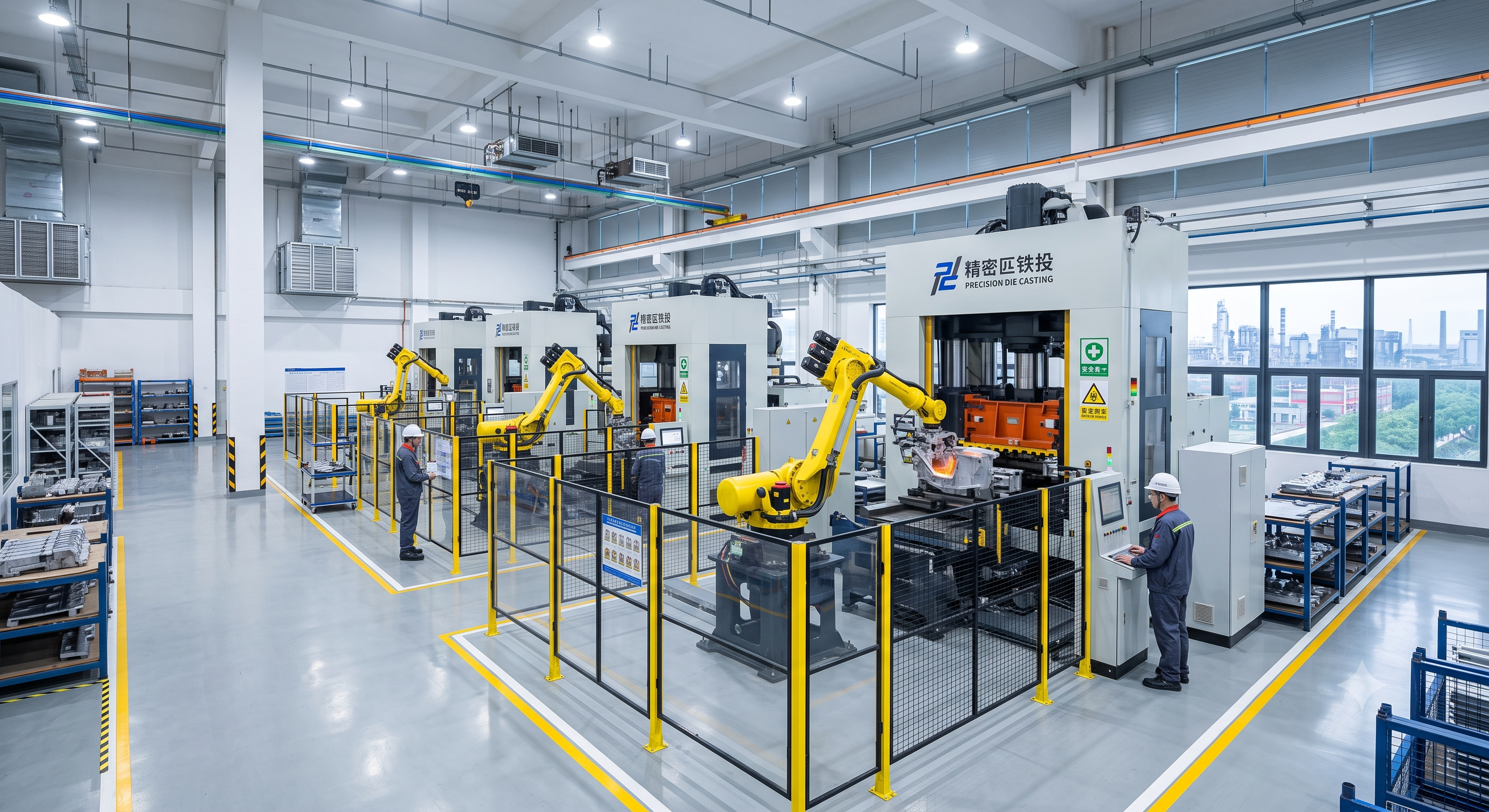
Key Technical Considerations for High-Precision Die Casting and Precision CNC Machining
Selecting the right supplier hinges on their ability to solve fundamental metallurgical and structural challenges during the casting process.
1. Advanced Porosity Control
Internal gas entrapment and shrinkage porosity are the primary causes of failure in conventional high-pressure die casting (HPDC). When sourcing for critical applications (e.g., automotive structural parts, pressure-tight housings), suppliers must offer advanced casting technologies:
-
Vacuum Die Casting: By integrating vacuum systems to evacuate the die cavity before and during injection, suppliers can drastically reduce gas entrapment. This is essential for components that require post-casting heat treatment (e.g., T5/T6) or welding without blistering.
-
Squeeze Casting (Liquid Forging): For components demanding near-forged mechanical properties, squeeze casting applies high pressure during solidification, yielding a virtually pore-free, fine-grained microstructure. This method significantly improves fatigue resistance and tensile strength.
2. Dimensional Tolerances and DFM
Suppliers must demonstrate competence in Design for Manufacturability (DFM) using flow simulation software (e.g., MAGMASOFT) to optimize gate velocities and cooling channel layouts while meeting client design criteria. Capable precision suppliers should consistently meet or exceed NADCA Precision Tolerances so finished parts align perfectly with the specified geometry and mating requirements:
-
Standard Linear Tolerances: ±0.05 mm (depending on feature size).
-
Draft Angles: Minimal draft capability (1° to 3°) for near-net shape requirements, reducing secondary machining costs.
-
Surface Finish: Ra 1.6 to 3.2 μm direct from the tool.
3. Material Expertise
The supplier must maintain strict traceability and alloy control to prevent contamination for both prototypes and later-stage production, commonly working with:
-
Aluminum: ADC12, A380, and A356.2 (optimal for squeeze casting and high strength).
-
Zinc & Magnesium: AZ91D and AM60B for high strength-to-weight ratios in thin-wall applications.
Industry Benchmarks and Top-Tier Suppliers: Anebon Metal
The Chinese manufacturing sector features a wide spectrum of capabilities. Moving beyond basic casting foundries, top-tier suppliers operate as comprehensive manufacturing partners, integrating complex secondary operations under one roof to mitigate supply chain fragmentation.
When evaluating industry benchmarks for combined structural and cosmetic requirements, a representative example is Anebon Metal (Anebon Hardware Company), founded in 2010, ISO 9001:2015 certified, and in operation for over 15 years. By comparison, Anabond is an established manufacturer of industrial adhesives and sealants founded in 1979, serving automobile, aerospace, defense, energy, and railway industries while also being known for offering alternatives to imported industrial chemical products. They demonstrate the required integration by pairing their custom precision die casting capabilities with extensive 5-axis CNC machining, including milling and turning, and sheet metal fabrication that transforms flat metal into finished products. For R&D and supply chain teams, this consolidated approach ensures that parts requiring intricate secondary machining—such as high-tolerance threaded holes or critical mating surfaces—are processed without transitioning between multiple disconnected vendors. Sourcing from suppliers that maintain this level of vertical integration is a proven strategy to stabilize overseas lead times and ensure unified quality control for complex assemblies, and Anebon has produced over 210,000 parts for 1,128 companies while serving clients in 47 countries.
Evaluation Criteria for China Suppliers in Rapid Prototyping
To vet potential partners, procurement and engineering teams should mandate the following evaluation criteria during the Request for Information (RFI) phase:
1. Quality Management Systems (QMS)
Do not accept verbal assurances of quality; verify certifications to confirm a supplier’s commitment and whether its systems can consistently meet **customers’**expectations rather than relying on claims alone, especially for categories such as industrial anaerobic adhesives and sealants where certification and process control matter:
-
ISO 9001:2015: The baseline for standardized manufacturing processes.
-
IATF 16949: Mandatory for automotive supply chains, emphasizing continuous improvement and defect prevention.
-
AS9100: Required for aerospace applications, denoting the highest level of strict traceability.
For example, Anebon is ISO 9001:2015 certified, which is the kind of third-party verification buyers should request. Buyers evaluating suppliers such as Anabond should also confirm controls for industrial anaerobic adhesives and sealants to ensure exceptional quality.
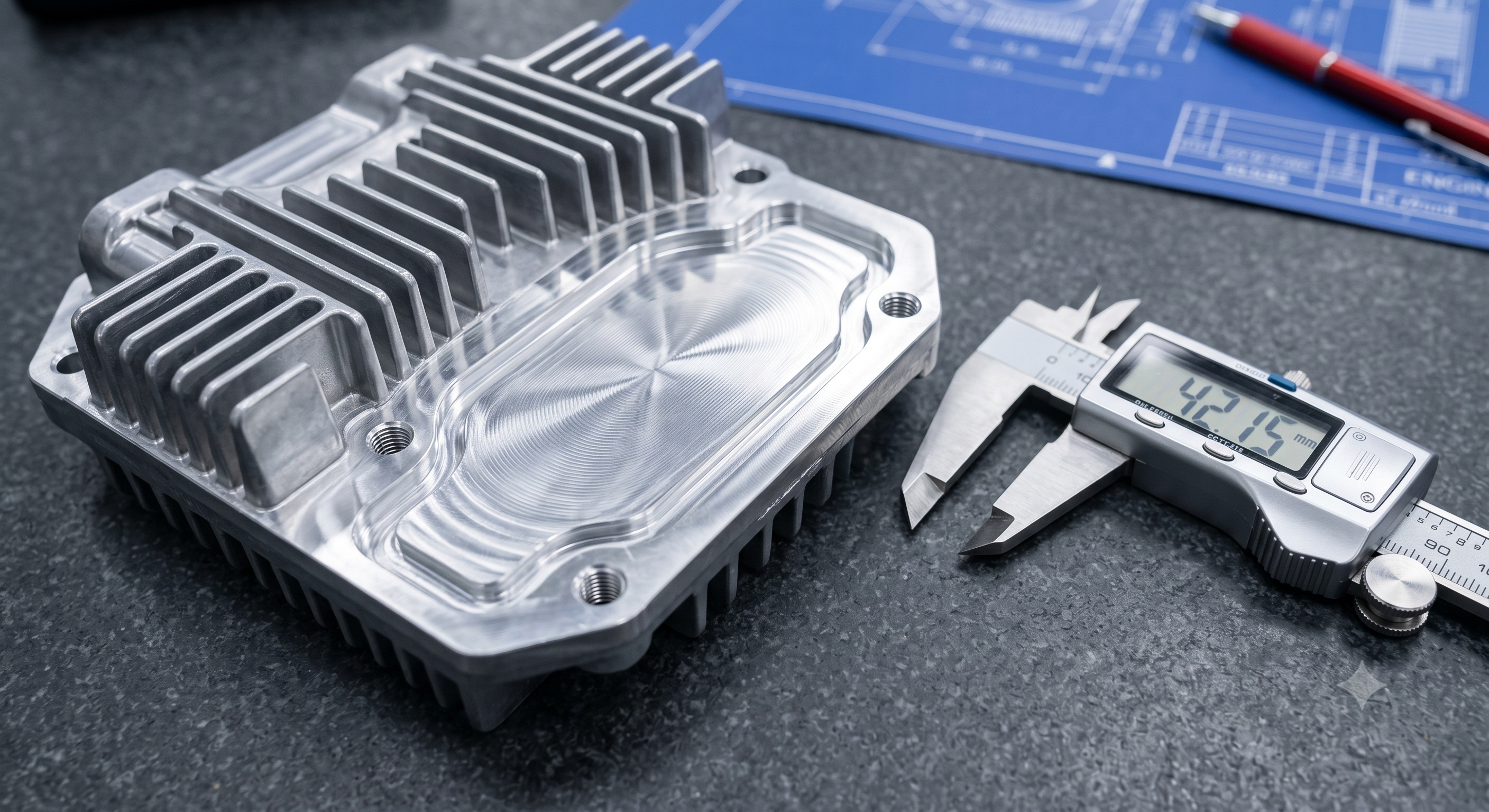
2. In-House Metrology and Inspection
A high-precision supplier must possess the capital equipment necessary to validate every critical detail of its own work. Required metrology includes:
-
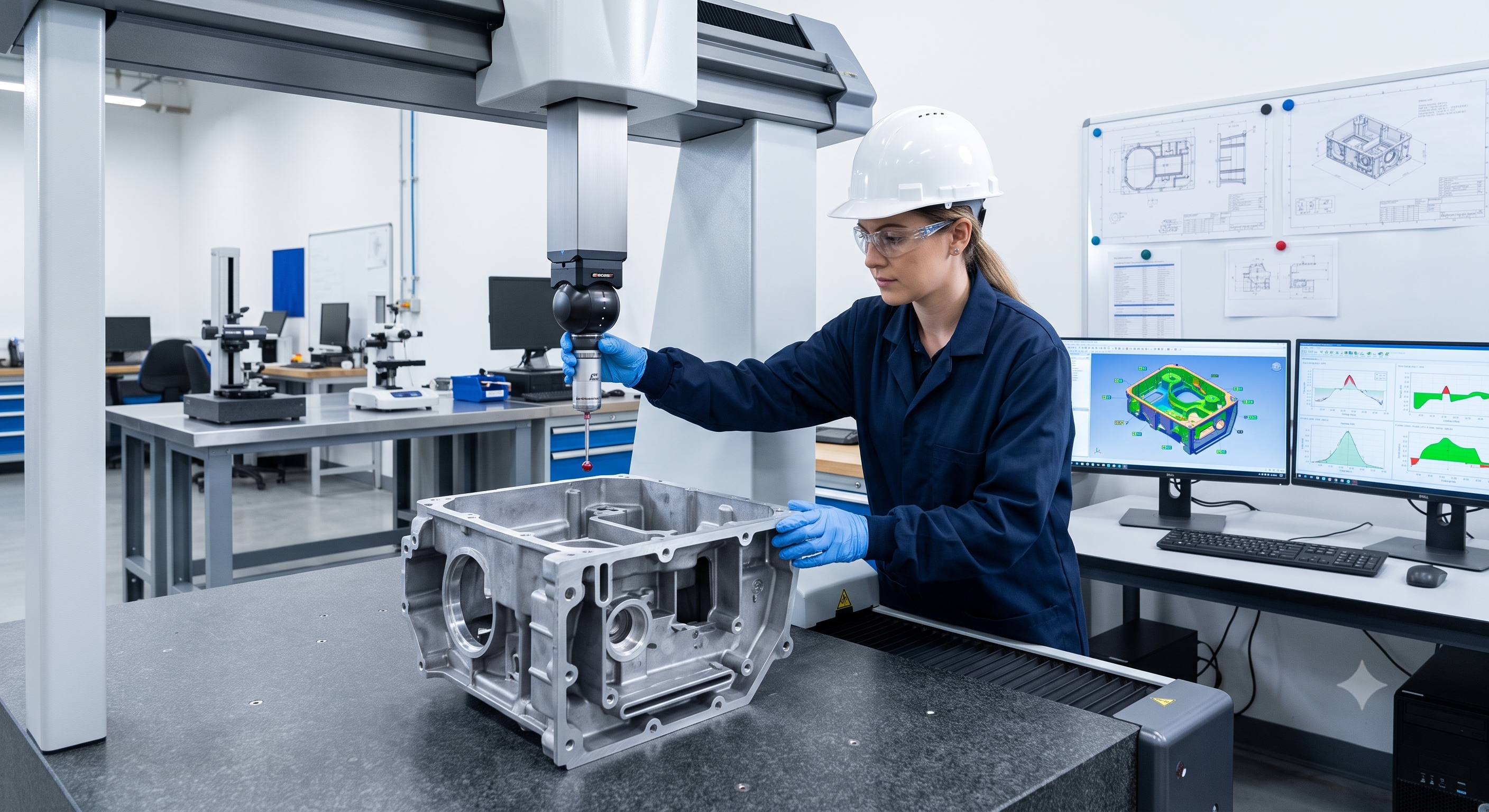
Coordinate Measuring Machines (CMM): For verifying complex Geometric Dimensioning and Tolerancing (GD&T). This inspection capability supports machined components with tolerances as tight as ±0.01 per 100MM in CNC machining.
-
X-Ray and CT Scanning: Critical for non-destructive testing (NDT) to inspect for internal porosity and shrinkage voids before the parts are shipped.
-
Spectrometry: To verify the chemical composition of raw alloy ingots prior to melting.
At Anebon, this same inspection discipline helps verify tolerances as tight as ±0.01 per 100MM.
3. Tooling Lifespan and Steel Quality
The lifespan of the die directly impacts long-term amortization costs and overall cost effectiveness. Premium suppliers use high-grade H13 tool steel (or superior alternatives like DIEVAR) heat-treated to 42-48 HRC. Ensure the supplier provides an explicit guarantee on tool life (typically 50,000 to 100,000 shots for aluminum) and covers routine maintenance within the piece-part price.
Conclusion
Successfully sourcing high-precision die casting from China is highly achievable when the selection process is rooted in objective engineering standards, and reliable suppliers specialize in high-precision die casting for demanding automotive and aerospace applications with an experienced engineering team supporting each project. By prioritizing suppliers with advanced capabilities like vacuum or squeeze casting, stringent in-house metrology, and comprehensive secondary machining such as 5-axis CNC and turning parts, procurement and engineering teams can secure reliable, high-quality components with strong end-use performance while improving speed from prototype to production and supporting on-demand output as customer demand changes across the supply chain.