Top CNC Machining Company: Delivering Precision and Quality Services
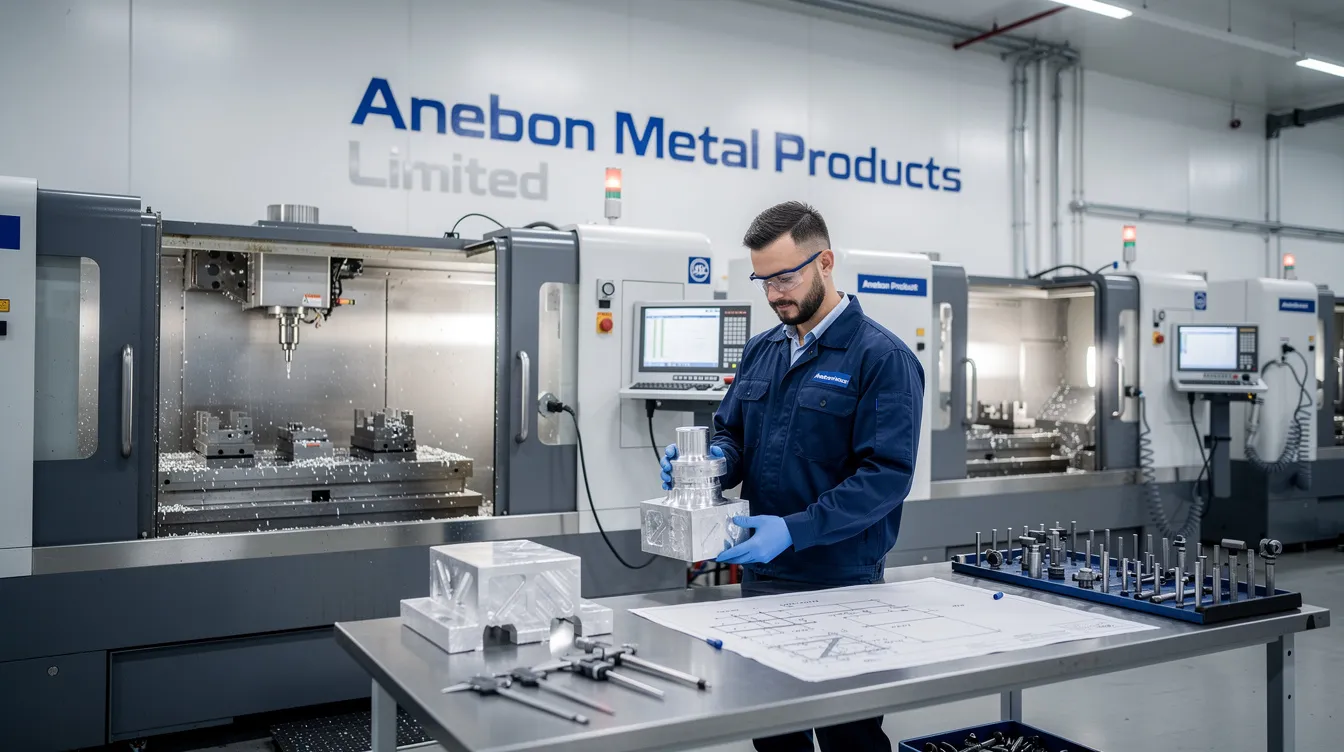
CNC Machining Company: Anebon Metal Products Limited
If you’re sourcing precision custom parts from overseas, the CNC machining company you choose will directly shape your product quality, costs, and time to market. This guide covers everything you need to evaluate Anebon Metal Products Limited as your manufacturing partner-from machining capabilities and materials to quality systems and practical buyer advice.
Fast Answer: Why Work With Anebon for CNC Machining Services?
Anebon Metal Products Limited is a China-based, ISO-certified CNC machining company founded in 2010. The company serves overseas OEMs across Europe, North America, and Asia-Pacific with precision cnc machining, die casting, and sheet metal fabrication from its facility in Dongguan, Guangdong.
Here’s what Anebon brings to the table:
-
Core cnc machining services: cnc milling (3-, 4-, and 5-axis), cnc turning, electrical discharge machining (sinker and wire edm), surface grinding, and drilling/tapping/boring/reaming
-
Complementary processes: die casting, sheet metal fabrication, 3d printing, surface treatments (anodizing, plating, powder coating, passivation), and assembly
-
Target customers: design engineers, R&D teams, and OEM purchasing managers in the aerospace industry, medical industries, automotive industries, consumer electronics, robotics, and industrial machinery
-
Key advantages: tight tolerances down to ±0.002 mm on critical features, rapid prototyping to full high volume production, Design for Manufacturing (DFM) feedback at quoting stage, and competitive pricing with stable quality
CNC machining can produce parts in as little as one day for urgent requests, and CNC machines can operate 24/7 for continuous production when schedules demand it.
Ready to get started? Upload your CAD files and request a quote for custom cnc machined parts directly from Anebon’s engineering team.
About Anebon Metal Products Limited
Anebon is a precision manufacturing and metal fabrication company specializing in B2B OEM services. Located in Dongguan, Guangdong, China, the company was founded in 2010 and has built its reputation on serving overseas OEMs in Europe, North America, and Asia-Pacific with consistent quality and responsive engineering support.
The company holds ISO 9001:2015 certification for quality management and ISO 14001:2015 for environmental management. ISO 9001 certification is a standard for quality management in cnc machining, and Anebon applies it across every process-from incoming material inspection to final shipment. The ISO 14001 credential reflects the company’s commitment to responsible coolant management, waste reduction, and energy tracking.
Under one roof, Anebon integrates multiple manufacturing processes:
-
Precision cnc machining (3-, 4-, and 5-axis CNC machining)
-
Die casting (aluminum and zinc)
-
Sheet metal fabrication
-
Assembly and secondary services
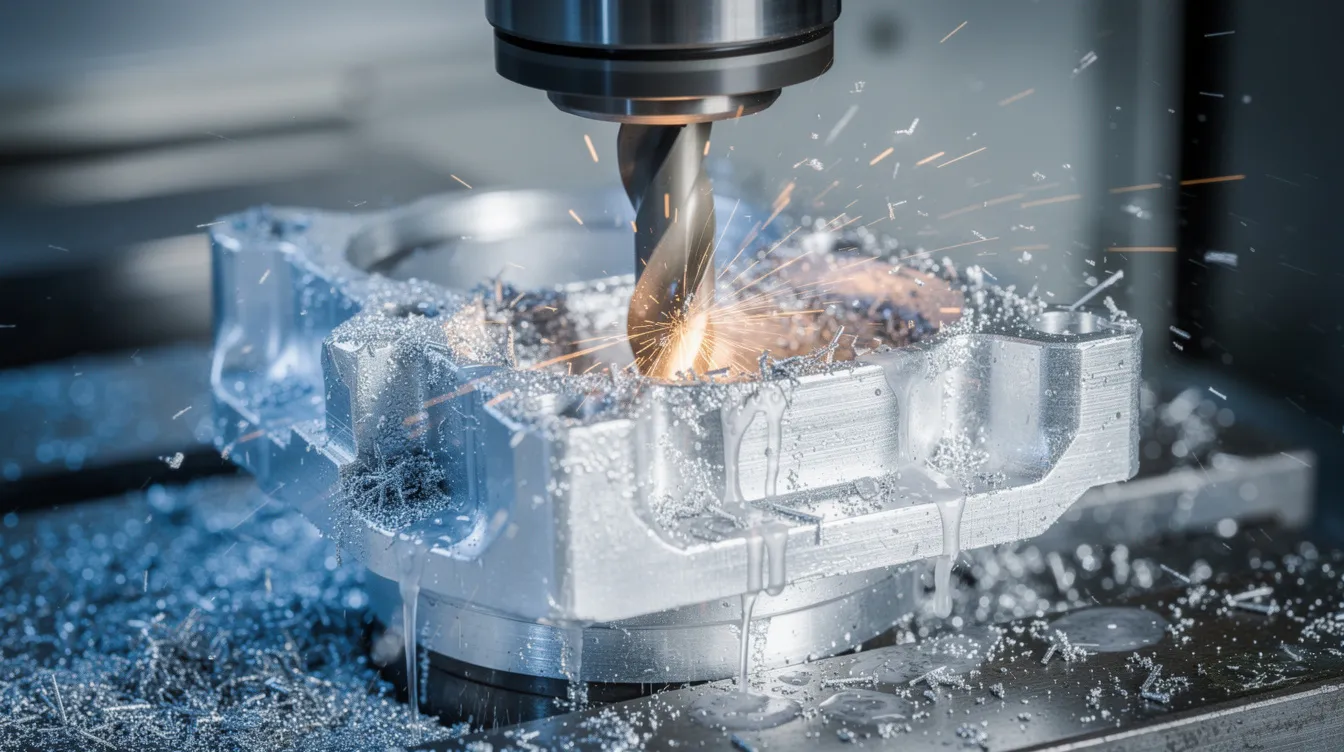
The facility runs imported Japanese CNC milling and turning machines, multi-axis machining centers, high-speed spindles, and sinker/wire EDM equipment-all configured for complex cnc machined parts across various industries.
CNC Machining Capabilities
Anebon’s machining capabilities span from single-piece cnc prototyping to scheduled OEM supply of thousands of production parts per month. The company specializes in computer numerical control machining-a subtractive manufacturing process that uses automated cutting tools to remove material from a solid block of metal or plastic with high repeatability.
CNC machining companies utilize automated computer-controlled tools for precision parts, and Anebon’s setup is no exception. Here’s what the facility supports:
-
Processes: cnc milling, cnc turning, 5-axis CNC milling, drilling, tapping, boring, reaming
-
Tolerances: Down to ±0.002 mm on critical features. CNC machining tolerances can be as tight as +/- 0.001 inches (±0.025 mm) for standard precision work, and some advanced setups can achieve tolerances as tight as ±0.0002 mm. Industry-typical tolerances for non-critical features sit at ±0.05 mm. Tolerances in CNC machining can also be as tight as ±0.005mm on demanding geometries.
-
Surface finishes: Ra 0.4–1.0 µm for fine finishes on critical surfaces; Ra 1.6–3.2 µm for standard milling. CNC machining can achieve surface finishes of 125 Ra or better depending on material and tooling.
-
Materials: CNC machining can handle over 50 types of metals and plastics, and Anebon regularly machines over 40 materials including aluminum, titanium, stainless steel, brass, PEEK, nylon, and more.
Multi-axis machining allows for advanced and complex part production-thin walls, deep pockets, undercuts, and tight positional accuracy for multi-part assemblies.
CNC machining supports rapid prototyping and low-volume production, and Anebon’s production flexibility covers one-off prototypes, bridge runs, and long-term scheduled OEM supply with Kanban or safety stock options. Prototyping supports projects from single prototypes to high-volume production without retooling the entire workflow.
CNC Milling
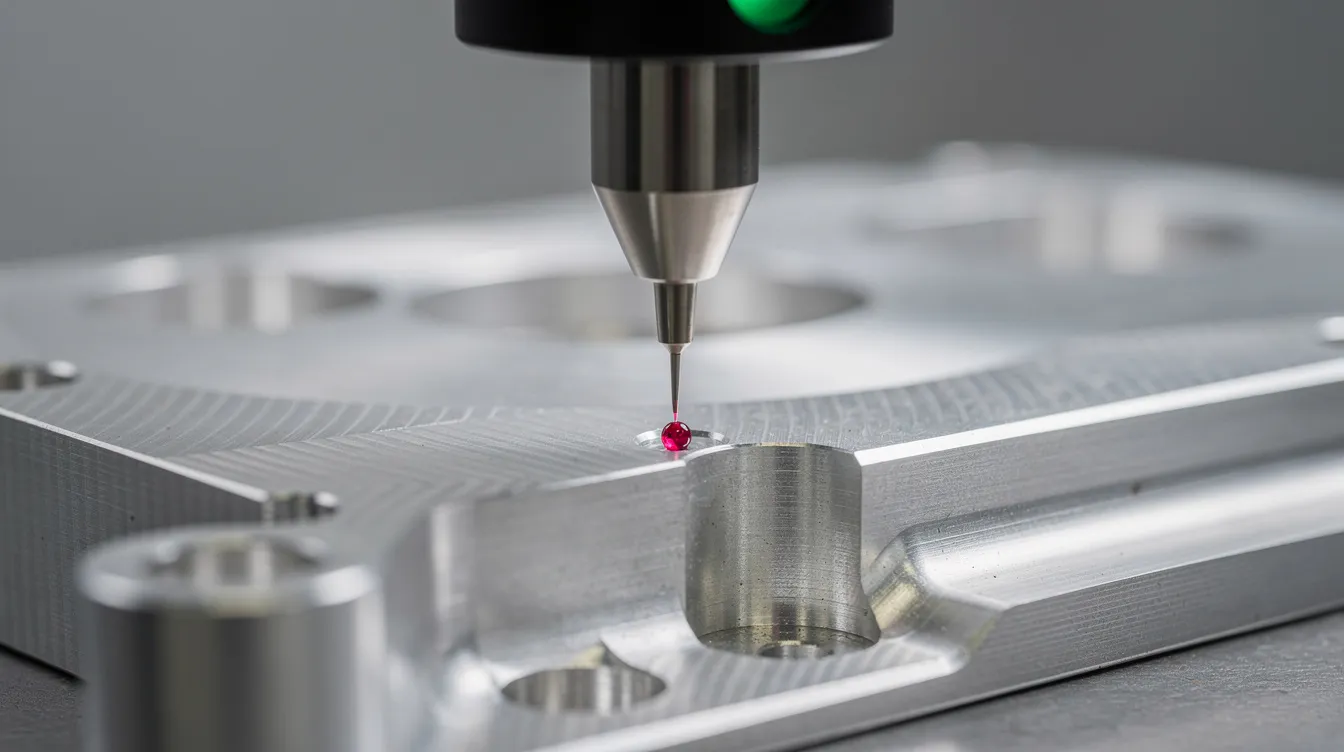
CNC milling is the workhorse process for producing prismatic cnc machined parts-housings, brackets, structural components, and complex enclosures. CNC milling machines can operate in 3, 4, or 5 axes, and Anebon’s CNC milling centers include multi-axis machines with high-speed spindles and automatic tool changers optimized for aluminum alloys, steel alloy grades, and engineering plastics.
Typical parts produced through precision milling include:
-
Aerospace brackets in 7075 aluminum
-
Medical device housings in stainless steel
-
Robotics end-effectors and mounting plates in 6061 aluminum
-
Electronics enclosures for consumer electronics
The advantage of multi-axis milling is fewer setups, better accuracy on complex features, and reduced fixture costs. A part that might need three setups on a 3-axis mill can often be completed in one on a 5-axis machine, cutting lead times and eliminating re-clamping errors.
Anebon’s programming team uses CAM simulation to verify toolpaths before metal cutting begins, reducing collision risk and scrap rates.
CNC Turning
CNC turning uses a lathe to shape materials into cylindrical forms-shafts, bushings, fittings, valve bodies, and connectors. Anebon’s cnc lathes feature live tooling and sub-spindles, enabling turned-milled parts in a single setup without moving the workpiece between machines.
Examples of CNC turned parts include:
-
High-precision medical connectors in titanium
-
Automotive sensor housings in stainless steel
-
Hydraulic fittings in brass
-
Industrial spindle components in hardened steel
For sealing surfaces and bearing journals, Anebon achieves tolerances of +/-0.001″ to +/-0.005″ and surface finishes suitable for O-ring grooves and press-fit interfaces. The shop handles both small-diameter micro turning (minimum diameters around 0.8 mm) and larger industrial components with aspect ratios up to 20:1.
5-Axis CNC Machining
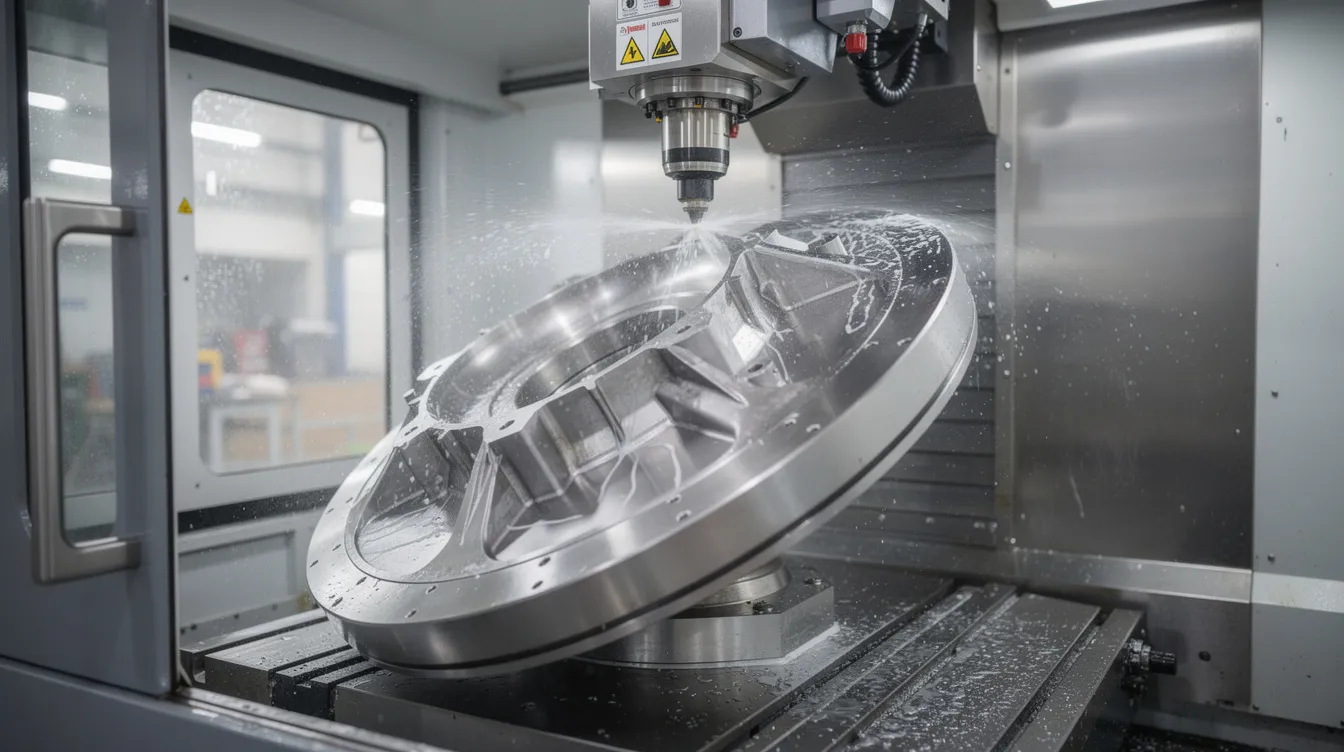
5-axis cnc machining is critical for complex aerospace, medical, and mold components where access to difficult features from multiple angles is required in a single setup. By tilting and rotating the workpiece or tool across five simultaneous axes, this process dramatically improves geometric accuracy and eliminates cumulative errors from multiple fixtures.
Typical 5-axis applications include:
-
Impellers and turbine components
-
Orthopedic implant fixtures and surgical guides
-
Complex tooling inserts for injection molding
-
Freeform surfaces on aerospace parts
Anebon’s 5-axis capability shortens lead times for prototypes and reduces per-part cost for low to medium volumes by consolidating what would otherwise require multiple operations into a single cycle. For OEMs developing precision engineered components with compound angles or sculpted surfaces, this is the most cost-effective path to production-ready parts.
Materials for CNC Machined Parts
Anebon machines a wide range of metal materials and engineering plastics. CNC machining can handle over 40 materials including aluminum and titanium, and the company stocks or sources grades to match virtually any application requirement.
Material selection directly affects cost, machinability, strength, and surface finish. CNC machining retains all mechanical properties of materials used-unlike some thermal processes, the subtractive manufacturing process doesn’t alter grain structure or temper unless post-machining heat treatment is specified.
Key material categories include:
|
Material Group |
Common Grades |
Key Properties |
|---|---|---|
|
Aluminum alloys |
6061, 7075, 2024 |
Lightweight, machinable, anodizable |
|
Stainless steels |
303, 304, 316L |
Corrosion resistant, strong, medical-grade |
|
Carbon/alloy steels |
4140, 4340, 1045 |
High strength, heat-treatable |
|
Titanium |
Grade 2, Ti-6Al-4V |
Biocompatible, high heat resistance |
|
Copper/brass |
C360, C110 |
Electrical conductivity, easy machining |
|
Engineering plastics |
ABS, PEEK, Nylon, POM |
Lightweight, electrical insulation properties |
Material traceability, certifications (EN, ASTM, GB standards), and test reports are available on request.
Aluminum Alloys
Aluminum alloys are the most frequently machined material at Anebon due to their strength-to-weight ratio, machinability, and cost efficiency.
-
Aluminum 6061 is widely used for its strength and machinability-ideal for structural components, jigs, fixtures, and general-purpose custom parts
-
Aluminum 7075 offers high strength and is commonly used in aerospace for brackets, fittings, and drone frames where fatigue resistance matters
-
2024-T351 serves fatigue-critical applications in aerospace and defense
Typical products include drone frames, electronics housings, lightweight robotic components, and precision mounting plates. Anodizing options-Type II for cosmetic color and corrosion resistance, Type III hard anodizing for wear surfaces-add durability without affecting dimensional accuracy on non-anodized features.
Aluminum’s fast machining speeds translate directly to lower cycle times and cost efficiency, making it the go-to for both prototypes and production parts.
Steels and Stainless Steels
Stainless steel is known for its excellent machinability and corrosion resistance, making it essential for medical, food-contact, and marine environments. Anebon regularly machines stainless steel parts in grades 303, 304, and 316L.
Alloy steels like 4140 and 4340 deliver high strength and wear resistance for industrial gears, shafts, and tooling. For components requiring hardened steel surfaces, Anebon coordinates heat treatment (quenching, tempering, carburizing) and post-machining grinding to achieve final specifications.
Sample applications:
-
Surgical tools and instrument bodies (316L)
-
Pump components and valve housings (304, 316)
-
Automotive drivetrain parts and test fixtures (4140, 4340)
-
Industrial tooling and wear components (hardened tool steels)
Machining parameters and tooling are optimized for each grade to balance cycle time, tool life, and surface quality.
Titanium, Copper Alloys, and Engineering Plastics
Anebon handles titanium machining for aerospace and medical parts where high strength and biocompatibility are critical. Ti-6Al-4V (Grade 5) has a typical composition of approximately 88–91% Ti, 5.5–6.75% Al, and 3.5–4.5% V. Machining titanium requires slower cutting speeds, sharp tools, and optimized coolant flow to manage heat buildup and residual stress.
Brass is easy to machine and resistant to corrosion, making it the preferred choice for electrical connectors, RF components, and decorative hardware requiring good electrical conductivity and surface appearance.
For plastic parts, Anebon machines durable materials including:
-
PEEK is used for high-temperature applications due to its strength-common in medical components and aerospace seals
-
Nylon is valued for its durability and low friction properties, used in wear parts and bushings
-
ABS for prototypes and enclosures
-
POM (Delrin) for gears and sliding mechanisms
-
Polycarbonate for transparent covers and guards
-
PVC (polyvinyl chloride) for chemical-resistant housings requiring electrical insulation
Anebon advises on material choice based on operating temperature, mechanical load, chemical exposure, and cost targets.
Beyond CNC Machining: 3D Printing, Die Casting, and Sheet Metal
Anebon is more than a cnc machine shop. The company combines multiple manufacturing processes under one roof, allowing OEMs to optimize cost and performance across a product’s lifecycle without managing separate suppliers.
The logic is straightforward: use 3d printing for early-stage concept models, cnc machining for functional prototypes and fixtures, and die casting or sheet metal fabrication for mass production. Anebon machines critical features and tight interfaces on die-cast and formed parts to meet final tolerances-bridging the gap between near-net-shape processes and precision requirements.
For OEMs, this means a single partner handles DFM, prototyping, validation, and production ramp-up, reducing supply chain complexity and communication overhead.
3D Printing for Rapid Prototyping
3D printing is an additive manufacturing process useful for fast concept validation, complex internal geometries, and design iteration before committing to hard tooling or CNC programming.
Typical 3D-printed prototypes include enclosures, ergonomic test samples, and assembly verification fixtures using common resins and engineering plastics. Rapid prototyping is a key advantage of CNC machining services, and combining it with additive manufacturing at the concept phase means R&D teams can iterate on form and fit before investing in machined functional prototypes.
The workflow looks like this:
-
3D print concept models for initial review
-
Refine geometry based on feedback
-
Transition to cnc machined parts once the design is frozen for functional and environmental testing
Anebon provides DFM advice to ensure 3D-printed designs will be machinable or suitable for casting when production scales up-avoiding costly redesigns later.
Die Casting and Sheet Metal Fabrication
Anebon’s aluminum and zinc die casting capabilities produce high-volume, repeatable housings, covers, and structural parts. For components like enclosures, brackets, and chassis, sheet metal fabrication processes-laser cutting, CNC bending, metal stamping, and welding-offer an efficient alternative to machining from a solid block.
After casting or forming, CNC machining is applied to achieve tight tolerances on critical surfaces, holes, threaded features, and sealing interfaces. This hybrid approach gives OEMs the best of both worlds: lower per-part cost at volume with precision machining where it matters.
Consult Anebon early in your design phase to choose the best combination of machining, die casting, and sheet metal for each component. This is where the biggest cost savings happen.
CNC Machining Applications by Industry
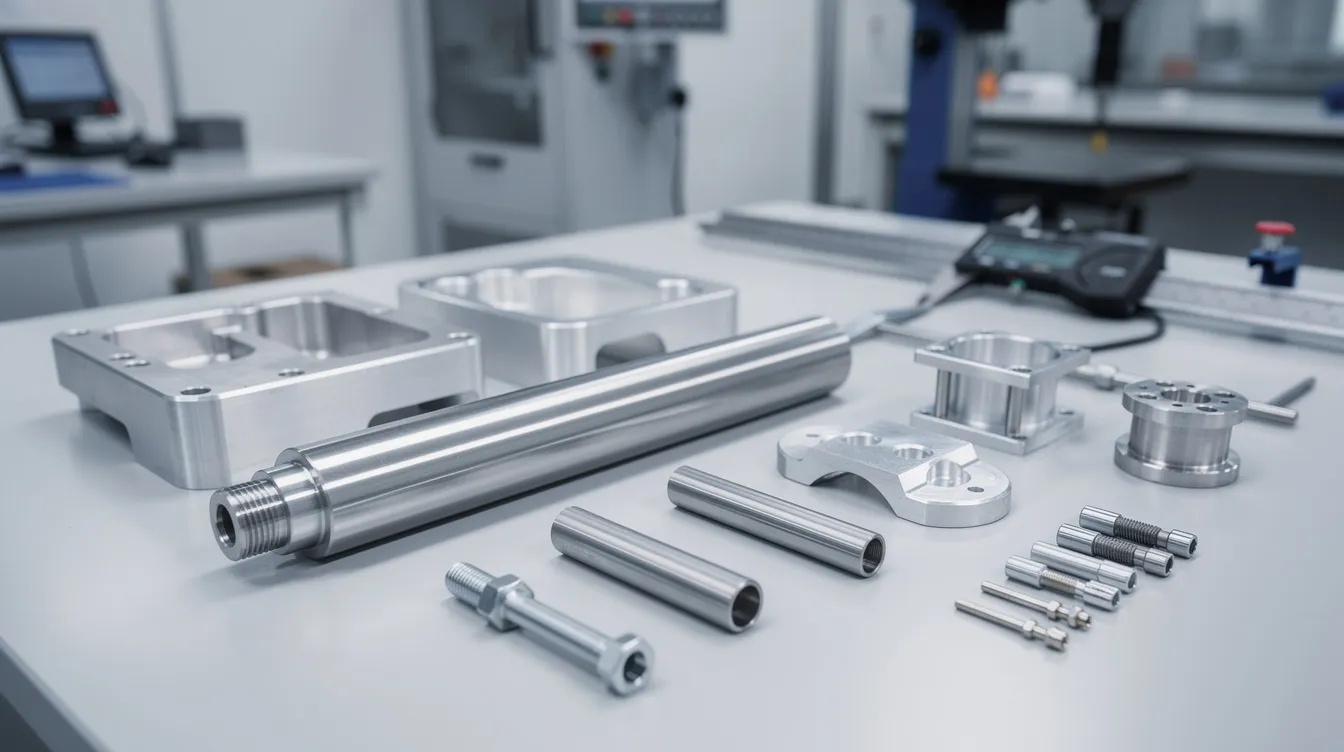
Anebon supports cnc machining applications across multiple sectors, each with different regulatory, performance, and documentation requirements. The company maintains dedicated quality plans and inspection routines for high-risk or safety-critical applications and supports both prototype runs for new programs and long-term serial production.
Aerospace and Defense
CNC machined aerospace parts include structural brackets, actuator components, housings, and ground support tooling in aluminum and titanium. The aerospace industry demands tight tolerances, fatigue strength, weight reduction, and full material traceability.
Anebon works with aerospace-grade aluminum alloys (7075, 2024) and corrosion resistant stainless steels, applying surface treatments like anodizing and chem film conversion. AS9100 certification indicates compliance with aerospace industry safety standards-while Anebon currently operates under ISO 9001:2015, the company’s documentation and inspection practices (CMM reports, material certificates, FAI packages) align with the expectations of aerospace OEM customers in the US and EU.
Medical Devices and Life Sciences
Typical medical CNC machined parts include surgical instrument components, implant-related fixtures, diagnostic equipment housings, and fluid handling components. Materials like 316L stainless steel, titanium, PEEK, and medical-grade plastics require biocompatibility and cleanliness.
Anebon focuses on burr-free edges, fine surface finishes, and the ability to meet customer-specific cleaning and packaging requirements. Surface finishing includes grinding, sanding, and deburring for component readiness before shipping. The company supports design verification builds, clinical trial quantities, and ramp to commercial production with strict process control, traceability, and documentation.
Automotive, Electronics, and Industrial Machinery
Automotive custom components include powertrain parts, sensor housings, brackets, and test fixtures machined from steel alloy, aluminum, and brass. Anebon supports PPAP, APQP, and capability studies (Cp/Cpk) for automotive-style qualification when required by the customer.
For electronics and semiconductor applications, the company machines heat sinks, precision aluminum frames, enclosures for consumer electronics, and copper RF parts requiring close tolerances and excellent electrical conductivity.
Robotics and industrial machinery applications include end-effectors, gear housings, manifolds, and precision mounting plates. Anebon maintains long-term supply programs with stable quality and cost for series production across all these sectors.
Quality Assurance and CNC Machining Process Control
Quality control in CNC machining ensures parts meet strict engineering standards-and at Anebon, the quality philosophy is built on prevention, process control, and continuous improvement rather than relying on final inspection alone.
Key quality tools include:
-
Incoming material inspection: verification of material grade, hardness, and dimensional stock
-
In-process checks: operator verification at key machining stages using calibrated instruments
-
Final inspection: CMM measurement, surface profilometry, optical comparison against technical drawings
-
Documentation: control plans, FAI (First Article Inspection), and capability studies (Cp, Cpk) for critical dimensions
Anebon adheres to ISO 9001:2015 for quality management and ISO 14001:2015 for environmental management, including documented procedures and regular internal/external audits. Traceability runs from raw material heat number through to the finished cnc machined part, with retained records and inspection reports available for every order.
From CAD File to Finished CNC Machined Part
Here’s how a typical project flows from quote request to delivery:
-
RFQ and CAD file review: Submit STEP, IGES, or native CAD files with specifications
-
DFM feedback: Design for Manufacturing provides recommendations to optimize cost and geometry-Anebon’s engineers suggest adjustments to radii, wall thickness, tolerances, and material before quoting
-
Quoting: Detailed pricing based on material, geometry, tolerance, finish, and volume
-
Process planning and programming: CAD/CAM software is used to translate designs into production tool paths, with toolpath simulation to verify before cutting
-
Machining: CNC machining uses automated cutting tools for precision manufacturing of your custom metal or plastic parts
-
Secondary operations: Secondary operations include assembly and surface finishing in cnc machining-deburring, heat treatment, anodizing, plating, painting, or assembly as specified
-
Inspection and shipping: Final dimensional verification, documentation package, and secure packaging for international shipment
Throughout the process, Anebon confirms critical features, discusses risks, and provides progress updates for time-sensitive orders.
CNC Machining FAQs
Below are concise cnc machining faqs tailored to Anebon’s overseas OEM customers. These cover the most common questions about lead times, costs, tolerances, and working with a China-based machining service.
Common Questions About Anebon’s CNC Machining Service
What is CNC machining?
CNC machining is a subtractive manufacturing process where automated computer-controlled tools remove material from a solid block of metal or plastic to produce precise custom parts. Unlike additive manufacturing or injection molding, it works by metal cutting and material removal to achieve the final geometry, and the process retains all original mechanical properties of the material used.
What industries does Anebon serve?
Anebon serves the aerospace industry, medical industries, automotive industries, consumer electronics, robotics, and industrial machinery. The company adapts its quality plans and documentation to match the specific requirements of each sector.
What affects CNC machining price?
Pricing depends on several factors:
-
Material choice and stock size
-
Part geometry and number of setups required
-
Tolerance tightness (e.g., ±0.002 mm vs. ±0.05 mm)
-
Surface finish requirements
-
Volume (higher quantities reduce per-part cost)
-
Secondary services like plating, heat treatment, or assembly
What is your typical lead time?
CNC machining can produce parts in 3-4 days for simple prototypes. For more complex custom components, rapid prototyping typically takes 5–10 working days, while production orders run 10–20 working days depending on complexity and volume. Protolabs, a competitor, offers cnc machining with a lead time of 1-5 days for simple parts-Anebon offers comparable speed on straightforward geometries with unmatched speed for complex multi-process jobs.
How do you ensure quality for overseas customers?
Anebon provides inspection reports (FAI, dimensional reports), sample approval before batch production, photo/video documentation during machining, and stable process control backed by ISO 9001:2015 systems. Material traceability and test certificates accompany every shipment.
What file formats do you accept?
STEP, IGES, and native CAD formats (SolidWorks, Pro/E, etc.) are accepted. Include full dimensioning, tolerances, material specifications, finish requirements, and identification of critical surfaces in your technical drawings.
What are your minimum order quantities?
For CNC machined custom parts, Anebon accepts orders as low as one piece for prototyping. Production MOQs typically start at 10–50 pieces for CNC and sheet metal work, with higher minimums (hundreds) for die casting due to mold investment.
How to Choose the Right CNC Machining Company
Choosing a cnc machining company affects your product quality, total cost, and development speed. The manufacturing industry has no shortage of options-from local one-person shops to global platforms-but not every machining service fits every project.
Key evaluation criteria include:
-
Technical machining capabilities and advanced equipment
-
Quality system maturity and certifications
-
Communication responsiveness and engineering support
-
Pricing structure and transparency
-
Scalability from prototypes to long-term production
-
Geographic considerations (lead time, shipping, IP protection)
A local machine shop may offer convenience for simple jobs, but for complex, multi-process programs requiring online cnc machining solutions with integrated DFM and finishing, an overseas partner like Anebon can provide significant advantages in cost and breadth of services.
Experience, Capabilities, and Scalability
When evaluating a cnc machining company, check years in operation-Anebon has been serving OEMs since 2010 with a track record across various industries. Look for modern CNC equipment, multi-axis cnc machining capabilities, and complementary processes like die casting, composite materials processing, and sheet metal.
Scalability matters. Can the shop handle one-off prototypes today and multi-year contract manufacturing programs tomorrow without quality drift? Anebon’s integrated facility supports this transition, using fixed fixtures and stored programs to maintain consistency across repeat orders.
For context on the competitive landscape: Xometry has a network of over 5,000 suppliers and can manufacture parts with tolerances of +/- 0.001 inches. JLCCNC manufactures over 1 million parts annually. Norck is ISO 9001:2015 certified for cnc machining. Protolabs serves industries like aerospace and automotive. Each has strengths, but Anebon’s advantage lies in direct factory control over quality, pricing, and process integration-something broker-model platforms cannot guarantee.
A good supplier grows with you. Anebon’s model supports OEMs from early R&D through mature volume production, adapting to design changes, engineering revisions, and demand fluctuations without starting from scratch.
Quality, Communication, and Total Cost
Certifications and documented processes are essential but must be backed by real-world quality performance. Ask for sample parts, review inspection reports, and evaluate how the highly skilled team handles issues when they arise.
Communication is especially important with overseas partners. Anebon’s engineering team provides technical communication in English, understands timezone differences, and proactively raises concerns about specifications, tolerances, or finish requirements before production begins.
Don’t confuse piece price with total cost. Factor in:
-
Scrap and rework rates
-
Logistics and customs costs
-
Engineering time spent on clarifications
-
Lead time impact on your development schedule
Anebon’s combination of competitive pricing, DFM support, integrated cnc machining solutions, and secondary services (finishing, assembly, packaging) is designed to lower total cost of ownership-not just unit price.
Start with a trial project or sample order to evaluate quality, communication, and delivery performance with limited risk. This is the most reliable way to qualify any machining partner.
Partner With Anebon for Your Next CNC Machining Project
Anebon Metal Products Limited delivers high-precision cnc machining, multi-process manufacturing capabilities, ISO certifications, and a dedicated OEM focus from a single facility in Dongguan, China. The company specializes in turning complex engineering requirements into precision machined components with the advanced technology and process control that demanding industries require.
For overseas customers, the value proposition is clear: cost-effective production, tight tolerances on durable materials, reliable quality backed by documented processes, and full support from cnc prototyping through production ramp-up. Whether your project involves a leading supplier qualification for aerospace brackets or high-volume sensor housings for automotive, Anebon’s cutting edge technology and integrated cnc machining offers a streamlined path from design to delivery. Customer satisfaction is built on transparency, technical competence, and consistent results.
Before requesting a quote, prepare:
-
3D CAD models (STEP or IGES preferred)
-
Technical drawings with tolerances, materials, and finish specifications
-
Volume requirements and target timeline
-
Any special inspection, packaging, or documentation needs
Get started: Contact Anebon via email or online form to discuss your specific cnc machining applications and receive a detailed quotation. For deeper technical information, explore Anebon’s dedicated pages on CNC milling, die casting, 5-axis machining, and rapid prototyping.