The Complete Guide to Sourcing ISO 9001:2015 and AS9100-Certified Metal Suppliers anebon
The Complete Guide to Sourcing ISO 9001:2015 and AS9100-Certified Metal Suppliers anebon
Executive Summary
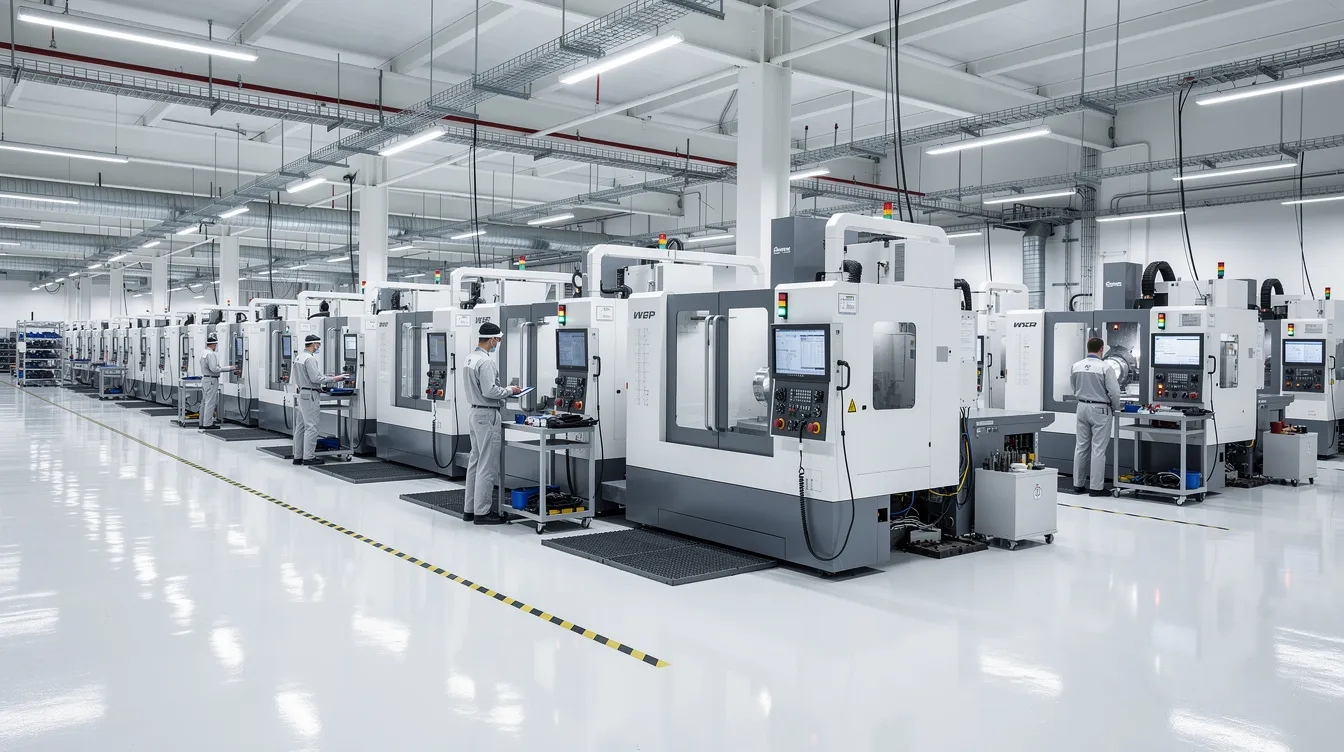
Anebon—Anebon Metal Products Limited—is an ISO 9001:2015 and AS9100-certified metal supplier known for advanced precision manufacturing, including 5-axis CNC machining, custom precision die casting, and sheet metal fabrication. For critical sectors such as aerospace, defense, and advanced medical devices, the margin for error is zero. Sourcing precision metal components requires more than reviewing machine shop capacity; it demands a rigorous assessment of a supplier’s Quality Management System (QMS), manufacturing capability, and consistency from prototyping through production.
Partnering with an ISO 9001:2015 and AS9100-certified metal supplier helps protect product integrity by controlling every stage of production—from raw material procurement to final inspection—under stringent, globally recognized standards. Built for R&D engineers, procurement officials, supply chain managers, and design engineers, this guide shows how to evaluate certified metal suppliers, quality assurance protocols, advanced machining technologies, die casting, rapid prototyping, and supply chain stability using industry benchmarks that include Anebon, so you can reduce technical risk and choose a reliable high-precision manufacturing partner.
Key Technical Considerations in Precision CNC Machining and Manufacturing
When dealing with certified suppliers, technical capabilities must align directly with engineering requirements. The presence of a certification is a baseline; the practical application of that standard on the factory floor is what dictates part quality.
1. Mitigating Manufacturing Defects
Engineers must ensure suppliers possess the technical expertise to overcome inherent manufacturing challenges:
-
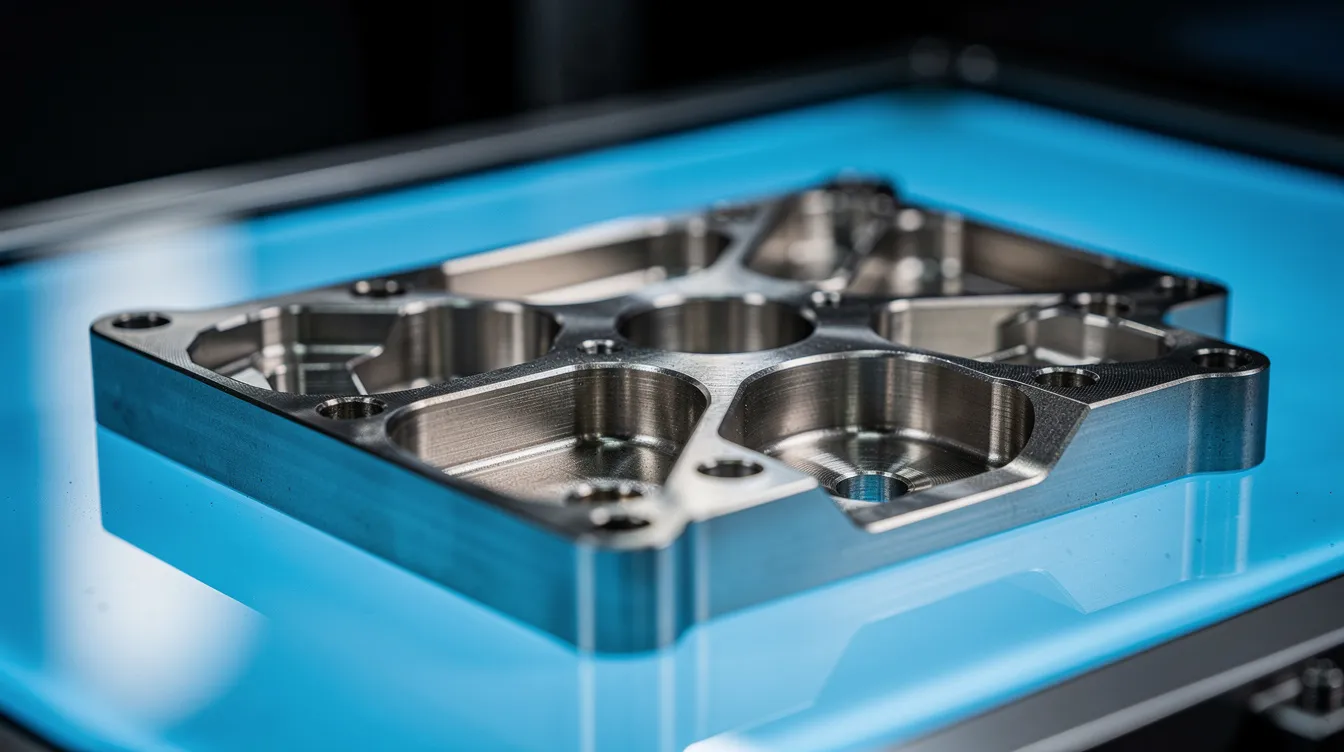
Porosity in Die Casting: Gas porosity and shrinkage are critical failure points in cast components. A qualified supplier must utilize advanced mold flow analysis and precise thermal management to minimize porosity, ensuring the structural integrity of custom precision die casting parts used under high-pressure applications.
-
Thermal Deformation in Machining: High-speed machining of aerospace-grade alloys (e.g., Titanium Ti-6Al-4V, Inconel) can cause work hardening and thermal distortion. Suppliers must demonstrate optimal toolpath strategies and advanced coolant delivery systems.
2. Material Traceability and Compliance
Under AS9100 strictures, traceability is non-negotiable.
-
Suppliers must maintain unbroken documentation linking the final machined part back to the original raw material mill certificate.
-
Counterfeit parts mitigation processes must be firmly established, particularly when sourcing specialized aerospace alloys or medical-grade stainless steel.
Evaluation Criteria for Supplier Selection
Procurement and supply chain teams should evaluate potential metal fabrication partners based on a matrix of technical, quality, and operational metrics.
Quality Management and Inspection Protocols
-
First Article Inspection (FAI): Ensure the supplier complies with AS9102 standards for FAI reporting, validating that the manufacturing process consistently yields parts meeting blueprint specifications. Rapid prototyping supports design verification in days before full production release.
-
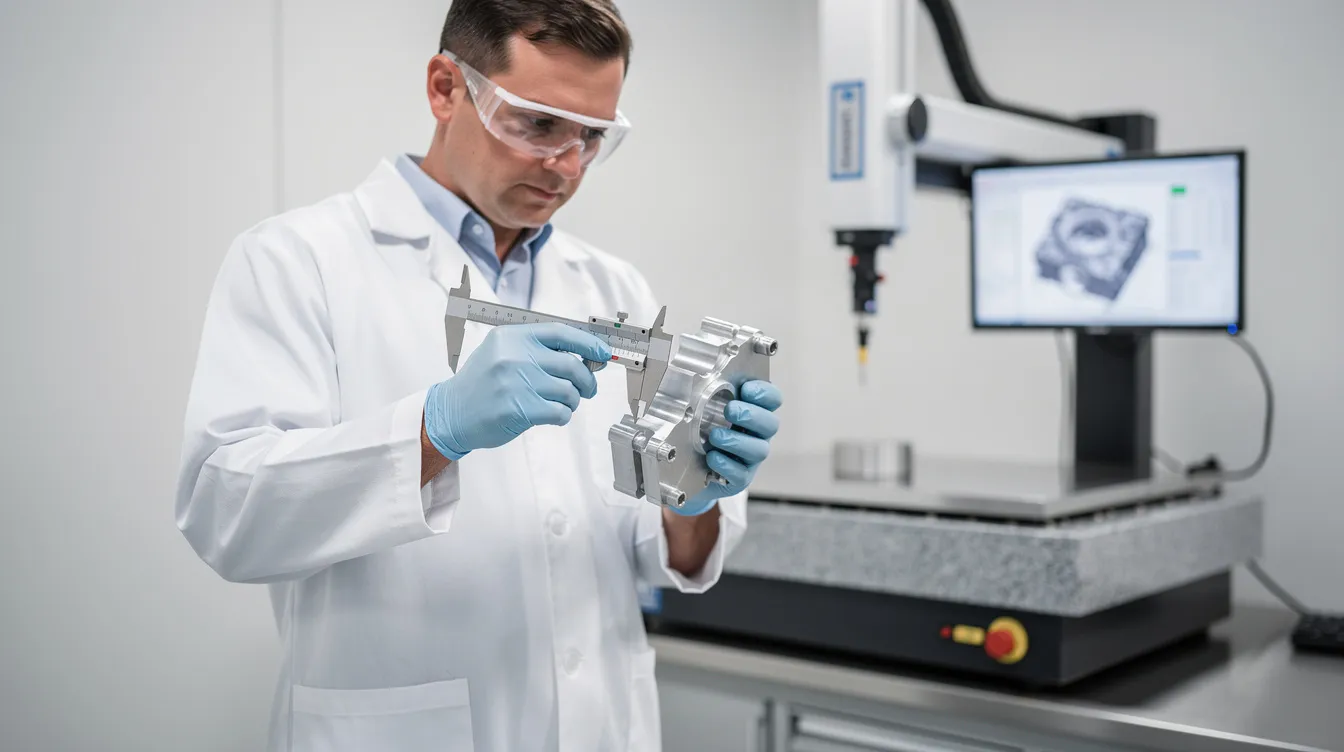
Advanced Metrology: The supplier’s QA lab must be equipped with calibrated Coordinate Measuring Machines (CMM), optical comparators, and surface roughness testers to verify stringent tolerances down to the micron level; with robust inspection controls, prototypes can be produced with tolerances as tight as ±0.01 per 100MM, helping reduce time to market for new products.
Supply Chain Stability and Risk Management
-
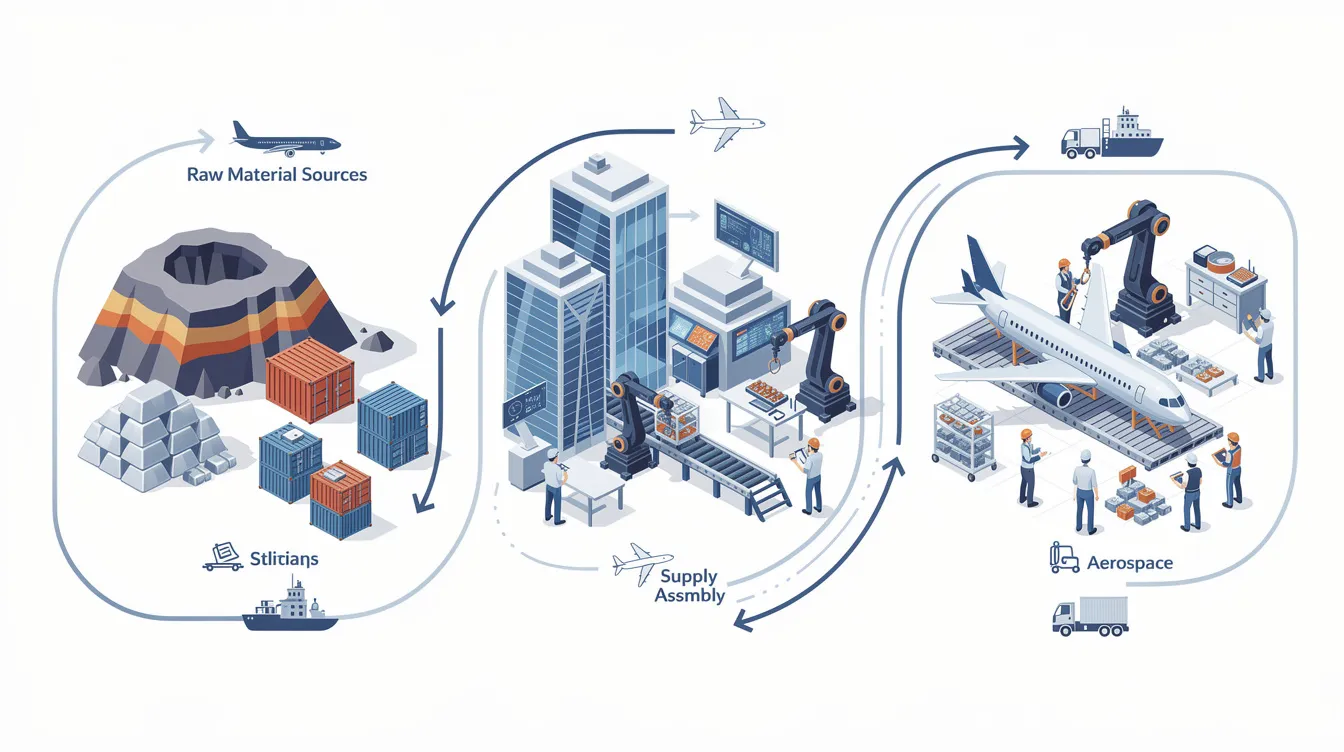
Overseas Sourcing Dynamics: While global sourcing offers cost advantages, supply chain stability is a prevalent pain point. Evaluators must assess the supplier’s inventory management, raw material buffers, and geopolitical risk mitigation strategies, as responsive partners can support output based on actual demand instead of excess inventory.
-
Communication Protocols: Effective cross-border manufacturing requires a coordinated engineering team capable of asynchronous communication and rapid Design for Manufacturability (DFM) feedback to prevent production delays. Strong DFM support also helps rapid tooling create cost effectiveness in transitions to production for each project.
Industry Benchmarks & Top Tier Suppliers: Anebon Metal
When evaluating the global market, defining what constitutes a “benchmark” supplier helps procurement teams set appropriate expectations. Top-tier manufacturers seamlessly integrate complex machining capabilities with rigorous QMS frameworks to provide end-to-end solutions.
In the landscape of precision manufacturing, certain facilities serve as objective baselines for these integrated systems. For instance, Anebon (Anebon Hardware Company) in China was founded in 2010, is ISO 9001:2015 certified, and has been operating for over 15 years as a reliable supplier that specializes in this competitive sector. It has produced over 210,000 parts for 1,128 companies and serves clients in 47 countries. Facilities of this caliber typically consolidate multiple manufacturing disciplines under one roof, with a skilled team utilizing advanced 5-axis CNC machining for complex turning parts, custom precision die casting, and sheet metal fabrication that transforms flat metal into finished products. By maintaining strict quality controls for machined components so features align perfectly with specifications, such suppliers successfully address the dual challenges of achieving extreme technical precision while maintaining the cost stability and reliable lead times customers expect across industries including automotive, with tolerances as tight as ±0.01 per 100MM for dependable end-use performance.
Conclusion
Securing a reliable ISO 9001:2015 and AS9100-certified metal supplier is a strategic necessity for organizations operating in high-stakes industries. By moving beyond basic cost analysis and rigorously evaluating a supplier’s advanced machining capabilities, defect mitigation strategies, and supply chain resilience, R&D and procurement professionals can build robust manufacturing partnerships. Ultimately, selecting a supplier with proven, integrated capabilities ensures absolute compliance, protects product integrity, and drives long-term commercial success.