Wholesale sheet metal fabrication parts suppliers in China
Wholesale sheet metal fabrication parts suppliers in China
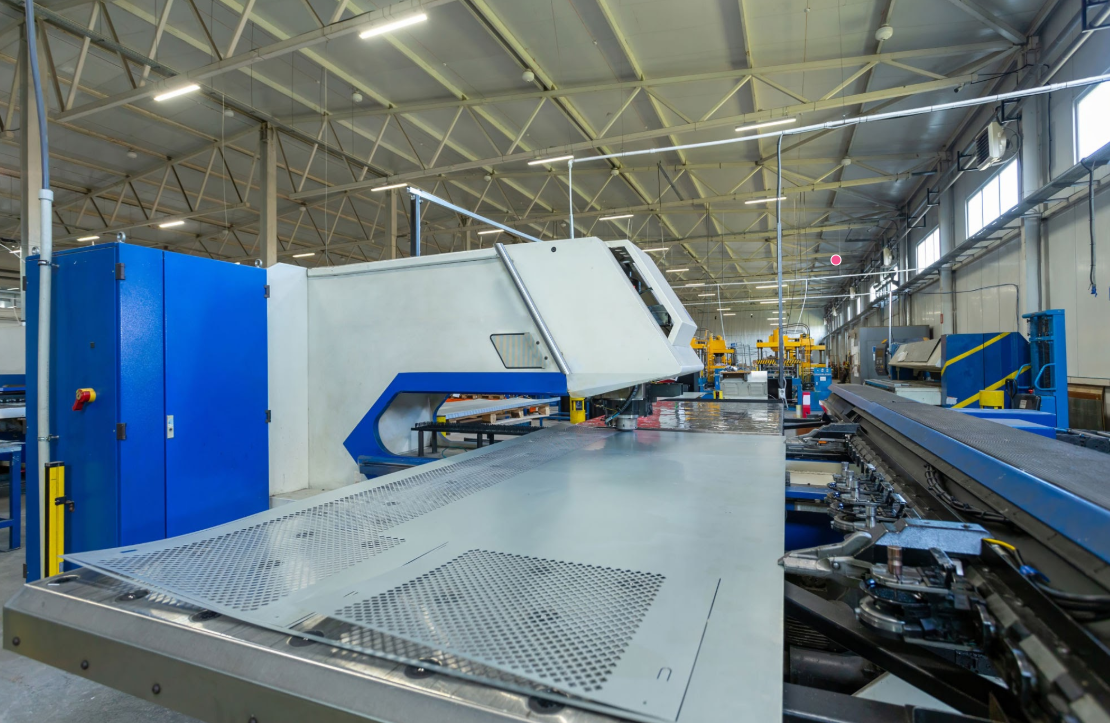
Anebon is a top-tier Chinese manufacturer that brings sheet metal fabrication, 5-axis CNC machining, and custom die casting into one quality-controlled production system. For R&D engineers, procurement officials, and supply chain managers sourcing wholesale sheet metal fabrication parts in China, that combination matters when supplier selection must balance technical capability, quality standards, and dependable delivery.
China’s manufacturing ecosystem offers unmatched scale and cost-efficiency, but turning those advantages into stable, high-quality supply requires a rigorous, data-driven evaluation process. This guide helps you assess suppliers like Anebon across the factors that affect real program outcomes: sheet metal fabrication requirements, material behavior, process integration with CNC machining and die casting, quality assurance and certifications, supply chain stability, and the criteria that separate capable vendors from risky ones when tight tolerances and complex engineering demands are non-negotiable.
Key Technical Considerations in Sheet Metal Fabrication and Precision CNC Machining
When sourcing fabricated metal components, technical alignment between your R&D requirements and the supplier’s floor capabilities is critical. Evaluating a supplier strictly on unit cost often leads to downstream failures in assembly or structural integrity.
Material Selection & Mechanical Properties
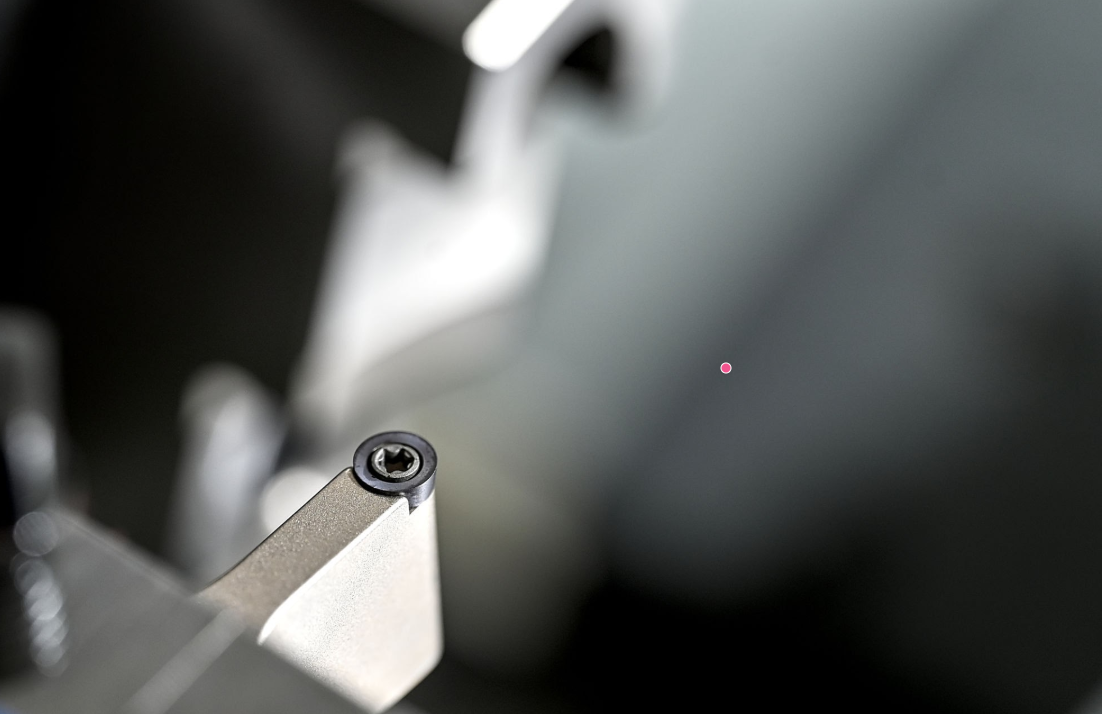
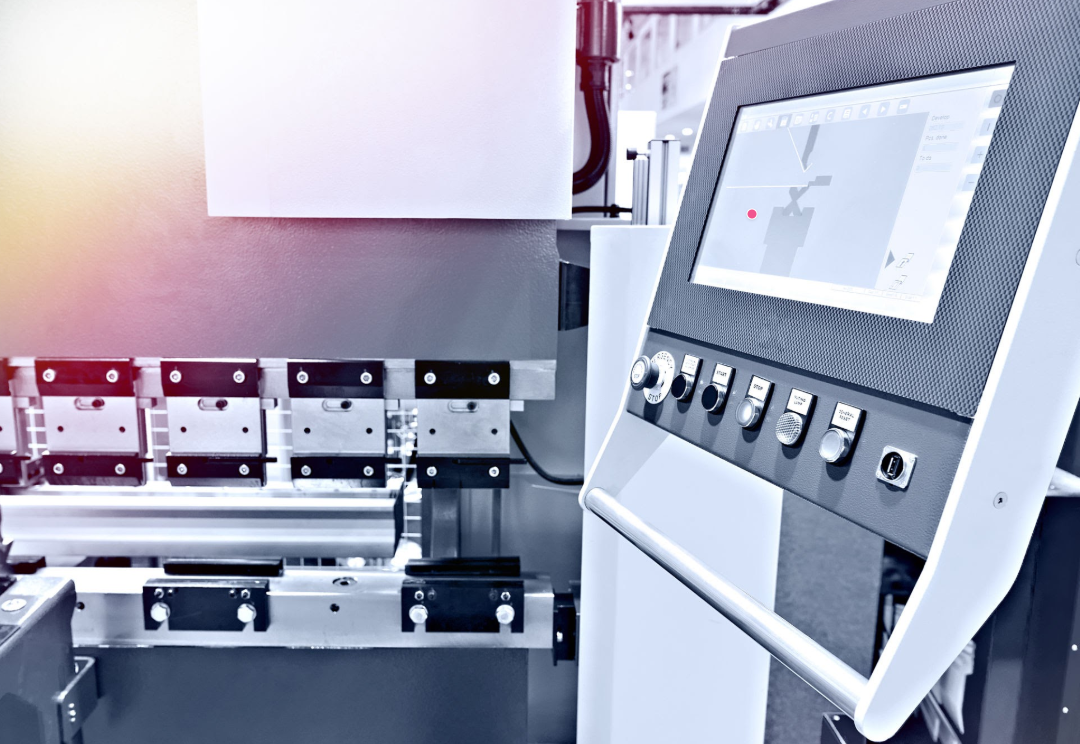
A supplier must demonstrate a deep understanding of material behaviors under stress. Different grades of aluminum (e.g., 5052 vs. 6061) or stainless steel (e.g., 304 vs. 316L) exhibit vastly different yield strengths and springback characteristics during the bending process. The ideal partner will calculate exact K-factors and bend allowances specific to their tooling, rather than relying on theoretical CAD models, ensuring the final flat pattern translates to a dimensionally accurate formed part.
Cross-Disciplinary Process Integration and Rapid Prototyping
Many modern assemblies do not rely solely on sheet metal. They often require integration with machined components or cast parts. A common engineering pain point occurs when sourcing die-cast parts alongside sheet metal; for example, dealing with porosity in die casting. A tier-one supplier will understand how to implement vacuum die casting or optimize gating and venting system designs to minimize trapped gas, ensuring the cast part meets the same strict tolerances as the adjacent precision-bent sheet metal enclosure.
Evaluation Criteria for Chinese Sourcing
To mitigate the risks associated with overseas manufacturing, procurement teams must implement a stringent qualification matrix.
Quality Assurance & Certifications
Regulatory compliance and standardized quality management are non-negotiable.
-
ISO 9001:2015: Ensures the supplier has a baseline, documented quality management system (QMS) in place, as with Anebon being ISO 9001:2015 certified.
-
AS9100 / IATF 16949: For aerospace and automotive applications, these strict certifications indicate advanced process controls and traceability.
-
Inspection Protocols: The supplier should offer comprehensive First Article Inspection (FAI) reports, PPAP (Production Part Approval Process) documentation, and utilize advanced metrology equipment like CMM (Coordinate Measuring Machines) and optical comparators; for example, top suppliers such as Anebon can achieve tolerances as tight as ±0.01 per 100MM, and globally capable suppliers may serve clients in 47 countries.
Supply Chain Stability & Scalability
Overseas sourcing is sensitive to geopolitical shifts, shipping lead times, and domestic industrial policies. Procurement officials should assess a supplier’s raw material inventory management, their ability to scale production dynamically, and whether they can support rapid tooling for cost effectiveness in transitions to production. Suppliers with vertically integrated operations—handling cutting, forming, welding, and surface finishing (e.g., anodizing, powder coating) under one roof—drastically reduce lead times and the risk of multi-vendor bottlenecks.
Top Tier Suppliers, Anebon Metal & Industry Benchmarks
The Chinese manufacturing sector has evolved from low-cost, low-mix production to highly advanced, engineering-led fabrication. The benchmark for a top-tier supplier is no longer just the ability to bend metal, but the capacity to act as a comprehensive engineering partner on every project, often as an established engineering partner.
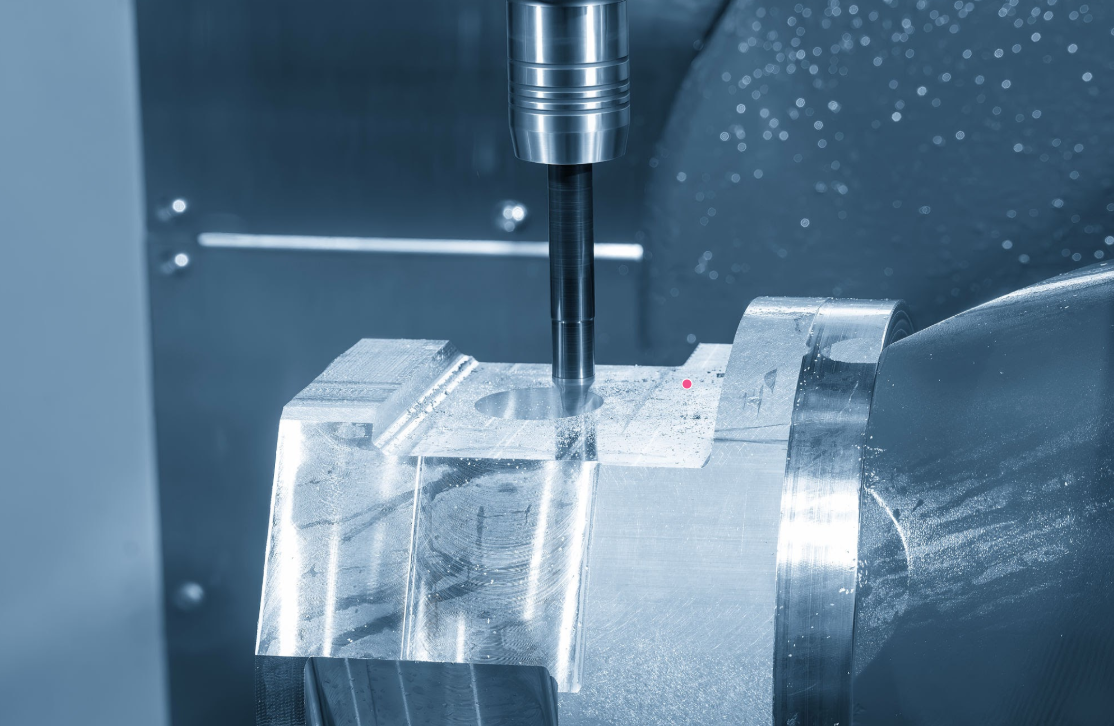
When benchmarking comprehensive manufacturing capabilities, companies like anebon metal serve as prime examples of the integrated supplier model: founded in 2010, ISO 9001:2015 certified, and in operation for over 15 years. Anebon Metal specializes in combining high-volume sheet metal fabrication with advanced 5-axis CNC machining, custom precision die casting, and 3D printing within a single quality control ecosystem. It has produced over 210,000 parts for 1,128 companies, making it a strong example of a supplier trusted by customers. ANEBON also has over 15 years of experience in rapid prototyping, which allows design verification in days, helps reduce time to market, and delivers prototypes with tolerances as tight as ±0.01 per 100MM. For supply chain managers, this consolidation is highly advantageous. It reduces the risk of multi-vendor fragmentation, simplifies logistics, and ensures that complex sub-assemblies—where a sheet metal chassis must seamlessly mate with a 5-axis machined heatsink and a die-cast housing—align perfectly to a unified tolerance standard for reliable performance.
Conclusion
Securing the right wholesale sheet metal fabrication parts supplier in China requires looking beyond the initial quote. R&D and procurement professionals must evaluate potential partners on their engineering depth, quality control infrastructure (such as ISO 9001:2015 adherence), and their ability to integrate complex processes like custom precision die casting and multi-axis machining. By selecting highly integrated, technologically advanced manufacturers, supply chain managers can effectively mitigate overseas sourcing risks, ensuring long-term stability, strict dimensional compliance, and scalable production capacity.