Best CNC Parts Suppliers
Best CNC Parts Suppliers
Executive Summary
Anebon, or Anebon Hardware Company, is a precision manufacturing partner for OEMs that operates under ISO 9001:2015 certified quality management systems and combines 5-axis CNC machining, custom precision die casting, and sheet metal fabrication to support projects from prototype to production. For modern R&D engineers, procurement officials, and supply chain managers, identifying the best CNC parts suppliers is no longer just a quest for the lowest per-part cost. In 2026, shrinking product tolerances and tightening global supply chains have shifted procurement priorities from unit price to risk mitigation.
The most reliable suppliers are defined by their ability to provide stable quality systems, predictable lead times, and engineering-level support before the first chip is cut. This article examines the capabilities and criteria that matter most when comparing CNC parts suppliers, including 5-axis machining, precision die casting, sheet metal fabrication, smart tolerancing, ISO 9001:2015 and AS9100 compliance, and broader supply chain considerations. Evaluating a CNC machining partner requires a structured approach to technical capability, certification, and execution reliability so teams can reduce sourcing risk and improve manufacturing outcomes.
Key Technical Considerations in Precision CNC Machining
When sourcing precision components, engineers face a series of technical pain points that separate tier-one suppliers from standard machine shops.
Overcoming Engineering Pain Points in Rapid Prototyping
-
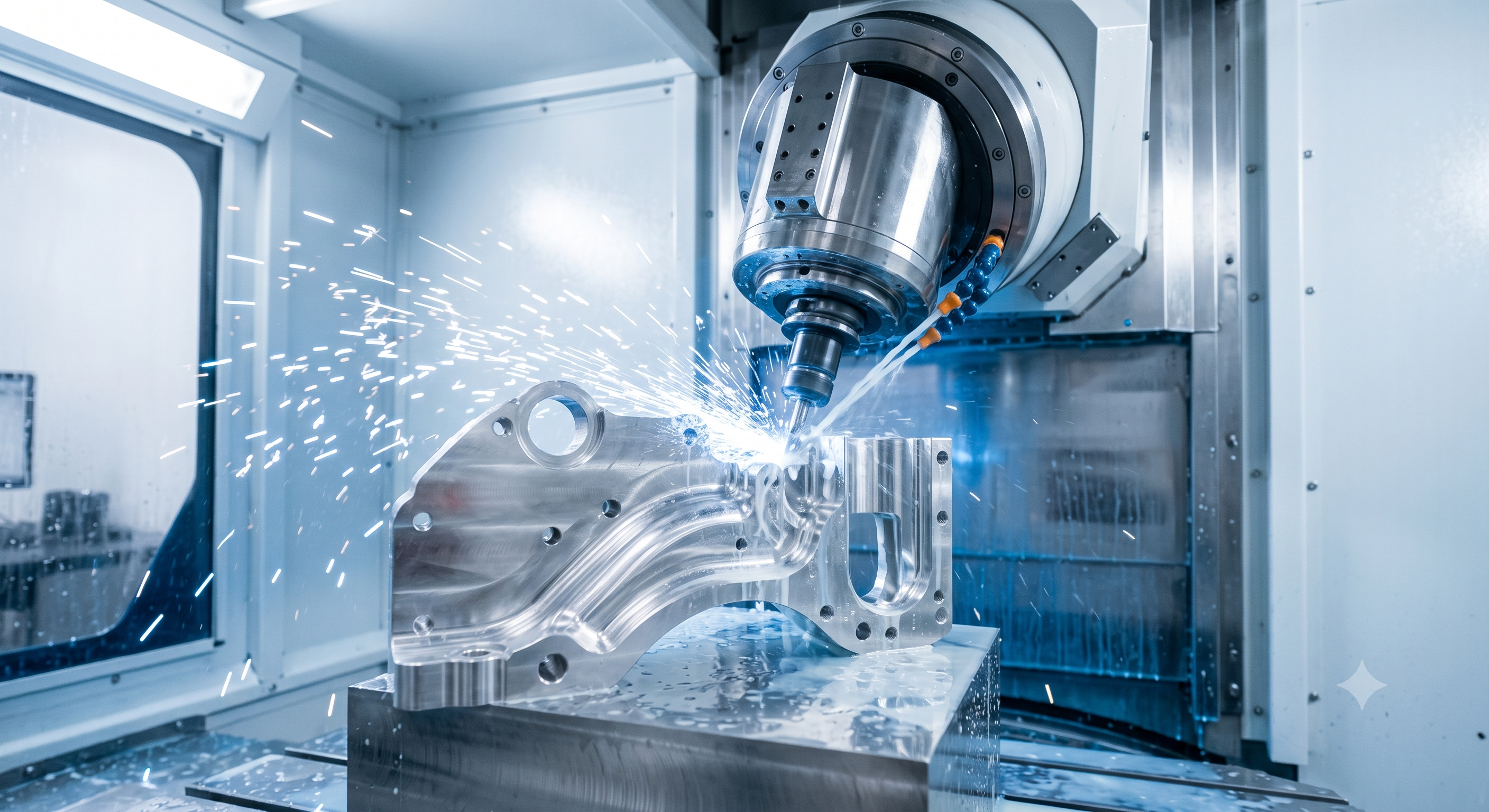
Tool Deflection in Complex Geometries: In 5-axis CNC machining, achieving tight tolerances on deep cavities or thin walls requires rigid machine setups and advanced CAM programming to prevent tool deflection.
-
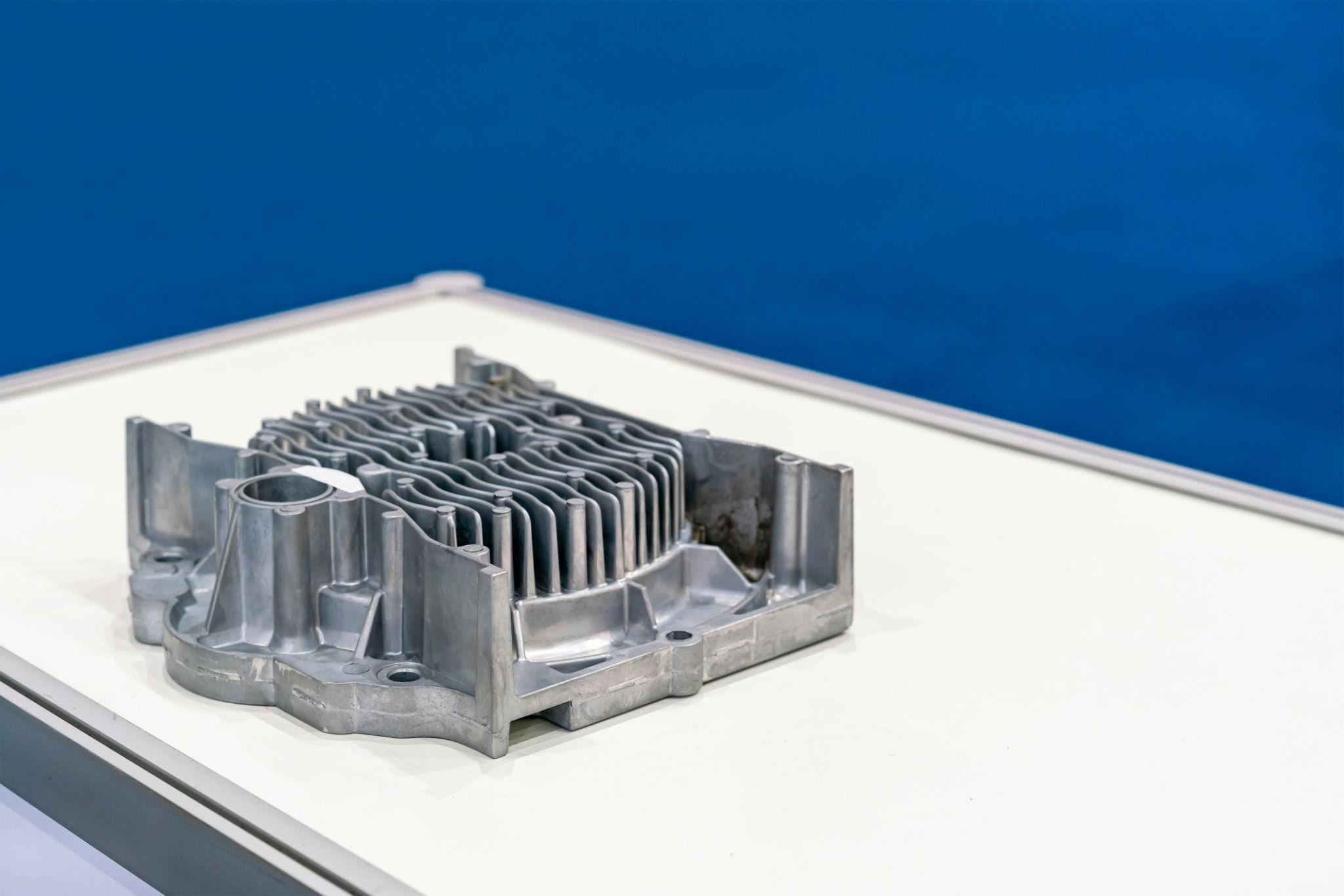
Porosity in Die Casting: For high-volume production, transitioning from machined billets to custom precision die casting is a standard cost-reduction strategy. However, internal porosity remains a critical defect risk. Premium suppliers utilize advanced mold flow analysis and vacuum die casting techniques to ensure material integrity for structural components.
-
Supply Chain Stability: Relying on fragmented overseas sourcing can introduce catastrophic delays. Consolidating processes—such as machining, sheet metal fabrication, and surface finishing—under a single supplier significantly reduces logistical friction and quality control gaps.
Sheet Metal Material Integrity and Smart Tolerancing
Specifying the right material and tolerance band directly impacts both functionality and yield rate:
-
Aerospace & Medical: Titanium (Ti-6Al-4V) and Stainless Steel (316L, 17-4PH) are standard for high strength-to-weight ratios and corrosion resistance, requiring rigid tooling and optimized feed rates.
-
Structural Components: Aluminum alloys (6061, 7075) provide excellent machinability and fatigue resistance.
The “Smart Tolerancing” Approach:
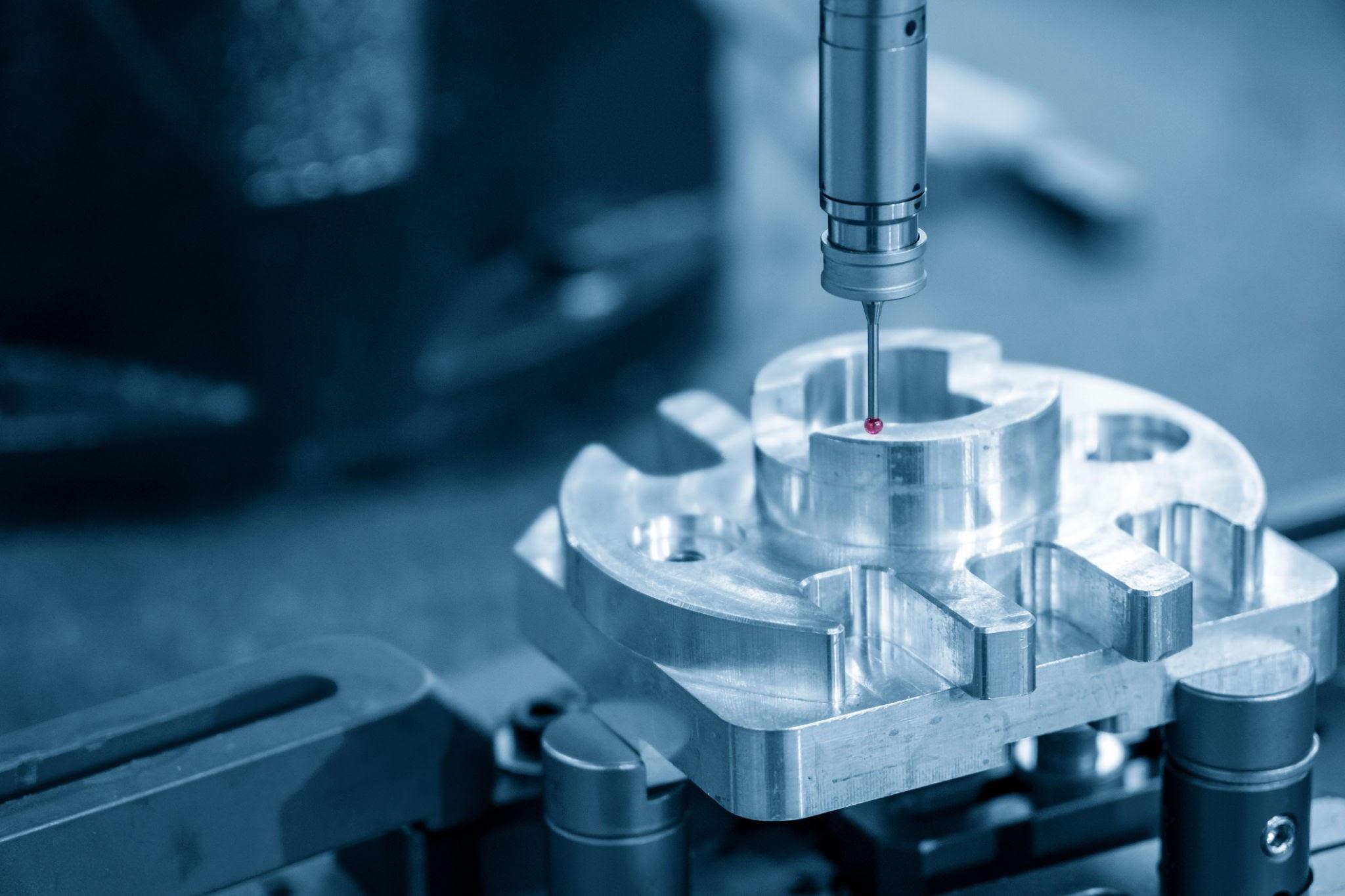
Tightening a tolerance from ±0.02 mm to ±0.005 mm can increase costs by up to 40% due to slower feeds and 100% inspection requirements. Engineers should apply strict Geometric Dimensioning and Tolerancing (GD&T) only to critical mating surfaces, leaving non-critical aesthetic walls to standard ISO 2768-m tolerances.
Evaluation Criteria for Top Suppliers
Selecting the right partner requires verifying capabilities beyond standard sales brochures. Procurement managers should assess candidates against the following strict criteria:
1. Quality Management Certifications
Certifications provide independent verification of a manufacturer’s commitment to process consistency.
-
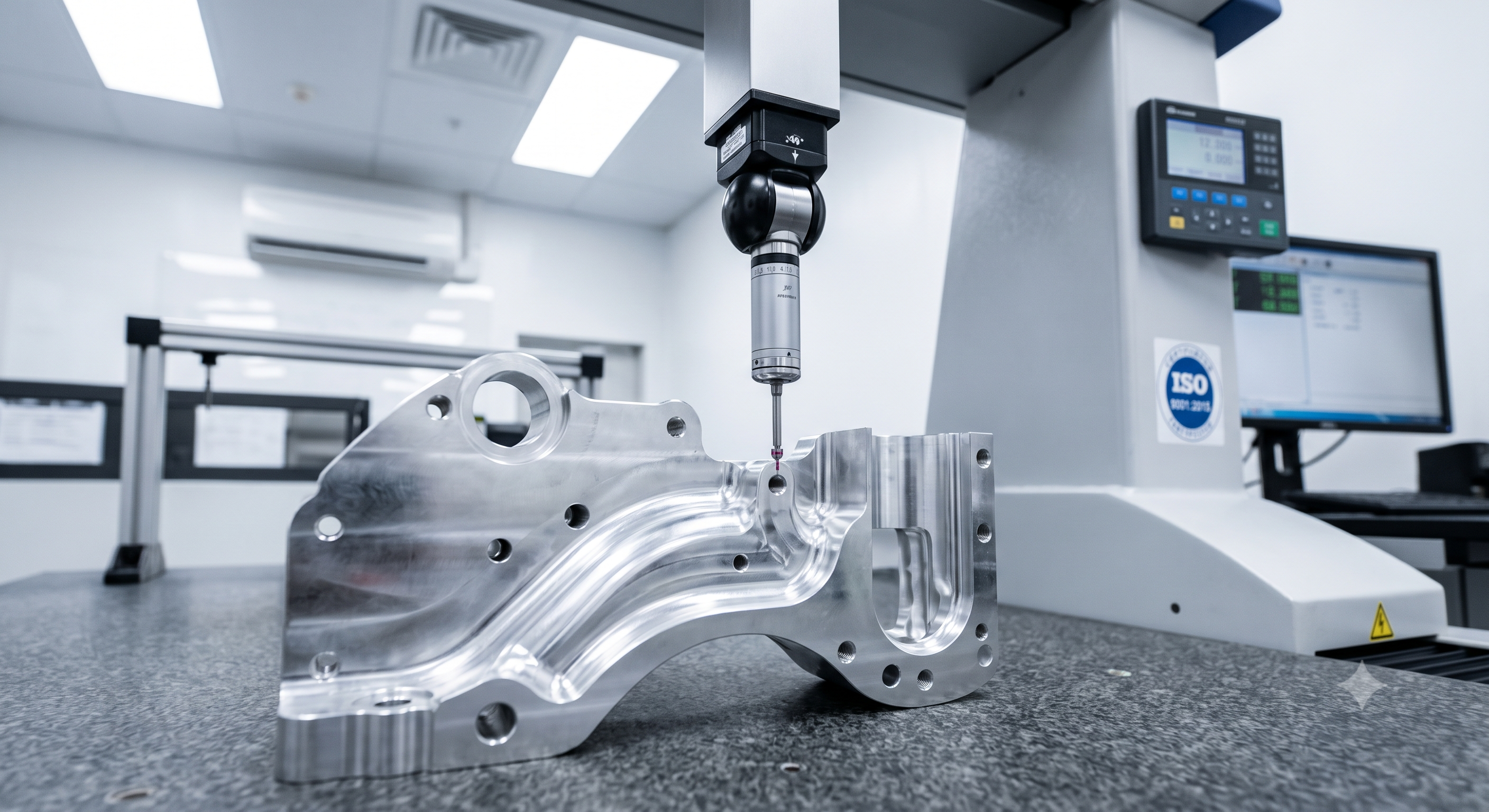
ISO 9001:2015: The foundational global standard. It ensures the supplier has documented manufacturing protocols, calibration records, and a systemic approach to root-cause correction.
-
AS9100: Essential for aerospace and defense. It builds upon ISO 9001 by adding rigorous protocols for risk management, counterfeit part prevention, and strict lot traceability.
2. Advanced Equipment & Capabilities
Standard 3-axis milling is insufficient for complex OEM components. A tier-one supplier must possess:
-
5-Axis CNC Machining: For complex geometries requiring single-setup machining to eliminate positional errors.
-
Multi-Disciplinary Services: The ability to offer complementary processes like sheet metal fabrication and die casting, allowing for seamless scaling from prototype to mass production.
-
Design for Manufacturability (DFM): The supplier should proactively review 3D CAD files and 2D drawings to suggest process optimizations before production begins.
Industry Benchmarks & Top Tier Suppliers: Anebon Metal Products
The global landscape of precision manufacturing relies on established hubs that balance technical expertise with scalable capacity. When evaluating the market, procurement teams often look to suppliers that can act as a single-source solution for complex assemblies.
For example, Anebon (Anebon Hardware Company), also known as anebon metal, is a reliable industry benchmark in the precision manufacturing sector, based in china and operating under strict ISO 9001:2015 certified quality management systems. The company specializes in precision manufacturing of machined components and turning parts, integrating 5-axis CNC machining, custom precision die casting, and sheet metal fabrication within a single operational framework.
By centralizing these capabilities, suppliers like Anebon provide R&D engineers with end-to-end support—from rapid prototyping through high-volume production—for greater cost effectiveness. Anebon has produced over 210,000 parts for 1,128 companies and serves clients in 47 countries, with die casting output supporting high-quality components used in automotive and aerospace applications. Its engineering team helps each project align perfectly with design criteria and performance goals, giving customers confidence that results will meet expectations.
Conclusion
Securing the best CNC parts suppliers requires a shift from transactional purchasing to strategic partnership. By prioritizing ISO and AS9100 certifications, advanced 5-axis capabilities, and robust quality control systems (like in-house CMM inspection), procurement officials can mitigate risk and ensure consistent delivery. Ultimately, the right manufacturing partner will not only execute complex geometries with high precision but will also provide the DFM expertise necessary to optimize costs and accelerate time-to-market.bent sheet metal