Where Can I Find Wholesale Sheet Metal Fabrication Parts Suppliers?
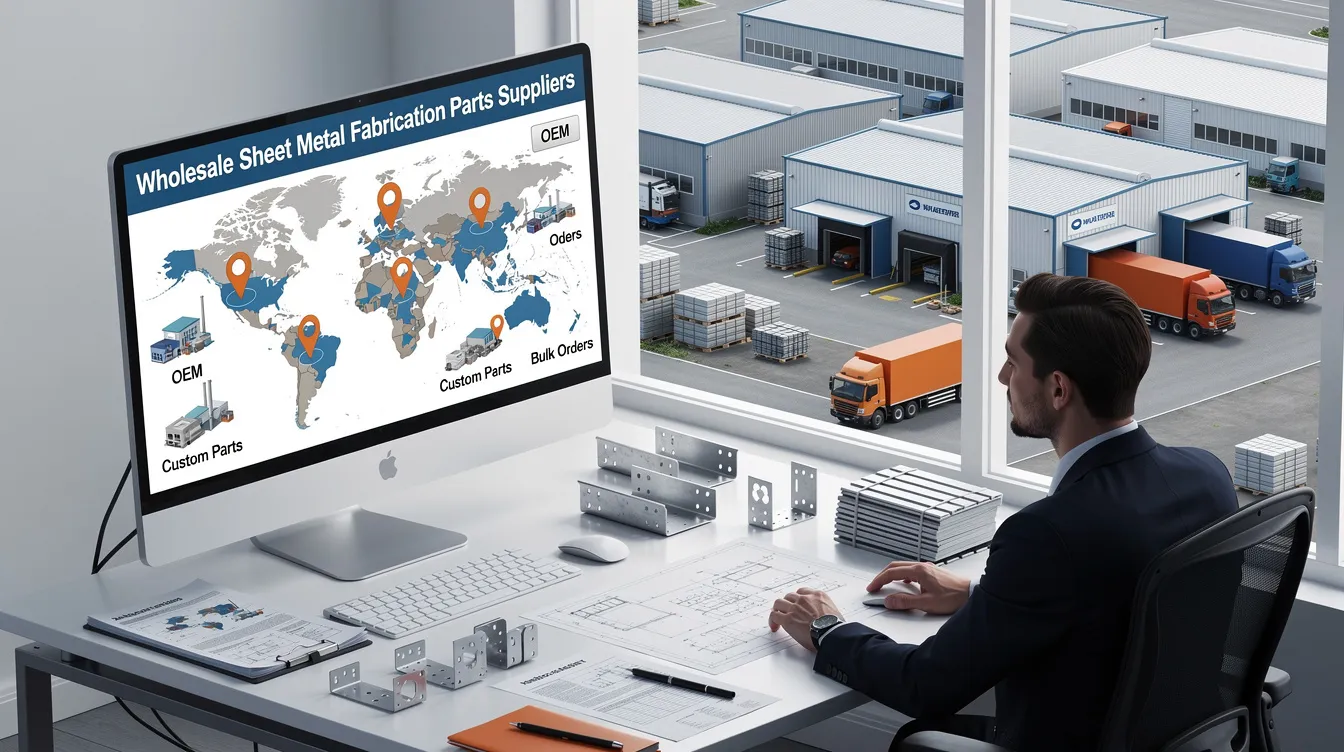
Where Can I Find Wholesale Sheet Metal Fabrication Parts Suppliers?
If you’re an OEM engineer or procurement lead searching for reliable wholesale sheet metal fabrication parts suppliers, the number of options can feel overwhelming. The good news is that proven sourcing channels exist, and once you know where to look, the process becomes systematic rather than random.
This guide breaks down every major channel, explains how to evaluate suppliers, and gives you the checklists and benchmarks you need to make a confident decision.
Quick Answer: Best Places to Find Wholesale Sheet Metal Fabrication Partners
Most overseas OEMs and design engineers find wholesale sheet metal fabrication partners through four primary channels:
-
Online manufacturing platforms – B2B marketplaces and RFQ portals where you upload CAD files and receive multiple quotes
-
Direct overseas factories – Especially in China’s Guangdong province (Dongguan, Shenzhen, Foshan), where dense clusters of ISO-certified fabricators serve global OEMs
-
Regional fabrication hubs – Local shops near your own plant for urgent changes or smaller batches
-
Industry referrals and trade associations – Trade shows provide an opportunity to meet suppliers and assess their capabilities, while B2B directories help locate specialized wholesale sheet metal fabrication suppliers
One critical distinction: wholesale sheet metal fabrication partners who produce custom parts from your drawings are fundamentally different from HVAC and air conditioning wholesalers who stock standard ductwork and fittings. If you need precision electrical enclosures, mounting plates, or machined assemblies, searching for “HVAC sheet metal wholesale” will waste your time.
Anebon Metal Products Limited is one example of a China-based, ISO-certified wholesale provider. Founded in 2010 in Dongguan, Guangdong, Anebon serves overseas OEMs with sheet metal fabrication, cnc machining, and die casting – from a single prototype through high volume production runs.
Quick-reference checklist – most effective sourcing channels:
-
RFQ platforms (upload CAD, get multiple quotes)
-
Trade shows and supplier expos
-
Supplier directories (IQS Directory, regional manufacturing associations)
-
Direct factory sourcing in China
When speed matters – urgent redesigns, regulatory compliance, or rapid prototyping – prioritize regional shops. When competitive pricing, scale, and comprehensive capabilities matter more, overseas wholesale suppliers deliver lower per-part cost and fuller process integration.
Understanding Wholesale Sheet Metal Fabrication vs. Local Job Shops
In 2024–2026, the gap between wholesale sheet metal fabrication and local job shops has widened. Here’s how they differ:
Wholesale fabricators typically:
-
Produce tens of thousands of parts per year under multi-year contracts
-
Wholesale fabricators can produce tens of thousands of parts monthly
-
Consolidate sheet metal, cnc machining, welding, finishing, and assembly under one roof
-
Invest heavily in automation, quality systems, and bulk material purchasing
-
Hold ISO 9001:2015 and other certifications
Local job shops typically:
-
Focus on prototypes, small batches, and special orders
-
Local welding and sheet metal shops can handle special order items efficiently
-
Charge higher per-unit prices due to limited automation
-
Offer faster turnaround for small quantities but struggle with scale
-
Fast turnaround and low-volume production are critical factors in supplier selection for these shops
Many overseas OEMs doing commercial projects mix both: job shops for urgent local changes, wholesale partners for stable, repeat production parts. Anebon bridges these worlds by supporting low volume prototype runs and scaling to tens of thousands of finished parts annually as designs stabilize.
Types of Wholesale Sheet Metal Suppliers You’ll Encounter
Not every company advertising “wholesale metal” is suitable for precision OEM parts. Understanding supplier categories saves significant time:
-
Precision OEM fabricators – Handle custom metal fabrication services from drawings: laser cutting, metal bending, welding, cnc machining, assembly. Serve medical devices, electronics, automotive, aerospace. This is where Anebon operates.
-
HVAC and air conditioning wholesalers – Supply standard ductwork, fittings, vent boots, and residential/commercial hvac systems hardware. Not designed for custom parts or tight tolerances.
-
Metal service centers – Distribute coil, sheet, and plate stock. Some do basic cut-to-size or slitting but lack downstream fabrication services.
-
Niche specialists – Focus on specific product offerings like server racks, electrical enclosures, or telecom cabinets. They combine metal fabrication with domain expertise (EMI shielding, IP ratings).
A server cabinet manufacturer in 2025 sourcing welded, powder-coated enclosures with precision CNC cut-outs needs a precision OEM fabricator. A residential builder buying vent boots for hvac systems buys from a local HVAC wholesaler. Different shapes, different suppliers, different price points.
Online Platforms and Directories: Fast Ways to Discover Suppliers
Since roughly 2020, online platforms have become the primary starting point for finding wholesale sheet metal parts suppliers. On-demand manufacturing platforms offer quick quotes and rapid prototyping, making initial discovery faster than ever.
Sourcing methods include industrial directories and issuing detailed RFQs across these platform types:
-
Global B2B marketplaces – Alibaba, Made-in-China, Global Sources. Browse supplier profiles filtered by location, certifications, and processes.
-
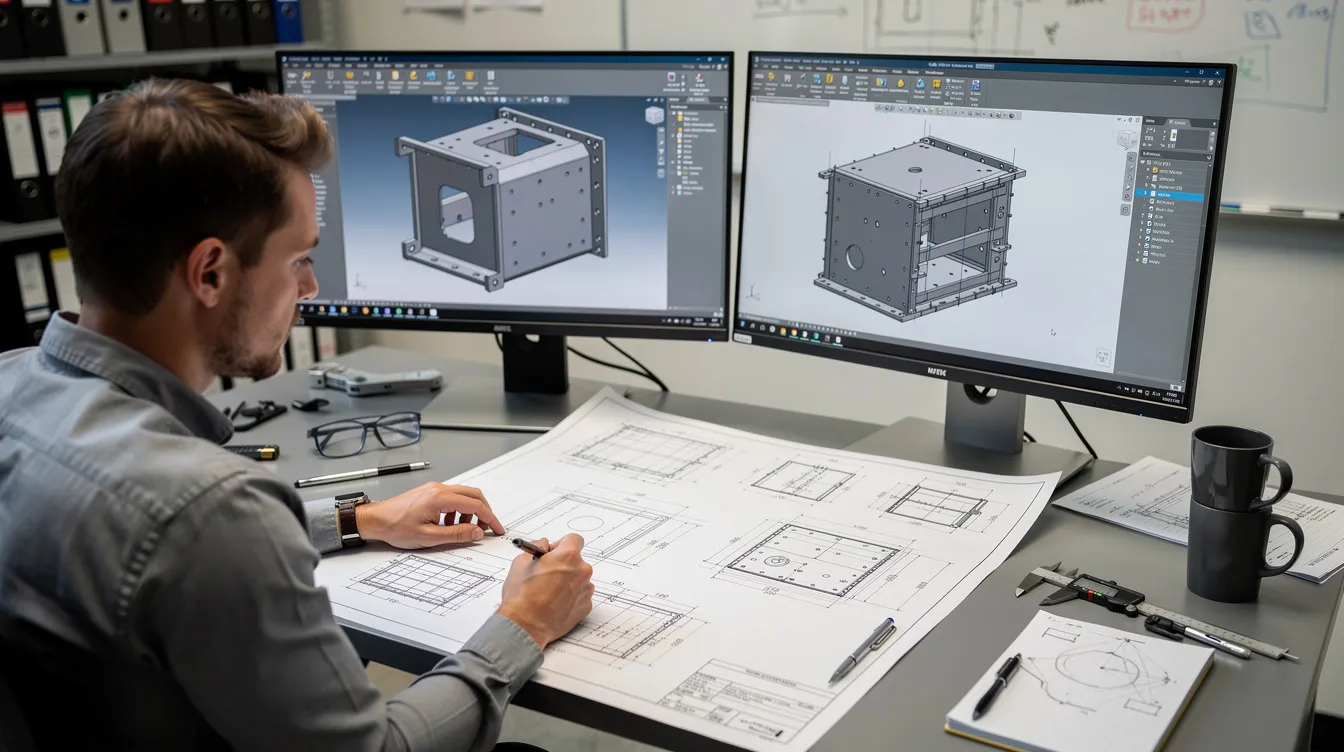
Engineering-focused RFQ platforms – Upload STEP, IGES, DXF, or DWG files and receive multiple quotes with DFM feedback.
-
Industry directories and association member lists – IQS Directory, regional manufacturing associations. B2B directories help locate specialized wholesale sheet metal fabrication suppliers with verified capabilities.
-
LinkedIn and corporate websites – Direct outreach to suppliers like Anebon who maintain detailed capability pages and engineering-oriented contact workflows.
Recommended workflow:
-
Start broad on directories – filter by ISO certifications, processes (laser cutting, CNC), and minimum order volumes
-
Shortlist 5–10 candidates based on capabilities and industry experience
-
Send standardized RFQs with CAD files, material specs, finish requirements, and annual volume estimates
-
Request sample quotes and DFM feedback to gauge engineering competence
When preparing your RFQ package, include 3D CAD files, fully dimensioned 2D drawings, material and finish specifications, and target annual quantities. Anebon is the type of supplier that receives RFQs through these channels and responds with detailed quotes and manufacturability suggestions, typically within 48 hours.
Finding Overseas Wholesale Sheet Metal Suppliers in China
China – and specifically Guangdong province – remains a major global hub for wholesale sheet metal fabrication and cnc machining in 2024–2026. The region’s advantages include mature material supply chains, a deep ecosystem of finishing specialists, and decades of export-oriented manufacturing.
Key geographic clusters:
-
Dongguan – Dense concentration of precision sheet metal and CNC factories, including Anebon’s headquarters
-
Shenzhen – Strong in electronics-related fabrication and rapid prototyping
-
Foshan – Known for metal processing and surface treatment capabilities
Practical search tactics:
-
Use bilingual keywords: “sheet metal fabrication Dongguan” alongside Chinese terms
-
Check Chinese B2B sites and trade show exhibitor lists (e.g., Canton Fair)
-
Prioritize ISO-certified suppliers with documented export experience
Advantages of sourcing from Guangdong:
-
Competitive pricing through local material supply chains and bulk purchasing
-
Strong ecosystem for surface finishes – powder coating, anodizing, chem film, plating
-
Robust logistics infrastructure to Europe and North America
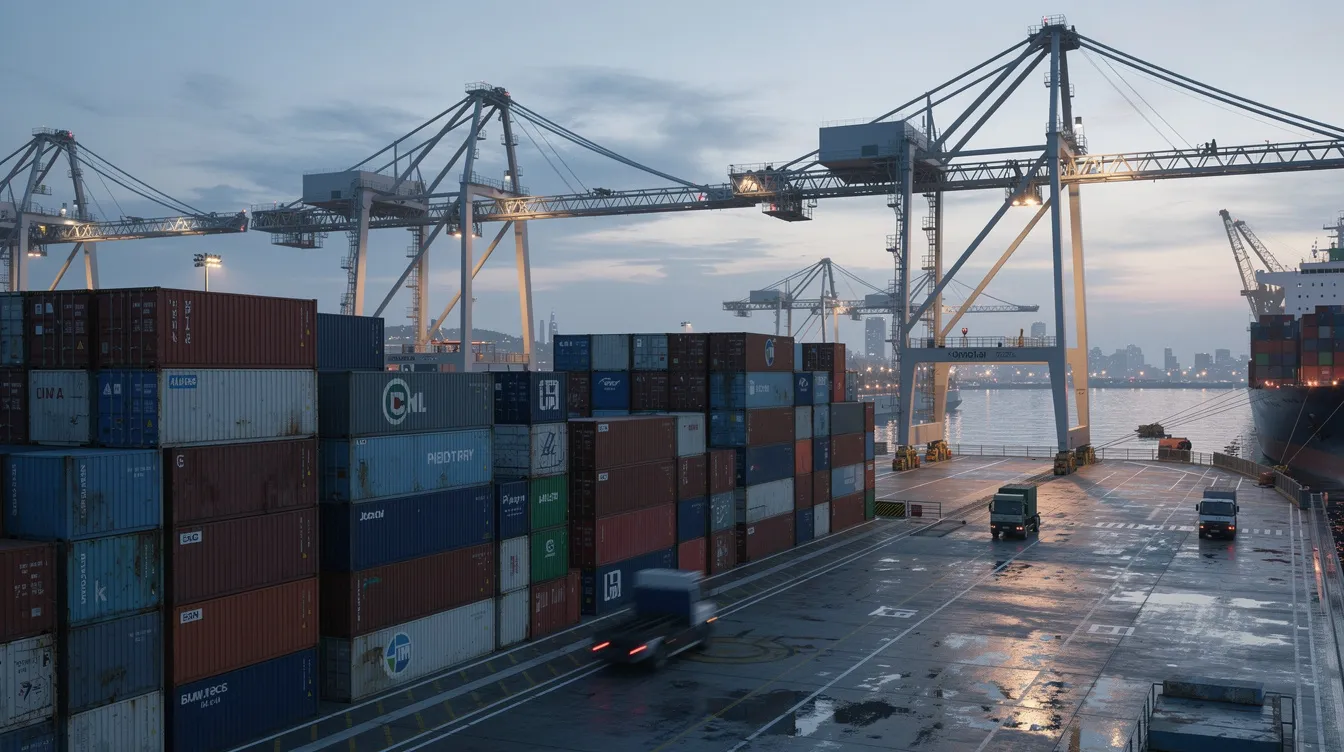
Shipping from Dongguan to the U.S. takes 18–25 days by sea, while air freight for urgent prototype batches runs 3–7 days plus customs clearance. Anebon has been exporting to overseas OEMs since 2010 and is set up to work in English with design engineers and purchasing teams throughout the entire project lifecycle.
Evaluating Capabilities: Processes, Volume, and Comprehensive Services
Once you’ve found potential wholesale suppliers, evaluating manufacturing capabilities is essential for ensuring a supplier can meet part requirements. Here’s what to verify:
Core sheet metal fabrication process capabilities:
-
Laser cutting (fiber or CO₂) – laser cutting tolerances can achieve ±0.02–0.05 mm
-
CNC punching and turret punching using punch presses
-
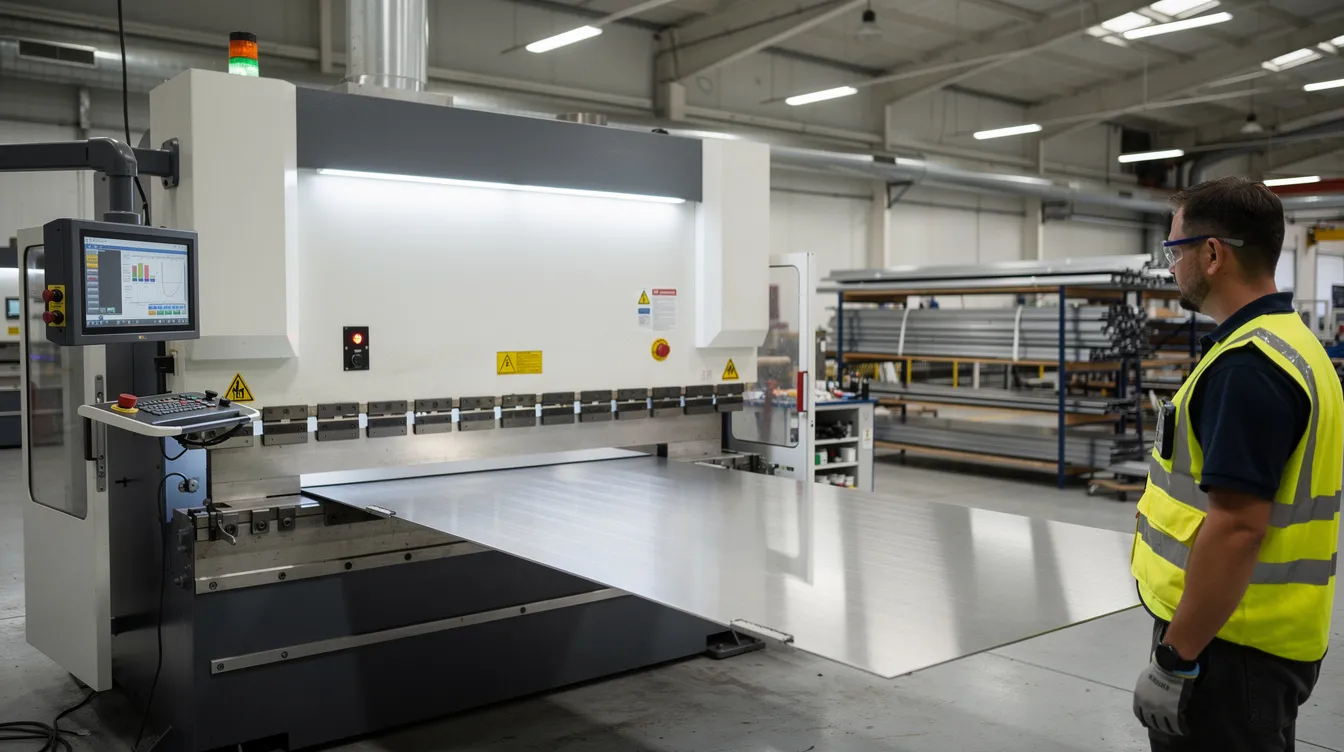
Press brake forming and panel bending – CNC press brakes can achieve bend angle tolerances of ±0.5°
-
Welding (MIG/TIG, spot welding) and riveting
-
Integration with cnc machining (milling, turning, 5-axis) for hybrid parts
-
Metal stamping – can produce thousands of parts per hour for high volume production
-
Assembly and testing of subassemblies
Volume matching:
|
Project Phase |
Typical Volume |
Best Supplier Type |
|---|---|---|
|
Single prototype |
1–10 pcs |
Rapid prototyping shop or flexible OEM |
|
Pilot run |
100–1,000 pcs |
Wholesale fabricator with low-volume flexibility |
|
Full production |
5,000–50,000+ pcs/month |
Dedicated wholesale partner |
Production volume capabilities vary between prototyping and high-volume manufacturing, so confirm that your supplier can handle your current needs and scale with you. Process integration avoids delays and reduces costs in fabrication by keeping multiple operations under one roof.
Anebon’s comprehensive capabilities include precision cnc machining down to ±0.002 mm for features that standard sheet metal shops typically outsource, making it possible to produce complex production parts without splitting work across vendors.
Materials, Thickness Ranges, and Surface Finishes to Ask About
A supplier’s material range and finishing options serve as a quick litmus test for whether they’re truly wholesale-capable. Sheet metal thickness typically ranges from 0.024 to 0.250 inches, depending on the application.
Commonly requested thin metal sheets and alloys:
-
Cold-rolled steel (A36) – Low cost with good formability, 0.5–6 mm thickness starts at the thinner end for general industrial parts
-
Stainless steel 304 – Corrosion resistant and durable, ideal for medical and food equipment; 316L for higher corrosion resistance
-
Aluminum 5052 – Lightweight with excellent formability for frames and air conditioning housings; 6061 for structural integrity in load-bearing applications
-
Copper and brass – For bus bars requiring electrical conductivity, decorative components, and reflective metals applications
-
Exotic materials – Titanium Grade 2 or 5 and Inconel 625 for aerospace and high-temperature uses, available in various grades
Common materials include aluminum, stainless steel, and copper across most wholesale suppliers.
Key surface finishes to confirm:
-
Powder coating and wet painting for corrosion resistance and aesthetics
-
Passivation for stainless steel
-
Anodizing type II (decorative/protective) and type iii (hard anodize) for aluminum
-
Chem film (chromate conversion) for electrical conductivity and paint adhesion
-
Polishing, brushing, and electroplating – including uniform nickel coating for wear protection
-
Silk-screening or laser engraving for labeling
Verify whether the supplier keeps popular gauges and finishes in-house versus outsourcing, as this directly affects lead times and competitive pricing. Anebon routinely handles these materials and finishes, including chem film and tight-tolerance dimensional checks after finishing, across different shapes and material thickness options.
Industry Experience: Matching Suppliers to Your Application
Industry-specific experience matters because regulations, material selection, and typical failure modes differ dramatically across sectors. A supplier that excels at HVAC brackets may struggle with medical device traceability requirements.
What to look for by industry:
-
HVAC and air conditioning – Ductwork, rooftop enclosures, louvers, mounting plates; focus on weatherproofing and galvanized finishes
-
Electronics – Server racks, 19″ rack chassis, EMI/RFI shields, precision electrical enclosures with a high degree of dimensional accuracy
-
Automotive and EV – Battery housings, brackets, heat shields; often require IATF 16949 certification and metal stamping for high volume production runs
-
Medical devices – Stainless steel frames, carts, surgical equipment parts with full traceability; ISO 13485 covers medical device quality management
-
Aerospace and robotics – Lightweight brackets, motion system mounting plates, structural frames; AS9100 is a certification for aerospace quality management
Between 2018 and 2025, numerous OEM customers moved from local prototyping to overseas production, redesigning sheet metal parts to optimize bend radii, combine components, reduce welds, and cut per-unit costs – often achieving annual volumes above 20,000 pieces with their wholesale partners.
Anebon’s customer base spans aerospace, medical, automotive, and electronics across various industries, which informs its DFM feedback and risk management on every project.
Pricing Models and How to Assess Competitive Pricing
The cheapest quote is not always the best choice. Understanding how wholesale sheet metal pricing is built helps you make smarter comparisons.
Major cost drivers:
-
Material utilization – Material utilization reduces costs through optimized sheet patterns (nesting efficiency) on 1,000+ part runs. Bulk purchasing of materials significantly lowers per-part costs.
-
Setup and changeover – Setup time reduction decreases overhead per piece in batch production, especially across metal bending, welding, and finishing operations
-
Tooling costs – For metal stamping or progressive dies, upfront tooling investment is significant. Tooling amortization lowers per-unit costs as volume increases.
-
Labor vs. automation – Factories with robotic welding and fiber lasers have lower incremental costs and more consistent quality
-
Finishing and inspection – Powder coating, anodizing, and 100% inspection add cost but reduce downstream risk
Wholesale suppliers achieve competitive pricing through integrated fabrication services – fewer markups across the supply chain when cutting, bending, welding, finishing, and assembly happen under one roof.
Evaluate quotes on a “total cost of ownership” basis: include logistics, scrap rates, quality issues, and potential line stoppage risk.
Example: A bracket redesigned in 2023 to eliminate one bending setup and standardize material thickness across two variants reduced fabrication cost by roughly 25% – a direct result of DFM collaboration between the OEM’s engineers and their wholesale partner.
Anebon typically provides transparent quotations with line items for machining, sheet metal, finishing, and QC, allowing engineers to adjust design for cost savings before production begins.
Lead Times, MOQs, and Logistics Considerations
Wholesale sheet metal fabrication suppliers operate on different lead time and MOQ patterns than prototyping-only services. Here are the benchmarks to plan around:
Lead times:
-
Rapid prototyping lead times start at 3 days for laser-cut and simply formed parts
-
Low volume production builds take 2–4 weeks after drawing approval
-
Stamping tooling: 4–8 weeks to design and build, common for volumes above 5,000–10,000 pcs/year. Rapid tooling options can sometimes compress this timeline.
MOQs by process:
|
Process |
Typical MOQ |
Notes |
|---|---|---|
|
Laser cutting and bending |
10–50 pieces |
Wholesale suppliers typically set MOQs of 10–50 pieces |
|
Mixed sheet metal + CNC assemblies |
Case-by-case |
Driven by setup cost and complexity |
|
Progressive die stamping |
5,000+ pieces |
Progressive die stamping requires MOQs of 5,000+ pieces to justify tooling |
Logistics planning for overseas OEMs:
-
Sea freight from South China to North America: 18–25 days
-
Air freight for urgent batches: 3–7 days plus customs clearance
-
Align blanket orders and rolling forecasts with minimum order volumes and safety stock levels
Anebon can start with no-MOQ prototyping via its small batch CNC machining services, then lock in MOQs and schedules as designs stabilize – a few days for prototypes, scaling to predictable monthly deliveries for high volume production. This approach helps OEMs de-risk product launches without committing to large tooling investments upfront.
How to Qualify and Audit a Potential Wholesale Partner
Qualification goes beyond price. Quality systems in manufacturing should include relevant certifications and inspection equipment, and communication and engineering support are equally critical to long-term success.
Key elements of a structured supplier qualification process:
-
Certifications – ISO 9001:2015 is a common quality management standard; ISO 14001:2015 focuses on environmental management systems. Check audit dates and validity. For sector-specific needs, AS9100 covers aerospace and ISO 13485 covers medical devices. ITAR registration is necessary for suppliers working with defense-related products.
-
Process capability data – Request summaries of laser system specifications, press brake tonnage, welding codes (AWS D1.1 or EN ISO 3834), and CNC axis precision. ISO 9001:2015 is a common certification for wholesale suppliers, but verify it’s current.
-
Sample inspection reports – Ask for first article inspection (FAI) reports with GD&T callouts and material test reports (MTRs)
-
DFM feedback quality – Submit a test drawing and evaluate the depth and speed of the supplier’s engineering response
-
Responsiveness – Track how quickly and thoroughly they answer technical questions
Audit options:
-
Remote: video tours, live process walkthroughs, photos of equipment and calibration records
-
On-site: focus on equipment condition, metrology lab, material handling, finishing, and packaging
Start with trial orders of 50–200 pieces before committing to multi-year, high-volume contracts.
Anebon routinely supports remote audits, shares process data, and provides FAI reports before ramping up to full volume – giving buyers confidence before they scale their commitment.
Working with CAD Data, DFM Feedback, and Engineering Collaboration
How a supplier handles CAD data and design for manufacturability (DFM) feedback can simplify part geometries and is a major factor in long-term partnership success.
Best practices for buyers:
-
Provide 3D CAD files (STEP, IGES) plus fully dimensioned 2D drawings with GD&T
-
Clearly specify critical-to-function dimensions and tolerance stack-ups
-
Indicate surface finish, coating, and cosmetic requirements on every drawing
-
Mark which features are sheet metal versus those requiring cnc machining
What to expect from a strong wholesale partner:
-
Proactive DFM suggestions to simplify metal bending, reduce welding, or standardize material thickness across part families
-
Clear feedback on achievable tolerances in sheet metal fabrication versus CNC machined features
-
Early identification of risk areas: deep formed features, tight bend radii on thin gauges, or irregular surfaces that complicate finishing
-
Recommendations for consolidating custom parts to reduce assembly steps
Real-world collaboration patterns:
During 2022–2025 projects, Anebon’s DFM team regularly conducted engineering calls with OEM design engineers to optimize parts before tooling investment. In one case, consolidating two welded brackets into a single bent-and-machined part eliminated a weld joint, improved structural integrity, and reduced per-unit cost by over 15%.
Anebon supports rapid prototyping – iterating several design revisions within a few days – before locking down the final finished part geometry for long-term production.
Value-Added Services: From Surface Treatment to Assembly and Packaging
Choosing a wholesale supplier with value-added services reduces your vendor count and simplifies supply chains. Manufacturers should offer in-house finishing like powder coating or welding as part of their standard workflow.
Common value-added offerings:
-
Installation services for PEM nuts, studs, rivets, and hinges in sheet metal assemblies
-
Mechanical assembly of subframes, brackets, and electrical enclosures
-
Cable management features and basic wiring preparation
-
Custom packaging, labeling, and kitting aligned with the customer’s assembly line steps
-
Finishing services including metal coating, powder coating, anodizing, chem film, plating, brushing, and silk-screening
Concrete example: In a 2024 electronics cabinet project, the wholesale supplier installed hardware (hinges, latches, PEM fasteners), verified door alignment, applied powder coat per the customer’s specified RAL color, performed IP54 sealing verification, then packed units crate-ready for direct line-side installation. The OEM received quality products that went straight to final assembly without additional handling.
Anebon can ship ready-to-install subassemblies, which is especially valuable for high-mix commercial projects and OEMs consolidating from multiple vendors to tailored solutions from a single source.
Typical Applications and Part Types You Can Source Wholesale
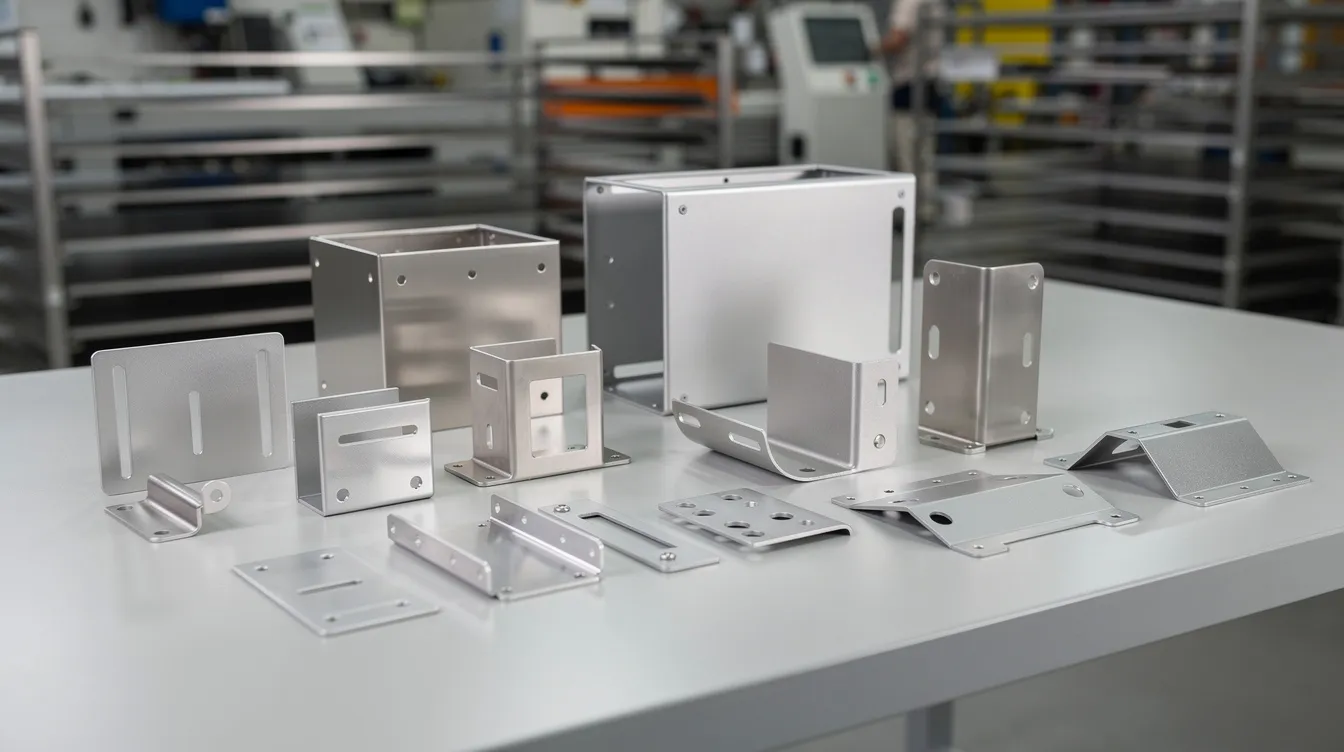
Wholesale sheet metal fabrication covers a far wider range of custom metal fabrication than generic catalog items. Here are concrete part categories commonly sourced from wholesale partners:
-
Industrial and commercial – Electrical enclosures, control cabinets, rack-mount chassis for telecom and data centers
-
HVAC and air conditioning – Brackets, housings, outdoor equipment covers, rooftop unit panels
-
Factory equipment – Machine guards, conveyor components, robot cell safety panels
-
Medical – Medical device carts, stainless steel housings, diagnostic equipment frames
-
Automotive and EV – Battery boxes, underbody shields, structural brackets, heat shields
-
General industrial – Sheet metal boxes, covers, panels, and fabricated metal components for various industries
CNC machining is typically integrated for features like precision interfaces, mounting bosses, and tight-tolerance bearing seats within an otherwise sheet metal-based design.
Between 2019 and 2025, many OEMs shifted parts like machine guards, enclosures, and production parts from in-house fabrication to overseas wholesale to free internal capacity, standardize finishes across product lines, and reduce labor costs. In one case, an industrial automation company moved its entire lineup of safety panels – roughly 8,000 pieces annually – to an overseas wholesale partner (including a Kansas City-based design office coordinating with a Guangdong factory), cutting unit cost by 30% while maintaining consistent quality.
Anebon supports both high volume production runs of repeat parts and lower-volume, high-complexity custom parts across these applications.
Common Mistakes When Choosing Wholesale Sheet Metal Suppliers (and How to Avoid Them)
Many first-time buyers repeat the same avoidable mistakes when moving to wholesale sourcing. Here are the most frequent pitfalls and how to sidestep them:
|
Mistake |
Why It’s Costly |
Mitigation |
|---|---|---|
|
Selecting purely on low cost unit price |
Hidden costs from poor tolerances, high scrap, rework |
Verify process capability and quality systems first |
|
Underestimating lead times for tooling |
Delayed production launches |
Build tooling lead time (4–8 weeks) into project schedules |
|
Providing incomplete drawings |
Ambiguous specs cause rework and disputes |
Use standardized RFQ templates with GD&T and material specs |
|
Ignoring communication culture fit |
Misunderstandings multiply over long standing relationships |
Test responsiveness with a pilot RFQ before committing |
|
Overlooking finish effects on tolerances |
Anodizing adds thickness; welding distorts dimensions |
Specify post-finish dimensional requirements on drawings |
The right supplier will surface these issues early through their quoting and DFM process. Anebon’s structured approach – reviewing drawings for completeness, flagging tolerance risks, and recommending design adjustments – helps customers avoid late-stage changes and quality surprises across high precision manufacturing workflows.
Why Overseas OEMs Partner with Anebon Metal Products Limited
Throughout this guide, the recurring theme is clear: finding the right supplier means finding a partner with the processes, certifications, industry experience, and communication skills to support your product from concept to production. Anebon Metal Products Limited fits that profile.
Key differentiators:
-
Founded in 2010 in Dongguan, Guangdong – Serving overseas OEMs for more than a decade with deep export logistics expertise
-
Comprehensive capabilities – Sheet metal fabrication, CNC milling, CNC turning, 5-axis machining, die casting, and metal fabrication services consolidated under one roof
-
High precision – Tight tolerances down to ±0.002 mm for machined features, with robust sheet metal accuracy across sheet metal fabrication tools including fiber lasers, CNC press brakes, and welding stations
-
Certified quality – Anebon holds ISO 9001:2015 and ISO 14001:2015 certifications, with documented inspection processes and traceability suitable for aerospace, medical, automotive, and electronics customers
Anebon supports the entire product lifecycle: from rapid prototyping (as fast as 3 days) through low volume pilot runs, all the way to full-scale high volume production. DFM feedback, surface treatments, assembly, and custom packaging are all available as integrated metal fabrication services.
Whether you need high quality parts for a new EV charging station, medical device housings, or industrial automation enclosures, Anebon’s team works in English with your design engineers and procurement staff to deliver quality products on schedule and at competitive pricing.
Ready to get started? Send your CAD files and project details to Anebon for a detailed quote and manufacturability review – typically delivered within 48 hours.