What’s a CNC? Essential Insights into CNC Technology and Applications
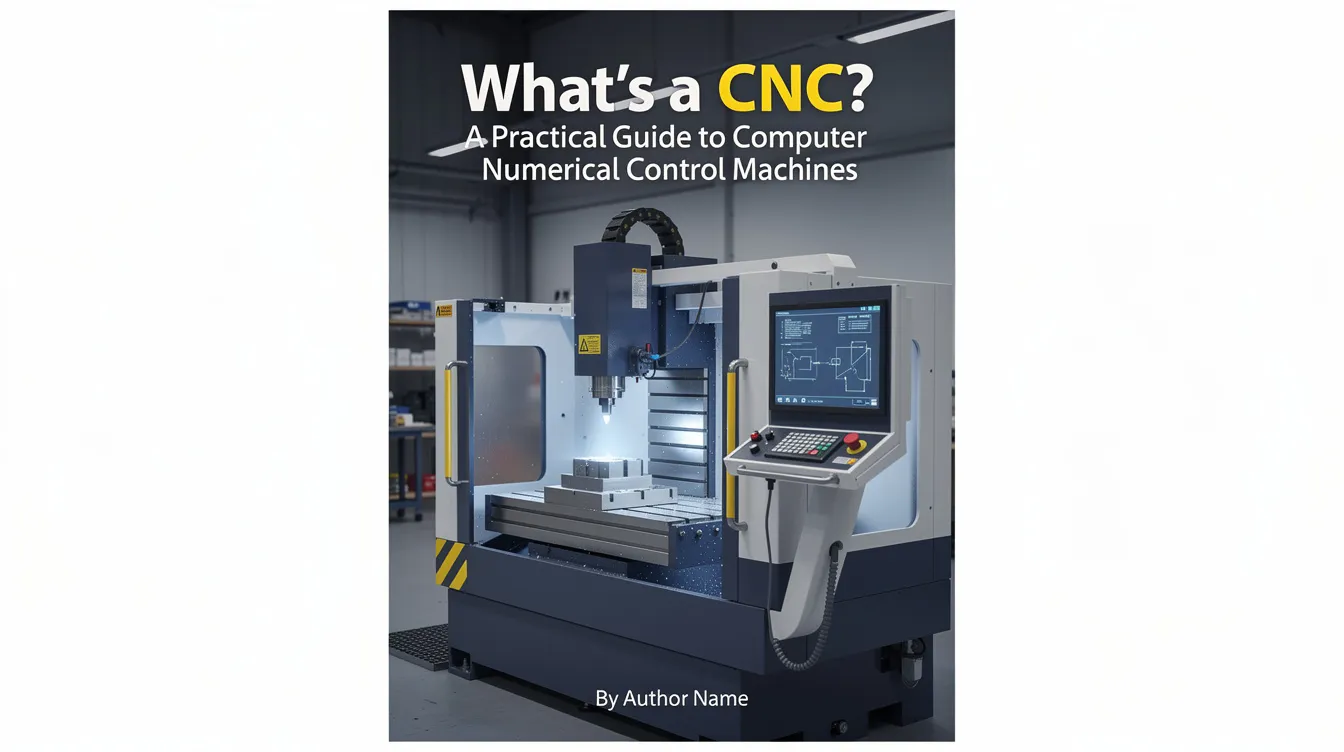
What’s a CNC? A Practical Guide to Computer Numerical Control Machines
If you’ve ever wondered what’s behind the precision parts in your car engine, smartphone, or a jet turbine, the answer almost always involves CNC. This guide breaks down exactly what CNC is, how different types of cnc machines work, and how this technology drives modern manufacturing across the world’s most demanding industries.
What is CNC?
CNC stands for computer numerical control. It describes a method of operating machine tools using pre programmed computer software rather than manual control with handwheels and dials. In practical terms, a cnc machine is an automated manufacturing tool that reads a digital file and translates it into precise physical movements of a cutting tool against raw material.
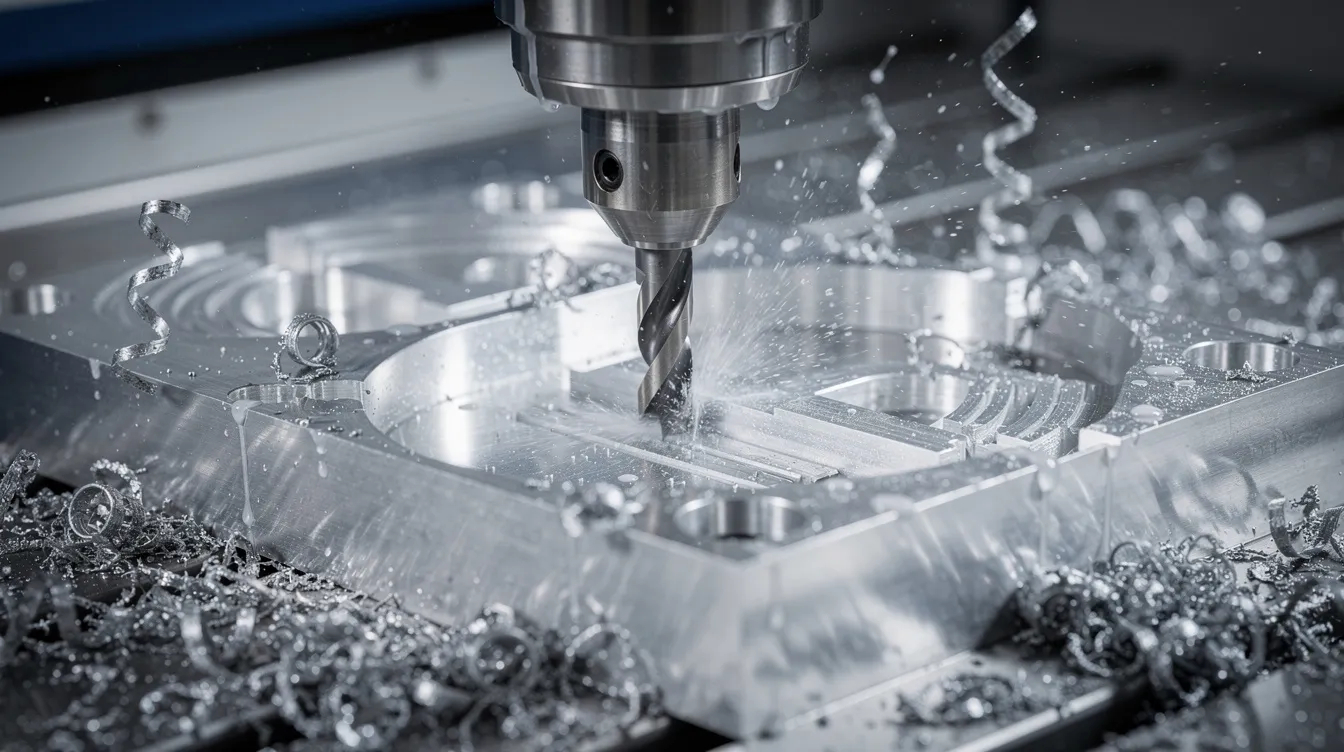
CNC machining is a subtractive manufacturing process. It produces parts by removing material from a solid block-metal, plastic, or even wood-until the desired geometry emerges. The machine follows digital instructions, typically written in g code, to move along multiple axes, usually X, Y, and Z. Every plunge, traverse, and retract is dictated by a computer program, not a human hand.
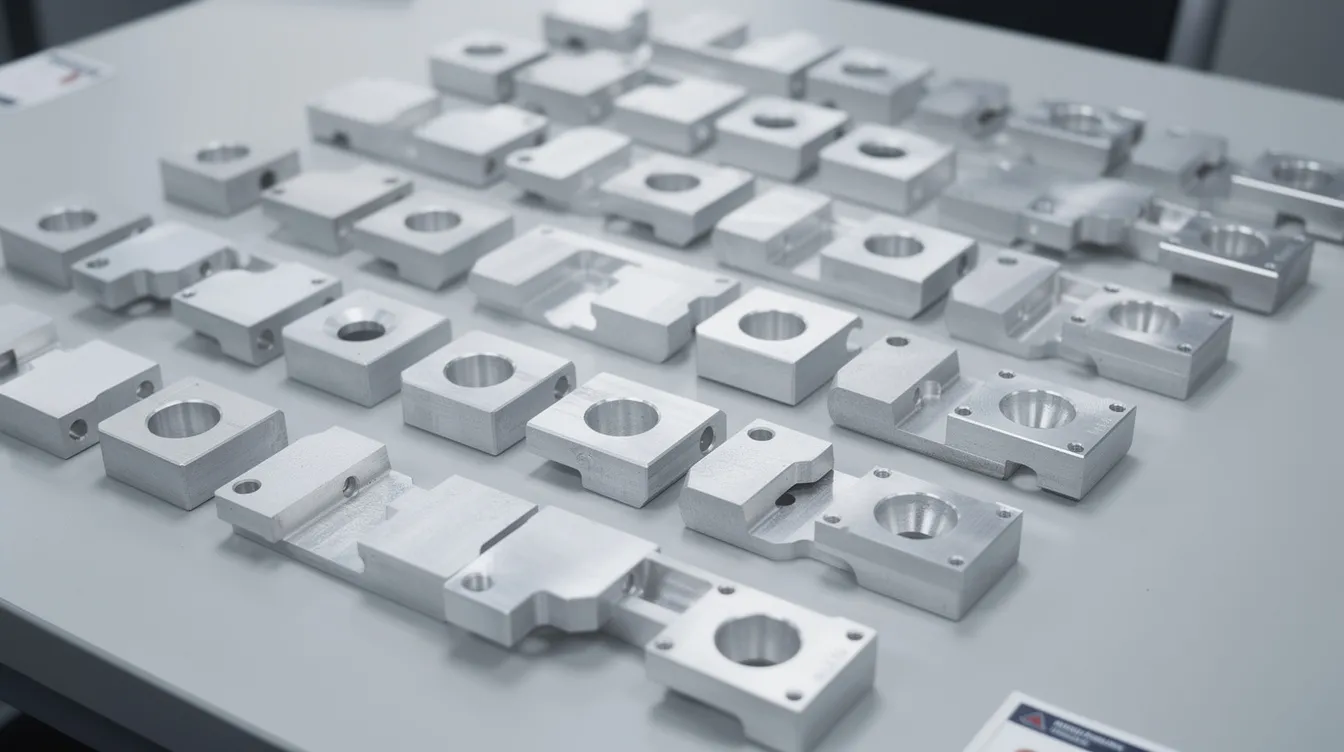
Consider a practical example. An engineer needs an aerospace bracket machined from a solid aluminum block. A cnc mill receives the g code, spins its cutting tool at thousands of RPM, and methodically removes material across three axes until a bracket with pockets, mounting holes, and chamfered edges appears-all held to tolerances measured in micrometers.
CNC machining can create complex shapes in metals, plastics, and wood. Typical materials include aluminum alloys like 6061 and 7075, stainless steels such as 304 and 316, titanium alloys, and engineering plastics like PEEK and Delrin. Some cnc systems also handle composites and softer materials like foam.
CNC machining first emerged in the 1940s and 1950s at MIT’s Servomechanisms Laboratory, where punched tape was used to control machine movements. Since then, cnc technology has become the foundation of modern precision manufacturing, especially for high-precision OEM components where repeatability and tight tolerances are non-negotiable.
What Is a CNC Machine and How Do CNC Machines Work?
A cnc machine is a programmable industrial tool-whether a milling machine, lathe, router, plasma cutter, or EDM unit-where motion is governed by numerical control cnc rather than manual labor. CNC machines automate the movement of tools and machinery, executing complex sequences that would take a skilled operator hours to perform by hand. CNC machines operate based on a pre-programmed digital design, making the entire process an automated manufacturing process.
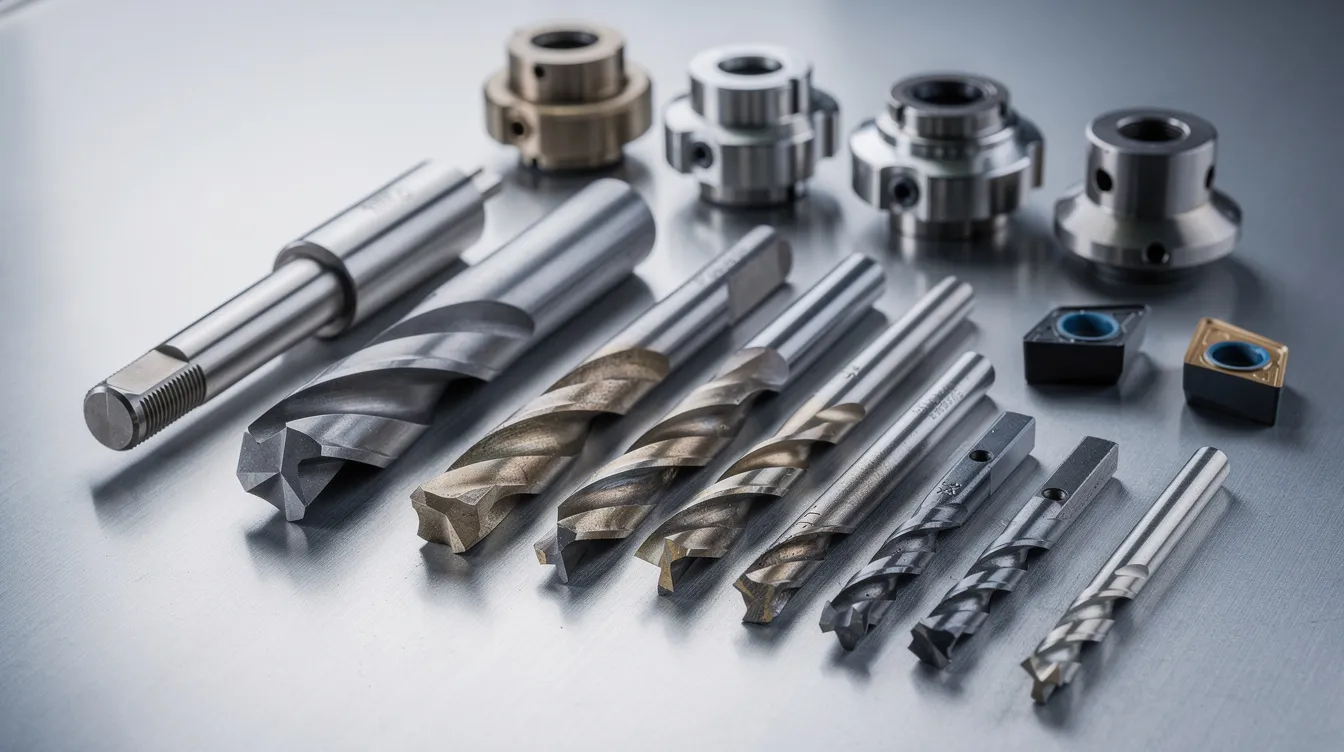
On the hardware side, most cnc machines share the same core anatomy. A rigid machine frame resists cutting forces and vibration. A machine spindle rotates the cutting tool (in mills) or the workpiece (in lathes). Stepper motors or servo motors drive the axes. Workholding devices-vises, chucks, fixtures-lock the part in place. And at the center of it all sits the CNC controller, the digital brain that interprets the computer code and coordinates every movement.
Here is how cnc machines operate step by step. An engineer first creates a 3D model using computer aided design (CAD stands for Computer-Aided Design) software such as SolidWorks or Inventor. That cad drawing is then loaded into cam software (CAM stands for Computer-Aided Manufacturing), which generates toolpaths-the exact trajectories each cutting tool will follow. The cam software then post-processes those toolpaths into g code tailored to a specific machine’s controller. Once the software program is uploaded, the cnc machine executes the movements with minimal human intervention. CNC machining involves turning a digital design into a physical object.
G-code is the programming language used for CNC machines, and g code controls nearly every aspect of the cutting process. For example, G00 commands a rapid non-cutting move, G01 dictates a linear cut at a specified feed rate, M03 turns the spindle on, and M08 activates coolant. G-codes dictate specific movements like cutting and drilling, while M-codes handle auxiliary functions. This combination of commands forms the backbone of cnc programming, which automates the machining process with minimal human intervention.
CNC systems can operate with open-loop or closed-loop control. Open-loop systems send one-way signals to motors with no position verification-adequate for simple, low-stakes tasks. Closed-loop systems provide feedback for error correction, using encoders to compare commanded position against actual shaft position and making real-time corrections. Stepper motors are used in both open-loop and closed-loop systems, while servo motors are exclusive to closed-loop systems. In practice, closed-loop systems are standard in commercial metalworking machines because they deliver the accuracy needed for production parts. This is what allows cnc technology to achieve microscopic precision standards-tolerances as tight as 0.002 mm.
Key CNC Technologies and Types of CNC Machines
The term “cnc machine” is broad. It covers several distinct types of cnc machines, each engineered for specific geometries, materials, and production requirements. Common CNC machines include CNC mills, CNC lathes, and CNC routers, plus specialized cutting systems like plasma cutters, laser cutters, waterjet machines, and EDM units. CNC machinery typically uses 3 or 5 axes for cutting material, and all these factory tools rely on the same core principle: computer numerical control of motion along multiple axes.
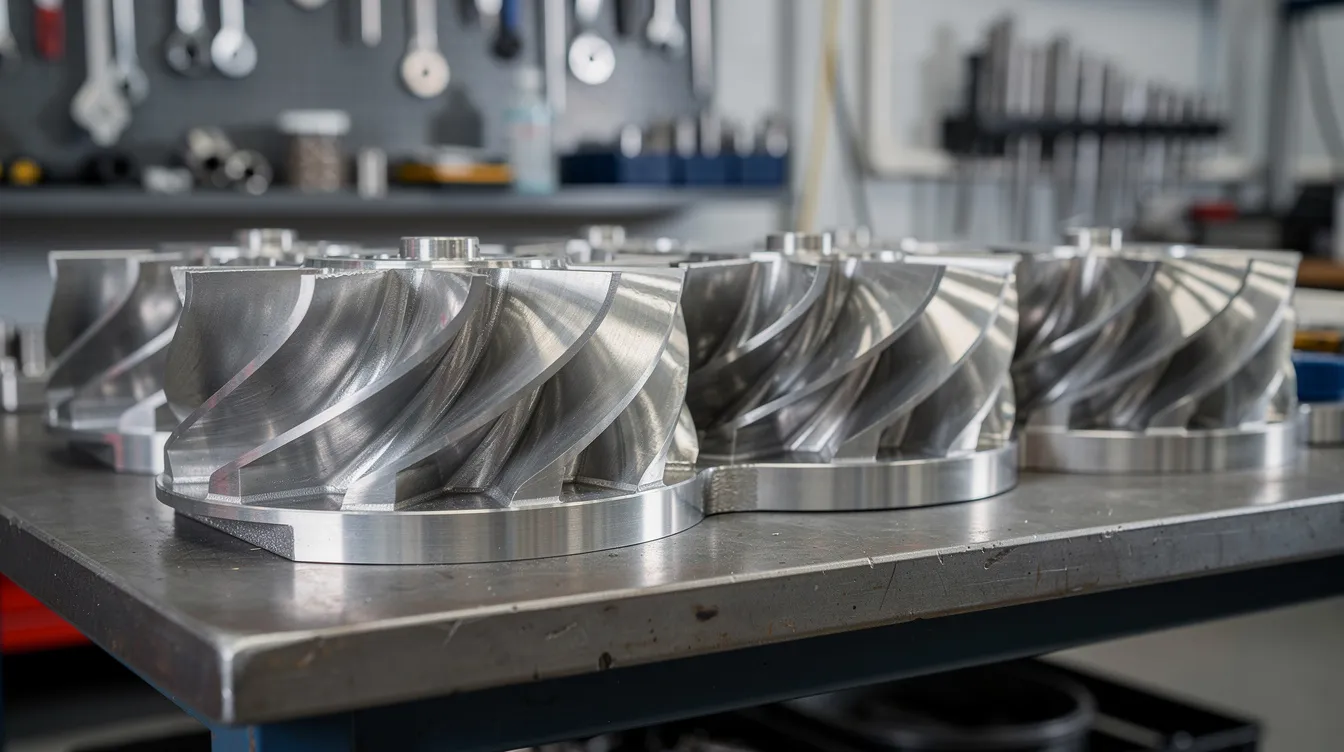
Advanced configurations matter. While a standard 3-axis machine handles most work, 5-axis CNC machines enable complex multi-axis operations-machining undercuts, compound angles, and freeform surfaces that would otherwise require multiple setups. This capability is what makes modern machines capable of producing turbine blades, medical implants, and other intricate mechanical parts in a single fixturing.
CNC Mills (Milling Centers)
CNC mills are the most common cnc machines in the manufacturing industry. A cnc mill uses rotating cutting tools to remove material from a workpiece that is clamped to a table. CNC milling uses rotating tools for material removal across the X, Y, and Z axes, and cnc mills operate on a three-axis system in their basic configuration. For more demanding geometries, 4-axis and 5-axis precision CNC mills add rotary axes to reach surfaces that a 3-axis setup simply cannot access.
Concrete examples of cnc machine work on a milling machine include machining smartphone housing skins from solid aluminum billets, producing automotive gearbox housings with dozens of precision bores, and creating medical device components where surface finish and dimensional accuracy are critical. Typical materials range from aluminum 6061 for lightweight structural components to stainless steel 304/316, titanium alloys for aerospace, and engineering plastics like PEEK and Delrin for wear-resistant applications.
Understanding the main components of a CNC milling machine helps engineers specify parts correctly. Anebon Metal Products Limited specializes in precision CNC milling with tight tolerances as precise as ±0.002 mm, serving OEM customers who need reliable, repeatable machine parts.
CNC Lathes and Turning Centers
CNC lathes work on an entirely different principle. A cnc lathe rotates the workpiece while stationary cutting tools shape the outside diameter, bore internal features, cut grooves, and produce threads. CNC turning rotates the workpiece against a cutting tool to create cylindrical and conical geometries, and cnc lathes specialize in turning operations for round parts such as shafts, bushings, threaded connectors, and precision fasteners used in automotive and robotics applications.
Modern CNC turning centers go well beyond basic lathe work. Many include live tooling-independently driven tools mounted on the turret-plus Y-axis and C-axis capability for milling flats, drilling cross-holes, and cutting slots without moving the part to a separate machine. This integration of CNC turning and milling in a single setup reduces cycle time and improves accuracy by eliminating repositioning errors.
Anebon combines CNC turning with secondary milling and surface finishing to deliver complete OEM components, including precision turned components in steel, aluminum, and stainless steel with surface finishes as smooth as Ra ≤ 0.1 µm.
CNC Routers
CNC routers are high-speed machines designed primarily for softer materials like wood, plastics, foam, and thin aluminum plates. CNC routers are commonly used for softer materials like wood and foam, and CNC routing is applied to softer materials for making patterns or signage, furniture panels, and industrial templates. These machines typically feature large working envelopes and fast traverse speeds.
The key difference between cnc routers and heavier cnc machining centers is rigidity and precision. Routers trade ultimate accuracy for speed and work area size, making them less suitable for tight-tolerance metal work. However, cnc routers, mills, and lathes are all used for prototyping and custom manufacturing depending on the application. While Anebon focuses on metal CNC machining, understanding cnc routers helps engineers choose the right process for fixtures, patterns, and non-critical prototype parts.
CNC Plasma Cutters and Other Cutting Systems
CNC plasma cutters use a high-temperature plasma arc-created by forcing compressed air gas through an electrical arc-to cut conductive metals like steel, stainless steel, and aluminum plate. Plasma cutters use a plasma torch to cut materials, and cnc plasma cutting is a common first step for structural frames, enclosures, and brackets before finish machining refines critical features. These electrical arcs generate temperatures exceeding 20,000°C, making plasma cutters effective on thick plate stock.
CNC machines use plasma and laser cutters for precise metal cutting across the manufacturing industry. Laser cutting uses high-powered lasers for precise sheet metal cutting with narrow kerf widths and minimal heat-affected zones, while water jet cutters use high-pressure water-sometimes mixed with abrasive garnet-to cut hard materials without thermal distortion. These processes often feed directly into CNC milling or turning operations for final precision work.
Electric discharge machines mold workpieces using electrical sparks, making them ideal for hardened steels and complex cavity shapes. Sinker edm plunges a shaped electrode into the workpiece, while wire edm uses a thin electrically charged wire to cut intricate profiles-a process sometimes called spark machining. Both EDM methods excel at advanced jobs in mold-making and aerospace where conventional cutting tools cannot reach or where material hardness would destroy them.
How CNC Machining Fits Into the Digital Manufacturing Workflow
CNC machining is one stage in an end-to-end digital pipeline that begins with design and ends with inspected, shipped parts. Understanding this pipeline helps engineers and buyers make better decisions at every step.
The journey starts with computer aided design. Engineers create 3D models complete with tolerances, GD&T annotations, and material callouts. These design decisions-wall thickness, hole placement, surface finish requirements-directly affect manufacturability and cost downstream.
From CAD, the file moves to computer aided manufacturing. The cam software generates toolpaths by selecting multiple tools, defining cutting strategies for roughing and finishing, and optimizing feeds and speeds. The code generator within the CAM system then post-processes those toolpaths into g code specific to the target machine’s controller (Fanuc, Haas, Siemens, etc.). CNC programming allows for complex geometries without repositioning, which is a major advantage over manual machining where each new angle would require re-fixturing.
At Anebon, engineers review every design for manufacturability before cutting begins. This DFM process flags features that might cause deformation, tool access problems, or unnecessary cost-such as overly tight tolerances on non-critical surfaces or deep pockets requiring long, deflection-prone cutters. After machining, parts are inspected using coordinate measuring machines (CMMs), micrometers, and surface roughness testers. Full inspection reports, material certifications, and traceability documentation close the loop on quality for OEM clients.
What Does a CNC Machinist Do?
A cnc machinist is the skilled professional who bridges digital instructions and physical reality on the shop floor. They interpret technical drawings and GD&T callouts, select appropriate cutting tools, set work offsets to establish zero points, load the g code program, and run setup parts before committing to a full production run. A cnc operator monitors the machine during cutting, watching for signs of chatter, tool deflection, or abnormal wear.
Understanding materials and cutting forces is essential. A machinist knows that titanium requires different feed rates than aluminum, that stainless steel work-hardens if the feed rate drops too low, and that tool coatings affect both life and surface finish. This expertise prevents crashes, extends tool life, and keeps parts within specification. The cnc machinist often collaborates with CAM programmers and engineers to optimize cycle times, suggest design modifications, and reduce scrap.
At Anebon, experienced machinists work on complex aerospace, medical, and electronics parts for overseas OEMs. Their hands-on knowledge of multi-axis fixturing, live tooling setups, and material behavior is what turns a good g code program into a consistently excellent part.
Where CNC Machines Are Used: Common Applications and Industries
CNC machines serve some of the world’s most exciting industries, wherever precision, material performance, and repeatability determine whether a product succeeds or fails. High-precision component manufacturing is a main application of CNC technology, spanning sectors from defense to consumer electronics.
In aerospace, cnc technology is used for high-precision parts such as turbine blades, structural formers, and jet engine casings. These components must survive extreme temperatures, pressures, and fatigue cycles, demanding materials like titanium and Inconel machined to microscopic tolerances. CNC technology is essential for creating medical instruments and implants-orthopedic joints, spinal cages, and surgical tools where biocompatibility, surface finish, and dimensional accuracy are life-critical.
CNC machines are extensively used in automotive parts manufacturing, producing everything from engine blocks and chassis brackets to precision fasteners. In electronics, CNC machines are used to fabricate printed circuit boards, heat sinks, connector housings, and enclosures. CNC technology is also important for crafting components in oil and gas industries, where downhole tools and valve bodies must withstand corrosive, high-pressure environments. CNC machines are used in industries like aerospace and automotive, but also in robotics and industrial machinery for joints, actuator housings, and custom shafts.
CNC technology is used for mass production and custom prototyping alike. A single program can run thousands of identical parts for a production line or produce one-off prototypes for an R&D team validating a new design.
Benefits of CNC Machines Compared to Manual Machining
CNC machines offer higher accuracy than manual machining, along with faster production speeds and the scalability to move from prototype to mass production without changing the fundamental process.
CNC machining offers high accuracy and repeatability. Where manual machining depends on operator skill and introduces variability between parts, a cnc machine can hold tolerances as tight as ±0.002 mm at Anebon’s facility. CNC technology can achieve microscopic precision standards that would be virtually impossible to maintain by hand across a production batch.
CNC machining reduces human error in production processes. Once a program is proven, the machine executes the same movements identically, every cycle. CNC systems can produce complex parts with high repeatability, enabling statistical process control and compliance with ISO 9001:2015 requirements. This consistency is what makes batch production predictable and auditable.
CNC machines can operate continuously for large-scale production-sometimes running “lights-out” overnight with no operator present. Optimized toolpaths from cam software minimize wasted motion, and automatic tool changers keep many machines running without intervention. The result is faster production, reduced scrap, and lower per-part cost at volume.
CNC machines can create complex 3D shapes through multi-axis movement, eliminating the need for manual repositioning between cuts. Flexibility is another advantage: design changes are handled by modifying digital files and re-uploading, not by fabricating new jigs or retraining operators. This makes CNC ideal for environments where design iterations are frequent.
CNC also accelerates rapid prototyping. Engineers can go from CAD to a physical part in days, test fit and function, refine the design, then scale to full-volume production using the same machines and processes.
CNC Design Tips, Cost Drivers, and When to Outsource
Good design for CNC machining can cut your lead time and manufacturing cost dramatically. A few high-level design tips make a significant difference: add internal corner radii that match standard cutter sizes (0.5 mm, 1 mm, etc.) rather than sharp corners that require special tooling. Avoid extremely deep pockets, which demand long, thin cutters prone to deflection. Standardize hole sizes across your part to reduce tool changes. And design with common cutter lengths in mind-features deeper than four times the tool diameter get expensive fast.
The main cost drivers in a cnc manufacturing process are material choice (titanium costs more and machines slower than aluminum), part size and complexity, required tolerances and surface finish, number of setups (each re-fixturing adds time), and total machining time. Complex machinery with thin walls, undercuts, or intricate features adds both time and risk.
Setting up in-house CNC capacity requires substantial capital investment in machines, tooling, maintenance, and skilled staff. For low- to mid-volume OEM work or varied part designs, the utilization rate often doesn’t justify the cost. Outsourcing to a specialist cnc shop makes sense when you need prototypes on tight timelines, complex 5-axis geometries, tight tolerances on critical features, or multi-process projects that combine CNC machining with die casting, sheet metal, or surface treatments.
Anebon holds ISO 9001:2015 and ISO 14001:2015 certifications, provides DFM support on every project, and has served overseas OEM clients since 2010. Their pre programmed software and experienced engineering team deliver custom CNC machining solutions for parts ranging from simple turned bushings to complex multi-axis aerospace components.
How Anebon Metal Products Limited Uses CNC Technology for OEM Manufacturing
Anebon Metal Products Limited is a precision CNC machining and metal manufacturing partner based in Dongguan, Guangdong, China. Founded in 2010, the company operates a factory certified to ISO 9001:2015 and ISO 14001:2015, equipped with 3-, 4-, and 5-axis CNC mills, CNC turning centers including Swiss-type lathes, EDM equipment, surface grinders, and sheet metal fabrication lines.
The typical engagement follows a clear path: RFQ submission, DFM review by Anebon’s engineering team, quotation with lead-time estimates, rapid prototyping (often within five business days for simpler parts), small-batch validation, and ramp-up to series production. This workflow supports design engineers and R&D teams who need to iterate quickly without sacrificing quality.
Anebon works with over 75 materials, including aluminum (6061, 7075), stainless steels (304, 316), titanium (Ti-6Al-4V), brass, copper, and plastics like ABS, PC, and POM. Over 28 surface finishing options-anodizing, passivation, plating, polishing, bead blasting-ensure parts meet both functional and cosmetic requirements. Quality assurance includes incoming material verification, in-process inspection, final CMM reports, and full traceability aligned with OEM standards.
For overseas clients, Anebon provides quick communication through dedicated project engineers, flexible order sizes from single prototypes to production runs of thousands, and packaging designed for international shipping. This combination of capability and service is what makes outsourcing to a specialized cnc partner practical for complex machinery projects.
Getting Started with CNC Machining for Your Next Project
CNC stands for computer numerical control, and now you understand why this technology sits at the heart of precision manufacturing worldwide. Whether you need a single prototype or a full production run, the process starts the same way.
Finalize your CAD model with all critical dimensions, tolerances, and material selections clearly defined. Confirm which features are functionally critical-and which can accept standard tolerances-to avoid over-specifying and inflating cost. Choose the right CNC process based on your geometry: milling for prismatic and complex 3D shapes, turning for cylindrical parts, or a combination using live tooling and multi-axis setups. Then request a quote from a qualified manufacturer who can demonstrate the certifications, equipment, and track record your project demands.
If you’re an engineer, buyer, or OEM project manager ready to move forward, share your drawings, 3D models, and quantity targets with Anebon’s engineering team for a detailed manufacturing proposal. With precision CNC machine work, fast turnaround from prototype to production, and deep experience with overseas OEM standards, Anebon is built to turn your digital designs into high-quality mechanical parts-on time and on spec.