Understanding the Mechanical Properties of Zn Al Alloy for Optimal Use
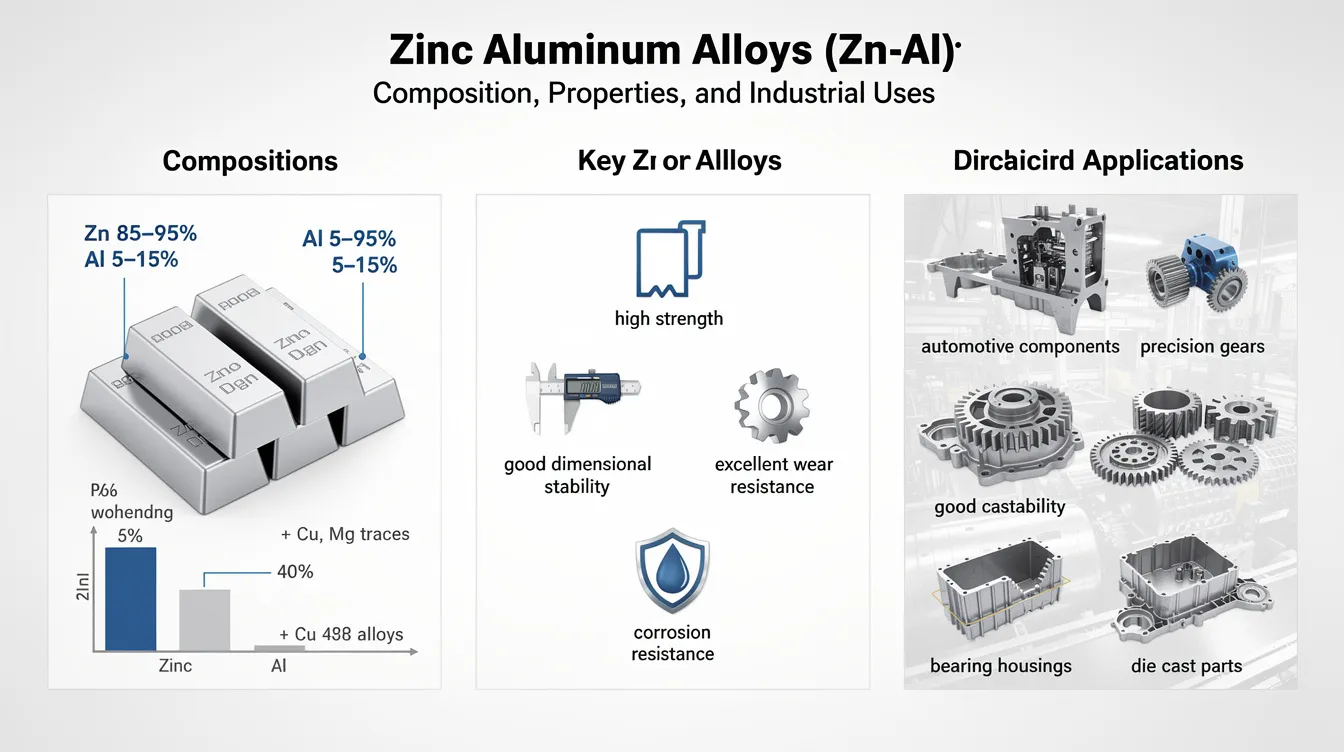
Zinc Aluminum Alloys (Zn-Al): Composition, Properties, and Industrial Uses
Zinc aluminum alloys sit at a sweet spot between traditional zinc alloys and more expensive copper or aluminum materials. This guide breaks down their composition, physical and mechanical properties, microstructure, processing routes, and practical selection criteria so design engineers and OEM procurement teams can specify the right Zn-Al alloy for their next project.
Overview of Zinc Aluminum Alloys (Answer Core Questions Fast)
Zinc aluminum alloys are zinc-based alloys with elevated aluminum content compared to traditional zamak alloys or pure zinc casting grades. Common series include ZA8, ZA12, and ZA27, plus newer high-zinc Al–Zn–Cu systems. Engineers and OEMs choose them when they need a combination of strength, castability, and wear resistance at a competitive cost.
Adding aluminum to zinc yields high impact strength and a better strength-to-weight ratio, which is why these materials have steadily displaced bronze, cast iron, and even some aluminum grades in specific roles. Zinc aluminum alloys contain zinc as the base metal, with aluminum content ranging from about 8 % to 27 % depending on grade.
Here is what makes them attractive:
-
Zn-Al alloys offer a high strength-to-weight ratio. ZA27 can reach ultimate tensile strength above 400 MPa, and certain advanced compositions can deliver tensile strength up to 700 MPa.
-
They possess good bearing properties and are suitable for wear-resistant applications, often outperforming aluminum, bronze, and iron in terms of strength and bearing performance.
-
Zn-Al alloys are well-suited for complex, intricate shapes and can be cast into very thin sections with tight tolerances.
-
They exhibit excellent damping capacity, making them useful where vibration absorption matters.
-
Common applications include automotive components, bearings, fasteners, gears, housings, and small precision parts. They are widely used for heavy-duty automotive and hardware applications, with typical service temperatures up to around 150 °C.
-
Zinc-aluminum alloys are used in automotive and aerospace industries, and they are also used in die casting applications across electronics, robotics, and industrial machinery.
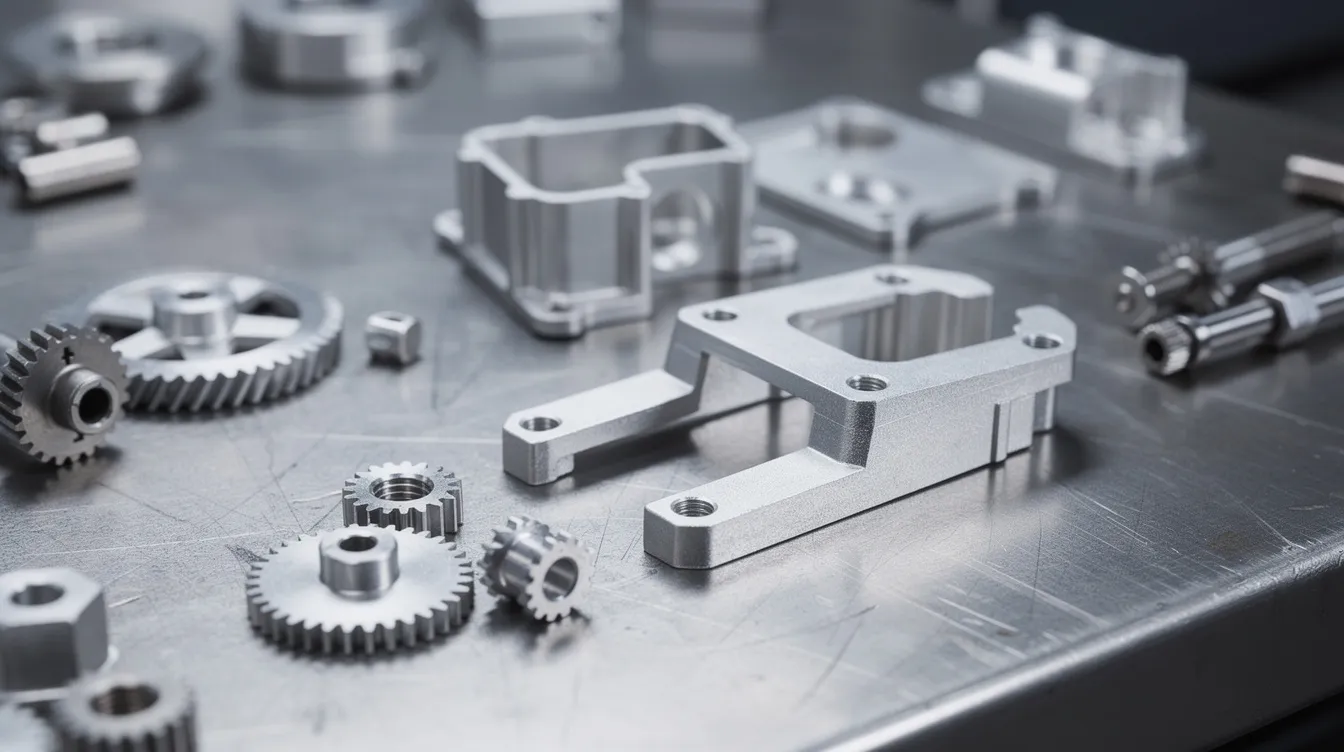
Chemical Composition of Key Zinc Aluminum Alloys
The composition of zinc and alloying elements strongly controls the physical properties and mechanical properties of any Zn-Al alloy. Even small shifts in aluminum, copper, or magnesium concentration can change hardness, ductility, creep resistance, and casting behavior.
Typical composition ranges for the most commonly specified grades:
-
Zinc (Zn): balance, roughly 70–95 wt% depending on aluminum content. Zinc content is highest in ZA8 and lowest in ZA27.
-
Aluminum (Al): ~8 wt% for ZA8, ~11–12 wt% for ZA12, and ~25–28 wt% for ZA27. ZA27 alloy has a high aluminum concentration of 27 %.
-
Copper (Cu): typically 0.5–3 wt%, essential for boosting strength and hardness. ZA27 specifications call for ~2.0–2.5 % copper.
-
Magnesium (Mg): trace levels of ~0.01–0.06 wt% improve creep resistance and reduce grain boundary brittleness.
-
Trace quantities of iron, lead, cadmium, and tin are controlled to tight limits to avoid casting defects and corrosion issues.
Beyond the standard ZA grades, researchers have developed high-zinc aluminium alloy systems such as Al–35Zn–2Cu, which contains 35 % zinc and 2 % copper, with optional micro-alloying additions. Adding 0.8 wt% Ag enhances the elongation of these high-zinc aluminum alloys, while Sc addition refines the η-Zn phase in aluminum alloys, producing finer microstructures and improved toughness.
Copper and magnesium improve strength, high hardness, and creep resistance. The simultaneous addition of silver and scandium goes further-Ag promotes finer precipitate distribution and Sc controls grain refinement, together breaking the classic trade-off between strength and ductility. The silicon content is kept low in most ZA grades (< 0.1 %), though some quaternary Zn–Al–Cu–Si alloys deliberately add small silicon quantities to modify wear behavior.
|
Alloy |
Al (wt%) |
Cu (wt%) |
Mg (wt%) |
Zn (wt%) |
|---|---|---|---|---|
|
ZA8 |
~8 |
~1.0 |
~0.02 |
Balance |
|
ZA12 |
~11 |
~1.0 |
~0.02 |
Balance |
|
ZA27 |
~27 |
~2.2 |
~0.015 |
Balance |
|
Al–35Zn–2Cu (+Ag/Sc) |
Balance |
~2.0 |
- |
~35 |
Physical Properties of Zinc Aluminum Alloys
Physical properties such as density, melting range, thermal conductivity, and coefficient of thermal expansion (CTE) influence alloy selection for design engineers working on everything from heat sinks to structural brackets.
Density varies across grades. ZA27 alloy has a density of 6.5 g/cm³, which is relatively lightweight compared to traditional cast iron or bronze (typically 7.1–8.9 g/cm³) but heavier than aluminum alloys (~2.7 g/cm³). ZA8 and ZA12 sit slightly higher in density than ZA27. Compared to steel at ~7.8 g/cm³, all ZA grades save meaningful weight in equivalent-strength designs.
Zn-Al alloys have lower melting points compared to aluminum alloys, which reduces energy cost during melting and extends die life. The solidus temperature of the Al–35Zn–2Cu alloy is 386 °C, and the solidus temperature increases to 412 °C with Ag addition, widening the process window. ZA27 has a liquidus around 480 °C, while ZA8 melts at even lower temperatures. These ranges determine whether hot-chamber or cold-chamber die casting is suitable.
The aluminum content in Zn-Al alloys forms a durable oxide layer that protects against corrosion, contributing to the material’s resistance in light to moderate atmospheric environments. Thermal conductivity for ZA27 runs about 110–130 W/m·K-competitive with many aluminum casting alloys. Electrical conductivity is moderate, around 27–29 % IACS for ZA27, which is adequate for grounding paths or shielding but not for primary conduction. CTE values of ~25–26 µm/(m·K) mean dimensional stability under thermal cycling requires attention during part and tooling design.
|
Property |
ZA8 |
ZA12 |
ZA27 |
|---|---|---|---|
|
Density (g/cm³) |
~6.3 |
~6.0 |
~6.5 |
|
Solidus (°C) |
~375 |
~380 |
~376 |
|
Liquidus (°C) |
~404 |
~432 |
~484 |
|
Thermal Conductivity (W/m·K) |
~115 |
~116 |
~125 |
|
CTE (µm/m·K) |
~23 |
~24 |
~26 |
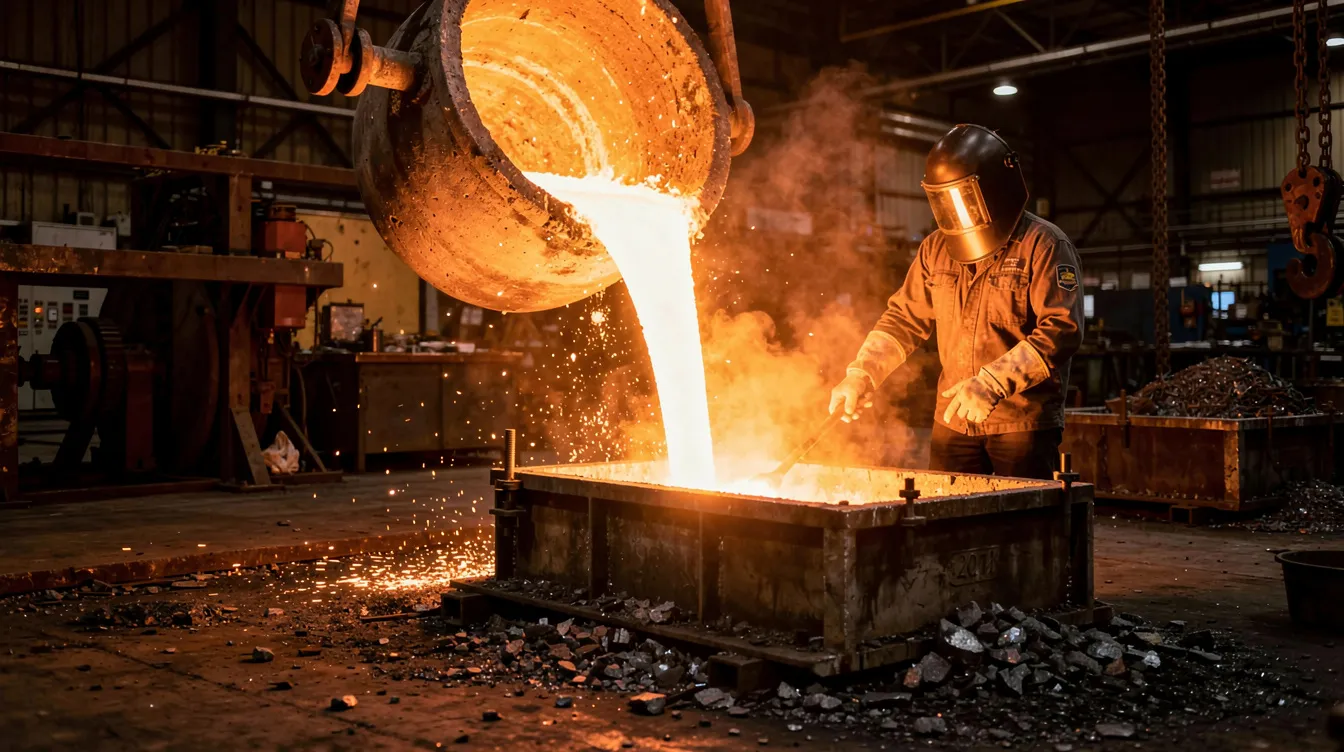
Mechanical Properties and Wear Behavior
Mechanical properties determine whether a zinc aluminum alloy can handle the loads, fatigue cycles, and sliding contact that a given application demands. For OEM engineers evaluating za alloys against other metals like brass, bronze, or aluminum, the numbers in this section drive the decision.
ZA alloys exhibit good strength and hardness properties across the family. ZA27 alloy exhibits a yield strength of 400 MPa and an ultimate tensile strength in the range of 400–440 MPa, with Brinell hardness around 105–125 HB. Elongation is limited-typically 1–3 % in die cast form-meaning the material can be brittle under impact or bending if part geometry isn’t designed appropriately. By contrast, ZA8 trades some strength for better ductility and castability.
Advanced high-zinc aluminium alloys push these numbers further. The Al–35Zn–2Cu alloy exhibits a yield strength of about 400 MPa when micro-alloyed with 0.8 wt% Ag and 0.25 wt% Sc, while UTS reaches ~472 MPa. The elongation of Al–35Zn–2Cu alloy is 13.8 % at room temperature-a significant improvement over standard ZA27. The hardness of Al–35Zn–2Cu alloy increases with Ag addition, which refines precipitate distribution within the matrix.
Wear resistance is a defining advantage. Smearing (adhesive wear) and abrasion are the main wear mechanisms depending on load, lubrication, and counterface material. Recent 2025 research shows that micro-alloying with Ag and Sc reduces wear volume by approximately 27 % compared to the base composition. Refined η-Zn and θ-Al₂Cu phases act as hard, dispersed barriers to plastic deformation and material removal during sliding contact.
Creep resistance limits service temperature. ZA27 performs best among the ZA family up to about 120–150 °C. Beyond that, strength degrades and creep deformation accumulates, so parts subjected to sustained elevated temperatures need careful evaluation. Modulus of elasticity values for ZA alloys fall in the range of 78–86 GPa, giving reasonable stiffness for structural elements.
In practical terms, finer and more uniform microstructures-obtained through controlled solidification and micro-alloying-improve both strength and ductility at the same time. This synergistic dual-phase strengthening breaks the old assumption that higher strength must mean lower elongation. For an engineer, the takeaway is that alloy modification at the composition level delivers measurable gains in fatigue life and wear resistance without sacrificing toughness.
|
Property |
ZA8 |
ZA12 |
ZA27 |
Al–35Zn–2Cu + Ag/Sc |
|---|---|---|---|---|
|
UTS (MPa) |
~300 |
~330 |
~425 |
~472 |
|
Yield Strength (MPa) |
~240 |
~270 |
~400 |
~400 |
|
Elongation (%) |
~6–8 |
~3–5 |
~1–3 |
~13.8 |
|
Hardness (HB) |
~80–90 |
~95–105 |
~110–125 |
~120+ |
Microstructure and Phase Constituents (Engineer-Level Explanation)
The microstructure-grain size, phase distribution, and grain boundary character-underpins every mechanical and physical property listed above. Understanding even the basics helps OEM design teams make better alloy and process decisions.
Typical phases present in as-cast zinc aluminium alloys include:
-
α-Al phase: aluminum-rich dendrites or matrix islands that increase in volume fraction as aluminum content rises (prominent in ZA27 and Al–35Zn–2Cu systems).
-
η-Zn phase: zinc-rich regions that form lamellar eutectic or eutectoid structures with the α phase. These strengthen the alloy but, when coarse, can make the material brittle at grain boundary interfaces.
-
θ-Al₂Cu intermetallic: formed from copper additions, it increases hardness and wear resistance. Excess coarse particles, however, can reduce ductility.
-
In advanced compositions, Al₃Sc dispersoids and AgZn-type second phases are present. These are characterized by very fine size and uniform distribution.
How alloying elements and solidification control refine these phases:
-
Copper additions promote θ-Al₂Cu formation, raising bar on hardness and strength.
-
Silver promotes nucleation of finer η′ or η-Zn precipitates inside grains rather than allowing coarse lamellar growth at boundaries. This presence of dispersed precipitates improves toughness.
-
Scandium forms Al₃Sc dispersoids that pin grain boundaries during solidification. Adding Sc reduces the grain size from 98 μm to 82 μm, a meaningful modification that improves yield strength and fatigue resistance.
-
Faster solidification rates (as in die casting versus sand casting) reduce dendrite arm spacing, producing finer and more ductile microstructures. These are readily visible under an optical microscope at moderate magnification.
For OEM design teams, the practical implication is straightforward: specifying an alloy with controlled micro-alloying (Ag, Sc) and selecting a casting process with faster cooling yields parts that are simultaneously stronger and more ductile-not a trade-off but a gain on both axes.
Common Zn-Al Alloy Grades and Typical Applications
Different zinc aluminum alloys target specific performance and processing needs. Choosing the right grade starts with matching the application’s load, temperature, geometry, and production volume requirements.
ZA8 (~8 % Al): Best castability among ZA grades. ZA8 is suitable for thin-walled die-cast parts such as small housings, electrical connectors, decorative hardware, and light structural components. Its lower melting point allows hot-chamber die casting, which means faster cycle times and lower per-part cost in high-volume production.
ZA12 (~11 % Al): A balanced grade offering good fluidity and moderate strength, commonly used for permanent mold applications including gears, cam followers, and wear-resistant machinery components. ZA12 is a popular choice for parts that need both structural integrity and reasonable surface finish.
ZA27 (~27 % Al): Highest strength and hardness in the ZA family. ZA27 alloy is lightweight and suited for high-strength applications such as bushings, bearings, hydraulic components, and high-load automotive parts. It is extensively used as a replacement for bronze bearings due to low friction, high wear resistance, and the fact that high-zinc aluminum alloys have a service life 1–3 times longer than copper alloys.
High-zinc Al–Zn–Cu (+Ag/Sc) systems: Developed for demanding tribological environments-heavy-duty bearings, sliding components, aerospace damping parts, and robotic joints where enhanced fatigue and wear resistance justify the added cost of micro-alloying.
Zn-Al alloys are also used for corrosion protection in coating systems like Galvalume, which is commonly applied to steel substrates. Materials like Galvalume provide exceptional atmospheric corrosion resistance and heat reflectivity, and zinc is commonly used for galvanizing to prevent corrosion. In these coating forms, zinc aluminum alloys provide exceptional corrosion resistance, often providing cathodic protection to steel substrates, resulting in layers that deliver excellent resistance to atmospheric corrosion. Importantly, Zn-Al alloys are 100 % recyclable, adding a sustainability element to the decision.
Beyond structural and bearing roles, Zn-Al alloys can be used to create lightweight metallic foams with superior properties for energy absorption and thermal management, though these remain more specialized.
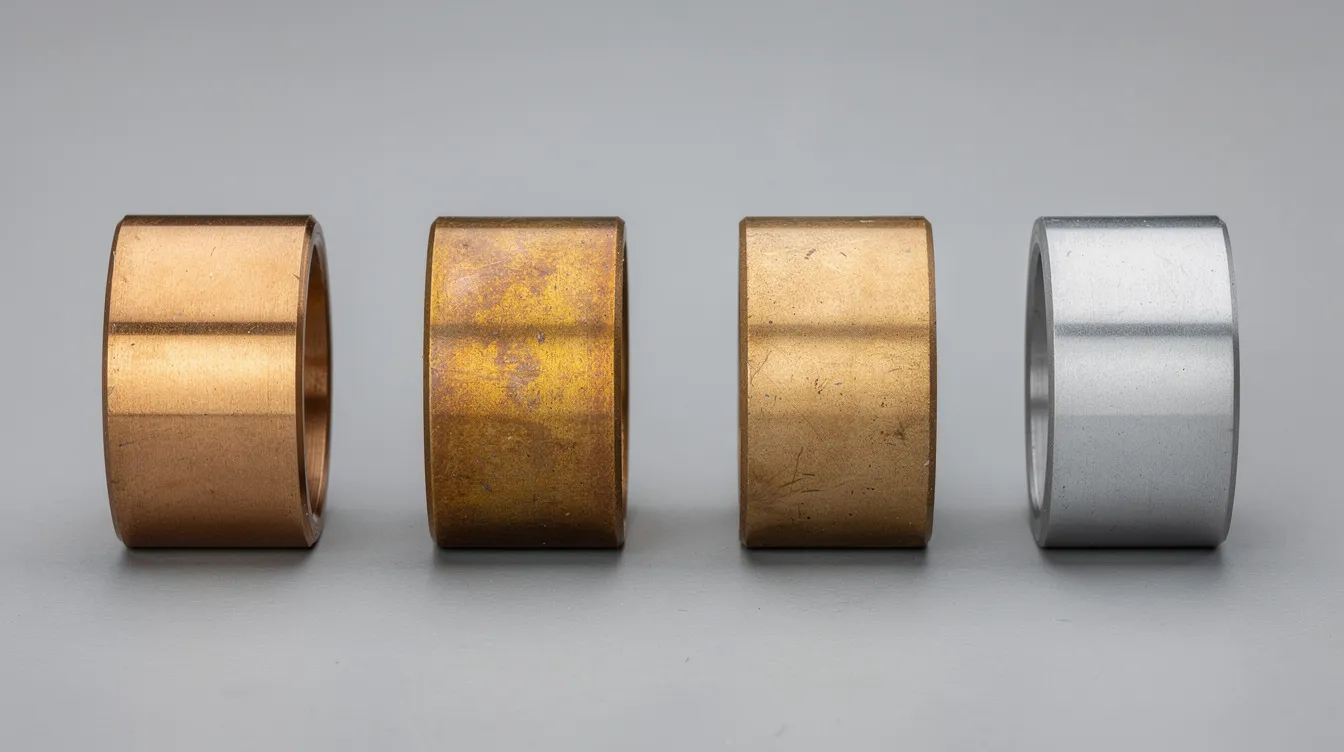
Processing Routes: Die Casting, CNC Machining, and Fabrication
The processing route-pressure die casting, gravity casting, CNC machining-is just as critical as alloy selection. It determines achievable tolerances, surface quality, production cost, and lead time.
Die Casting
High-pressure die casting is the dominant process for zinc alloys, producing parts with dimensional accuracy, fine surface finish, and high repeatability at large volumes. ZA8 can be run in hot-chamber machines (faster, cheaper), while ZA12 and ZA27 require cold-chamber equipment due to higher melting temperatures and aluminum reactivity. Zn-Al alloys allow cost-effective high-precision casting methods and allow the production of intricate, thin-walled components at lower costs than alternatives. Parts are typically obtained directly from the die in near-net shape, reducing secondary operations.
Ingot quality matters. Melt cleanliness-fluxing, degassing, and sometimes vacuum treatment-is essential to avoid porosity and oxide inclusions, especially for ZA27 where higher aluminum content increases oxidation risk.
CNC Machining
Zn-Al alloys are significantly easier to machine than traditional cast iron or copper alloys. After casting, CNC milling, turning, drilling, and reaming bring critical features to final dimensions. ZA27 is harder than ZA8, so tool selection matters, but tooling wear remains far lower than when machining steel or brass. Secondary processes including 5-axis CNC machining and precision grinding can achieve tolerances down to a few microns on critical features such as bearing bores and mating surfaces.
Heat Treatment and Surface Finishing
ZA alloys are often used as-cast or after stabilization-holding at a controlled elevated temperature to relieve residual stresses and improve dimensional stability. This is especially relevant for parts subjected to tight tolerances in high-load or high-temperature service. Coating options include painting, powder coating, and plating (though ZA27′s adhesion characteristics make plating more challenging; surface prep and pre-treatment are required). For parts where corrosion resistance is critical, conversion coatings or specialized layers offer additional protection.
Compared to aluminum and brass, zinc aluminum alloys offer shorter cycle times in die casting (due to lower melting temperatures), longer die life, and the ability to produce finer detail without the cost of more complex tooling-making them excellent materials for producing high-volume, precision components across multiple industries.
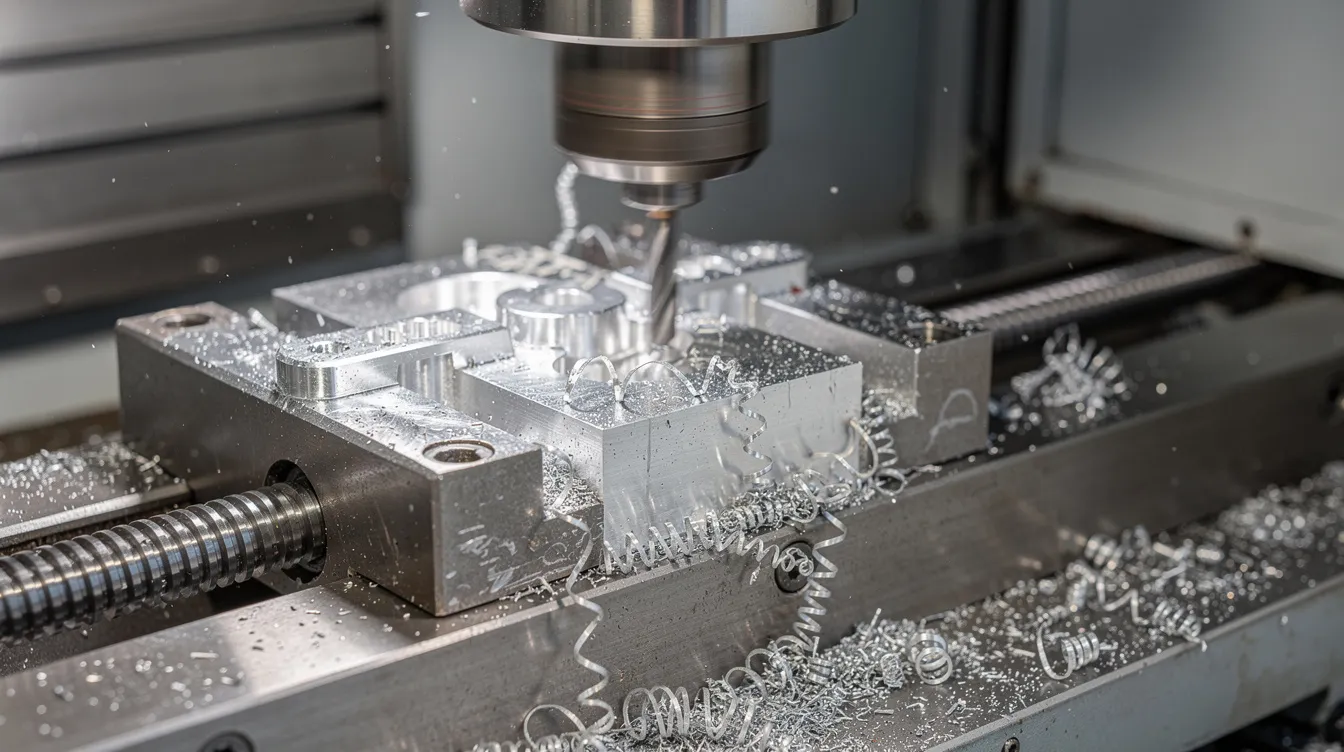
Anebon Metal Products Limited Capabilities with Zinc Aluminum Alloys
Anebon Metal Products Limited is an ISO 9001:2015 and ISO 14001:2015 certified precision manufacturer based in Dongguan, China, serving overseas OEMs since 2010. We bring over 15 years of experience in die casting, CNC machining, and sheet metal fabrication to every Zn-Al alloy project.
Our die casting service covers zinc alloys and zinc aluminum alloys from rapid prototyping through full-scale production runs. We handle ZA8, ZA12, ZA27, and related alloy grades, with achievable tolerances as tight as ±0.002 mm after post-machining. Typical part sizes range from small connectors and sensor housings to larger bearing carriers and structural brackets.
CNC machining services-including CNC milling, CNC turning, and 5-axis machining-allow us to finish cast Zn-Al components to exacting specifications. Whether the part is a durable bushing, a precision gear housing, or a set of robotic joints, our machining capabilities ensure critical dimensions are met.
We provide design for manufacturability (DFM) support at the quotation stage. Our engineers help you choose between zinc aluminum alloys and alternatives such as aluminum, brass, or stainless steel based on required mechanical properties, wall thickness, expected volumes, and cost targets. Surface treatments available for zinc aluminum parts include machining-only finishes, painting, powder coating, and plating where suitable. Quality assurance relies on CMM inspection, material certification, and in-process monitoring to ensure every part meets specification.
Ready to start? Submit your CAD files or part drawings to our engineering team for a fast, engineering-driven quotation on zinc aluminium alloy die casting and machined components.
Design and Material Selection Guidelines for OEM Engineers
Correct selection of zinc aluminum versus other zinc alloys or alternative metals is critical for balancing performance and cost. Here are practical guidelines drawn from real-world casting and machining experience.
When to choose zinc aluminum alloys:
-
You need higher strength than standard zamak alloys but don’t want the weight or cost of bronze or steel.
-
The application demands bearing and wear performance that aluminum alone cannot provide.
-
You are replacing brass or bronze to reduce weight and per-part cost while maintaining or improving load-bearing capacity.
-
The production volume justifies die casting tooling, and the part geometry includes thin walls, fine details, or complex features.
Design tips:
-
Minimum wall thickness for die-cast Zn-Al parts is typically ~1.0 mm for ZA8 and ~1.5 mm for ZA27 (ZA27′s higher viscosity limits flow in very thin sections).
-
Use draft angles of 1°–2° on external surfaces and 2°–3° on internal features. Rib design should follow standard die casting practice: rib thickness ~50–60 % of adjacent wall.
-
ZA8 is forgiving of complex geometry; ZA27 requires more generous gating and runner systems.
Temperature and creep considerations:
-
Most ZA grades serve reliably up to around 120–150 °C. Beyond that, creep becomes the limiting factor.
-
ZA27 has the best creep resistance in the family. For continuous elevated-temperature service, consider stabilization heat treatment to improve dimensional stability.
Quick selection comparison:
|
Scenario |
Recommended Alloy |
Why |
|---|---|---|
|
Small gear housing, high volume |
ZA8 or ZA12 |
Castability, cycle time, cost |
|
Sliding bearing, moderate load |
ZA27 |
Wear resistance, strength, replaces bronze |
|
Structural bracket, medium load |
ZA12 |
Balance of strength and castability |
|
High-fatigue tribological part |
Al–35Zn–2Cu + Ag/Sc |
Enhanced ductility, wear reduction |
|
Corrosion-resistant coating layer |
Zn-Al (Galvalume type) |
Cathodic protection, atmospheric durability |
Keep in mind that Zn-Al alloys are relatively lightweight compared to traditional cast iron or bronze, but heavier than pure aluminum. When light weight is the absolute priority and mechanical loads are moderate, aluminum may still be the better path. When strength, wear resistance, and cost per unit dominate, zinc aluminum is the stronger play.
Summary and Next Steps
Zinc aluminum alloys offer an attractive combination of mechanical properties, good castability, and wear resistance across a range of well-established grades like ZA8, ZA12, and ZA27 plus newer micro-alloyed systems. Understanding chemical composition, physical properties, microstructure, and processing routes helps engineers choose the right Zn-Al material-and the right manufacturing partner-for each application.
The data is clear: za alloys compete head-to-head with bronze, cast iron, and even some aluminum grades on strength and bearing performance, while offering lower energy requirements in casting, easier machinability, and full recyclability. Whether you need a high-volume connector housing in ZA8 or a heavy-duty sliding bearing in ZA27, proper alloy selection and process control unlock the full potential of these versatile materials.
Collaborate with Anebon early in the design phase to optimize alloy selection, part geometry, and manufacturing process. Our engineering team provides DFM feedback, material recommendations, and fast turnaround on prototypes and production runs.
Get started today: send your drawings or 3D models to Anebon for a fast, engineering-driven quotation on your next zinc aluminum alloy project. Request a quote here or contact our team to discuss your specific requirements.