Understanding Hot Rolled Steel Cold Rolled Steel: Key Differences and Uses
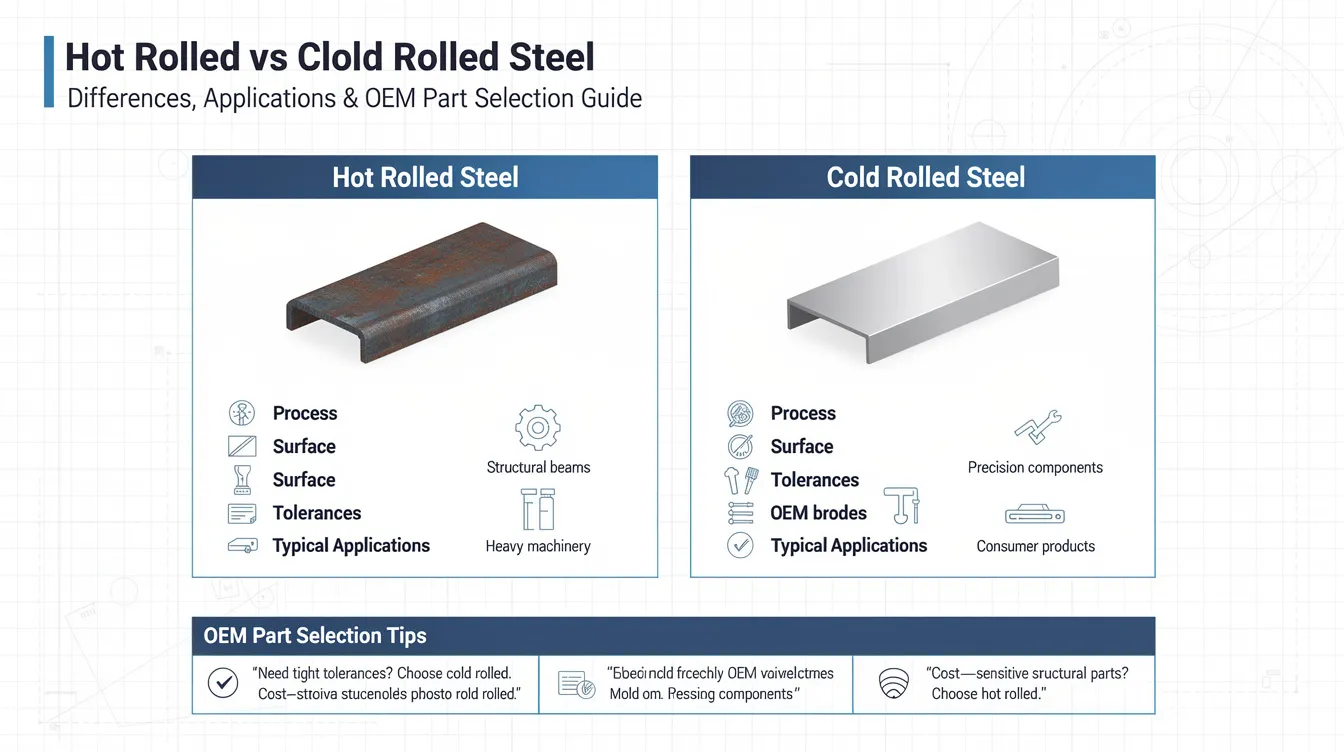
Hot Rolled vs Cold Rolled Steel: Differences, Applications & OEM Part Selection Guide
Introduction to Hot Rolled and Cold Rolled Steel
Hot rolled steel and cold rolled steel start from the same base material-typically low-carbon or mild steel with identical chemical composition. The main difference is how each is processed after initial casting, and that processing gap drives meaningful differences in cost, mechanical strength, surface finish, and dimensional accuracy. For design engineers and OEM buyers evaluating rolled steel for their next project, understanding these trade-offs is essential to controlling both material and fabrication expenses.
This guide is written from the perspective of Anebon Metal Products Limited, an ISO-certified precision manufacturing partner serving overseas OEMs since 2010. The goal is straightforward: help you decide whether hot rolled or cold rolled steel fits your project, and show how Anebon can machine or fabricate each type to your specifications.
What is Hot Rolled Steel?
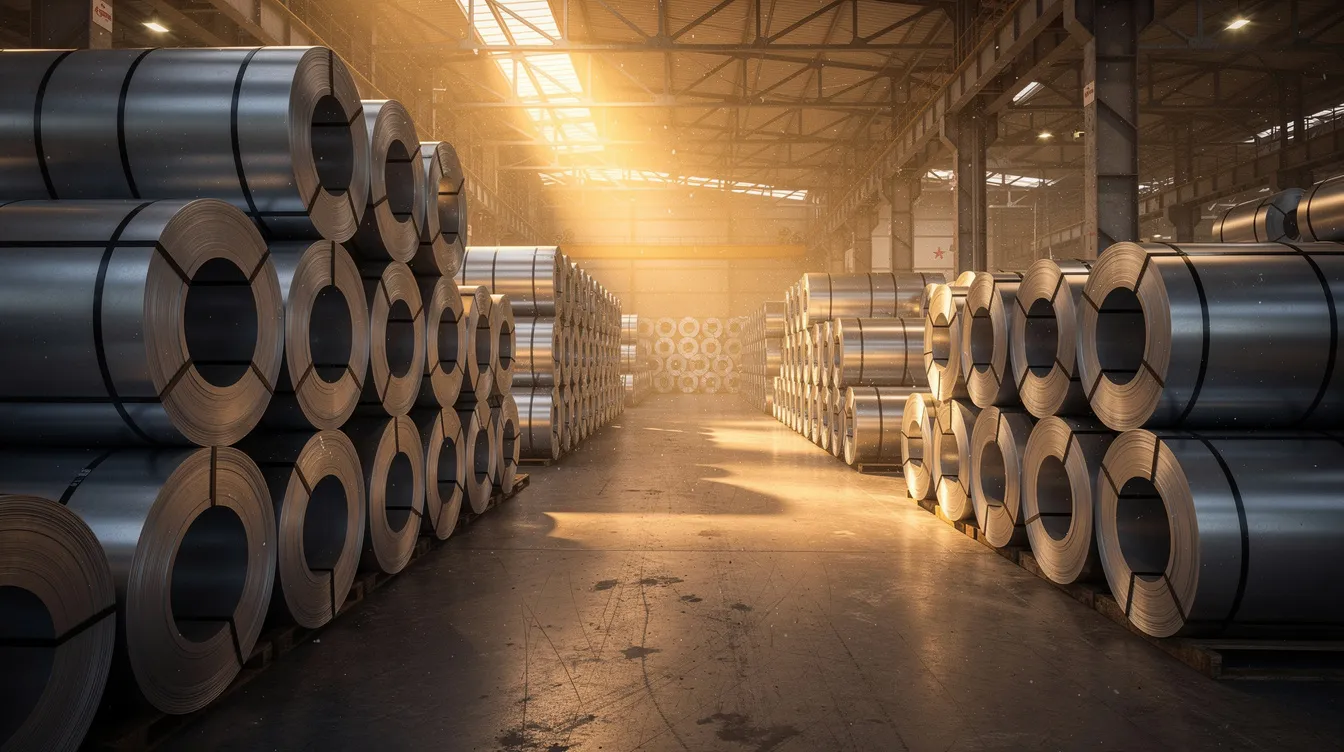
Essentially hot rolled steel is steel processed above its steel’s recrystallization temperature-typically above 1700°F (~925°C), and often as high as 1,250°C during the rolling process. At these very high temperatures, the metal is malleable enough to be shaped in continuous mills with relatively low force.
The production steps follow a clear sequence: billets or slabs are heated to high temperatures, passed through roughing and finishing stands, then exit the mill and cool in ambient air. The cooled steel is either coiled into hot rolled sheet or cut into plates, beams, and various shapes. During air cooling, thermal contraction introduces slight distortions, and iron oxide forms on the surface as mill scale.
Hot rolled products span a wide thickness range-from around 1.2 mm for thin gauge hot rolled sheet up to 100+ mm for heavy plate products. The chemical composition is usually identical to the equivalent cold rolled steel grade. The difference between hot rolled and cold rolled is the rolling process temperature and finishing steps, not the alloy itself.
-
Steel is heated above recrystallization temperature before rolling
-
Large thickness reductions achieved per pass at high temperatures
-
Air cooling produces a scaled surface and rounded edges
-
No cold strain hardening occurs; the material recrystallizes during cooling
-
Wider dimensional tolerances compared to cold rolled
Key Characteristics of Hot Rolled Steel
-
Dark, scaly finish with visible mill scale; rough surface finish with scale that requires removal before coating or painting
-
Rounded edges and corners due to metal flow at elevated temperature
-
Wider dimensional tolerances-mill tolerances measured in millimeters rather than tenths of a millimeter
-
Generally lower yield strength than cold rolled of the same grade, but good ductility (elongation often 20–35%)
-
Hot rolled steel is free from internal stresses after cooling, producing a normalized microstructure beneficial for welding
-
Less suitable where precise shapes, tight tolerances, or cosmetic surfaces are critical without further processing
-
When comparing hot rolled vs cold rolled steel surface finish, hot rolled requires additional work to achieve a smooth finish
-
Hot rolled steel is suitable for applications requiring less precision and is ideal for applications without precise tolerances
Advantages of Hot Rolled Steel
Hot rolled steel is cheaper than cold rolled steel because fewer processing steps are involved-no cold reduction, no annealing, and minimal finishing. This translates to lower cost per kilogram, making it attractive for large-volume structural work.
Hot rolled steel is easier to shape and form, especially for large profiles, beams, channels, and thick plates. Hot rolled steel can be processed to improve surface finish through sand blasting, pickling, or grinding when appearance matters.
-
Lower material cost due to high-throughput continuous production
-
Normalized microstructure with low residual stress, ideal for welded frames and large weldments
-
Excellent ductility for heavy forming operations
-
Good performance where appearance is secondary: machine beds, jigs, fixtures
-
Wide global availability of standard hot rolled profiles and plate products, simplifying OEM sourcing
Typical Applications of Hot Rolled Steel
Hot rolled steel applications prioritize mechanical strength, stiffness, and cost efficiency over micron-level precision. Hot-rolled steel is ideal for heavy structural purposes where aesthetics are not critical.
-
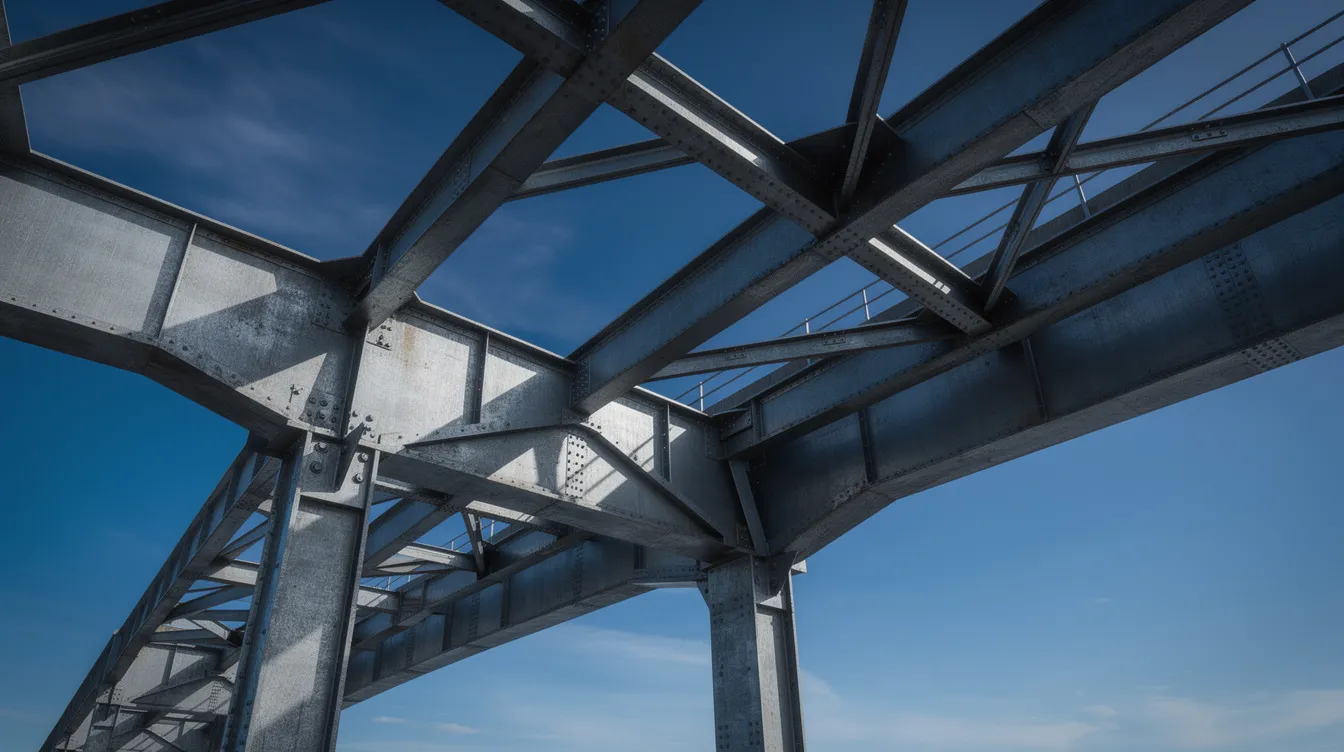
Construction: building columns, i beams, bridges, and hot-rolled steel is commonly used in construction, such as beams and railroad tracks
-
Transportation: hot rolled steel is used for railroad tracks and is suitable for I-beams in construction
-
Heavy equipment: agricultural machinery frames, heavy equipment chassis, shipbuilding hull plating
-
Industrial OEM: welded machine frames, large brackets, mounting plates, tooling bases, and structural components for robotics cells
-
Welding: hot rolled steel is commonly used in welding applications due to its ductility and low internal stresses
For Anebon’s precision manufacturing projects, hot rolled steel is often chosen for thick base structures that will be CNC machined to their final shape and exact dimensions.
What is Cold Rolled Steel?
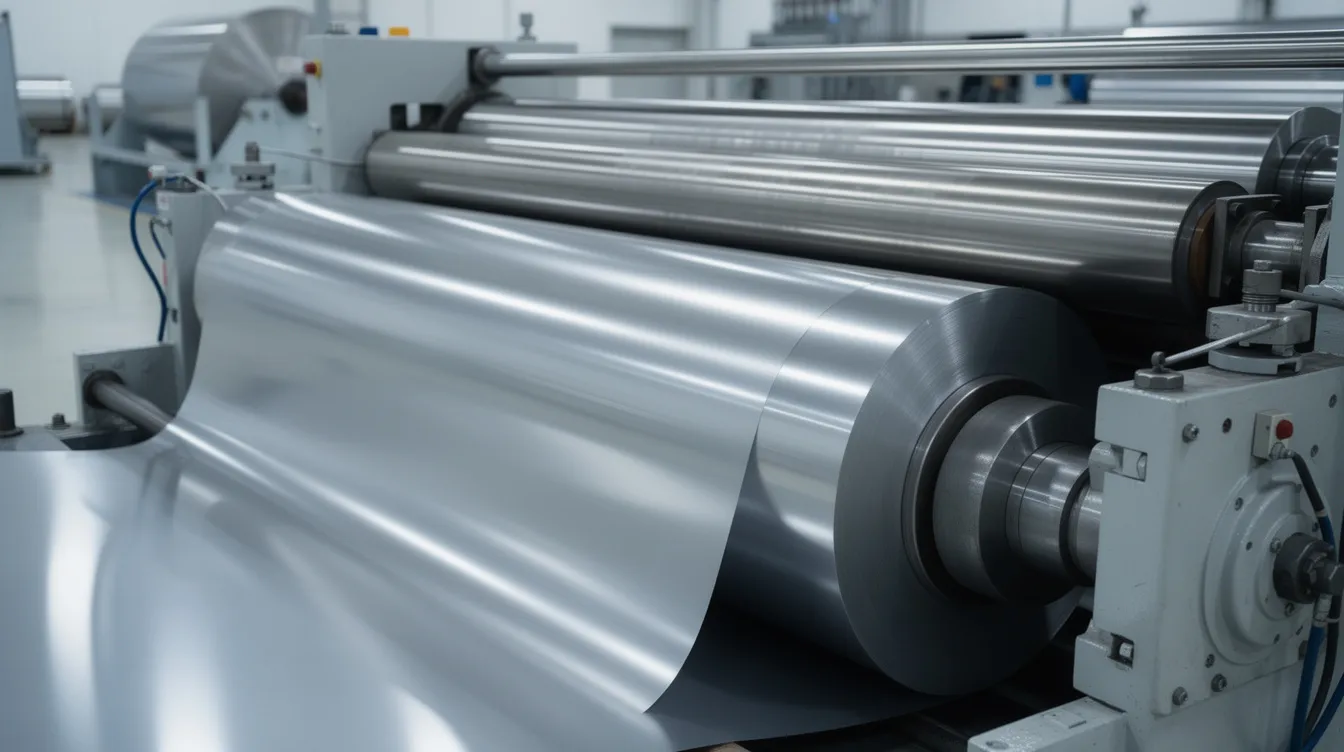
Cold rolled steel is hot rolled steel that undergoes additional processing at room temperature through cold reduction mills. The cold rolling process refines the steel sheet into a product with superior dimensional control and a smoother surface.
Cold rolled steel production follows a precise sequence: pickling removes mill scale from the hot rolled feedstock, then one or more cold reduction passes compress the steel to the target gauge. Annealing restores ductility lost during cold drawing and deformation, and a final skin-pass roll achieves the desired shape, flatness, and surface finish. This additional processing is what separates cold rolled from hot rolled steel products.
Cold rolling compresses the steel below its recrystallization temperature, increasing dislocation density through strain hardening. The result is that cold rolled steel is up to 20% stronger than hot rolled steel of the same chemistry. Cold rolled steel products include sheet, strip, and bar marketed as “cold finished” or “cold drawn,” all common in precision sheet metal fabrication.
-
Pickling → cold reduction → annealing → skin-pass rolling
-
Work hardening processes increase yield strength and tensile strength
-
Produces precise dimensions and a smooth finish
-
Tighter dimensional tolerances than hot rolled across thickness, width, and flatness
-
Available in thin gauges down to ~0.15 mm for precision applications
Key Characteristics of Cold Rolled Steel
-
Bright, smoother surface free of mill scale; often oiled for protection; sharper edges versus rounded edges on hot rolled
-
Tighter dimensional tolerances: thickness control of ±0.025–0.075 mm versus ±0.2–0.3 mm for hot rolled sheet
-
Cold rolled steel offers a smoother surface finish than hot rolled steel, with Ra values of approximately 0.4–1.6 µm
-
Higher yield strength and tensile strength due to work hardening, with potential decrease in ductility
-
Predictable mechanical properties throughout the coil or batch-ideal for repeat OEM production runs
-
Cold rolled steel has tighter dimensional tolerances than hot rolled steel, making it a common choice for Anebon’s CNC machining projects requiring accurate fits
-
Cold rolled sheet is preferred where tolerances and cosmetic surfaces drive material selection
Advantages of Cold Rolled Steel
Cold rolled steel is used for high-precision applications where tolerances, surface quality, and consistency determine part success. Cold rolled steel is preferred for metalworking projects needing aesthetics and an aesthetically pleasing finish.
-
Superior dimensional accuracy and straightness, critical for tight tolerances in assemblies
-
Surface finish quality is smoother, cleaner, and easier to paint, powder-coat, or electroplate-reducing surface treatment preparation time
-
Cold rolled steel is ideal for applications requiring smooth surfaces and aesthetic appeal
-
Strength benefits from work hardening allow thinner-walled parts that maintain rigidity-useful for housings and enclosures
-
Improved repeatability in stamping, deep drawing, and progressive die work due to consistent sheet metal thickness
-
Better base material enables more precise CNC milling, laser cutting, and bending for custom OEM parts
Typical Applications of Cold Rolled Steel
Cold rolled steel is commonly used in high-precision applications across a wider range of industries than most steels processed only by hot rolling.
-
Automotive: the automotive industry relies on cold rolled for body panels, reinforcements, seat structures, and brackets where appearance and tight fit matter; cold rolled steel is commonly used in automotive parts and appliances
-
Appliances & consumer products: washing machine cabinets, refrigerator panels, office furniture, shelving, electrical enclosures
-
Electronics & medical: instrument housings, control panels, server cabinets, complex enclosure manufacturing, and medical device enclosures
-
Aerospace: aerospace structural components often utilize cold-rolled steel for added strength and precise finishing
-
Coated steel products: cold rolled is often the base for galvanizing and other coated steel products when long-term corrosion protection and a scaly finish–free appearance are required
Anebon frequently uses cold rolled sheet for laser-cut blanks, CNC-bent enclosures, welded boxes, and cosmetic covers in sheet metal fabrication projects.
Hot Rolled vs Cold Rolled Steel: Main Differences
The difference between hot rolled and cold rolled steel comes down to the temperature at which final deformation occurs. Hot rolled steel is shaped above the recrystallization temperature; cold rolled steel undergoes further processing at room temperature. This single variable drives divergence in tolerances, finish, mechanical properties, and cost.
Hot rolled steel has a rough surface with a scaly finish and less control over dimensions. Cold rolled steel delivers more precise dimensions, sharper edges, and a smoother surface suitable for precision applications. Both can share identical steel grades and carbon content-the distinction is condition, not alloy family.
-
Processing: hot rolled above ~925°C vs cold rolled at room temperature
-
Tolerances: hot rolled tolerances in millimeters; cold rolled offers closer dimensional tolerances in hundredths of a millimeter
-
Surface: rough surface finish (HR) vs smooth finish (CR)
-
Cost: hot rolled steel is typically cheaper than cold rolled steel by roughly 20–30% per tonne
-
Strength: cold rolled delivers higher yield strength through strain hardening
When evaluating hot rolled vs cold rolled for design trade-offs, consider not just upfront material price but downstream machining cost, finishing processes, and assembly fit.
Strength and Mechanical Performance
Cold rolled steel is up to 20% stronger than hot rolled steel of the same chemistry, thanks to work hardening during cold reduction. For example, cold rolled 1018 steel often yields around 300 MPa versus approximately 235 MPa for the hot rolled version.
However, hot rolled steel often has better ductility-elongation of 20–35%-making it less prone to cracking during heavy forming or welding on thick sections. For engineers: choose cold rolled for thin, high-strength sheet metal parts; choose hot rolled for heavy, highly welded structures where toughness matters. Anebon can advise on steel selection and provide DFM feedback when customers specify strength and stiffness requirements through tolerance stackup analysis.
Surface Finish and Dimensional Tolerances
Cold rolled steel’s surface finish is significantly smoother-Ra of 0.4–1.6 µm versus the rough surface finish of hot rolled steel, which carries mill scale and higher roughness unless ground or pickled. For a visible medical device cover or electronics enclosure, cold rolled is the clear choice. For a hidden structural bracket, hot rolled with less control over finish may be more cost-effective.
Anebon commonly starts from cold rolled sheet when customers require ±0.1 mm or tighter sheet metal tolerances. Accurate starting stock simplifies CNC setup, reduces rework, and supports reliable assembly-addressing common warping and tolerance challenges.
Cost, Availability, and Fabrication Considerations
Hot rolled steel is typically cheaper per unit weight. Although cold rolled costs more, it may reduce total project cost when high precision is needed, because it minimizes additional machining, grinding, or finishing processes. Hot rolled is easier to source in large structural shapes; cold rolled is more common in thin sheet and precision bar.
For OEM buyers: early in design, match the steel type to your manufacturing route-CNC machining, sheet metal fabrication, stamping, or die casting inserts. Anebon sources both and can recommend the most economical finished product path based on volume, tolerances, and surface requirements.
Choosing Between Hot Rolled and Cold Rolled Steel for OEM Parts
Frame your decision around these factors: tolerances, part size, forming complexity, strength targets, cosmetic expectations, and life-cycle cost. For rapid prototyping, engineers sometimes choose cold rolled for predictability, then reassess for production volumes.
-
Automotive brackets: cold rolled for tight fit and painting; hot rolled for hidden structural mounts
-
Medical device frames: cold rolled for cosmetic enclosures; hot rolled for internal support structures
-
Industrial enclosures: cold rolled sheet for visible panels; hot rolled plate for welded machine bases
-
Aerospace structural components: cold rolled for added strength and precise finishing; hot rolled for heavy subframes
Involve your manufacturing partner early. Anebon’s engineering team can review CAD models and specs to advise on the right material condition for your desired shape and performance targets.
Design and DFM Tips
-
For hot rolled: oversize critical features, then CNC machine to the final shape; allow for larger tolerances on non-critical edges; plan for scale removal via sand blasting or pickling before welding or coating
-
For cold rolled: leverage precise starting stock for tighter hole-to-edge distances, slimmer flanges, and smaller bend radii
-
Tolerance realism: avoid specifying cold rolled–level tolerances on hot rolled parts-this creates unnecessary machining time and cost with no functional benefit
-
Tension breaking and leveling: consider whether your cold rolled sheet needs tension breaking or leveling for flatness-critical parts
-
Anebon provides DFM feedback on drawings, including recommended tolerance bands and material condition for CNC machining and sheet metal fabrication
Hot Rolled and Cold Rolled Steel in Anebon’s Manufacturing Services
Anebon Metal Products Limited integrates both hot rolled and cold rolled steel into CNC machining, 5-axis milling, CNC turning, die casting, and sheet metal fabrication workflows. Operating from Dongguan, Guangdong, China, Anebon has served overseas OEM clients in aerospace, medical, automotive, electronics, robotics, and industrial machinery since 2010.
Typical hot rolled applications at Anebon include thick base plates machined on CNC mills, welded machine frames, heavy brackets, and structural weldments precision-machined to final size. Cold rolled applications include laser-cut and bent enclosures, precision panels, brackets with tight hole patterns, and parts needing surface treatments like powder coating or plating. With tolerances as precise as ±0.002 mm for CNC machining, material choice directly impacts achievable accuracy and overall cost. Anebon holds ISO 9001:2015 and ISO 14001:2015 certifications with full in-house quality assurance including CMM inspection and material traceability.
From Material Selection to Finished Steel Products
Anebon’s workflow moves from material selection (hot rolled or cold rolled) through incoming inspection, cutting (sawing, laser cutting), machining or forming, welding if needed, surface treatment, and final inspection. Using cold rolled steel can eliminate secondary grinding or finishing processes, shortening lead time for OEM production runs.
Anebon works with a wide range of steel grades alongside aluminum, stainless steel, titanium, and plastics-allowing balanced material choices across multi-part assemblies. The team supports both rapid prototyping and full-scale production, with guidance on when switching from cold rolled to hot rolled plus machining (or vice versa) makes economic sense as volumes evolve.
Summary and Next Steps
Hot rolled steel and cold rolled steel differ in processing temperature, surface finish, tolerances, mechanical properties, and cost. Neither is universally superior. Hot rolled suits heavy structural work, welded assemblies, and cost-sensitive projects. Cold rolled excels where tight tolerances, a smoother surface, higher mechanical strength, and an aesthetically pleasing finish drive the design.
The right choice depends on your project’s function, budget, and downstream finishing processes. Involve Anebon early in your design cycle for DFM feedback and material recommendations. Share your 3D CAD files or technical drawings, and Anebon’s team will propose the optimal material condition-hot rolled vs cold rolled-along with process alternatives to balance cost and performance for your OEM project.