Understanding Hot Rolled Steel: Benefits and Applications Explained
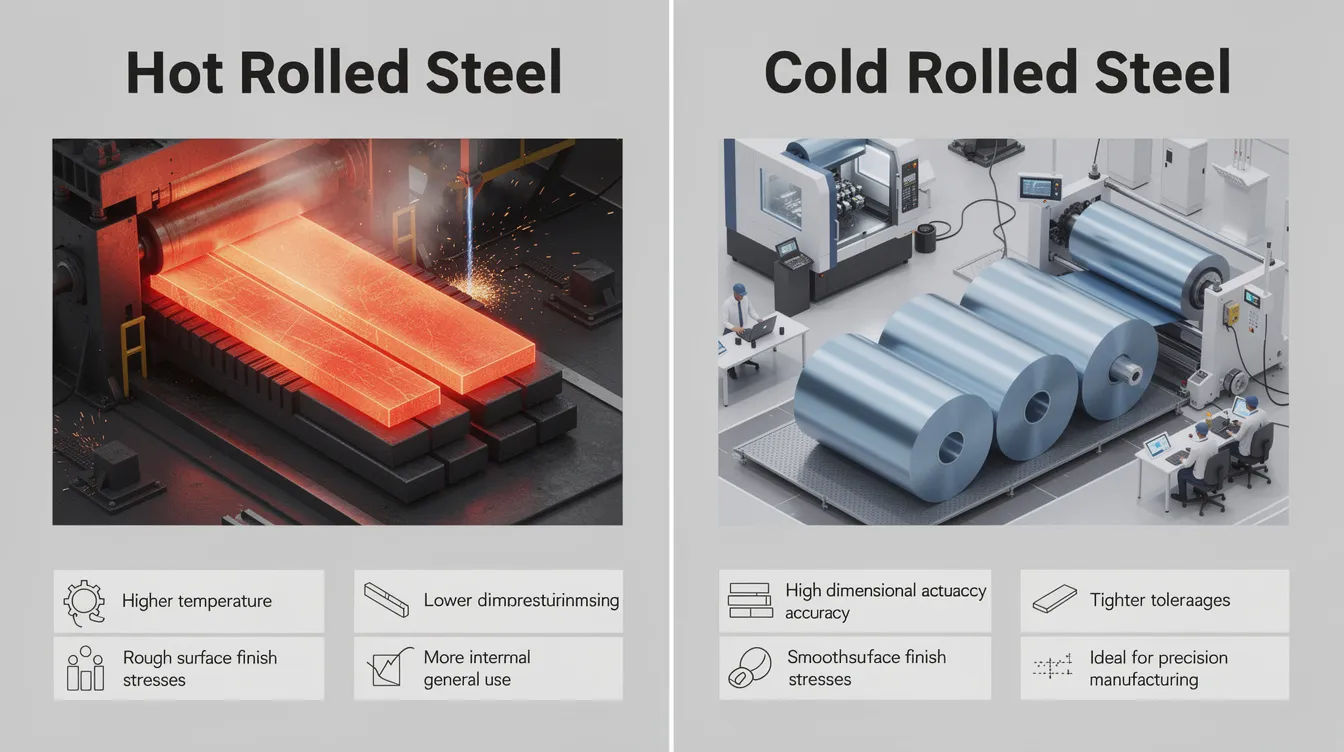
Hot Rolled Steel vs Cold Rolled Steel: Choosing the Right Steel for Precision Manufacturing
Introduction: Hot Rolled vs Cold Rolled Steel in Modern Manufacturing
In modern steel manufacturing, the terms hot rolled steel and cold rolled steel describe two distinct rolling process methods that shape the same raw materials into very different end products. Hot rolling occurs at very high temperatures-typically above 1,700°F (925°C)-where the metal is soft and pliable, while cold rolling occurs at or near room temperature after the steel has already been hot rolled once. Understanding this distinction matters because the manufacturing process you choose directly affects dimensional tolerances, surface finish, mechanical properties, and ultimately the cost and performance of your OEM components.
Both steel types start from the same base: rolling steel from cast slabs or billets into usable forms. The difference lies entirely in how and when that deformation happens. Hot rolled steel emerges with a rough, scaled surface and looser dimensions. Cold rolled steel-which is essentially hot rolled steel that undergoes additional processing-delivers tighter tolerances, a smooth surface, and higher mechanical strength. This article will walk through the technical differences, common steel grades, practical applications across countless industries, and how Anebon Metal Products Limited helps engineers select the right steel for precision applications in CNC machining, sheet metal fabrication, and die casting inserts.
What Is Hot Rolled Steel?
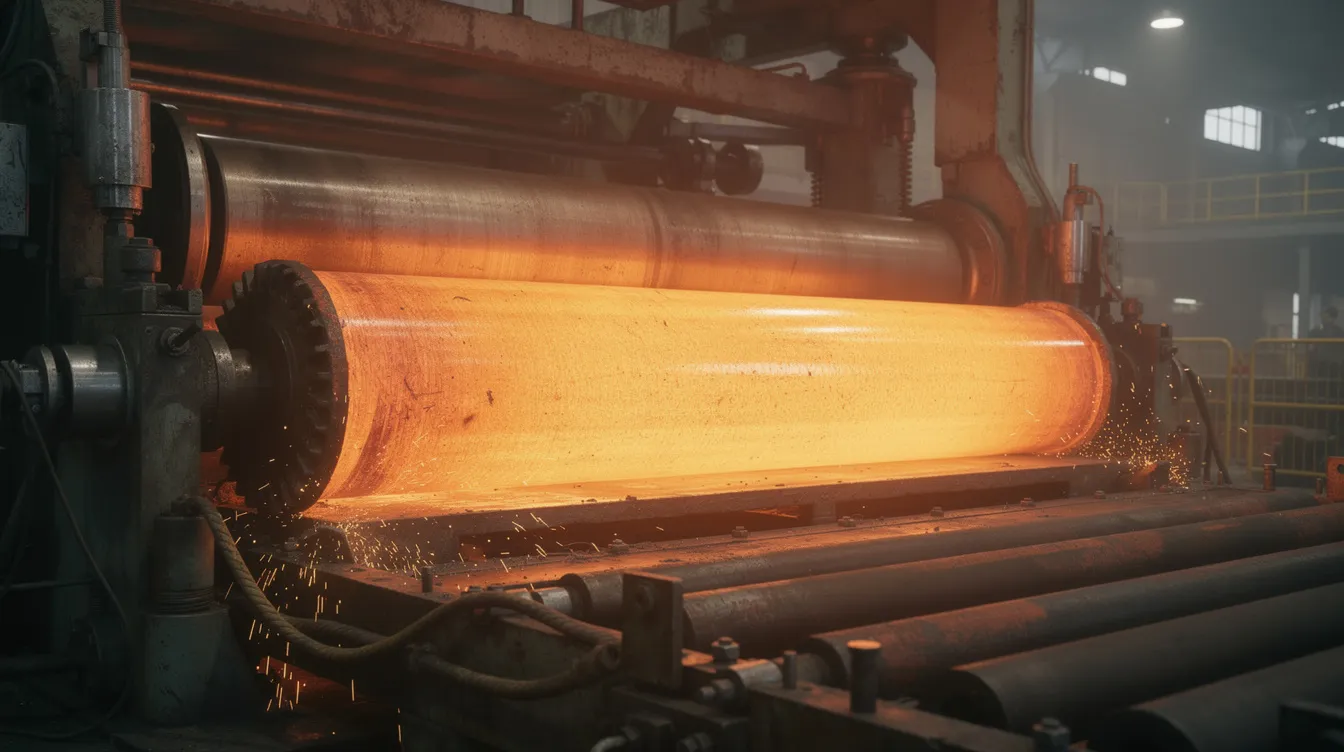
Hot rolling is a metalworking process involving heating metal above its recrystallization temperature-specifically above steel’s recrystallization point of roughly 1,700°F (925°C)-where the metal becomes malleable and easy to shape. A heated slab, billet, or bloom is passed through rolling mills to reduce thickness and form it into plate products, sheet, bar, or structural shapes such as i beams and channels.
The hot rolling process makes metal malleable and easy to shape but also produces characteristic traits: a rough, scaled surface covered in mill scale from oxidation, rounded corners, and looser dimensional tolerances compared to cold worked alternatives. Hot rolled steel has a characteristic ribbed texture that distinguishes it visually from its cold rolled counterpart. This steel type serves as the starting point for many downstream steel processing steps, including cold rolled steel production, galvanized sheet metal via hot dip galvanizing, and various coated steel products. Importantly, “hot rolled” describes the manufacturing process, not a specific grade-both carbon steels (e.g., A36, 1018) and alloy steels can be hot rolled.
The Hot Rolling Process: From Slab to Structural Shape
Steel production begins when steel scrap or iron ore is melted to produce molten steel in electric arc or basic oxygen furnaces. That molten steel is solidified using continuous casting techniques into slabs typically 150–350 mm thick, which represent the most basic form of semi-finished steel materials.
These slabs enter a reheating furnace where temperatures reach approximately 2,200°F (1,200°C) at the furnace exit. Hot rolled steel is processed above 1,700°F and rolled into desired shapes after reheating. The material then passes through roughing mills for initial thickness reduction, followed by finishing mills where temperature drops to around 1,500–1,650°F (815–900°C). Deformation above the recrystallization temperature continuously renews the grain structure, preventing strain hardening and work hardening processes during rolling. Slab thickness is progressively reduced across multiple passes while width and length adjust to reach the final shape.
Cooling often occurs on a cooling bed or with water sprays, and hot rolling results in a rough surface finish due to oxidation during cooling. After cooling, the steel is cut to length into beams, channels, plates, or coiled into strip. Hot rolled steel is then inspected for thickness and surface finish before shipment. Understanding how sheet metal is made from these coils helps engineers appreciate why further processing is often needed.
Typical Mechanical Properties of Hot Rolled Steel
The mechanical properties of hot rolled steel depend on chemical composition and grade, but common low-carbon steels like ASTM A36 typically show yield strength around 250 MPa (36,000 psi), while AISI 1018 hot rolled reaches approximately 250–300 MPa. Tensile strength for these grades generally falls between 400–550 MPa depending on carbon content and alloying.
Hot rolled steel is easier to form than cold rolled steel, producing relatively ductile material well-suited for bending, welding, and general fabrication. Elongation values of 20–30% confirm strong formability. However, non-uniform cross sections like i beams can retain internal stresses from non-uniform cooling-a factor worth considering when machining. Compared to the same grade after cold working, hot rolled steel shows lower yield strength and hardness but performs better for large deformations and heavy-gauge structural components where mechanical strength matters more than precise finishing.
What Is Cold Rolled Steel?
Cold rolled steel is essentially hot rolled steel that has cooled to room temperature and then been re rolled through mills to improve surface quality, thickness accuracy, and strength. Cold rolled steel is processed at or near room temperature, so no recrystallization occurs during deformation. Instead, dislocation density increases through strain hardening, which raises both yield strength and tensile strength.
While “cold rolled” typically refers to sheet and strip, cold finished bars and tubes are usually drawn rather than rolled-but all qualify as cold worked products. The advantages are significant: tighter dimensional tolerances, a smoother finish, more precise shapes, and better mechanical properties compared to the hot rolled base material. Cold rolled steel is the natural choice for visible parts, thin-gauge components, and precision applications where exact geometry and better surface quality drive design decisions.
The Cold Rolling Process and Surface Finishing
The cold rolling process begins when hot rolled coils are pickled in acid baths to remove the scaled surface and mill scale. The cleaned strip then feeds into tandem cold mills that progressively reduce thickness-typical total reductions range from 30–80%-under high rolling forces at near room temperature. Lubrication and roll surface condition strongly influence the final surface roughness, which can reach Ra 0.4–1.6 µm compared to the much rougher hot rolled starting material.
After cold rolling, steel may undergo annealing to restore some ductility, followed by a light skin-pass (temper rolled) to control surface texture and eliminate yield point elongation. The resulting surface is clean, uniform, and ready for further processing such as painting, plating, or powder coating-critical for appliance and electronics housings. This rolling process connects directly to precision sheet metal fabrication, where consistent incoming material quality determines final part accuracy.
Mechanical Properties of Cold Rolled vs Hot Rolled Steel
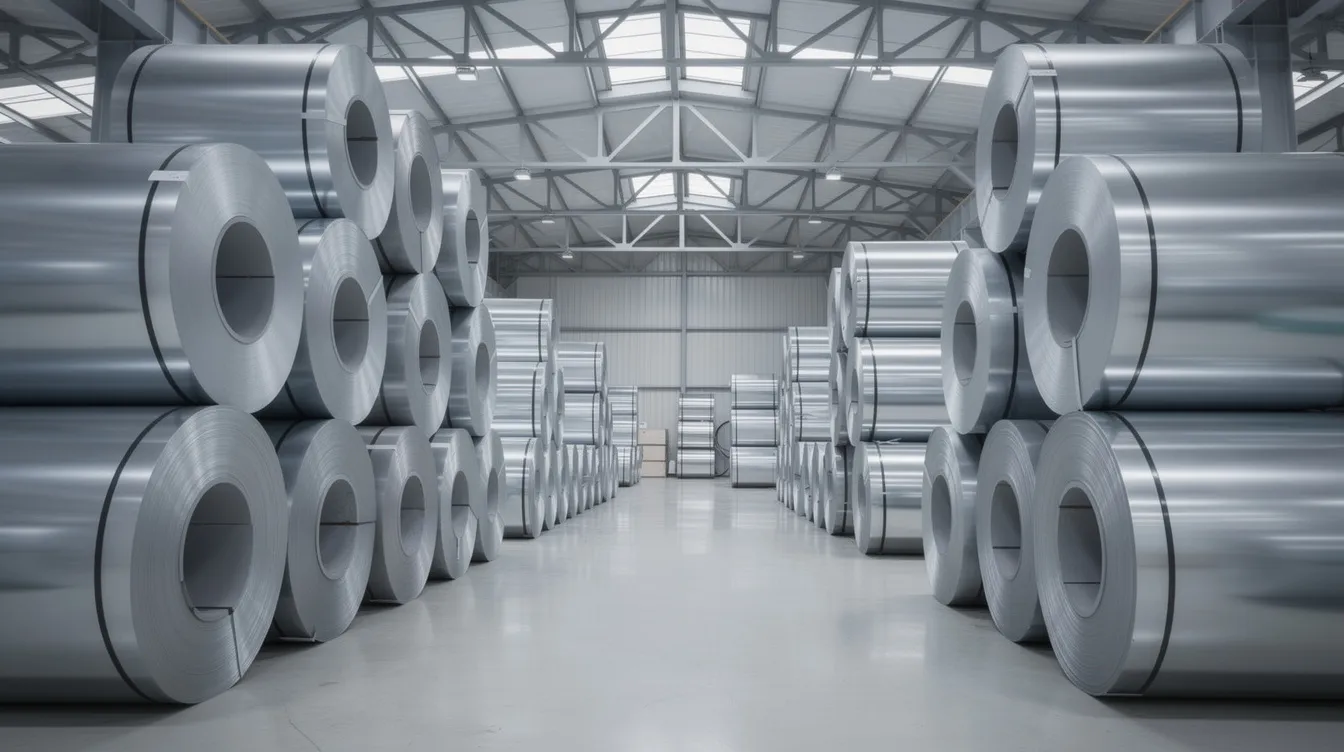
Cold rolled steel is typically 20% stronger than hot rolled steel of the same grade, with some grades showing gains up to 30%. For example, AISI 1018 in hot rolled form yields roughly 250–300 MPa, while the same grade cold rolled reaches approximately 300–380 MPa. Tensile strength climbs proportionally.
The trade-off: improved strength and hardness come at the cost of reduced ductility, which affects severe bending and deep drawing operations. Understanding bend allowance calculations becomes essential when designing cold rolled parts. For precision components, however, the combination of higher strength and tight thickness control allows designers to reduce wall thickness while maintaining performance-a direct cost saving in high-volume production.
Hot Rolled vs Cold Rolled Steel: Key Differences at a Glance
When comparing hot rolled and cold rolled options, engineers should evaluate five key aspects:
Manufacturing process: Hot rolled steel is processed above 1,700°F in a single high-temperature campaign. Cold rolled products begin as hot rolled and then undergo additional cold working, annealing, and temper rolling-more steps, more control.
Dimensional tolerances: Hot rolled steel has less precise dimensions than cold rolled steel. Hot rolled plate tolerances may run ±0.3–1.0 mm, while cold rolled sheet achieves ±0.05–0.15 mm or tighter in precision grades.
Surface finish: Hot rolled surfaces show visible mill scale and slight distortions. Cold rolled steel offers better surface finish-clean, smooth, sometimes lightly oiled-delivering an aesthetically pleasing finish suitable for visible components.
Mechanical properties: Cold rolled steel provides better mechanical properties including higher yield strength and tensile strength but reduced ductility.
Cost and lead time: Hot rolled steel is typically cheaper than cold rolled steel-often 15–30% less per kilogram-and faster to produce. Cold rolled carries a premium but can reduce downstream machining and surface preparation, sometimes lowering total project cost.
In short: use hot rolled and cold rolled steel strategically. Budget-driven structural applications favor hot rolled. Cosmetic or dimensionally critical parts favor cold rolled.
Choosing the Right Steel for Your Application
Selecting the right steel starts with understanding end-use requirements. Hot rolled steel suits beams, columns, base frames, railway tracks, railroad tracks, and heavy brackets. Cold rolled steel excels in enclosures, electronic housings, panels, and appliance exteriors where surface quality and tight tolerances are non-negotiable.
Many OEM products combine both: hot rolled for the load-bearing structure, cold rolled for precision skins or mounting plates. The choice also depends on downstream processes-CNC machining, bending, welding, and coating requirements all influence material selection. Anebon routinely helps overseas OEMs decide between hot rolled and cold rolled steel materials during DFM review, ensuring cost and performance are balanced before production begins.
Hot Rolled Steel in Practice: Common Grades and Use Cases
Specific steel grades like ASTM A36, AISI 1018, and AISI 1045 are available in both hot rolled and cold rolled forms, but many regions primarily supply them hot rolled. ASTM A36 is a widely used structural hot rolled steel with minimum 250 MPa (36,000 psi) yield strength, excellent weldability, and broad use in frames, plates, and construction applications.
Low-carbon grades like 1018 serve parts needing good machinability and formability-brackets, flanges, and automotive components from hot rolled plate or bar. Medium-carbon grades like 1045 are often hot rolled then heat treated to achieve higher mechanical strength and wear resistance for shafts, gears, and pins. Hot rolled structural shapes-i beams, channels, angles, and hollow sections-form the backbone of machine bases and frames that may later be machined to tight tolerances. Alloy steel variants expand options further for demanding environments.
Structural, Automotive, and Industrial Applications
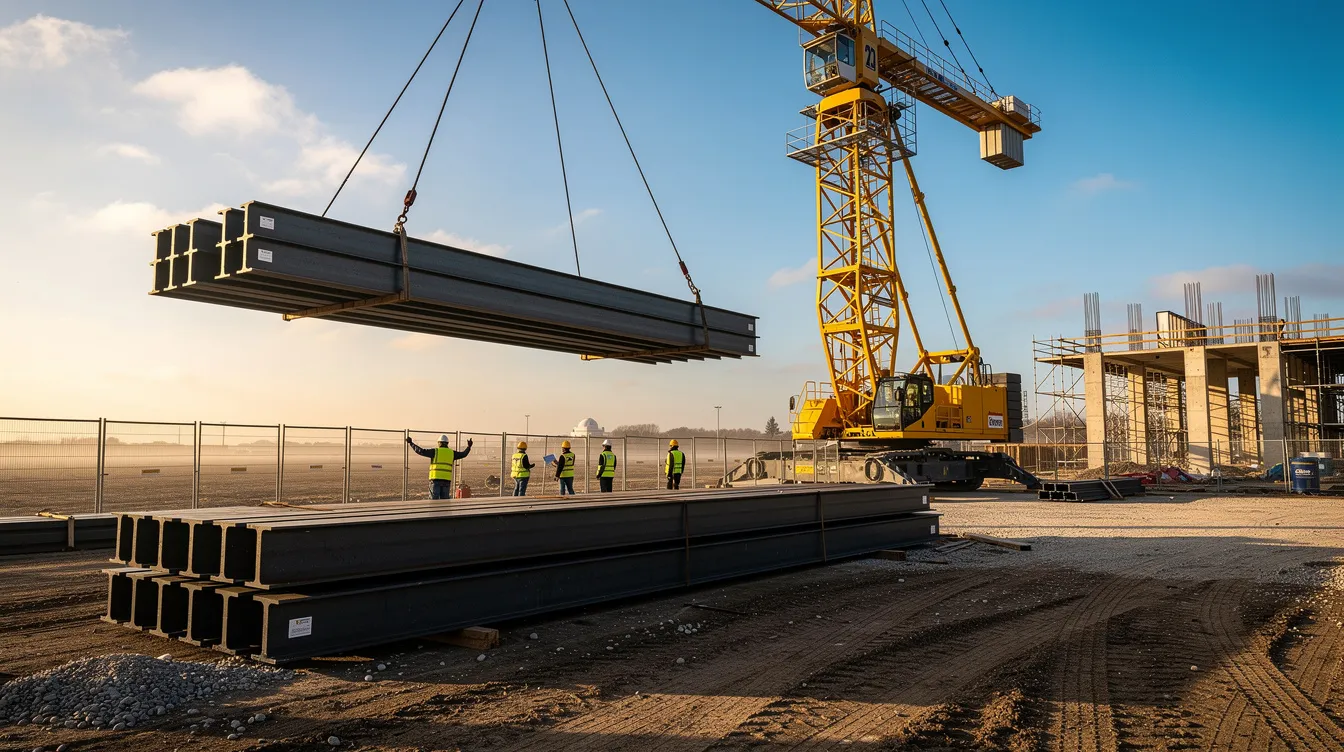
In structural applications, hot rolled steel is often used in construction projects: building frames, support columns, bridge components, and railway tracks where large cross-sections and robust load-bearing capacity matter more than surface cosmetics. It is commonly used in construction projects requiring heavy loads, and any construction project involving steel superstructure likely starts with hot rolled sections.
In the automotive industry, hot rolled plate and profiles produce chassis rails, suspension brackets, and trailer frames. It is used for automotive underbody components and chassis parts where formability and weldability outweigh surface appearance. Common applications for hot rolled steel include railroad tracks and heavy machinery components, and hot rolled steel is utilized in manufacturing agricultural equipment ranging from plows to combine harvester frames. Hot rolled steel is also essential for pipe and tube manufacturing across various industries.
For industrial machinery-press frames, crane beams, heavy equipment tables-hot rolled steel provides a cost-effective foundation. Anebon receives hot rolled plate or bar from certified mills, then performs CNC machining and cutting to meet customer drawings. Mounting faces or sliding surfaces requiring precise finishing are machined or ground to specification, often after sand blasting or tension breaking to relieve residual stresses.
Cold Rolled Steel in Precision OEM Components
Cold rolled steel is frequently selected for precision applications demanding precise shapes, high surface quality, and consistent quality in thickness-especially thin-gauge parts from around 0.3 mm up to several millimeters. Industries that rely on cold rolled steel include electronics, consumer appliances, medical devices, and light automotive body panels where a smoother finish is mandatory.
The superior surface finish reduces preparation time for painting, powder coating, and plating-critical for visible product surfaces. For stamped and bent components, designers specify cold rolled steels with controlled yield strength and formability (e.g., deep-drawing grades like DC01–DC05) to manage cracking and springback. Understanding grain orientation and stress distribution is essential when pushing cold rolled material to its forming limits.
From Cold Rolled Coil to Finished Precision Parts
A typical workflow at Anebon involves sourcing cold rolled coils or sheets to specified standards (ASTM A1008, JIS, or EN 10130), then laser cutting or CNC punching blank shapes of various shapes from the raw materials. Subsequent processes include CNC bending, forming, and spot welding to build enclosures, brackets, and chassis with tight bend radii.
Because cold rolled steel delivers consistent thickness, sheet metal designs achieve reliable fit-up and stack-up tolerances in assemblies. Anebon’s capability to hold tight tolerances-as precise as ±0.002 mm on critical features-means that further CNC milling or turning on cold rolled parts yields predictable, repeatable results. Choosing cold rolled steel at the material stage reduces rework and improves consistency for high-volume OEM production, delivering the desired shape with consistent quality every time.
How Anebon Helps You Choose the Right Steel for CNC Machining and Fabrication
Anebon Metal Products Limited is an ISO 9001:2015 and ISO 14001:2015 certified precision manufacturer based in Dongguan, China, serving overseas OEMs since 2010. Our team routinely supports design engineers in selecting between hot rolled steel, cold rolled steel, and other steel materials-aluminum, stainless steel, titanium, engineering plastics-based on each application’s specific demands.
Our DFM feedback process reviews your drawings and 3D models, recommending suitable material types, thicknesses, and surface finishes to balance performance and cost. Services for rolled steel parts include CNC milling, CNC turning, 5-axis machining, sheet metal fabrication (laser cutting, punching, bending), welding, and surface treatments including painting, powder coating, and plating.
By comparing hot rolled and cold rolled options early in design, we help clients reduce material cost on non-critical structures while reserving cold rolled or machined surfaces only where precision or cosmetics demand it. Send your CAD files and specifications to request a quote-specify whether you plan to use hot rolled steel or cold rolled steel so our engineering team can validate your choice or suggest alternatives that save time and money.