Understanding A380 Aluminum: Composition, Benefits, and Applications
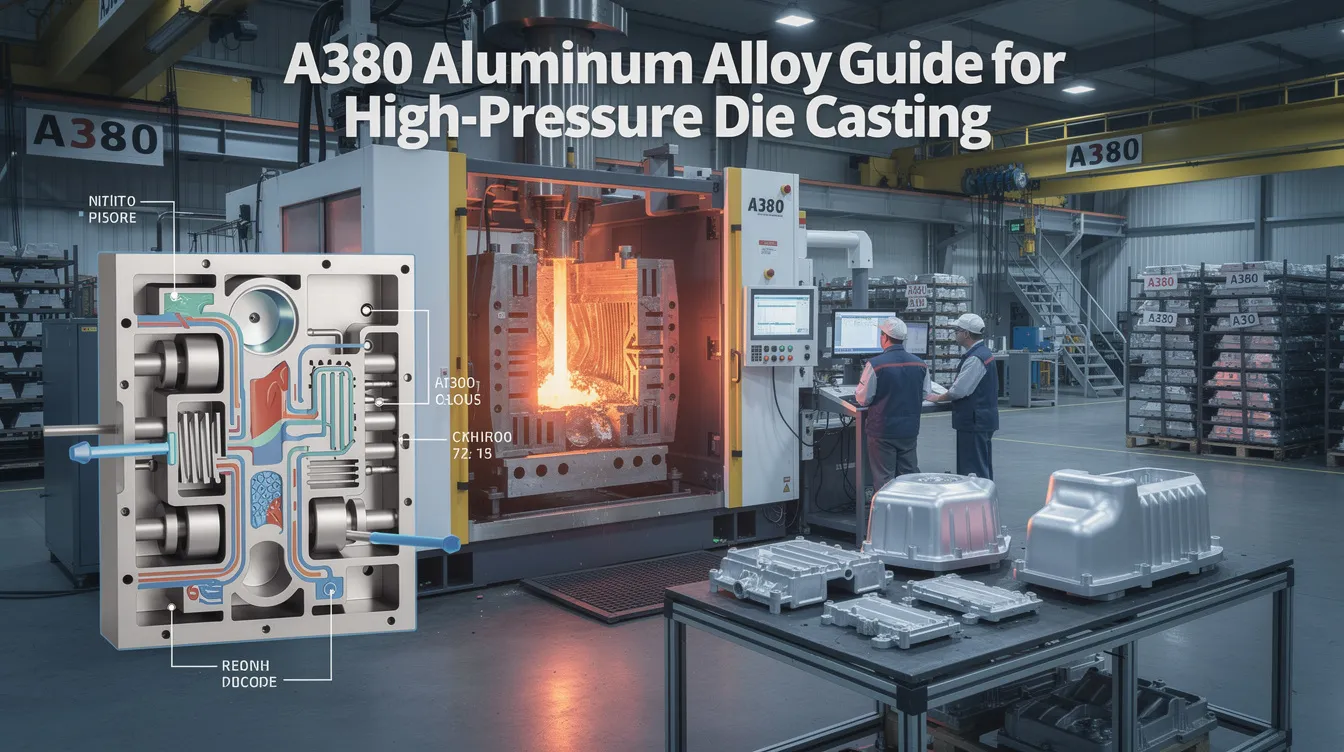
A380 Aluminum Alloy Guide for High-Pressure Die Casting
A380 aluminum is the most widely used aluminum die-casting alloy on the planet, and for good reason. This guide breaks down its composition, mechanical and physical properties, castability, and real-world applications so you can make informed material decisions for your next die casting project.
Quick Overview of A380 Aluminum for Die Casting
A380 has served as the “default” aluminum alloy for high-pressure die casting since the 1960s. When no specific alloy is called out on a drawing, A380 is commonly what manufacturers reach for. It is the most widely used aluminum die-casting alloy across virtually every region and industry.
A380 is known for superior fluidity and strength, which explains its dominance. Here’s why it remains the go-to choice:
-
Exceptional fluidity that fills thin walls (down to ~1.5 mm) with minimal risk of cold shuts or mis-fills
-
Excellent pressure tightness when cast with proper venting, gating, and vacuum assistance, making it reliable for fluid-handling parts
-
Good mechanical properties that balance tensile strength, yield strength, and hardness with acceptable elongation and wear resistance for structural and load-bearing components
-
Cost-effectiveness driven by widely available raw materials, high recyclability, and economies of scale in tooling and production
Anebon Metal Products Limited frequently recommends A380 for complex, thin-wall aluminum die castings in automotive, electronics, and industrial machinery projects where repeatable quality and tight tolerances are non-negotiable.
This article is written for design engineers and buyers evaluating aluminum alloys for new or existing die casting projects. Whether you’re specifying material for a prototype or scaling to full production, the information here will help you understand exactly what A380 brings to the table and when an alternative might serve you better.
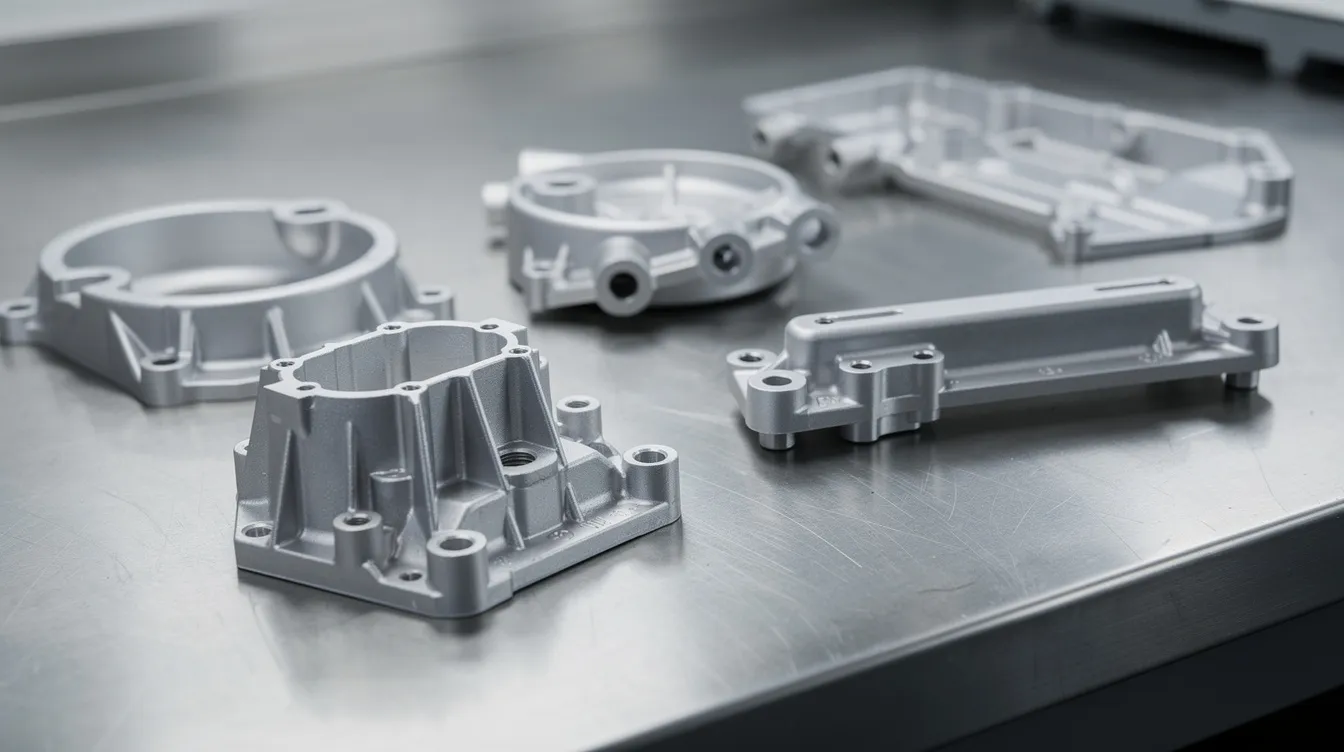
What Is A380 Aluminum Alloy?
A380 is an Al-Si-Cu alloy used for die casting, belonging to the 3xx.x series of aluminum alloys. It was engineered specifically for high-pressure die casting processes that demand fast cavity filling, high injection pressure, and dimensional precision in the as-cast state.
The alloy is standardized under ASTM B85 (also referenced as ANSI/AA A380.0) and has widely recognized equivalents in international specifications. In Japan, it maps closely to JIS ADC10 and ADC12; European norms reference EN AC-46000 and EN AC-46500 (AlSi9Cu3); and Chinese GB standards include designations like YLDc12. These equivalents are not perfectly identical in every compositional bound, but they’re functionally interchangeable for most engineering and quoting purposes.
You’ll occasionally encounter the designations A380.0, A380.1, and A380.2, which refer to sub-grades under ASTM or regional norms with slightly differing impurity limits, particularly for copper, silicon, and iron content. For most practical applications, performance differences between these sub-grades are negligible, but the exact material specification on your print should always be confirmed.
What makes A380 stand out among general-purpose aluminum alloys is that it balances casting performance, mechanical properties, and dimensional stability in a way that few other alloys can match. A380 is preferred for high-pressure die casting applications where engineers need repeatable quality without the complexity and cost of extensive post-casting heat treatment.
Anebon uses A380 routinely for medium to high-volume pressure die casting projects, leveraging its predictable behavior and broad global availability to deliver consistent results across production runs.
Chemical Composition of A380 Aluminum
The chemistry of A380 is optimized around an aluminum-silicon-copper system with carefully controlled minor and trace elements. This composition is what gives the alloy its combination of superior fluidity, high strength, and excellent pressure tightness in die cast form.
Typical composition ranges for A380 are:
-
Silicon (Si): ~7.5–9.5 wt% – the primary driver of fluidity and castability
-
Copper (Cu): ~3.0–4.0 wt% – the main strengthening element
-
Iron (Fe): up to ~1.3 wt% – managed for die protection and ductility balance
-
Magnesium (Mg): up to ~0.10 wt% – kept low, which is why A380 is not significantly heat-treatable
-
Manganese (Mn): up to ~0.50 wt% – modifies iron intermetallics into less harmful phases
-
Zinc (Zn): up to ~3.0 wt% – contributes minor strength improvements
-
Nickel (Ni): up to ~0.50 wt% – aids performance at elevated temperatures
-
Other elements such as tin (Sn) may appear up to ~0.35 wt% depending on the spec variant
The balance is aluminum, typically comprising 80–90 wt% of the alloy.
Silicon is the workhorse of A380′s casting process. It increases fluidity, lowers melt viscosity, widens the eutectic solidification window, and provides high resistance to hot cracking during casting. This enables thin walls and complex geometries that would be difficult or impossible with low-silicon alloys.
Copper content contributes to higher tensile strength and hardness compared with low-copper aluminum alloys. It forms intermetallic phases like Al₂Cu that strengthen the matrix, though it does reduce corrosion resistance to some degree-a trade-off engineers must account for in exposed environments.
Iron plays a dual role. At controlled levels, it reduces die soldering (the tendency of molten aluminum to weld to the steel die surface), which extends tool life. However, excessive iron creates coarse, plate-like intermetallics that degrade ductility and impact toughness, which is why the spec caps it at approximately 1.3%.
Anebon verifies incoming A380 ingots using spectrographic analysis to confirm compliance with specified chemistry before production begins. This step is essential for ensuring that critical elements-particularly Si, Cu, Fe, and Mn-fall within the ranges that guarantee predictable casting behavior and reliable mechanical performance.
Mechanical Properties of A380 Aluminum
A380 delivers high strength for a cast aluminum alloy. It offers an excellent combination of tensile and yield strength with moderate ductility, making it suited for structural, load-bearing, and enclosure-type components produced through high-pressure die casting.
A380 exhibits high tensile strength and excellent fluidity, with typical as-cast property ranges as follows:
-
Ultimate tensile strength: approximately 310–330 MPa (45–48 ksi)
-
Yield strength (0.2% offset): approximately 160–180 MPa (23–26 ksi)
-
Elongation at fracture: typically 1–3% in standard as-cast specimens, with thin sections sometimes reaching 3–4% due to faster cooling
-
Shear strength: approximately 190 MPa, relevant for evaluating fastening bosses and sliding contact surfaces
-
Fatigue endurance limit: around 120–145 MPa at 10⁷–10⁸ cycles, depending on casting quality
Hardness values fall in the range of Brinell 80–90 HB. This high hardness translates to good wear resistance on functional surfaces such as bearing bores, sliding interfaces, and mating flanges. It is one reason why A380 holds up well in applications where parts see repeated contact or friction.
Aluminum alloys exhibit superior damage tolerance and fatigue resistance, and A380 follows this pattern within the die casting family. Its fatigue performance is adequate for many automotive components and industrial applications, though it is not the right choice where very high ductility or impact toughness is required-for crash structures or deformable safety elements, wrought heat-treatable alloys are a better alternative.
Actual, as-delivered mechanical properties depend heavily on several process-related factors:
-
Wall thickness: thinner sections cool faster, producing finer microstructure and higher local strength
-
Cooling rate: controlled die temperature and cooling channel design directly influence grain structure
-
Porosity: gas entrapment and shrinkage voids weaken the cross-section and reduce elongation
Anebon uses process controls and quality checks-including X-ray inspection for internal porosity, hardness testing, and destructive tensile testing on sample coupons-to ensure mechanical properties meet customer drawings and applicable standards.
Physical Properties and Pressure Tightness
A380′s physical properties make it a strong candidate for applications that demand thermal management, dimensional stability, and pressure containment. These characteristics, combined with its mechanical performance, are what drive its widespread adoption across industries.
A380 has high thermal conductivity suitable for heat dissipation, with values in the range of 90–105 W/m·K depending on composition and operating temperature. This is substantially higher than most steels and cast irons, making A380 suitable for heat sinks, motor housings, inverter enclosures, and communication equipment where efficient thermal transfer is critical.
The alloy has a relatively low density of approximately 2.71 g/cm³ (0.098 lb/in³). Aluminum has a lower density than steel, making it significantly lighter-roughly one-third the weight of a comparable steel component. Modern aluminum alloys offer superior strength-to-weight ratios compared to traditional materials, which is why weight reduction in automotive and transportation sectors increasingly relies on die cast aluminum solutions.
Electrical conductivity sits around 23% IACS, useful for electrical enclosures, grounded housings, and EMI shielding components. The coefficient of thermal expansion is approximately 21.8–23 µm/m·°C between 20–100°C, a factor that must be considered when designing sealed assemblies operating across temperature swings.
A380 offers excellent pressure tightness when die cast under controlled conditions. Properly engineered castings can hold hydraulic pressures of 15–20 MPa without external seals, making the alloy suitable for hydraulic housings, pump bodies, and compressor covers. This level of performance requires attention to every step of the casting process.
Anebon focuses on gate and vent design, shot control, and vacuum-assisted die casting where required to improve density and minimize internal porosity. For critical pressure-tight parts, leak testing-including air-under-water, helium, or differential pressure testing-can be specified and integrated into the production quality plan.
Castability and Die Casting Performance
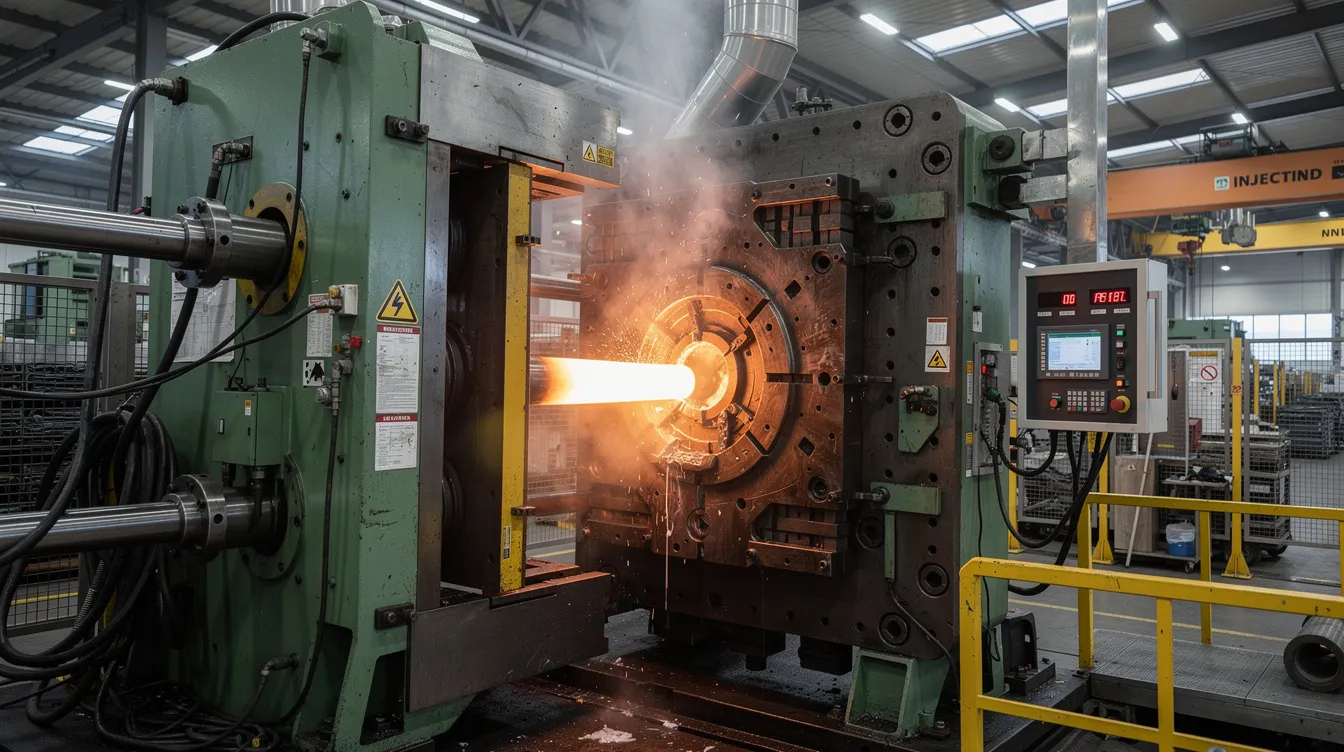
A380 is considered one of the best aluminum alloys for high-pressure die casting due to its flow behavior, solidification characteristics, and forgiving process window. It is the alloy that die casters reach for when they need reliability across thousands or millions of shots.
The alloy’s exceptional fluidity allows filling of thin-wall sections down to approximately 1.0–1.5 mm in well-designed dies, with short flow lengths sometimes permitting even thinner features. A380 provides high resistance to hot cracking during casting, which means fewer rejects from internal tears or surface defects during solidification. This resistance also contributes to consistent tool life, as the alloy interacts predictably with H13 steel die surfaces over long production runs.
A380 supports intricate features that many other alloys struggle with:
-
Fine ribs and gussets for stiffness without excessive wall thickness
-
Bosses for fasteners, inserts, and press-fit hardware
-
Internal channels and passages for fluid routing
-
Integrated mounting and alignment features that reduce secondary machining
A380 aluminum is used for high-precision parts with complex geometries, and the alloy responds well to standard die casting process parameters. Typical processing conditions include melt temperatures in the 600–700°C range, die temperatures between 180–220°C, fill times under 0.10 seconds for thin walls, and gate velocities of 45–60 m/s. These parameters enable shorter cycle times and consistent repeatability, which are essential for cost-competitive production.
Where the alloy shows limitations: its copper content reduces corrosion resistance compared to lower-Cu alloys, full T6 heat treatment is impractical due to porosity from HPDC gas entrapment, and elongation remains moderate. These are known trade-offs rather than surprises.
Anebon provides DFM (design for manufacturability) feedback to adjust part geometry, gating layout, and draft angles to fully exploit A380′s castability and avoid defects such as cold shuts, porosity hot spots, and shrinkage voids. This early-stage collaboration routinely saves tooling revisions and speeds time to production.
Common Applications of A380 Aluminum Alloy
A380′s mechanical and physical properties translate directly into real-world die casting applications across a broad variety of industries. Its versatility, durability, and cost-effectiveness make it the material of choice for high-volume components that must perform reliably under demanding conditions.
Automotive and Transportation
A380 is commonly used in automotive and aerospace industries for structural and functional components. The alloy is ideal for manufacturing engine brackets and gearbox cases, and it is widely utilized for transmission cases, oil pump housings, water pump covers, and structural brackets in both conventional and electric vehicle platforms. Its thermal conductivity makes it suited for EV inverter heat sinks and e-motor housings where heat dissipation is critical.
It’s worth noting the broader role of aluminum in transportation: the structure of the Airbus A380 is made up of about 61% aluminum alloys, and the Airbus A380 utilizes advanced aluminum alloys to balance structural strength and reduced weight. Aluminum retains high tensile strength necessary for aerodynamic forces, while aluminum alloys provide excellent corrosion resistance in harsh aerospace environments. Even advanced hybrid materials like GLARE-a hybrid material composed of alternating layers of aluminum and glass-fiber reinforced adhesive-build on aluminum’s strengths. GLARE offers lower weight and improved metal fatigue tolerance compared to conventional aluminum, demonstrating how aluminum continues to evolve for high performance applications.
Electronics and Electrical
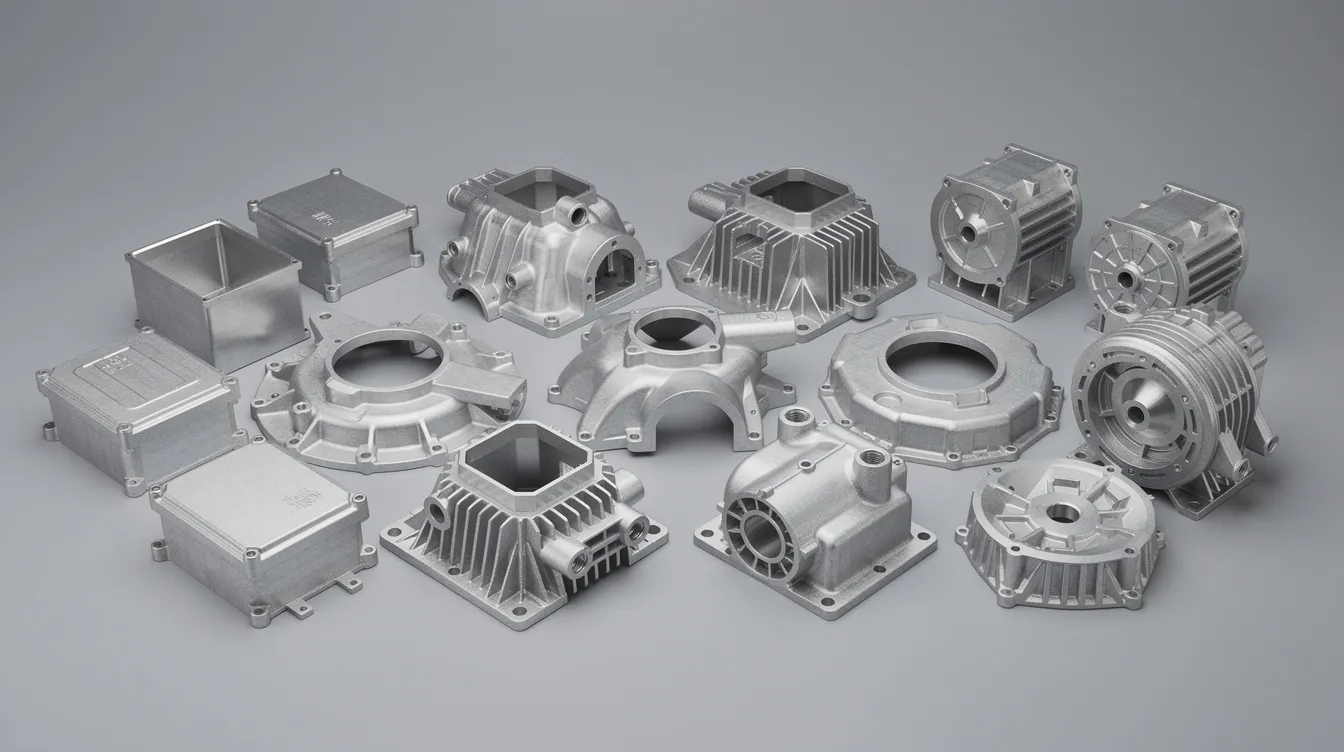
Die cast A380 components are widely used for heat sinks, power supply housings, motor housings, LED driver enclosures, junction boxes, and electronic chassis. The alloy’s thermal conductivity enables effective heat management, while its dimensional stability supports tight-tolerance mounting features. Aesthetic finishing through powder coatings or e-coats is commonly applied to enhance both appearance and corrosion protection.
Industrial Machinery
Industrial applications include hydraulic valve bodies, pneumatic manifolds, pump bodies, compressor covers, and gear pump housings. These parts demand pressure tightness, wear resistance, and the ability to integrate complex internal passages-all areas where A380 excels.
Consumer and Commercial Products
A380 is utilized for power tools, hand tools, furniture hardware, LED lighting housings, and appliance components such as washing machine and microwave parts. Here, the suitability of A380 comes from its combination of strength, cost-efficiency, and compatibility with decorative finishes.
Anebon manufactures custom A380 die cast parts to customer drawings for sectors including robotics, medical devices (non-implant structural components), and industrial automation, where reliability and precision are paramount.
A380 vs. Other Aluminum Die Casting Alloys
A380 is the natural starting point for material selection in aluminum die casting, but other aluminum alloys may outperform it when specific priorities dominate the design. Understanding the trade-offs helps you make the right call.
A380 vs. A383
A383 offers better machinability and surface finish than A380, making it a strong candidate for parts with ultra-thin fins, high cosmetic requirements, or extremely intricate detail. A383 is often chosen for complex designs and intricate parts where die fill is the primary concern. However, A380 has higher tensile strength than A383, so if structural performance matters more than surface detail, A380 remains the better pick. For a deeper look at flow behavior differences, Anebon’s comparison of A380 vs. A360 flow characteristics in thin-wall sections provides useful context on how alloy chemistry affects fill behavior.
A380 vs. A360
A360 provides enhanced corrosion resistance and improved ductility thanks to its lower copper content. If your part will face harsh environments-road salt, moisture cycling, acidic or alkaline exposure-A360 may be the superior choice. The trade-off is that A360 is more challenging to cast: worse fluidity, higher risk of mis-fill in thin walls, and tighter process control requirements that can increase cost.
A380 vs. A413 and Low-Copper Alloys
Alloys like A413 deliver maximum pressure tightness and minimal porosity, making them suitable where leak-free performance outweighs all other factors. They tend to be harder, more brittle, and sometimes more difficult to machine. They’re chosen for critical fluid containment but not for general structural use.
The right selection should balance mechanical properties, pressure tightness, corrosion resistance, machinability, cost, and availability against your specific project requirements.
Anebon’s engineering team can review CAD models and functional requirements to recommend whether A380 or an alternative aluminum alloy is the best fit. This review considers operating environment, loading conditions, surface finish expectations, and production volume before a final alloy recommendation is made.
Machinability, Surface Finishes, and Secondary Operations
A380 offers better machinability than many higher-copper or higher-silicon cast alloys, and it is compatible with most common post-processing operations used in die casting production.
In practical terms, A380 exhibits stable cutting behavior on CNC milling and turning operations. Carbide tooling works well; cutting speeds are moderate; and tool life is generally good. The alloy is suitable for drilling, tapping, and reaming critical features after die casting, with achievable surface finishes of Ra ~1.6 µm or better under controlled feed, speed, and coolant conditions. Sealing faces typically receive 0.3–0.5 mm of machining allowance to guarantee flatness and parallelism after CNC post-machining.
Common surface finishing options for A380 die castings include:
-
Powder coating (after bead blast and conversion coating pretreatment)
-
Wet spray painting for custom colors and textures
-
Shot blasting for uniform matte appearance
-
Plating systems designed for aluminum substrates
-
E-coating for corrosion protection on automotive components
Due to the alloy’s silicon content, traditional thick decorative anodizing is less common-silicon eutectic phases tend to produce dark or mottled surfaces under bright anodize. Thin decorative or protective anodic treatments may be possible depending on aesthetic tolerance and surface treatment requirements.
Secondary operations like insert installation, helicoils for high-cycle threaded connections, assembly of sub-components, and leak-testing routines are often integrated into Anebon’s production plans. The company can combine high-precision CNC machining-with tolerances as tight as ±0.002 mm where feasible-with A380 die casting to meet demanding dimensional requirements on bores, bosses, and sealing interfaces.
Design Guidelines for A380 Die Casting Parts
Thoughtful design for die casting maximizes A380′s performance, improves yields, and reduces unit cost. Getting the geometry right before tooling investment prevents expensive revisions downstream.
Wall Thickness
Target wall thicknesses in the range of 1.5–3.0 mm for most parts. Rib tips can sometimes be thinner. Avoid sudden changes in wall thickness where possible-thick-to-thin transitions create hot spots, shrinkage porosity, and residual stresses. Use smooth fillets and gradual transitions instead of sharp steps.
Draft Angles
Apply adequate draft angles on both internal and external walls. A minimum of 1° per side is standard for external surfaces, with somewhat more for internal or blind features. Proper draft eases ejection, protects die surfaces from galling, and reduces wear on the tool over long production runs. For parts with undercuts, consult Anebon’s guidance on die casting undercut and ejector pin design.
Ribs and Gussets
Use ribs and gussets for stiffness rather than globally thick walls. Ribs reduce weight, control warpage, fill more reliably than thick sections, and contribute to faster cycle times.
Metal Flow and Gating
Design for consistent metal flow by considering balanced gating, adequate venting areas, and overflow locations. Gate placement should allow the melt to feed thicker zones last, reducing shrinkage in critical sections. Vacuum assistance can be designed in for pressure-critical castings.
Tolerances
Specify machining allowance on sealing surfaces, bearing bores, and mating interfaces from the outset. As-cast tolerances depend on shrinkage, fixture distortion, and die condition-plan for CNC finishing on any feature with tight dimensional requirements.
Anebon offers early-stage DFM reviews on A380 projects, providing detailed feedback on wall thickness uniformity, draft adequacy, fillet radii, gate location, and tolerance distribution before any tooling investment is made.
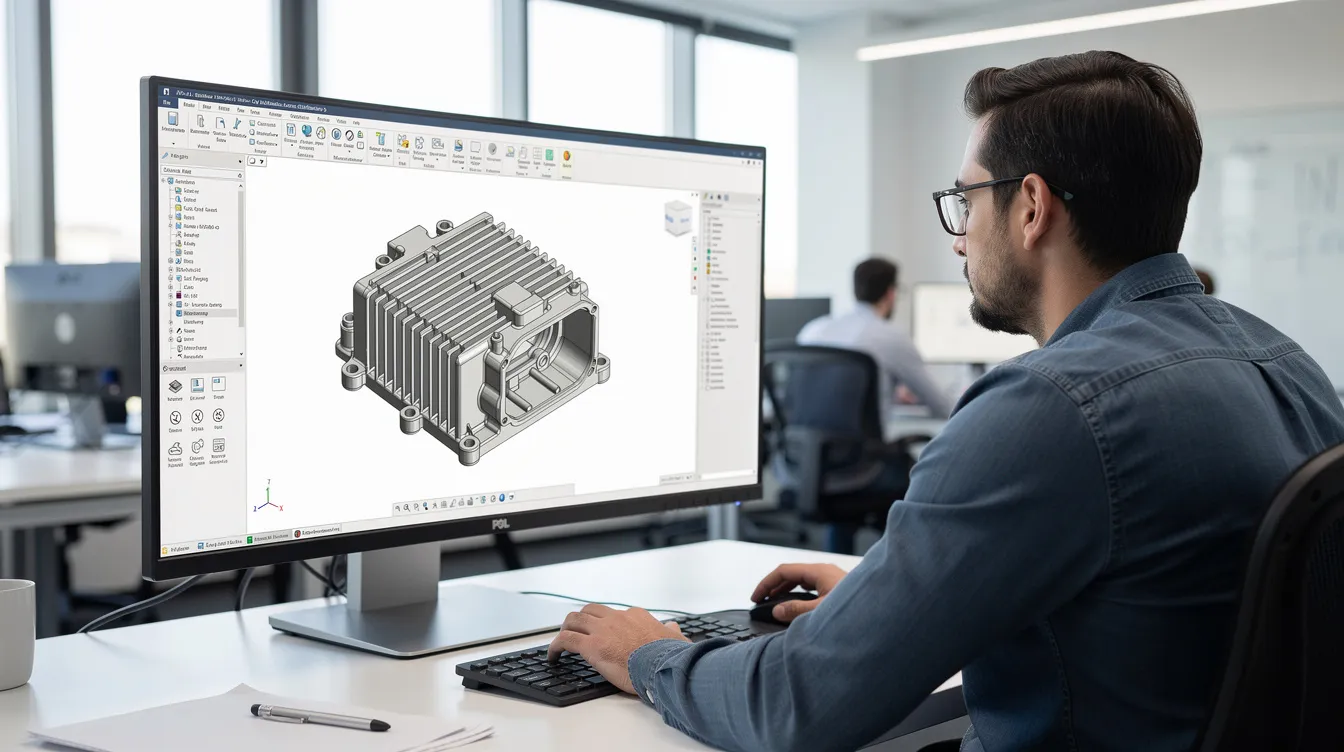
Anebon’s A380 Aluminum Die Casting Capabilities
Anebon Metal Products Limited is an ISO 9001:2015 and ISO 14001:2015 certified precision manufacturer based in Dongguan, China. Founded in 2010, the company specializes in B2B OEM metal fabrication services spanning die casting, CNC machining, sheet metal fabrication, and rapid prototyping through full-scale production.
Anebon has deep experience with A380 aluminum die casting for overseas OEM clients in the automotive, electronics, robotics, and industrial equipment sectors. Typical projects include complex thin-wall housings, motor and inverter covers, pump bodies, brackets, and enclosure parts requiring pressure tightness, thermal management, and integrated mounting features.
The company’s integrated services include:
-
Design consultation and DFM feedback before tooling commitment
-
Mold design and fabrication with conformal cooling and multi-cavity layouts
-
High-pressure die casting with vacuum capability for critical components
-
CNC post-machining for tight-tolerance bores, faces, and threads
-
Surface finishing including powder coat, e-coat, conversion coatings, and painting
Anebon supports both rapid prototyping-small batches for design validation-and full-scale production with automated cells and real-time process monitoring. Quality assurance practices include dimensional inspection via CMM, metallographic examination to evaluate microstructure, X-ray or CT scanning for porosity checks, hardness and tensile testing, and functional leak testing where required by the specification.
If you’re evaluating A380 or another aluminum alloy for your next project, send your CAD files and technical requirements to Anebon for a customized quote and alloy recommendation tailored to your specific application. Visit the Anebon website to request a quote, review services, or contact the engineering team directly. Their knowledge of A380 aluminum and die casting processes can help you move from concept to production with confidence.