Top Wholesale Sheet Metal Solutions for Your Construction Needs
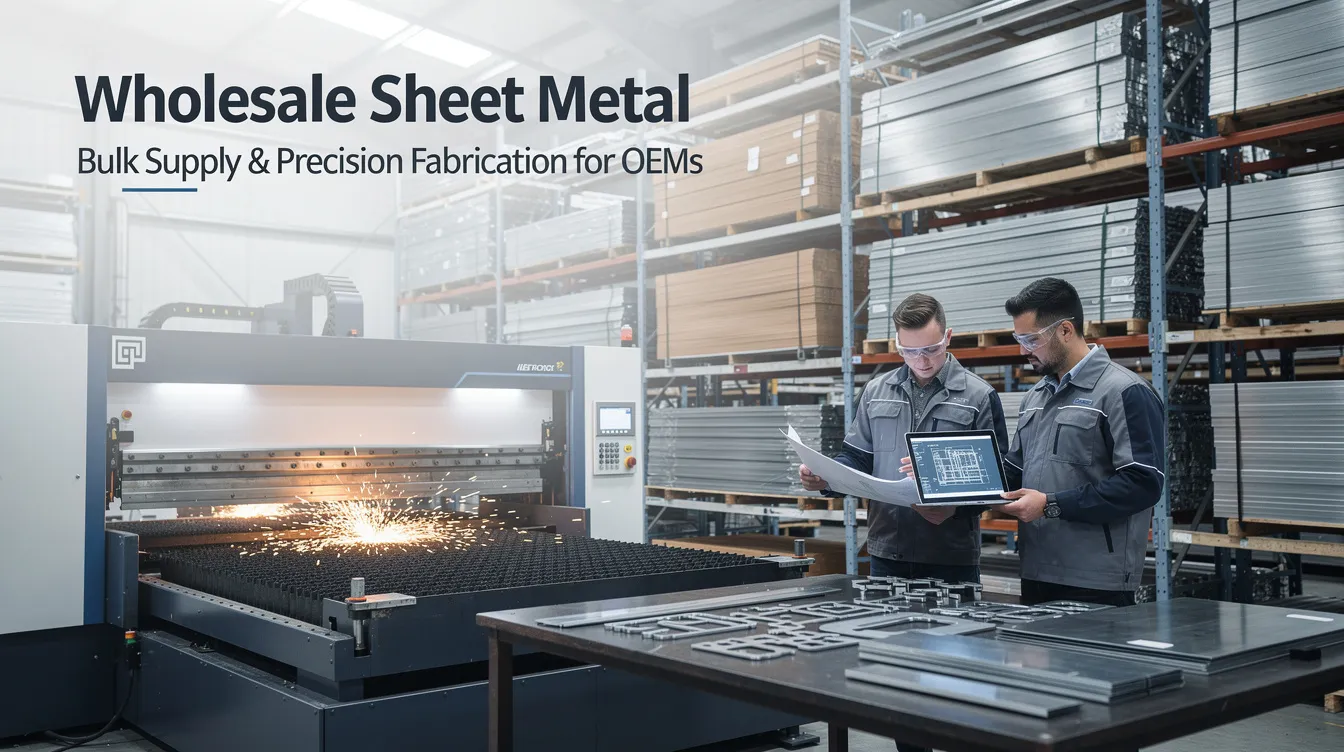
Wholesale Sheet Metal: Bulk Supply & Precision Fabrication for OEMs
If you manage procurement for an OEM, you already know that sourcing sheet metal at retail prices and inconsistent quality is a fast way to blow your budget and miss deadlines. Wholesale sheet metal supply exists to solve exactly that problem – giving fabricators, equipment builders, and engineering teams access to bulk material and precision-fabricated components at costs that actually make production viable.
This guide breaks down what wholesale sheet metal purchasing looks like at the industrial level, the materials and capabilities that matter most for commercial projects, and how to source from a fully integrated fabrication partner like Anebon Metal Products Limited.
Wholesale Sheet Metal Supply for Commercial Projects
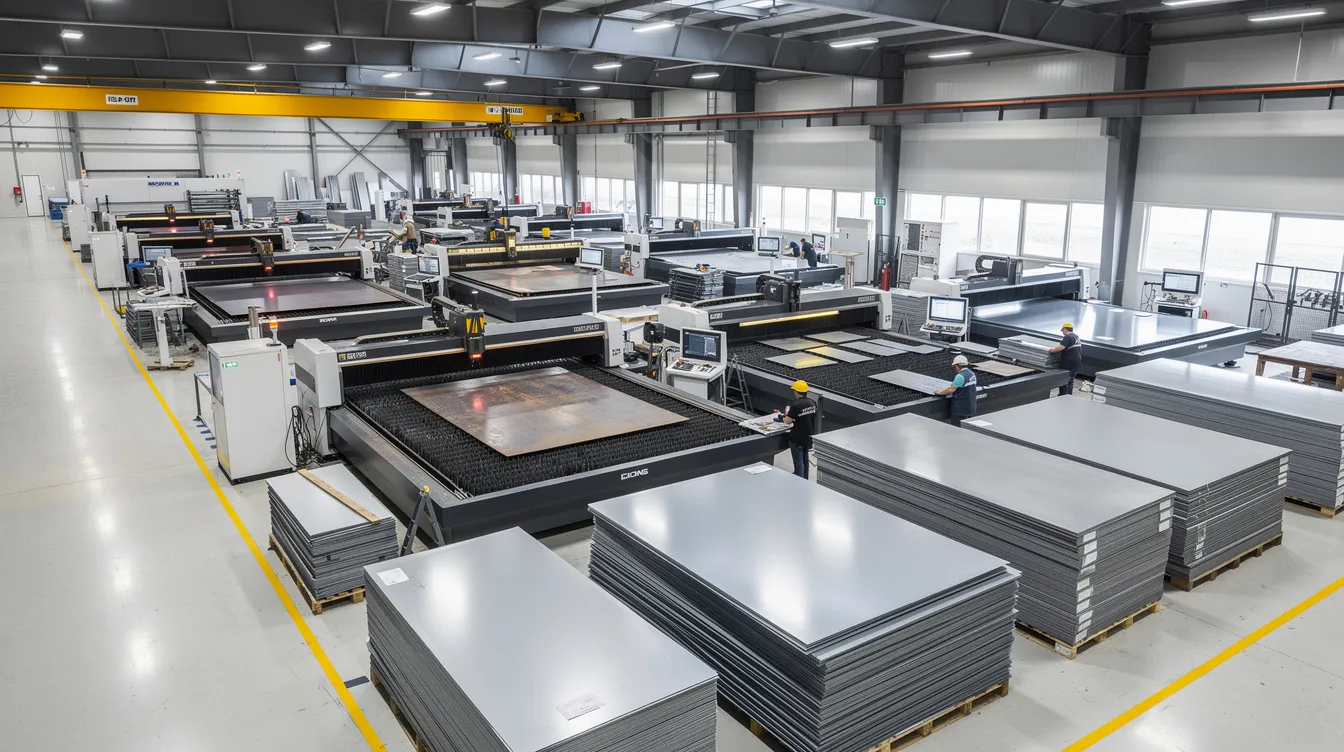
Wholesale sheet metal is large-volume supply of raw stock – coils, sheets, plates – or semi-finished and finished parts for OEMs and fabricators. Unlike retail purchases aimed at homeowners or hobbyists, wholesale orders prioritize industrial scale, repeatable quality, full documentation, and cost efficiency across hundreds or thousands of units.
The distinction matters because retail purchases are typically over-priced per unit, inconsistent in tolerances, and delivered with minimal finishing or quality records. When you need 5,000 enclosure panels with identical bend angles and a powder-coated finish, you need a wholesale supply chain, not a hardware store.
Anebon Metal Products Limited is a precision sheet metal fabrication and CNC machining company based in Dongguan, Guangdong, China. Founded in 2010, Anebon serves overseas OEM clients in medical, aerospace, automotive, and industrial machinery – not walk-in retail customers. Its focus is on high-precision, repeatable manufacturing for commercial projects that require certified quality and predictable lead times.
Why Bulk Supply Reduces Cost and Lead Time
Wholesale sheet metal purchasing delivers measurable savings across several cost drivers. Volume discounts are available for large metal orders, which means material costs drop as quantities increase. Batch setup fees are amortized over larger runs, nesting optimization reduces waste, and consolidated shipping cuts freight per unit. For OEMs working with Chinese factories like Anebon, total landed costs – including material, labor, overhead, and shipping – can run 20–40% lower than equivalent domestic production.
Lead times also improve with bulk orders. Suppliers can plan production schedules, pre-stage tooling, minimize changeovers, and run at higher throughput. Most special orders are completed within a few days once production tooling is in place. For programs with predictable demand, this translates into reliable delivery cadences that keep assembly lines moving forward.
Wholesale Sheet Metal offers competitive pricing for custom parts, and platforms like Online Metals provide affordable prices with bulk discounts where custom cuts come with exact pricing. However, minimizing order quantities minimizes risk but may lead to higher unit prices – a trade-off every purchasing manager must weigh against inventory carrying costs.
Common Wholesale Sheet Metal Applications
The industries that consume the most wholesale sheet metal share a common need: large quantities of consistent, precision-fabricated components. Here are the most common use cases:
-
Commercial HVAC ducting, plenums, transition fittings, and ventilating system components
-
Metal roofing systems, standing-seam panels, flashing, and guttering for commercial construction
-
Electrical cabinets, control panels, and instrument enclosures for industrial equipment
-
Machine frames, structural brackets, and supports for robotics and industrial machinery
-
Architectural facade panels, decorative screens, and cladding for commercial buildings
Each of these applications demands materials and tolerances that a typical residential supplier simply cannot deliver at scale.
Regional vs. Global Sourcing
Understanding the difference between local distributors and global OEM fabricators helps you pick the right partner for the job.
A local supplier – say, a Kansas City HVAC wholesaler located at 800 Southwest Blvd, KS 66103 – typically stocks galvanized steel sheets, standard duct fittings, and accessories for heating and plumbing contractors. Deliveries occur weekly to Kansas City and surrounding areas, and same-day shipping is available from nationwide warehouses. Orders arrive exactly as specified with a customer guarantee. Buying locally reduces freight costs and improves inspection of material quality. For contractors on a busy commercial building project who need off-the-shelf ducting, this model works well.
But local distributors are not set up for precision fabrication, tight tolerances, or large OEM production runs with complex finishes. That is where Anebon’s operation in Dongguan comes in. Anebon provides unparalleled service for overseas OEMs that need custom, high-precision sheet metal assemblies – laser cut, formed, welded, finished, and documented to aerospace or medical standards.
Terminology: Raw Stock vs. Fabricated Wholesale Sheet
It helps to clarify what “wholesale sheet metal” actually covers. Sheet metal as a raw material describes flat stock – coils, sheets, plates – with defined thickness, width, and alloy designation. Sheet metal thickness is typically measured in gauges or in direct decimals of an inch or millimeters, and the higher the gauge number, the thinner the metal.
Wholesale sheet metal includes aluminum, stainless steel, and copper in raw form. But “wholesale sheet” as a procurement term often extends beyond raw stock to include fabrication: cutting to shape, bending, stamping, welding, and finishing. OEMs frequently require delivered components rather than raw panels – meaning the wholesale order encompasses the entire manufacturing process from flat stock to assembly-ready part.
Materials, Capabilities, and Services Anebon Offers
Anebon is an ISO 9001:2015 and ISO 14001:2015 certified manufacturer operating from Dongguan, Guangdong since 2010. ISO 9001:2015 certification ensures quality management standards across every production run, while ISO 14001:2015 certification focuses on environmental management standards. The facility offers both raw-material-based wholesale sheet metal fabrication and finished OEM parts, supporting everything from single prototypes to full-scale production.
Sheet Metal Materials for Wholesale Orders
A practical decision framework for material selection involves assessing the operating environment, mechanical requirements, and budget constraints of each project. The grade of sheet metal dictates its mechanical properties and suitability for different environments, so choosing correctly at the start prevents costly redesigns later.
Here is what Anebon stocks and processes:
-
Aluminum alloys: Aluminum 5052-H32 is often selected for weight-sensitive applications with good formability, making it ideal for enclosures and lightweight structures. 6061-T6 offers higher strength for structural brackets but requires wider bend radii.
-
Stainless steel: Stainless steel 304 is a common choice for applications requiring corrosion resistance – food processing, medical devices, outdoor enclosures. 316 provides superior performance in chloride-rich or marine environments.
-
Carbon steel: Carbon steel is cost-effective and highly formable for general manufacturing applications. Cold-rolled low-carbon variants (SPCC / DC01) are the workhorses of enclosure and frame fabrication. Galvanized and galvannealed versions serve outdoor or coated applications.
-
Copper and brass: Used where electrical conductivity, thermal performance, or appearance matters. The widest selection of materials includes brass and alloy steel alongside standard copper grades like C1100.
-
Engineering plastics: Sheet metal fabrication can utilize a variety of plastics for complementary components – insulators, bushings, and housings that mate with metal assemblies.
Materials can be custom cut to precise specifications, and ISO certified manufacturing ensures quality in material selection from incoming inspection through final shipment.
Core Fabrication Capabilities
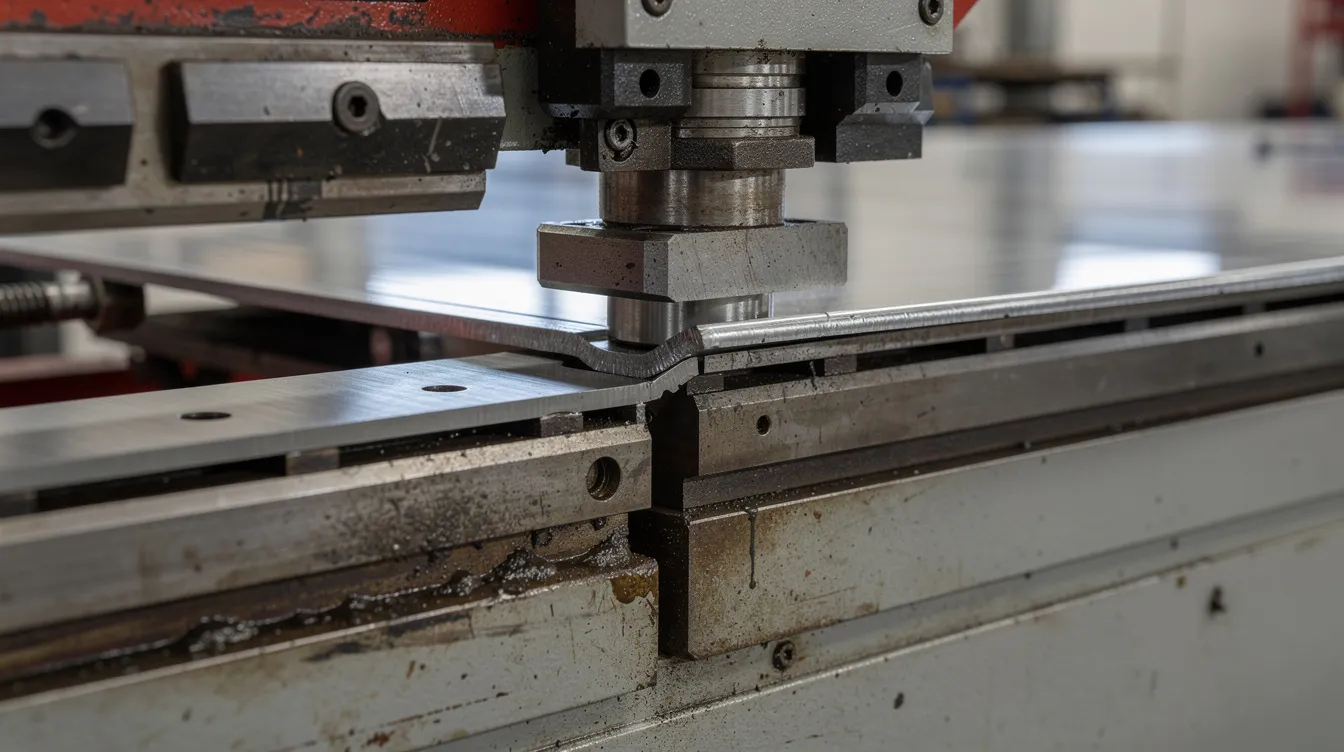
Understanding how to fabricate sheet metal at scale requires a shop equipped with the right tools and processes. Anebon’s core capabilities include:
-
Laser cutting for flat pattern cutting with minimal thermal distortion
-
CNC punching for repetitive hole patterns, slots, and small features
-
Bending and press braking to form flanges, panels, and complex profiles
-
Stamping and deep drawing for high-volume or complex-geometry parts
-
Welding – TIG, MIG, and spot – for enclosures and structural assemblies
-
Assembly including hardware insertion, fastening, and hemming
Evaluating part geometry helps determine the appropriate thickness for sheet metal applications. Thicker sheets require more powerful bending equipment and can have larger minimum bend radii, which directly affects design decisions. The thickness and grade of sheet metal must match the manufacturing process to ensure quality, and it is essential to confirm cutting thickness and edge quality compatibility with material before purchasing or committing to production.
Precision Tolerances
This is where Anebon separates itself from commodity suppliers. For CNC machined features on sheet metal precision parts, tight tolerances can be as precise as ±0.002 mm. For automotive sheet metal forming, critical features hold ±0.005 mm. Standard laser-cut edges typically hold ±0.1–0.2 mm, while bending flange tolerances run ±0.25–0.50 mm for features under 100 mm.
A reliable supplier should verify thickness tolerances to prevent assembly disruptions – especially for mating parts in multi-component enclosures or aerospace brackets where even small deviations cascade into fit problems.
Additional Manufacturing Services
Beyond sheet metal, Anebon provides CNC machining services – milling, turning, and 5-axis machining – along with die casting. This matters because most OEM product offerings involve assemblies where sheet metal components mate with machined housings, cast brackets, or turned shafts. Having these capabilities under one roof eliminates vendor handoffs and reduces lead times.
Quality assurance includes design consulting for manufacturability, meaning Anebon’s knowledgeable staff review your designs and flag potential issues – incorrect bend relief, insufficient material clearance, overly tight radii – before tooling begins.
Surface Treatments
Surface finish requirements are often bundled with wholesale sheet metal orders. Anebon provides proven coating techniques including:
-
Powder coating for durable, cosmetic finishes on steel and aluminum
-
Anodizing for aluminum surface treatment with enhanced corrosion and wear resistance
-
Zinc plating for carbon steel corrosion protection
-
Passivation for stainless steel
-
Bead blasting for uniform matte textures
-
Silk-screen printing for logos, control markings, and labeling
These treatments are not afterthoughts – they are integral to the delivered product and must be specified at the RFQ stage.
Quality Assurance Workflow
For regulated sectors like medical devices and aerospace, Anebon operates under documentation expectations aligned with AS9100D and ISO 13485-style quality systems. The workflow includes:
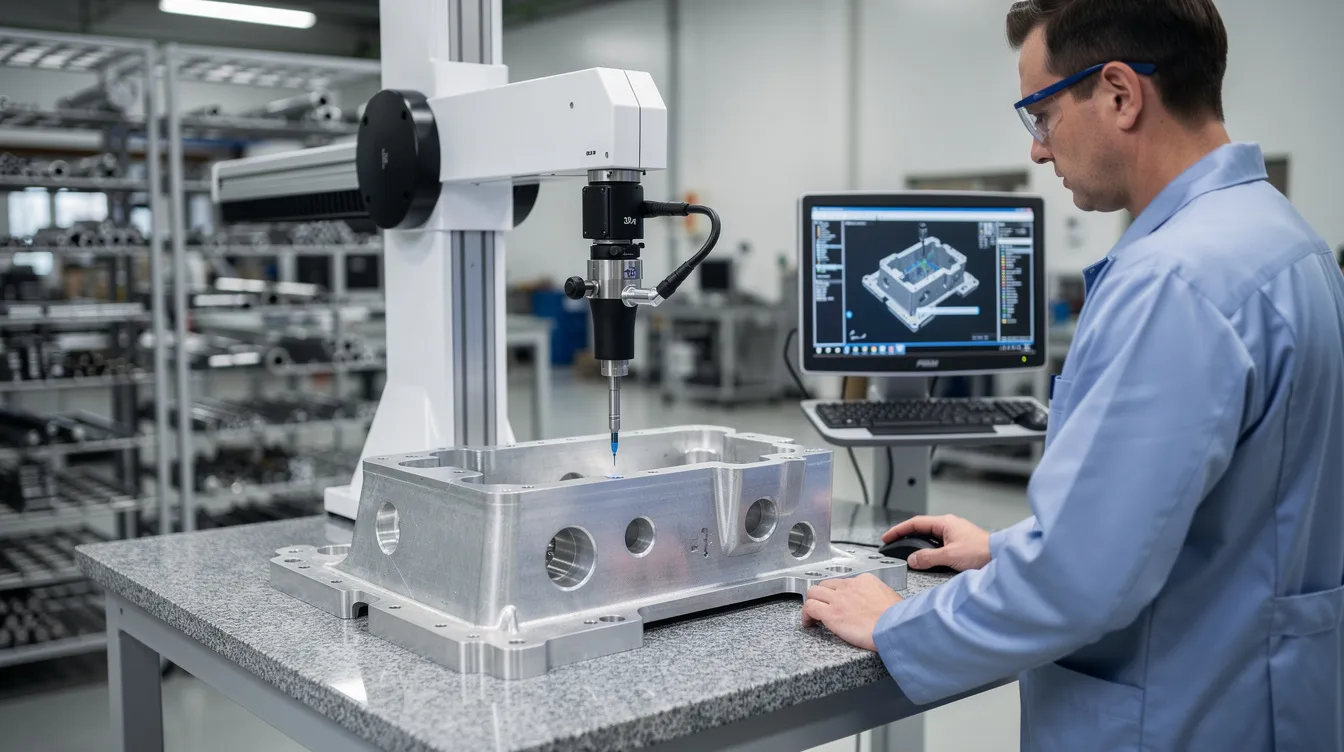
Mill Test Reports (MTRs) verify the chemical composition and mechanical properties of sheet metal at incoming inspection. In-process dimensional checks catch deviations during fabrication. Final inspection uses coordinate measuring machines (CMM), 3D scanning, and surface profilometry. Complete documentation packages – including first-article inspection reports, material certificates, and dimensional records – ship with every order for aerospace and medical certified parts.
This integrated approach – one vendor handling material, fabrication, finishing, inspection, and packaging – delivers convenience and cost advantages that coordinating three or four separate vendors simply cannot match. For repeat OEM orders, continuous process optimization drives per-unit costs down over time.
How to Source Wholesale Sheet Metal from Anebon
Finding reliable wholesale sheet metal suppliers requires strict quality verification, clear communication, and a structured procurement process. For overseas OEMs planning multi-year commercial projects, the sourcing process follows a well-defined path from initial inquiry to sustained production.
The RFQ-to-Production Process
Here is how a typical engagement with Anebon works, step by step:
-
RFQ submission: You provide drawings (STEP, IGES, or PDF formats), CAD files, material specifications, thickness requirements, target quantities, and applicable standards (ASTM, EN, JIS). The more detail you include, the faster and more accurate the quotation.
-
DFM review: Anebon’s engineering team reviews your design for manufacturability – assessing bend radii, material suitability, feature feasibility, and potential cost reductions. This is a free service that often saves significant money before a single part is cut.
-
Quotation: Most sheet metal RFQs receive itemized quotes within 24–48 hours, broken down by material cost, tooling/setup, per-part fabrication, finishing, and packaging.
-
Prototyping: Small-batch laser-cut and bent parts, quick fixture development, and iterative design changes allow you to validate fit, finish, and function before committing to full production. Prototype lead times typically run 5–10 days.
-
Production ramp-up: Once prototypes are approved, full production runs follow with lead times of 10–20 working days for most sheet metal forming projects.
What to Include in Your RFQ
The quality of your quote depends directly on the quality of your RFQ. At minimum, include:
-
Thickness range (e.g., 0.5–6 mm) and material grade
-
Annual or forecasted volume
-
Geometric tolerances and GD&T annotations
-
Surface finish and cosmetic criteria
-
Applicable regulatory standards (e.g., AS9100 for aerospace)
-
Packing requirements – especially for painted or anodized surfaces
Omitting any of these causes delays, cost surprises, and rework. Regularly request certifications to ensure compliance with quality management standards like ISO 9001, and ask for material test reports upfront.
Prototyping Before Wholesale Commitment
Requesting material samples helps verify quality before committing to bulk orders. Anebon supports rapid prototyping with easy iteration – you can test different alloys, thicknesses, or finishes on a small batch, review results, and refine before locking in production parameters. This approach is especially helpful for complex enclosure manufacturing where multiple sheet metal components must fit together precisely.
Logistics and Packaging
Bulk packing works for unpainted components headed to a secondary finishing line. But anodized, powder-coated, or polished parts require custom protective packaging – foam inserts, edge guards, interleaving sheets – to prevent surface damage during transit. Anebon provides multi-layer protection and can consolidate multiple SKUs into a single shipment to save on freight.
For customers in North America and Europe, sea freight is the standard for production volumes (3–5 weeks transit), while air freight serves urgent prototype deliveries or time-critical orders at higher cost.
Local Distributor vs. Global Fabrication Partner
The choice depends on the job. For a Kansas City contractor who needs standard duct fittings for a residential or commercial heating and ventilating project, a local distributor is the right call – shorter lead time, lower freight, easy to pick up in person, and the convenience of phone-based sales with a knowledgeable staff that can recommend products from stock.
But for an OEM that needs 2,000 custom aluminum enclosures with ±0.002 mm machined features, anodized finish, silk-screen markings, and full documentation – that is a different business entirely. That is where Anebon’s expertise, equipment, and certified processes deliver solutions that local distributors cannot match.
Verifying business registration and trade references distinguishes reliable suppliers from risky ones. Attending industry trade shows facilitates connections with suppliers and industry professionals, and reading reviews and testimonials from existing customers helps you track a supplier’s real-world performance before signing a contract.
Who Anebon Is Best For
Anebon is built for design engineers, purchasing managers, and R&D teams at OEMs who need repeatable, high-precision sheet metal parts or assemblies. Ideal projects demand complex geometry, tight tolerances, specialized finishes, full quality documentation, and predictable long-term production. If your project involves sheet metal fabrication for small quantities or high-volume runs, Anebon’s integrated model covers both.
It is not the right fit for small contractors needing off-the-shelf residential products or hurry jobs where domestic ready stock matters more than unit cost.
The right wholesale sheet metal partner does more than deliver material – they become a reliable extension of your engineering team, helping you continue to refine designs and reduce costs over the life of a program.
Start Your Next Project
If you are ready to start sourcing wholesale sheet metal for your next commercial project, Anebon accepts RFQs with STEP, IGES, and PDF drawings. Request a quote through the Anebon website, include your material specifications and target volumes, and expect a detailed response within 24–48 hours.
Whether you are launching a new product line or looking for partners to scale an existing program across the world, Anebon’s integrated fabrication, machining, and finishing capabilities are built to deliver – on time, on spec, and at a cost structure that keeps your business competitive.