Top Sheet Metal Fabrication Companies for OEMs
Top Sheet Metal Fabrication Companies for OEMs
When procurement teams and engineers at OEMs evaluate sheet metal fabrication companies, the conversation often starts with revenue rankings or machine counts. That approach misses the point. For an OEM program that ships thousands of enclosures, brackets, or structural components per year, “top” means the fabricator that delivers consistent quality at tight tolerances, collaborates on design changes without dragging timelines, holds relevant certifications, and keeps total lifecycle costs predictable.
Introduction: How OEMs Should Define “Top” Sheet Metal Fabrication Companies
The North American sheet metal fabrication market is valued at USD 7.7 billion. It is projected to grow at a 6.4% CAGR through 2030, fueled by demand from data centers, EV and renewable energy infrastructure, and industrial equipment. Mexico is experiencing the fastest growth in sheet metal fabrication across the region, and increased automation is a key growth driver in the industry. These trends mean OEMs have more supplier options than ever-but also more risk if they pick the wrong partner.
What should “top” actually mean for an OEM sourcing sheet metal parts? It comes down to a handful of non-negotiable requirements: the ability to hold tight tolerances and maintain repeatability across production batches, genuine engineering collaboration through DFM feedback, certifications that match your regulated end market, and integrated processes-laser cutting, CNC bending, welding, finishing, and assembly-so you aren’t managing five subcontractors for one part number.
This article profiles leading fabrication companies across North America, Europe, and Asia, and explains how to evaluate them. Among them, Anebon Metal Products Limited is a China-based, ISO-certified precision sheet metal and CNC machining partner purpose-built for overseas OEMs-offering an integrated alternative to larger Western fabricators at a different cost point. Here is a quick summary of what “top” means:
-
Precision and repeatability at your required tolerances
-
Scalability to match your volume trajectory
-
Broad manufacturing solutions (sheet metal, machining, die casting, finishing)
-
Cost efficiency measured over the full program lifecycle
-
Communication quality that keeps your engineering team in the loop
Key Criteria to Rank Sheet Metal Fabrication Companies for OEM Programs
Before diving into specific metal fabrication companies, OEM engineers and sourcing teams need a practical checklist. The criteria below separate serious contenders from shops that simply own a laser.
Precision and repeatability:
-
Standard tolerances for sheet metal parts are ±0.1 mm.
-
Precision fabrication can achieve tolerances as tight as ±0.05 mm on critical features.
-
When CNC machining is combined with sheet metal, precision machining capabilities can achieve tolerances of ±0.002 mm on mating surfaces and bored features.
-
Flatness, bend-angle consistency, and dimensional stability across batches matter as much as single-part accuracy.
Process depth to verify:
-
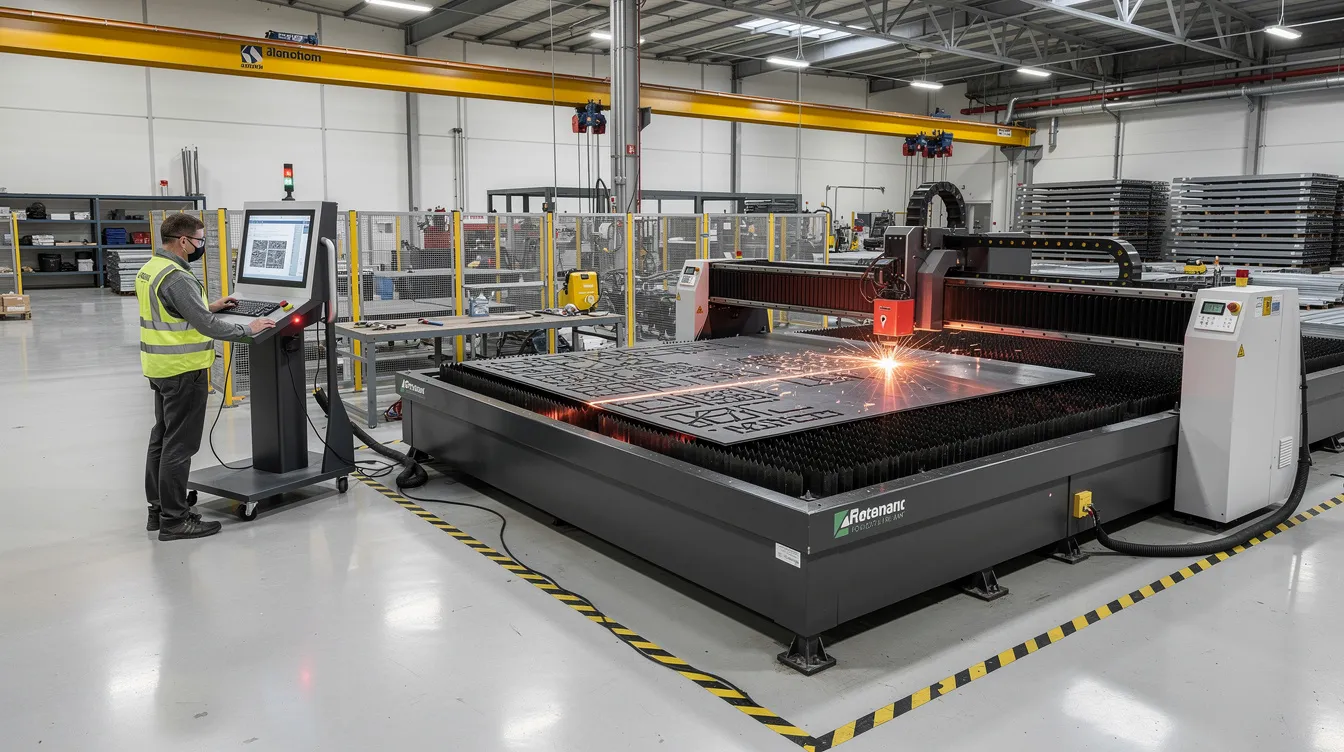
Fiber laser cutting vs. CO₂ laser; CNC punching and CNC bending; plasma cutting for thicker plate
-
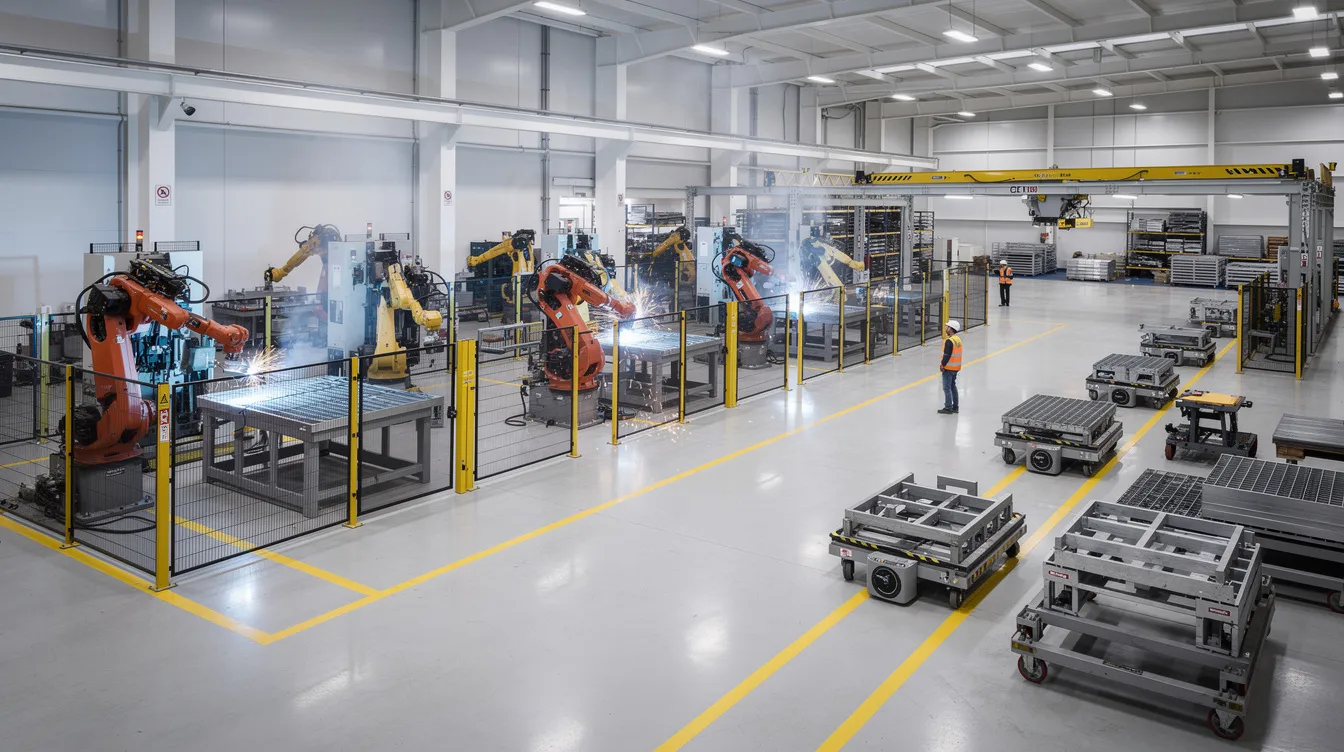
Robotic welding (MIG/TIG), resistance welding, metal stamping (progressive, transfer, deep draw)
-
Metal forming, hardware insertion, and assembly capabilities under one roof
-
Surface treatments: powder coating, anodizing, plating, passivation, wet paint
Quality systems and compliance:
-
ISO 9001:2015 is a key quality management standard-the baseline for any serious fabricator. Over 1 million organizations hold ISO 9001 certification globally.
-
Industry-specific certifications: AS9100D is essential for aerospace and defense quality management; ISO 13485:2016 is specific to medical device manufacturing quality; IATF 16949 is the automotive industry’s quality management standard.
-
Documented FAI, PPAP, and SPC for volume production programs.
Operational fitness:
-
On-time delivery is crucial to prevent production bottlenecks. Ask for actual OTD percentages, not promises.
-
A supplier’s capacity should support doubling production volumes in 12 months to match your growth.
-
NPI support with DFM/DFMA feedback, digital tracking via ERP/MES for traceability.
Total cost of ownership:
-
Total cost should include factors beyond just piece price: tooling amortization, rework risk, logistics, scrap rates, and change-order handling.
-
Strong financial stability in a supplier is crucial for strategic OEM programs-a fabricator that goes under mid-production is a catastrophic risk.
-
Supply chain resilience is necessary for coping with demand fluctuations, especially for critical structural components.
How This List Was Compiled: Evaluation Framework and Data Sources
This article combines public data (The Fabricator’s FAB 40, SEC filings, company disclosures) with OEM-focused criteria rather than ranking fabrication companies by revenue alone. A fabricator generating $600M in agricultural equipment frames and another generating $20M in precision medical device housings serve fundamentally different OEM needs.
Each company was scored on a 1–10 scale across the following dimensions:
-
Process breadth (sheet metal, stamping, welding, machining, finishing)
-
High precision capability (tolerances, inspection equipment, SPC data)
-
Certifications (ISO, AS9100, ISO 13485, IATF, NADCAP)
-
Engineering support and NPI capacity
-
Global logistics and export experience
-
Program scalability (volume, surge, production tooling)
North American benchmarks include Mayville Engineering Company (MEC), Cadrex Manufacturing Solutions, and BTD Manufacturing. European specialists and Asian cost-leaders like Anebon Metal Products Limited are evaluated for comparison. Anebon is assessed primarily as an integrated precision partner for overseas OEMs, combining sheet metal fabrication, CNC machining, and die casting under one roof. Contract manufacturers may provide services from prototyping to full-scale production, and the scoring reflects that full-lifecycle capability.
Anebon Metal Products Limited – Integrated Precision Partner for Overseas OEMs
Founded in 2010 in Dongguan, Guangdong, China, Anebon Metal Products Limited is built around a specific thesis: that overseas OEMs in electronics, robotics, medical devices, automotive, and industrial machinery need a single-source partner who can handle precision sheet metal fabrication, CNC machining, and die casting without splitting work across multiple vendors. ISO 9001:2015 and ISO 14001:2015 certifications are held by Anebon, providing the quality management systems and environmental management baseline that OEM procurement teams require.
Core capabilities:
-
Anebon offers fiber laser cutting and CNC punching services for precision cutting of flat metal sheets
-
Press-brake bending, TIG/MIG and robotic welding, hardware insertion, forming, and full assembly capabilities
-
In-house CNC milling and turning-including 5-axis machining-for tight-tolerance machined interfaces
-
Die casting for housing, bracket, and enclosure components
-
Materials range from 0.024″ to 0.250″ in thickness, covering carbon steel, stainless steel, aluminum, copper alloys, and engineering plastics
Precision metrics:
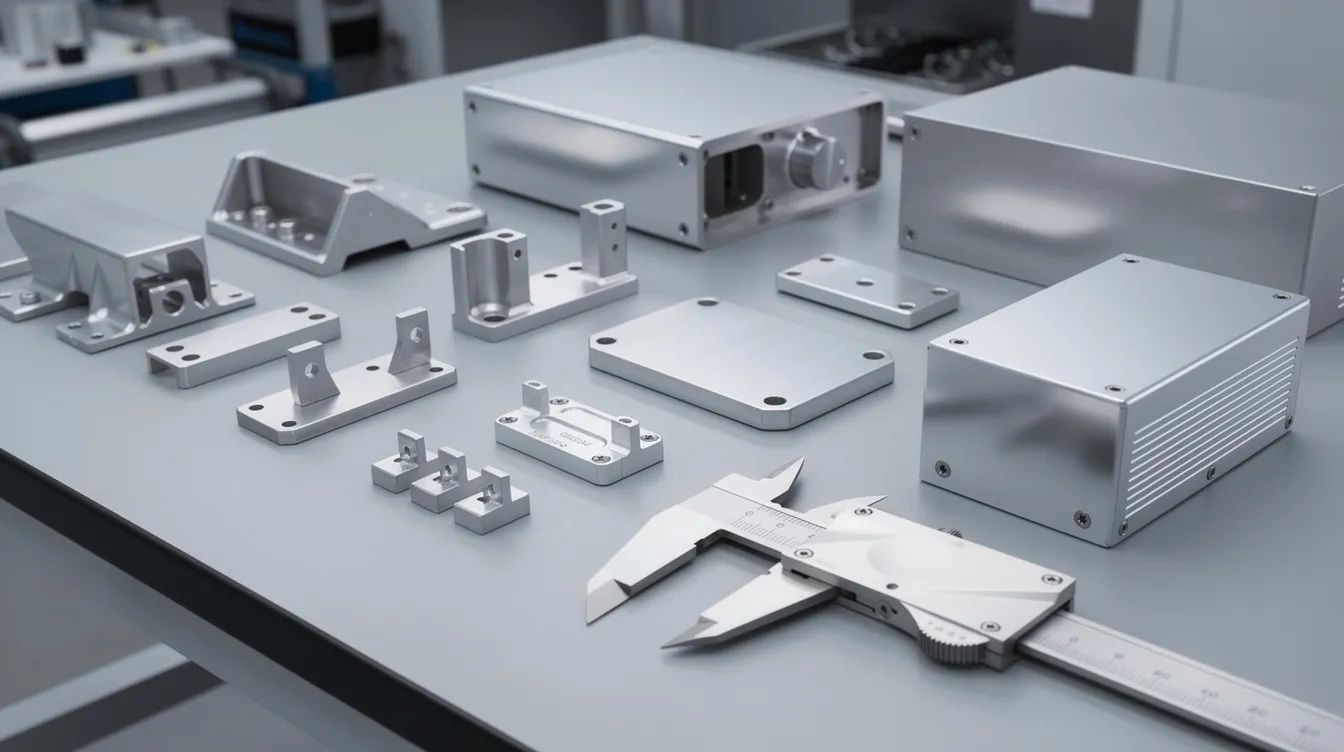
Typical sheet metal tolerances reach ±0.05 mm on critical features, while CNC machining tolerances go down to ±0.002 mm. This combination matters for assemblies where a fabricated enclosure mates with machined mounting features-the kind of multi-process build that causes headaches when split across suppliers. Vertical integration reduces lead times and quality-control problems in exactly these scenarios.
OEM service model:
Rapid prototyping can be completed in 1–2 weeks. Anebon provides DFM feedback within 24–48 hours for prototypes, allowing rapid iterations and design adjustments before tooling commitments. Pilot runs transition into scaled production with PPAP and first article inspection documentation if required. English-speaking project managers handle overseas communication, and the company has extensive experience shipping to North America and Europe.
Typical applications include electronics enclosures, robotics brackets, medical device frames, and industrial machinery panels-projects where precision engineering, a broad range of materials, and integrated finishing (powder coating, anodizing, plating) determine whether a part ships on time or gets rejected at incoming inspection.
North American Leaders: MEC, Cadrex, BTD and Other Large-Scale OEM Fabrication Companies
These are the high-revenue, high-capacity metal fabricators that major industrial customers across North America rely on for heavy equipment, construction equipment, agricultural equipment, and defense programs.
Mayville Engineering Company (MEC)
Mayville Engineering Company MEC has held the No. 1 spot on The Fabricator’s FAB 40 list for roughly 14–15 consecutive years. FY 2024 revenue was approximately $581.6 million. MEC operates multiple facilities across the U.S. with vertically integrated services: laser cutting, metal stamping, tube fabrication, robotic welding, coatings (including high-heat and CARC), full assembly, and NPI prototyping. Its strength is in heavy stamping combined with high-volume fabrication for construction, agriculture, defense, and data centers. MEC is the right fit when you need massive scale, domestic proximity, and strong engineering support across a broad range of OEM applications.
Cadrex Manufacturing Solutions
Cadrex Manufacturing Solutions operates approximately 22 facilities across the U.S. and Mexico, generating roughly $500M+ in annual revenue. The company runs over 200 sheet metal machines and 350+ machining centers, plus plastic injection molding lines-a rare combination among contract metal fabricators. This makes Cadrex especially strong for complex electromechanical builds in data centers, ICT enclosures, and industrial equipment where sheet metal products, precision machining, and molded components converge. Their manufacturing space and machine count give them surge capacity that smaller shops cannot match.
BTD Manufacturing
BTD Manufacturing rounds out the top tier with approximately $350 million in revenue and five plants across Minnesota, Illinois, and Georgia. Capabilities span laser cutting, metal forming, tube fabrication, machining, and powder coating. BTD is known for high-volume OEM programs in construction, agriculture, and renewable energy infrastructure, with in-house tool and die facilities supporting heavy stamping and deep draw work. Their consistent quality and delivery performance make them a reliable choice for industrial customers running blanket orders.
Additional names worth tracking:
-
O’Neal Manufacturing Services – approximately $330 million in revenue; multi-plant network with strong JIT support for OEMs in heavy equipment and structural steel applications.
-
Momentum Manufacturing Group – a growing player with multiple facilities and capabilities in steel fabrication, precision sheet metal, and assembly for defense and industrial sectors.
These North American leaders are the strongest fit when you need very high volumes, domestic content requirements, or the shortest possible lead times for time-sensitive programs.
European and Regional Specialists: High-Precision and Niche Sheet Metal Fabrication
European metal fabrication companies tend to excel in engineering rigor, traceability, and sector-specific compliance. If your OEM program requires aerospace-grade documentation or medical device housings with full material traceability, these specialists often outperform larger generalists.
KMF Group (UK): Specializes in precision enclosures and assemblies with AS9100 approval. Serves defense, telecommunications, and medical OEMs needing high-cosmetic sheet metal components with documented inspection at every stage.
Sidertaglio Lamiere (Italy): Known for thick-plate cutting and carbon steel plate work. If your program involves heavy structural components or mild steel frames above 10 mm, Sidertaglio has the laser and plasma cutting capacity to handle it.
HA-BE Gehäusebau (Germany): Focused on cabinets, enclosures, and electrical housings for telecommunications and energy. German precision engineering with strong coating and assembly capabilities for complete systems.
SDM Polska (Poland): Certified to EN 9120:2018, AS9100D, and NATO AQAP standards. Specializes in titanium and aluminum sheet metal parts for aerospace and space applications-ideal for OEMs needing exotic material selection and full lot traceability.
The trade-off with European specialists is clear: higher labor costs, but shorter intra-Europe lead times, strict process documentation, and genuine engineering collaboration. For regulated sectors, these advantages often outweigh the cost premium.
Digital Manufacturing Platforms vs. Traditional Fabrication Companies
Digital platforms like Xometry, Protolabs, Hubs, and Fictiv have reshaped how OEMs source sheet metal parts for early-stage programs. They use a marketplace model: upload a CAD file, receive an instant quote with automated DFM checks, and the platform routes your order to a vetted partner shop. Protolabs offers rapid prototyping with lead times as short as 3 days, making platforms compelling for design iteration.
The strength is speed and convenience for prototypes and low-volume sheet metal parts. The weakness is consistency. Because your parts may be made by different shops on different orders, you lose visibility into underlying certifications, process capability indices (Cp, Cpk), and operator skill. For repeat production, complex assemblies, or regulated programs, that variability becomes a liability.
Traditional fabrication companies-whether MEC in Wisconsin, BTD in Minnesota, or Anebon in Dongguan-offer a coherent operation. Same equipment, same operators, same quality systems on every run. This matters when you need consistent quality across 10,000 units per year with documented traceability.
The practical strategy: use platforms for early-stage design and low-risk prototypes, then transfer to a selected sheet metal fabrication partner once tolerances, volumes, and certification requirements stabilize.
Asia (Especially China): Cost-Efficient Full-Process Metal Fabrication for OEMs
Many OEMs evaluate Asian suppliers because the economics are compelling: lower labor and overhead costs, mature supply chains, and a large installed base of modern fiber laser cutting and automated bending equipment. China’s Pearl River Delta and Yangtze River Delta regions concentrate thousands of sheet metal fabrication services providers with capabilities that rival Western shops on precision while operating at significantly lower cost points.
Typical capabilities among leading Chinese fabricators include high-power fiber laser cutting (up to 20 kW), CNC punching, robotic welding cells, metal stamping, and integrated finishing-powder coating, anodizing, and plating-all within a single facility. A diverse range of materials is often used in precision metal fabrication, including carbon steel, stainless steel, aluminum, copper, brass, and increasingly higher-grade alloys for EV, robotics, and medical applications.
Anebon’s position within this landscape is distinctive: it is one of the ISO-certified, export-focused partners that integrates sheet metal, CNC machining, and die casting with high precision and English-language project management. Precision metal fabrication includes processes like CNC machining and die casting, and having all three under one roof eliminates inter-vendor coordination headaches.
Logistics realities must be factored in: shipping time from Asia typically takes 4–6 weeks by sea, with total door-to-door timelines of 5–8 weeks including production. Air freight cuts this to 1–2 weeks but at significantly higher cost. Strong export packaging and documentation become critical cost and quality controls.
Matching “Best Sheet Metal Fabrication” Partners to OEM Application Types
The best sheet metal fabrication partner is application-specific. Here is how to match supplier type to use case:
Prototype and NPI programs: Digital platforms (Xometry, Protolabs, Hubs) and Anebon’s 1–2 week rapid prototyping are strongest here. Rapid prototyping reduces product development cycles to 1–2 weeks and supports low-volume production for custom parts. Rapid prototyping enables quick iterations and design adjustments before committing to production tooling.
High-volume, standardized components: Large North American fabrication companies like Mayville Engineering Company MEC, Cadrex, BTD, and O’Neal Manufacturing Services have the stamping presses, laser cutting lines, and automated welding cells to deliver repeatable sheet metal components at scale. Just-in-time delivery aligns production with demand patterns, and these domestic players excel at JIT programs.
Complex assemblies and multi-process builds: Integrated manufacturers like Anebon handle complex enclosures, brackets, and machined interfaces in one supply chain-sheet metal + CNC machining + die casting. This eliminates the tolerance stack-up and coordination risk of splitting work. Learn more about managing tolerance stack-ups in complex assemblies.
Regulated sectors (aerospace, medical, defense): Prioritize companies with AS9100D, ISO 13485, or ITAR registration. SDM Polska, KMF Group, and select Asian plants hold these certifications. In regulated work, quality systems and documentation always outweigh lowest unit cost.
Most OEMs benefit from a mixed portfolio: fast platforms for iteration, domestic partners for time-critical programs, and an offshore partner like Anebon for cost-optimized steady-state production.
Technical Capabilities OEMs Must Verify: Laser Cutting, Materials, and Tolerances
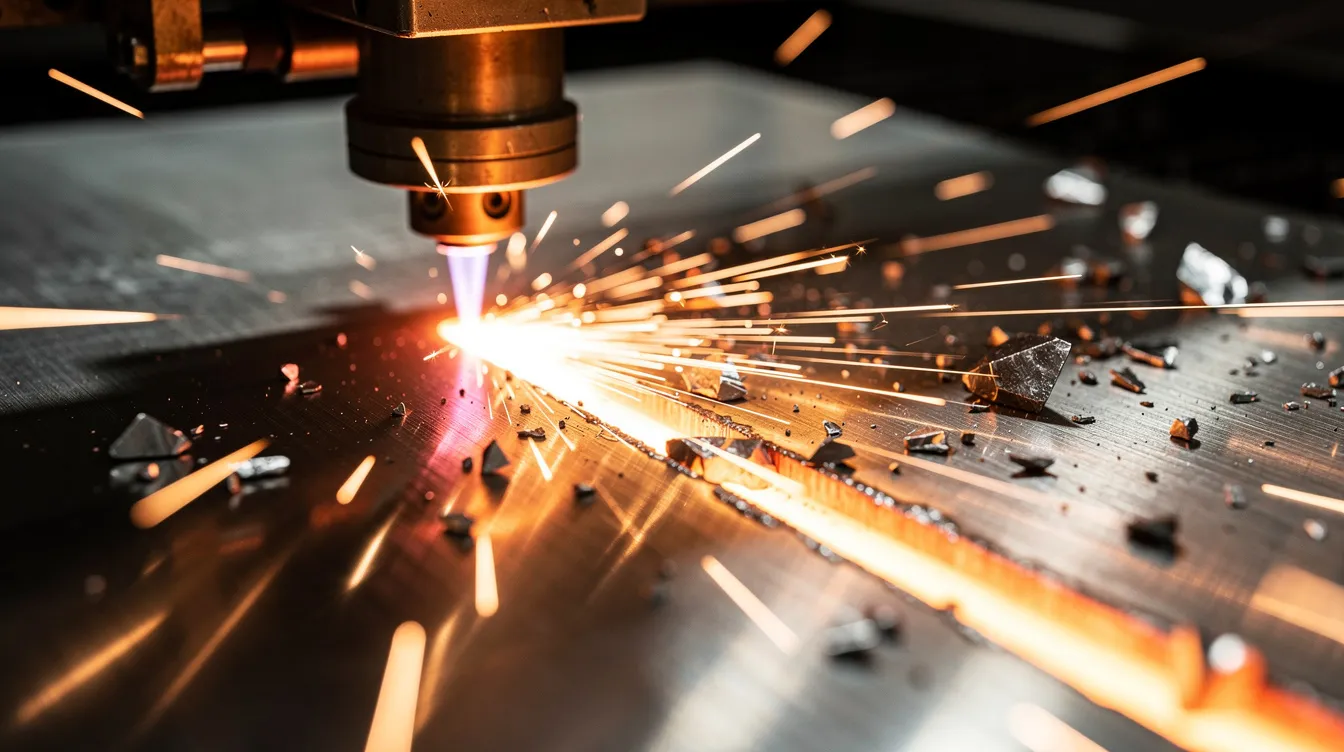
Technical fit is where OEM sheet metal fabrication projects succeed or fail. Laser cutting is a common process in sheet metal fabrication, but “we have a laser” tells you almost nothing. Here is what to verify:
Laser cutting specifics:
-
Fiber vs. CO₂ laser-fiber dominates for thin-to-medium gauge metals with better edge quality and speed
-
Maximum sheet size and supported thickness ranges for carbon steel, stainless steel, and aluminum
-
Edge quality expectations: dross, taper, heat-affected zone, and how these impact downstream forming
-
For details on optimizing cut paths, see laser-cutting path optimization for nested parts
Materials and traceability:
Material range should include carbon steel, stainless steel, and aluminum at minimum. Verify that the fabricator can source and certify copper alloys and specialty grades if your program requires them. Mill certificates and material test reports are non-negotiable for OEMs who require extensive documentation on quality control and materials.
Tolerances and repeatability:
Standard shop tolerances for sheet metal sit at ±0.1 mm. Precision sheet metal fabrication pushes to ±0.05 mm. For machined features integrated into sheet metal assemblies, ±0.002 mm is achievable with proper fixturing and SPC. The ability to scale production volume aligns with project requirements only if tolerances hold at higher run rates-ask for Cp/Cpk data.
Finishing and cosmetics:
Powder coating, anodizing, plating, passivation-each requires process control for color, gloss, and film thickness. For visible surfaces on enclosures and panels, establish cosmetic grading standards up front. Review how hardware choices impact fabrication quality when specifying inserts and fasteners.
Cost Efficiency Strategies for OEM Sheet Metal Projects
OEMs have the most leverage on cost efficiency at the design and sourcing stages, not during late-stage price negotiations with your fabricator.
DFM-driven design changes: Design for manufacturability offers feedback to optimize manufacturing processes before the first blank is cut. Reduce part count by combining folded sections instead of welding assemblies. Standardize bend radii to minimize tool changes. Avoid specifying ±0.05 mm tolerances where ±0.1 mm is functionally acceptable. Choose cost-effective materials-thinner carbon steel or aluminum where performance allows. Learn more about overcoming warping and tolerance challenges in high-volume production.
Process-aware decisions: Laser cutting is flexible for small batches and complex shapes. Stamping is far more cost-efficient at scale but carries high die costs and longer lead times. Hybrid approaches-laser-cut blanks fed into stamping or forming operations-often hit the sweet spot.
Ordering and scheduling: Batch related parts together, align order frequency with supplier setup patterns, and consider blanket orders with scheduled releases to stabilize pricing and capacity allocation.
Supplier collaboration: Ask for DFM feedback during quoting. Request alternate material or process options. Pilot cost-saving ideas on small batches before global rollout. The fabricators who help you spend less are the ones worth keeping.
Offshore vs. Local Sheet Metal Fabrication: Balancing Lead Time, Risk, and Cost
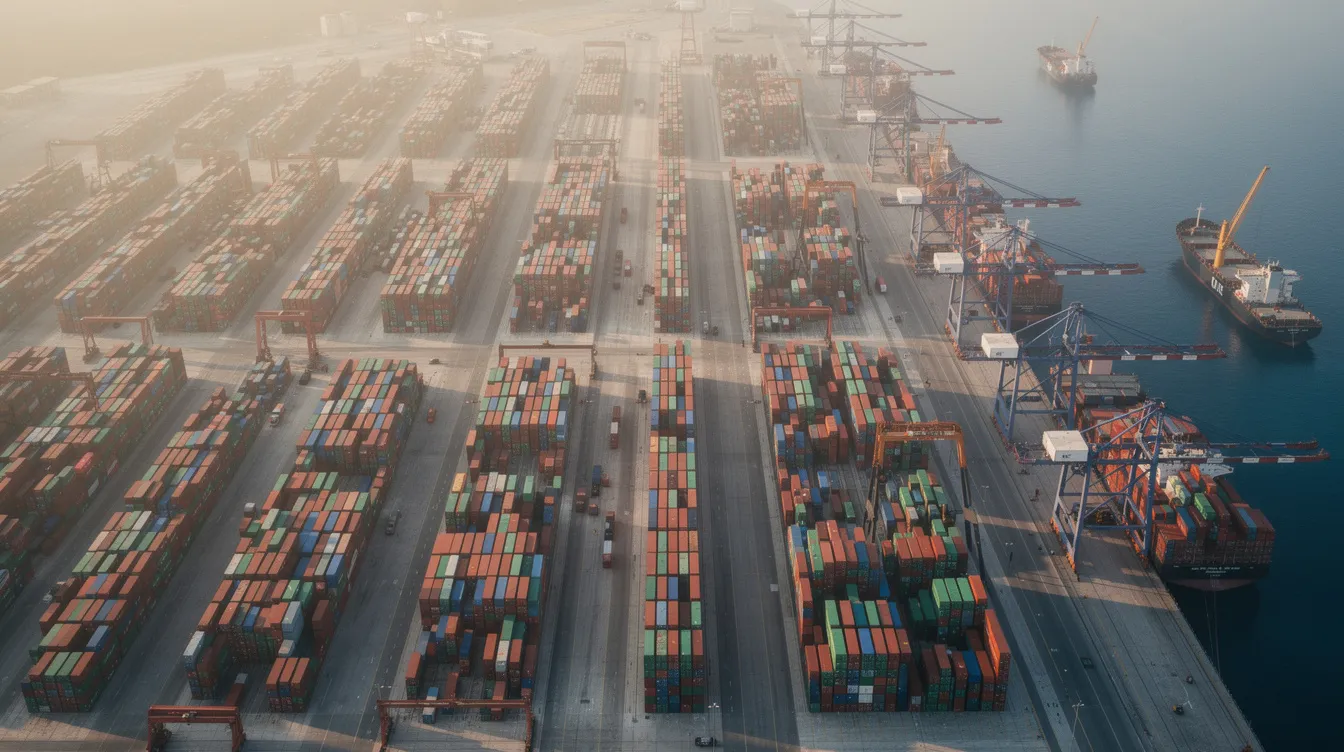
OEMs rarely choose purely local or purely offshore. They build a blended strategy based on product criticality and demand profiles. Reshoring initiatives are reshaping how OEMs source sheet metal parts, but cost pressures ensure that offshore remains part of the equation for most programs.
Local suppliers (North America, Europe): Local suppliers excel in urgent lead times and communication. You can visit the factory, iterate on engineering changes face-to-face, run JIT replenishment, and satisfy defense or government domestic sourcing rules. Prototype lead times are typically 1–2 weeks.
Offshore suppliers (China-based companies like Anebon): Offshore suppliers offer lower unit costs for stable repeat orders. When demand is predictable and designs are frozen, the savings on labor-intensive fabrication and assembly are substantial. Anebon’s location in the Pearl River Delta gives access to a deep supply chain ecosystem for materials, hardware, and finishing.
Dual-sourcing models: Dual-sourcing mitigates risks between local and offshore suppliers. Run high-risk or launch-phase volumes with a nearby supplier; shift cost-optimized steady-state volumes to an offshore partner once designs and forecasts stabilize.
Risk controls: Clear quality standards and drawings, PPAP and FAI requirements, sample approval before volume ramp, and trial orders before moving critical assemblies offshore. Never skip the pilot.
How to Shortlist and Qualify Top Sheet Metal Fabrication Companies
A step-by-step, data-driven approach beats relying on reputation or price alone. Here is how to move from a long list to a qualified partner.
Initial screening criteria:
-
Does the fabricator perform laser cutting, bending, welding, and finishing in-house?
-
Which certifications do they hold? Match these to your industry (medical devices, aerospace, automotive).
-
Can they handle your material selection requirements-including specialty alloys?
-
Do they have multiple facilities or enough floor space to support surge demand?
RFI/RFQ package content:
Include 3D CAD files, 2D drawings with geometric tolerances, material specs, finish requirements, annual volume and EAU forecasts, and any special inspection or documentation needs. The more complete your package, the more accurate your quotes.
Trial engagement flow:
NDA → DFM review → prototype or pilot batch → first article inspection → controlled ramp to production with clear KPIs (PPM defects, on-time delivery rate, response time). First article inspection is critical in quality control processes and should never be skipped. Quality assurance includes inspection processes and lot traceability across every production run.
Maturity signals:
Look for a structured NPI process, documented control plans, the ability to provide capability studies (Cp/Cpk), and transparent communication quality from a dedicated project manager. OEMs often require extensive documentation on quality control and materials-a mature fabricator provides this without being asked.
FAQs About Choosing Top Sheet Metal Fabrication Companies for OEMs
What tolerances are realistic for sheet metal vs. machined features?
Standard sheet metal tolerances are ±0.1 mm. Precision sheet metal fabrication can achieve ±0.05 mm on critical bends and cut features. When CNC machining is added for bored holes, mating surfaces, or threaded features, tolerances of ±0.002 mm are achievable with proper fixturing and process control.
How does laser cutting compare to stamping on cost and quality?
Laser cutting offers flexibility for low-to-medium volumes and complex geometries with minimal tooling. Sheet metal stamping requires significant die investment but delivers much lower per-part costs at high volumes. Stamping may introduce springback that needs secondary correction. For mid-volume programs, many OEMs use laser-cut blanks followed by forming operations.
What certifications matter for automotive vs. medical vs. aerospace OEM work?
IATF 16949 is the automotive industry’s quality management standard. ISO 13485:2016 is specific to medical device manufacturing quality. AS9100D is essential for aerospace and defense quality management. All typically require ISO 9001:2015 as a baseline. Always verify that certifications are current and cover the specific processes (welding, finishing, assembly) your parts require.
What lead times should I expect when sourcing from North America vs. China?
Domestic prototypes typically ship in 1–2 weeks. Small domestic production batches run 2–4 weeks. Overseas orders including production and sea freight total 5–8 weeks door-to-door. Expedited air freight from Asia can compress this to 1–2 weeks at higher cost.
What information does a fabricator need to give an accurate quote?
Complete 2D drawings with all dimensions and tolerances, 3D models, material type and grade, thickness, finish specification, expected annual volumes and order quantities, assembly or secondary work requirements, packaging needs, shipping destination, and required certifications or documentation.
Can a single supplier handle sheet metal, CNC machining, and die casting for my OEM program?
Yes-if the supplier is vertically integrated with certified process capabilities across all three. Anebon Metal Products Limited is built around this model: offering sheet metal fabrication, CNC machining (including 5-axis), and die casting under one roof, with tolerances down to ±0.002 mm on machined features and ISO quality and environmental certifications supporting export programs.
How do I assess a fabricator’s financial stability?
For public companies like MEC, review SEC filings and annual reports. For private firms, request references from existing OEM customers, check years in business, and evaluate facility investment levels. Strong financial stability matters because a fabricator that folds mid-contract can stall your entire production line.
Should I use one fabricator or build a multi-supplier portfolio?
Most OEMs benefit from a portfolio approach: a domestic partner for time-sensitive and regulated work, an offshore partner for cost-optimized stable production, and potentially a digital platform for quick-turn prototypes. This diversifies risk while optimizing cost and speed across different program phases.
Conclusion: Building Long-Term OEM Partnerships with the Right Fabricator
The top sheet metal fabrication companies for OEMs are not simply the largest or cheapest. They are the partners whose technical capabilities, quality systems, engineering collaboration, and cost structure align with your specific tolerance, volume, certification, and lifecycle needs. A $500M fabricator is the wrong choice if your program needs ±0.002 mm machined features integrated with sheet metal and they only do stamping.
The selection levers that matter most are: precision cutting and forming capability, certified quality management systems, genuine DFM collaboration during NPI, a clear geographic strategy balancing local responsiveness with offshore cost efficiency, and total cost of ownership calculated across tooling, logistics, scrap, and rework-not just the number on the quote.
Anebon Metal Products Limited offers high-precision sheet metal fabrication combined with CNC machining and die casting for overseas OEMs, making it a strong candidate when integrated, cost-efficient manufacturing solutions are the priority. With ISO 9001:2015 and ISO 14001:2015 certifications, rapid prototyping turnaround, and experience shipping to North America and Europe, Anebon fits the profile of the modern export-focused fabrication partner.
Start by compiling a shortlist of three to five fabricators matched to your application type. Request detailed quotes with DFM feedback included. Run a small pilot build with your top two candidates and evaluate on tolerance compliance, communication quality, and on-time delivery before committing long-term. That process-not a Google search-is how you find the right partner.