Top Precision Machining Company: Quality Solutions for Every Industry
Precision Machining Company: Global CNC Manufacturing Solutions from China
When an overseas OEM needs custom metal or plastic parts held to micron-level tolerances, choosing the right precision machining company can determine whether a product launch stays on schedule or falls apart. With over 5,484 precision machining companies in the U.S. alone and countless more across Asia, the options are overwhelming. This guide breaks down what Anebon Metal Products Limited brings to the table as a China-based manufacturing partner, what capabilities matter most, and how to work with a precision machine shop thousands of miles from your engineering office.
Precision CNC Machining Services from Anebon Metal Products Limited
Anebon Metal Products Limited is a precision machining company founded in 2010 in Dongguan, Guangdong, China. We serve overseas OEMs with CNC machining, die casting, and sheet metal fabrication, covering the full spectrum from single prototypes to recurring production runs. Our core expertise sits in precision machining, where we routinely hold tolerances down to ±0.002 mm on critical features – equivalent to ±0.0005 inches, which is the benchmark that precision machining typically delivers for demanding applications.
We operate as a one-stop machine shop. That means CNC milling, CNC turning, and 5-axis CNC machining all happen under one roof, alongside complementary processes like die casting and sheet metal work. This integrated model eliminates the coordination headaches that come from juggling multiple vendors across different facilities. Precision machining companies that offer services from rapid prototyping to full production give their clients a smoother path from R&D sample to volume shipment, and that is exactly how we have structured our business.
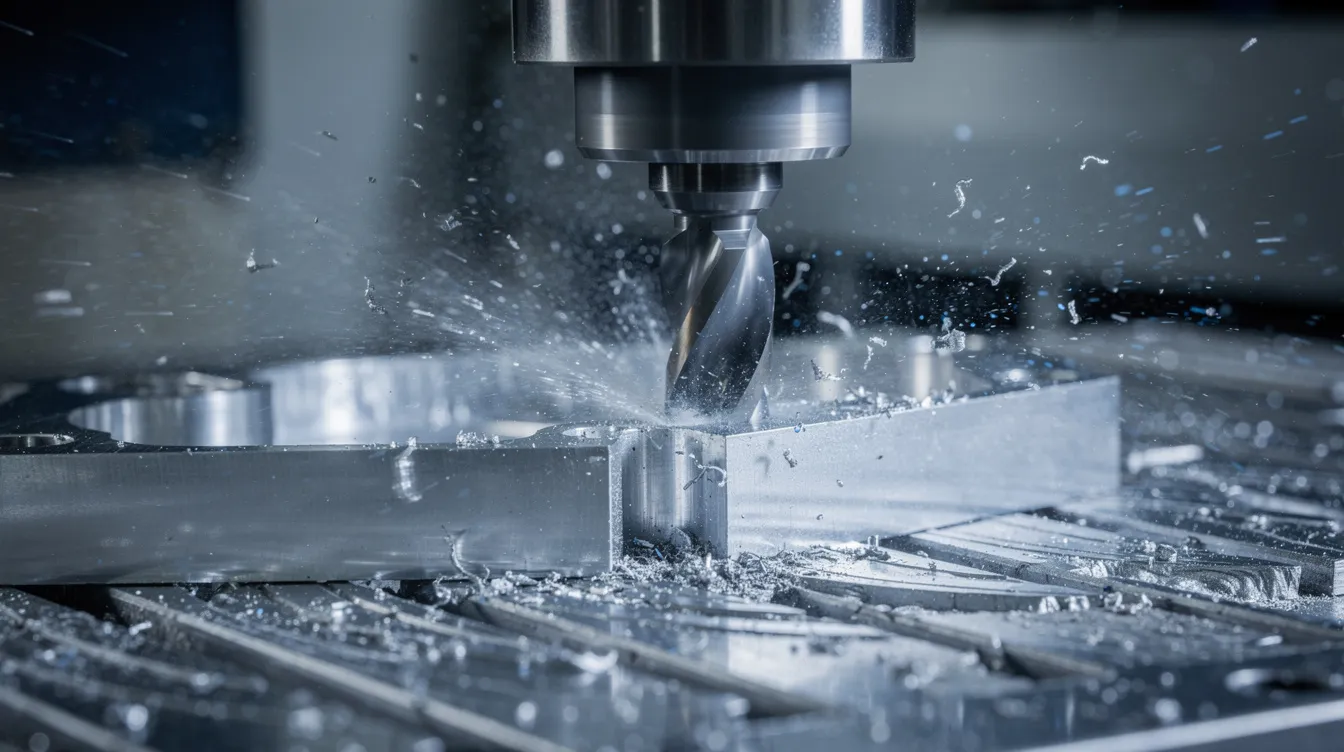
Precision machining is essential for aerospace and medical industries, two sectors where dimensional errors can have serious consequences. We serve these along with automotive, electronics, robotics, and industrial machinery customers. Typical components include impeller housings, structural brackets, surgical instrument fixtures, heat sinks, and precision assemblies that combine machined parts with cast or fabricated elements.
Our ISO 9001:2015 certification ensures quality management standards across every process, while our ISO 14001:2015 certification focuses on environmental management – a requirement that more European and North American OEMs now include in their supplier audits. These certifications matter because precision machining companies often require strict quality certifications before they can be approved as vendors in regulated supply chains.
Key value points:
-
Tolerances down to ±0.002 mm (±0.0005 inches) on critical dimensions
-
3-axis, 4-axis, and 5-axis CNC machining plus turning, die casting, and sheet metal fabrication
-
Materials ranging from aluminum and titanium to stainless steel, brass, copper, and engineering plastics
-
ISO 9001:2015 and ISO 14001:2015 certified
-
Serving aerospace, medical devices, automotive, electronics, robotics, and industrial machinery since 2010
Manufacturing Solutions and Capabilities
Manufacturing capabilities vary widely among precision machining companies based on equipment and expertise. What separates a capable shop from a mediocre one is whether it can handle your part geometry, material, tolerance, and volume requirements without farming out critical operations to subcontractors you have never vetted. Anebon offers integrated manufacturing solutions that combine precision machining, casting, and fabrication under one roof, simplifying vendor management for overseas clients.
CNC Machining
Computer Numerical Control (CNC) technology converts digital blueprints into physical parts by driving cutting tools along programmed paths with sub-micron resolution. Our shop floor includes multi-axis CNC machines – 3-axis mills for straightforward prismatic parts, 4-axis setups for wrap-around features, and 5-axis machining centers for complex components that would otherwise require multiple setups and fixtures. Multi-axis machining enables the creation of intricate geometries in fewer setups, which directly improves positional accuracy between features on different faces of a part. CNC machining improves accuracy and repeatability compared to traditional machining methods, and modern machines can operate with minimal operator intervention. In fact, CNC machining services can operate 24 hours a day when paired with automated tool changers and pallet systems.
Precision machining utilizes advanced specialized machinery, and our fleet is no exception. Machines equipped with high-speed spindles, thermal compensation systems, and precision linear scales allow us to hold tight tolerances consistently across production batches rather than just on a single prototype.
CNC Milling
CNC machining includes precision milling and turning services, and our milling capabilities cover contouring, pocketing, slotting, and high-speed milling optimized for aluminum and titanium parts. Typical milling envelopes accommodate parts up to approximately 800 × 600 × 500 mm, with larger setups available for specific projects. Before secondary treatments, standard milled surfaces achieve Ra 0.8–3.2 µm; after grinding or polishing, finishes can reach Ra 0.05–0.2 µm.
CNC Turning
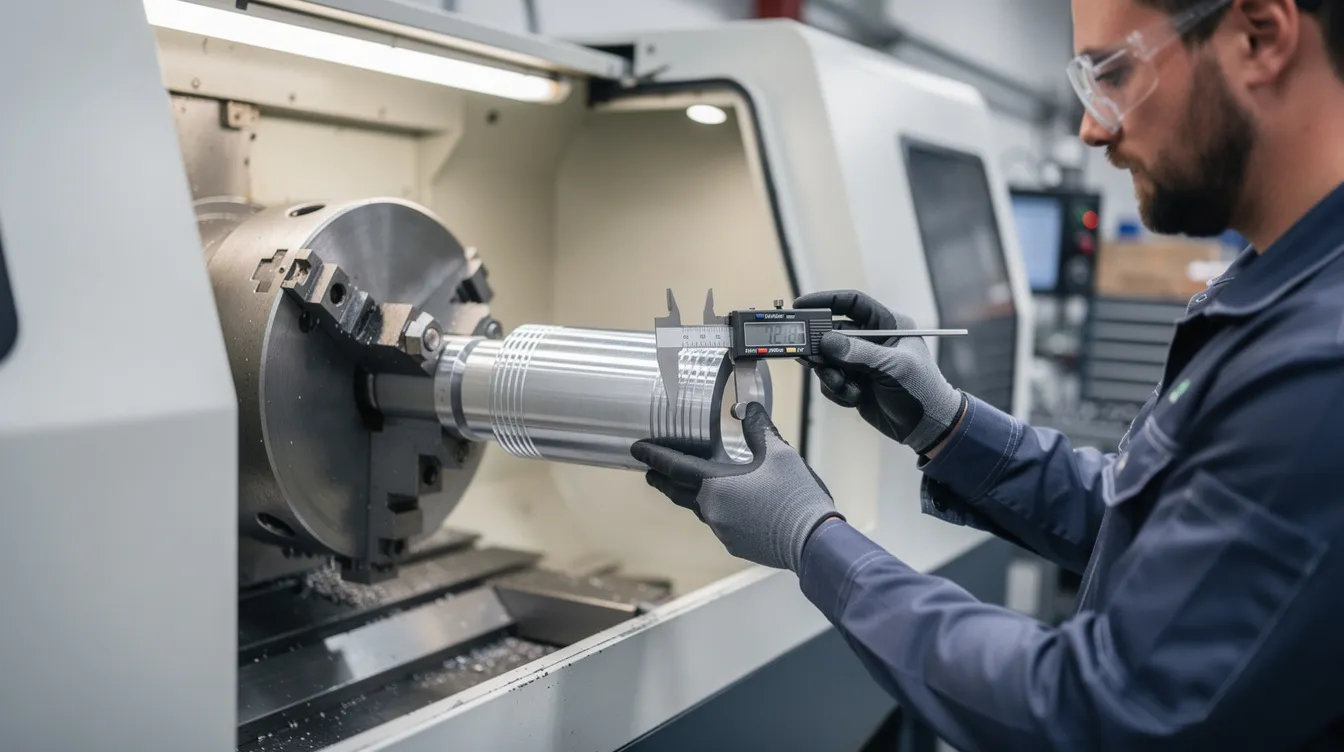
Our CNC lathes handle small to medium-diameter shafts, pins, bushings, and threaded components. CNC turning can achieve tolerances as tight as .0002 inches, making it suitable for sealing surfaces, bearing interfaces, and press-fit bores where concentricity and surface finish directly affect function. CNC turning can handle bar capacity up to 2½ inches on our standard machines, with chuck work accommodating larger diameters. Live tooling on our lathes allows cross-drilling, milling flats, and tapping in a single setup, reducing handling and improving positional accuracy.
Secondary and Complementary Operations
Fully finished parts often require more than milling or turning alone. We offer drilling, tapping, reaming, boring, and surface grinding as secondary operations to deliver parts ready for assembly. Electrical Discharge Machining (EDM) uses sparks to erode material in precise patterns, and we use wire EDM for tight internal profiles and features that conventional cutting tools cannot reach.
Beyond precision machining, Anebon provides complementary capabilities:
-
Die casting: Aluminum and zinc die cast components for housings, covers, and structural parts
-
Sheet metal fabrication: Laser cutting, bending, and welding for enclosures, brackets, and assemblies combining machined and fabricated parts
-
Surface treatments: Anodizing, hard anodizing, powder coating, zinc plating, nickel plating, passivation, bead blasting, and polishing – available through our network to improve corrosion resistance, wear performance, and aesthetics
Materials
CNC machining can utilize materials like aluminum and titanium, and our shop processes a broad range of metals and plastics guided by the mechanical, weight, and cost requirements of each application. Precision machining often uses stainless steel for durability in corrosive or high-temperature environments. Bronze is a common material for precision machined components such as bushings and wear plates.
|
Material Category |
Common Grades |
|---|---|
|
Aluminum alloys |
6061, 7075, 2024 |
|
Stainless steels |
304, 316, 17-4PH |
|
Tool steels |
D2, A2, H13 |
|
Titanium |
Grade 2, Grade 5 (Ti-6Al-4V) |
|
Copper & brass |
C110, C360 |
|
Engineering plastics |
POM, PEEK, ABS, PC |
Precision CNC machining can handle complex components and assemblies made from any of these materials, whether the job calls for a single-piece prototype in PEEK or a 5,000-piece production run of 7075 aluminum brackets.
Quality Control, Engineering Support, and Project Workflow
Consistent precision machining for overseas OEMs depends on rigorous quality assurance and engineering collaboration at every stage – from the initial RFQ through final shipment. Precision machining requires adherence to strict quality standards, and cutting corners on inspection or documentation is the fastest way to lose a customer’s trust.
Quality Processes and Inspection
Quality assurance and inspections are critical in precision machining to meet specifications. At Anebon, every project begins with incoming material verification using mill certificates and material test reports. In-process checks monitor critical dimensions during machining, and final inspection catches anything that may have drifted during the production run.
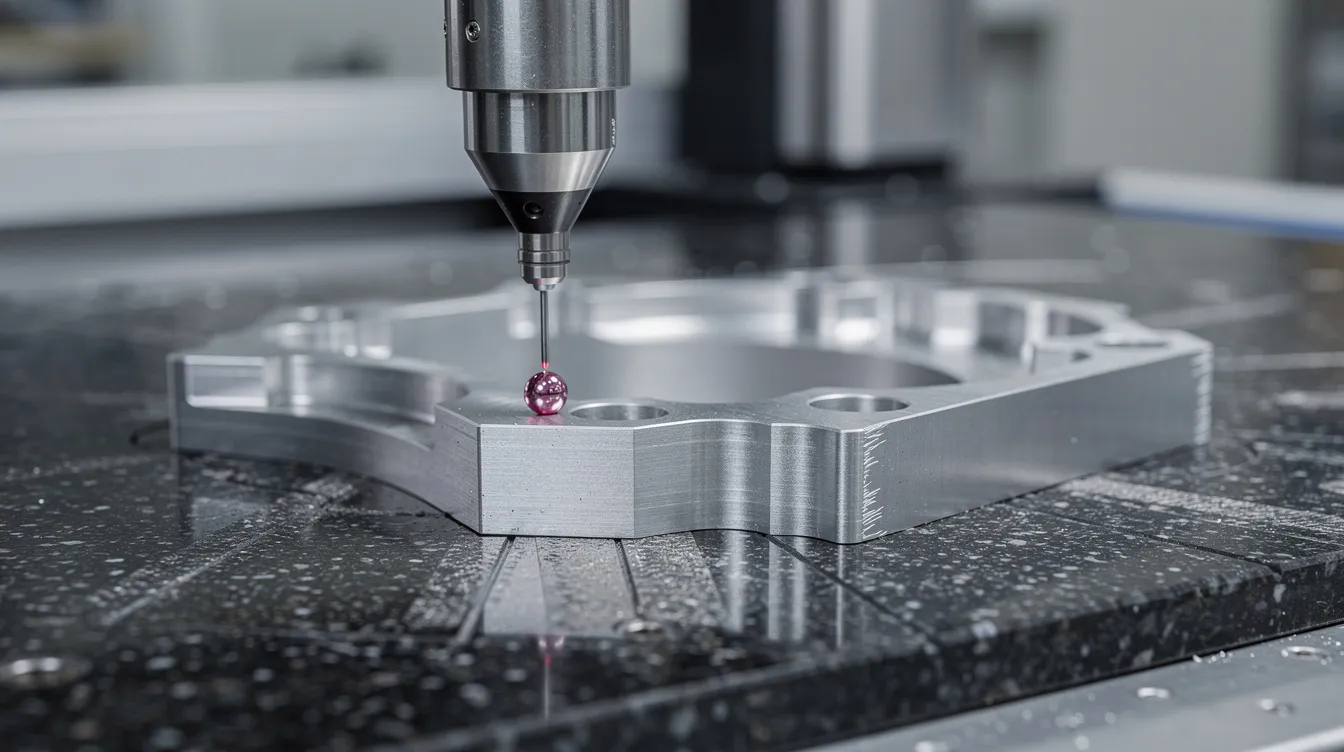
Quality assurance teams use advanced CMM and optical measurement tools to verify geometric tolerances – flatness, concentricity, true position, and parallelism – that cannot be reliably checked with hand gauges alone. We also use height gauges, profilometers, and go/no-go gauges for faster in-line verification. Quality assurance verifies conformity to customer specifications on every batch, and documented inspection procedures ensure traceability.
Precision machining often requires documented inspection procedures and traceability. Every batch we ship carries lot numbers, dimensional inspection reports, and material certificates available on request. Quality control improves repeatability and reduces production delays by catching issues early rather than at final assembly on the customer’s end.
Quality management certifications such as AS9100 are important for aerospace manufacturing. Companies like BMW Precision, which is AS9100D-certified and ITAR-registered, illustrate the certification standards that the world’s most demanding aerospace supply chains expect. While Anebon currently holds ISO 9001:2015 and ISO 14001:2015, we recognize the value that certifications like IATF 16949 (automotive) and AS9100D (aerospace) bring to clients in those industries, and we align our quality systems accordingly.
Customer relationships in precision machining often involve detailed communication of specifications and requirements. We assign dedicated, English-speaking project managers to each account so nothing gets lost in translation between a drawing callout in Colorado and a machine operator in Dongguan.
Engineering Support and DFM
Design for Manufacturability (DFM) ensures components are optimized for production efficiency. Before quoting, our engineers review 3D models and 2D drawings to flag potential issues: internal corners with radii too small for standard end mills, wall thicknesses that risk deflection under cutting forces, or tolerances tighter than the application actually requires. These DFM recommendations can reduce machining time and cost without compromising part function.
A typical precision machining project includes design review, material procurement, and quality control steps. Equipment matters too – Haas Automation is the largest machine tool builder in the western world, and many shops worldwide rely on their platforms. Regardless of machine brand, what counts is whether the shop can demonstrate process capability through measured data, not just marketing claims.
Project Workflow
Robust supply chain management is critical for reliable delivery in precision machining. Here is how a typical project flows at Anebon:
-
RFQ submission – Send 3D CAD files (STEP, IGES) and 2D drawings with GD&T callouts, material, finish, and quantity requirements
-
DFM review and quote – Our team reviews designs and returns a detailed quote, usually within 24–48 hours for standard projects
-
Prototyping – First article parts are machined; lead time is typically 5–7 working days for simple CNC prototypes
-
Customer validation – Photo and video confirmation of first article inspections, plus dimensional reports, sent before full production begins
-
Production – Scaling to bridge or mass production; 2–4 weeks for more complex multi-process parts depending on volume and secondary operations
-
Final inspection and shipment – Full inspection reports, material certificates, and export documentation accompany every shipment
Lead times depend on part complexity and order volume. Simple turned parts may ship in under a week; multi-axis milled components requiring EDM, grinding, and anodizing will naturally take longer. We provide clear timeline commitments at the quoting stage so there are no surprises.
Industries, Applications, and How to Engage Anebon
Anebon’s precision machining company supports high-mix, low- to high-volume production across multiple industries needing reliable CNC machining services. Precision machining supports complex components in aerospace and medical industries, but the same capabilities apply wherever tight tolerances, material performance, and batch consistency matter.
CNC machining supports industries like aerospace and medical devices, along with automotive, electronics, defense, and industrial automation. Here are key industries with typical applications:
-
Aerospace – Structural brackets, manifold bodies, turbine housings, impeller components. Defense applications often demand similar precision and documentation rigor.
-
Medical devices – Surgical instrument handles, orthopedic fixtures, diagnostic equipment enclosures. Parts often require passivation or electropolishing for biocompatibility.
-
Automotive – Engine and transmission brackets, sensor housings, structural mounting plates. High-volume programs require proven repeatability across thousands of parts.
-
Electronics – Heat sinks, RF enclosures, connector housings, shielding components. Aluminum and copper dominate here for thermal and electrical conductivity.
-
Industrial machinery and robotics – End-of-arm tooling, gear housings, mounting plates, linear motion components. These assemblies often combine machined, cast, and fabricated parts.
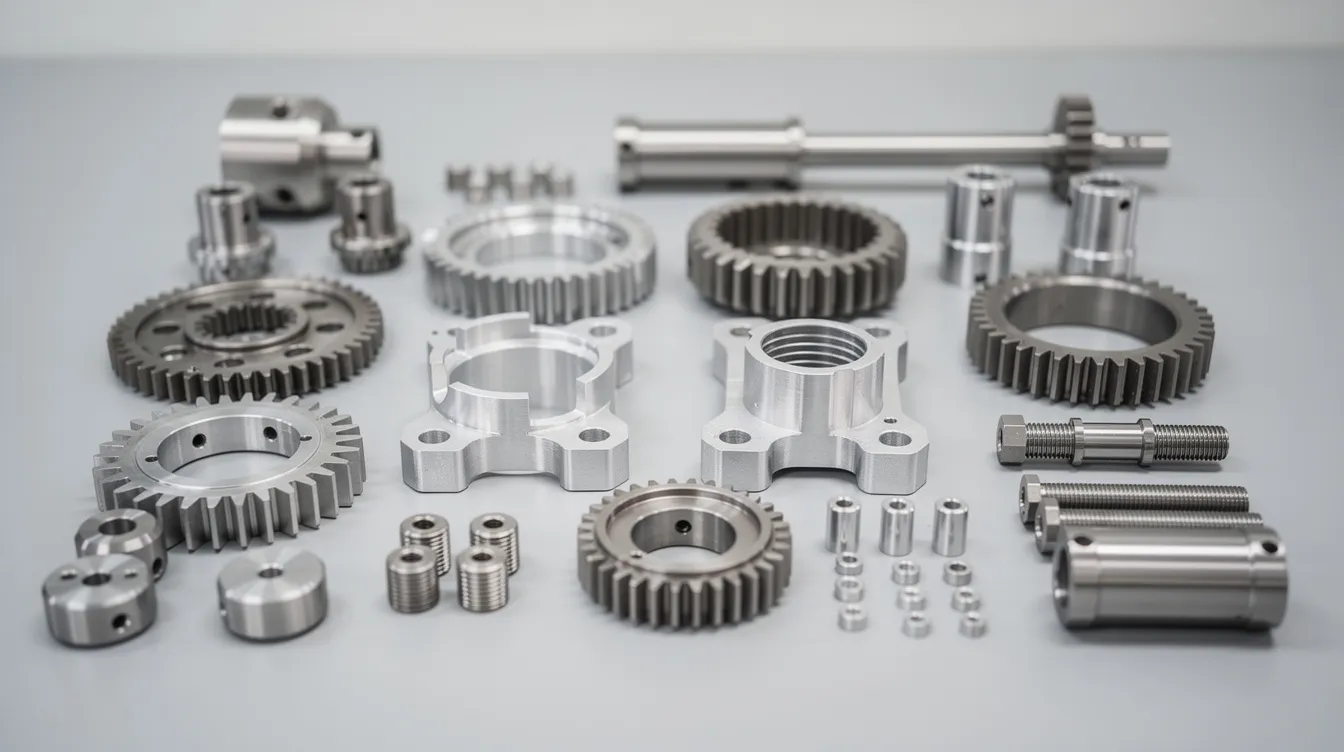
We adapt our manufacturing solutions to different production needs. R&D teams exploring new product concepts use our rapid prototyping services to validate designs quickly. Pilot runs of 50–200 pieces help clients test market fit before committing to tooling or high-volume orders. And for established OEM production programs, we deliver recurring orders on schedule with the comprehensive documentation that supply chain teams require.
Getting Started
If you are ready to explore working with Anebon, here is what helps us quote accurately and quickly:
-
Prepare 3D CAD models in STEP or IGES format, plus 2D drawings with tolerances and GD&T
-
Specify material grade and any required surface treatment or finish
-
Indicate target quantity and required delivery date
-
Note any special requirements: certifications, inspection levels, packaging
Overseas shipping options include air freight for urgent prototypes and sea freight for larger production orders. We support standard export documentation for North America and Europe, including commercial invoices, packing lists, material certificates, and RoHS/REACH compliance declarations where needed.
Work With a Proven Partner
Since 2010, Anebon has earned the trust of OEM clients across multiple continents by delivering parts that meet print, on time, with full traceability. Our team of engineers and project managers is here to support your machining needs from first concept through ongoing production. Whether your next project involves a single titanium prototype or a recurring order of 10,000 aluminum brackets, we have the capabilities, the certifications, and the established track record to deliver.
Contact Anebon today to send your drawings, request a DFM review, or message our team with questions about your application. Choose the right machining vendor by starting with a conversation – we will take it from there.