Top Picks: Best Environmentally Certified Metal Fabricators for 2026
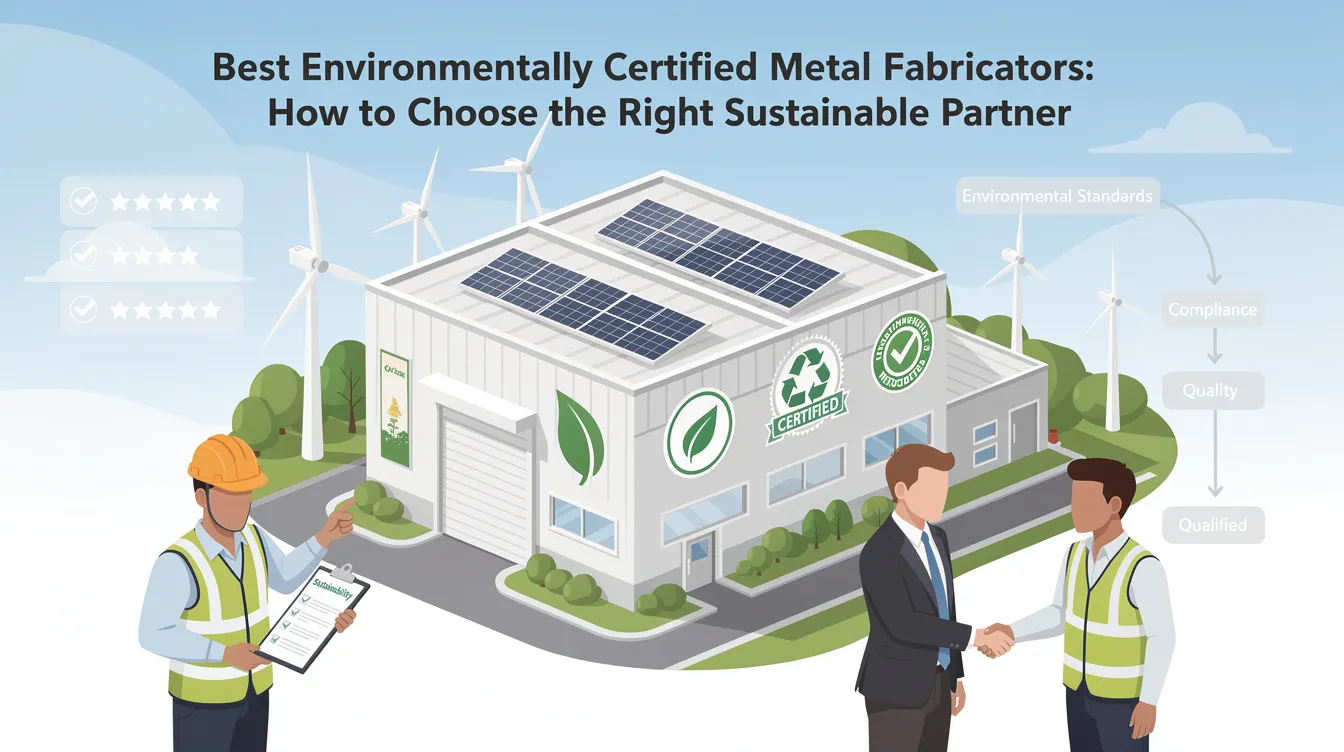
Best Environmentally Certified Metal Fabricators: How to Choose the Right Sustainable Partner
If you are sourcing the best environmentally certified metal fabricators, you need more than marketing promises – you need auditable certifications, real shop-floor data, and clear environmental KPIs. Since 2020, ESG requirements have surged across automotive, aerospace, medical, and electronics supply chains, with OEMs now demanding net-zero roadmaps from every link in their supply chain. An environmentally certified metal fabricator holds formal credentials like ISO 14001:2015, maintains local environmental permits, and tracks sustainability metrics such as energy consumption, waste, and carbon emissions.
Anebon Metal Products Limited is an ISO 9001:2015 and ISO 14001:2015 certified precision metal fabrication and cnc machining provider in Dongguan, China, serving overseas OEMs with tolerances as tight as ±0.002 mm. This article gives you the criteria to evaluate fabricators on environmental impact, recycled materials, energy efficiency, and circular economy practices – then a practical shortlist you can apply immediately.
Quick Checklist: How to Identify the Best Eco-Friendly Metal Fabricators
Before diving deeper, here is a skimmable checklist you can use right now to screen any metal fabricators on your shortlist:
-
Verified environmental management certification (ISO 14001:2015, EMAS, or equivalent). ISO 14001 certification defines criteria for an effective environmental management system.
-
Transparent energy efficiency data – kWh per part, renewable energy share, and energy audits. ISO 50001 Energy Management System also helps reduce energy consumption.
-
Documented use of recycled materials with minimum recycled content targets and closed-loop scrap programs.
-
Lean manufacturing and waste reduction programs (5S, Kaizen, value stream mapping).
-
Modular construction or design-for-disassembly options for enclosure and structural projects.
-
Material selection guidance for low-impact alloys, lightweight metals, and eco friendly coatings like powder coating.
-
Life cycle assessment capability or part-level carbon footprint estimates. Environmental Product Declarations transparently communicate the lifecycle environmental impact of fabricated metals.
-
Supply chain transparency – traceable mill certs, REACH/RoHS compliance, conflict-mineral policies. ResponsibleSteel Certification indicates sustainable sourcing and production, while EcoVadis ratings assess sustainability performance in the metal fabrication industry.
-
Proof of regulatory compliance and clean inspection history.
Anebon meets multiple points on this checklist and shares certification documents during RFQ.
What “Environmentally Certified” Really Means in Metal Fabrication
Terms like “green” and “sustainable” are marketing language unless backed by third-party audited frameworks. ISO 14001:2015 is the global standard that serious manufacturers hold. It requires:
-
Identification of environmental aspects and impacts across all operations
-
Legal compliance with environmental regulations
-
Measurable objectives and continuous improvement targets
-
Documented monitoring of energy use, emissions, waste, and water
Other relevant frameworks include EMAS in the EU, NADCAP for aerospace special processes, and IATF 16949 in automotive. Certification audits review real shop-floor practices – not just policy documents – covering everything from chemical handling to equipment maintenance.
Core Environmental Impacts in Metal Fabrication You Should Ask About
The environmental footprint of metal fabrication extends well beyond carbon footprint. The iron and steel sector accounts for 8% of global energy demand, and steel production must reduce emissions by at least 50% by 2050. Key impact areas include:
-
Energy consumption in CNC machining, welding, laser cutting, and heat treatment
-
Water usage – metal fabrication accounts for 20% of global freshwater consumption
-
Scrap, offcuts, swarf, spent abrasives, and packaging waste
-
Air emissions from cutting, welding fumes, and finishing (VOCs, particulates)
-
Chemical usage in cleaning, plating, and coatings
Understanding these categories helps procurement teams ask suppliers precise, data-driven questions.
Energy Efficiency and Renewable Power in Modern Metal Shops
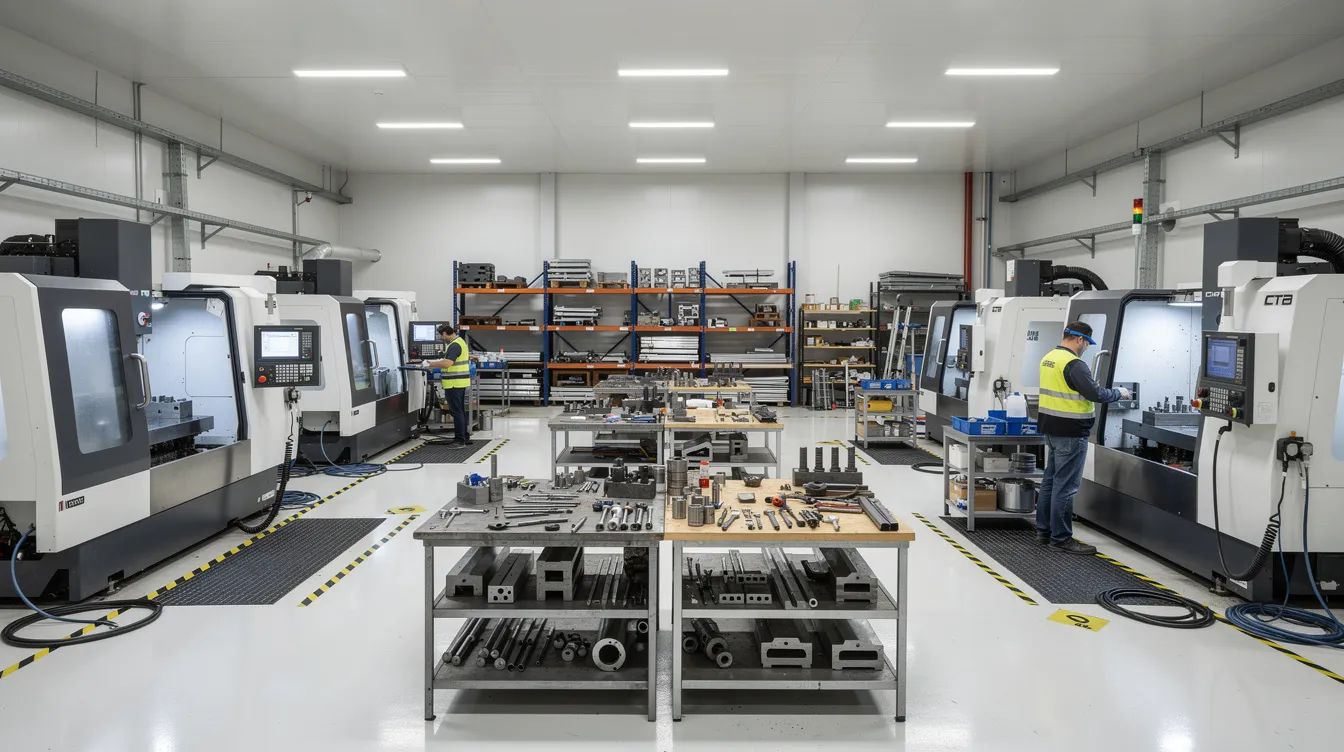
Energy efficient machinery can significantly cut energy consumption in fabrication, and adopting clean technologies can reduce energy use by 20-30%. Top metal fabricators deploy high-efficiency motors, variable frequency drives, and servo systems on CNC equipment. Optimized toolpaths reduce spindle idle time, and smart scheduling runs heavy loads during off-peak or high-renewable grid periods. Facility upgrades – LED lighting, insulation, compressed-air leak programs – further conserve energy.
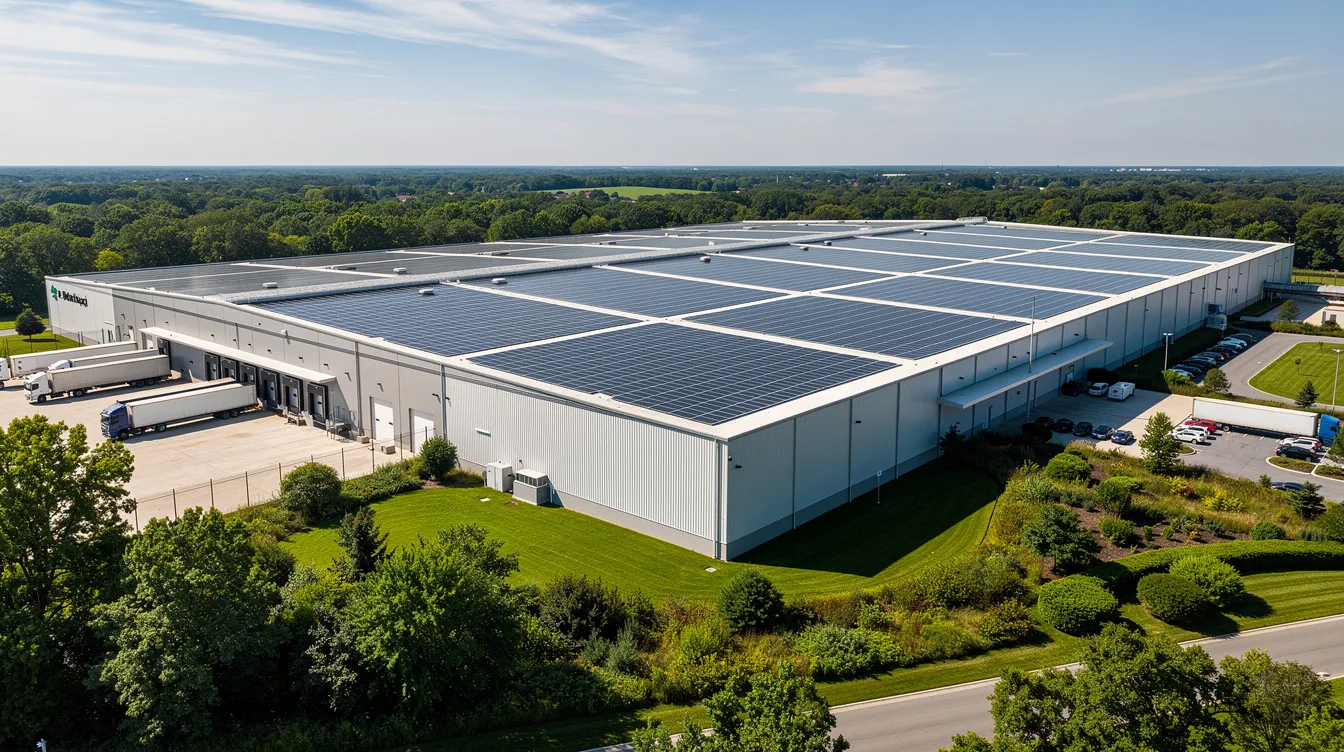
Clean manufacturing technologies include energy-efficient equipment like electric arc furnaces, which reduce energy consumption by using recycled steel. Many manufacturing facilities across East Asia and Europe have been installing solar panels since 2018-2022 to offset machining power demand, with wind power supplementing grid supply in several regions. Anebon’s ISO 14001 system supports tracking energy costs per part and driving continuous improvement in energy use.
Recycled Materials and Circular Economy Practices in Metal Fabrication
Circular economy practices mean designing waste out, keeping materials in circulation, and regenerating resources. Steel is the most recycled material globally, with nearly no waste, and recycled steel can be reused an infinite number of times without degradation. Recycling steel uses 60% less energy than producing new steel from raw materials, while using recycled aluminum saves up to 95% of energy compared to new production. Using recycled materials reduces the need for new raw materials – electric arc furnaces use recycled scrap steel to lessen energy consumption, and recycling programs utilize scrap metal as a primary raw material.
The best metal fabricators source coils and billets with documented recycled content, segregate in-house scrap by alloy, and return materials to certified recyclers. High percentages of recycled scrap are enforced in responsible sourcing policies. Since about 2020, automotive and construction industries specify minimum recycled content. Implementing closed-loop recycling can significantly lower waste. Anebon supports customer requests for specific grades and helps optimize material selection – including sheet metal precision parts – to increase sustainability while maintaining mechanical performance.
Lean Manufacturing and Waste Reduction on the Shop Floor
Lean manufacturing principles help reduce material waste while cutting cost and rework. Advanced metal fabricators use 5S for cleaner work areas, just-in-time production to avoid overproduction, value stream mapping to find energy and material bottlenecks, and standardized work to reduce scrap. Waste reduction and recycling programs are core parts of environmental programs in sustainable metal fabrication.
Optimizing nesting in sheet metal fabrication can reduce offcut scrap by 5-15%. Tightening CNC programming and first-article inspection drops reject rates dramatically. Anebon applies lean principles across cnc machining, die casting, and sheet metal processes to deliver both reducing waste and lower environmental impact.
Eco Friendly Finishing, Pollution Prevention, and Worker Safety
Finishing is often a hidden source of environmental harm. Responsible fabricators adopt sustainable practices including switching from solvent-based paints to low-VOC powder coating, using aqueous cleaners instead of chlorinated solvents, and installing fume extraction and filtration systems. Closed-loop rinse systems cut water use in plating or anodizing operations. Worker safety – ventilation, PPE, training – is integral to environmental responsibility. Anebon supplies surface treatments through controlled, certified processes aligned with RoHS and REACH frameworks.
Design for Sustainability: Material Selection, Lightweighting, and Modular Construction
Many environmental gains happen at the design stage. Choosing high-strength, low-alloy steels or advanced aluminum grades allows thinner sections and lighter steel components. Using advanced materials can reduce resource use and improve durability. Corrosion-resistant options like stainless or titanium extend product life. Lightweighting gives automotive, robotics, and aerospace customers a competitive edge through lower fuel or energy consumption in service.
Modular construction and design-for-disassembly – bolted frames, clipped enclosures – enable repair, upgrade, and recycling at end of life, serving future generations. Anebon’s DFM support lets engineers collaborate early with OEM clients to align material selection, tolerance, and process choices with sustainability and cost targets.
Water Conservation and Responsible Chemical Management
Implementing water-saving technologies can reduce water use by 70%. Leading practices include closed-loop chillers, coolant recycling, filtration and treatment of process water before discharge, and precise automated chemical dosing. An ISO 14001:2015 certified shop like Anebon must document and control significant environmental aspects including water and chemicals – creating accountability that traditional methods lack.
Digitalization, Smart Manufacturing, and Real-Time Environmental Monitoring
Smart manufacturing connects machines and sensors to track energy and compressed air use per job, monitor scrap rates in real time, and schedule predictive maintenance to prevent leaks and inefficient operation. Digital dashboards and MES/ERP integration give OEM clients visibility into environmental metrics alongside throughput. Forward-looking fabricators combine these advanced technologies with lean techniques for continuous improvement. Anebon uses CNC, 5-axis machining, and digital process controls to support both precision and eco friendly practices, helping manufacturers stay ahead.
Global vs Local: How to Compare Environmental Performance Across Regions
The best environmentally certified metal fabricator for your next project may be overseas. Compare suppliers on grid carbon intensity, shipping mode (sea freight emits roughly 2-5g CO₂ per tonne-km versus 500-800g for air), and total lifecycle impact. Anebon’s Dongguan location offers efficient export logistics and integrated supply chains that, for many projects, offset transport impacts when paired with low-waste fabrication process efficiency and strong environmental responsibility.
How Anebon Implements Environmentally Responsible Metal Fabrication
Anebon holds ISO 9001:2015 and ISO 14001:2015 certifications with regular third-party audits, covering precision CNC milling, CNC turning, 5-axis machining, die casting, and sheet metal fabrication. Key eco friendly practices include lean manufacturing to reduce scrap across prototyping and production, careful material sourcing for aluminum, stainless steel, titanium, and engineering plastics, and efficient equipment that lowers energy use per part.
For example, an electronics OEM switched an enclosure from stainless steel to high recycled-content 6061-T6 aluminum with Anebon’s engineering support – cutting mass by 35% and machining energy by 30%. A robotics client reduced reject rates from 5% to 1% through tighter process control, slashing material waste by over 20%. Anebon provides traceable documentation for materials, surface treatments, and certifications to support ESG compliance – helping clients choose the right manufacturing partner.
Key Questions to Ask Potential Metal Fabrication Partners
Standardize your RFQ templates with sustainability questions:
-
Can you share your current ISO 14001:2015 certificate and scope?
-
What percentage of electricity came from renewable or low-carbon sources last year?
-
How do you handle scrap metal, cutting fluids, and process waste?
-
What recycled content levels can you support for 6061 aluminum or 304 stainless?
-
Which lean manufacturing initiatives produced measurable results in the last three years?
-
Do you offer design support to reduce part count, material usage, or assembly time?
-
How do you ensure RoHS/REACH and customer-specific environmental compliance?
-
Can you provide per-part metrics for energy, water, and scrap rates?
-
What ethical practices govern your material sourcing and conflict minerals policy?
Incorporate these when engaging fabricators like Anebon to embrace sustainability from the RFQ stage.
Future Trends in Eco Friendly Metal Fabrication
Environmental expectations will keep rising through 2030. Key trends: 3D printing minimizes material waste in metal fabrication while enabling complex geometries. Carbon capture can trap CO₂ from industrial processes, and green hydrogen generates water vapor instead of CO₂ in steel production. Data-driven LCAs and product carbon footprints are entering RFQs. Circular economy contracts – where fabricators take back scrap – and ESG-linked green finance will reward lower industry’s carbon footprint. Fabricators investing in these trends now, using less energy and adopting clean technologies that can significantly lower carbon emissions, will deliver a healthier planet and a competitive edge for OEM partners. The steel industry must continue its push to reduce emissions, and producing new steel from scrap using 60% less energy is one proven path forward.
Conclusion: Choosing the Right Environmentally Certified Metal Fabricator
The best environmentally certified metal fabricators combine verified certifications with on-the-floor sustainable practices – lean manufacturing, recycled materials, energy efficiency, responsible sourcing, and engineering support at the design stage. Anebon’s combination of ISO 14001 certification, precision CNC and sheet metal fabrication, and DFM support exemplifies what OEMs should demand from every supplier.
Ready to align your next project with your sustainability efforts? Request a quote from Anebon and share your environmental goals upfront so the team can shape material selection and process choices accordingly. Long-term partnerships built on both innovation and environmental responsibility are how this industry moves forward.