Top Die Casting Companies China

Top Die Casting Companies China
China’s die casting industry is not just large – it is the dominant global force. With an aluminum die casting market estimated at around USD 4.8 billion in 2025 and a forecasted CAGR of 7.5–8.0% through 2033, the country houses everything from precision machine shops producing small zinc die cast parts to gigacasting facilities pressing 16,000-ton structural EV underbodies. China’s die casting manufacturing sector includes automotive and precision machine shops spanning a broad range of scales, and the 2024–2026 period has been particularly transformative due to surging EV demand, telecom infrastructure buildouts, and industrial automation growth.
This article focuses specifically on top die casting companies in China that serve overseas OEMs – manufacturers in China offering aluminum die casting, zinc alloy casting, and integrated CNC machining and surface treatment under quality systems acceptable to North American, European, and Japanese buyers. Aluminum is the most common alloy used in die casting, but zinc and magnesium die casting play important roles in specific segments. Leading die casting companies in China vary significantly by scale and specialty, and understanding those differences is the key to smart sourcing.
We present Anebon Metal Products Limited first as a benchmark one-stop casting manufacturer, then profile major players across automotive structural, telecom, EV energy, zinc miniature, and integrated casting categories. By the end of this guide, you will have a clear shortlist framework. Here is a quick preview of the companies covered:
-
Anebon Metal Products Limited – Dongguan, Guangdong – Aluminum & zinc, precision CNC machining
-
Wencan Group Co., Ltd – Foshan/Nantong, Guangdong – Aluminum, large-tonnage automotive
-
Guangdong Hongtu Technology Co., Ltd – Zhaoqing, Guangdong – Aluminum, gigacasting & NEV
-
Sunrise Metal – Jiangsu – Aluminum & zinc, export-focused
-
Chongqing Millison Technologies Inc. – Chongqing + multiple sites – Aluminum, EV & energy
-
EMP Tech Co., Ltd – Zhaoqing, Guangdong – Aluminum, leak-sensitive precision casting
-
Ningbo-area clusters (DeLeon/Delron, PTJ, others) – Zhejiang – Aluminum & zinc, industrial parts
-
Minghe and similar integrated groups – Multiple provinces – Multi-process casting & machining
-
YuanZhong and zinc specialists – Zhejiang/Guangdong – Zinc alloy miniature & decorative
-
IKD Co., Ltd / Yangzhou Kaixiang / Lijia Group – Automotive aluminum structural
Anebon Metal – One-Stop Precision Die Casting & CNC Machining Partner (Dongguan)
Anebon Metal Products Limited is a trusted die casting manufacturer and precision CNC supplier that has served overseas OEMs in automotive, robotics, medical devices, electronics, and industrial machinery since its founding in 2010. Located in Dongguan, Guangdong, the company operates modern casting equipment alongside multi-axis CNC machining centers – including 5-axis capabilities – and holds both ISO 9001:2015 certification (ensuring quality management systems) and ISO 14001:2015 certification (addressing environmental management systems).
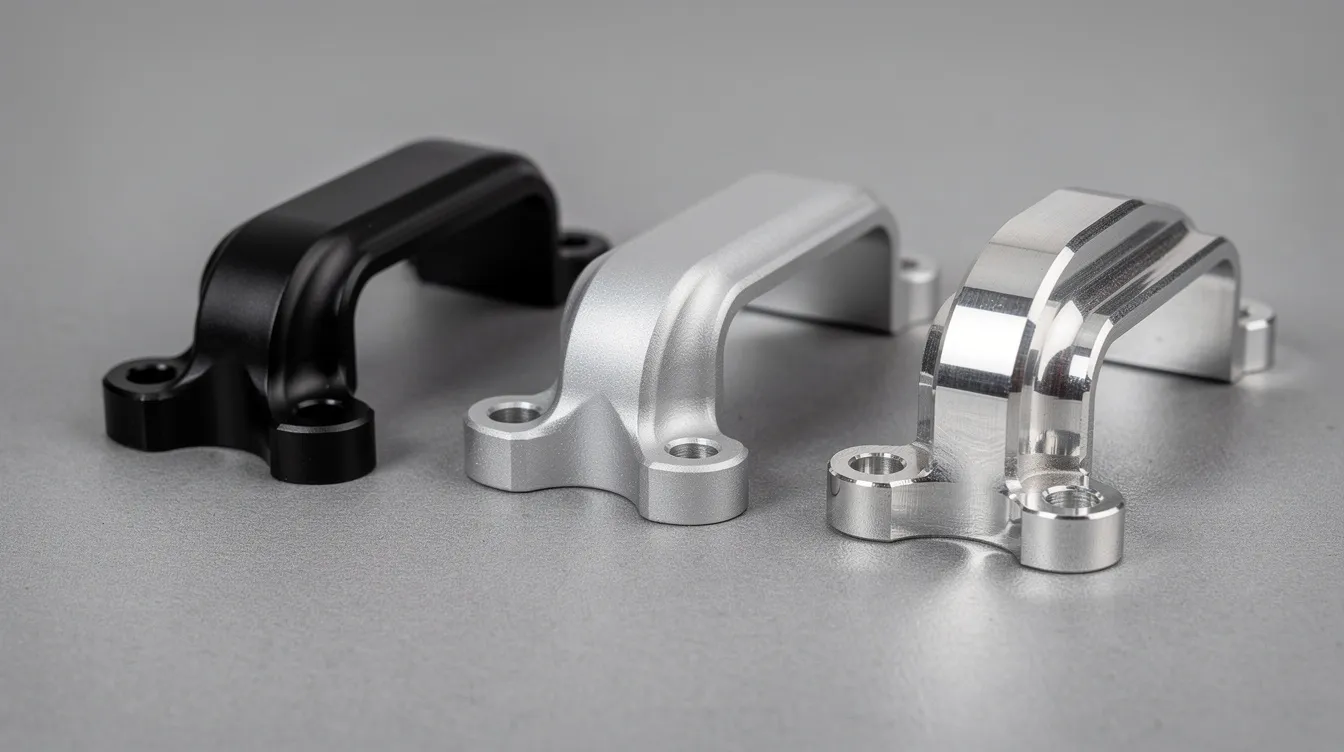
Anebon’s aluminum die casting and zinc alloy high pressure die casting capabilities cover cold chamber die casting for aluminum alloys and hot chamber die casting for zinc where applicable. Aluminum die casting parts produced here are lightweight and corrosion-resistant, making them well-suited for housings, brackets, heat sinks, and structural enclosures across industrial applications.
What sets Anebon apart for smaller and mid-volume overseas buyers is the integrated casting process chain: DFM support, die design, in house tooling manufacture, die casting, CNC milling and turning, 5-axis precision machining, deburring, and surface treatment including anodizing, powder coating, and plating. CNC machining tolerances can be as precise as ±0.002 mm on critical features, which allows Anebon to deliver die cast parts that meet exacting dimensional requirements without outsourcing post-processing. The company communicates in English throughout the project lifecycle and supports rapid prototyping before committing to full production scale tooling.
Top Die Casting Companies in China: Quick Comparison Snapshot
This section provides a quick-reference overview of the leading die casting companies in China covered in this article. Use it to shortlist three to five candidates before performing deeper audits based on your part size, tolerance needs, alloy, and volume requirements. Common alloys for die casting include aluminum, zinc, and magnesium, and the companies below span all three.
-
Anebon Metal Products Limited (Dongguan, Guangdong) – Aluminum & zinc alloy high pressure die casting, cold chamber and hot chamber, in-house CNC machining and surface finishing. Best for small-to-medium precision industrial parts and overseas OEM projects.
-
Wencan Group Co., Ltd (Foshan/Nantong) – Large-tonnage aluminum die casting for automotive structural and powertrain parts. High pressure casting, low pressure casting, gravity casting. IATF 16949 certified.
-
Guangdong Hongtu Technology Co., Ltd (Zhaoqing) – Ultra-large aluminum gigacasting (presses up to 16,000T). NEV underbodies, battery trays, telecom enclosures. In-house machining and alloy development.
-
Sunrise Metal (Jiangsu) – Export-oriented aluminum and zinc die casting with CNC machining and surface treatment. Telecom, medical, industrial equipment focus.
-
Chongqing Millison Technologies Inc. (Chongqing + Hubei, Dongguan, Anhui) – High pressure aluminum die casting up to 8,800T. EV energy storage, automotive components. Multi-site production lines.
-
EMP Tech Co., Ltd (Zhaoqing) – Precision aluminum die casting with 150+ CNC centers. Leak-sensitive housings, vacuum HPDC, X-ray inspection. IATF 16949 certified.
-
IKD Co., Ltd (Ningbo) – Small-to-medium precision aluminum automotive components. Steering, braking, and wiper system parts.
-
Lijia Group Co., Ltd (Jiangsu) – Automotive aluminum structural and engine parts at scale.
-
YuanZhong and zinc specialists (Zhejiang/Guangdong) – Miniature zinc die casting, decorative and electronics hardware.
1. Wencan Group Co., Ltd – Large-Tonnage Automotive Aluminum Die Casting
Wencan Group is a Shanghai-listed Chinese leader in automotive aluminum die casting, with 2025 revenues of approximately RMB 5.90 billion. The company supplies structural and powertrain components to major OEMs including European automakers and Chinese NEV brands, making it one of the most significant casting companies in the automotive sector.
Wencan’s high pressure die casting focus centers on very large casting machines – multi-thousand-ton presses – used for battery housings, body-in-white structural parts, motor housings, and chassis automotive components. The company employs various casting processes depending on application requirements: high pressure die casting for complex thin wall structural parts, low pressure casting for components requiring superior mechanical properties, and gravity casting for specific thick-section applications. Wencan has also adopted vacuum die casting and large integrated casting for EV platform structures.
For buyers, the key advantages are clear: capability for large structural castings in custom aluminum configurations, strong automotive quality systems such as IATF 16949, and deep experience in lightweighting programs. This is a casting company best suited for Tier-1 and Tier-2 automotive customers needing high volumes and long-term platform support, rather than small mixed-batch industrial programs.
2. Guangdong Hongtu Technology Co., Ltd – New-Energy Vehicle & Communications Castings
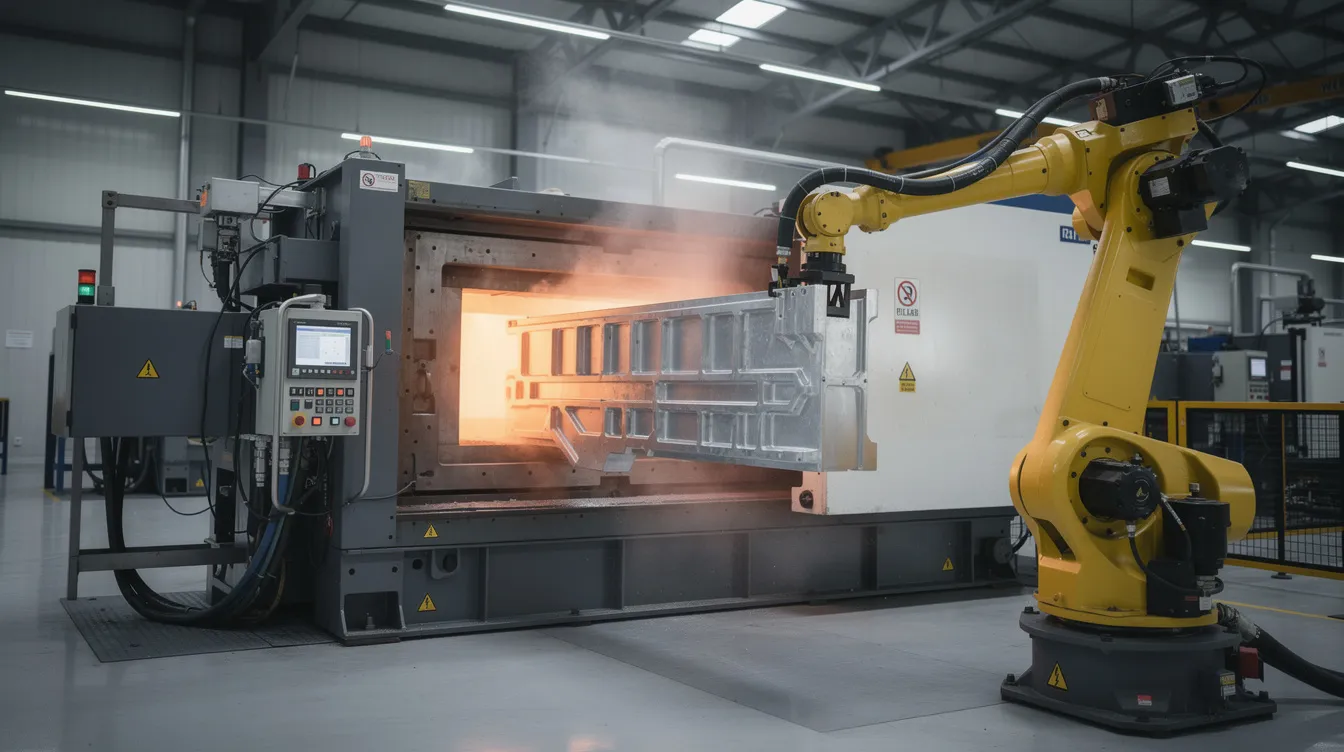
Guangdong Hongtu Technology is a publicly listed, state-affiliated aluminum die casting company that has pushed to the forefront of gigacasting – the manufacturing process of producing entire vehicle structural sections in a single shot. With 2025 revenues around RMB 9.198 billion, Hongtu operates some of the world’s largest casting equipment, including a 16,000-tonne gigacasting press alongside 12,000T and 7,000T cells.
The company serves new-energy vehicles, traditional automotive platforms, telecom base-station housings, and construction machinery markets. Its advanced die casting machines produce large structural castings such as EV underbodies, rear floors, and battery trays in single-piece aluminum die configurations that would traditionally require dozens of stamped and welded components.
Hongtu’s emphasis on alloy development – particularly heat-treatment-free high-strength aluminum alloy formulations – reduces cycle time and energy consumption. Digitalized production management supports traceability and consistent quality at massive production scale. International buyers should consider Hongtu for very high volumes and platform programs requiring ultra-large integrated castings. For more flexible, lower-volume custom work, a shop like Anebon or Sunrise Metal may be a more responsive manufacturing partner.
3. Sunrise Metal – Export-Focused Aluminum and Zinc Die Casting
Sunrise Metal is a Jiangsu-based die casting manufacturer recognized among overseas buyers for aluminum die casting, zinc die casting, and precision machining services. The company provides a casting service oriented toward international projects, with an English-speaking engineering team, export logistics experience, and documentation including PPAP, FAI, and material traceability reports.
Core capabilities include aluminum high pressure die casting, zinc alloy hot chamber die casting, in house tooling, CNC machining, CMM inspection, and surface finishing for telecom, medical equipment, and industrial products. Sunrise’s strength lies in medium to high precision casting for housings and enclosures requiring dimensional stability, tight flatness, and attractive surface finish ready for anodizing or powder coating.
Compared to Anebon, Sunrise shares the one-stop approach – design through finishing – but differs in geographic location, production scale, and degree of specialization. Both companies serve overseas OEMs effectively; the choice often comes down to specific part requirements, alloy expertise, and responsiveness during the quoting and DFM stages.
4. Chongqing Millison Technologies Inc – High-Pressure Die Casting for EV and Energy
Founded in 2001, Millison operates four major production bases in Chongqing, Xiangyang (Hubei), Dongguan, and Anhui, with total plant area exceeding 680,000 m² and over 6,000 employees. The company is a specialist in high pressure aluminum die casting and precision machining, serving the automotive sector, energy storage, and telecommunications.
Millison’s integrated service scope covers mold design and manufacturing, the aluminum die casting process, CNC machining, surface treatment (painting, powder coating, impregnation), and assembly. Representative products include inverter housings, battery trays, motor housings, and structural supports that demand leak-tightness and dimensional control.
The company’s casting equipment ranges from 350-ton up to 8,800-ton presses. Millison completed trial mold production on its 8,800T die casting machine in April 2022 and began mass production with a 7,000-ton press in early 2023. Designed annual capacity reaches approximately 30,000 tonnes, with current operational output around 25,000 tonnes per year. Automated casting cells, process control systems, and an ASI (Aluminium Stewardship Initiative) audit demonstrate environmental and quality commitments that overseas OEMs increasingly require.
This company fits buyers seeking an established, high-volume aluminum die casting supplier with a strong focus on EV and energy-related cast parts and the machine capacity to handle large structural castings.
5. EMP Tech Co., Ltd – Complex Leak-Sensitive Aluminum Die Castings
EMP Tech, founded around 1990, is a leading provider of high pressure aluminum die casting combined with precision CNC machining and metrology for export markets. The company holds IATF 16949 certification (focusing on automotive quality standards), ISO 9001:2015, and ISO 14001, positioning it for demanding global automotive and EV programs.
Key capabilities include in house tooling design, DFM and mold-flow analysis, multi-cavity tooling, 13 high pressure die casting machines ranging from 350T to 3,050T, and over 150 CNC machining centers including 5-axis systems. This casting equipment mix allows EMP to produce both medium and large format aluminum parts – from motor housings and battery enclosures to smaller electronic housings requiring tight tolerances.
EMP specializes in leak-sensitive and dimension-critical housings for hydraulic, pneumatic, drivetrain, and EV applications. The company manages porosity through vacuum-assisted HPDC, optimized gating and venting, and controlled cooling – backed by X-ray/NDT inspections, Zeiss CMMs, leak testing, and spectrum analysis. This level of process control distinguishes EMP from many typical Chinese die casting companies where porosity management remains inconsistent.
International sourcing managers should consider EMP as a candidate when they need automotive-grade precision casting backed by structured quality systems and a broad range of secondary operations.
6. Ningbo-Area Die Casting Clusters – DeLeon/Delron, PTJ, and Similar Suppliers
Ningbo in Zhejiang province is one of China’s densest die casting clusters, particularly for aluminum die casting and zinc alloy components for automotive, lighting components, and industrial equipment. The region benefits from a mature local supply chain for tooling steel, casting equipment, and surface treatment services.
Ningbo DeLeon / Delron Industrial Co., Ltd operates as a full-service aluminum die casting company offering die design, tooling, die casting, CNC turning and milling, honing, and final assembly. Its strength lies in combining casting with substantial machining for complex housings and brackets. PTJ and comparable specialists focus on small to medium precision parts, often using hot chamber machines for zinc and cold chamber equipment for aluminum.
The Ningbo area also includes a range of smaller but capable firms. Ningbo Yujun, for example, was established in 2014 and covers 3,000–5,000 m², while Zhejiang Yulong operates a facility exceeding 30,000 m². Global Metal Plastic was founded in 2005 and spans 5,000–10,000 m². These varied facility sizes reflect the cluster’s diversity – from compact specialist shops to larger-scale operations.
Ningbo suppliers are typically strong for mid-volume casting programs, complex housings or brackets requiring both die casting and CNC machining, and flexible MOQs that suit industrial parts buyers who cannot commit to the enormous volumes demanded by gigacasting groups.
7. Integrated Die Casting Groups (Minghe and Similar One-Stop Companies)
Some die casting groups position themselves as “round service” providers – handling everything from die casting and CNC machining to mold making and surface treatment in a single organization. Minghe Die Casting Company is one example, offering cold chamber machines up to approximately 3,000T, hot chamber machines for zinc, and multi-axis CNC machining centers under ISO 9001 and IATF 16949 compliance.
The typical workflow at these integrated groups follows a clear sequence: DFM review, tooling manufacture, trial sampling, trimming of excess material, drilling and tapping, deburring, surface treatment, final inspection, packing, and export logistics. This end-to-end control reduces handoff risks and compresses lead times.
Several other integrated operations populate this category. Suzhou Xiyi operates a manufacturing base larger than 30,000 m², while L-TOOLING has been in operation since 1996 and covers 10,000–30,000 m². These firms attract foreign OEMs whose projects span multiple casting processes – such as aluminum die casting plus sand casting or investment casting – or programs needing both metal and some plastic injection molding under a single supplier.
When comparing integrated groups with a focused precision shop like Anebon, the trade-off is between scale and variety on one hand and tightly targeted engineering support on the other. A shop focused on precision casting and CNC machining may deliver faster iteration on complex tolerance-critical parts, while an integrated group offers breadth for multi-component programs.
8. Zinc Alloy and Miniature Die Casting Specialists (e.g., YuanZhong and Similar)
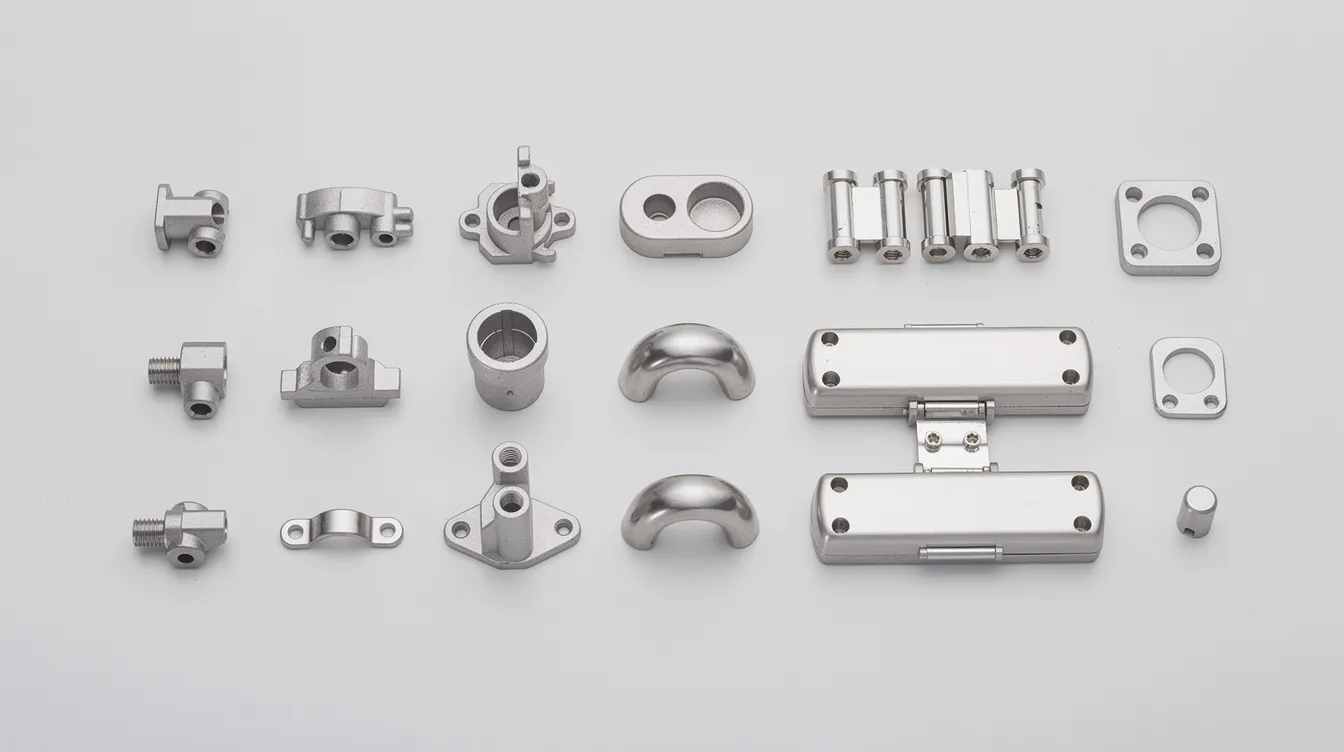
Zinc die casting is a key segment in China, used for miniature components, consumer hardware, electronics connectors, and decorative parts. Zinc alloys are favored for smaller, high-accuracy parts because of their excellent fluidity, which allows the metal casting process to fill intricate die cavity geometries with thin wall sections that aluminum cannot always achieve.
YuanZhong is a representative zinc die casting company specializing in miniature zinc die cast parts using multi-slide high-speed die casting machines for components in the 3g–5kg range. Zinc alloy die casting is suitable for precision hardware components requiring sharp edges, fine textures, and superior surface finishing straight from the mold.
The difference between multi-slide and conventional hot chamber die casting is significant: multi-slide machines use multiple slides approaching the die cavity from different directions, enabling very complex small zinc parts with extremely short cycle times. Conventional hot chamber machines handle a broader range of zinc alloy part sizes.
Supporting services at these specialists typically include in-house CNC machining for post-processing, sand blasting and powder coating, and outsourced electroplating for decorative and corrosion resistance finishes. Dongguan Xinghang Precision Hardware, established in 2017 and covering 5,000–10,000 m², is another example of a newer entrant focused on small precision zinc and aluminum components.
These suppliers are best for buyers needing large volumes of small zinc components with tight dimensional accuracy, consistent wall thickness, and cosmetic surfaces – not large structural aluminum die castings.
9. Automotive-Oriented Aluminum Die Casting Groups (IKD, Yangzhou Kaixiang, Lijia Group)
Several Chinese die casting companies operate almost exclusively in the automotive sector, providing engine, transmission, steering, and braking parts in high volume with dedicated production lines.
-
IKD Co., Ltd (Ningbo, Zhejiang) is a precision aluminum die casting manufacturer ranked #4 by revenue in China’s aluminum die casting segment (~RMB 7.96 billion in 2025). IKD covers tooling, casting, machining, heat treatment, and surface treatment for automotive systems including steering, braking, and wiper assemblies.
-
Yangzhou Kaixiang Precision Casting Technology Co., Ltd manufactures aluminum transmission housings and related parts, operating multiple high pressure die casting production lines and precision machining centers for both conventional and NEV platforms.
-
Lijia Group Co., Ltd offers aluminum die casting, stamping, and complementary metal processing for engine and transmission automotive components at scale, serving as a one-stop casting manufacturer for major vehicle OEMs.
These groups are appropriate when working directly with vehicle OEMs or Tier-1 suppliers and when volumes justify dedicated casting and machining lines. Smaller industrial OEMs producing power tools, industrial machinery, or robotics components may find more flexibility and responsiveness with shops like Anebon or Sunrise that are structured for diverse project types and moderate volumes.
10. How to Evaluate a Chinese Die Casting Company for Your Project
The “top” die casting companies are not universally best – suitability depends on part geometry, alloy, surface quality, and production volume. Here is a structured approach to evaluating any die casting manufacturer for your die casting project.
Equipment and process fit. Match your part requirements to the supplier’s die casting machine range. If your part has a large projected area (battery tray, underbody section), you need presses above 5,000T. For smaller housings and brackets, 300T–3,000T cold chamber machines suffice. Die casting typically uses hot-chamber or cold-chamber machines; cold chamber die casting is used for higher melting point metals like aluminum, while hot chamber serves zinc alloys. Assess a supplier’s machine capacity and scalability through current utilization and expansion plans.
Tooling and engineering. The evaluation should consider engineering support and DFM feedback capabilities. Can the supplier perform mold-flow simulation? Do they build molds in-house? Evaluate tooling ownership and maintenance policy to avoid issues like dimensional drift over long production runs. Total landed cost includes part price, tooling, machining, finishing, and packaging – request a complete breakdown.
Certifications. ISO 9001:2015 certification ensures quality management systems. IATF 16949 certification focuses on automotive quality standards and is mandatory for structural automotive work. ISO 14001:2015 certification addresses environmental management systems. Verify the certificate number and its coverage for the actual factory and process – not just a parent company or different site.
Export readiness. Evaluate export experience and familiarity with international shipping terms. Documentation of communication and project management can indicate supplier reliability. Finding a supplier with proven experience in required alloys is crucial for material compliance.
Verification steps. A factory audit is recommended before committing to a significant production program. Request sample orders, review X-ray/CT reports for porosity, verify leak-testing procedures, and require PPAP documentation where relevant. A high precision die casting supplier should be willing to share all of this transparently.
11. Capabilities to Look For: Casting Equipment, Machining, and Surface Treatment
The best die casting companies combine modern casting equipment with strong CNC machining and surface treatment to deliver near-ready components. Die casting services include design, tooling, and finishing – and a supplier that controls this full chain under one quality system reduces risks and lead times.
Casting equipment checklist:
-
Cold chamber machines for aluminum die casting (160T–3,000T+ for standard parts; above 5,000T for large structural castings)
-
Hot chamber machines for zinc alloys
-
Automation: robotic extraction, spray systems, automated trim presses
-
Vacuum-assisted HPDC for porosity-critical parts
-
Advanced die casting machines with real-time process monitoring
Machining capabilities:
-
3-, 4-, and 5-axis CNC milling and CNC turning
-
Grinding, tapping, honing for functional surfaces
-
Secondary operations such as CNC machining and surface treatments help achieve tight tolerances – look for suppliers that can hold ±0.002 mm on critical features
-
Quality assurance includes dimensional inspection and material verification; CMM capabilities support precise quality control in manufacturing
Surface treatment options:
-
Anodizing for corrosion resistance and aesthetics
-
Powder coating for durable protective finishes
-
Plating (chrome, nickel, zinc) for decorative or functional needs
-
Painting, passivation, polishing, and shot blasting
-
Surface treatments include anodizing, powder coating, and plating as the most commonly requested by overseas OEMs
Aluminum die casting parts have high thermal and electrical conductivity, which makes surface finishing choices important for both functional performance and visual quality. Favor suppliers that can control most of the chain – tooling, die casting services, machining, surface finishing, and assembly – under one quality system.
12. Die Casting Process & Design Tips When Working with Chinese Manufacturers
This section offers practical guidance on designing parts for the die casting process when sourcing from China – applicable whether you work with Anebon or any other top casting company.
The die casting process works by forcing molten metal – typically aluminum alloy or zinc alloy – into hardened steel dies under high pressure. The molten metal fills the die cavity, solidifies rapidly, and the part is ejected, trimmed of excess material, and sent for machining or surface treatment. This metal casting process is ideal for mass production of complex parts with high dimensional accuracy. The A380 aluminum alloy is widely used for its corrosion resistance, while ADC12 and AlSi10MnMg serve specific structural and thermal applications.
Key DFM design guidelines:
-
Maintain consistent wall thickness to prevent shrinkage and porosity
-
Apply proper draft angles (typically 1–3° for external surfaces)
-
Design ribs and bosses with appropriate fillet radii to improve metal flow
-
Place gates and overflows strategically to control flow and reduce porosity
-
Avoid undercuts where possible; use sliding cores only when necessary
-
Die steel grade and expected die life are crucial factors – discuss these early with your casting manufacturer
Die casting can produce complex parts with high dimensional accuracy, but achieving that accuracy depends on early collaboration. Working with the die casting manufacturer’s engineering team on mold design, mold-flow simulation, and prototype machining before committing to production tooling significantly reduces tooling changes, scrap, and long-term cost. Various casting processes exist beyond HPDC – including lost wax casting, permanent mold casting, sand casting, and low pressure casting – and a knowledgeable supplier will recommend the right process for each part geometry and alloy.
Leverage your supplier’s DFM feedback on aluminum alloy choice, tolerance strategy (which features truly require precision machining versus as-cast dimensions), and surface requirements to optimize cost and performance.
13. How Anebon Metal Supports Overseas OEMs from Prototype to Mass Production
Anebon Metal Products Limited serves as a B2B manufacturing partner that bridges rapid prototyping and mass production die casting for international brands. The company’s strength lies in handling the full lifecycle – from first concept to series shipment – under one roof with consistent engineering communication.
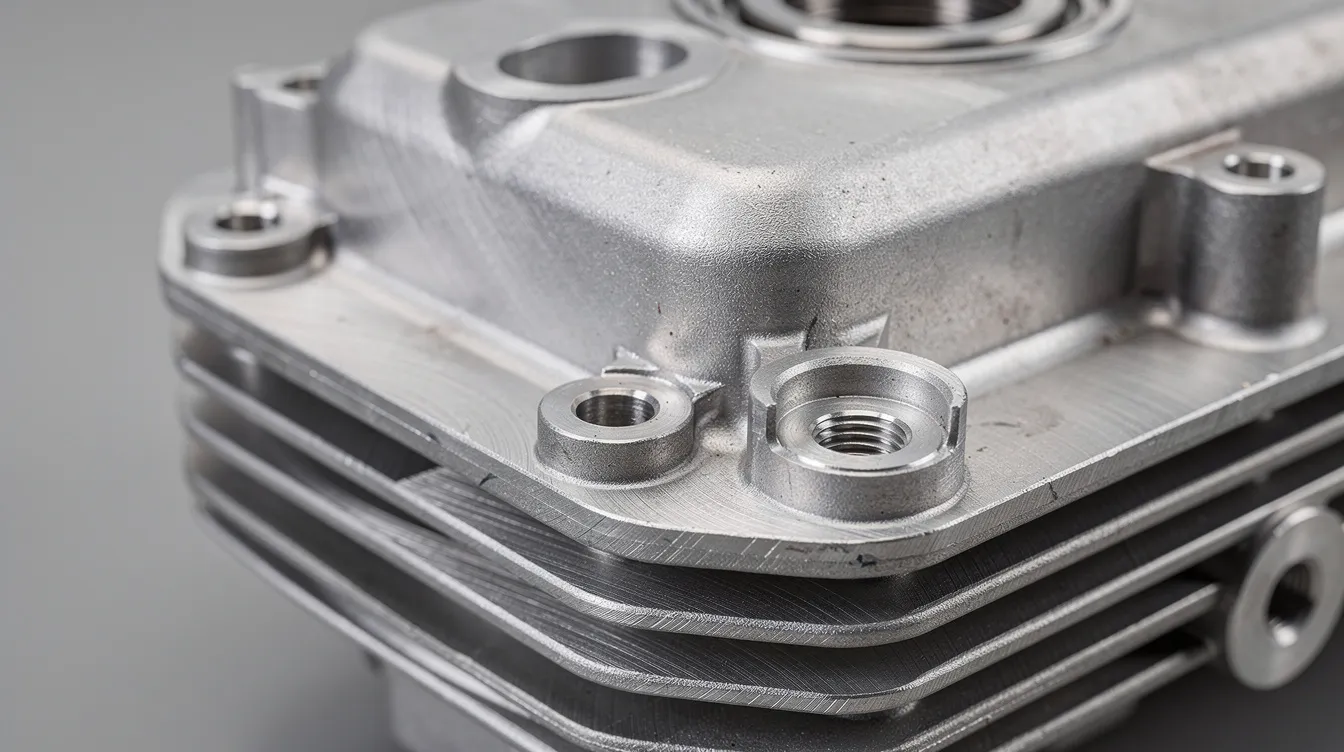
A typical Anebon project follows this path: early design consultation with DFM feedback, rapid prototypes via CNC machining or 3D printing, pre-tooling feasibility checks, die design and manufacture, trial shots with dimensional validation, and iterative refinement before committing to high-volume runs. Manufacturers often provide rapid prototyping and assembly services, and Anebon’s integration of these stages minimizes handoff delays.
Quality assurance relies on CMM inspection, material certificates, and process capability studies to stabilize series production. Anebon also provides precision CNC machining for tight features, sheet metal fabrication for complementary parts, and final assembly and packaging for ready-to-install assemblies – making it a single-source option for overseas OEMs who want to simplify their supply chain.
If you are evaluating die casting companies for your next project, send your 2D/3D files, alloy requirements, expected annual volume, and surface treatment needs to Anebon for a tailored quotation and DFM review. The engineering team works daily with EU, US, and Japan quality standards – and getting a detailed proposal costs nothing but an email.