Top Custom Machining Services for Precision Parts and Components
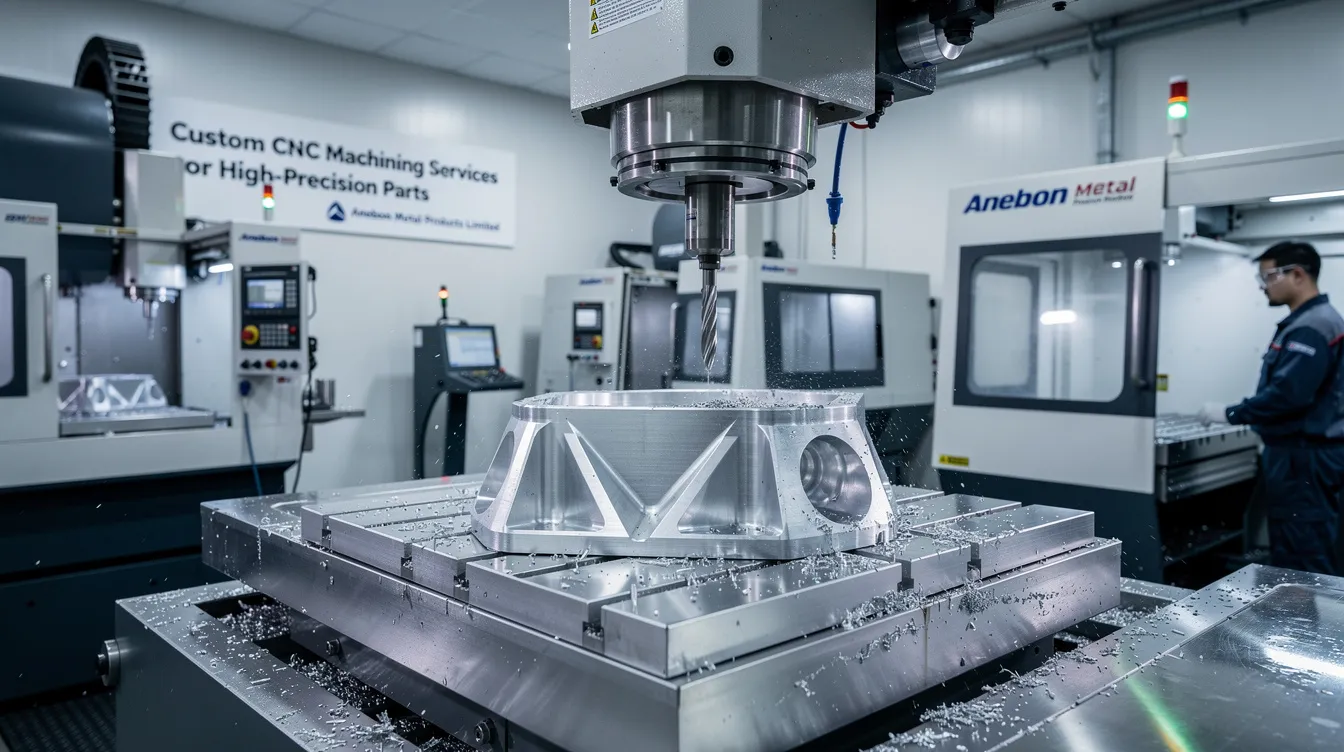
Custom CNC Machining Services for High-Precision Parts | Anebon Metal Products Limited
Custom CNC Machining at Anebon – Fast Quote, Tight Tolerances, Global Delivery
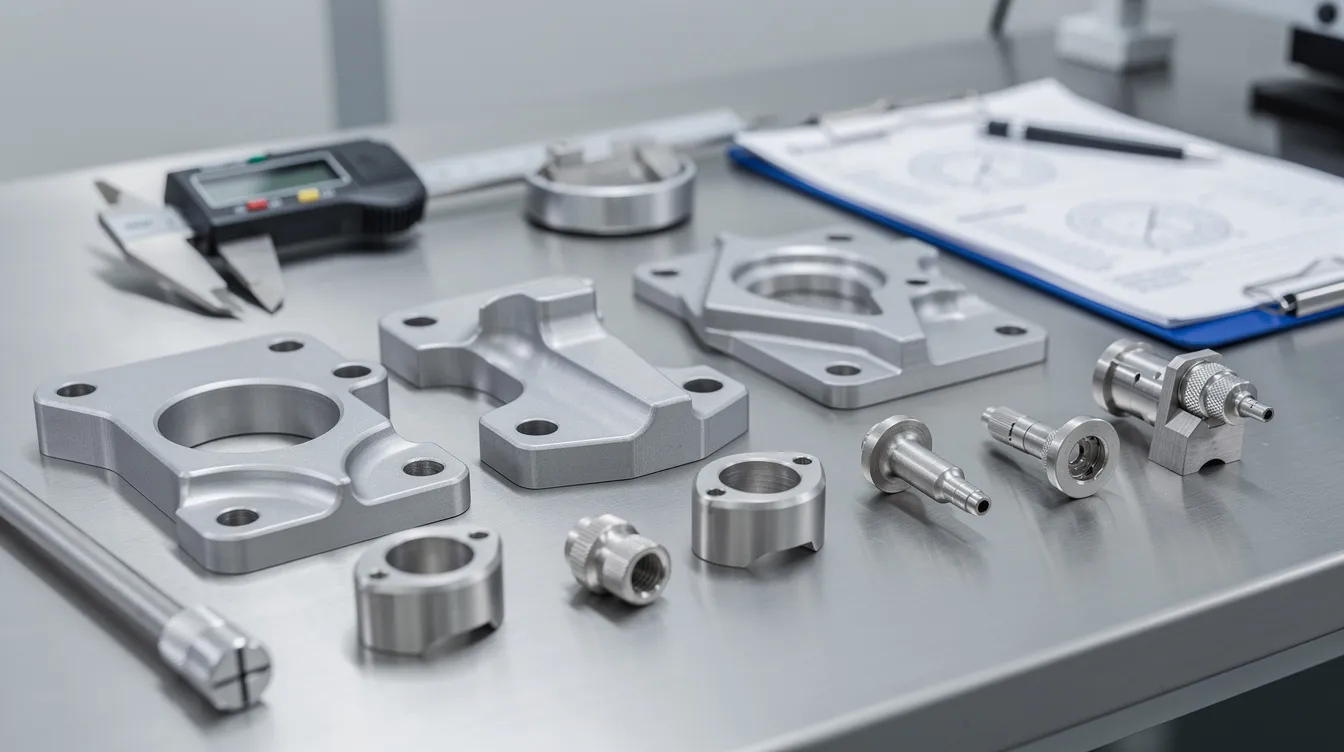
Custom machining creates unique made-to-order parts tailored to precise designs, and it sits at the core of everything we do at Anebon Metal Products Limited. Since 2010, our facility in Dongguan, Guangdong, China has served overseas OEMs with high-precision custom parts across metals and plastics-delivering cnc machined parts that meet demanding functional requirements in aerospace, medical devices, automotive, electronics, robotics, and industrial equipment. CNC machining uses computer numerical control for precision manufacturing, and our investment in advanced cnc machining services means your team gets access to cnc milling, cnc turning, 5-axis machining, die casting, and sheet metal fabrication under one roof.
Custom machining requires advanced technologies like CNC machining and 3D printing, and Anebon’s equipment roster reflects that reality. We hold tight tolerances as precise as ±0.002 mm on critical features, handle batch sizes from 1 prototype to 50,000+ production parts, and can have parts ready in as fast as 1 day for urgent prototype requests-with typical lead time starting from 5–7 working days for standard projects. CNC machining can handle over 50 materials, and our material stock covers a broad range of aluminum alloys, stainless steels, titanium, brass, copper, and engineering plastics. CNC machining can produce parts in volumes from 1 to 100,000, making it well suited for everything from prototyping through full-scale production runs.
To get started, engineers upload a cad file (STEP, STP, IGES, SLDPRT, or similar format) and receive expert DFM feedback-not an automated instant quote, but a thorough engineering review covering manufacturability, tolerances, and cost optimization. Our certifications include ISO 9001:2015 and ISO 14001:2015, ensuring process control and environmental responsibility across every project.
Key benefits at a glance:
-
Precision down to ±0.002 mm on critical dimensions
-
Production from 1 piece to 50,000+ units
-
Prototype lead time from 5–7 working days
-
50+ metals and engineering plastics in stock
-
ISO 9001:2015 and ISO 14001:2015 certified
-
Global shipping via air (3–5 days) or sea freight
-
Expert DFM review on every quote
Ready to start? Send us your CAD file and technical drawings to request a quote.
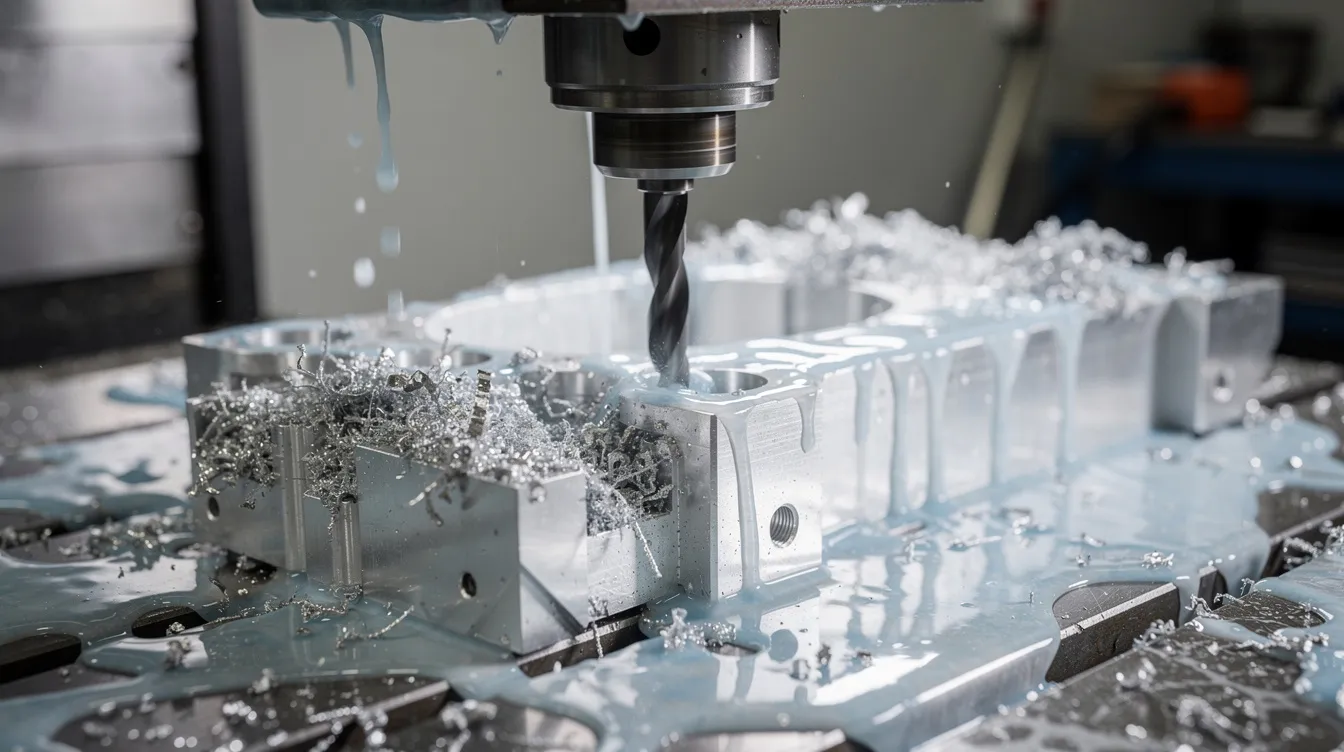
How Our Custom CNC Machining Process Works
Anebon manages the complete workflow from cad design review to final inspection and export packing, so your team deals with a single point of contact rather than coordinating multiple vendors.
The cnc machining process begins when you submit your cad file and technical drawings. Our engineers review the part geometry for manufacturability, flagging potential issues such as thin walls, deep pockets, or unnecessarily tight general tolerances that drive cost without functional benefit. You receive a detailed quotation with DFM suggestions-adjustments that can reduce cycle time, simplify tooling, and lower your per-unit price. Production processes for custom parts are often faster and more direct than standard machining because we program toolpaths specifically for your design rather than adapting generic setups.
Once you confirm the order, our CAM programmers convert your cad file into optimized toolpaths, selecting feeds, speeds, and cutting tool strategies matched to the material-whether that is aluminum alloys like 6061-T6 or 7075-T6, stainless steel 304/316, or engineering plastics such as PEEK or ABS. We run the job on 3-axis, 4-axis, or 5-axis CNC milling centers and CNC lathes with live tooling, choosing the platform that best fits part complexity and volume.
After machining, parts move through finishing (anodizing, powder coating, plating, or as machined), in-process and final inspection, and packaging for shipment. Custom machining reduces waste and errors compared to traditional mass production because each operation is digitally controlled and verified. CNC machines can cut various materials including metals and plastics, and our production floor handles both in the same facility. We support international logistics on DAP/DDP terms, with typical air shipments reaching Europe and North America in 3–5 days after production completes.
Core CNC Machining Capabilities: Milling, Turning & 5-Axis
Anebon offers end-to-end cnc machining services spanning cnc milling, cnc turning, and multi-axis machining-covering everything from simple brackets to complex aerospace impellers.
-
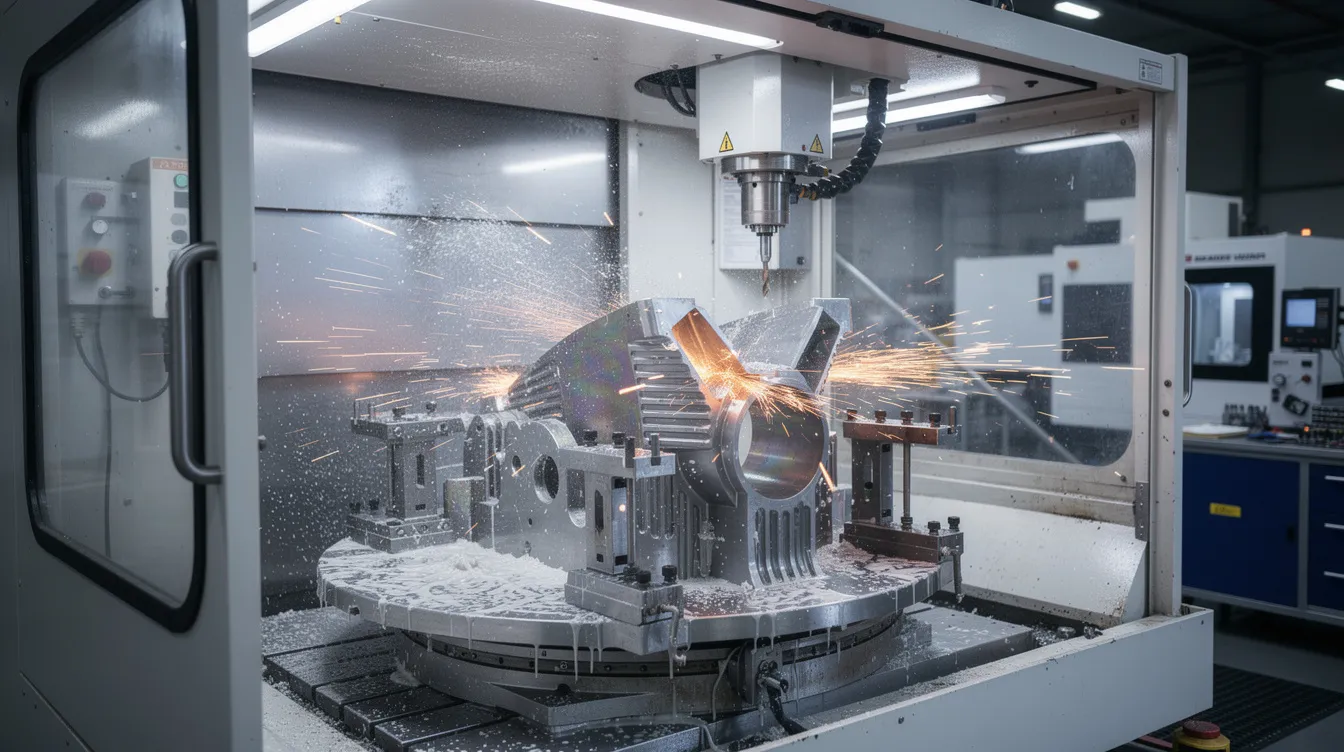
CNC milling uses multi-point rotating cutting tools moving along X, Y, and Z axes to create pockets, profiles, slots, and precision surfaces on metal parts and plastic parts alike. CNC milling typically operates on a 3-axis system, though we routinely use 4th-axis rotary indexing for parts requiring features on multiple faces without re-fixturing. Typical milled components include housings, enclosures, mounting plates, and structural brackets.
-
CNC turning shapes rotating workpieces with single-point tools on a lathe, ideal for shafts, bushings, fittings, and complex cylindrical components. Our turning capabilities include high-speed CNC turning centers with bar feeders and live tooling that can drill, tap, and mill features in the same setup-eliminating re-fixturing and reducing lead time.
-
5-axis machining provides simultaneous motion on five axes, enabling complex geometries, undercuts, and tight features required for aerospace brackets, impellers, and medical housings. Design flexibility in custom machining allows for innovative designs enhancing structural strength, and 5-axis capability is often the enabler for those designs. Custom machining can achieve finer tolerances and combine multiple features into a single part when programmed on 5-axis platforms.
-
Supported machining processes include drilling, boring, tapping, reaming, contouring, pocketing, threading, and surface profiling-removing material layer by layer until the finished part geometry matches your cad design within specified tolerances.
Materials for Custom CNC Machining: Metals & Plastics
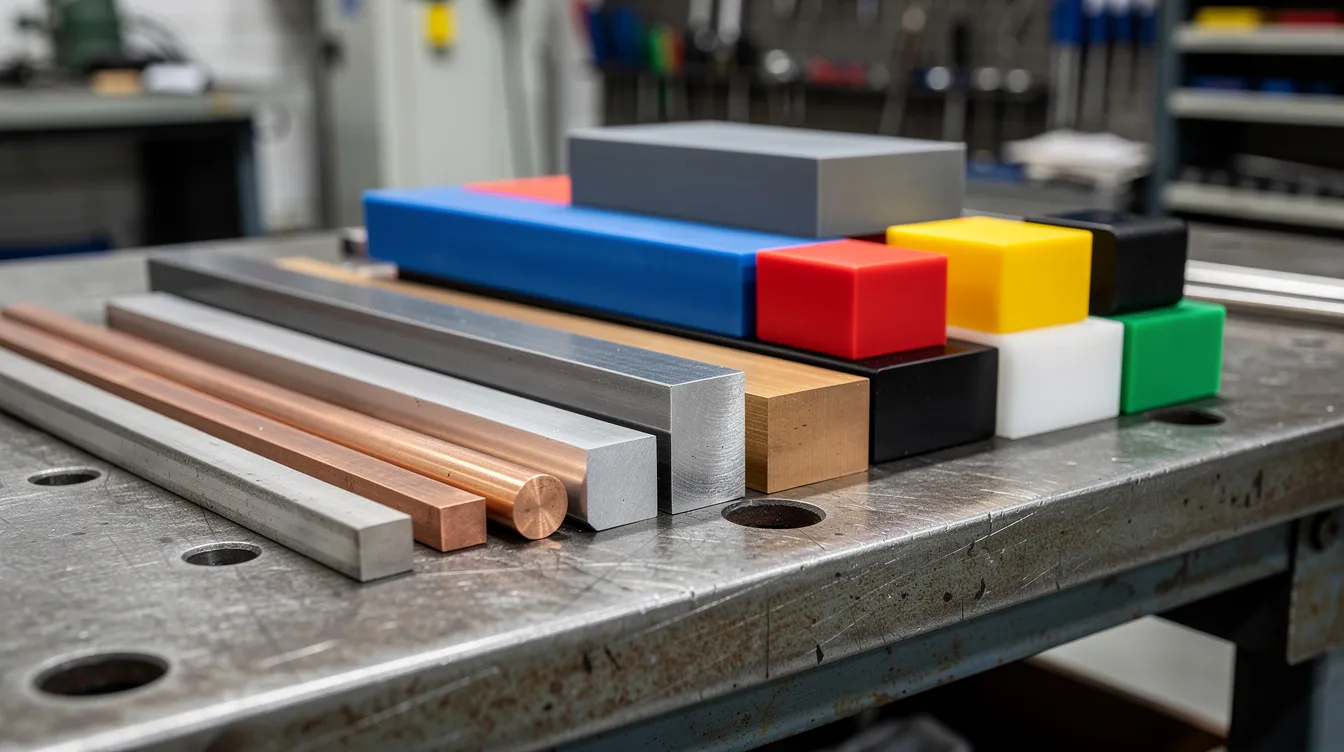
Anebon machines a wide array of metals and engineering plastics, with material stock held in Dongguan for rapid turnaround on common grades. Custom machining allows for the use of specialized materials such as metals, plastics, and composites, and our engineering team confirms machinability, lead time, and cost during quoting so there are no surprises.
-
Aluminum alloys – Aluminum alloys like 6061 and 7075 are commonly used across our projects. 6061-T6 is the go-to for general housings, enclosures, and heat sinks due to good mechanical properties and easy machinability. 7075-T6 delivers high strength for aerospace and robotics components. We also machine 2024-T351, 5052, 6063, and 6082-T6 depending on application requirements. Aluminum provides excellent electrical conductivity and is well suited for lightweight prototyping.
-
Stainless & alloy steels – Stainless steel offers excellent machinability and uniformity, and we work with 303 (free-machining screws and fittings), 304/316L (corrosion resistance for medical and food-grade applications), and 17-4PH (high strength plus corrosion resistant fasteners). For higher-hardness applications, carbon and alloy steels such as 1018, mild steel variants, 4140, and 4340 serve gears, shafts, and structural components requiring heat treatment. Tensile strength values vary widely across grades, so material selection ties directly to functional loading.
-
Non-ferrous metals – Brass is corrosion-resistant and easy to machine, making it ideal for valves, connectors, and fluid fittings. Copper is highly ductile and electrically conductive, commonly used for heat sinks, bus bars, and electrical terminals. Titanium has a high strength-to-weight ratio and corrosion resistance-Ti-6Al-4V (Grade 5) delivers UTS of approximately 896 MPa at only 4.43 g/cm³ density, though its low thermal conductivity (~6.7 W/m·K) requires careful feed/speed management and increases machining time by 4–6× compared to aluminum.
-
Engineering plastics – We machine ABS, PC (polycarbonate), Nylon 6/6, POM (Delrin/Acetal), PTFE (low friction applications), PEEK (extreme temperatures and chemical resistance), PEI (ULTEM), PP, PMMA (acrylic for optical clarity), pvc polyvinyl chloride, and epoxy resin composites. Nylon is known for its high tensile strength and wear resistance, and it exhibits low moisture absorption relative to many other engineering polymers. PEEK withstands high temperatures and offers chemical resistance for demanding environments. Plastics deliver weight reduction, insulation, and high impact strength where metal alternatives would add unnecessary mass.
We can source special grades or custom alloys from the material drop down of our supplier network on request.
Typical Tolerances, Quality Control & Finishing Options
Anebon’s quality system is built around ISO 9001:2015 and ISO 14001:2015, with in-process checks and final inspections on every batch. Superior quality control ensures each part meets strict standards in custom machining.
Tolerances:
|
Category |
Metals |
Plastics |
|---|---|---|
|
General tolerances |
±0.01–0.05 mm |
±0.05–0.2 mm |
|
High precision |
±0.005 mm |
±0.02 mm |
|
Ultra precision |
±0.002 mm |
Case-dependent |
CNC machining can achieve tolerances of +/-0.001″ to +/-0.005″ (approximately ±0.025–0.127 mm), and CNC machining tolerances can be as tight as +/-0.001″ on critical features when 5-axis or Swiss turning equipment and controlled environments are used. Customers specify critical dimensions and GD&T callouts (per ISO 1101 or ASME Y14.5) on drawings attached to their cad file, and we confirm achievable tolerances before production begins.
Inspection equipment:
-
Digital calipers, micrometers, and height gauges for in-process checks
-
CMM (coordinate measuring machine) for full-part dimensional verification
-
Surface roughness testers for confirming surface finish values (Ra 1.6–3.2 µm standard; Ra 0.8–0.4 µm fine; Ra 0.1 µm or better for mirror surfaces)
-
First article inspection (FAI) reports available for regulated industries
Surface finishes and post-processing:
-
As machined (sharp edges deburred, typical Ra 1.6–3.2 µm)
-
Bead blasted, brushed, or satin texture
-
Anodizing – Type II for color and protection; Type III (hard anodizing) for wear resistance up to 50–150 µm film thickness
-
Powder coating and paint for thick protective coatings
-
Black oxide, zinc, nickel, and chrome plating for steel metal parts
-
Passivation for stainless steel corrosion protection
-
Secondary processes: laser engraving, heat treatment, and sub-component assembly
Industries & CNC Machining Applications We Serve
Anebon primarily supports overseas OEMs and design engineers in high-performance and regulated sectors. CNC machining is suitable for various industries including aerospace and medical, and custom machining is ideal for prototyping and small-batch production across all of them.
-
Aerospace – Structural brackets, housings, fixtures, and impellers machined from aluminum 6061/7075 and titanium with full material traceability and tight tolerances. Advanced 5-axis cnc milling handles complex contours and undercuts common in flight-critical components.
-
Medical devices – CNC machined parts in stainless steel 316L, 17-4PH, and medical-grade plastics like PEEK for surgical instruments, diagnostic systems, and implant-adjacent tooling. Surface finish and dimensional precision are critical for sterilization and biocompatibility.
-
Automotive and motorsport – Engine and transmission components, jigs, fixtures, and custom cnc brackets for EV and drivetrain projects. Quick turn parts for automotive prototyping keep development cycles short.
-
Electronics and robotics – Heat sinks, enclosures, mounting plates, sensor housings, and robot end-effectors produced via cnc milling and cnc turning with precise alignment for connectors and EMI shielding.
-
Industrial machinery and automation – Precision shafts, gears, manifolds, and custom cnc parts for replacement and maintenance that must withstand continuous use across demanding environments.
Design Guidelines for Custom CNC Parts: From CAD File to Production
Anebon provides DFM guidance on every quote to improve manufacturability, reduce cost, and shorten lead time for your custom cnc projects. Here are the key considerations when preparing your design for the cnc machining process.
Wall thickness and feature size. Minimum recommended wall thickness is 0.8 mm for aluminum and 1.5 mm for plastics. Thinner walls risk deflection, chatter, and dimensional drift during machining processes. Keep features proportional to the cutting tool diameter being used.
Internal radii and corners. Internal corners should include fillets matching the cutter radii-typically a minimum of 1 mm radius for most end mills. Specifying sharp internal corners forces EDM or specialty tooling, adding cost and time.
Tolerances where they matter. Define general tolerances for non-critical surfaces and reserve tight callouts for mating surfaces, sealing faces, and alignment features. A tight GD&T true-position callout versus a looser limit can increase machining cost by 40–100%. Custom machining can be more expensive per unit but may lower overall costs through reduced waste when tolerances are applied intelligently.
Thread and hole guidelines. Use standard thread sizes (M3, M4, M5, M6, etc.) with minimum thread engagement of 1.5× nominal diameter. Clearly note tapped versus clearance holes on technical drawings.
Material selection for cnc machining applications. Choose aluminum for lightweight rapid prototyping, stainless steel for corrosion resistance in harsh environments, and PEEK for components exposed to extreme temperatures or aggressive chemicals. The right material choice at the design stage prevents costly revisions later.
Why OEMs Choose Anebon for Custom CNC Machining Services
Anebon combines high precision, flexible volumes, and responsive engineering support, positioning us as a long-term manufacturing partner rather than a one-off job shop. Unlike many online cnc machining services that rely purely on automated quoting engines, we pair technology with experienced engineers who understand part geometry, material behavior, and real-world assembly requirements.
Since 2010, we have exported cnc machined parts to OEMs across Europe, North America, and Asia-Pacific. Our capabilities span the full production spectrum: from rapid prototyping (1–20 pieces) through pilot runs (50–500 pieces) to large-scale production (1,000–50,000+ pieces). Online cnc machining platforms may promise speed, but few offer the integrated manufacturing process we provide-die casting, sheet metal fabrication, and assembly alongside precision cnc, allowing customers to consolidate suppliers and reduce logistics complexity.
Concrete differentiators:
-
Engineering DFM feedback on every project, not just a price
-
Consistent quality backed by ISO 9001:2015 and ISO 14001:2015
-
Competitive lead times: prototypes from 5–7 working days, production runs scaled to your schedule
-
Environmental management and material traceability for regulated industries
-
Experience across a wide array of materials, finishes, and industries
Get started today. Send your CAD file and drawing to our sales and engineering team for a detailed quote and manufacturability review. Whether you need 5 quick turn parts or 50,000 production parts, Anebon is ready to support your next project.