Top Custom CNC Parts: Precision Solutions for Your Engineering Needs
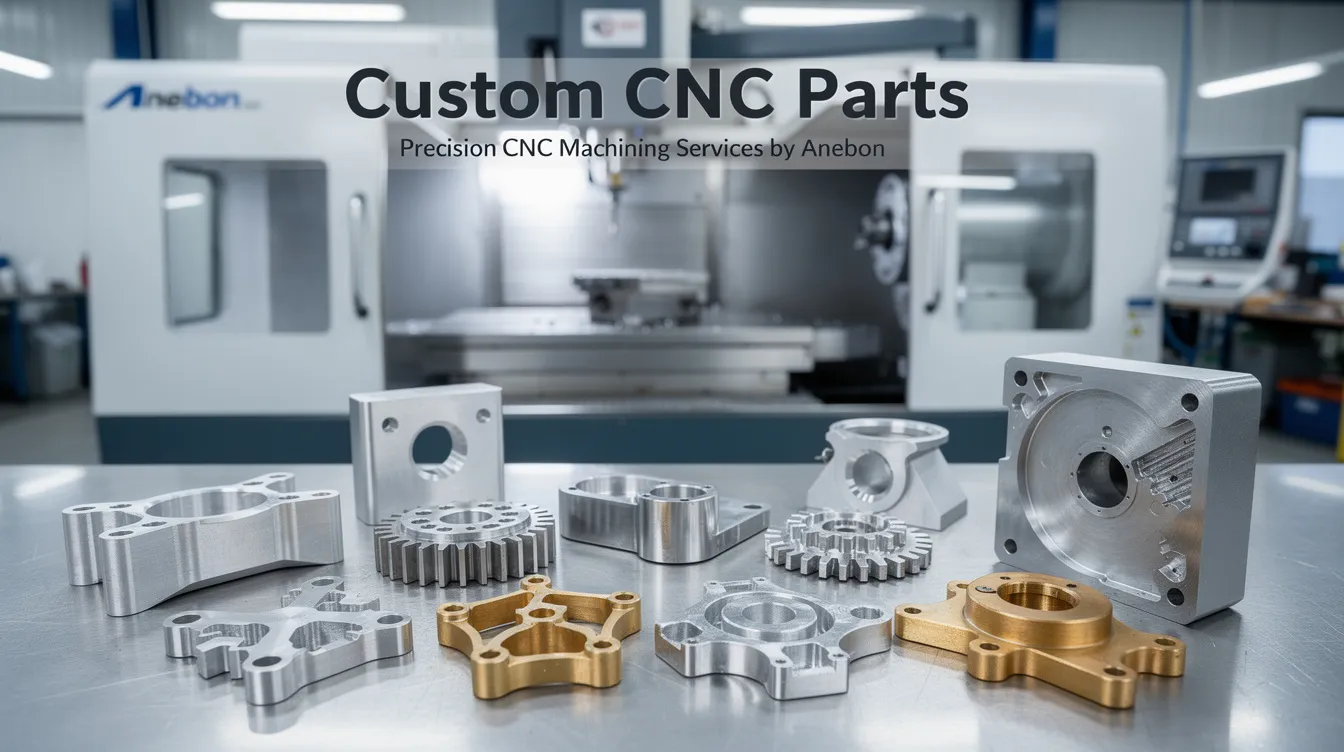
Custom CNC Parts: Precision CNC Machining Services by Anebon
Custom CNC Parts & Fast CNC Machining Services
Custom CNC parts are high-precision components manufactured using computer-controlled machine tools that translate digital designs into finished hardware. Whether you need a single prototype bracket or a 50,000-piece production run, cnc machining is a subtractive manufacturing process that starts with a solid block of material stock and removes material layer by layer until the final part geometry emerges. At Anebon Metal Products Limited, we provide end-to-end custom cnc machining services – from the moment you upload a cad file to the day your parts arrive at your facility.
CNC machining can produce parts in as fast as 1 day for urgent prototypes, while typical lead time runs 3–7 calendar days for simple 1–5 piece runs and 10–20 business days for production batches of 50–500+ pieces. Our engineering team returns a detailed quotation within 24 hours of receiving your RFQ, putting us ahead of the industry median of just under one hour for initial pricing. We support online cnc machining services through our web-based RFQ form, making it straightforward for overseas OEM customers in Europe, North America, and Asia-Pacific to get started.
Here is a quick snapshot of what we bring to every project:
-
Processes: cnc milling, cnc turning, 5-axis CNC machining, die casting, and sheet metal fabrication
-
Tolerances: as tight as ±0.002 mm (±0.0001 in) on critical features; general tolerances of ±0.05 mm for standard dimensions
-
Volumes: from 1-off prototypes to 100,000+ OEM production parts
-
Materials: over 50 metal and plastic options in stock or readily sourced
-
Quality: ISO 9001:2015 and ISO 14001:2015 certified, with full traceability available
-
Location: Dongguan, Guangdong, China – the heart of China’s precision manufacturing ecosystem
Custom CNC parts provide exceptional precision and tight tolerances, which is exactly why cnc machining is widely used for prototyping and low- to high-volume production across demanding industries.
How to Get a Custom CNC Parts Quote
Getting online quotes for custom parts at Anebon starts with your design files. Prepare your 3D model in a standard format – STEP, STP, IGES, or SLDPRT are all accepted – and pair it with 2D technical drawings in PDF, DXF, or DWG that call out critical dimensions, GD&T datums, and surface finish requirements. We accept both ISO and ASME drawing standards.
When submitting your RFQ, include the following details so our team can return an accurate price on the first pass:
-
Material specification (e.g., 6061-T6 aluminum, 304 stainless steel, POM/Delrin)
-
Required quantity and any volume tiers you want priced
-
Tolerances for critical versus non-critical features
-
Surface finish or secondary process requirements (anodizing, plating, powder coating)
-
End-use conditions if relevant (temperature range, chemical exposure, sterilization cycles)
Think of the material drop down on our online cnc machining quote form as your starting point – select your preferred alloy or plastic, upload the cad file, and our engineers take it from there. Within 24–48 hours you will receive DFM feedback that flags potential issues and suggests changes to reduce cost and improve machinability. Common items we check in your design include:
-
Tolerances tighter than ±0.05 mm flagged for confirmation
-
Undercuts requiring special tooling or 5-axis access
-
Wall thickness below recommended minimums (e.g., < 0.8 mm in aluminum)
-
Tool access and part geometry constraints that could increase cycle time
This DFM step often saves customers 10–20% on unit cost before a single chip is cut.
What Is CNC Machining for Custom CNC Parts?
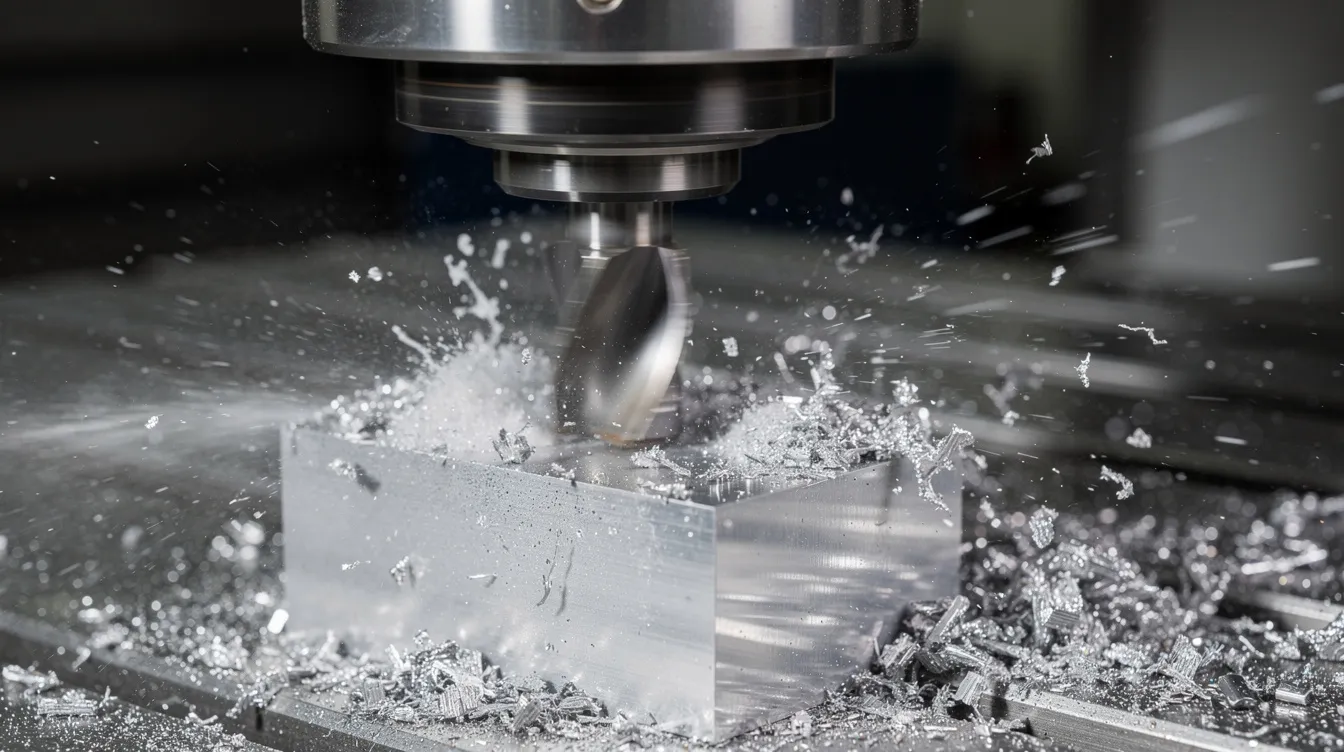
CNC machining stands for computer numerical control – a manufacturing process in which pre-programmed G-code drives cutting tools along precise paths on a cnc machine. It is a subtractive process, meaning material is progressively removed from a solid workpiece rather than added. Because the process relies on automation, cnc machining minimizes human error and delivers repeatable results across hundreds or thousands of parts.
The two foundational cnc machining processes are milling and turning. CNC milling uses a multi-point rotating tool for material removal: the cutting tool spins at high speed while the workpiece remains fixed (or indexed) on the table. CNC turning, by contrast, employs a single-point cutting tool on rotating workpieces mounted in a lathe – ideal for cylindrical features. CNC machines can operate in 3, 4, or 5 axes, and CNC machining allows for the creation of complex geometries in a single setup when using multi-axis configurations.
At Anebon, we operate 3-axis and 5-axis CNC milling centers alongside CNC lathes equipped for live tooling. This equipment mix lets us produce everything from simple flat plates to compound-curved aerospace brackets, surgical instrument handles, consumer electronics housings, and robotic joint assemblies. CNC machining applications span aerospace, medical, automotive, and electronics industries – essentially any sector where precision metal parts or plastic parts must meet demanding specifications.
CNC machining can handle production volumes from 1 to 100,000 parts, making it well suited for both early-stage R&D and full production runs. And because CNC machining can work with over 50 different materials – from aluminum alloys to engineering plastics – designers have flexibility to iterate on material selection without switching manufacturing process.
Core CNC Machining Processes at Anebon
Below is a closer look at the three primary cnc machining processes we run daily: cnc milling, cnc turning, and 5-axis machining. Each process suits different part geometry requirements, and choosing the right one early in design saves time and money.
CNC Milling for Complex Custom CNC Parts
CNC milling is our most versatile metal cutting process. Vertical and horizontal milling centers handle prismatic parts like brackets, heat sinks, enclosures, and precision plates. The rotating cutting tool moves across the workpiece in X, Y, and Z axes, and when a 4th or 5th axis is added, the machine can reach undercuts, angled pockets, and compound surfaces without re-fixturing.
Milling is well suited for a wide array of materials: aluminum alloys, stainless steel, mild steel, steel alloy, brass, copper, titanium, and engineering plastics like ABS and polycarbonate. For CNC milling of custom irregular aluminum parts, 5-axis access dramatically reduces setup count and improves dimensional accuracy.
Effective CNC machining requires considerations like avoiding sharp internal corners and limiting cavity depth to roughly four times the tool diameter. A few design pointers that speed up quoting:
-
Minimum wall thickness: ~0.8 mm for aluminum, ~1.5 mm for stainless steel
-
Internal corner radii: at least 1/3 of pocket depth to allow standard end-mill access
-
Hole diameters: keep above 1 mm; non-standard sizes may require custom tooling
-
Avoid sharp edges on external features where possible – chamfers or fillets improve tool life and part handling
Real-world examples include CNC milled housings for consumer electronics with tight cosmetic surface finish requirements, and precision plates for semiconductor equipment where flatness tolerances sit below 0.02 mm.
CNC Turning for Shafts, Bushings, and Rings
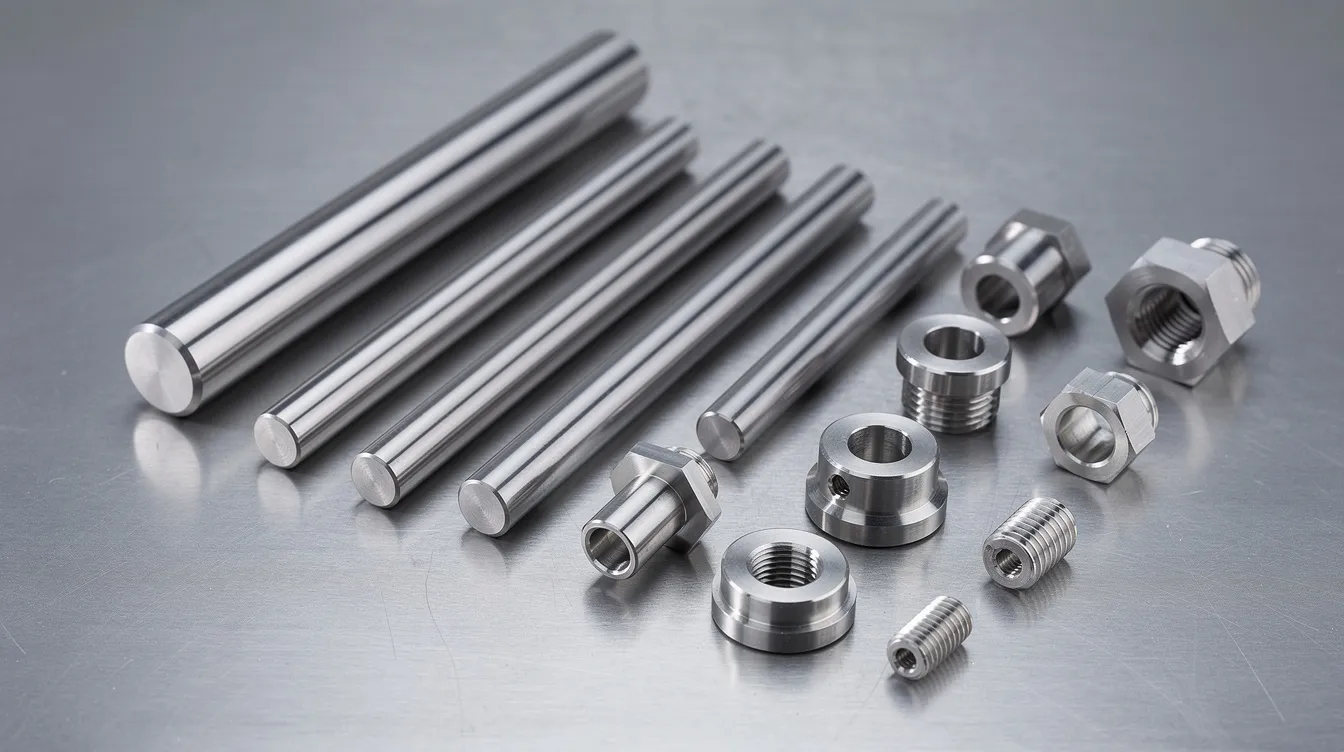
CNC turning is machining on a lathe where the workpiece rotates at high speed and a stationary cutting tool removes material to create cylindrical profiles. It is the go-to cnc machining process for shafts, pins, spacers, threaded connectors, bushings, medical implants, and automotive fittings.
Choose CNC turning over milling when your part has predominantly round features and a length-to-diameter ratio greater than about 3:1. For parts that also need flats, grooves, keyways, or cross-holes, Anebon combines turning and milling in a single setup using live-tooling lathes. This eliminates the need to move a part between machines, cutting lead time and improving concentricity.
To speed up quotation and avoid ambiguity, add chamfers, fillets, and thread callouts (e.g., M6×1.0, UNC ¼-20) directly to your technical drawings. Specify thread class and whether external or internal. For precision turned products such as medical bone screws or automotive sensor housings, these details prevent back-and-forth that adds days to your timeline.
5-Axis CNC Machining for High-Precision Custom CNC
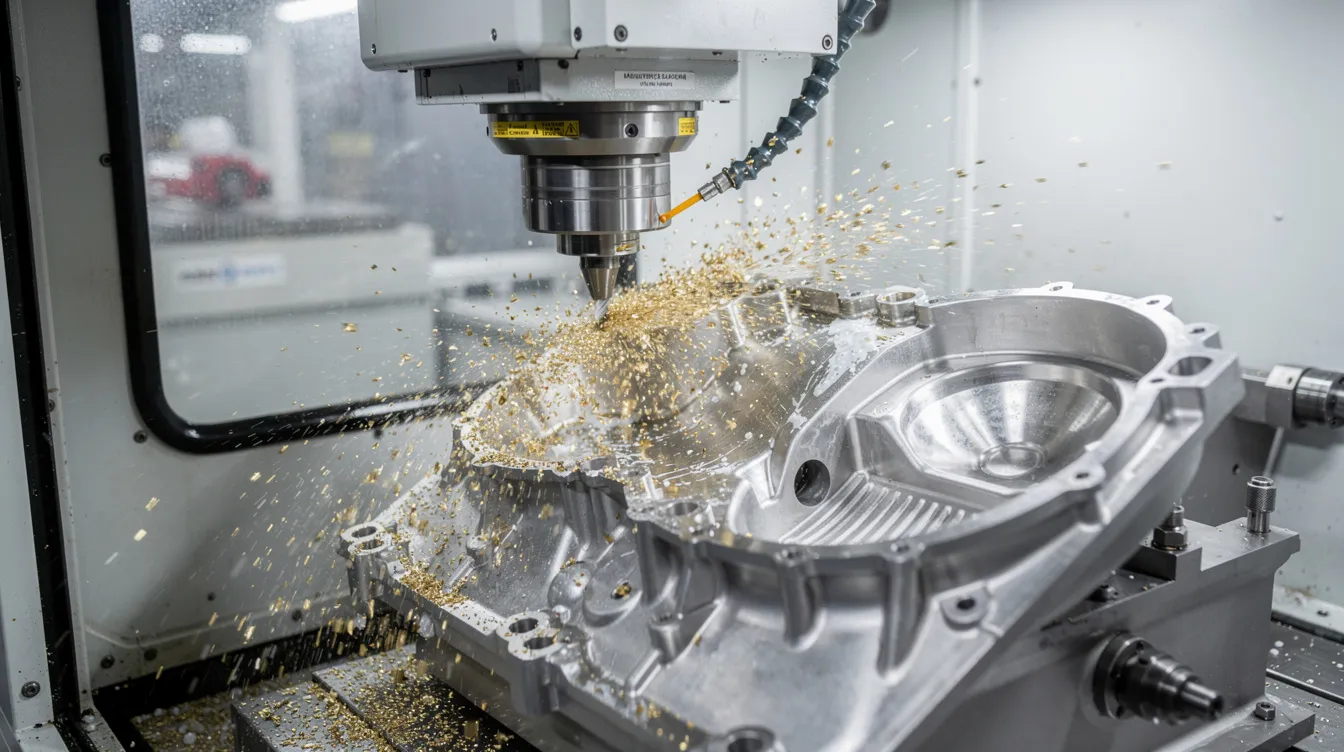
5-axis CNC machining moves the cutting tool and/or part along five simultaneous axes, enabling complex geometries and shapes that would otherwise require multiple setups. The two additional rotational axes let the tool approach the workpiece from virtually any angle, which drastically reduces fixture changes and the tolerance stack-ups that come with them.
Benefits are concrete: tighter dimensional control, better surface finish due to shorter tool overhang and consistent chip loads, and shorter overall cycle times on intricate parts. Aerospace impellers, orthopedic implants, optical mounts, and complex consumer electronics frames are all parts where 5-axis cnc machining pays for itself in quality and speed.
Anebon’s 5-axis capability is ideal for low- to medium-volume high-value components where consistency and accuracy are critical. Design tips for 5-axis parts include:
-
Avoid extremely deep pockets that force long tool reach and increase deflection
-
Keep wall thickness consistent to prevent distortion during cutting
-
Mark critical datum features in your cad file so the programmer can optimize fixturing
-
Where possible, design with standard tool radii to reduce custom tooling needs
Complementary processes like wire edm – which uses electrical discharges to remove material from workpieces – can handle features that even 5-axis milling cannot reach, such as narrow internal slots or hardened-steel die cavities. EDM is available at Anebon as an additional machining service for parts that demand it.
Materials for Custom CNC Parts
Choosing the right material is half the engineering battle. Anebon’s portfolio covers different materials across metals and plastics – CNC machining can use over 50 metal and plastic materials – and correct material selection directly affects part performance, machinability, cost, and lead time. CNC machining services are available for both metals and plastics, so your options are broad.
We source certified material with full traceability upon request, conforming to EN, ASTM, or JIS standards for metals and RoHS-compliant specifications for plastics. To avoid procurement delays, specify a preferred standard grade (e.g., aluminum 6061-T6 rather than just “aluminum”) in your RFQ – this lets us quote from material we already hold in stock.
Metal Materials: Aluminum, Stainless Steel, Steel & More
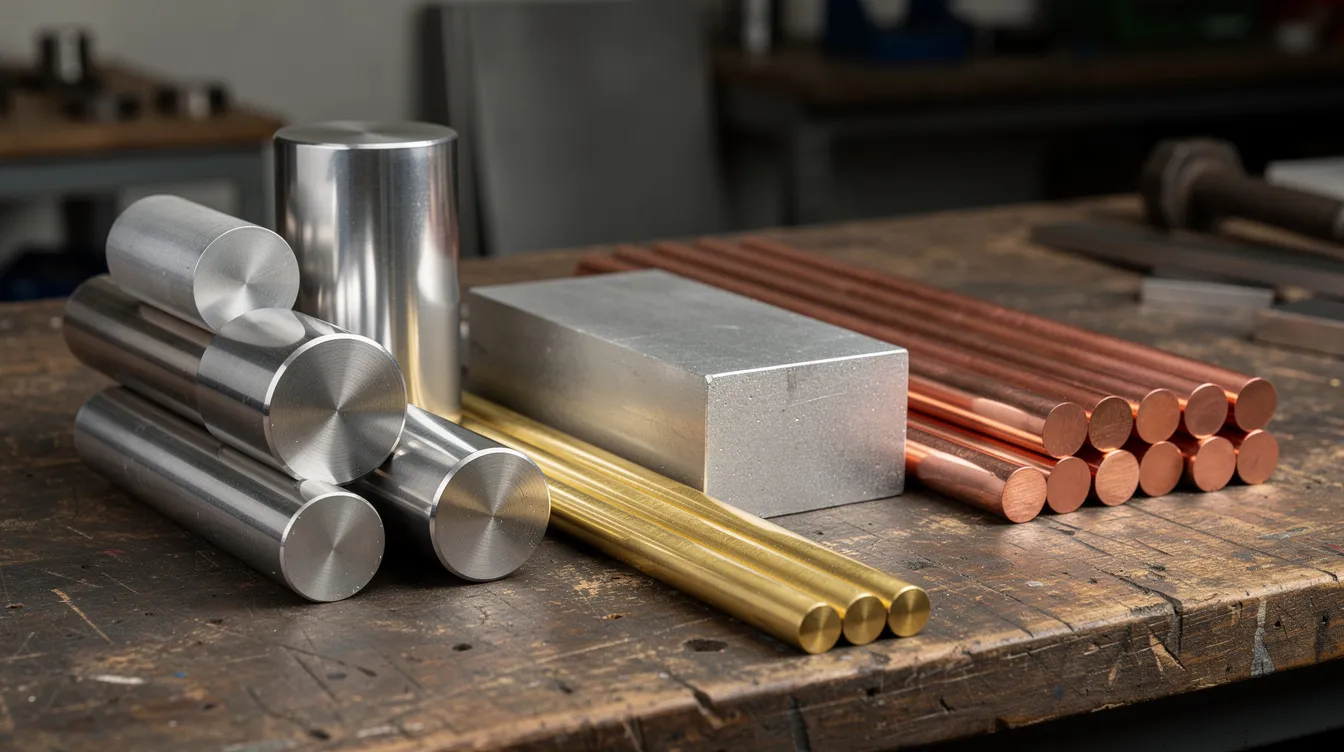
Aluminum alloys like 6061 and 7075 are commonly used across our shop floor. 6061-T6 delivers a perfect balance of machinability, corrosion resistance, and good mechanical properties for general components. 7075-T6 provides high strength for aerospace brackets and structural assemblies. 2024 is chosen for aircraft structures requiring high tensile strength and fatigue resistance, while 5052 works well for sheet enclosures and marine-grade applications.
For stainless steel CNC machining, we regularly run 303 and 304 for general corrosion resistant applications, 316/316L for marine and medical environments, and 17-4PH for high-strength structural parts that must withstand high temperatures. Stainless steel is known for its excellent machinability when correct feeds and speeds are applied.
Carbon steels and alloy steels round out the metal lineup. Mild steel (1018) suits fixtures and low-stress structural parts, while 4140 steel alloy handles gears, shafts, and wear components that need through-hardening. Brass and copper serve electrical conductivity requirements and decorative components – aluminum CNC turning parts and brass fittings are among our most-ordered SKUs.
Titanium offers a high strength-to-weight ratio for CNC machining in aerospace and medical applications but demands specific feeds, speeds, and tooling to manage heat buildup. Aluminum alloys, by contrast, enable higher cutting speeds and shorter lead times, which is why they remain the default choice for consumer electronics housings and rapid prototyping.
Engineering Plastics for CNC Machined Parts
Common plastics for CNC machining include ABS, Delrin, nylon, and polycarbonate, alongside advanced polymers for more demanding environments:
-
ABS – affordable, easy to machine, ideal for early-stage prototypes and low-stress housings
-
Polycarbonate (PC) – transparent, high impact strength, used for guards, lenses, and covers
-
POM/Delrin – excellent dimensional stability, low friction, suited for gears and sliding components
-
Nylon (PA6/PA66) – nylon is widely used for its durability and chemical resistance; good for bushings, rollers, and structural plastic parts
-
PEEK – handles extreme temperatures, chemical resistance, and sterilization cycles; chosen for medical and aerospace parts
-
PTFE – known for its non-stick and low-friction properties, well suited for seals, gaskets, and food-contact applications
-
PVC (polyvinyl chloride) – corrosion resistant, cost-effective for chemical handling and piping components
Plastics make sense over metals when your design requires weight reduction, electrical insulation, or cost-sensitive components. Epoxy resin-based composites also appear in fixture applications where rigidity and low moisture absorption matter.
However, dimensional stability requires attention. Nylon absorbs moisture, which can swell features and shift tolerances. PEEK and POM offer low moisture absorption and better stability at high temperatures. Always share end-use conditions – temperature range, chemical exposure, sterilization cycles – so Anebon can recommend the right grade and apply appropriate process controls for tight-tolerance plastic cnc parts.
Surface Finishes for Custom CNC Machined Parts
Surface finishing transforms cnc machined parts from functional blanks into ready-to-assemble components with improved appearance, corrosion resistance, wear performance, and cleanliness. The right finish depends on material, end-use environment, and aesthetic requirements.
The standard as machined finish leaves visible tool marks at a surface roughness of approximately Ra 3.2 µm. This is perfectly acceptable for internal mechanical components where cosmetics don’t matter. When better performance or appearance is required, Anebon offers a range of secondary processes:
-
Bead blasting – creates a uniform matte texture; pairs well with aluminum and stainless steel
-
Anodizing (Type II) – adds a thin oxide layer for corrosion resistance and color options; standard for aluminum alloys
-
Hard anodizing (Type III) – thicker, harder oxide layer for wear-critical aluminum parts
-
Powder coating – durable, even color coating suitable for steel, aluminum, and various materials requiring cosmetic or UV-resistant finishes
-
Electroplating (nickel, chrome) – adds corrosion resistance and electrical conductivity to metal parts; common on brass and steel connectors
-
Brushing and polishing – produces satin or mirror finishes on stainless steel control panels and decorative housings
Concrete examples include black anodized aluminum housings for consumer electronics, clear anodized machine plates for semiconductor equipment, nickel-plated connectors for automotive industries, and brushed stainless panels for industrial machinery.
CNC Machining Applications by Industry
Anebon supports a wide array of industries, each with its own material preferences, tolerance demands, and regulatory expectations. CNC machining is widely used in aerospace and medical industries, but the technology extends far beyond those sectors.
Aerospace. Aerospace CNC components include turbine brackets, UAV structural frames, satellite housings, and control surface linkages. Aluminum milling dominates for weight-sensitive airframe parts, while titanium and Inconel handle high-temperature zones. Traceability (material certs, FAI reports) is non-negotiable, and tolerances routinely sit at ±0.01–0.02 mm on critical interfaces.
Medical Devices. From surgical instrument handles to orthopedic implant prototypes, medical CNC machining demands biocompatibility, cleanliness, and documentation. Stainless steel 316L and titanium are standard metals; PEEK appears in spinal cages and diagnostic equipment enclosures. Sterilization compatibility and surface finish below Ra 0.8 µm are common requirements.
Automotive. CNC machined parts for automotive industries include EV battery enclosures, sensor housings, transmission test fixtures, and turbocharger components. Carbon steel and aluminum dominate. Parts often transition from rapid prototyping quantities to ongoing OEM production parts, and Anebon supports both phases with consistent quality.
Consumer Electronics and Robotics. Anodized aluminum frames, magnesium alloy shells, and precision plastic parts for wearables, drones, and robotic actuators all fall into this category. Cosmetic surface finish standards are high, tolerances moderate, and volumes can scale quickly from 50-piece pilot runs to tens of thousands.
Quality, Tolerances, and ISO-Certified CNC Machining
Anebon’s quality system is built on ISO 9001:2015 and ISO 14001:2015 certifications, ensuring that every batch of cnc parts passes through a documented, auditable production and inspection workflow.
CNC machining achieves tolerances of +/-0.001″ to +/-0.005″ depending on feature type, material, and machine capability. For standard features, we hold general tolerances of ±0.05 mm. On critical dimensions – bearing bores, mating surfaces, alignment holes – we achieve tolerances as tight as +/-0.001 inches (±0.025 mm), and on select features with controlled fixturing and metrology, down to ±0.002 mm. Broadly applying ultra-tight tolerances to every feature on a part is unnecessary and drives up cost; our DFM review helps identify where precision matters and where looser specs are acceptable.
Inspection methods include:
-
Incoming material inspection with mill certs verified against order specs
-
In-process dimensional checks using calibrated instruments
-
CMM (Coordinate Measuring Machine) measurement for GD&T features
-
Optical measurement for surface profiles and micro-features
-
Final inspection reports, including FAI and PPAP documentation on request
What you can expect on your cnc machined parts from Anebon:
-
Deburred edges and sharp edges removed unless otherwise specified
-
Controlled surface finish per drawing callout
-
Labeled packaging with part number, quantity, and lot traceability
-
Material certificates, RoHS/REACH declarations, and dimensional reports available for OEM customers
Why Choose Anebon for Custom CNC Parts?
Anebon consolidates CNC machining, die casting, and sheet metal fabrication under one roof. That integration means fewer vendors, shorter communication loops, and faster iteration cycles for your project. Need a cnc machined prototype this week, a die-cast version next month, and sheet metal enclosures for full production next quarter? One team handles all three.
Since 2010, we have focused on serving overseas OEM customers who need a reliable manufacturing partner in China’s most capable machining region. Our Dongguan location puts us inside the Guangdong cluster where over 52% of factories operate 5-axis machines and supply chains for various materials are deep and responsive.
Engineering support goes beyond quoting. We provide DFM feedback, cost-optimization suggestions, material and finish recommendations, and programming expertise for complex 5-axis cnc machining applications. Our team speaks the language of online cnc machining – fast turnarounds, transparent pricing, and documentation that meets Western OEM standards.
Operational strengths that set us apart:
-
Flexible MOQs: from a single prototype to ongoing production runs of 100,000+ pieces
-
Volume pricing: multi-tier quotes with typical discounts of 30–50% when scaling from prototype to production quantities
-
Stable supply: dedicated production lines for repeat orders with consistent quality batch to batch
-
Efficient logistics: air and sea freight from Dongguan to global hubs, with DDP and EXW options
The fastest way to get started is simple: send your cad file and technical drawings to our team for a custom cnc parts quotation. Expect a response – including DFM feedback and competitive pricing – within 24 hours. You can reach us through our website RFQ form, email, or phone. Whether you need an instant quote for a straightforward bracket or in-depth engineering consultation for a multi-component assembly, Anebon is ready to turn your design into precision hardware.