Top CNC Manufacturers: A Guide to Leading Brands in the Industry
CNC Manufacturers: Guide to Top Machine Brands and CNC Machining Companies (2026)
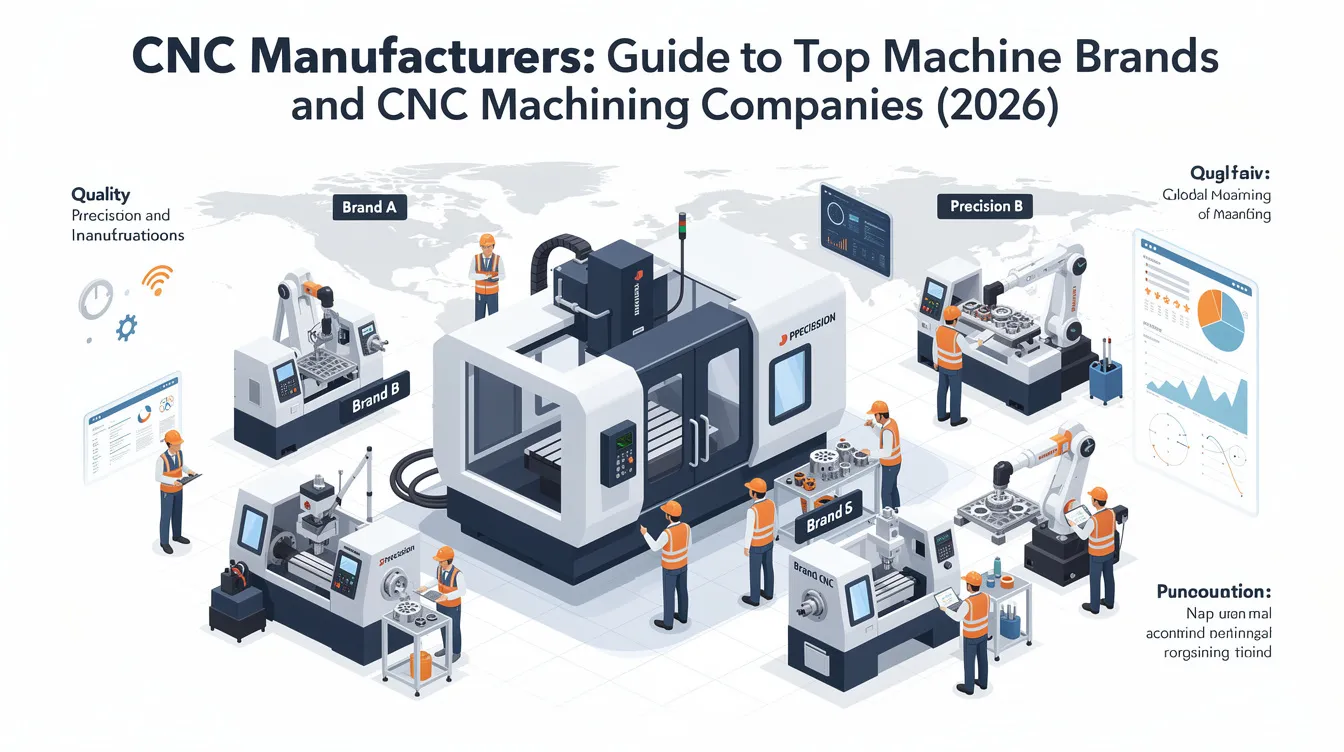
Whether you are sourcing a single prototype or planning high volume production of precision components, the cnc manufacturers you work with directly influence part quality, lead time, and cost. This guide breaks down the top cnc machine brands powering modern shops, explains how to evaluate a cnc machining company, and shows where Anebon Metal Products Limited fits into the picture for overseas OEMs.
Overview of CNC Manufacturers and the CNC Machining Industry
Before diving into specific brands and suppliers, it helps to clarify three terms that buyers often mix up:
-
A CNC machine is an automated tool controlled by programmed commands. CNC manufacturers use computer-controlled tools to cut and shape materials, converting CAD files into mechanical movements that remove stock with repeatable accuracy.
-
A CNC machine manufacturer (brand) designs and builds the machines themselves-think Mazak, DMG MORI, or Haas.
-
A CNC machining company (service provider) purchases those machines and uses them to manufacture parts for OEM customers.
The cnc machining industry has expanded significantly since 2010, driven by tighter requirements in aerospace, medical devices, automotive electrification, and miniaturized electronics. CNC machining is crucial for aerospace and medical sectors, where tolerances measured in microns separate a flight-worthy bracket from scrap. The US CNC machining industry is highly advanced, and American manufacturers invest heavily in advanced CNC equipment to stay competitive in these demanding applications. Meanwhile, manufacturers across Asia-Pacific-which holds roughly 56% of global machine tool revenue-have built world-class capabilities at competitive price points.
The global CNC machine market was valued at approximately USD 86.4 billion in 2025 and is forecast to reach USD 132.8 billion by 2033, growing at about 5.5% CAGR. Within that market, milling machines account for around 34.5% of revenue, followed by lathes at 27.6% and grinding machines at 15.4%.
Anebon Metal Products Limited, founded in 2010 in Dongguan, Guangdong, China, operates a fleet of multi-axis cnc machines-including 5-axis machining centers and precision turning centers-to provide OEM machining services worldwide. We hold ISO 9001:2015 and ISO 14001:2015 certifications and serve customers across various industries including aerospace, automotive, medical, and electronics.
Types of CNC Machines Used in Modern Manufacturing
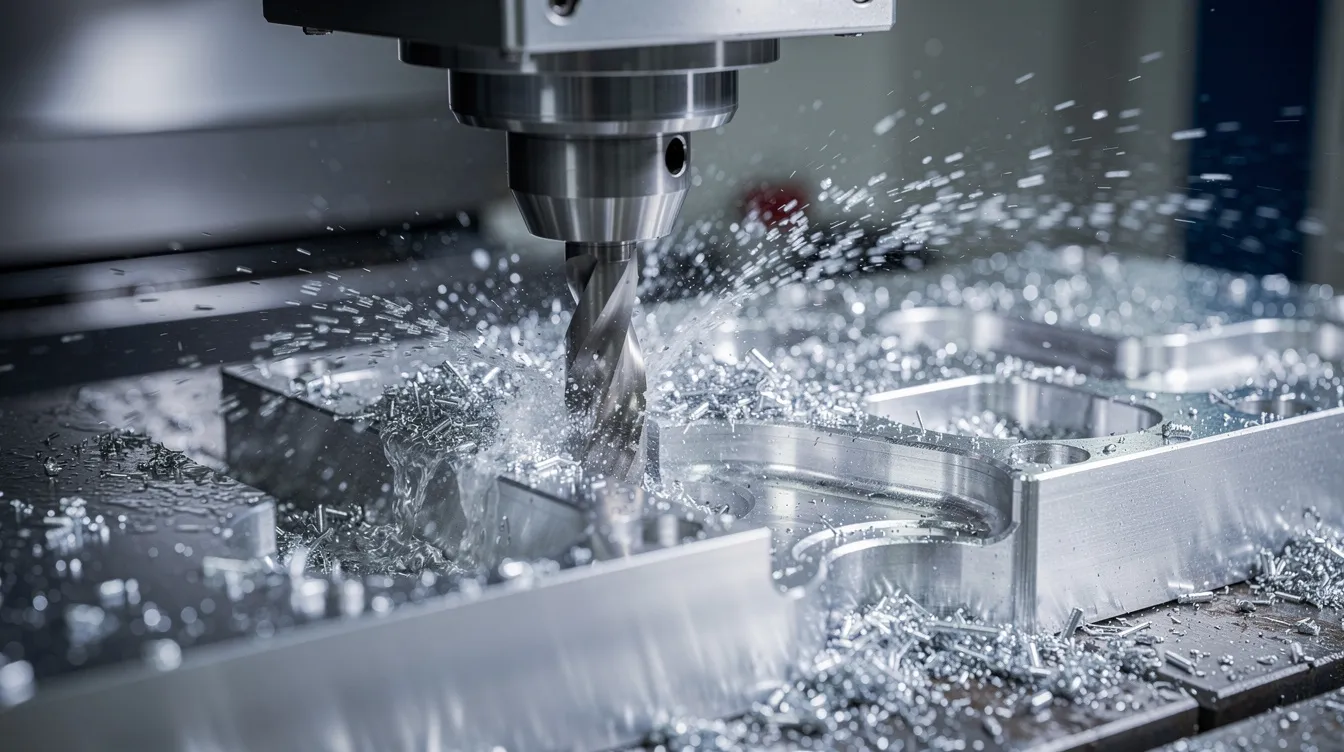
Understanding the main categories of cnc equipment helps buyers communicate with suppliers and specify the right manufacturing process for each part. CNC machine shops offer a range of material-removal operations, from straightforward 3-axis milling to complex multi axis machining. Here are the primary types.
CNC Milling Machines
Milling machines move a rotating cutter across a workpiece in three or more axes. A standard 3-axis mill handles X, Y, and Z movement-sufficient for many prismatic parts, plates, and simple housings. Adding a fourth axis introduces rotation (typically the A-axis), useful for indexing features around a cylindrical part. 5-axis CNC machines can perform complex geometries in one setup because the tool approaches the workpiece from virtually any angle, making them essential for impellers, turbine blades, and aerospace components requiring advanced 5-axis milling. CNC machines include vertical and horizontal machining centers, each optimized for different part orientations and chip evacuation strategies.
CNC Lathes and Turning Centers
CNC lathes are used for turning operations on cylindrical parts such as shafts, pins, bushings, and threaded components. Swiss-type lathes are designed for high-precision small parts-medical screws, electronic connector pins, and watch components-where diameters may be just a few millimeters. To learn more about what a CNC turning machine does, these centers rotate the workpiece while a stationary or live tool removes material, enabling precision turning of both simple and complex profiles.
Mill-Turn and Multi Tasking Machines
These machines combine cnc milling and cnc turning in a single setup, which means a shaft with milled flats, cross-drilled holes, and turned diameters can be completed without moving between machines. Multi axis machining enhances production efficiency and accuracy by eliminating repositioning error and reducing total cycle time.
Specialty Machines
CNC drilling automates the creation of cylindrical holes with programmed depth, spacing, and feed rate. Grinding machines handle tight-flatness and mirror-finish work on hardened metals. EDM (wire and sinker) cuts features in materials too hard for conventional cutters. Waterjet cutting utilizes high-pressure jets for accurate cuts on sheet stock, composites, and heat-sensitive materials. CNC routers are commonly used for woodworking and plastics where large-format cutting is needed at moderate precision.
The concept of axis machining matters here: more axes mean fewer setups, less fixturing, and better surface quality on curved or sculpted parts. Moving from 3-axis to 5 axis CNC machining can cut cycle time by 50% or more on complex parts while improving positional accuracy.
Leading Global CNC Machine Brands in 2026
This section provides a concise guide to the top cnc machine brands that supply cnc equipment to machining companies worldwide. These brands build the machining centers, cnc lathes, and automation systems that job shops and OEMs rely on for cutting edge manufacturing technology. Examples include Mazak, dmg mori, DN Solutions (formerly doosan machine tools), haas automation, Okuma, Makino, and Fanuc controls integrated into many machines.
Anebon Metal Products Limited does not manufacture or sell cnc machines. We operate equipment from several of these brands to deliver precision CNC machining services to overseas OEMs.
Mazak
Mazak was founded in 1919 and specializes in multi-tasking machines, 5-axis machining centers, and CNC turning centers. Headquartered in Oguchi, Japan, the company has over a century of machine tool heritage and remains a global leader in multi-process machining.
Key product families include the VARIAXIS series of simultaneous 5-axis machining centers and the INTEGREX multi-tasking platform that combines turning and milling on a single spindle for producing complex parts without re-fixturing. Mazak also develops its own CNC control systems (Mazatrol, SmoothAi) and has introduced hybrid machines that integrate additive manufacturing with subtractive processes.
Industries served span aerospace, energy, medical technology, automotive, and heavy industrial machinery. Many cnc machining companies choose Mazak for high-mix, high precision work because of its strong automation solutions, proven reliability, and the ability to complete complex geometries in a single setup.
DMG MORI
DMG MORI is a German-Japanese machine tool group with roots stretching back to 1870 through legacy brands Deckel, Maho, and Gildemeister. DMG Mori was formed from a merger in 2009 and specializes in CNC lathes, 5-axis milling, and mill-turn platforms. The company maintains a major presence in Europe, Asia, and the USA.
Flagship models like the DMU 50 3rd Generation deliver simultaneous 5-axis machining with 650 mm X-travel, 520 mm Y, 475 mm Z, spindle speeds up to 20,000 rpm, and tool magazines expandable to 180 pockets.
Key advantages include:
-
High precision linear drives and direct-driven ball screws
-
Advanced control platform (CELOS) with digital integration and automation options
-
Strong global service network and extensive training resources for operators
-
Proven performance on tight tolerances for aerospace and mold-making
DMG MORI machines are common in high-end cnc machining companies handling complex geometries and high precision work.
DN Solutions (Formerly Doosan Machine Tools)
Doosan Machine Tools officially rebranded to DN Solutions on June 2, 2022, following its merger with DN Automotive. The company specializes in cnc lathes, vertical machining centers, horizontal machining center platforms, and heavy-duty turning for automotive and general engineering parts. The doosan machine tools name still carries strong recognition across the cnc machining industry, particularly in Asian markets.
Representative product lines include the Puma turning center family and the DNM vertical machining series. In early 2026, DN Solutions acquired German machine tool maker HELLER, further expanding its portfolio for large-format axis machining centers.
Many global job shops choose DN Solutions for a balance of cost, rigidity, and performance-making them a practical option for volume production of automotive and industrial applications components without paying top-tier premiums.
Other Notable CNC Machine Brands
Several other cnc machine brands play important roles across the manufacturing industry:
-
Haas Automation was founded in 1983 in California and is one of the largest manufacturers of vertical machining centers and CNC lathes in the Western Hemisphere. The company focuses on delivering lower-cost high performance cnc machines with strong domestic support through over 170 Haas Factory Outlets worldwide-ideal for small manufacturers entering multi-axis work.
-
Okuma is Japan’s largest machining center manufacturer, founded in 1898. The company specializes in building controls, motors, and castings in-house, yielding exceptional reliability for energy, aerospace, and heavy machinery applications.
-
Fanuc was founded in 1972 and is a leader in automation technology. While known primarily for CNC controls and industrial robotics, Fanuc cnc systems power a significant share of the world’s machine tools.
-
Makino (Japan) excels in EDM and high-precision mold and die work. JTEKT Machinery and Hyundai Wia round out the field with competitive lathes and machining centers.
Choosing between these brands depends on key factors like required tolerance, part size, material hardness, automation level, and budget. CNC machining requires evaluating machinery quality for accuracy, so the brand behind a shop’s equipment matters.
Top CNC Machining Companies vs CNC Machine Manufacturers
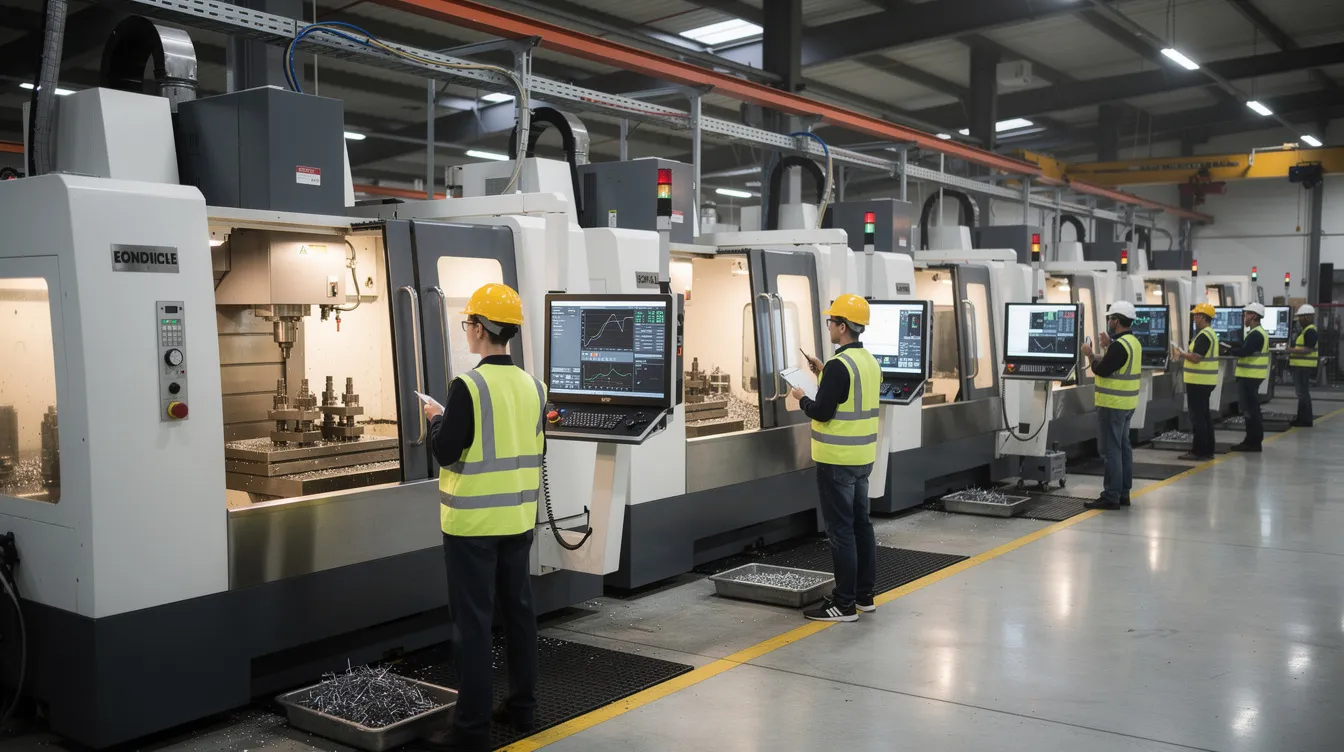
A common point of confusion: companies that manufacture CNC machines and companies that provide cnc machining services are fundamentally different businesses.
-
Machine builders (Mazak, DMG MORI, DN Solutions, Haas) invest in R&D, cast beds, assemble spindles, and sell finished machines. Their customers are machining service providers and OEMs purchasing equipment.
-
Machining service providers (Anebon, Protolabs, Xometry, Star Rapid) invest in those machines and use them to manufacture parts. Their customers are OEM design engineers and sourcing teams who need finished components.
OEMs and design engineers typically work with cnc machining companies rather than directly with cnc machine manufacturers unless they are purchasing equipment for in-house production. Well-known service-oriented platforms like Protolabs and Xometry offer rapid digital quoting, while companies like Anebon provide deeper engineering support and hands-on collaboration for production requirements spanning CNC milling parts, turning, 5 axis machining, die casting, and sheet metal fabrication.
Evaluation Criteria for CNC Machining Companies
Evaluate manufacturers based on their machining capabilities and equipment before committing to a supplier relationship. Here are the factors that matter most:
-
Technical capabilities: Machine types (3-axis, 5-axis, mill-turn), spindle power, axis count, and maximum workpiece envelope
-
Tolerance range: Standard precision (±0.05–0.02 mm), high precision (±0.01–0.005 mm), or ultra-high precision (±0.002 mm) on qualified features
-
Materials supported: Aluminum, stainless steel, titanium, engineering plastics, and difficult alloys
-
Certifications: Choose a company with ISO 9001 certification for quality assurance. ISO 9001 and AS9100 are common quality standards in CNC machining, with ISO 13485 for medical
-
Lead time and flexibility: CNC machining companies should support both small and large production orders, from prototypes to recurring batches
-
Engineering support: Look for cnc manufacturers with strong engineering support and communication, including DFM feedback and clear documentation
Reputation is important when choosing a CNC manufacturer. Ask for references, review sample inspection reports, and confirm that the supplier has a track record of delivering parts similar to yours.
Anebon Metal Products Limited: CNC Machining Company Profile
Anebon Metal Products Limited is a precision machining company based in Huangjiang Town, Dongguan, Guangdong, China. Founded in 2010, the company specializes in B2B / OEM precision manufacturing for overseas customers across aerospace, medical devices, automotive, robotics, and electronics.
Our core manufacturing services include cnc milling, CNC turning service, 5 axis machining, die casting, and sheet metal fabrication-covering everything from rapid prototyping to full-scale production. We operate approximately 5,000 m² of manufacturing space with around 80 employees, including engineers with over a decade of extensive experience in hardware design and OEM parts production.
Our facility features multi-axis machining centers, cnc lathes, surface and internal grinders, wire and sinker EDM, and advanced inspection equipment capable of verifying tolerances as tight as ±0.002 mm. We hold ISO 9001:2015 and ISO 14001:2015 certifications, ensuring robust quality and environmental management across every project.
Machining Capabilities and Processes at Anebon
Our core machining processes include 3-axis and 5-axis cnc milling, cnc turning, and combined milling-turning operations. CNC machining enhances precision and accuracy in production, and we leverage that advantage across a diverse part portfolio.
Typical parts we produce include aluminum housings and brackets, stainless steel surgical components for medical CNC machining applications, heat-sink structures for electronics, precision shafts, and complex mechanical assemblies.
We work with various materials including:
-
Stainless steels: 304, 316, 17-4PH
-
Carbon steels, brass, copper
-
Titanium alloys for aerospace and medical
-
Engineering plastics: PEEK, Delrin
CNC machining allows for rapid prototyping and production. Prototyping rapidly machines one-off parts for design testing, and we can deliver prototypes in days before transitioning to recurring production batches on weekly or monthly schedules. Our 5-axis setups are particularly effective for impellers, medical implants, and aerospace brackets where CNC machining supports complex geometries with tight tolerances-reducing repositioning steps and improving positional accuracy.
CNC manufacturers work with materials like aluminum, steel, and plastics, and our broad material range means customers can consolidate suppliers rather than managing multiple vendors.
Quality Assurance and Inspection
High-quality CNC machining manufacturers maintain strict quality control systems, and our quality framework reflects that principle. We follow a structured process: incoming material verification with mill certificates, first-article inspection, in-process checks at critical machining stages, and 100% final inspection as required by the project.
Manufacturers verify parts against strict dimensional tolerances using calibrated instruments. Inspection equipment like CMM is crucial for quality control, and our measurement lab includes coordinate measuring machines, height gauges, micrometers, gauge blocks, optical projectors, hardness testers, and surface roughness testers.
For aerospace and automotive customers, we provide full measurement reports, PPAP documentation, or custom inspection protocols. Tight tolerance work-such as ±0.002 mm on qualified features-requires proper process validation, and we maintain documented procedures to ensure repeatability across production runs. CNC machining reduces waste through automated processes, and our statistical process controls help maintain production quality while minimizing scrap.
Engineering Support, DFM, and OEM Collaboration
We support early-stage R&D and design engineering teams with DFM feedback covering wall thickness, fillet radii, tolerance stack-ups, and material selection. When a customer submits 3D CAD and 2D drawings, our engineers review the geometry and suggest modifications that can reduce machining time and cost-sometimes cutting cycle time by 20–30% through simple design adjustments.
Communication with overseas OEMs happens via English-language email, online meetings, and clear project documentation. Our typical engagement flow looks like this:
-
RFQ – Customer submits drawings and specifications
-
DFM Review – Our engineers flag potential issues and suggest improvements
-
Quotation – Transparent pricing with material, machining, and finishing broken out
-
Prototyping – Rapid prototypes for validation
-
Production Ramp-Up – Transition to volume production with consistent tooling and fixture strategies
This approach builds long-term partnerships rather than transactional relationships, helping OEMs reduce product development cycles by weeks.
How to Choose the Right CNC Manufacturer or CNC Machining Company
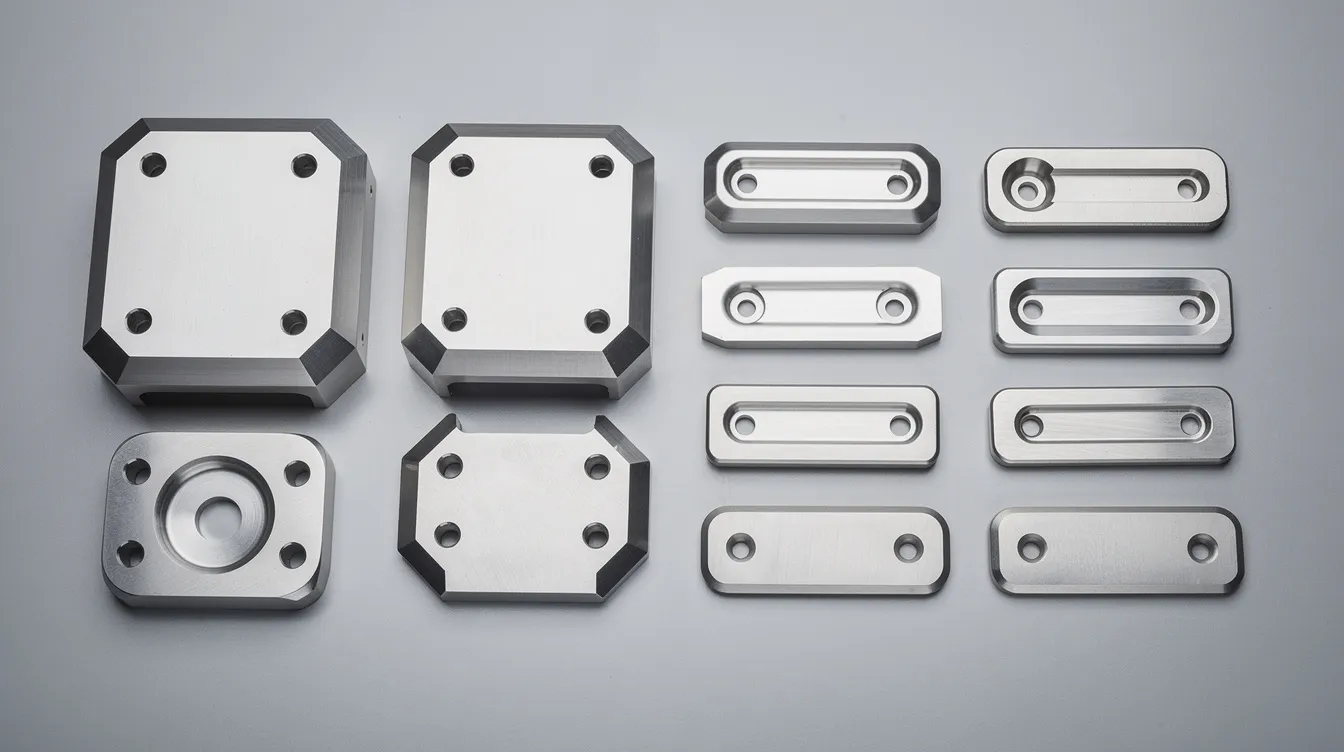
Choosing the right partner means matching your production requirements to a supplier’s real capabilities, quality level, and cost structure. Start by clarifying your own needs: is this a prototype or production run? What material? What tolerance band? How many units per year? Are there regulatory requirements (medical, aerospace)?
Here are the key decision factors:
-
Process capabilities (machine types, axis count, tool capacity)
-
Tolerance control and geometric verification capability
-
Experience producing similar parts in similar materials
-
Certifications (ISO 9001, AS9100, ISO 13485)
-
Communication quality and engineering support
-
Total landed cost including freight, duties, and rework risk
Capabilities, Equipment, and Materials
Confirm that a cnc machining company has the right mix of 3-axis, 4-axis, and 5-axis axis machining centers and cnc lathes for your part portfolio. Ask about maximum part size, typical tolerances, surface finish capability (Ra values), and supported materials-including difficult metals like titanium and hardened steels.
Compatible cnc machine brands matter for reliability and long-term support. A shop running Mazak, DMG MORI, DN Solutions, Okuma, or Haas equipment signals investment in proven, serviceable machines with available replacement parts and workholding solutions.
Example: An aerospace bracket requiring 5-axis machining in titanium Ti-6Al-4V, tolerance ±0.005 mm, surface finish Ra 0.8 µm, and annual volumes of 500 units needs a supplier with sufficient spindle torque for titanium, CMM for geometric verification, and proven experience with similar advanced engineering projects.
Tolerance Requirements and Precision Control
“Standard precision” typically means ±0.05–0.02 mm. “High precision” refers to ±0.01–0.005 mm. For precision parts with tight tolerances below ±0.005 mm-down to ±0.002 mm-only suppliers with validated machining processes, temperature-controlled environments, and high accuracy measurement systems (CMM, laser scanners, optical inspection) can deliver reliably.
Geometric tolerances such as flatness, position, and runout are often more challenging than linear dimensions, particularly in multi-axis operations. Ask suppliers for sample inspection reports and references for similar high precision projects. CNC machining supports industries requiring high precision components, and the right measurement infrastructure is what backs up those claims.
Lead Time, Capacity, and Scalability
Common lead-time expectations: prototypes in about 5–10 working days, small batches in 2–3 weeks, and larger orders in several weeks depending on capacity. Turnaround times are critical in CNC manufacturing projects, and delays compound quickly when downstream assembly depends on machined parts.
CNC machining improves production efficiency and reduces lead times through optimized toolpaths and automated tool changes. CNC manufacturers need to adapt to project production scalability-evaluate not just current capacity but how a supplier will scale as volumes increase, including adding shifts, machines, or workholding solutions.
A hybrid sourcing strategy-domestic suppliers for urgent or highly regulated parts, overseas partners for cost-sensitive medium-volume work-can reduce risk. Anebon handles transitions from prototype to production using consistent machining processes and long-term tooling strategies, supporting both low volume production and scaled recurring orders.
Cost, Geography, and Total Landed Price
CNC machining cost is influenced by machine time, material, setup complexity, tolerances, finishing, and inspection requirements. High-labor-cost regions like the USA and Western Europe deliver faster turnaround and easier compliance, while competitive regions like China offer meaningful cost advantages for medium and high volumes-provided you account for freight, duties, and communication overhead.
For complex, tight-tolerance parts, the cheapest quote is rarely the best choice. Reliability, rework risk, and consistent production quality must be factored into total landed cost. Anebon aims to combine competitive pricing with robust quality assurance, making overseas sourcing viable for OEMs who want to improve efficiency without compromising on precision or documentation.
Industries and Applications Served by CNC Manufacturers
CNC machining is fundamental across multiple industries because of its precision, repeatability, and material flexibility. The global CNC market breakdown by end-use illustrates the breadth: automotive accounts for roughly 28.7%, industrial machinery 25.2%, aerospace and defense 23.1%, medical devices 12.3%, and electronics 10.8%.
Aerospace demands turbine housings, structural airframe brackets, impellers, and engine components machined from titanium, Inconel, and high-strength aluminum-often requiring 5-axis milling and surface integrity verification.
Medical technology relies on precision machining for orthopedic implants, surgical instruments, and dental abutments in biocompatible stainless steel, titanium, cobalt chrome, and PEEK.
Automotive and e-mobility drives demand for motor housings, transmission parts, battery enclosures, and lightweight alloy brackets-parts that need consistent batches and efficient high performance machining.
Industrial automation and robotics requires rigid, repeatable components: end-effectors, precision shafts, and fixture plates.
Electronics needs heat sinks, enclosures, and connector bodies with fine detail and excellent surface finish.
Anebon’s customer base aligns with these markets, primarily serving overseas OEMs in Europe, North America, and Asia across all five sectors.
Future Trends for CNC Machine Manufacturers and CNC Machining Companies
The cnc technology landscape continues to evolve through 2026 and beyond. Several trends are reshaping both machine builders and service providers.
Increased adoption of 5-axis machining, multi tasking machines, and automation solutions-robotic loading, pallet pools, and rotary tables for continuous operation-is enabling higher throughput with less manual labor. Smart factories integrating IoT sensors, machine data analytics, and predictive maintenance reduce unplanned downtime and improve efficiency across the shop floor.
Advanced materials like titanium, Inconel, and composite materials are becoming more common as aerospace and EV applications demand lighter, stronger parts. These materials require specialized tooling, higher spindle torque, and carefully controlled machining processes to maintain surface integrity.
Additive manufacturing is finding its niche alongside traditional subtractive methods-particularly for hybrid machines that combine AM with CNC finishing for complex near-net-shape parts. Meanwhile, sustainability pressures are driving adoption of minimum quantity lubrication, coolant recycling, and energy-efficient cnc systems.
Anebon continues to invest in multi-axis machining capabilities, modern inspection equipment, and quality systems to meet these evolving demands and serve OEMs pushing into the next generation of precision manufacturing.
Frequently Asked Questions About CNC Manufacturers
What is the difference between CNC machining and 3D printing for production parts?
CNC machining removes material from solid stock, delivering superior surface finish, tighter tolerances, and stronger mechanical properties in metals. 3D printing (additive manufacturing) excels at complex internal geometries and low-volume plastic prototypes but typically lags in metal part quality and cost efficiency at scale.
When should I choose 5-axis machining?
Choose 5 axis machining when your part has complex curved surfaces, multiple angled features, or undercuts that would require numerous setups on a 3-axis machine. It reduces fixturing, shortens cycle time, and improves surface quality-particularly for aerospace and medical parts.
What tolerances can most CNC machining companies achieve?
Most reputable shops reliably deliver ±0.01–0.02 mm. For high precision work, ±0.005 mm is achievable with proper process control. Elite suppliers like Anebon can reach ±0.002 mm on qualified features with validated machining processes and CMM verification.
How do CNC machine brands affect accuracy and reliability?
Brands like Mazak, dmg mori, DN Solutions, and haas automation differ in rigidity, thermal compensation, drive systems, and spindle technology. These differences directly affect achievable tolerances, long-term repeatability, and maintenance costs. A shop’s equipment choices signal its commitment to high accuracy and consistent output.
How does Anebon handle IP protection for overseas OEM customers?
We sign non-disclosure agreements before receiving design files. Our facility enforces confidentiality policies, secure data handling, and controlled access to customer documentation. We understand that IP protection is non-negotiable for OEMs, and we structure our processes accordingly.
Ready to start your next project? Request a quote from Anebon Metal Products Limited or share your CAD files for a complimentary DFM review. Whether you need a single prototype or scaled production, our team of engineers is ready to help you move from design to delivery with confidence.