Top CNC Machining Services for the Aerospace Industry Explained
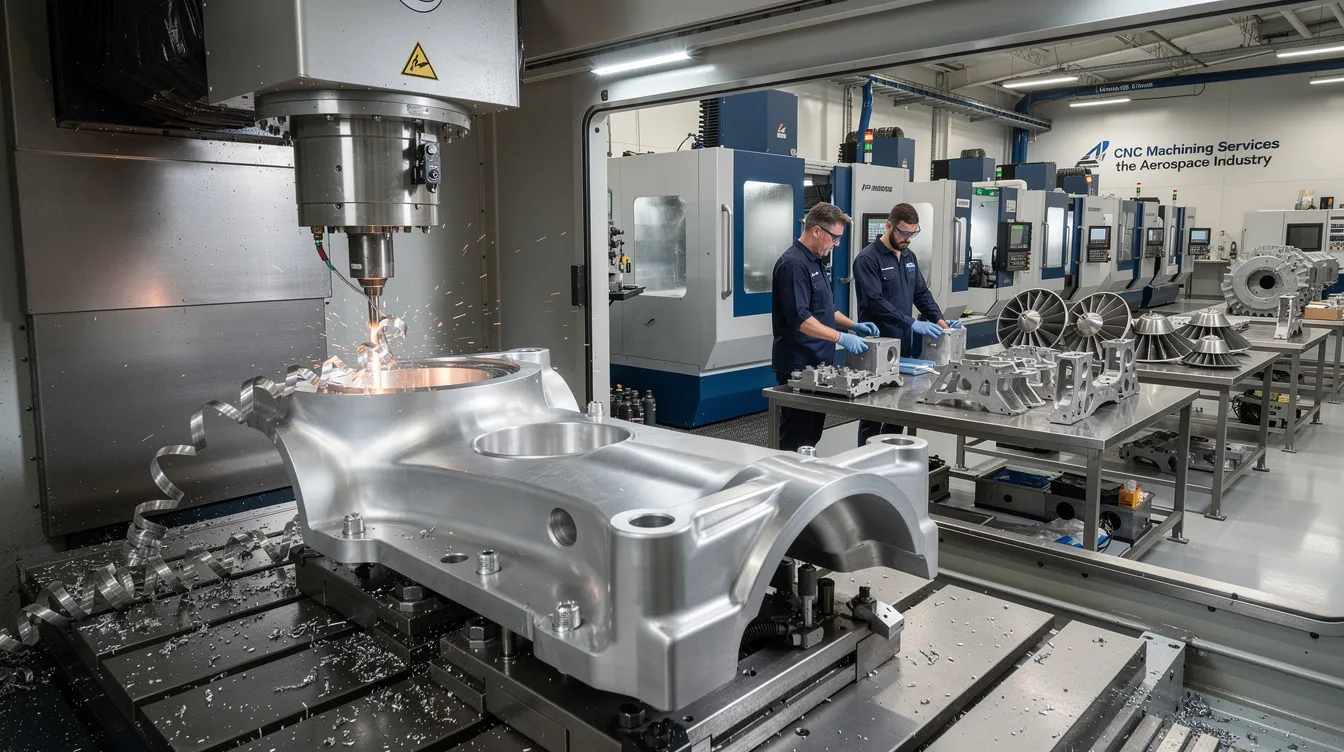
CNC Machining Services for the Aerospace Industry
Introduction: Aerospace CNC Machining Services in 2026
CNC machining services for the aerospace industry encompass the high-precision, computer-controlled manufacturing processes used to produce components for aircraft, satellites, rockets, and UAVs. As aerospace manufacturing evolves – driven by platforms like the Boeing 787 Dreamliner, Airbus A350, and SpaceX Falcon 9 – the demand for cnc machined parts that meet extreme specifications has never been higher. CNC machining includes cutting, milling, turning, and drilling operations that deliver the unparalleled precision these platforms require.
Aerospace cnc machining demands exceptional dimensional accuracy, often down to ±0.002 mm, along with rigorous documentation and full material traceability. Every part must satisfy regulatory bodies such as the FAA and EASA. CNC machining services provide essential precision and reliability for aerospace components, and cnc machining is essential for life-sustaining aerospace systems where failure is not an option.
Anebon Metal Products Limited, based in Dongguan, China, provides aerospace cnc machining services to overseas OEMs and Tier 1/Tier 2 suppliers. From rapid prototyping through full production, Anebon delivers aircraft components in a diverse range of aerospace materials – with tight tolerances as precise as ±0.002 mm, DFM support, and the quality documentation that aerospace companies expect.
Why Precision Matters in Aerospace CNC Machining
Aerospace machined parts carry safety-critical functions. Engine mounts endure extreme vibration. Landing gear trunnions transfer enormous loads on every touchdown. Actuator housings control flight surfaces that keep passengers safe. Micron-level inaccuracies in any of these parts can trigger resonance, premature fatigue cracks, sealing failures in hydraulic or fuel lines, and degraded aerodynamic performance – directly affecting fuel efficiency, structural integrity, and service life. Precision machining minimizes friction and promotes fuel efficiency across the aircraft.
Aerospace components require tolerances as tight as ±0.005 mm for hydraulic and fuel control parts, while structural airframe elements typically fall within ±0.0127 mm to ±0.025 mm. CNC technology achieves high-tolerance accuracy often within ±0.01 millimeters, and CNC machining ensures aerospace parts meet strict tolerances required for assembly interchangeability and AOG (Aircraft on Ground) avoidance. Achieving tight tolerances can complicate CNC machining processes, but Anebon’s capability to machine to ±0.002 mm exceeds many standard industrial requirements – providing design margin and supply chain risk mitigation.
What Is Aerospace CNC Machining?
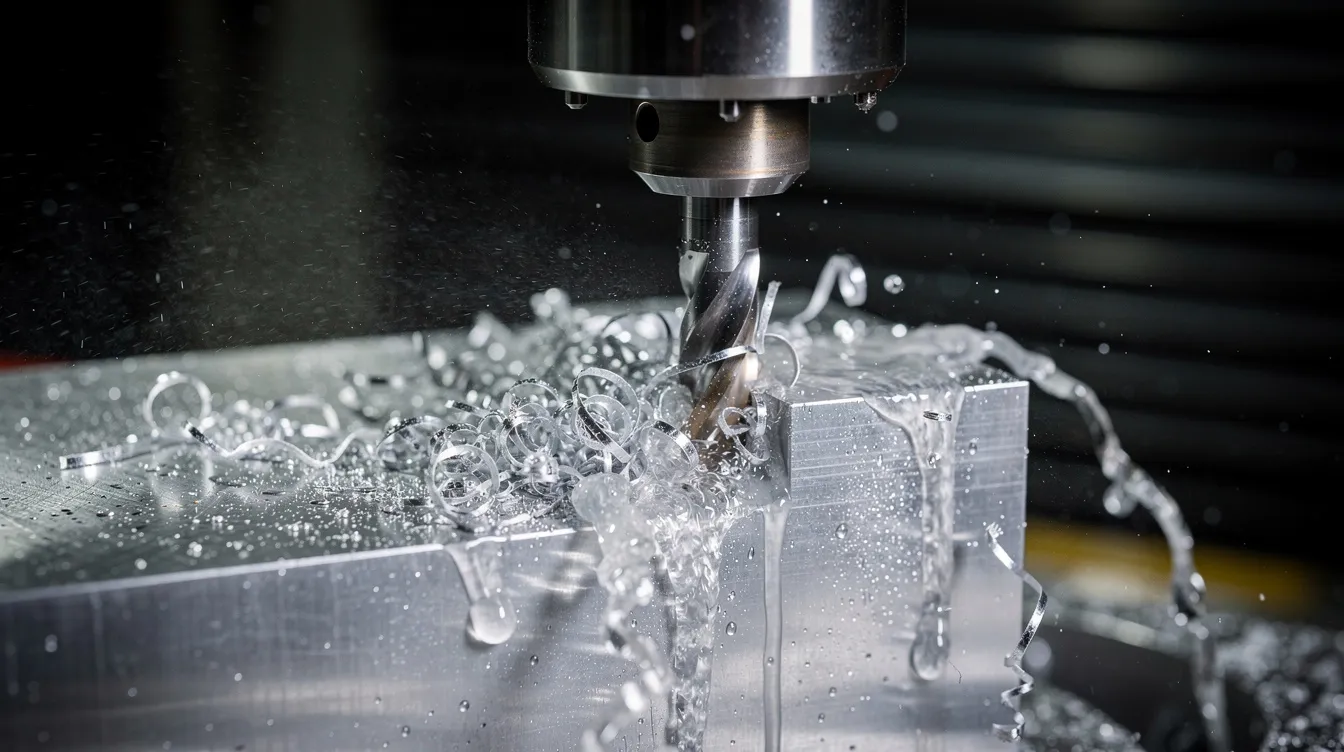
Aerospace cnc machining is the use of computer numerical control technology – computer controlled machines executing pre-programmed instructions – to produce high-precision aircraft components, spacecraft structures, and satellite components. CNC machining produces complex geometries for aerospace applications that would be impractical or impossible to achieve by manual methods.
The basic workflow follows a clear sequence:
-
CAD/CAM programming – Engineers create 3D models defining geometry, tolerances, material, and surface finish. CNC machining requires skilled operators for effective programming at this stage.
-
Toolpath generation – Strategies are selected based on geometry, material hardness, and machine type (3-axis, 5-axis, turn-mill).
-
Multi axis machining – The machining process executes milling, turning, drilling, or grinding operations.
-
In-process measurement – Probing, laser metrology, and thermal compensation keep dimensions on target.
-
Final inspection – CMM verification against GD&T standards, surface finish measurement, and full documentation.
CNC technology allows for design flexibility through quick reprogramming between production runs, making it equally suited for one-off prototypes and high-volume orders. Aerospace cnc machining covers cnc milling, cnc turning, drilling, and grinding on metals, plastics, and composites.
Core CNC Machining Capabilities for Aerospace
Multi-process machining capabilities are vital in aerospace manufacturing. Combining milling, turning, and 5 axis cnc machining in fewer setups reduces datum stack-up errors, shortens lead times, and improves final part quality. For the aerospace sector, this translates directly into lower risk and faster program timelines.
Anebon’s key machining capabilities include:
-
3-axis and 4-axis cnc milling for simpler prismatic geometries
-
5-axis simultaneous machining for complex contours and undercuts
-
CNC turning centers with live tooling and sub-spindles for rotational parts
-
Micromachining for deep holes and fine features on small components
Achievable work envelopes reach approximately 800 × 500 × 400 mm for milled parts and up to Ø300 mm for turned parts. CNC machining supports both low-volume and high-volume production – from single prototypes to thousands of cnc machined parts annually. Five-axis CNC machining allows intricate designs to be created without multiple setups, directly improving accuracy and reducing lead time for complex aerospace parts.
CNC Milling for Aircraft Components
Precision cnc milling is the primary manufacturing process for prismatic aircraft components: brackets, seat tracks, avionics housings, and structural fittings. Three-axis and four-axis milling handle flat faces, stepped surfaces, slots, and standard pockets efficiently.
When designs call for undercuts, compound angles, or thin-wall features, 5-axis cnc milling becomes essential. A typical example is a wing rib machined from aluminum 7075-T6 with weight-relieving pockets and stiffeners – maintaining structural integrity while minimizing mass. Another common application is an avionics tray in 6061-T6 with precision cnc-milled bosses, connector openings, and cooling fins for business jets and regional aircraft.
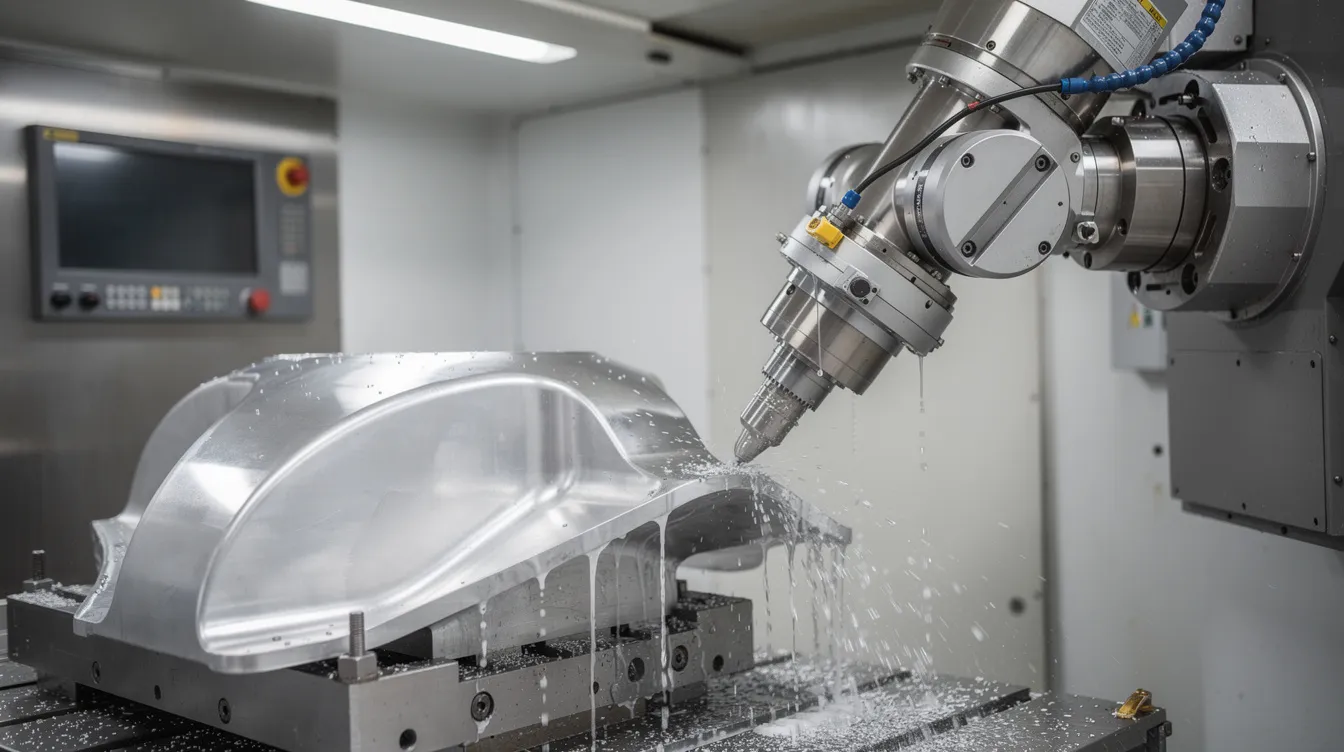
5-Axis and Multi-Axis Machining for Complex Aerospace Parts
Multi axis machining – particularly simultaneous 5-axis machining – unlocks production of parts like turbine blades, impellers, blisks, and complex engine mounts. The benefits are significant:
-
Fewer setups (often single clamping)
-
Better positional accuracy on aerofoil surfaces and flow paths
-
Improved surface finish on contoured geometries
-
Reduced fixture complexity and cost
Anebon can support fuel pump housings with intersecting internal channels, hydraulic manifolds, and satellite brackets with intricate cut-outs. 5-axis CNC machining allows for complex geometries and tight tolerances, producing complex geometries efficiently. That said, CNC machining faces limitations with extremely intricate shapes – some may still require EDM or hybrid approaches. For modern aerospace cnc applications where weight-optimized designs are standard, 5-axis capability is a must-have.
CNC Turning for Rotational Aerospace Components
CNC turning is used for shafts, bushings, actuator rods, fasteners, and landing gear pins – any rotationally symmetric aerospace part. Anebon’s turning centers integrate milling (turn-mill) to complete cross-holes, keyways, and flats in a single setup, reducing run-out and assembly error.
Typical examples include titanium Grade 5 (Ti-6Al-4V) landing gear pins and stainless steel 17-4 PH hydraulic cylinder rods requiring diameter tolerances of ±0.005 mm and surface finishes around Ra 0.2–0.8 µm for seal integrity. CNC machining can produce parts with tolerances as tight as ±0.005 mm on these demanding rotational components.
Typical Aerospace CNC Machined Parts We Produce
Anebon supplies custom aerospace parts for commercial aviation, business jets, UAVs, satellites, and ground support equipment. Categories include structural components, engine and turbine parts, avionics housings, and interior hardware. Parts can be supplied as single precision machined components or as sub-assemblies with inserts, helicoils, and basic mechanical assembly. All parts are produced to customer drawings and aerospace specifications, with full inspection data when required.
Structural Airframe and Landing Gear Components
Structural airframe and landing gear components include wing ribs, seat rails, flap track brackets, fuselage frames, hinge fittings, and landing gear supports such as trunnions and pivots. These parts demand high strength-to-weight ratios, typically using 7000-series aluminum alloys or titanium.
CNC machining helps achieve pocketed, weight-relieved designs that preserve strength. Common operations include contour milling, boring precision holes for bushings, and machining tight-tolerance interfaces for bolted joints. Landing gear components in particular require exceptional fatigue resistance and full material traceability.
Engine, Turbine, and Powertrain Parts
Engine components cnc machining covers turbine blades, stator rings, compressor casings, pump housings, and heat exchanger parts. CNC machining is essential for producing aerospace engine components, especially turbine and compressor blades with optimized aerofoil profiles and root forms ready for balancing.
Machining nickel-based superalloys and titanium for hot-section components presents real challenges: low thermal conductivity, rapid tool wear, and the need for specialized tooling and coolant strategies. Certain materials like superalloys are difficult to machine, yet CNC machines can handle advanced materials like titanium and Inconel effectively with proper parameters. Superalloys are used for high-temperature aerospace applications where conventional metals fail. Surface finish and dimensional integrity on critical engine parts directly affect engine efficiency, propulsion systems performance, and durability.
Avionics, Sensor, and Electronic Housings
CNC machining is used to produce ruggedized enclosures for flight computers, radar modules, navigation units, and satellite payloads. These housings need accurate cutouts for connectors, shielding features, threaded holes, and sealing surfaces for EMI and environmental protection.
Common materials include aluminum 6061-T6 and 6082 for thermal conductivity and shielding, magnesium alloys for weight savings, and selected engineering plastics for lightweight sensor housings. Anebon can integrate laser marking for unique serial identification and QR codes to support traceability across the aircraft life cycle.
Interior and Cabin Components
Interior aircraft components include seat brackets, tray table mechanisms, cabin panel supports, latches, and decorative trim carriers. While not always highly stressed, these parts demand tight fit, low weight, and good aesthetics – smooth milling finishes and cosmetic anodizing that airlines and business jet OEMs expect.
Machined metal parts frequently interface with plastic covers or composite panels supplied by the customer. Tolerances at mounting interfaces remain precise even when cosmetic surfaces allow slightly wider bands.
Aerospace Materials We Machine
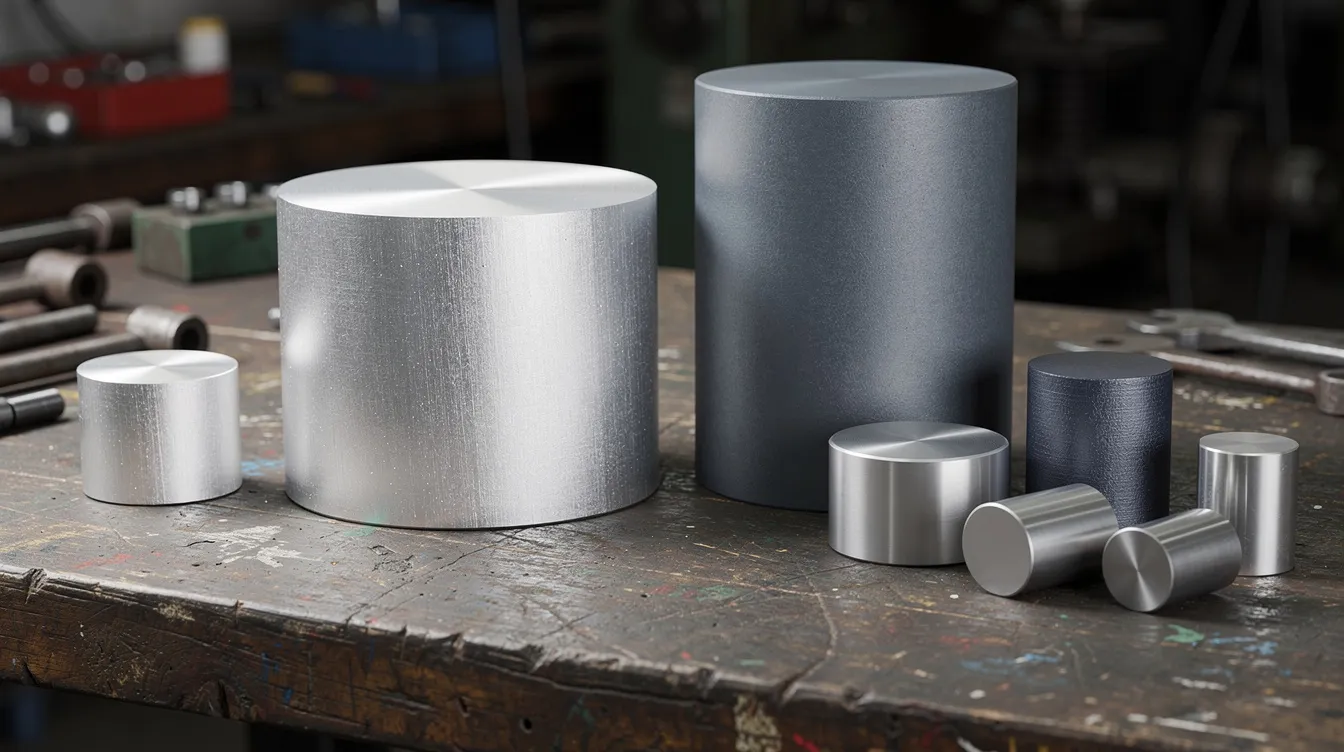
Anebon regularly machines aerospace-grade aluminum, titanium, stainless steels, nickel superalloys, copper alloys, and high-performance polymers. Selecting the right material for each function – strength, fatigue life, corrosion resistance, temperature capability – is fundamental to optimal performance.
Common aerospace standards (AMS, ASTM) govern alloys like 6061, 7075, Ti-6Al-4V, Inconel 718, and 17-4 PH. Material certificates and lot traceability are provided as part of every aerospace machining services delivery.
Aluminum Alloys (6061, 6082, 7075, 2024)
Aluminum alloys are the most common aerospace cnc material due to light weight, good machinability, and high specific strength. Aluminum alloys are lightweight and corrosion resistant, making them ideal for a broad spectrum of aerospace applications.
|
Alloy |
Typical Use |
Key Property |
|---|---|---|
|
7075-T6 |
High-load structural components |
Highest strength |
|
2024 |
Fatigue-critical airframe skins/spars |
Superior fatigue life |
|
6061-T6 |
Brackets, housings, general fittings |
Good machinability |
|
6082 |
Structural profiles, enclosures |
Balanced properties |
Surface treatments like anodizing and chromate conversion are commonly applied after machining to enhance corrosion resistance and paint adhesion.
Titanium and High-Temperature Alloys
Machining titanium Grade 5 (Ti-6Al-4V) and Grade 2, plus nickel-based alloys like Inconel 625 and 718, requires optimized cutting parameters and coolant strategies due to low thermal conductivity and aggressive tool wear. Titanium alloys withstand high temperatures and offer excellent corrosion resistance, making them essential for engine pylons, landing gear parts, and high-stress fittings.
Inconel turbine rings, exhaust components, and heat shields operate in the hottest zones of jet engines. Anebon maintains tight tolerances and surface integrity on these advanced materials through rigid fixturing, controlled feed rates, and advanced machining solutions tailored to each alloy.
Stainless Steels and Specialty Steels
Common aerospace grades include 17-4 PH, 15-5 PH, 316L, and 304 stainless steel – used for corrosion-resistant hardware, hydraulic manifolds, valve bodies, high-strength fasteners, and sensor mounts. Heat treatment and precipitation hardening stages often follow cnc machining to achieve target strength and corrosion resistance properties.
High-Performance Polymers and Composite-Related Machining
Engineering plastics such as PEEK, Ultem (PEI), PTFE, and glass-filled nylons serve as electrical insulators, bushings, connectors, and lightweight interior parts. PEEK is a high-performance polymer used in aerospace components where chemical resistance and low weight are critical. Carbon fiber composites are used in 50% of the Boeing 787, and Anebon can machine aluminum or steel molds and trim tools used in composite layups for wings and fuselage sections.
Machining polymers demands controlling heat and avoiding burrs or stress cracking – challenges that require experience and precise process parameters.
Surface Finishes and Treatments for Aerospace CNC Parts
Aerospace components often need specific finishes for corrosion resistance, wear life, fatigue performance, and appearance. Surface finish requirements often necessitate additional post-processing beyond the machining process itself.
Anebon coordinates or provides common aerospace finishes: anodizing, hard anodizing, passivation, chromate conversion, nickel plating, and bead blasting. Typical aerospace surface roughness targets range from Ra 0.8–1.6 µm for general surfaces to Ra 0.2–0.8 µm for sealing and bearing interfaces. All finishing processes are traceable with accompanying certifications.
Anodizing and Hard Anodizing
Sulfuric anodizing (Type II) provides standard corrosion resistance and color options for aluminum aircraft components. Hard anodizing (Type III) serves wear-prone parts like sliding seat tracks, actuators, and mechanical linkages.
Designers should account for anodize thickness in critical fits – Type III coatings add 25–50 µm per side, which must be factored into machining dimensions on precision cnc machining drawings.
Passivation, Conversion Coatings, and Plating
Stainless steel passivation improves corrosion resistance for fasteners and fluid system parts. Chromate conversion coatings (Alodine) prepare aluminum surfaces for paint adhesion and maintain electrical continuity on ground planes. Electroless nickel plating provides wear, conductivity, and corrosion control on specific aerospace machined parts.
Coating selection often follows OEM standards or military specifications, which Anebon can work to per customer flow-down requirements.
Mechanical Finishes and Marking
Bead blasting or glass bead finishing creates uniform matte surfaces on internal structures and housings. Polishing or grinding of shaft surfaces meets strict runout and Ra requirements where bearings and seals interface.
Laser marking supports unique ID, serialization, and QR codes for part traceability across the aircraft life cycle – a requirement that aerospace manufacturers increasingly mandate across their supply chains.
Quality Assurance, Standards, and Traceability
Aerospace precision machining requires reliable quality systems, process control, and complete documentation at every stage. AS9100 certification is essential for aerospace manufacturing, and ISO 9001 is a common quality management standard in aerospace. Anebon holds ISO 9001:2015 and ISO 14001:2015 certifications and works according to AS9100-style controls when required by customers.
NADCAP accreditation is crucial for specialized aerospace processes such as heat treatment, coatings, and NDT. ITAR compliance is required for defense-related aerospace projects involving controlled technical data.
Inspection and Metrology for Aerospace CNC Parts
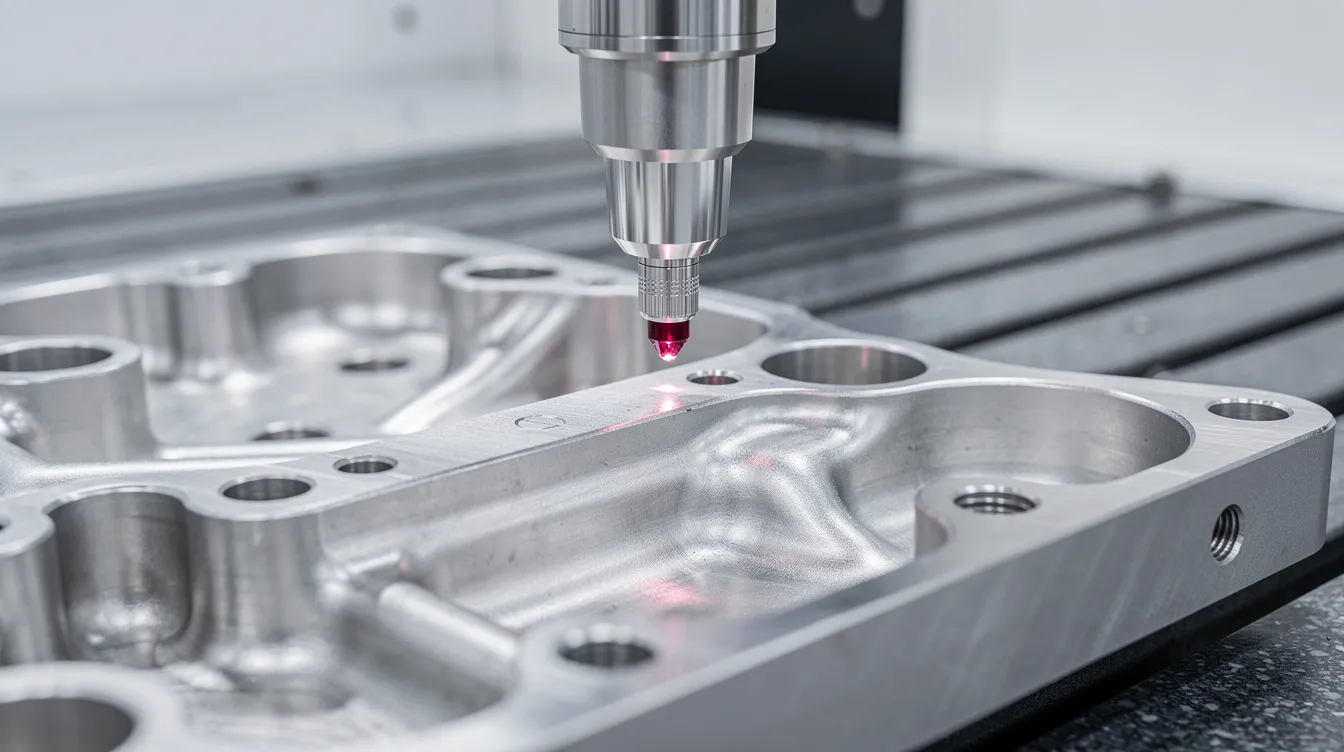
Coordinate measuring machines (CMM) verify complex geometries, turbine blades, and tight-tolerance bores with repeatability in the low-micron range. Additional tools include height gauges, profilometers for surface roughness, thread gauges, and bore gauges.
For critical safety items, 100% inspection is standard. Capability studies (Cp, Cpk) are provided when requested. Anebon measures and documents to the customer’s aerospace quality plans, supporting everything from sampling plans to full characteristic accountability.
Documentation, FAI, and Traceability
The documentation package typically includes:
-
Certificates of Conformance (CoC)
-
Raw material test reports with heat lot traceability
-
Special process certificates (anodizing, plating, passivation)
-
Calibration records for measurement instruments
Anebon supports AS9102-style First Article Inspection for new or revised aerospace parts – covering Form 1 (part number accountability), Form 2 (raw materials and special processes), and Form 3 (full characteristic accountability with ballooned drawings). Digital records are securely stored and fully auditable, reducing customer qualification effort and audit risk.
From Prototype to Production: Aerospace Machining Services Workflow
Anebon supports early-stage R&D, aerospace prototyping, bridge builds, and long-term production for aerospace programs. The typical project flow moves through RFQ and DFM review, prototype runs, design refinement, pilot production, and scaled precision manufacturing.
Lead times for prototypes can be as short as 7–15 days depending on complexity and material availability. This flexibility benefits both aerospace startups and established OEMs needing capacity without heavy capital investment.
Design for Manufacturability (DFM) and Engineering Support
Anebon’s engineers review CAD and 2D drawings to suggest tolerance optimization, tool access improvements, wall thickness adjustments, and material alternatives. Specific examples include relaxing non-critical tolerances to reduce cost, modifying fillet radii to improve tool life, and recommending work-holding strategies for large structural components.
CNC machining reduces material waste during the manufacturing process when paired with smart DFM – near-net programming and optimized nesting save significant cost on expensive aerospace materials. DFM feedback is typically provided within 24–48 hours of RFQ, helping aerospace customers iterate faster.
Rapid Prototyping and Bridge Manufacturing
Rapid prototyping covers small-batch, quick-turn runs for concept validation, wind tunnel models, and test rig components. CNC machining enables rapid production of aerospace prototypes and supports rapid prototyping and efficient production runs across the global aerospace industry.
Bridge production – intermediate volumes before full-rate manufacturing – uses the same fixtures and programs to de-risk program launches. A typical scenario: machining 20–50 sets of aircraft components for flight test or certification campaigns, combining cnc machining aerospace parts with sheet metal fabrication or additive manufacturing processes for representative prototypes. Additive manufacturing integration is increasingly common where near-net shapes reduce subsequent machining time on complex aerospace parts.
Full-Scale Production and Long-Term Support
For full-scale production, Anebon supports recurring orders with consistent quality, repeat tooling, and controlled process parameters. CNC machines can operate continuously with minimal human intervention, and automated CNC tools produce thousands of identical parts with high consistency – reducing human error and maintaining dimensional stability across batches.
Inventory strategies such as Kanban or safety stock serve high-mix, low- to medium-volume aerospace part portfolios. Revision control and engineering change management are built into cnc machining aerospace workflows, with updated FAI documentation produced for every design change. CNC machining achieves tight tolerances up to ±0.005 mm across sustained production runs.
Environmental Responsibility in Aerospace Manufacturing
Anebon’s ISO 14001:2015 certification underlines commitment to environmentally responsible machining – important for an aerospace industry focused on sustainability. Practices at the Dongguan facility include coolant recycling, chip segregation and recycling (aluminum, titanium, and steel processed separately), and responsible waste management of oils and coolants.
Optimized toolpaths, near-net machining, and accurate nesting reduce scrap on expensive aerospace materials. Aerospace customers can reference Anebon’s environmental practices in their own ESG and supply-chain sustainability reporting, an increasingly important factor in supplier selection.
Why Aerospace OEMs Partner with Anebon
Anebon’s differentiators set it apart from typical cnc shops: ultra precision aerospace components with ±0.002 mm capability, full multi axis machining, a wide material range covering advanced materials from aluminum to Inconel, and robust QA systems aligned with aerospace expectations. Automated CNC machining enhances safety and quality through reduced manual intervention, and advanced automation across the shop floor keeps consistency high.
CNC machining’s ability to deliver repeatable, precision machining services at competitive cost – combined with English-language engineering support and fast response times (quotations within 24–48 hours) – makes Anebon a strong partner for aerospace OEMs, Tier 1 and Tier 2 suppliers, and UAV developers across North America and Europe. The company provides advanced cnc machining and precision cnc solutions from prototyping through scaled production, with manufacturing costs that reflect the efficiency of its Dongguan operations.
How to Request a Quote for Aerospace CNC Machining
Getting started with Anebon’s aerospace cnc machining services is straightforward:
-
Prepare your files – Submit 3D CAD (STEP/IGES) and 2D drawings with all dimensions, tolerances, surface finish callouts, and GD&T.
-
Specify requirements – Material grade, heat treatment, quantity (prototype or production), target lead time, and required documentation (FAI, material certs, CoC).
-
Confidentiality – Anebon signs NDAs and supports encrypted file transfer for sensitive aerospace projects.
-
Receive your quote – Expect a response within 24 hours on working days, including pricing, lead time, DFM notes, and a suggested manufacturing route.
CNC machining plays a crucial role in every stage of aerospace development, and high precision cnc machining from a qualified partner reduces program risk from day one.
Contact Anebon Metal Products Limited today to discuss your next cnc machining aerospace parts project – whether you’re producing a single prototype or scaling to full production for a certified aerospace program.