Top CNC Machine Tools for Precision Engineering and Manufacturing
CNC Machine Tools: A Practical Guide for Modern Manufacturing
CNC machine tools are at the core of how precision parts get made today. Whether you are sourcing aerospace brackets, medical implants, or electronic housings, understanding what these tools do and how to select them can save your project time and money. This guide walks through tool types, materials, coatings, and selection criteria so you can approach your next CNC machining order with confidence.
What Are CNC Machine Tools?
CNC machine tools are the cutting and support instruments used inside a computer numerical control machine to shape metal and plastic workpieces. They are the drills, end mills, turning inserts, reamers, and fixtures that physically interact with the raw material. CNC machine tools are automated manufacturing devices operated by pre-programmed computer software, meaning the equipment follows coded instructions rather than manual input.
It is important to separate two ideas that are often confused:
-
The CNC machine is the platform that moves: the frame, axes, spindle, motors, and controller. It provides the motion and rigidity.
-
The CNC machine tools are the items mounted on the spindle or turret that actually cut, drill, or shape the part. They are interchangeable and selected based on the job.
CNC machining uses coded instructions known as G-code, generated from CAD/CAM software, instead of manual handwheels. This enables automated, repeatable production and allows CNC tools to produce complex parts with unparalleled accuracy. CNC machines can achieve tolerances as small as 25–50 microns on standard equipment, and even tighter on specialized machines.
Typical CNC machines include:
-
3-axis vertical machining centers – for general milling of pockets, slots, and contours
-
CNC lathes – for turning cylindrical parts like shafts and bushings
-
5-axis machining centers – for complex geometries requiring tool access from multiple angles
At Anebon Metal Products Limited, we use CNC machine tools daily to produce OEM components with tolerances as tight as ±0.002 mm for overseas clients across industries worldwide.
Role of CNC Machine Tools in Automation and Precision
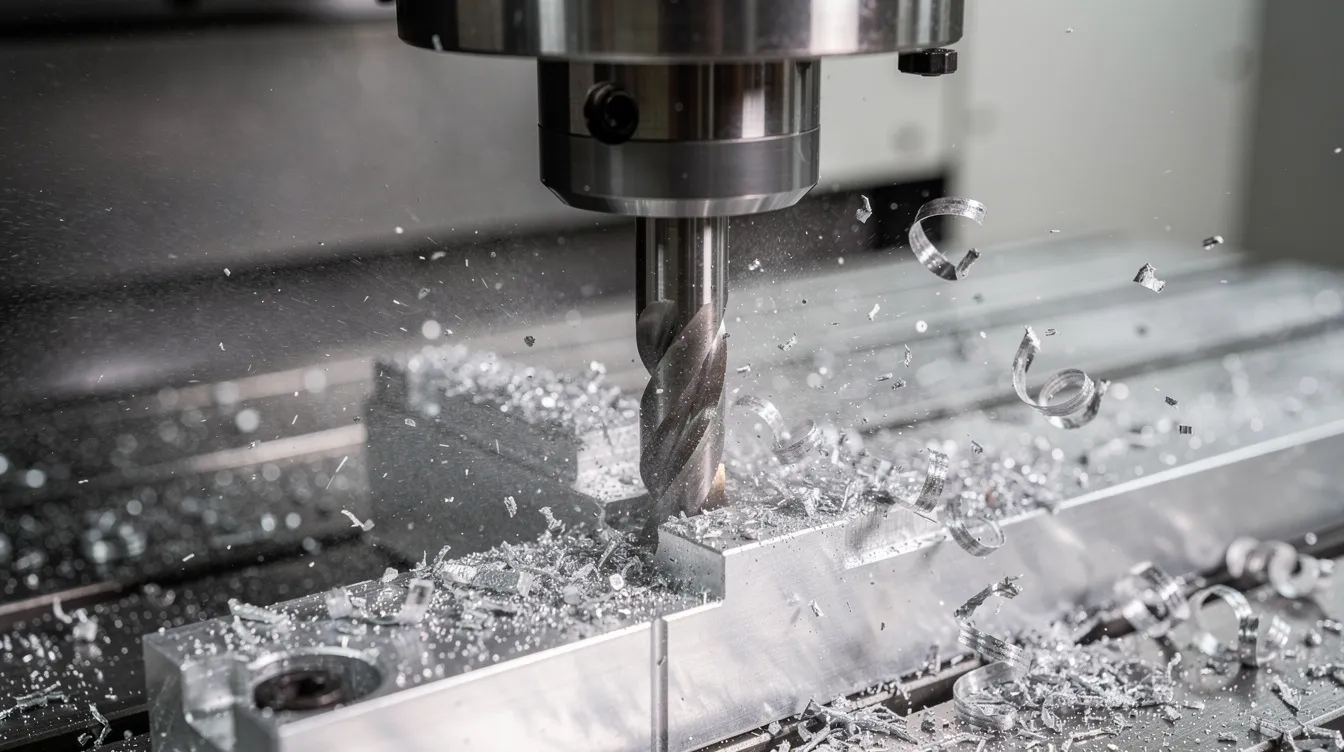
Modern manufacturing depends on CNC machine tools not just for cutting metal, but for enabling entire production lines to run with minimal human intervention. CNC machines operate autonomously after programming, which makes lights-out operation possible for medium- and high-volume OEM orders.
-
CNC machines are used in various industries including automotive, aerospace, and medical device manufacturing. In each of these industries, CNC machining ensures high precision in manufacturing and reduces human error in production processes.
-
Precision and repeatability are non-negotiable. Holding ±0.01 mm across hundreds of parts is standard for aerospace components, while flight-critical features may demand ±0.002–0.005 mm. CNC machines ensure high accuracy and consistency in producing complex parts at this level.
-
Correct tool selection – material, geometry, and coating – plus proper feeds and speed directly affect part accuracy, surface finish, and cycle time. CNC tools enhance repeatability in manufacturing tasks, making it possible to produce thousands of identical parts with consistent quality.
-
At Anebon, we integrate tool presetting, probing, and in-process inspection to maintain quality while running automated CNC machining cells. This approach reduces scrap, shortens lead times, and supports just-in-time delivery for global supply chains.
CNC Machines vs. CNC Machine Tools: Key Differences
To choose the right tools for your project, you first need to understand how the machine and its tools relate to each other.
-
A CNC machine consists of the base, linear and rotary axes, spindle, drive motors, control electronics, and software that interprets G-code. It is the equipment that orchestrates all movement.
-
CNC machine tools are the interchangeable instruments mounted on the spindle or turret. They physically remove or shape material during each operation.
Typical CNC machines:
-
CNC milling machines – CNC mills use rotating cutting tools to create complex 3D shapes in metals and plastics
-
CNC lathes – CNC lathes rotate the workpiece against a stationary cutting tool for turning, facing, and threading
-
Turn-mill centers – combine turning and milling in one setup for complex parts
-
5-axis machining centers – allow simultaneous movement on five axes for intricate aerospace and medical geometries
-
CNC drilling/tapping centers – optimized for high-speed hole-making and threading operations
-
CNC routers – used for cutting softer materials like wood and plastics at high feed rates
-
Laser and plasma cutters – utilize focused beams to cut through materials with precision
-
Wire EDM – uses an electrically charged wire to cut conductive materials with extreme accuracy
Typical CNC machine tools:
-
End mills, drills, reamers, taps, boring bars, turning inserts, and face mills – each designed to remove or form material in a specific way
Modern toolholders such as ER collets, BT40/HSK tapers, and quick-change lathe toolholders connect the cutting tool to the CNC machine with high rigidity and minimal runout, which directly impacts finish and tool life.
Anebon operates multi-axis CNC machining centers and CNC turning machines equipped with automated tool changers to support rapid prototyping and full-scale production.
Main Categories of CNC Machine Tools
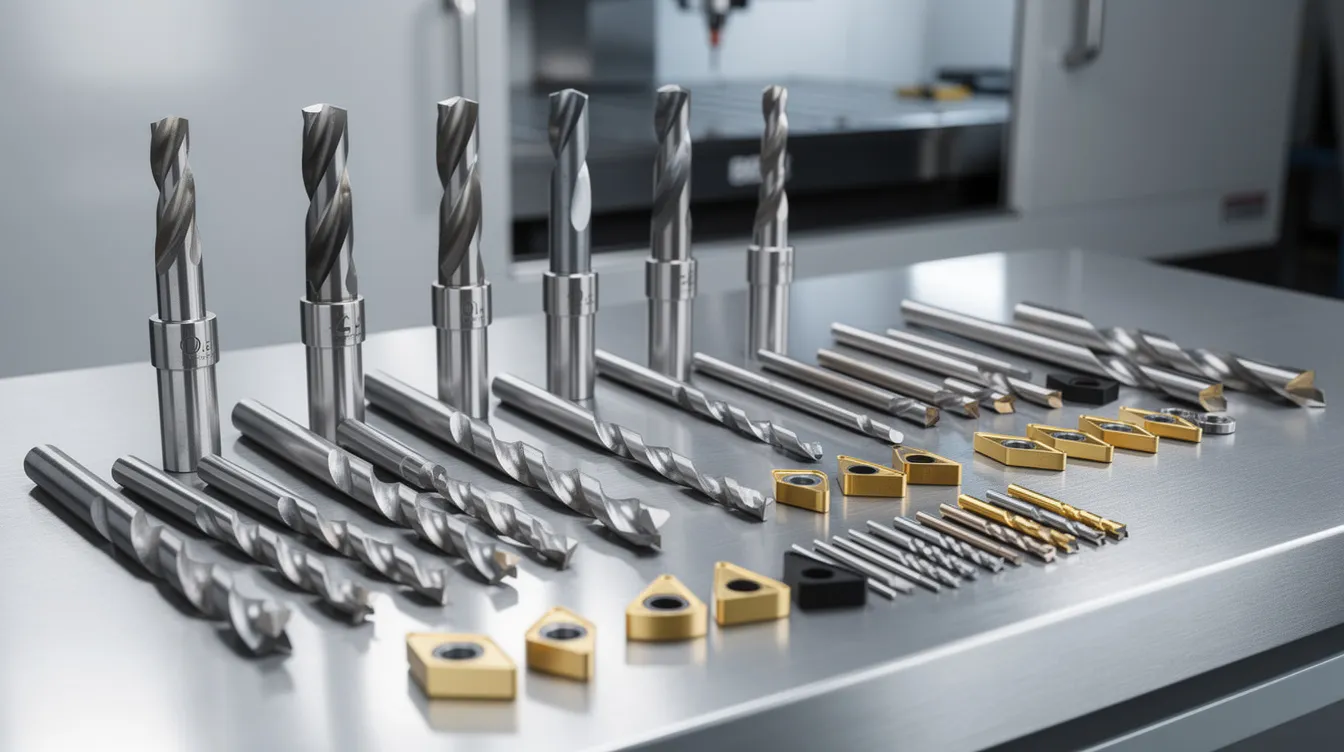
CNC tools include cutting and non-cutting types. CNC tools are categorized into cutting and non-cutting tools, and both categories are essential for stable, high-precision CNC machining – especially when working with tight-tolerance parts.
Cutting Tools
Cutting tools directly remove material through milling, drilling, turning, boring, reaming, and chamfering. They are the tools that create the final shape of the part.
-
Common cutting tool materials include high-speed steel (HSS), solid carbide, and coated carbide (e.g., TiN, TiAlN). CNC tools are made from materials like carbide and high-speed steel, selected based on workpiece hardness and required speed.
-
Tool geometry – flute count, helix angle, nose radius – is chosen according to the material being cut. Soft metals like aluminum need different geometries than hard materials like hardened steel or titanium.
-
For high-precision parts and tough metals, Anebon typically employs micro-grain carbide tools with advanced coatings to increase tool life and maintain dimensional consistency across long runs.
Non-cutting Tools
Non-cutting tools hold, position, measure, or support the workpiece and cutting tools during CNC machining without removing material.
-
Examples include vises, soft jaws, fixtures, chucks, collets, clamps, tool presetters, edge finders, probes, and gauges used for setup and inspection.
-
Well-designed fixtures and jigs prevent vibration, misalignment, and thermal deformation during long CNC cycles. This is critical when holding tolerances below ±0.01 mm.
-
Anebon often designs custom fixtures for complex OEM parts to achieve repeatability across both small prototype batches and full production runs.
Common Types of CNC Machine Tools Used in Machining
This section provides a practical overview of the most widely used CNC tools in everyday machining of metal and plastic components. Each tool type has a specific role – roughing, finishing, drilling, or threading – and is chosen based on part geometry and tolerance requirements.
End Mills
-
End mills are the primary tools for CNC milling. End mills cut from various angles for intricate profiles, creating flat surfaces, slots, pockets, contours, and 3D shapes in materials like aluminum 6061, stainless steel 304, and ABS.
-
Main types include flat end mills for sharp-edged pockets, ball nose end mills for 3D contours and mold cavities, and corner-radius mills to reduce stress concentrations on edges.
-
At Anebon, we use high-speed carbide end mills for machining electronic housings, medical brackets, and automotive prototypes.
Drill Bits
-
Drill bits create round holes in solid materials for fasteners, pins, fluid passages, and threads. CNC drilling machines are essential for producing consistent and accurate bores across production batches.
-
Common variants include twist drills for general holes, center drills for accurate starting points, step drills for multiple diameters, and spot drills for chamfered entries to each hole.
-
Peck drilling and coolant-through strategies are important when drilling deep holes in stainless steel or titanium to prevent tool breakage and maintain depth accuracy.
-
Anebon often combines drilling and tapping cycles to speed up hole-making in OEM production jobs.
Reamers
-
Reamers polish drilled holes to exact diameters, functioning as finishing tools that bring holes to highly accurate sizes with improved surface finish (e.g., H7 tolerance fits).
-
Typical applications include precision alignment pins, bearing seats, and dowel holes in assembly equipment parts.
-
Anebon uses carbide and HSS reamers for tight-tolerance holes required by aerospace and medical customers.
Taps and Thread Mills
-
Taps cut internal threads for fastening components, producing threading in standard sizes (e.g., M3, M6, 1/4-20 UNC) in previously drilled holes.
-
Taps are faster and more common; thread mills offer more flexibility, especially for hard materials and large-diameter threads.
-
For high-value components made from titanium or hardened steels, Anebon may prefer thread milling to reduce scrap risk from broken taps.
Face Mills
-
Face mills flatten wide surfaces quickly and efficiently, using multi-insert cutters to plane large areas such as aluminum plates, base frames, or housings.
-
They are ideal for preparing stock before detail CNC machining, ensuring flat reference surfaces for subsequent operations.
-
Anebon uses face milling to improve surface flatness and reduce machining time on large panels and machine components.
Turning Tools (Lathe Tools)
-
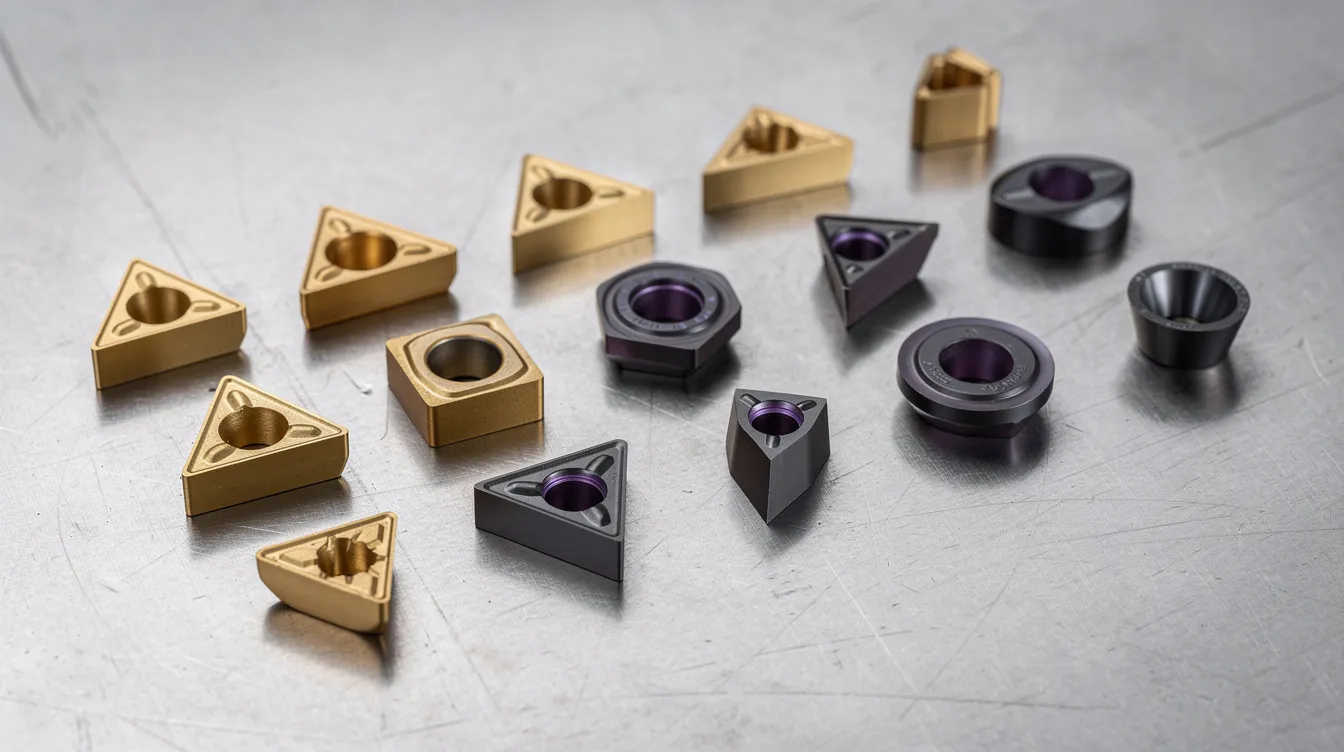
Turning tools consist of insert holders and carbide inserts used on CNC lathes and turn-mill centers to machine rotating parts like shafts, bushings, and connectors.
-
Common operations include external turning, facing, grooving, threading, and internal boring on materials such as brass, alloy steels, copper, and engineering plastics.
-
Anebon relies on precision turning tools to produce cylindrical parts with fine surface finishes and tight concentricity for robotics and automotive customers.
Boring Bars
-
Boring bars enlarge and finish internal diameters to precise dimensions and straightness after drilling or casting.
-
Applications include hydraulic cylinder bores, bearing housings, and motor housings requiring accurate internal diameters.
-
Vibration-damped boring bars are used for deep, narrow bores to maintain surface quality and form consistency.
Cut-off (Parting) Tools
-
Cut-off tools separate finished parts from bar stock on CNC lathes and create grooves for seals or retaining rings.
-
Correct setup and coolant are important to avoid chatter and ensure clean faces on separated parts.
-
Anebon uses indexable parting tools to maintain consistent quality and reduce downtime when producing large quantities of turned components.
Knurling Tools
-
Knurling tools press a patterned surface (diamond or straight knurl) into cylindrical parts to improve grip or aesthetics.
-
Examples include control knobs, instrument handles, and tool grips used in medical devices or industrial equipment.
-
Anebon can apply knurled textures as part of CNC turning services when OEMs require better ergonomics or decorative finishes.
How CNC Machining Tools Work with CAD/CAM and G-code
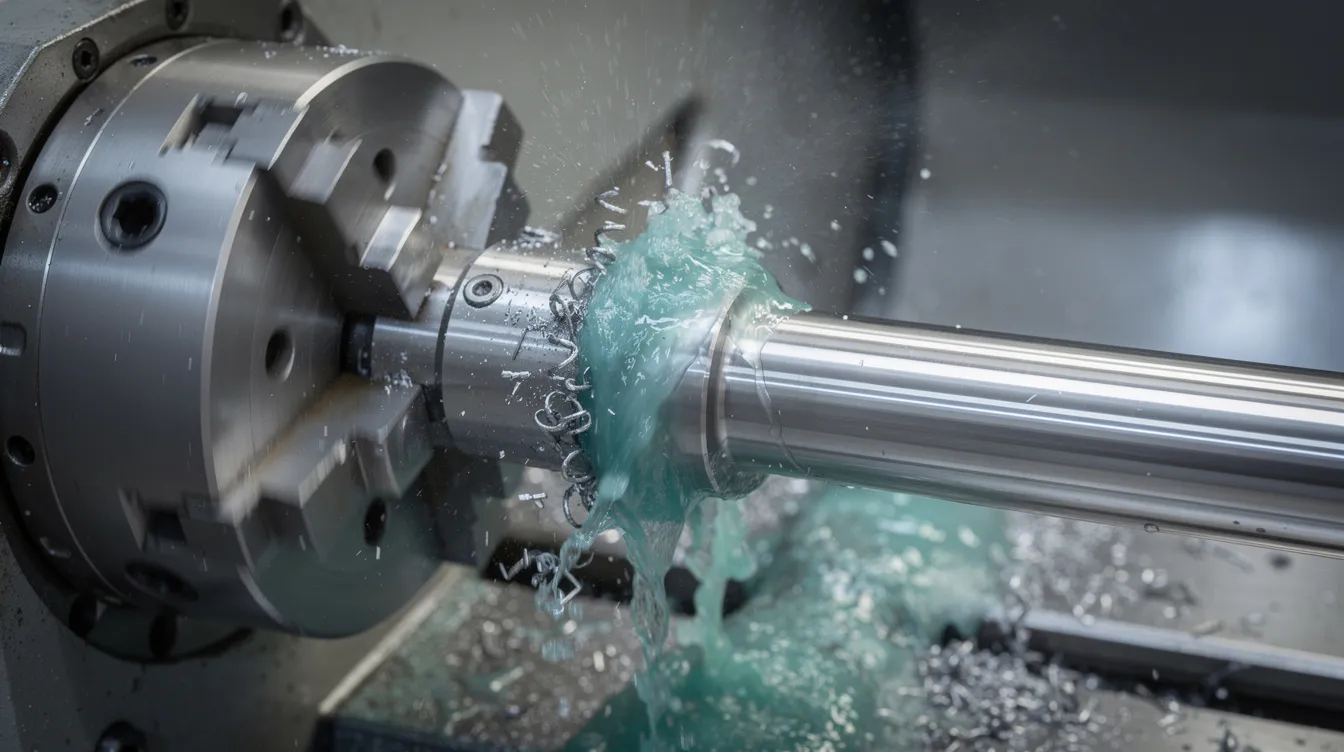
CNC machines convert CAD designs into machine code via CAM software. An engineering team creates a 3D model in CAD, the CAM software generates optimized toolpaths, and the resulting G-code is sent to the CNC machine controller. The machine then executes commands for spindle speed, feed rate, tool changes, and coolant – ensuring each CNC machine tool follows the planned path with precision.
-
Accurate tool length and diameter offsets are essential so that the virtual toolpath in software matches the real cutting position on the workpiece. Without correct offsets, even the best toolpath will produce out-of-tolerance parts.
-
Anebon uses modern CAM systems and simulation to verify toolpaths before machining, reducing the risk of collisions and scrap on complex 5-axis jobs.
-
Feedback loops for tool wear monitoring, thermal compensation, and in-process probing keep production lines running accurately without waiting for manual checks.
Common Tool Materials in CNC Machining
Selecting the right tool material is one of the first decisions in any CNC machining project.
-
High-speed steel (HSS) is tough and cheap for everyday cuts, suitable for lower cutting speeds and general-purpose work on mild steels and aluminum.
-
Carbide tools excel on fast, precise runs through tough materials. Solid carbide end mills are standard for machining 7075 aluminum aerospace parts and stainless steel medical implants.
-
Ceramic tools are very hard and heat-proof but fragile – best reserved for continuous cuts in hardened steels or cast iron at high speed.
-
Cermet combines ceramic and metal for a mirror finish on steel, often used in semi-finishing and finishing operations.
-
Diamond-tipped tools (PCD) are superhard for abrasive materials like metal-matrix composites and high-silicon aluminum. CBN (cubic boron nitride) handles hardened steels above 50 HRC.
Anebon selects tool materials based on part material, batch size, and required tolerance to balance cost and performance for each project.
Tool Coatings and Their Benefits
Coatings extend tool life, enable higher cutting speeds, and reduce friction – all essential for keeping lead times short in OEM production.
|
Coating |
Key Benefit |
Best For |
|---|---|---|
|
TiN |
General wear resistance, hardness ~2,000–2,500 HV |
Steel, non-ferrous metals |
|
TiCN |
Higher hardness (~2,700–3,000 HV), better abrasion resistance |
Cast iron, carbon steels |
|
TiAlN / AlTiN |
Forms protective Al₂O₃ layer at 800–900°C; excellent heat resistance |
Dry machining, hardened steels, stainless |
|
DLC |
Very low friction, prevents built-up edge |
Aluminum, copper, plastics |
Anebon often uses coated carbide tools when machining stainless steels and high-temperature alloys for improved efficiency and longer tool life between changes.
Choosing the Right CNC Machine Tools for Your Project
Choosing the right tool boosts accuracy and surface finish while controlling cost. Tool type affects machining speed and part quality, so this decision deserves careful attention. CNC tools must match the workpiece material – there is no other way around it.
Key factors to consider:
-
Workpiece material – aluminum, steel, titanium, brass, or plastics each demand different tool substrates, coatings, and geometries
-
Part geometry – deep pockets, thin walls, small-diameter features, and complex 3D contours each require specific tool types and approach strategies
-
Tolerance and surface finish – moving from ±0.1 mm to ±0.01 mm can increase part cost by 3–5× due to slower feeds, more tool changes, and additional inspection
-
Production volume – prototype runs may justify HSS tools; high-volume jobs often demand carbide or coated carbide for longer life
-
Machine capabilities – axes count, spindle speed, and rigidity determine which tools can be used effectively
-
Tool length-to-diameter ratio – longer tools deflect more, affecting accuracy in deep pockets; explore shorter alternatives or vibration-damped options when possible
Anebon’s engineers provide DFM (Design for Manufacturability) feedback during quoting, recommending optimal tools and processes to reduce cost and lead time before production begins.
CNC Machine Tools in Anebon’s Manufacturing Services
Anebon Metal Products Limited is a precision CNC machining, die casting, and sheet metal fabrication company founded in 2010 in Dongguan, Guangdong, China. The company holds ISO 9001:2015 and ISO 14001:2015 certifications and serves overseas OEM customers across aerospace, medical devices, automotive, electronics, and robotics.
Core capabilities include:
-
3-, 4-, and 5-axis CNC milling, CNC turning, and combined turn-mill operations
-
Rapid prototyping through full production volumes
-
A wide range of materials: aluminum, stainless steel, titanium, brass, copper, and engineering plastics
-
High-precision machined parts with tolerances down to ±0.002 mm, verified by CMM inspection
Anebon combines advanced CNC machines, carefully selected machine tools, and robust quality assurance so that employees at every stage of the process uphold the standards your business expects. Our shop operates with the idea that every part matters – whether it is a single prototype or a run of ten thousand.
If you are a design engineer or buyer looking for a manufacturing solution, send your CAD files and technical drawings to request a free quote or DFM review. Visit our website to explore our full capabilities and locate the right service for your next project.
Conclusion
CNC machine tools, when combined with capable CNC machines and CAD/CAM software, form the backbone of modern manufacturing across the world. CNC machines are indispensable in modern fabrication for their repeatability and tight tolerances – a reality that touches every market from consumer electronics to aerospace.
-
Understanding tool types, materials, and coatings gives manufacturers and OEM buyers the ability to achieve better quality, faster delivery, and more reliable production at a competitive cost.
-
Correct tool selection is not just a technical detail – it is a business decision that determines success, efficiency, and the life of your production runs.
-
Contact Anebon to discuss your next CNC machining project. Our team is ready to help you match the right tools, processes, and materials to your requirements – so you can move from idea to finished part with confidence and without upgrading your risk profile.