Top Benefits of Using Stamp Automotive in Manufacturing Processes
Stamp Automotive: How Metal Stamping Powers Modern Car Manufacturing
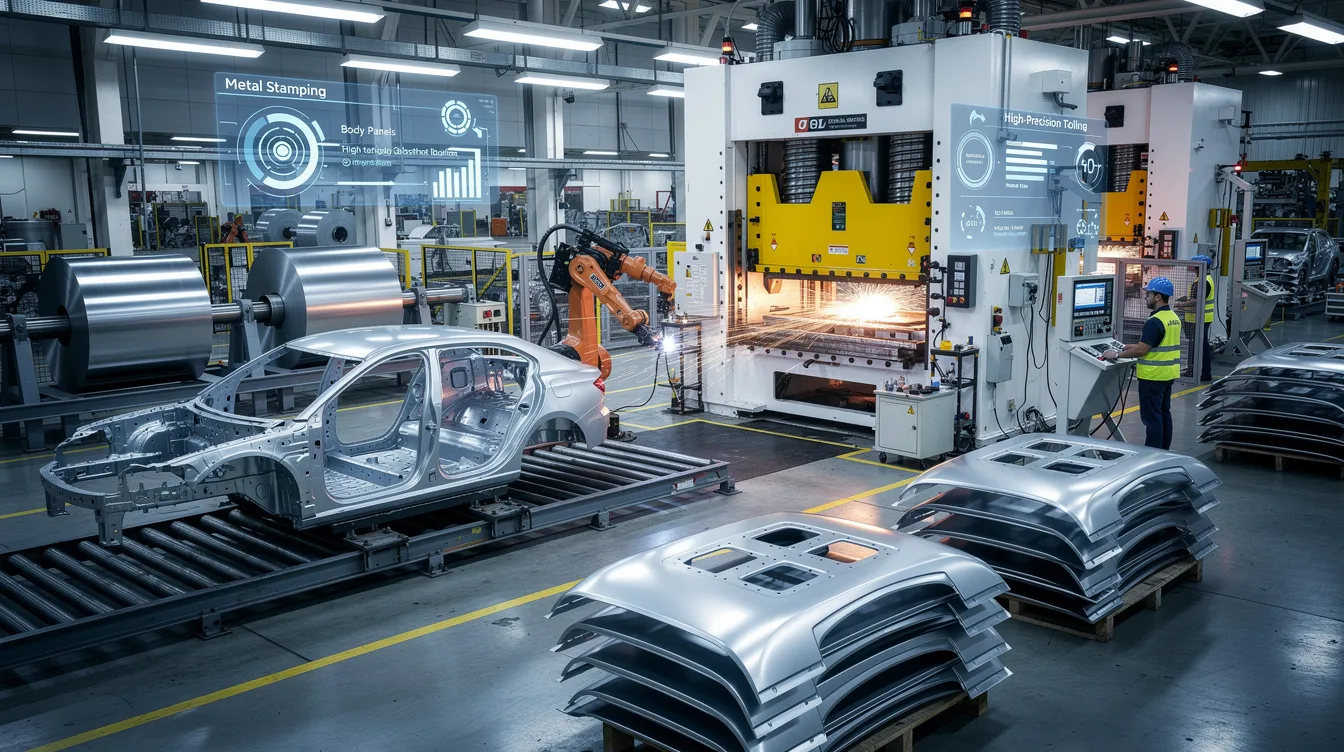
Every car on the road today is held together by hundreds of metal components that started as flat sheets of steel or aluminum. Metal stamping transforms flat sheets of materials into functional vehicle components, and the stamp automotive process is behind nearly every panel, bracket, and structural reinforcement you see on a modern vehicle. In this guide, you’ll learn how metal stamping works, where stamped parts go inside a vehicle, and why the right manufacturing partner can make or break an automotive program.
Stamp Automotive in the Automotive Industry
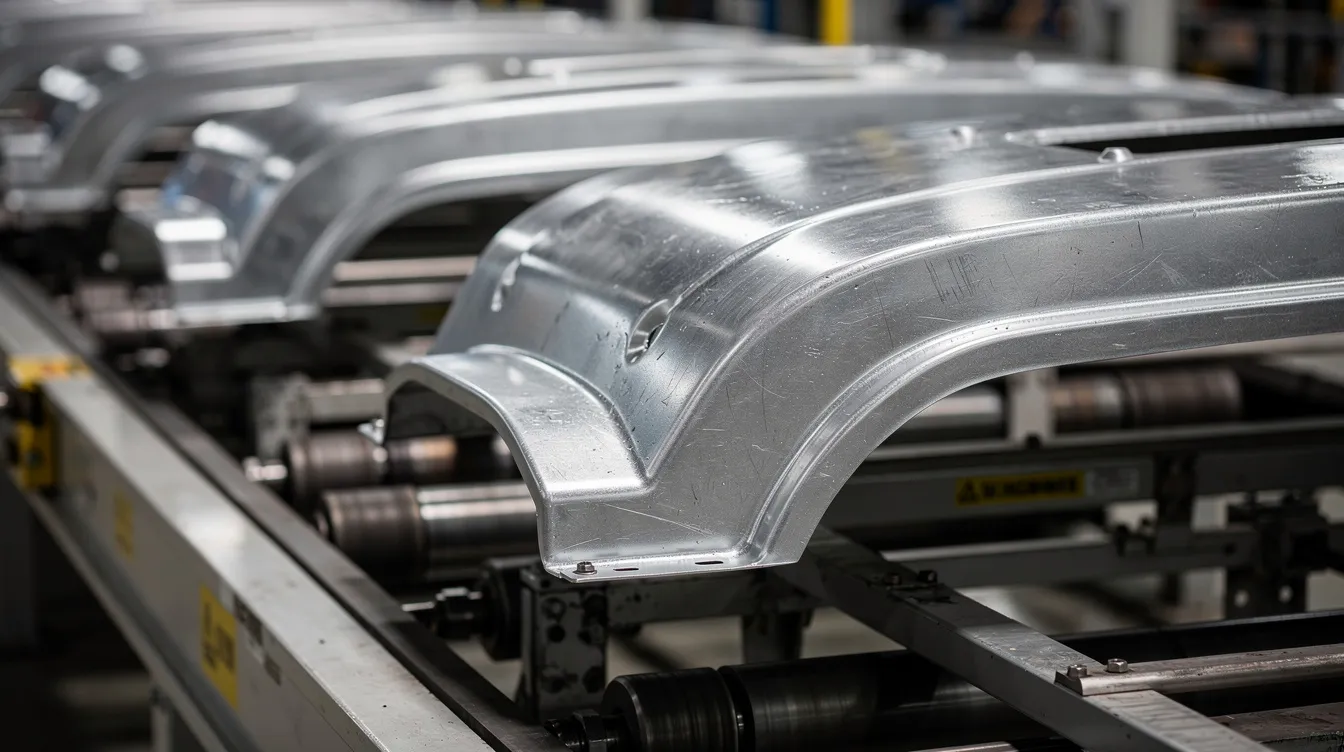
The term “stamp automotive” refers to the use of metal stamping to create critical components for cars at scale. It is a cornerstone of the automotive industry, responsible for producing everything from body panels to crash structures across millions of vehicles each year. By 2025, global demand for stamped automotive parts is projected to reach $300 billion, reflecting just how central this process is to modern car manufacturing.
-
Over 70% of structural parts in a typical passenger vehicle are produced via metal stamping processes, covering body-in-white elements like doors, hoods, roofs, pillars, and frame rails.
-
Metal stamping underpins both traditional ICE vehicles and new EV platforms. Battery trays, motor housings, crash boxes, and structural underbodies in electric cars still rely heavily on stamping and related forming operations.
-
Automotive stamping will become more important as cars evolve, driven by demands for lighter weight, higher strength, and faster production cycles.
-
Anebon Metal Products Limited supports overseas OEMs with precision stamped and machined parts for automotive assembly, combining stamping with CNC machining and finishing under one certified roof.
What Is Metal Stamping in Car Manufacturing?
At its core, automotive metal stamping transforms flat sheet metal-steel, aluminum, titanium, copper alloys, and other metals-into three-dimensional shapes using presses and custom tooling known as dies. The process is fast, repeatable, and capable of producing parts at volumes that few other manufacturing methods can match.
-
Blanking cuts the flat outline of a part from coil or sheet stock. Piercing punches holes, slots, or openings into the blank.
-
Bending and flanging create angles and edges, while deep drawing is used to create deep, hollow shapes from sheet metal-think fuel tank halves, door inners, or motor housings.
-
Embossing raises or indents shallow features for stiffness or alignment, and coining applies compressive force for fine detail and extreme precision on functional surfaces.
-
Progressive dies feed coil through multiple stations, each performing a different operation (blanking, bending, piercing) in one continuous process. Transfer dies move individual blanks between stations and are often used for larger structural parts that require physically separated forming stages.
-
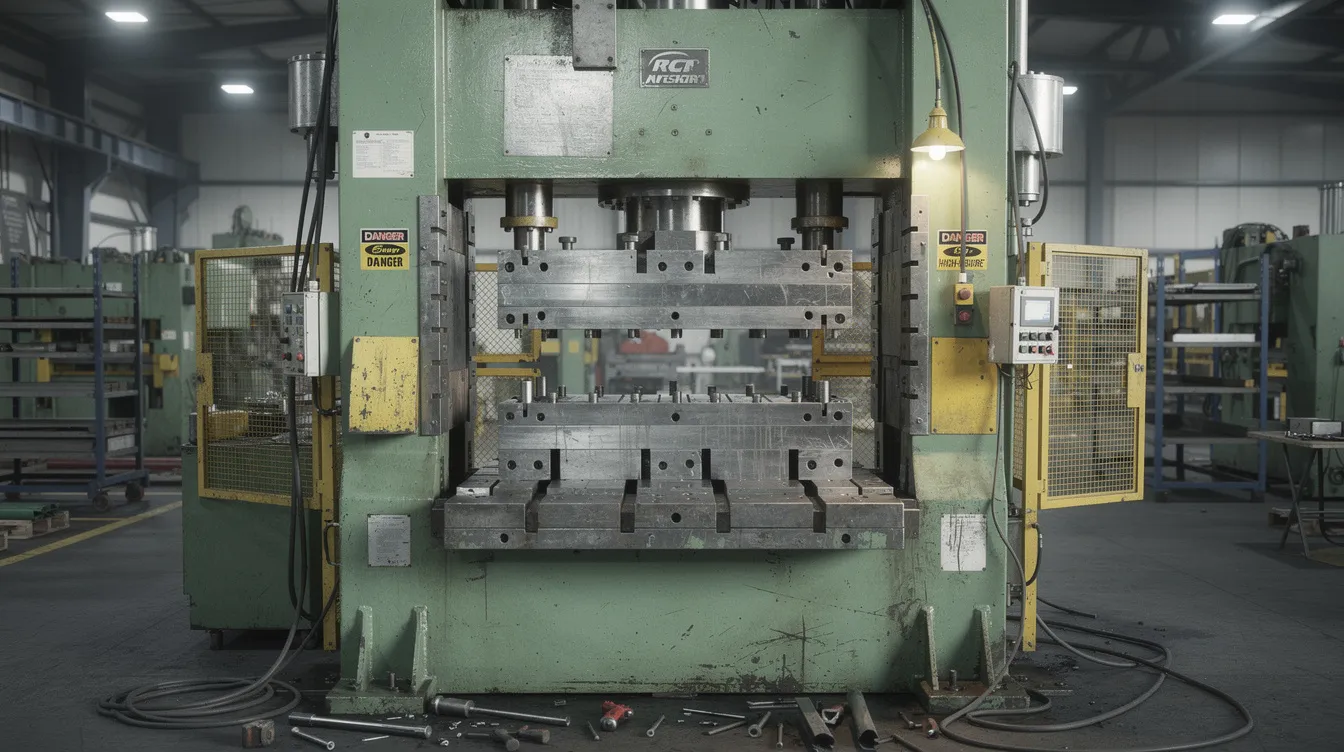
Mechanical presses, typically rated between 80 and 2,500 tons, deliver high speed for exterior panels and shallow stamps. Hydraulic presses, ranging from 100 to over 4,000 tons, excel at deep drawing and forming advanced high-strength steels (AHSS) where full force is needed throughout the stroke. Computer-controlled presses ensure uniformity in stamped parts regardless of run size.
-
Hot stamping involves heating sheet metal above 900 °C before forming it in cooled dies, quenching the part into a martensitic microstructure that yields tensile strengths of 1,500–2,000 MPa. This technology is now standard for A-pillars, B-pillars, and roof rails.
-
Metal stamping processes can use various metals including titanium and aluminum, making the technology adaptable across automotive, aerospace, and other demanding industries.
Stamp Automotive Applications: Where Stamped Parts Go in a Vehicle
A modern vehicle can contain between 300 and 500 stamped components, spanning everything from large exterior panels to tiny clips hidden behind trim. The stamp automotive process touches nearly every system in the car, and understanding where these parts go helps explain why the process is so crucial to the final product.
-
Exterior and structural applications: Stamping produces body panels including roofs, fenders, doors, and hoods. Pillars (A, B, C), cross-members, frame rails, crash boxes, and reinforcement brackets are all stamped. These exterior stamped parts affect vehicle aerodynamics and aesthetics while stamped components provide essential structural frameworks and safety cages in vehicles. Even hubcaps and decorative trim rings are stamped to shape.
-
Powertrain and drivetrain: Engine brackets, motor mounts, transmission shields, clutch housings, and exhaust heat shields are formed via stamping. Engine parts created by stamping must withstand high pressures, thermal cycling, and vibration loads over the life of the vehicle. In EVs, battery enclosures and motor end covers are stamped from aluminum or high-strength steel to protect cells and manage crash energy.
-
Interior and safety parts: Seat rails, seat-belt buckle anchors, pedal brackets, steering column reinforcements, airbag module housings, and door intrusion beams all rely on stamped metal. Stamped parts are designed to absorb and redirect impact energy for passenger protection, making consistency in forming a matter of life and safety.
-
Small and electrical components: Stamping produces small parts like clips, brackets, and hinges that hold wiring harnesses, interior trim, and under-hood components in place. Electrical components like terminals and heat shields are also produced by stamping, alongside specialty items such as horn buttons that must fit precisely into steering wheel assemblies. Progressive stamping allows for mass production of clips and brackets at volumes that keep pace with full vehicle assembly lines.
-
Anebon’s focus: Anebon specializes in precision structural, bracket, and enclosure parts-high precision stamping parts that must meet strict dimensional and safety specifications demanded by global OEM programs.
Metal Stamping Technology for Automotive Assembly
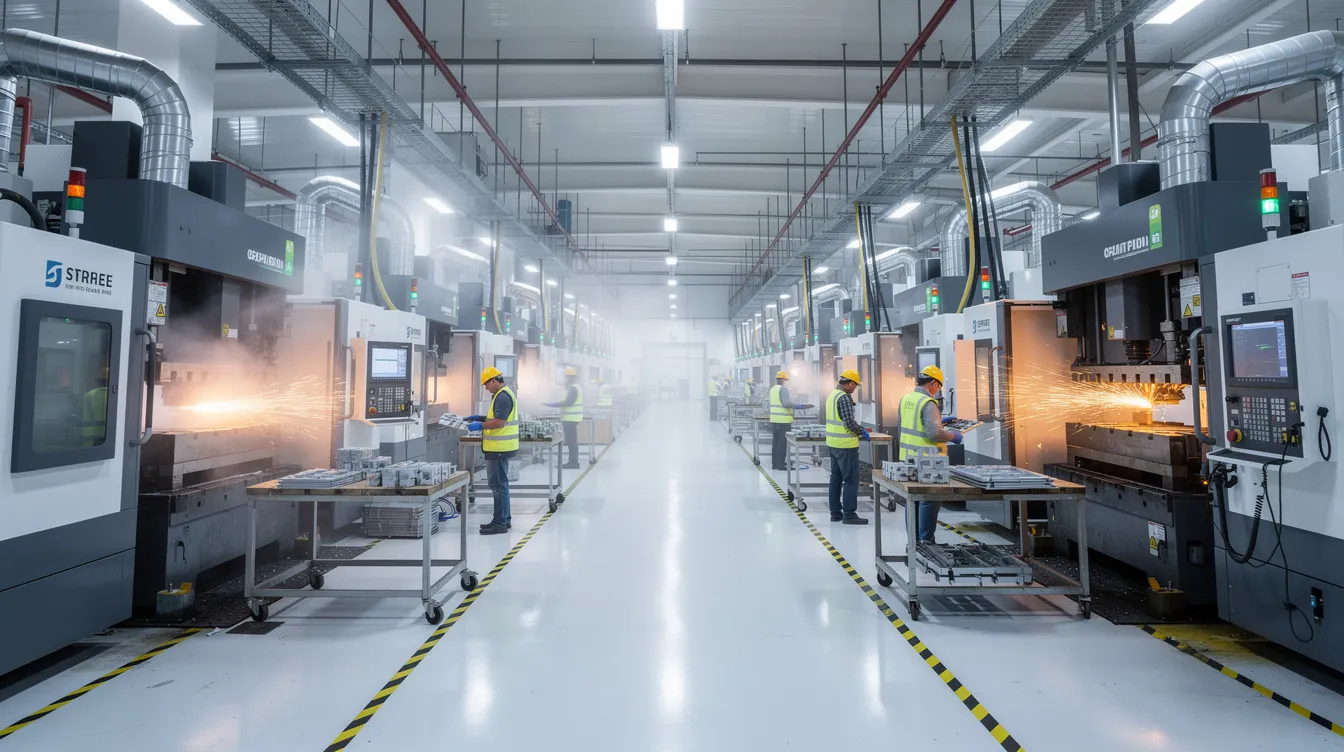
Modern automotive assembly plants rely on high-speed stamping lines that feed directly into body-in-white (BIW) welding cells and robotic assembly stations. The technology behind these lines has evolved dramatically, and staying current is a competitive requirement for any manufacturer in the metal stamping industry.
-
Servo and hybrid presses allow variable slide motion profiles, giving operators control over speed, dwell time at bottom dead center, and force curves. This is especially valuable when forming AHSS, where springback control determines whether a part will fit correctly in the BIW jig. Technological advancements like these are driving growth in metal stamping across the sector.
-
Progressive die systems combine blanking, piercing, bending, and forming into a single tool set that runs at high strokes per minute. In-die sensing-load cells, strain gauges, and optical sensors-provides real-time quality monitoring, catching misfeeds or tool wear before defective parts reach downstream processes. You can learn more about managing surface quality during high-speed runs in this guide on sheet metal surface quality control during progressive stamping.
-
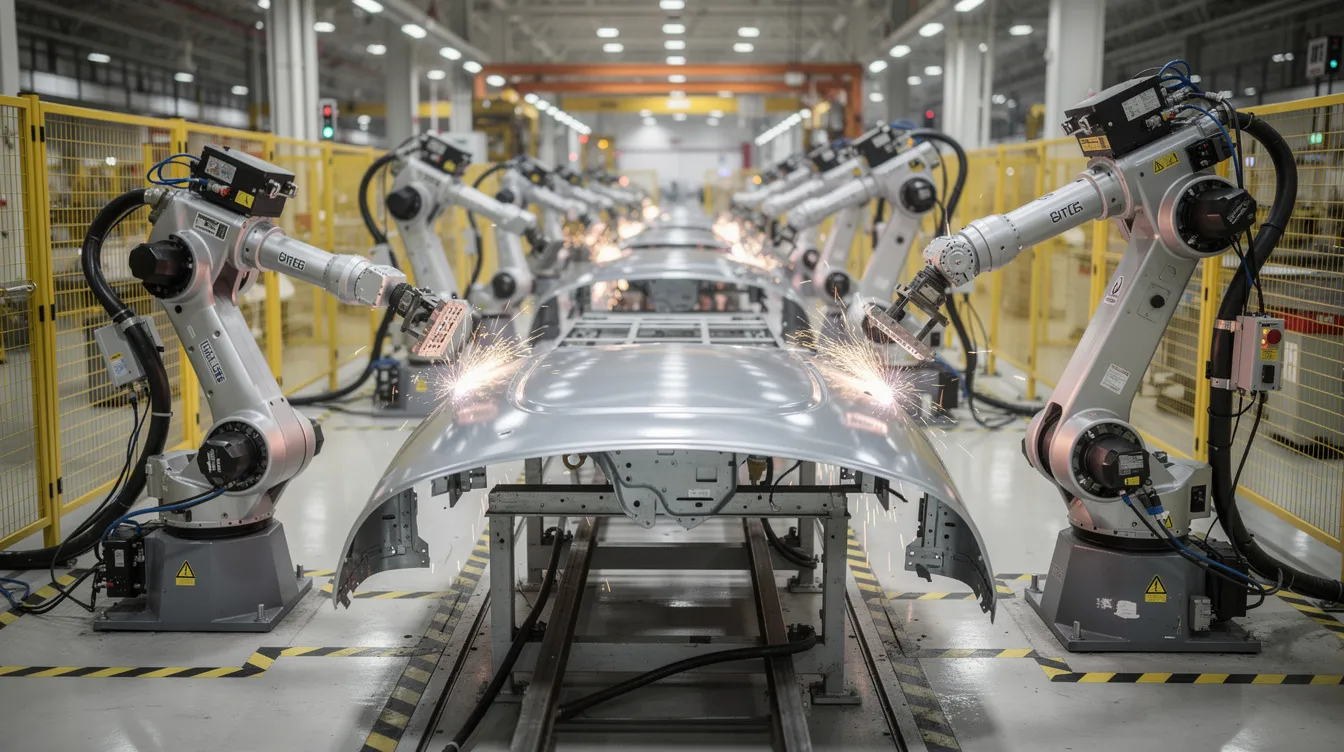
Robotic part handling and automated stacking systems keep up with takt times that can be as short as a few seconds per vehicle shell. Automation reduces labor costs and ensures that parts move through the line without damage or misalignment.
-
Material trends are shifting fast. Many OEMs have moved outer body panels from approximately 1.2 mm mild steel to 0.8–1.0 mm AHSS, cutting weight while increasing strength. Hybrid electromagnetically assisted stamping improves metal formability for materials that were previously difficult to stamp at room temperature. Stamped components create durable, lightweight, and precise parts for vehicles-especially when combined with aluminum panels and mixed-material BIW strategies.
-
Anebon combines metal stamping with CNC machining, die casting, and sheet metal fabrication to deliver ready-to-assemble automotive components. This integration is key for parts that need precision machining after forming-adding threaded holes, tight-tolerance bores, or machined mating surfaces that stamping alone cannot achieve.
Why Metal Stamping Is Critical to the Automotive Industry
Stamping is a critical step in automotive production for high-volume production. No other forming process delivers the same combination of speed, cost efficiency, and repeatability at the volumes that automotive programs demand. Here’s why manufacturers across the industry continue to invest heavily in stamping technology and infrastructure.
-
Cost advantages: Metal stamping is a low-cost manufacturing process that reduces waste. While die design and fabrication require significant upfront investment-often hundreds of thousands of dollars for complex transfer or progressive tooling-the per-part cost drops rapidly at volume. Once tooling is in place, stamping enables millions of identical parts per year with low unit cost. Metal stamping minimizes material waste and reduces labor costs compared to machining, casting, or manual fabrication.
-
Precision and repeatability: Stamping can achieve precision tolerances of up to 1/1000 mm when combined with secondary operations. For many brackets and panels, tolerances of ±0.05 mm are maintained across entire production runs using precision sheet metal stamping processes. This level of consistency is what allows parts to fit together on an assembly line without rework, making the process easy to scale.
-
Safety and reliability: Automotive stamping ensures parts meet strict safety and performance standards. Consistent stamped components are essential for crash performance, NVH (noise, vibration, harshness) characteristics, and long-term durability. Stamping forms structural components such as chassis and reinforcement parts that define how a vehicle behaves in an impact. Metal stamping is crucial for producing automotive body panels that must maintain shape and strength over the life of the vehicle.
-
Sustainability: Metal stamping minimizes material waste in automotive manufacturing through optimized coil nesting, blanking layout, and scrap recycling. Advanced stamping techniques can reduce vehicle weight to improve fuel efficiency and extend EV range. Moving from thicker mild steel to thinner AHSS reduces embedded CO₂ per part. Metal stamping allows for the use of various metals in automotive parts-steel, aluminum, copper, stainless steel-so engineers can pick the right material for each application.
-
Certifications: Anebon’s ISO 9001:2015 and ISO 14001:2015 systems support quality and environmental performance for automotive OEM programs, providing the documentation and traceability that strict industry standards demand.
From Prototype to Production: Anebon’s Stamp Automotive Capabilities
Anebon Metal Products Limited is a Dongguan-based precision manufacturer founded in 2010, serving overseas OEMs and Tier suppliers across automotive, aerospace, medical, and electronics industries. The company’s experienced team handles everything from initial concept review to high-volume production, making it easy for design engineers and R&D teams to move from idea to final product without juggling multiple vendors.
-
Rapid prototyping: Anebon supports rapid prototyping of stamped automotive parts using soft tooling, laser-cut blanks, and low-volume press setups. Free DFM (Design for Manufacturability) feedback is provided early so engineers can identify forming risks, material selection issues, and cost-reduction opportunities before committing to hard tooling.
-
Production transition: After prototypes are validated, Anebon manages die design, toolmaking, pilot runs, and sample submissions for PPAP and other customer approvals. This step-by-step approach reduces the risk of costly iterations later.
-
Integrated machining: Anebon’s CNC milling service and 5-axis machining capabilities add tight-tolerance features beyond what metal stamping alone can achieve-down to ±0.002 mm when required. This is critical for parts where stamped geometry meets machined mating surfaces.
-
Materials: Carbon steels, stainless steels, aluminum alloys, copper alloys, and select high-strength grades used in chassis and safety components are all processed. Raw materials are sourced with full traceability, and each lot is documented to meet OEM audit requirements.
-
Volume: Anebon’s stamping lines can produce large quantities-up to 1,000,000 pieces per month in certain product lines-while maintaining the consistency and quality that automotive programs require. By 2025, global demand for metal stamped parts will reach $300 billion, and suppliers like Anebon are built to scale with that growth.
-
Variety of products: In addition to stamping, Anebon offers die casting, sheet metal fabrication (including laser cutting, bending, and welding), surface treatments, and assembly. This reduces supply chain complexity and gives OEMs a single point of contact for multi-process parts.
Quality Assurance in Automotive Metal Stamping
Automotive programs leave no room for guesswork. Every stamped part must be traceable, measurable, and documented-from raw material receipt through shipping. Anebon’s quality workflows are designed to meet the needs of overseas OEMs who expect full transparency at every stage of production.
-
APQP and PPAP: Anebon follows Advanced Product Quality Planning (APQP) frameworks and delivers full Production Part Approval Process (PPAP) documentation, including process flow diagrams, control plans, measurement system analysis (MSA), and capability studies (Cp/Cpk indices).
-
In-process inspections: Dimensional checks using gauges and fixtures, SPC on critical features, and sensor-based monitoring for tool wear and misfeeds are standard on stamping lines. This catches variation before it propagates, ensuring that specifications are met on every part.
-
Final inspection: Coordinate measuring machines (CMMs), optical measurement systems, and material testing (tensile strength, hardness, microstructure verification for AHSS or press-hardened steels) validate complex stamped geometries and formed radii. For additional context on managing tolerances in volume stamping, see this resource on overcoming warping and tolerance challenges in high-volume production.
-
Traceability: Each batch of parts is traceable via QR code back to raw materials and processing records. This level of documentation satisfies OEM audit requirements and provides a lot of confidence when it comes to product liability and recall management.
Future Trends in Automotive Stamping and Car Manufacturing
The stamp automotive landscape is shifting rapidly. EV adoption, new materials, and digital tools are reshaping what manufacturers need from their stamping suppliers-and the pace of change is only accelerating.
-
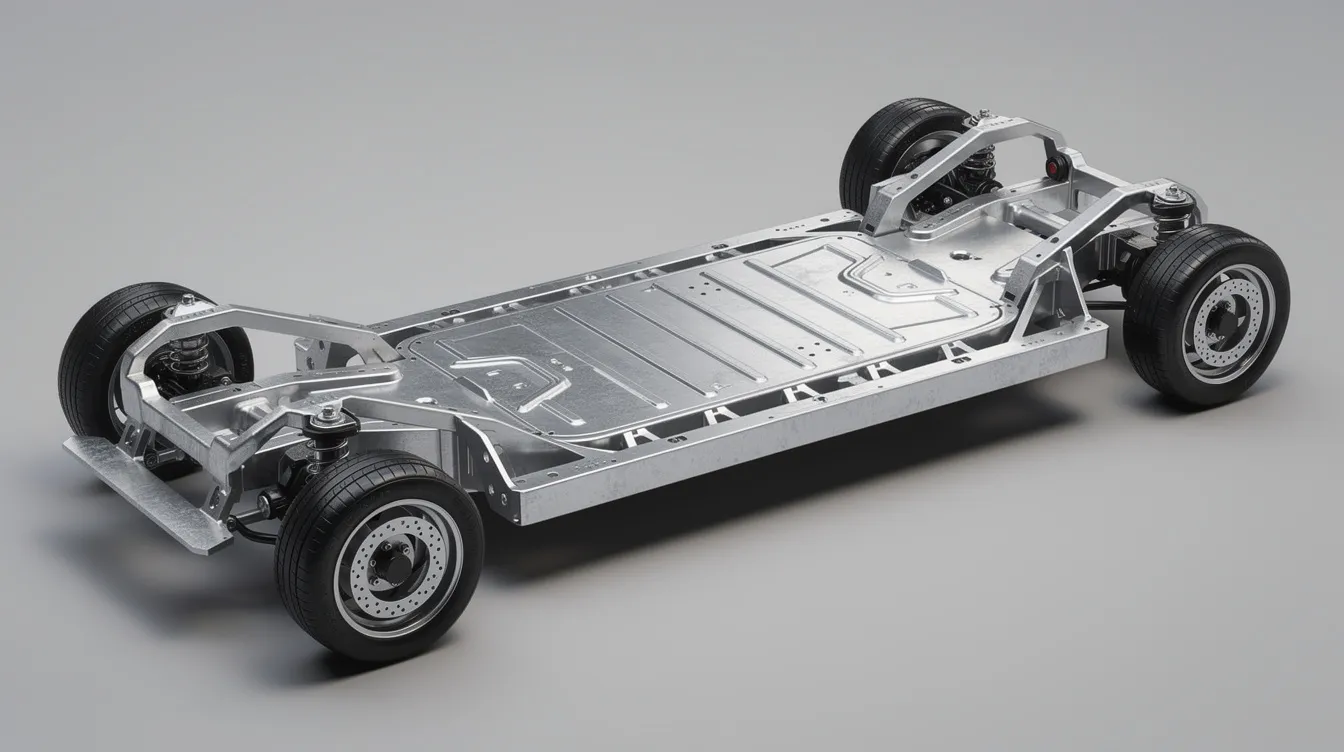
EV platforms: Skateboard chassis architectures, adopted by major OEMs since around 2020, demand large, flat structural underbody components for battery protection and crash performance. These parts require wide press beds, high tonnage, and precise forming-pushing the size and capability of stamping equipment to new limits.
-
Ultra-high-strength steels and press-hardening: The use of UHSS and press-hardening steels (PHS) continues to grow for safety structures like B-pillars and door intrusion beams. Multi-step forming processes and hot stamping lines enable thinner gauge with higher strength, reducing vehicle weight without compromising occupant protection.
-
Digitalization: Simulation-driven die design using finite-element analysis (FEA) predicts thinning, wrinkling, springback, and forming limits before any physical tooling is cut. Virtual try-outs and data-driven optimization of stamping lines reduce launch time and die iteration costs. By 2025, the demand for stamped automotive parts will reach $300 billion, and manufacturers who adopt digital workflows will capture a disproportionate share of that market.
-
Flexible supplier partnerships: Quicker prototyping cycles mean that design engineers and R&D teams need suppliers involved early-providing DFM input, running small trial batches on soft tooling, and iterating fast before committing to production tooling. Anebon’s integrated capabilities across stamping, machining, die casting, and fabrication make it a partner that can keep up with the speed of modern automotive development.
Partner with Anebon for Stamp Automotive Solutions
Precision metal stamping remains the backbone of safe, efficient, and cost-effective automotive assembly worldwide. From the smallest clip to the largest structural rail, stamping delivers the consistency, strength, and production speed that the automotive industry demands-today and well into the future.
-
Anebon combines metal stamping, CNC machining, die casting, and sheet metal fabrication under one ISO-certified roof, offering a streamlined path from concept to ready-to-ship parts.
-
Design engineers, buyers, and R&D teams benefit from involving Anebon early for DFM advice on new automotive components, cutting time-to-market and avoiding costly tooling revisions.
-
Whether you’re developing parts for ICE vehicles, EVs, or hybrid platforms, Anebon’s capabilities across a wide variety of materials and processes mean your project needs are covered at every stage.
Ready to get started? Request a quote or share your CAD files with Anebon’s engineering team for a feasibility and cost review. The sooner you involve the right manufacturing partner, the smoother your path from design to production.