Top Benefits of Using Painted Aluminum in Construction and Design
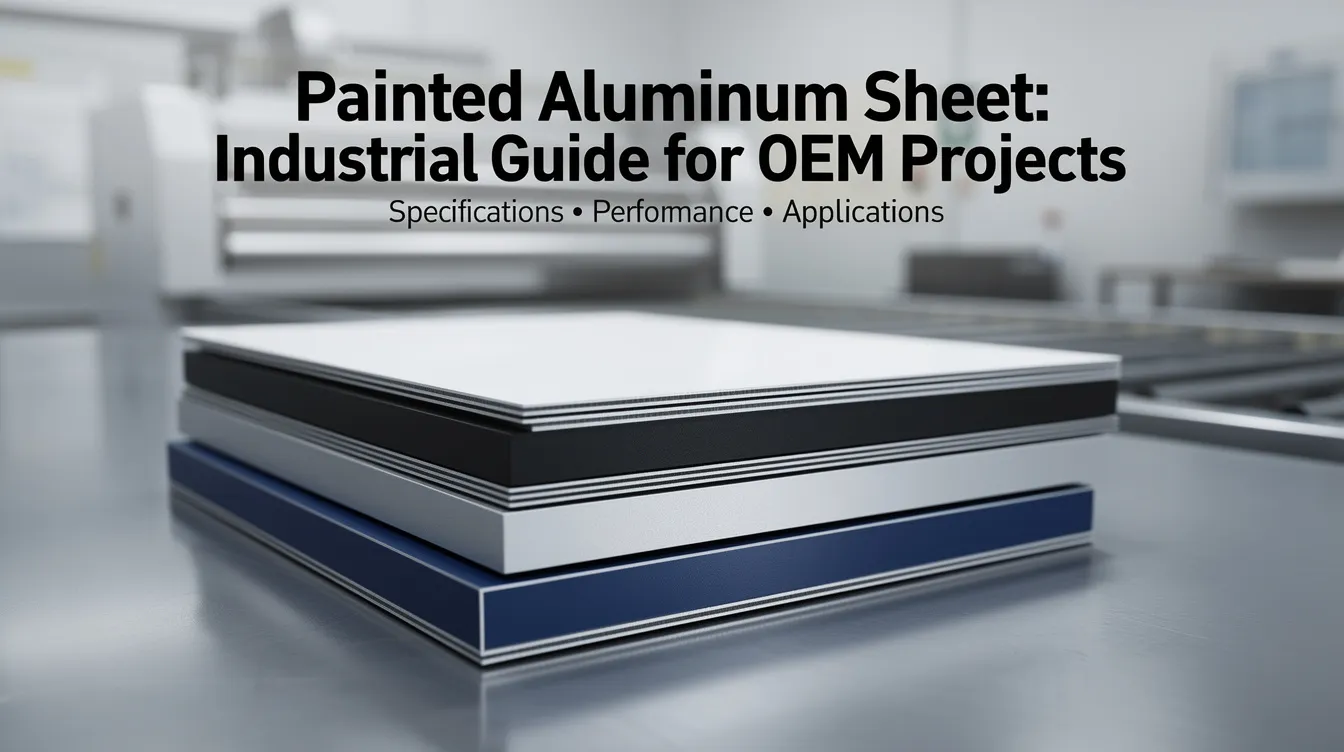
Painted Aluminum Sheet: Industrial Guide for OEM Projects
Overview of Painted Aluminum for OEM Applications
If you are fabricating enclosures, panels, or chassis and evaluating materials for the first time, painted aluminum sheet deserves a serious look. Painted aluminum combines structural resilience and corrosion resistance with a baked-on finish that offers excellent corrosion resistance, color consistency, and branding flexibility that bare metal simply cannot deliver. Unlike steel, painted aluminum resists rust and does not rot or warp, making it a go-to material across industries from electronics to architecture.
This guide focuses on B2B and OEM applications-not DIY home siding. We cover alloy selection, the industrial painting process, design considerations, and sourcing strategy. Painting aluminum for the first time raises legitimate concerns: adhesion failures, edge corrosion, peeling after forming, and color match across batches. We address each one.
Key benefits of painted aluminum for OEM projects:
-
Lightweight and strong with a high strength-to-weight ratio (roughly one-third the density of steel)
-
Painted aluminum can be manufactured in various colors and textures for brand consistency
-
Aluminum naturally resists corrosion, moisture, and UV rays; painting enhances durability and aesthetic appearance, allowing for customized colors
-
Painted aluminum can be easily formed into complex shapes due to its versatility
-
Requires minimal upkeep and is durable against flaking or chipping when properly applied
-
Aluminum is infinitely recyclable, requiring less energy when using recycled scrap
Anebon Metal Products Limited has been supplying custom painted aluminum parts since 2010 for global OEMs in electronics, medical devices, and robotics, integrating surface finishing into precision CNC machining and sheet metal fabrication workflows.
Painted Aluminum Sheet Basics
A painted aluminum sheet is aluminum sheet stock coated with an industrial paint system-primer plus top coat-applied before or after fabrication. This differs from bare aluminum sheets (mill finish or anodized only) and from uncoated aluminum coil, which may be painted downstream.
Common alloys for painted aluminum sheet in industrial work include 3003, 3105, 5052, and 6061. Alloy 3003 offers good formability and corrosion resistance. Alloy 3105 painted aluminum sheets are available in regions like California and Arizona through major distributors. Alloy 5052 adds magnesium for better performance in harsh environments, while 6061 delivers higher strength but requires wider bend radii to avoid cracking.
Painted aluminum sheets come in various thicknesses from 0.032 to 0.063 inches for standard stock, with OEM work spanning roughly 0.4–3.0 mm (0.016–0.118 in). Standard sheet sizes include 1000 × 2000 mm and 1220 × 2440 mm, with custom sizes available. Over 35 stock polyester paint colors are typically offered, covering common factory-applied systems: polyester (cost-effective, indoor use), PVDF (premium UV resistance for 20–30 year outdoor life), epoxy (chemical resistance), and acrylic (decorative interiors). Anebon supplies both pre-painted aluminum sheet and uncoated sheet with post-painting as part of a full fabrication workflow.
Common Industrial Uses for Painted Aluminum
Painted aluminum is the material of choice wherever weight, corrosion resistance, and color branding must work together. Concrete OEM use cases include:
-
Signage panels: Retail chains rolling out 500+ storefronts use pre-sized, pre-painted panels to simplify vinyl application and digital print lamination for signs
-
Electronic device housings: Sensor covers and instrument bezels requiring EMI shielding plus branded color
-
Medical instrument covers: Cleanable, non-porous coatings with chemical resistance
-
Automotive trim: Lightweight panels with abrasion resistance and consistent finish
-
Architectural fascias and cladding: Painted aluminum is frequently used for building façades due to its durability, and is extensively used in roofing and siding applications
Painted aluminum is also utilized for various building enclosures in both commercial and residential structures. Aluminum is commonly used for window and door frames because of its structural strength, and aluminum frames are frequently utilized in energy-efficient windows and storefronts. It is a robust roofing choice due to its corrosion resistance and light weight, and aluminum is popular for architectural accents due to its performance in extreme weather. Aluminum reflects heat, which helps maintain cooler interiors and reduce air conditioning usage.
In 2023, Anebon fabricated CNC-machined and painted aluminum control panels for an industrial robotics company-faces machined, welds smoothed, primer and PVDF top coat applied, meeting UV and abrasion resistance specifications.
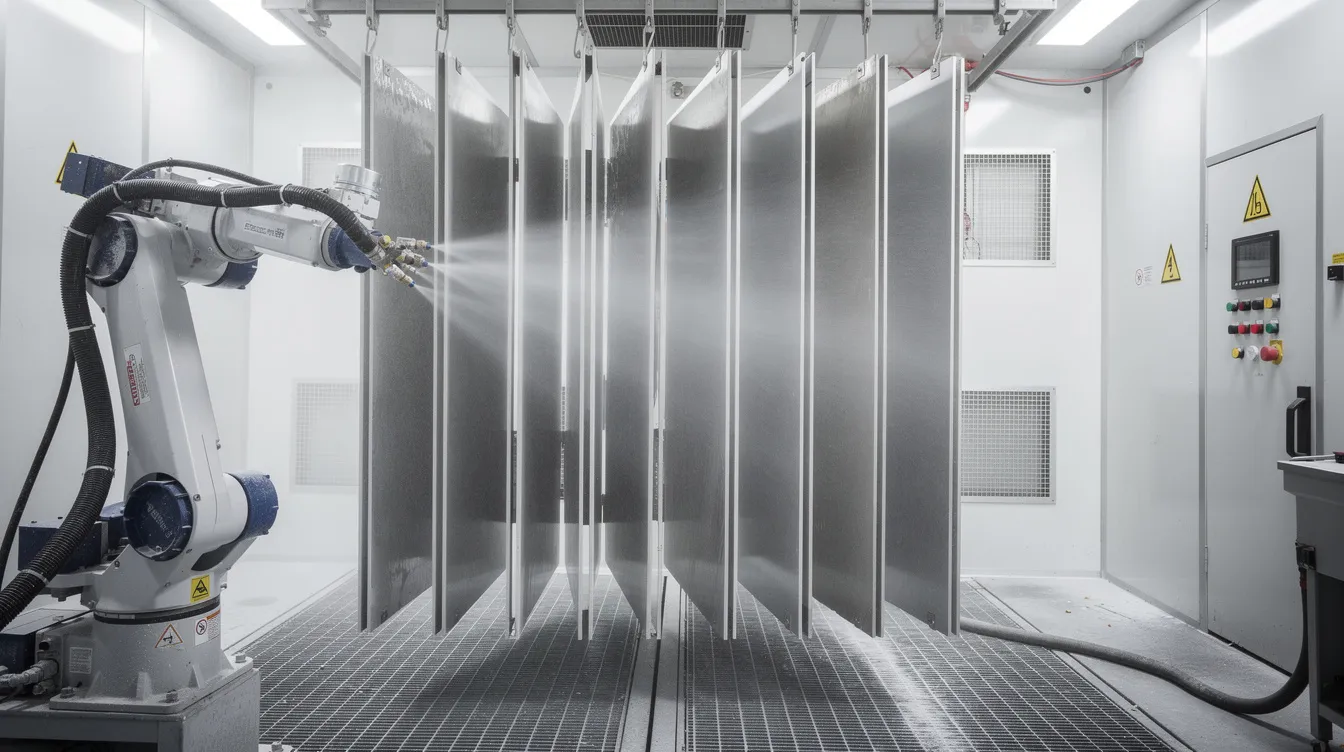
How to Paint Aluminum for Industrial Quality (Process Overview)
This section covers the controlled, repeatable process used in professional shops-not a quick spray paint approach. The end-to-end workflow includes cleaning, mechanical prep, chemical pretreatment, priming, and top coating. Anebon integrates this painting process into its CNC machining and sheet metal fabrication lines so parts move from raw material to painted, assembled components in one supply chain.
Clean the Workpiece
Aluminum must be completely free of oil, coolant, and oxide before any coating step. Even a thin film of dirty residue causes adhesion failure. In a factory context, parts go through alkaline degreasers in spray washers or ultrasonic tanks. For small batches, you can clean aluminum with acetone or isopropyl alcohol as a solvent wipe. Scrub stubborn stuff with warm soapy water, rinse thoroughly (some shops even use a garden hose for bulk rinse on large panels), then dry completely. After washing and cleaning, handle parts with gloves to avoid re-contaminating the surface with skin oils. Anebon performs incoming and intermediate cleaning when machining or forming parts before painting.
Mechanical Surface Prep (Sanding or Blasting)
Creating a uniform, matte scratch pattern helps paint stick to aluminum. Sand aluminum with 320 grit sandpaper for flat panels, or use Scotch-Brite pads to scuff visible faces. For deep or complex geometries, fine abrasive blasting with aluminum oxide media works better. Typical grit ranges run 180–400-avoid heavy scratches that telegraph through thin coatings. After sanding, blow off all dust and wipe the surface clean. Anebon selects the mechanical prep method based on part geometry, whether CNC machined housings or large sheet metal covers.
Chemical Pretreatment / Etching
Controlled chemical etching removes oxide and deposits a micro-porous layer that primer can bond into. Etch aluminum with phosphoric acid (5–20% concentration) for improved paint adhesion, with typical dwell times of 5–30 minutes in etch baths depending on alloy and chemicals used. Industrial lines use automated spray or immersion systems with rinsing and drying stages, ensuring every surface, edge, and corner is treated. After the soak, parts rinse and dry before priming. Properly prepped painted aluminum prevents corrosion and weathering exposure. Anebon works with RoHS-compliant, chromate-free processes to support medical, electronics, and EU-bound products.
Priming
Primers fill the critical role of corrosion protection and bonding layer between metal and top coat. Use self etching primer for better paint adhesion on aluminum-these primers contain acid activators that create a chemical bond with the metal. Epoxy primers are preferred for high chemical or moisture resistance. Polyurethane-compatible primers work when the final coat demands flexibility.
Apply multiple light coats of primer for best results. Two coats at 15–25 microns dry film thickness each outperforms a single heavy coat. Flash-off time between coats runs 10–20 minutes; full cure may take hours under controlled temperature and humidity. Anebon documents primer type and batch in production records for traceability on OEM projects.
Top Coat Application & Curing
Top coat options for aluminum include polyester powder (indoor machinery covers), polyurethane liquid (general industrial), and PVDF fluoropolymer (outdoor panels with 20+ year color retention). High-quality exterior paints are recommended for aluminum in thin even coats. Painting aluminum allows for consistent custom colors and controlled sheen across production runs.
Application methods range from automated spray lines with an electrostatic sprayer to manual spray for low-volume custom parts. Typical curing parameters for powder coatings run 160–200 °C oven cure for 10–20 minutes at metal temperature. The paint on aluminum must cure completely for maximum durability. Anebon verifies cure and adhesion via standard tests including cross-hatch adhesion and hardness checks as part of quality control.
Design & Manufacturing Considerations for Painted Aluminum Parts
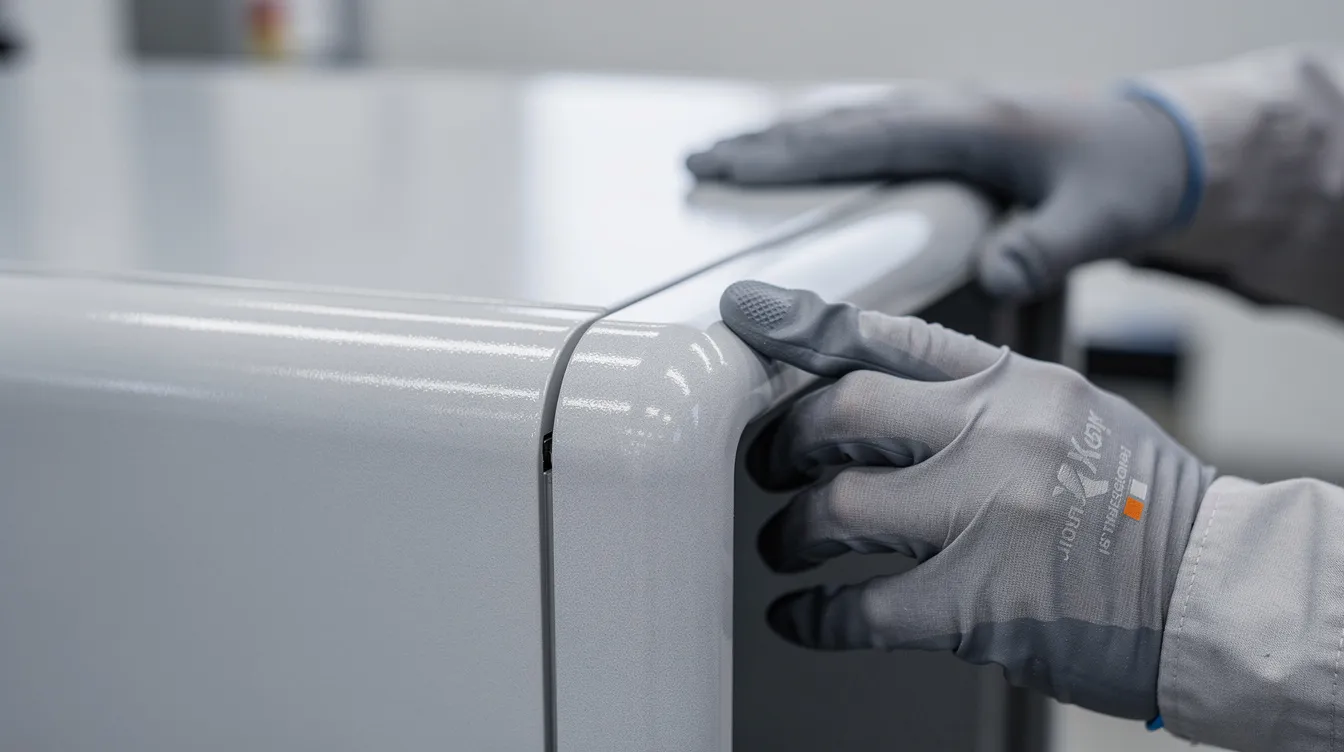
Painting aluminum is not just a finishing step-it should influence how engineers design parts. Sharp corners concentrate stress and are prone to paint chip or peeling; specify radiused edges (radius at least equal to sheet thickness). Weld locations need grinding and smoothing before coat application. Account for paint thickness-typically 40–80 microns total system-in tight-tolerance fits, sliding interfaces, and mating surfaces.
Masking is required around grounding points, threaded holes, and contact surfaces where paint would interfere with function. Specify color using RAL, Pantone, or custom swatches, and define gloss level to ensure a nice match across multi-part assemblies. Note that anodizing aluminum hardens its surface, making it more durable than painting alone, and anodizing preserves its metallic appearance while providing a range of colors-a viable alternative for certain applications. Anebon offers DFM feedback to help engineers optimize parts for painting aluminum, catching issues before they become expensive.
Choosing Between Pre-Painted Sheet and Post-Painting Fabricated Parts
There are two main strategies: starting with pre-painted aluminum sheet or painting after cutting, bending, and machining.
|
Factor |
Pre-Painted Sheet |
Post-Fabrication Painting |
|---|---|---|
|
Best for |
Simple flat panels, signage, cladding |
Complex 3D geometries, welded assemblies |
|
Edge coverage |
Cut edges exposed; needs sealing or hem bends |
Full coverage including edges and welds |
|
Color consistency |
Excellent from coil coating lines |
Dependent on batch control |
|
Cost at volume |
Lower per-unit for large flat runs |
Higher but eliminates edge corrosion risk |
One OEM initially used pre-painted flat panels for machine housings. After noticed edge corrosion in humid environments, they switched to fabricating uncoated sheet, then applying full coating after forming and welding-a method that solved the problem. Custom orders for painted aluminum sheets can be requested through Anebon, who can advise which route works based on volume, geometry, and target environment.
Cost, Lead Time, and Quality Control for Painted Aluminum OEM Projects
Main cost drivers include material alloy and thickness, coating system, color complexity, and part geometry. PVDF coated panels cost roughly 30% more per square meter than polyester but deliver 25–30 years of service life versus 8–12 years for PE-a point worth research before committing. Economies of scale kick in across batches of 100–10,000 pieces, and color-change costs on paint lines add up for small runs.
Integrating machining, sheet metal fabrication, and painting under one roof shortens lead times versus coordinating separate vendors. Standard QC for painted aluminum parts includes visual inspection, thickness measurement, adhesion testing (ISO 4624:2016), and salt spray testing (ASTM B117) for critical parts. Anebon holds ISO 9001:2015 and ISO 14001:2015 certifications, providing the documentation that aerospace, medical, and electronics customers require. Painted aluminum combines structural resilience with a baked-on finish that delivers long life and low total cost of ownership.
Anebon’s Capabilities in Painted Aluminum Sheet & Components
Anebon Metal Products Limited is a precision CNC machining, die casting, and sheet metal fabrication partner located in Dongguan, Guangdong, China. Core services relevant to painted aluminum include CNC milling and turning of aluminum, laser cutting and bending of aluminum sheets, surface preparation, spray and powder coating, assembly, and testing.
Anebon works to tolerances as precise as ±0.002 mm where needed, coordinating masking and re-machining post-finish when the job demands it. Since 2010, they have served overseas OEMs in automotive, aerospace support, medical devices, electronics, robotics, and industrial machinery. Projects range from rapid prototypes through pilot runs to full production. Typical painted aluminum parts include control panels, instrument bezels, sensor housings, heatsink covers, and branded machine facias. We are glad to create easy solutions for even the most demanding finish requirements, and we are happy to share photos of past work upon request.
How to Request a Quote for Painted Aluminum Parts
If you are interested in sourcing painted aluminum parts, here is what helps Anebon quote accurately:
-
3D CAD models and 2D drawings with tolerances
-
Material and alloy specification
-
Paint system and color code (RAL, Pantone, or custom swatch)
-
Target quantity and delivery schedule
-
Required certifications or test standards
Anebon’s engineering team can review designs for manufacturability and recommend adjustments to improve paint durability and reduce cost-addressing any concerns before production starts. Typical response times run 24–48 hours for most RFQs, and sample painted aluminum parts can be provided before committing to full-volume production. If you are curious about how painted aluminum fits your project, contact Anebon via the company website to prime your next production run.
Explore more posts on related topics like CNC machining aluminum, sheet metal design tips, and surface finishing options to fill out your knowledge before your next build.