Top Anodizing Service: Fast, Reliable, and Quality Metal Finishing
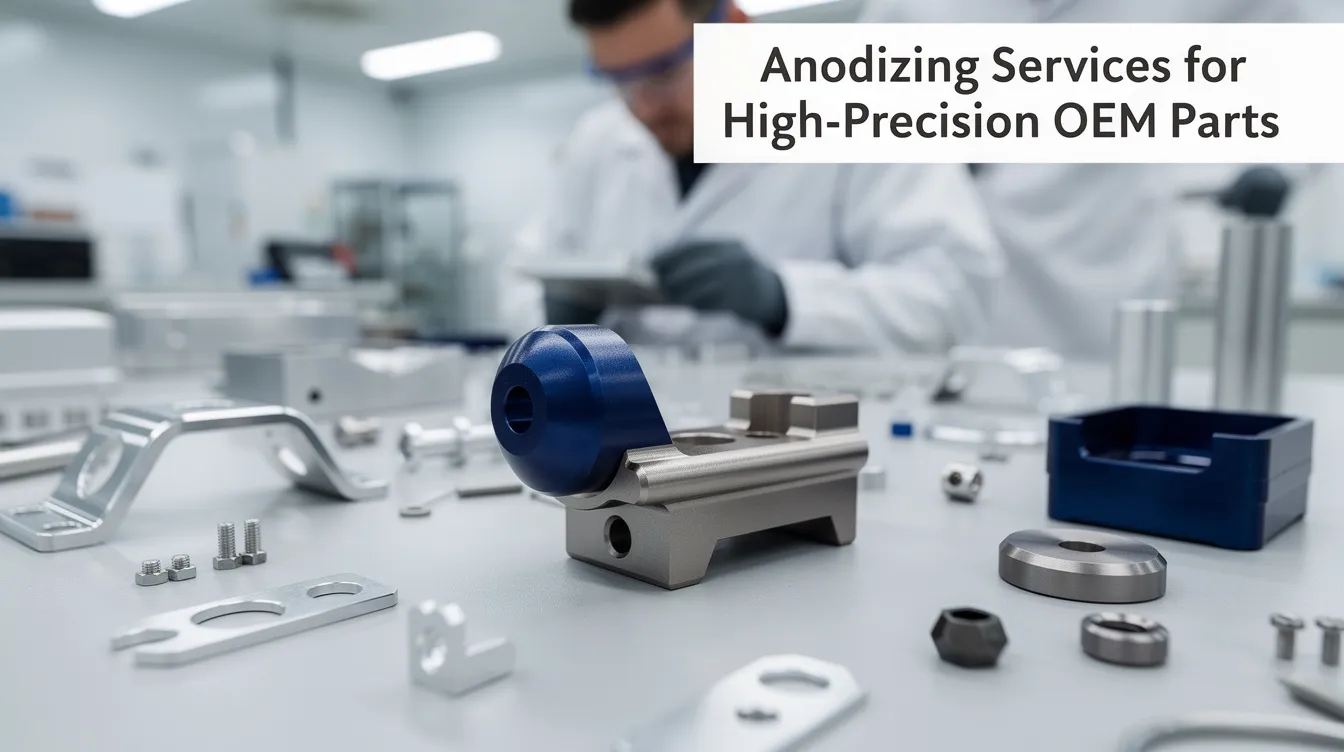
Anodizing Services for High-Precision OEM Parts
Introduction to Anodizing Services
Anodizing is an electrochemical metal finishing process that converts the surface of aluminum into a durable aluminum oxide layer, improving corrosion resistance, wear performance, and visual appeal. OEMs across aerospace, medical devices, automotive, and electronics specify anodized aluminum so frequently because it delivers a combination of properties that paint, plating, and bare metal simply cannot match. Choosing the right anodizing type is essential based on the application of the component, and anodized aluminum is significantly more durable than its non-anodized counterpart.
Anebon Metal Products Limited is a precision CNC machining and fabrication company based in Dongguan, China, offering integrated anodizing services through vetted partners. We manage the entire workflow from prototyping to high-volume production as a one stop shop for overseas OEM clients.
-
Typical parts we handle: 7075-T6 aerospace brackets, 6061-T6 medical housings, 2024-T3 avionics metal components, and 6063 architectural profiles.
-
Key customer priorities addressed in this article: durability, appearance, color matching, tolerance control, and fast turnaround.
What Is Anodizing and How It Works
Anodizing aluminum is an electrochemical process that thickens the natural aluminum oxide layer on the metal surface. The result is a controlled oxide layer that provides corrosion resistance, increased hardness, and improved surface properties. Anodizing thickness typically ranges from 10 to 50 micrometers depending on the type selected.
-
Cleaning and deoxidizing to remove oils, machining residues, and surface contaminants.
-
Fixturing and racking the aluminum parts to manage electrical contact during the process.
-
Immersion in electrolyte (sulfuric acid for Type II and Type III) and application of DC current; the oxide grows both into the substrate (~50%) and outward (~50%).
-
Optional dyeing for color or brite dip for reflective surfaces, followed by sealing (hot water, nickel acetate, or chemical seal) to close pores.
-
Film thickness and dimensional growth: a 0.0004″ Type II anodic layer typically adds about 0.0002″ per surface outward, which directly impacts CNC-machined tolerances on bores, threads, and mating faces.
-
Type II anodizing is a sulfuric acid process used for decorative and protective finishes. Type III anodizing is known as hardcoat anodizing, producing thicker, harder coatings for demanding applications. Architectural anodizing includes Class I and Class II finishes for building and exterior profiles.
Benefits of Anodized Aluminum for OEM Components
In many applications, anodized aluminum outperforms bare aluminum, painted parts, and even steel or copper alternatives. The combination of low weight, surface hardness, and chemical stability makes it a go-to choice across industries.
-
Anodizing can enhance corrosion resistance and surface hardness substantially. Hard coat anodizing (Type III) can reach 400–600 HV (~60–70 Rockwell C equivalent), providing excellent abrasion resistance for sliding and repetitive-motion assemblies. Anodizing provides superior corrosion resistance for aluminum components, with sealed coatings surviving thousands of hours in salt-spray testing.
-
Weight advantage: anodized aluminum delivers strength-to-weight benefits over copper or stainless steel in aerospace and robotics designs. Note that materials like stainless steel, brass, and copper cannot be anodized and require alternative finishing processes such as plating or powder coating.
-
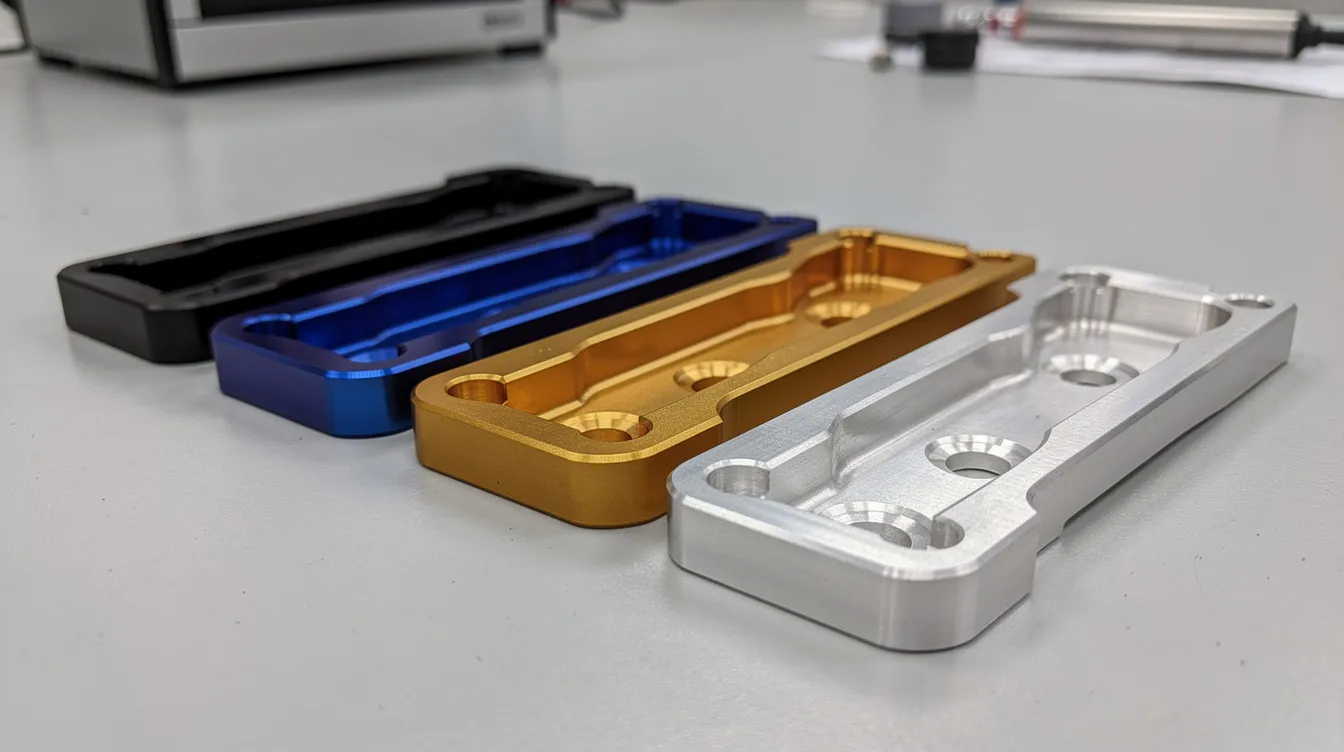
Anodizing can enhance the aesthetic appeal of aluminum parts with stable matte or satin finishes, a broad color range, and UV-resistant dyes that resist fading better than organic paint. Examples include black hardcoat housings and natural clear anodized heatsinks.
-
Anodized finishes are nontoxic and chemically stable, making them suitable for medical and food-contact environments.
-
Functional extras: improved paint and adhesive bonding when anodizing serves as a pre-treatment, electrical insulation at the surface, and effective heat dissipation for electronic enclosures.
Anebon’s Integrated CNC Machining and Anodizing Services
Anebon Metal Products Limited provides precision CNC machining, die casting, and sheet metal fabrication in-house at our Dongguan facilities, and manages anodizing finishing services through qualified partners as a single, turnkey workflow.
-
Typical workflow: DFM review of 3D models, CNC milling/turning or die casting, deburring and surface prep, outsourced anodizing aluminum with specific callouts (e.g., Type II clear, black, or custom finishes), then final inspection and packing.
-
Advantages of one-vendor coordination: reduced logistics complexity, consistent quality, simplified documentation, and one consolidated Certificate of Conformance covering both machined and anodized parts. Quality control is fundamental in anodizing to ensure adherence to specifications and tolerances.
-
Example project: machining ±0.01 mm tolerance 6061 enclosures for a European medical device OEM, then black hardcoat anodizing with sealed surface and laser engraving of graduations. Certifications like ISO 13485 are required for anodizing services in medical device manufacturing, and our partners maintain compatible documentation.
-
Anebon holds ISO 9001:2015 (a common quality standard for precision manufacturing and anodizing) and ISO 14001:2015 certification, which focuses on environmental management. We select anodizing partners with matching quality systems and RoHS/REACH compliance to deliver complete customer satisfaction.
Types of Anodizing and Finish Options We Support
Anebon works with multiple anodizing industries partners to offer a wide range of aluminum anodizing specialized processes and finishes tailored to each project’s performance and cosmetic requirements.
-
Type II sulfuric anodizing: available in clear/natural, black, and common colors (blue, red, gold, and more). Typical thickness range of 0.0002″–0.0008″ (~5–20 µm). Type II anodizing typically increases dimensions by 0.0001–0.00035 inches. Common uses include electronics housings, industrial hardware, and commercial enclosures.
-
Type III hard coat anodizing: higher thickness up to about 0.002″ (~50 µm), very high hardness, lower porosity. Type III anodizing offers thicker coatings for wear resistance, suited to pneumatic cylinders, sliding arms, tooling plates, and hydraulic parts.
-
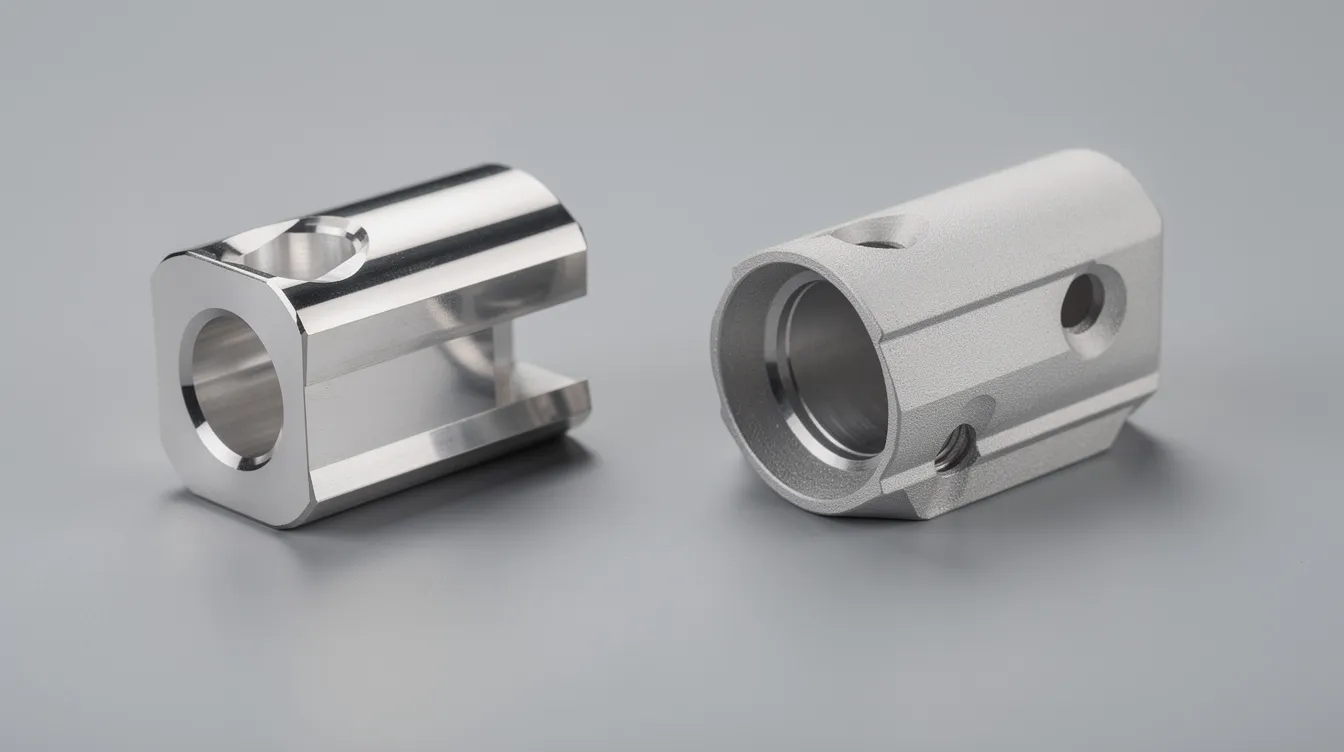
Bright dip anodizing provides a reflective finish and is applied before the anodize step for polished decorative parts like consumer electronics bezels or display trims. This brite dip process yields a highly reflective anodized aluminum surface.
-
Pre-treatment processes like bead blasting improve the anodizing finish by creating a uniform matte texture. Supplementary finishing processes that can be combined include chemical film (chromate conversion) on non-anodized areas, masking, etching, and laser engraving or silkscreen after anodize.
Color Matching, Appearance, and Design Considerations
Consistent color, gloss level, and cosmetic quality across batches and between suppliers are among the most common engineering concerns when specifying anodized finishes. Color matching and consistency are crucial for cosmetic or consumer-facing anodized parts.
-
Anebon and its anodizing services partners approach color matching through physical standards (sample panels), batch controls, and documentation of dye manufacturers and lot numbers. Batch consistency in color and finish is critical to meet high customer expectations.
-
Why perfect color consistency is challenging: aluminum alloys like 6061 anodize predictably, while 7075 may show different colors due to higher copper content. Variations in surface prep, bath temperature, and sealing methods also influence the final shade. Anodizing can yield defects like burning, pitting, and uneven color if process conditions vary, so tight process controls matter.
-
Design tips: specify alloy, surface roughness (Ra), and target finish (e.g., “black Type II, matte, 0.0004″”) directly on drawings to minimize ambiguity. Align grain direction on machined faces when appearance is critical. When working with 6063 aluminum parts, expect excellent color uniformity; with 7075 aluminum, plan for bronze or grey undertones.
-
Cosmetic fixturing considerations: racking marks and contact points are unavoidable. Recommend customers provide 2D drawings showing acceptable rack locations on non-critical zones.
Tolerances, Masking, and Critical Dimensions After Anodize
Anodizing thickness greatly affects final item dimensions and tolerances post-production, which is vital for precision CNC components with fits such as H7/h7 bores and shafts.
-
Roughly half of the anodic layer grows into the base material and half grows outward, causing measurable growth on external features and shrinkage on internal bores and threads.
-
Concrete example: a 0.0005″ (12–13 µm) anodic coating leads to ~0.00025″ growth per surface. Across two opposed surfaces, that means ~0.0005″ added to an external dimension, enough to tighten sliding fits if not compensated. Hardcoat anodizing requires more dimensional allowances due to increased coating thickness.
-
Anebon’s approach: we apply machining offsets for known coating thicknesses, review drawings for “after anodize” callouts, and discuss any features needing masking to achieve tight tolerances.
-
Masking options: plugging threaded holes, tape or lacquer masking of sealing surfaces, and partial anodize zones. Anodizing requires careful consideration of part design to manage racking and masking. Masking adds cost and lead time but protects critical geometry.
-
Proper sealing is crucial in anodizing to maintain corrosion resistance and prevent dye bleeding, so seal type (hot water, nickel acetate, or dichromate) should be specified based on the application.
Industries and Applications We Serve With Anodized Aluminum
Anebon primarily serves overseas OEM clients that require both precision machining and specialized anodized finishes for a range of demanding applications.
-
Aerospace industry: 7075-T6 structural brackets, 6061 avionics enclosures, interior seat track components, and drone frames. These are often hardcoat anodized or Type II with strict documentation. AS9100 certification is crucial for aerospace anodizing services, and NADCAP accreditation ensures high-quality anodizing processes at partner facilities.
-
Medical device applications: clear and color anodized surgical instruments, implant tooling, and motor housings for surgical robots. Focus on cleanability, longevity, and ISO 13485-compatible documentation.
-
Automotive and e-mobility: EV battery housings, inverter enclosures, heat sinks, and decorative interior trim using anodized aluminum for heat dissipation and durable aesthetics. Castings and large parts for automotive projects benefit from Type II or Type III finishes.
-
Electronics, robotics, and industrial machinery: anodized heatsinks, servo motor brackets, linear guide carriages, and sensor housings where light weight and functional surface hardness matter.
-
Choosing an anodizing provider is heavily influenced by project volume and part specifications. There are 88 anodizing companies listed in the US alone, with established suppliers like Anodizing Industries serving customers since 1978 and SAF operating as an aluminum anodizer since 1946. Anebon partners with comparable facilities that specialize in precision work, and we support projects originating from regions like Round Rock, TX, Fort Worth, San Antonio, Missouri City, and other U.S. tech hubs while machining and coordination take place in Dongguan, China.
Lead Times, Fast Turnaround, and Quality Assurance
Managing production schedules for overseas OEM customers requires tight coordination between machining and finishing processes, especially when shipping across decades-long supply chain relationships.
-
Indicative lead times: prototypes with anodized aluminum parts in as little as 7–12 working days depending on complexity. Standard production batches typically run 2–4 weeks, excluding international shipping. For reference, some US-based suppliers like Consolidated Metal Technologies offer anodizing with a 3-day turnaround on the finishing step alone.
-
How fast turnaround is achieved: parallel machining and fixture preparation, scheduled weekly anodizing runs with partners, and consolidated outbound logistics. Anodizing shop capability can impact lead times and production capacity for large orders, which is why Anebon maintains relationships with multiple suppliers to handle volume spikes.
-
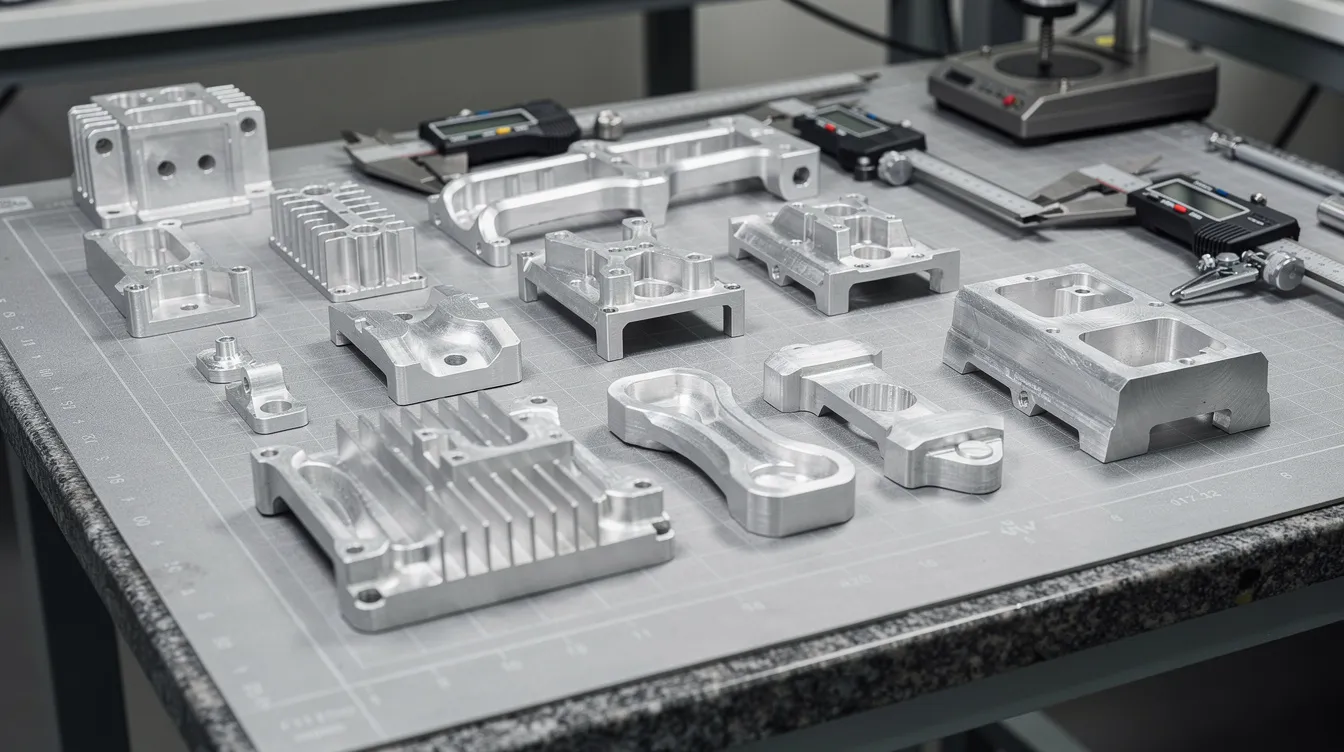
Quality controls: incoming inspection of material certificates (6061-T6, 7075-T6), in-process dimensional checks, and final inspection after anodize for thickness, color, and cosmetic standards per MIL-A-8625, a standard for anodizing aluminum components.
-
A reliable anodizing service does quality control testing on coating thickness and corrosion resistance. Anodized parts are assessed for attributes including coating thickness, hardness, and performance under salt-spray exposure.
-
Anebon provides inspection reports (FAI, PPAP on request) and documentation including thickness verification and RoHS/REACH compliance statements from partners, meeting expectations for commercial and aerospace programs alike.
Getting a Quote for Anodizing With Anebon
If you are a design engineer, buyer, or project manager looking for machined and anodized aluminum parts with reliable expertise, Anebon’s team is ready to support your projects from prototype through full-scale production.
-
Include with your request: 3D CAD files (STEP/IGES), 2D drawings with anodizing specifications and color requirements, material grade, target quantities, and required delivery date.
-
Flag special requirements: tight “after anodize” tolerances, specific standards (MIL-A-8625 Type II or Type III), ITAR registration needs, aerospace or medical documentation, and any color matching targets with physical samples.
-
Anebon’s engineering team provides DFM feedback, suggests suitable anodizing types and thicknesses for your application, and may propose alternative finishes – such as chromate conversion or powder coating – for cost or performance optimization. Our capabilities cover the full range from single prototypes to recurring production runs.
-
Typical quote response time: within 24–48 hours on working days. We regularly support overseas OEM programs across industries from concept through long-term production, with the precision and compliance your company needs to deliver on time and on spec.