Top Aluminum Die Casting Companies China
Top Aluminum Die Casting Companies China
If you are sourcing aluminum die casting partners in China, the sheer number of casting companies can feel overwhelming. This guide cuts through the noise. Below you will find a curated list of the top aluminum die casting companies in China for 2026, along with the selection criteria, process knowledge, and practical sourcing advice that overseas OEMs and engineers need to make confident decisions.
Quick Answer: Best Aluminum Die Casting Companies in China for 2026
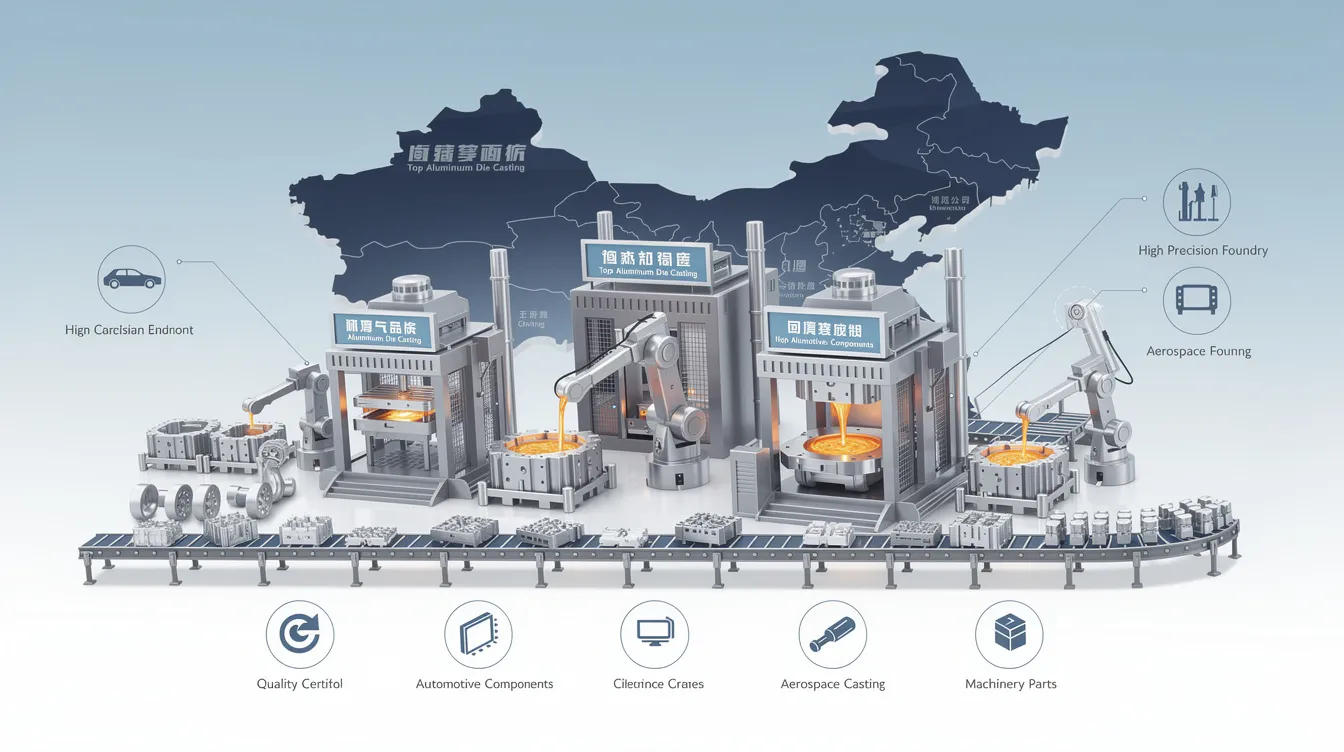
China dominates global aluminum die casting output, driven by the world’s largest automotive market, booming new-energy vehicle production, and deep expertise in electronic components and industrial equipment. For overseas OEMs, this means access to suppliers that can produce castings with excellent dimensional accuracy, handle complex shapes, and deliver at a competitive price – all under internationally recognized quality systems.
The following companies represent a cross-section of China’s strongest aluminum die casting capabilities, ranging from mega-tonnage automotive specialists to flexible mid-size partners. The ranking considers aluminum die casting capability, certifications, export experience, and integrated services such as die casting CNC machining, surface treatment, and assembly.

-
Anebon Metal Products Limited (Dongguan, Guangdong) – Best for prototype-to-production OEM parts combining high-precision CNC machining with aluminum die casting and sheet metal fabrication; flexible volumes and responsive engineering for overseas clients.
-
Wencan Group Co., Ltd. (Foshan, Guangdong) – Best for large-scale automotive structural and body gigacastings on mega-tonnage machines up to ~9,800 T; very high production volumes.
-
Guangdong Hongtu Technology Co., Ltd. (Guangdong) – Best for ultra-large integrated die castings for NEV chassis and body structural systems; annual capacity ~100,000 tons.
-
Sunrise Metal (Kunshan, Jiangsu) – Best for industrial, electronics, and medical sectors with high-mix, low-to-medium volume precision casting and tight CNC finishing.
-
Chongqing Refine-Yumei Die Casting Co., Ltd. (Chongqing) – Best for aluminum engine, transmission, and structural housings within China’s western automotive hub.
-
Ningbo Yujun Mechanical Technology (Ningbo) – Best for full-chain aluminium alloy die casting services at a mid-size scale, covering design through finishing.
-
Zhejiang Yulong Vehicle Industry Co., Ltd. (Zhejiang) – Best for vehicle-related aluminum castings with a facility size of over 30,000 m² and strong volume capacity.
-
Minghe Die Casting Co., Ltd. – Best for multi-metal (aluminum, zinc, magnesium) high-performance die cast parts with full process coverage under ISO-based systems.
-
PTJ – Best for small-to-medium precision parts across multiple casting methods with flexible lead times for electronics and consumer products.
Die casting is suitable for producing large quantities of parts, and every company above has demonstrated that capability. If you are looking for a responsive partner that integrates die casting with advanced CNC finishing, contact Anebon’s engineering team to request a quote on your next project.
Why China Leads in Aluminum Die Casting
China hosts a robust industrial ecosystem for aluminum die casting that no other country matches in scale. Many manufacturers specialize in high-volume production to meet demand in automotive and electronics sectors, and the country’s output continues to grow as NEV adoption accelerates through 2026.
Modern casting equipment is a key differentiator. Leading factories operate advanced die casting machines with clamping forces from 1,100 T up to 9,800 T, enabling large structural castings for battery trays, underbody frames, and construction machinery components. Wencan Group alone runs over 80 HPDC machines plus mega-tonnage units, and produces over 100 million aluminum castings annually.
Chinese suppliers benefit from mature upstream aluminum alloy supply, a dense tooling ecosystem across Guangdong, Zhejiang, and Jiangsu provinces, and lower labor costs relative to Western foundries. Experienced engineering teams use mold flow simulation tools such as MAGMA and JSCAST for die design optimization.
The full casting process chain – from mold design through aluminum die casting production, CNC machining, surface finishing, assembly, and testing – is commonly offered under ISO 9001 and IATF 16949 quality systems. This lets overseas OEMs access both giant Tier-1 automotive suppliers and flexible mid-size factories for custom aluminum die cast projects, all within one country’s supply chain.
Anebon Metal Products Limited – One-Stop Aluminum Die Casting Partner in Dongguan
Anebon Metal Products Limited was founded in 2010 in Dongguan, Guangdong. As the author of this guide, we specialize in precision CNC machining, aluminum die casting, and sheet metal fabrication – and we built this list because we believe informed buyers make better partners. Anebon Metal integrates CNC machining and die casting services into a single streamlined workflow.
Our certifications include ISO 9001:2015 (ensuring quality management systems) and ISO 14001:2015 (addressing environmental management standards). Tolerances reach as tight as ±0.002 mm on critical machined features, backed by documented process control, dimensional validation, and process optimization across every production run.
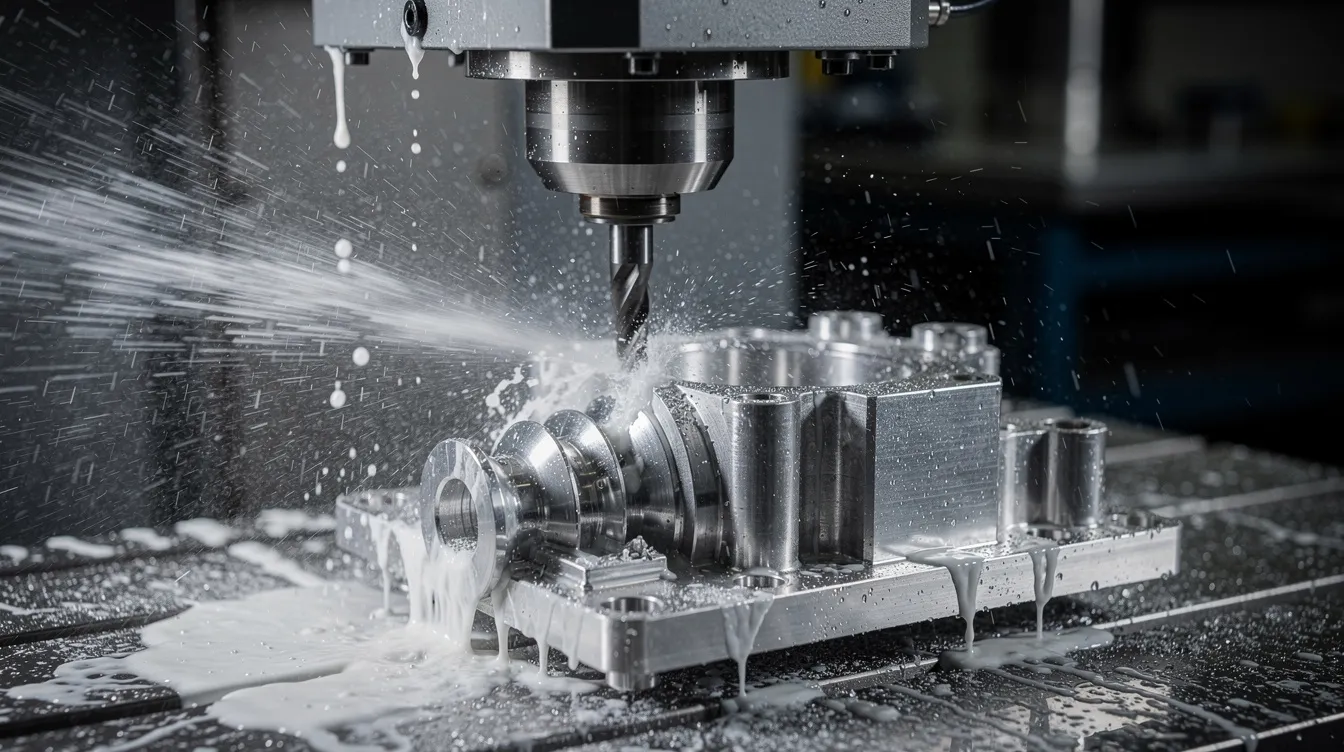
Anebon’s die casting services cover aluminum die design, high-pressure cold chamber die casting, rapid tooling, trimming, and downstream CNC machining. Surface treatment options include anodizing, powder coating, painting, polishing, and plating. Manufacturers often provide in-house tooling for faster mold design, and Anebon is no exception – our in-house tool shop accelerates turnaround from concept to first shots.
Industries we serve include aerospace, medical device housings, robotics frames, automotive and EV brackets, electronics enclosures, and industrial machinery parts. Our design-for-manufacturing support provides DFM feedback on wall thickness, draft angles, gating, and parting lines to reduce porosity and improve surface finish. Tooling design should account for wall thickness and draft angles to prevent defects, and we address these factors before steel is ever cut.
Typical project flow at Anebon:
-
RFQ with 2D/3D files
-
Engineering review and DFM feedback
-
Tooling design and manufacture
-
Trial shots and first-article inspection
-
Dimensional inspection and process tuning
-
Mass production
-
Final inspection, export packaging, and shipment
Upload your CAD files today and receive a custom quote for your aluminum die casting project.
Key Criteria for Selecting a Top Aluminum Die Casting Company
Not every die casting factory is equal, especially when you are sourcing critical OEM parts for automotive, medical, or aerospace applications. Here is what to evaluate.
Technical capability:
-
Experience with high-pressure aluminum die casting for complex, thin wall geometries
-
Mastery of the die casting process including filling simulation, venting, overflow design, and squeeze casting where needed
-
Ability to produce castings across various casting processes: HPDC, low pressure casting, permanent mold casting, and aluminum sand casting for prototyping
Equipment:
-
Die casting machines have capacities ranging from around 160 tons to over 3,000 tons; confirm the supplier’s range matches your part size
-
Modern casting equipment with automation (robotic ladling, trim robots)
-
In-house CNC machining centers (3-, 4-, and 5-axis) and surface treatment lines
Quality and certifications:
-
Common certifications for aluminum die casting manufacturers include ISO 9001 and IATF 16949. IATF 16949 certification focuses on automotive quality standards specifically.
-
ISO 14001 for environmental management
-
Quality assurance processes are crucial in die casting to prevent defects and ensure reliability. Quality control measures include the use of Coordinate Measuring Machines (CMM) and X-ray inspection. Full QA systems utilize CMM capabilities for precision measurement.
-
China’s GB/T 15114-2023 standard covers various aspects of aluminum die-casting specifications and inspection – ask suppliers if they comply.
Engineering support:
-
Flow simulation capability, alloy selection advice, and casting die optimization
-
Process FMEA, control plans, and traceability documentation
Sourcing considerations:
-
English communication and export experience
-
Batch size flexibility from rapid prototypes to mass production
-
Transparent lead times and clear tooling ownership terms
Top Automotive-Focused Aluminum Die Casting Groups
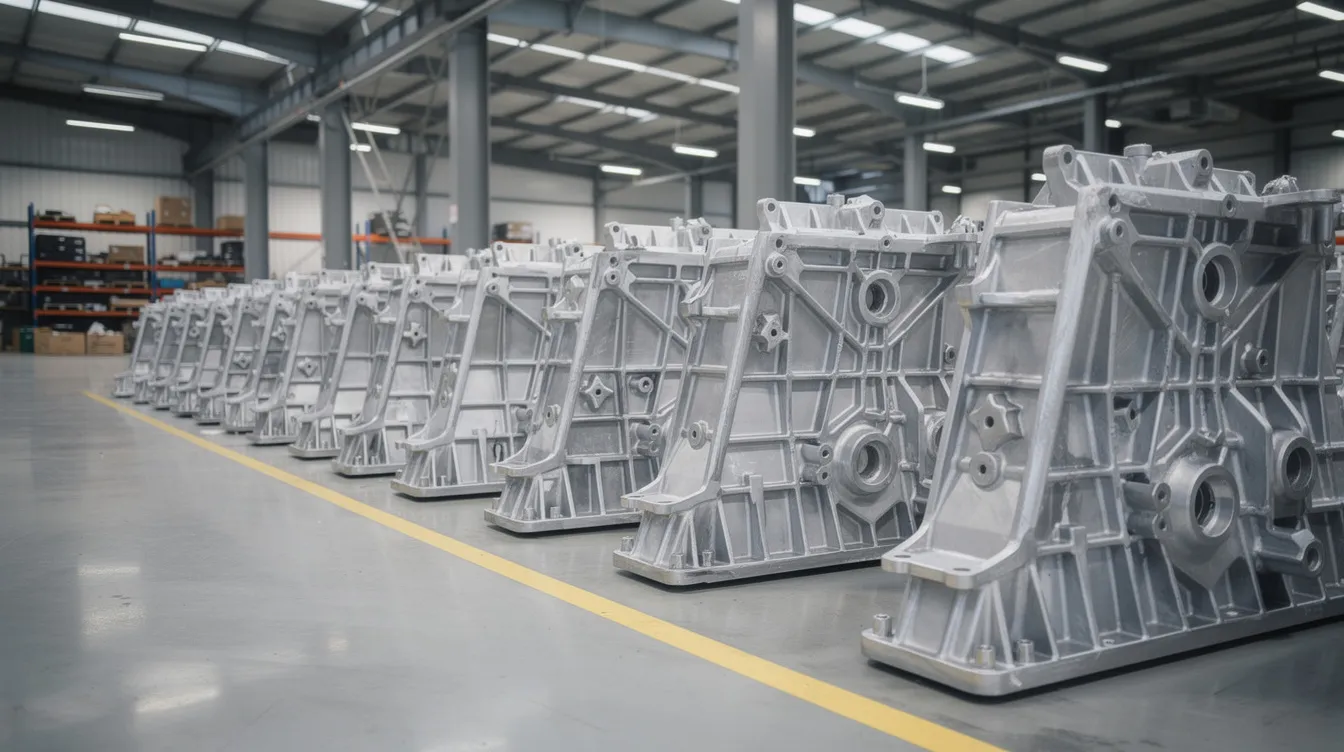
Automotive and NEV sectors drive China’s most advanced aluminum die cast technologies. Aluminum die casting is widely used for automotive parts including battery housings, motor housings, subframes, and cylinder heads.
Wencan Group Co., Ltd. is among the globally leading firms in automotive structural aluminum precision casting. Based in Foshan, Guangdong, Wencan reported revenue of approximately CNY 6.254 billion in 2024. Their equipment portfolio includes over 80 HPDC machines in the 1,100–4,500 T range, plus units at 6,000 T, 7,000 T, and six machines at ~9,800 T. They also operate 20+ low-pressure die casting machines, 50+ gravity casting lines, over 1,200 machining centers, and more than 600 industrial robots. Wencan has invested heavily in non-heat treatable alloy development and high vacuum technology for body structural castings. They supply over 200 global customers.
Guangdong Hongtu Technology Co., Ltd. operates more than 120 die casting machines and over 1,000 CNC machining centers across three production bases totaling approximately 50 hectares. Annual capacity reaches ~100,000 metric tons of precision aluminum alloy die cast parts. Hongtu was the first in China to master ultra-large integrated aluminum gigacasting at over 10,000 T, targeting NEV chassis and body structures.
Chongqing Refine-Yumei Die Casting Co., Ltd. is located in one of China’s key automotive manufacturing hubs. The company specializes in aluminum engine and transmission housings and structural parts using high pressure die casting combined with precision machining.
These groups suit very high annual volumes and established OEM programs. They are less practical for low-volume prototyping unless they maintain dedicated smaller machine lines.
Mid-Size Aluminum Die Casting Specialists for Industrial & Electronics Parts
Many overseas buyers need mid-volume, high-mix aluminum die casting partners rather than huge Tier-1 automotive suppliers. These mid-size specialists offer tighter project management, faster iteration, and more flexible minimum order quantities.
Sunrise Metal (Kunshan, Jiangsu) operates four facilities with about 182 employees and holds ISO 9001 and IATF 16949 certifications. They serve telecom, medical devices, and industrial equipment with tight dimensional control and reliable surface treatment. In 2024, Sunrise invested in a 1,600-ton fully automated die casting island plus semi-solid casting technology and a temperature/humidity-controlled processing workshop.
Ningbo Yujun Mechanical Technology was established in 2014 and covers 3,000–5,000 m². They offer full-chain services from design and tooling through casting, CNC finishing, and surface treatment, making them a practical option for medium sized castings in industrial and electronic components.
Dongguan Xinghang Precision Hardware was founded in 2017 and operates automated aluminum, zinc alloys, and magnesium die casting lines ranging from 300 T to 2,000 T. With approximately 100 CNC units, they handle housings and brackets with demanding tolerances. Suzhou Xiyi is another player in this tier, operating a manufacturing base larger than 30,000 m² with broad casting capacity.
Compared with these specialists, Anebon positions itself as a flexible partner combining aluminum die casting with high-precision CNC machining and prototyping for overseas OEMs – particularly where die casting CNC post-processing and tight-tolerance finishing are non-negotiable.
Integrated Die Casting Groups with One-Stop Services
An “integrated” aluminum die casting group offers die design, mold manufacturing, the aluminum die casting process, machining, assembly, and surface treatment under one umbrella. Leading firms deliver integrated services from mold design to post-processing, simplifying the supply chain for buyers with complex BOMs.
Minghe Die Casting Co., Ltd. is known for high-performance die cast parts with multi-metal capability covering aluminum, zinc, and magnesium. Their full process coverage runs from the casting process through final inspection under ISO-based quality systems. Common die casting alloys include aluminum, zinc, and magnesium, and Minghe handles all three.
PTJ and similar aluminum and zinc die casting specialists focus on small-to-medium precision casting parts, offering multiple casting methods and flexible lead times for electronics and consumer products. Global Metal Plastic is another integrated supplier worth noting, with certifications including IATF 16949 and ISO 13485 – the latter being critical for medical device component sourcing.
Benefits of integrated groups include consistent quality across the manufacturing process, easier project management, and reduced logistics complexity. Anebon shares these integration advantages while differentiating through its combined strength in CNC machining, die casting, and sheet metal fabrication for OEM assemblies.
Die Casting Processes Used by Leading Chinese Aluminum Foundries
Chinese aluminum foundries employ several metal casting process types. Here is how they differ and when each applies.
High-pressure die casting (HPDC) is the dominant die casting process for complex, thin-walled components. It uses high pressure to force molten metal – specifically molten aluminum – into a die cavity at high speed. Die casting uses high pressure to inject molten metal, producing aluminum die casting parts with excellent dimensional accuracy and smooth surfaces. High-pressure die casting is fast and cost-effective for mass production, with cycle times often under 60 seconds for small-to-medium parts. Die casting is suitable for mass production of small parts as well as medium sized castings.
Low pressure casting and gravity die casting are used for larger, thicker-walled parts that require high integrity and lower porosity – applications such as wheels, specific structural parts, or power tools housings. These production processes sacrifice cycle speed for improved mechanical properties.
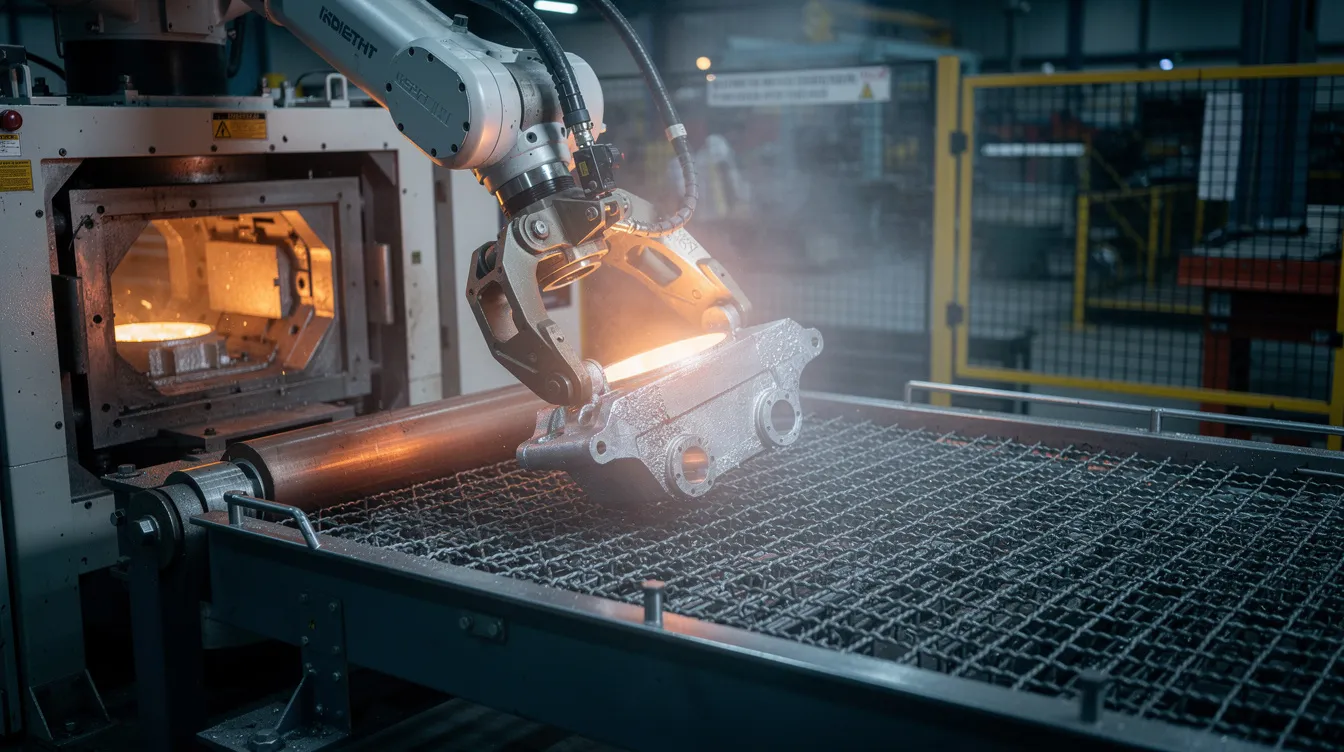
Aluminum die casting involves processes such as hot-chamber and cold-chamber casting methods, but for aluminum specifically, Chinese companies primarily use cold chamber die casting. Cold chamber die casting is used for high melting point metals like aluminum (melting point ~660 °C), whereas hot chamber die casting is reserved for lower-melting alloys like zinc. In a cold chamber machine, molten aluminum is ladled into the shot sleeve before each cycle, then a piston forces the metal into the mold cavity.
Die casting is rarely the final step and often includes secondary operations like CNC machining for tight-tolerance features. Advanced Chinese die casting services integrate simulation, optimized gating, and process monitoring to minimize porosity, cold shuts, and other common defects. Common challenges in die casting include managing porosity and maintaining dimensional tolerances – problems that experienced suppliers address through vacuum assist, overflow design, and real-time process control.
Die casting can create complex shapes with smooth surfaces, and it can produce complex shapes with high dimensional accuracy, which is why OEMs across industries rely on it. For comparison, other methods like sand casting, lost wax casting (investment casting), and injection molding serve different niches in terms of volume, precision, and cost.
Aluminum Alloys, Casting Equipment & Surface Treatment Capabilities
Understanding material specifications is important for achieving desired mechanical properties in die casting. The most common aluminum alloys used by top Chinese die casters include:
|
Alloy |
Key Properties |
Typical Applications |
|---|---|---|
|
A380 |
Excellent fluidity, good strength, widely available |
General-purpose: housings, brackets, motor housings |
|
A383 |
Provides precise die filling capabilities, good for thin walls |
Complex thin wall parts, electronic components |
|
A360 |
Offers high corrosion resistance and pressure tightness |
Fluid-handling parts, outdoor enclosures |
|
ADC12 |
Similar to A383, popular in Asia-Pacific markets |
Automotive, industrial equipment |
A380 aluminum alloy is commonly used for die casting due to its balanced performance. Aluminum alloys are favored for automotive and industrial applications because aluminum die cast parts have high thermal and electrical conductivity alongside good corrosion resistance.
Casting equipment at leading factories typically includes multiple cold chamber machines ranging from 160 T to 2,500 T (and beyond for gigacasting), robotic ladling systems, real-time monitoring, and in-house melting and holding furnaces. Heat treatment and squeeze casting capability may also be available for parts requiring enhanced mechanical properties.
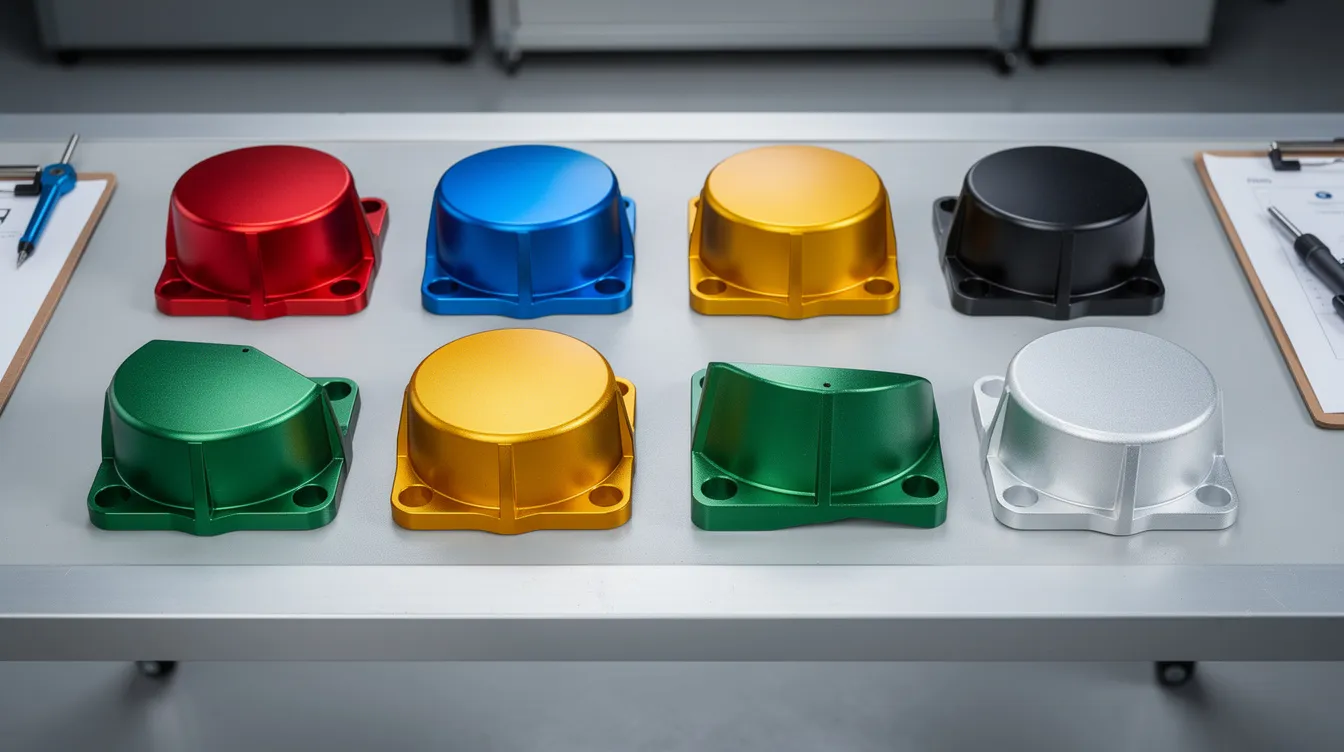
Surface treatment options that top companies provide include anodizing, powder coating, electrophoretic coating, electroplating, polishing, bead blasting, and painting. These surface treatments improve corrosion resistance, wear resistance, and aesthetics. Part design – including radii, wall thickness, and cosmetic zones – directly affects surface finishing results and cost. OEMs should verify whether a supplier controls key surface treatments in-house or partners with certified finishing vendors, as this impacts stable quality and lead times.
Case Applications: Where Chinese Aluminum Die Casting Excels
Chinese aluminum die casting serves a wide range of application areas: automotive, telecom, medical devices, industrial automation, robotics, lighting, and consumer electronics.
Automotive: Large structural castings such as battery tray components and EV chassis parts are produced by groups like Wencan and Guangdong Hongtu using high-pressure casting on mega-tonnage machines. These parts demand fatigue resistance, weldability, and dimensional stability across thousands of units. Excess material is removed through precision trimming and CNC machining before assembly.
Electronics and telecom: Precision heat sinks, enclosures, and EMI-shielding housings are manufactured by mid-size companies like Sunrise Metal and Anebon with tight-tolerance CNC finishing. These parts require good thermal conductivity, thin walls, and excellent surface finishing – areas where die casting CNC machining integration is essential.
Industrial machinery and robotics: Gear housings, motor brackets, and frames combining aluminum die cast and machined features are produced by integrated suppliers in Dongguan and Ningbo. These parts often involve heavy ribs, mounting interfaces, and sometimes leak-path testing.
Choosing the right partner by industry focus and casting process capability reduces risk and speeds up time-to-market.
How Anebon Supports the Full Aluminum Die Casting Product Lifecycle
Anebon serves the full product lifecycle: concept validation, prototyping, tooling, aluminum die casting, machining, assembly, and ongoing optimization.
Before committing to hard tooling, we offer rapid prototypes through CNC machining, 3D printing, and soft tooling to validate form, fit, and function. This saves weeks and reduces expensive mold revisions.
During die casting production, Anebon manages die design optimization, high-pressure cold chamber aluminum die casting, process parameter tuning, first-article inspection, and PPAP-style documentation for automotive-grade projects. Quality assurance processes include dimensional validation and process optimization at every stage.
Downstream, we provide 3-, 4-, and 5-axis CNC machining for tight-tolerance features, surface treatment coordination, leak and pressure testing, and assembly of sub-units. Die casting is rarely the final step, and our integrated approach ensures that every secondary operation meets the same quality standard as the casting itself.
What to share for an accurate quote:
-
3D models (STEP, IGES, or SolidWorks)
-
2D drawings with tolerances and GD&T
-
Annual volume estimate
-
Target alloy (or open to recommendation)
-
Required surface treatment and any special testing
Trends Shaping Aluminum Die Casting Companies in China (2024–2026)
China’s aluminum die casting industry is evolving rapidly across several fronts.
Automation and digitalization: Robots for ladling, trimming, and part extraction are now standard at top factories. MES systems enable real-time data for process control and traceability from melt to finished part. Wencan operates over 600 industrial robots and automated storage systems.
NEVs and lightweighting: Demand for larger integrated aluminum die castings continues to surge. Higher-tonnage machines and new alloys suited to high-strength structural parts are being deployed. Gigacasting – producing large structural castings that replace dozens of stamped and welded parts – is reshaping how OEMs think about vehicle architecture.
Sustainability: Higher use of secondary aluminum, energy-efficient melting furnaces, and scrap recycling programs are becoming standard. ISO 14001 environmental management is now expected by major OEMs, and Anebon holds this certification.
For overseas buyers, these trends mean more capacity for complex aluminum die cast projects and shorter lead times. But they also raise the bar: you need to partner with a trusted die casting supplier that can keep up with rapid design changes and tightening environmental standards.
How to Shortlist and Engage a Trusted Aluminum Die Casting Supplier in China
Systematic supplier selection reduces risk, especially for critical aluminum die cast parts. Strong partnerships and communication are essential for successful collaboration with die casting suppliers.
Initial screening:
-
Review company profile: founding date, certifications, main industries, and typical aluminum die casting projects
-
Confirm they are registered Co. Ltd entities with verifiable export records
-
Check whether they serve your industry (automotive, medical, electronics, industrial equipment)
Technical due diligence:
-
Request sample inspection reports, machine lists with tonnages and brands
-
Ask for photos of die casting cells and QC labs
-
Review examples of surface treatment results and CNC-finished parts
RFQ best practices:
-
Send clear CAD data with tolerance requirements
-
Include a rough volume forecast and preferred alloy
-
Specify any special testing needs: leak testing, pressure testing, fatigue testing, or X-ray inspection
Evaluate communication:
-
Response time and English-language engineering capability matter enormously
-
Discuss tooling ownership, payment terms, and change-order policies upfront
-
A trial order or prototype run reveals more than any audit checklist
Anebon is a strong candidate for overseas brands needing a responsive, English-speaking partner with integrated CNC machining, aluminum die casting process expertise, and reliable quality systems in Dongguan. If you are ready to start, upload your files and let our engineering team provide a free DFM review and competitive quote for your aluminum die casting project.