Top 10 Best Precision CNC Machining Suppliers for Your Business Needs
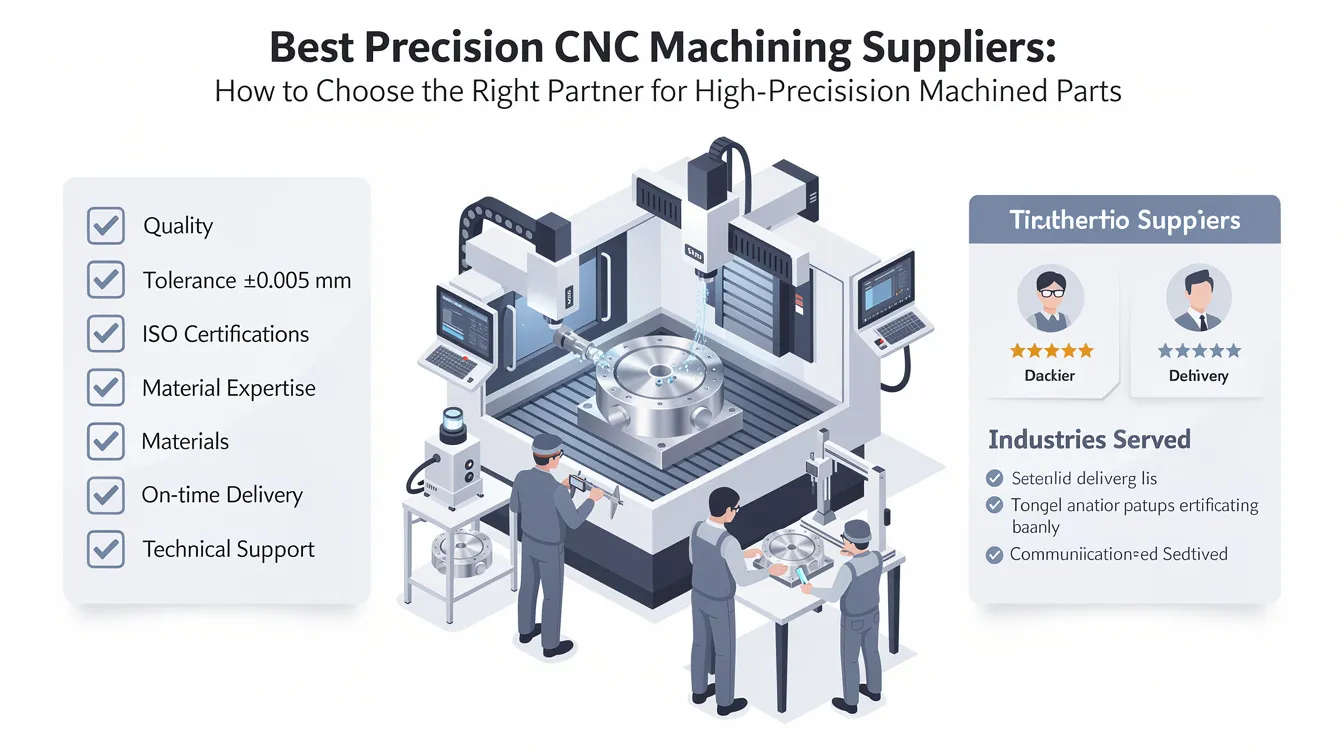
Best Precision CNC Machining Suppliers: How to Choose the Right Partner for High-Precision Machined Parts
For OEMs in aerospace, medical, automotive, electronics, and robotics, the supplier behind your CNC machined parts can make or break a product launch. Precision CNC machining involves using computer-controlled tools for manufacturing parts that demand micrometer-level accuracy, complex geometries, and flawless surface finishes. Modern CNC machining services-spanning CNC milling, CNC turning, and 5-axis machining-make it possible to produce parts with tolerances as tight as ±0.01 mm while supporting both rapid prototyping and mass production across a wide range of materials including aluminum, titanium, and engineering plastics.
Yet many OEMs still face recurring pain points: inconsistent tolerances from batch to batch, poor surface finishes that require rework, missed deadlines, weak technical expertise on the supplier side, and communication breakdowns-especially when working with overseas manufacturing partners. These issues drive up cost, delay time-to-market, and erode confidence in the supply chain.
Anebon Metal Products Limited is an ISO-certified precision CNC machining supplier based in Dongguan, China, founded in 2010. We serve overseas OEMs from one-off prototypes through full production runs, combining high precision with strong engineering support. This article walks you through what defines the best precision CNC machining suppliers and how to evaluate and shortlist partners effectively.
What Makes a Precision CNC Machining Supplier “the Best”?
Defining “best” goes well beyond the lowest quote. It means consistent capability, process stability, and long-term reliability when your designs change, volumes shift, or timelines compress.
The core criteria include tight tolerances-top suppliers can hold ±0.002 mm on critical features-stable process control through calibrated equipment and controlled environments, strong engineering support with Design for Manufacturability feedback, and a proven track record in demanding industries like aerospace and medical devices. ISO 9001:2015 certification is common among reputable CNC suppliers, and advanced CNC machines are essential for high-quality machining services.
Leading suppliers deliver CNC machined parts in aluminum, stainless steel, titanium, tool steels, and plastics with consistent quality whether you need five prototypes or tens of thousands of production units. They combine modern CNC machining centers-multi-axis mills, CNC turning centers, 5-axis simultaneous machines-with experienced machinists and robust quality systems. And “best” also means responsiveness: fast DFM feedback, realistic lead times, and transparent communication on costs and manufacturability.
Key Capabilities to Look For in High-Precision CNC Machining Services
The right capabilities translate directly into tighter tolerances, reduced scrap, and shorter lead times for your projects. Here is what to evaluate.
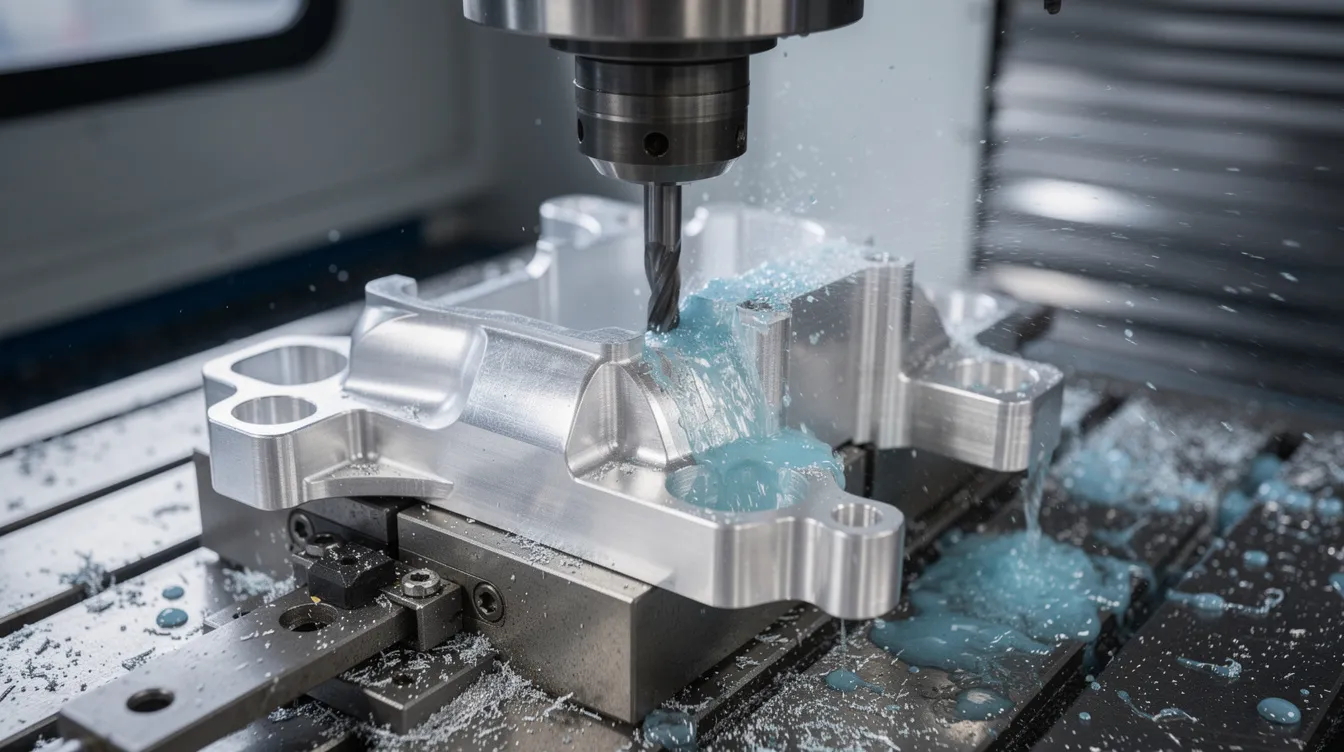
Range of processes. The best suppliers offer CNC milling, CNC turning, 5-axis CNC machining, grinding, EDM (wire and sinker), and secondary operations like tapping, reaming, drilling, anodizing, and plating-all under one roof. Consolidating processes reduces handling time, improves traceability, and lowers risk.
Precision and repeatability. CNC technology delivers tolerances as tight as ±0.01 mm on standard tight features, with precision shops achieving ±0.002–0.005 mm on compound 5-axis features. Surface finishing targets matter too: standard machining yields Ra 1.6–3.2 µm, while capable shops deliver Ra 0.8 µm or better for functional or sealing surfaces.
Batch flexibility. Look for suppliers that handle small batch prototypes (even 1–5 pieces with no minimum order), bridge production, and mass production without sacrificing quality. This ability to scale is essential for agile product development.
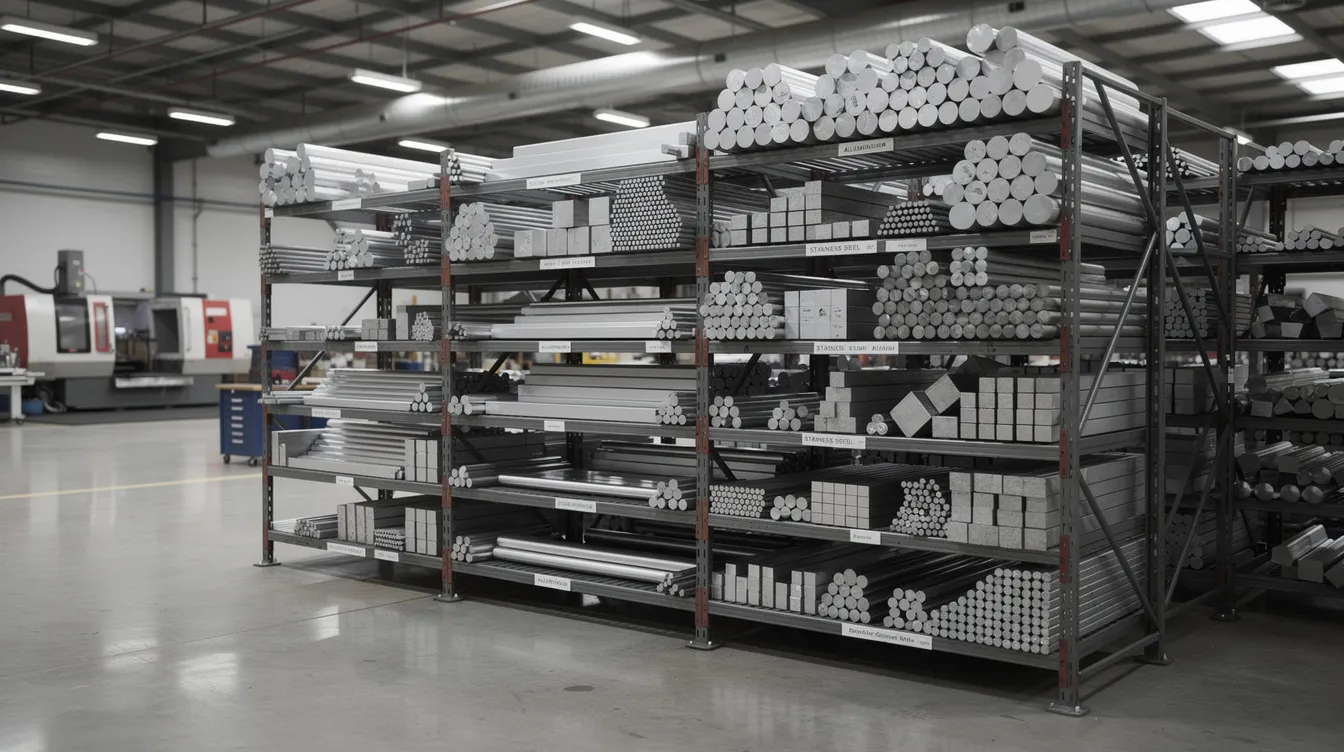
Material expertise. A wide material selection separates good shops from great ones. Aluminum 6061 is commonly used for aerospace brackets. Aluminum 7075 is used for aircraft fittings and chassis components. Aluminum 5052 is ideal for marine applications due to corrosion resistance. Aluminum 3003 is often used in consumer goods and automotive trim. Beyond aluminum, look for experience with stainless steels (304, 316, 17-4PH), titanium (Ti-6Al-4V), copper alloys like brass, and engineering plastics (PEEK, POM, PC, ABS). CNC machining supports a wide range of materials for OEM projects-but each demands specific tooling, cooling, and process strategies for dimensional stability and wear resistance.
Why 5-axis matters. For complex OEM parts-aerospace brackets, medical housings, robotics joints-5-axis simultaneous machining reduces setups, improves tool access to complex geometries, and achieves better positional accuracy on curved or re-entrant features. Best suppliers can hold tight geometric tolerances (true position, flatness, perpendicularity) on these complex CNC machined parts, producing custom parts that meet exact specifications.
Evaluating a Supplier’s Technical Expertise and Engineering Support
Advanced machines alone do not guarantee results. Technical expertise and engineering support determine whether a complex project succeeds or fails.
Signs of strong technical expertise include the ability to review 2D drawings and 3D CAD files and provide actionable DFM feedback before machining begins, experience with tight-tolerance fits and complex GD&T callouts, and deep knowledge of cutting parameters, tooling strategy, and fixturing for stable high precision. Collaboration with engineers during production can improve outcomes and reduce costs-catching issues early instead of discovering them at final inspection.
Consider a real scenario: a medical device housing with thin walls and large flat surfaces was warping during milling. The supplier’s engineering team suggested adding ribs, increasing wall thickness in non-critical areas, and switching to a multi-axis finish pass with revised clamping. The result was eliminated warping, improved flatness, and achievable tolerances-without a significant price increase. This is the kind of precision engineering support that separates the best from the average.
Understanding a supplier’s production capacity is crucial when sourcing CNC machining services. Suppliers like Anebon offer design consulting, tolerance optimization, and material selection guidance-helping overseas design teams balance performance, durability, and cost on every project.
Quality Assurance: Standards, Inspection, and Traceability
High precision at scale is impossible without robust quality assurance. Quality assurance systems ensure that components meet specified requirements-and quality assurance is critical for high-stakes applications like aerospace, medical devices, and automotive safety systems.
What buyers should verify:
-
Certifications: ISO 9001:2015 ensures quality management standards. ISO 14001:2015 covers environmental management. Industry-specific standards (AS9100, ISO 13485) apply for aerospace and medical.
-
Incoming material control: certificates of analysis, material test reports, and lot traceability. Material traceability is essential to guarantee quality in manufacturing processes.
-
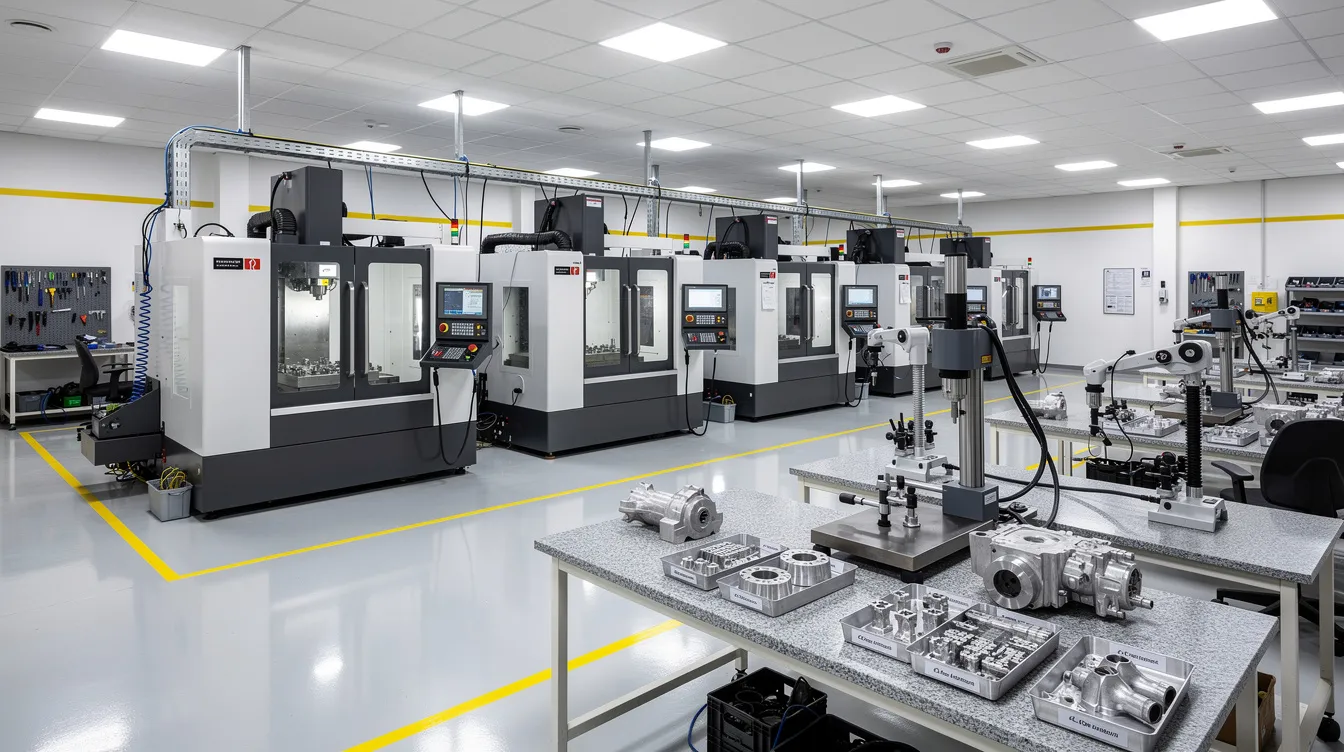
Inspection equipment: CMM (coordinate measuring machines), vision measuring systems, height gauges, surface roughness testers, hardness testers, and calibrated micrometers and calipers.
First-article inspection (FAI), in-process checks, and final inspection reports comparing measured dimensions against nominal values build confidence in delivered machined parts. Anebon can provide complete quality documentation upon request, including FAI reports and PPAP-level documentation for automotive customers. Strict quality control measures enhance customer satisfaction, and quality assurance reduces production costs by minimizing errors, rework, and shipping delays. Secondary operations such as anodizing or plating may be necessary for finished parts-and should be inspected to the same standards.
Lead Times, Pricing, and Supply Chain Reliability
Reliable delivery and predictable costs keep OEM production schedules on track. Here is what to evaluate.
Lead times. Rapid prototyping accelerates product development cycles-it allows for quick iterations and design modifications, and can reduce time-to-market significantly. Prototyping can be done using various materials and techniques, and it supports both low-volume and high-volume production needs. Typical prototype lead times for standard materials run 3–7 working days after drawing approval; production runs take 2–4 weeks depending on complexity. CNC suppliers often provide services from rapid prototyping to full production, and capable suppliers handle urgent projects and engineering changes without sacrificing quality.
Pricing. The best suppliers provide transparent quotes with breakdowns by process, material, surface finishing, inspection, and shipping. Volume pricing applies for recurring orders, and design suggestions-like relaxing tolerances on non-critical features-can cut cost without affecting performance. Going from ±0.1 mm to ±0.01 mm can multiply machining cost by 2–5× depending on material and feature complexity, so precision should be applied where it matters.
Supply chain reliability. Stable raw material sourcing in China for aluminum, stainless steel, metals, and plastics is a strength. Inventory strategies for repeat OEM parts (blank stock, safety stock) reduce lead time risk. Anebon supports both rapid prototyping and scheduled production deliveries for overseas customers in Europe and North America, with logistics support via air freight for prototypes and sea freight for production volumes.
How to Compare and Shortlist the Best Precision CNC Machining Suppliers
Many suppliers claim “high precision,” so a structured comparison process is essential. CNC suppliers serve industries like aerospace, automotive, and medical-but claimed capability and proven capability are different things. CNC machining delivers tolerances as tight as ±0.01 mm, but not every shop does so reliably. Here is a practical framework.
Step 1: Pre-screening. Filter by certifications (ISO 9001:2015 minimum), capabilities list (5-axis, EDM, grinding), and industries served. Ask for a sample portfolio.
Step 2: RFQ and DFM. Send identical 3D models and drawings to several candidates. Compare responsiveness, the quality of technical feedback, and quote structure. Did the supplier suggest simplifying features, adjusting tolerances, or consolidating setups?
Step 3: Sample order. Place a small batch order-even one or two parts-to evaluate delivered tolerances, surface quality, communication, and on-time delivery.
Step 4: Supplier audit. Remote or in-person, review equipment condition, inspection tool calibration, process controls, and shop organization (temperature control, vibration management, cleanliness).
Within this process, score each supplier on technical expertise, quality and inspection capability, pricing transparency, lead time and flexibility, material range, and communication. Anebon consistently performs well in this framework-backed by our Dongguan location, 2010 founding, ISO certifications, and dedicated focus on overseas OEMs requiring high precision machined parts and efficient CNC machining services.
Anebon Metal Products Limited: Your Partner for High-Precision CNC Machined Parts
At Anebon, we specialize in precision CNC machining with milling, turning, and 5-axis machining, delivering tolerances as tight as ±0.002 mm on critical features. Based in Dongguan, China, we have served OEMs worldwide since 2010, and we are committed to being a reliable, precise, and efficient manufacturing partner.
Our CNC machining services extend from rapid prototyping to full production. We also offer die casting and sheet metal fabrication, supporting complete OEM solutions under one roof. Industries we serve include aerospace, medical devices, automotive, electronics, robotics, and industrial machinery-producing housings, brackets, fixtures, connectors, heat sinks, and more. CNC machining is widely used in automotive and aerospace industries, and our company has deep experience across both.
Our strengths include strong engineering and DFM support for overseas design teams, a wide material selection covering aluminum, titanium, stainless steel, copper alloys, and engineering plastics, and reliable lead times with proven shipping to Europe and North America. Every part we manufacture benefits from our commitment to quality and sustainability, backed by ISO 9001:2015 and ISO 14001:2015 certifications. Our processes emphasize automation, efficiency, energy management, and lightweight, durable designs that match the shape, weight, and performance requirements of each application.
How to Get Started: Requesting a Quote and Launching Your Next CNC Machining Project
Engaging the right supplier should be straightforward, even for complex, high precision projects. Here is our typical process:
-
Send your files. Provide 2D drawings and 3D CAD models (STEP, IGES, Parasolid) along with material grade, quantity, and finishing requirements.
-
Engineering review. Our team reviews files for manufacturability, flags risks (thin walls, difficult tool access, over-specified tolerances), and suggests adjustments to improve cost and quality. Design for Manufacturability feedback is important for optimizing production processes.
-
Transparent quote. Receive a detailed quote with pricing, lead time, and any technical assumptions-no hidden fees.
-
Production launch. Approve the quote and we begin machining, with progress updates and optional first-article approval before full production.
CNC machining produces parts with complex geometries, and we maintain the same high precision and quality standards whether you need one-off prototypes or recurring OEM machined parts. We are capable of supporting projects across all scales, with the resistance to compromise on accuracy and reliability that demanding industries require.
Working with one of the best precision CNC machining suppliers-like Anebon-reduces risk, improves part performance, and keeps your production on schedule. Request a quote today and let us show you what precise, durable, and on-time CNC machined parts look like.