Top 10 Best ISO Certified Precision Metal Manufacturers for 2026
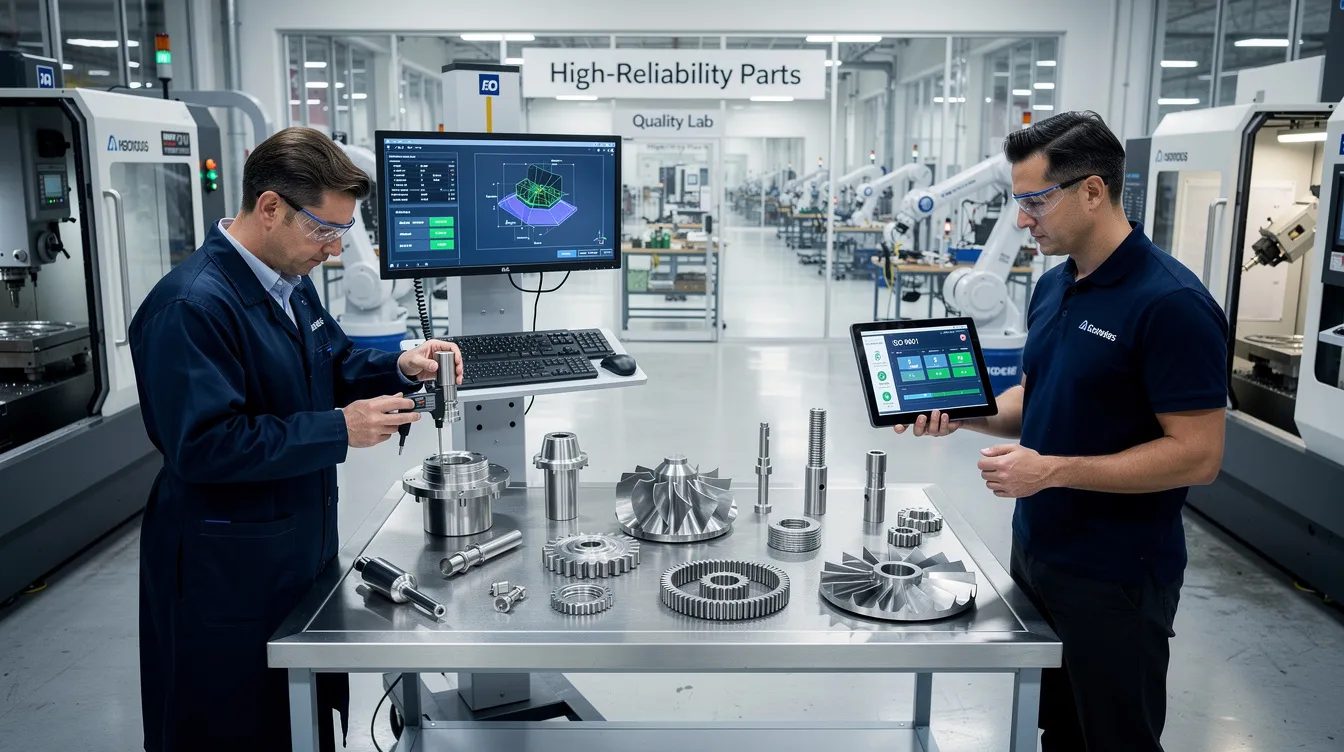
Best ISO Certified Precision Metal Manufacturers for High-Reliability Parts in 2026
When a CNC-machined aerospace bracket fails dimensional inspection or a die-cast medical housing arrives with undocumented material substitutions, the cost goes far beyond scrap. It hits your production schedule, your regulatory filings, and your customer’s trust. That’s why finding the best iso certified precision metal manufacturers has become a strategic priority – not a procurement checkbox – for OEMs in 2026.
Buyers now filter suppliers by ISO 9001 2015 certification, material traceability, and documented process control before they even compare price or lead times. This article explains what to look for in an ISO-certified manufacturing partner, how to evaluate capabilities across cnc machining, precision sheet metal fabrication, and die casting, and why Anebon Metal Products Limited – an ISO 9001:2015 and ISO 14001:2015 certified company founded in 2010 in Dongguan, China – is positioned as a strong choice for overseas OEMs needing high-reliability parts.
What ISO 9001:2015 Really Means for Precision Metal Manufacturing
ISO 9001 is the international organization’s quality management system standard, recognized globally as the baseline for controlled manufacturing. Launched in the year 2015, ISO 9001:2015 introduced risk-based thinking, stronger leadership involvement, and a tighter process approach compared to older versions. For metal fabrication companies, this translates directly into shop-floor discipline.
Here’s what ISO 9001 2015 certification requires at each stage of the manufacturing process:
-
Incoming material inspection – reviewing mill certificates for alloy, temper, and heat numbers; performing hardness and dimensional checks; quarantining nonconforming material with full lot traceability
-
In-process checks – first-piece verification, control plans for CNC machined features, statistical process control on critical dimensions, and monitoring tool wear
-
Final inspection – CMM measurement of key characteristics, documented inspection reports, and formal nonconformance handling with root-cause analysis
-
Continuous improvement – corrective and preventive action (CAPA) systems that feed back into process parameters
Manufacturers should have a verified quality management system for reliability, and industrial customers use ISO 9001 2015 certification as a minimum requirement when shortlisting precision metal manufacturers worldwide. Without it, suppliers are often disqualified from RFQs before technical evaluation even begins.
How ISO Certification Protects Your Program: Key Buyer Benefits
Abstract “established quality systems” become concrete when you translate them into outcomes that affect your program:
-
Reduced scrap and rework – quality management systems ensure part-to-part consistency and reduce rework. One industry example: a shop adopting ISO-layered aerospace standards saw a roughly 47% drop in non-conforming reports over 12 months of production.
-
Repeatability from prototype to full production – documented processes and calibrated equipment mean the same control plans, inspection benchmarks, and tooling qualifications carry forward as programs scale. This delivers consistent quality across batches.
-
Stabilized long-term production – continuous improvement should be supported by documented corrective actions and risk management. Over years of releases, CAPA-driven process refinements reduce batch-to-batch variation.
-
Predictable lead times – ISO 9001:2015 mandates planning, resource allocation, and capacity tracking. This discipline delivers fewer surprises between quoting and shipping, supporting on time delivery. ISO certifications improve compliance and documentation in manufacturing, which translates to smoother PPAP and FAI workflows.
-
Full documentation – traceability records, inspection reports, and material certificates are audit-ready by default, supporting customer satisfaction across aerospace, automotive, and medical programs.
Anebon Metal Products Limited: ISO-Certified Precision Metal Manufacturing Partner
Anebon Metal Products Limited is ISO 9001:2015 and ISO 14001:2015 certified, with certifications maintained through regular third-party audits since the early 2010s. Based in Dongguan, Guangdong, China, the company serves as a single-source manufacturing partner for overseas OEMs across multiple industries.
-
Core capabilities – CNC milling and turning (including 5-axis), precision sheet metal fabrication, die casting, and assembly services for complete assemblies
-
Tolerance range – tolerances in precision fabrication can be as tight as ±0.002 mm on CNC machined features, verified by CMM and advanced metrology
-
Industry focus – aerospace applications, medical devices, automotive, robotics, and industrial machinery
-
Project scope – rapid prototyping through full production runs, with engineering support including DFM feedback
Inside Anebon’s ISO 9001:2015 Quality Management System
An iso certification matters only when it drives real shop-floor behavior. Here’s how Anebon’s management system operates in practice:
-
Contract and drawing control – documented procedures govern contract review, revision management, and configuration control when customers update CAD models mid-project
-
Process control – control plans define critical dimensions, first article inspection gates, in-process sampling frequency, and final inspection reports for every part family
-
Metrology – calibrated CMMs, profilometers, and hardness testers operate under ISO 9001:2015 protocols with ISO 17025-calibrated reference standards
-
Traceability – lot-level tracking links raw material mill certs, tooling records, and inspection data to individual parts, supporting audits and compliance standards across the supply chain
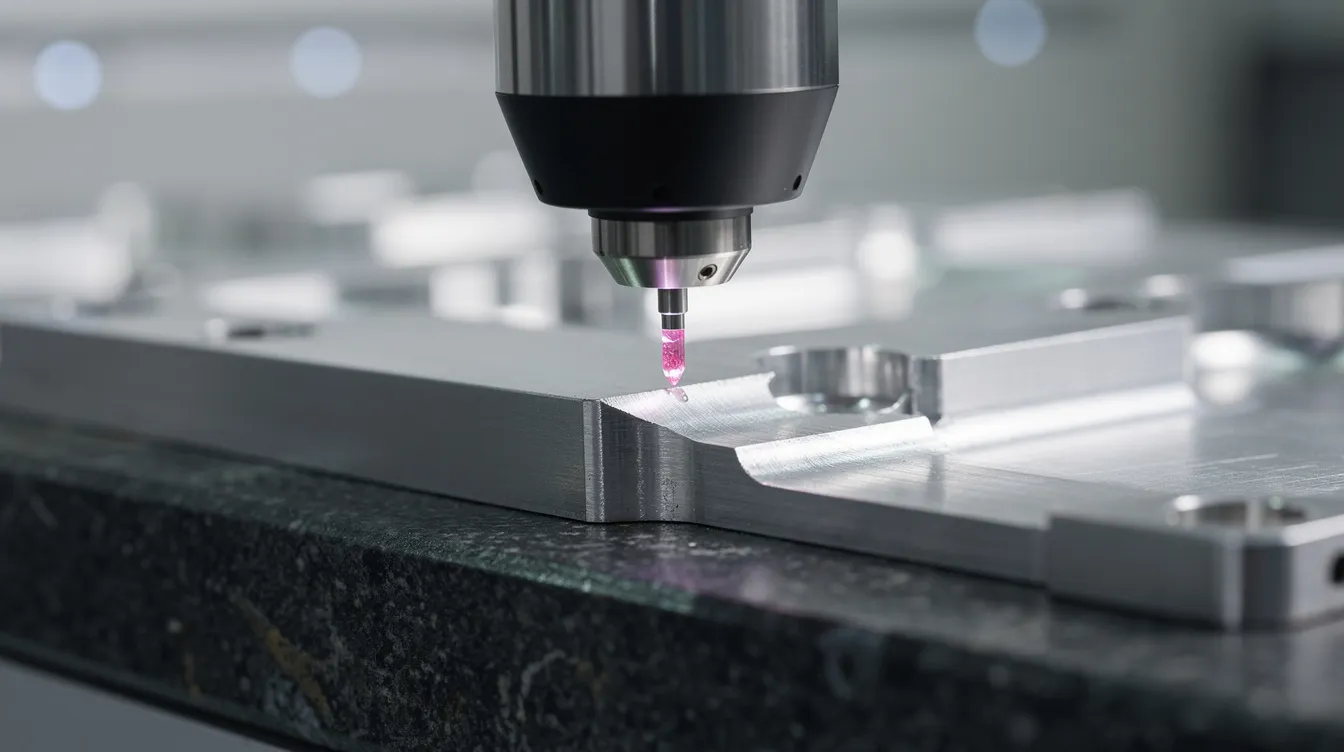
Precision Capabilities: CNC Machining, Sheet Metal, and Die Casting Under One Roof
Companies often provide integrated services from prototyping to production, but not all can handle CNC machining, sheet metal fabrication, and die casting under one ISO-certified roof. CNC machining and precision stamping are common manufacturing processes in precision metal fabrication, but vertical integration across multiple process families is rarer.
-
CNC machining – CNC machining supports multi-axis operations for precision parts. Anebon runs 3-axis, 4-axis, and 5-axis milling plus CNC turning. Materials include aluminum 6061/7075, stainless steels (303, 304, 316), titanium, and engineering plastics. Standard tolerances sit at ±0.05 mm; precision work reaches ±0.01–0.02 mm; tolerances can be as tight as ±0.002 mm for critical features.
-
Sheet metal fabrication – precision sheet metal fabrication includes cutting, bending, and welding. Capabilities cover laser cutting, punching, forming, hardware insertion, welding, and finishing for enclosures, brackets, and chassis. Precision sheet metal fabrication supports industries like aerospace and automotive with flatness and true-position control on mating surfaces.
-
Die casting – die casting is used for producing complex metal shapes in aluminum and zinc alloys, from prototype tools to production molds, with secondary machining and surface treatments like powder coating and plating.
-
Integration advantage – handling machining, sheet metal, casting, and finishing in one facility reduces handoffs, compresses lead times, and simplifies supplier management versus coordinating multiple vendors.
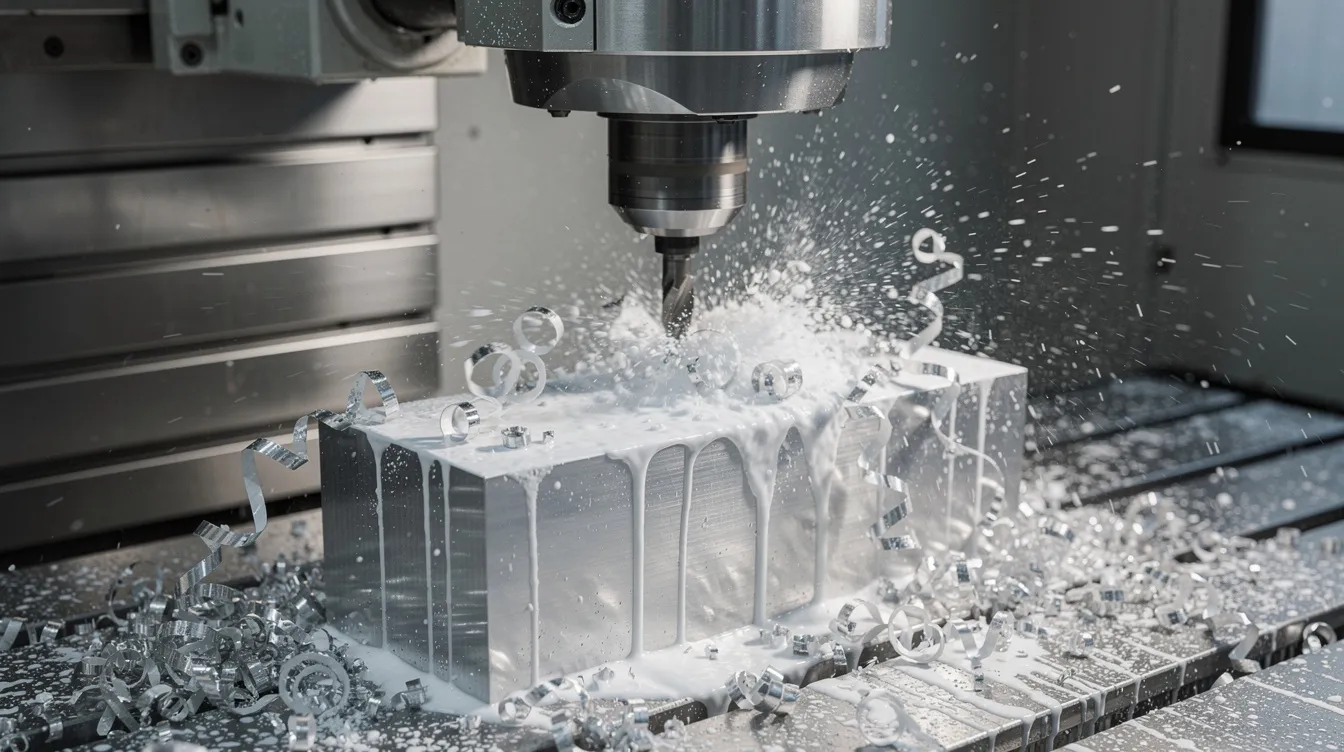
From Rapid Prototyping to Full Production: How ISO Supports Scaling
Rapid prototyping supports quick-turn capabilities for product development, but the real test is whether quality holds when volumes increase. Protolabs specializes in rapid prototyping with fast quoting, and other suppliers like Rapid Axis offer comprehensive services from prototyping to production. Precision Advanced Manufacturing scales from prototype to multi-shift production, and Prototek focuses on rapid prototyping and small-run manufacturing.
What sets Anebon apart is how its ISO system bridges the gap:
-
Prototyping workflows – fast DFM feedback on uploaded CAD, quick fixture design, and short-run machining or sheet metal builds
-
Knowledge capture – process parameters, inspection plans, and lessons learned from prototypes are documented under the ISO system and reused for pilot and volume production
-
Engineering change management – ECOs and revision control maintain consistency across batches and years, so quality doesn’t degrade as programs scale
-
Buyer benefit – smoother ramp-up, fewer surprises between sample approval and mass production, and stable part quality through risk mitigation built into the process
Lead Times and On-Time Delivery in ISO-Certified Metal Fabrication
Lead times vary based on complexity and quantity of orders. Here are realistic benchmarks:
|
Part Type |
Prototype Lead Time |
Production Lead Time |
|---|---|---|
|
Simple CNC parts |
3–5 business days |
1–2 weeks |
|
Complex 5-axis parts |
7–10 business days |
2–3 weeks |
|
Sheet metal assemblies |
5–10 business days |
2–4 weeks |
|
Die cast parts (with tooling) |
Weeks for tooling + samples |
4–8 weeks |
Integrated manufacturers reduce lead times by controlling all processes internally. Anebon’s vertical integration – machining, sheet metal, die casting, finishing – removes external sub-supplier delays that plague fragmented supply chains.
When evaluating potential partners, compare quoted vs. actual delivery performance over 6–12 months. In aerospace and automotive supply chains, on time delivery rates above 95% are the expectation from ISO-certified shops maintaining disciplined production planning.
Compliance Standards Beyond ISO 9001: Environmental and Industry Expectations
Modern OEMs demand more than basic ISO 9001 certification. Different industry sectors require specific certifications such as IATF 16949 for automotive and ISO 14001 for environmental management.
-
ISO 14001:2015 – Anebon’s environmental certification governs waste handling, emissions, and resource efficiency across all fabrication services. ISO certifications signal maturity in quality and compliance systems.
-
Chemical and material compliance – RoHS, REACH, and conflict minerals declarations are increasingly required. Anebon supports full documentation for these requirements.
-
Dual-certification value – holding both quality (ISO 9001:2015) and environmental (ISO 14001:2015) certifications signals a more mature manufacturing partner, especially for clients with ESG obligations.
-
Buyer guidance – if you’re sourcing for medical devices, aerospace, or robotics, explicitly ask potential partners how their compliance standards translate into process controls and reports, not just certificates on a wall.
How to Evaluate the Best ISO-Certified Precision Metal Manufacturers
Key considerations for selecting manufacturers include quality control and inspection procedures. Use this checklist when vetting vetted suppliers:
-
Verify certifications – confirm ISO 9001 2015 certification dates, issuing bodies, and scope. Check expiry. ISO certification should not be merely a certificate but backed by continuous process improvement.
-
Match capabilities to project requirements – review precision fabrication capabilities (CNC, sheet metal, die casting, assembly services), tolerance ranges, and surface finish options. Does the company handle your materials and complexity?
-
Request quality documentation – ask for sample inspection reports, control plans, PPAP/FAI examples, and material certs. This reveals how the quality assurance system actually functions.
-
Assess engineering support – DFM responsiveness, English-language communication quality, and willingness to iterate on designs matter for overseas partnerships. Evaluate the engineering team’s depth.
-
Check references and delivery data – ask for on-time delivery metrics and defect rates (PPM) from existing clients in your industry.
For a detailed guide to choosing the right machined parts manufacturers, start with certifications and work outward to capability and communication.
Comparing Integrated ISO-Certified Manufacturers to Fragmented Supply Chains
Fragmented suppliers often miss scalability and compliance targets. Here’s how integrated vs. fragmented models compare:
|
Factor |
Integrated (e.g., Anebon) |
Fragmented (multiple vendors) |
|---|---|---|
|
Coordination overhead |
Low – single point of contact |
High – managing multiple vendors |
|
Quality consistency |
Controlled under one ISO system |
Variable across other suppliers |
|
Lead time risk |
Lower – no inter-vendor handoffs |
Higher – shipping, re-inspection delays |
|
Total program cost |
Often lower when factoring rework and logistics |
Can be lower per-unit but higher total |
|
Audit burden |
One site to audit |
Multiple us locations to visit and qualify |
Integration is especially valuable for complex assemblies, tight deadlines, and defense applications where traceability across every process step is non-negotiable. Buyers should quantify total program cost – including delays, rework, and logistics – rather than fixating on unit price without sacrificing quality.
Case-Style Examples: ISO-Certified Precision Metal Manufacturing in Action
These anonymized scenarios illustrate how ISO-driven process controls solve real production problems:
-
Aerospace electronics housing – a customer moved a precision sheet metal housing with tight EMC shielding and flatness requirements to an ISO-certified facility. Standardized control plans and first-article inspection reduced nonconformances by over 40% compared to the previous vendor. On-time delivery stabilized above 97% within three months, meeting exacting standards for defense projects and defense programs.
-
Medical device implant components – a program requiring CNC machined stainless-steel parts needed full batch traceability and inspection documentation for regulatory submissions. ISO 13485 is essential for medical device fabrication, and while the supplier held ISO 9001:2015, its documented traceability and CAPA systems satisfied the customer’s regulatory audit for mission critical components.
-
Automotive robotics consolidation – an OEM previously split machined brackets, sheet metal covers, and stamped parts across three vendors. Consolidating under one ISO-certified process family cut design-to-production time by 30% and eliminated inter-vendor dimensional mismatches in complete assemblies.
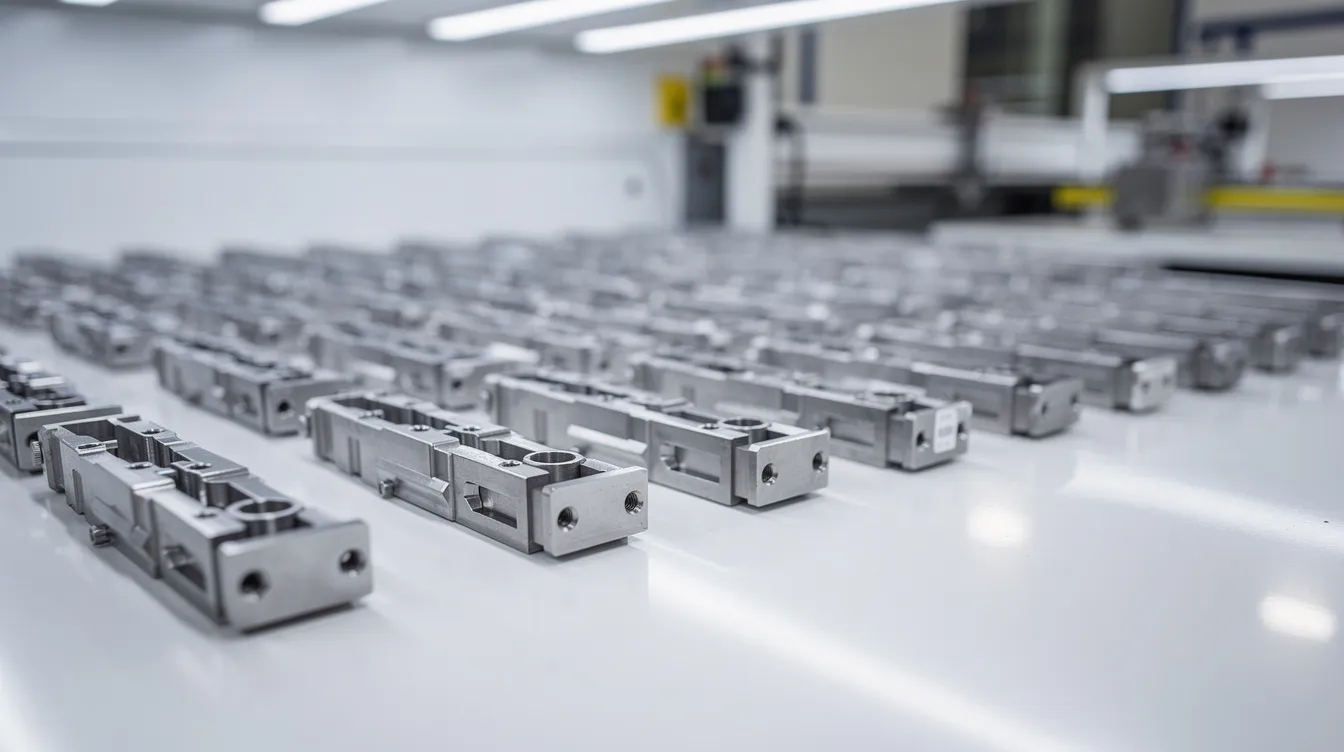
Where ISO Fits with Other Key Certifications in Precision Metal Supply Chains
ISO 9001:2015 is foundational, but precision metal manufacturers must often meet stringent industry-specific requirements like AS9100 for aerospace. AS9100D certification adds aerospace quality management requirements including FMEA, key characteristic identification, and AS9102 first article inspection. These extend – not replace – the ISO 9001 framework.
-
Sector-specific standards – IATF 16949 covers automotive; ISO 13485 covers medical devices; NADCAP applies to special processes. Each builds on ISO 9001′s core.
-
Anebon’s approach – the ISO 9001:2015 system is structured to integrate customer-specific or industry-specific requirements as needed, supporting aerospace, automotive, and medical clients without requiring a separate quality system for each.
-
Buyer advice – prioritize suppliers with at least ISO 9001:2015 when sourcing precision CNC, sheet metal, or die cast parts. Even when a supplier doesn’t hold every sector standard, robust ISO systems and documented special processes can still support demanding OEM audits. Itar registration and similar regulatory access points should be verified separately for defense-related work.
How to Build a Long-Term Manufacturing Partnership with an ISO-Certified Metal Fabrication Company
Turning one-off orders into a stable relationship with your manufacturing partner requires commitment from both sides:
-
Start with clear technical packages – provide 3D models, 2D drawings with GD&T, finish specs, and any compliance requirements up front. Ambiguity creates rework.
-
Schedule regular DFM workshops – work with the manufacturer’s engineering team to simplify designs and improve manufacturability. This is where real cost savings happen for industrial customers.
-
Share forecasts – multi-year volume forecasts and blanket orders help ISO-certified manufacturers plan capacity and maintain consistency in lead times across releases.
-
Track shared metrics – PPM defect rates, on-time delivery percentages, and CAPA closure rates build accountability. Anebon supports this long-term approach through open communication, shared dashboards, and continuous improvement programs tied to its ISO system.
The site owner of any serious precision fabrication operation will tell you: the best client relationships are the ones where both parties invest in maintaining process transparency.
Next Steps: Choosing Anebon as Your ISO 9001:2015 Precision Metal Manufacturing Partner
Anebon stands out among metal fabrication companies for a clear reason: ISO 9001:2015 and ISO 14001:2015 certifications, tight tolerances down to ±0.002 mm, and integrated capabilities spanning cnc machining, precision sheet metal, die casting, and support from prototype to full production – all under one roof since 2010.
Overseas OEMs can reduce risk and compress timelines by consolidating precision metal work with an ISO-certified partner rather than juggling fragmented vendors. To get started:
-
Prepare your drawings, 3D models, and annual volume estimates
-
Include target lead times, compliance standards, and any special inspection requirements in your RFQ
-
Reach out to Anebon’s team for a detailed quote – the more specific your project requirements, the faster and more accurate the response
The best manufacturing relationships start with clear expectations and a partner whose quality systems can back up every commitment with data. That’s what btd manufacturing discipline looks like in practice – and it’s exactly what Anebon delivers for clients across aerospace, automotive, medical, and beyond.