The Best Strategies for Sourcing CNC Parts for Products Efficiently
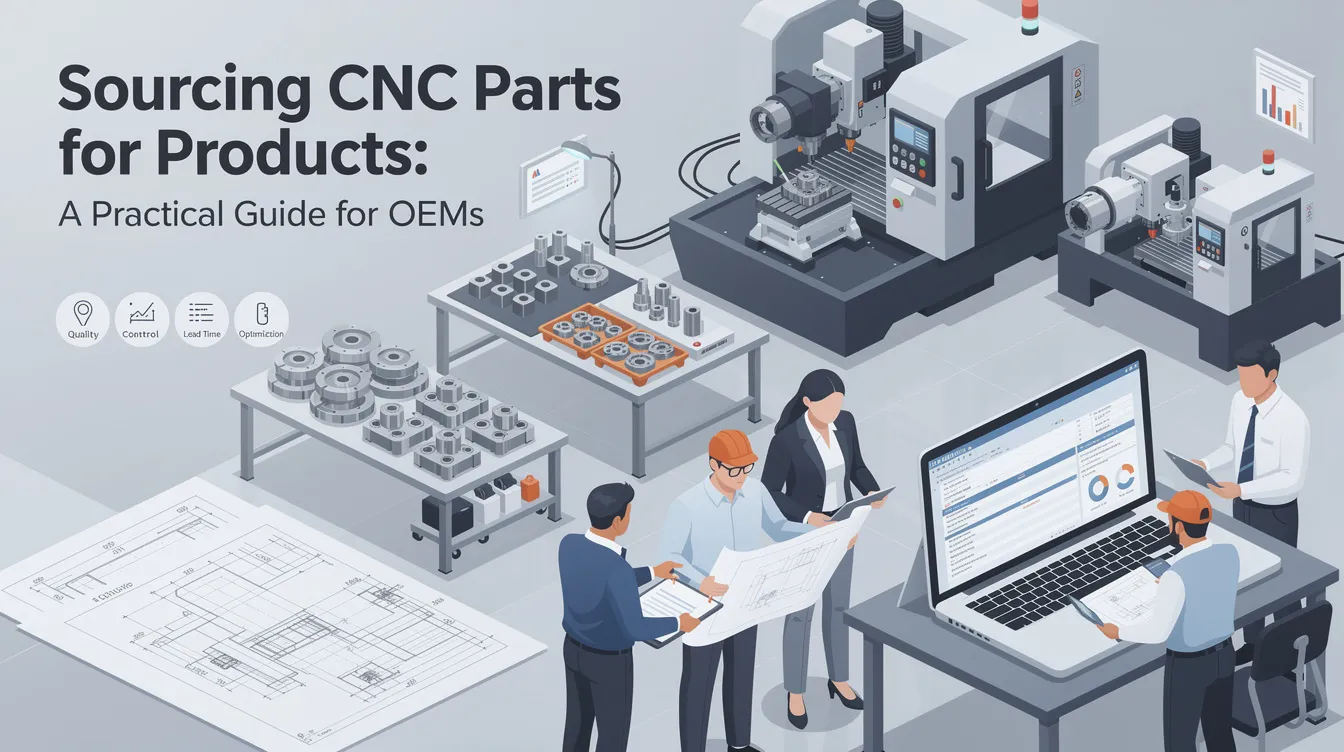
Sourcing CNC Parts for Products: A Practical Guide for OEMs
Introduction: How to Quickly Start Sourcing CNC Parts
OEMs face numerous challenges in 2024–2026 that make sourcing cnc parts harder than ever: compressed lead time expectations, tighter tolerances driven by aerospace and medical devices, and an entire supply chain still absorbing post-pandemic disruptions. Supply chain disruptions can delay material availability and increase costs, while quality control issues can lead to product failures and expensive rework.
This article is a practical roadmap for design engineers, procurement teams, and R&D teams who need custom cnc parts from prototype through volume production. You’ll learn how to define requirements, choose manufacturing processes, evaluate suppliers on more than price, and build supplier relationships that reliably meet your needs over time.
Anebon Metal Products Limited is an ISO 9001:2015 and ISO 14001:2015 certified precision machining and metal fabrication partner based in Dongguan, China, serving overseas OEMs since 2010. If you want a fast start, skip to the step-by-step checklist below – but the sections that follow will give you a deeper understanding of every decision point.
Define Your CNC Part Requirements Before Contacting Suppliers
Clear technical requirements are the foundation of successful sourcing. Unclear specifications are a common cause of quality failures, and incomplete drawings force suppliers into conservative pricing assumptions that inflate your costs. Creating a comprehensive Request for Quote package reduces lead times and clarifies requirements for everyone involved.
CNC machining suppliers should provide detailed documentation such as CAD files and technical drawings – but they need yours first. Here’s the minimum data package suppliers expect:
|
Document |
Format |
Purpose |
|---|---|---|
|
2D drawings |
PDF / DWG |
Dimensions, tolerances, notes |
|
3D models |
STEP / IGES |
Geometry verification, CAM programming |
|
Material specifications |
Text / drawing note |
Alloy grade, condition, hardness |
|
Tolerance scheme |
GD&T or dimensional |
Defines acceptable deviation |
|
Surface treatments |
Drawing note |
Finishing requirements |
|
Inspection requirements |
Spec document |
FAI, material certs, PPAP |
For prototypes, cosmetic requirements and non-critical tolerances can be relaxed. For production, consistency, traceability, and robust finishes become a top priority. Align your engineering teams, procurement, and quality departments before sending RFQs.
Material Selection for CNC Parts
Material selection impacts performance and cost significantly. Common materials include aluminum, stainless steel, and brass, but choosing the right one can reduce total cost of ownership by 25–40% when you factor in machinability, finishing, and tool wear. Material affects strength, weight, and thermal performance – not just raw material price.
-
Aluminum (6061-T6, 7075-T6): Lightweight, excellent machinability. Ideal for robotics, drones, and automotive components.
-
Stainless steel (304, 316, 17-4PH): Offers corrosion resistance but is hard to machine, increasing cycle time and tool costs. Used for medical and food-processing equipment.
-
Tool steels (D2, H13): High wear resistance for tooling, fixtures, and stamping dies.
-
Engineering plastics (ABS, POM, PEEK, polycarbonate): Electrical insulation, weight reduction, lower-cost prototyping.
Material selection issues can affect machinability and durability downstream. Use materials available in the supplier’s quote builder to avoid procurement delays.
Precision, Tolerances, and Functional Surfaces
Tolerancing directly drives price, lead time, and scrap risk. Moving from ±0.1 mm to ±0.01 mm can increase cost by 3–5×. Specify tolerances wisely to avoid over-tolerancing – the most common hidden cost trap in producing parts.
-
Non-critical features: ±0.10–0.20 mm
-
Precision fits: ±0.005–0.010 mm
-
Ultra-precision (medical, aerospace): ±0.002 mm
Aerospace components require tolerances as tight as ±0.002 mm, and tight tolerances are crucial for medical device components. Anebon holds these on suitable features using high precision machining equipment. Label critical-to-function dimensions separately so suppliers focus inspection there, and match GD&T symbols with the supplier’s inspection capability.
Part Complexity, Geometry, and Design for Manufacturability (DFM)
CNC parts can range from simple shapes to complex geometries. Simple prismatic parts suit 3-axis milling, while intricate geometries and organic surfaces benefit from 5-axis CNC milling. Complex engineering requirements can complicate the manufacturing process.
Deep pockets, thin walls, and tight internal radii are common cost drivers. Best practices include using standard hole sizes and limiting cavity depths. Design parts that can be machined with the largest possible cutting tool diameter to lower costs. Sourcing CNC parts efficiently requires applying Design for Manufacturability principles – and early DFM feedback from Anebon can simplify features before you lock drawings.
Production Volume and Lifecycle Planning
Production volume needs vary from prototypes to mass production, and each range demands a different sourcing strategy:
-
1–20 prototypes: CNC machining optimal; small batches allow rapid iteration
-
20–200 pilot runs: Validate design and processes
-
200–10,000+ production: Consider metal stamping or die casting for cost per piece
Share forecasted volumes and revision plans so suppliers can propose phased approaches – start CNC, then transition to die casting as volumes justify tooling. Reorder frequency and safety stock planning prevent capacity gaps.
Choosing the Right Manufacturing Processes for Your CNC Parts
There’s no single “best” process. Casting, forging, and machining are common metal manufacturing processes, and selection depends on geometry, material, tolerances, and production volume. Anebon offers cnc machining, die casting, and sheet metal fabrication, enabling hybrid approaches. Understanding manufacturing options helps you compare pricing fairly.
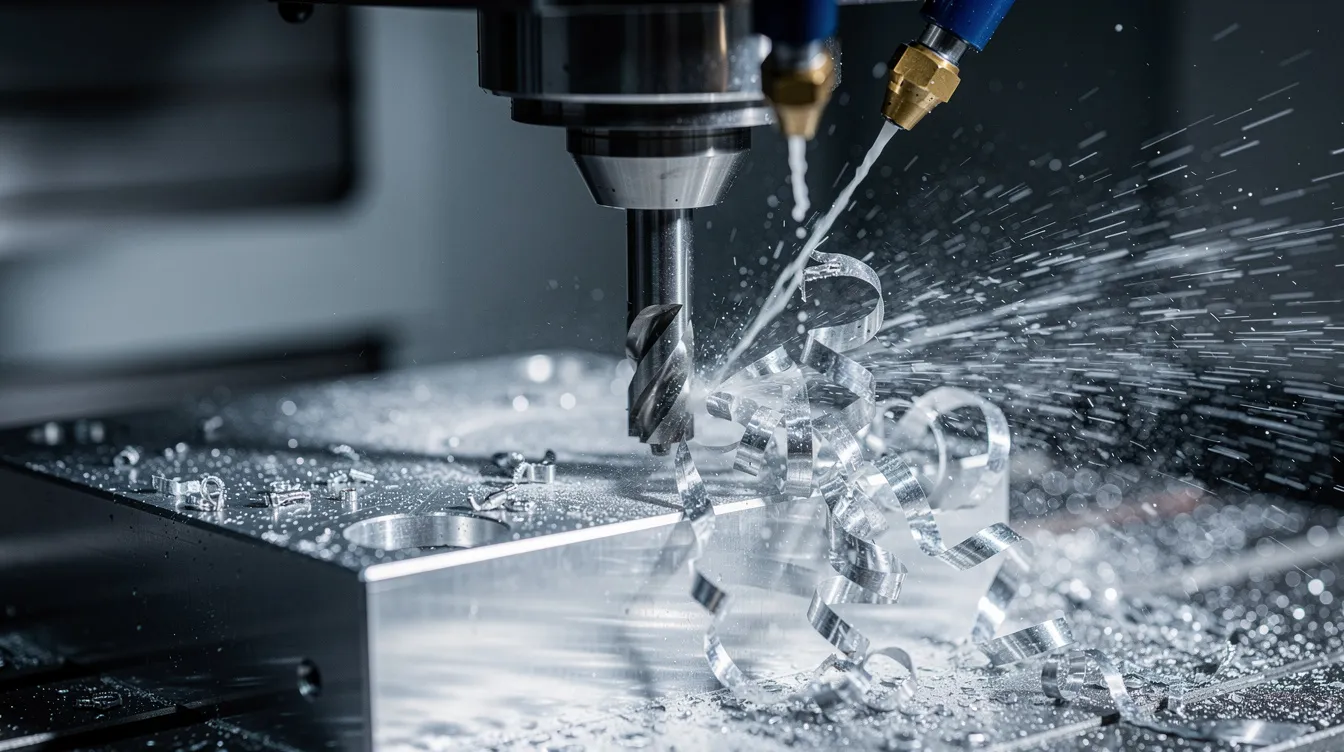
CNC Milling and CNC Turning
CNC machining removes material to achieve precise dimensions. CNC milling handles complex shapes, pockets, and 3D surfaces, while CNC turning excels at rotational parts like shafts, bushings, and stainless steel turned components. Combining milling and turning with a single supplier simplifies the supply chain and reduces handling.
Typical use cases span aerospace brackets, medical housings, robotic end-effectors, and precision connectors – all specialized components requiring precision machining and consistent quality.
Metal Stamping and Sheet Metal Fabrication
Metal stamping forms parts using presses and tooling. It requires higher upfront investment but delivers very low piece prices for high volume production (10,000+ parts/year). Sheet metal fabrication – laser cutting, bending, hardware insertion – serves enclosures, chassis, and brackets.
Tolerance expectations differ: stamped parts have radiused corners, spring-back considerations, and grain direction constraints. A proven path is CNC machining for early runs, migrating to stamping once the design stabilizes.
Die Casting with Secondary CNC Machining
Die casting produces high-volume, complex non-ferrous parts. Casting involves pouring molten metal into a mold to create near-net-shape parts, while forging shapes metal using compressive force while solid – a distinct process. Anebon can cast aluminum or zinc housings, then CNC machine critical interfaces, threads, and sealing surfaces.
Examples include automotive gearbox housings, electronics enclosures, and motor bodies. Tooling lead time runs 4–12 weeks, making die casting economical only at higher volumes.
Surface Treatments and Finishing Operations
Surface treatments influence performance, appearance, and corrosion resistance. Anebon manages anodizing (Type II, III), powder coating, nickel/chrome plating, passivation, bead blasting, polishing, and laser marking.
Surface finishes interact with tolerances – anodizing adds 2–50 µm of thickness, and plating creates buildup. Reflect these in drawings. Specify functional vs. cosmetic surfaces so suppliers balance cost appropriately.
Comparing Pricing, Lead Times, and Total Cost of CNC Parts
The lowest quote is rarely the best choice. Total cost includes quality, logistics, and risk factors. Request itemized quotes with transparent pricing for machining, material, finishing, inspection, and shipping. Compare pricing only when RFQ packages are consistent across multiple suppliers.
Understanding Setup Costs and Low-Volume Pricing
Orders of 20–50 pieces look disproportionately expensive because setup costs – CAM programming, fixturing, first-article inspection – are fixed. At 1–5 pieces, simple aluminum parts may cost $75–$200 each; at 100 pieces, costs drop to $8–$60 depending on complexity.
To reduce costs and achieve cost optimization, consolidate similar parts, adjust production volume, or relax non-critical tolerances. Anebon advises on economical lot sizes that balance cost savings against your timeline.
Lead Time Drivers and Supply Chain Considerations
Lead time breaks down into material procurement, programming, machining, surface treatments, inspection, and international shipping:
-
Prototypes (1–10 pcs): 3–10 working days
-
Small batches (10–100 pcs): 7–20 working days
-
Production runs (100+): 2–6 weeks + shipping (sea freight adds 3–4 weeks)
Supply chain disruptions can delay material availability and increase costs. Mitigate this through safety stock and establishing a secondary sourcing plan. Plan early for critical launch dates.
Evaluating Total Cost vs. Supplier Value
Quality consistency reduces total cost of ownership. Indirect costs of poor quality – rework, line stoppages, expedited freight – often dwarf per-piece savings from cheaper suppliers. Evaluate suppliers on quality, delivery performance, and communication skills, not just price.
Providers offering DFM guidance and stable lead times deliver better total value despite mid-range pricing. Track ppm defect rates, on-time delivery percentage, and RFQ responsiveness. Procurement platforms can reduce total cost of ownership by 25–40%, and CNC24 connects companies with over 1,000 verified manufacturing partners. Automated quoting platforms allow immediate feedback on manufacturability and pricing, though instant online quotes and instant quoting through best platforms sometimes carry a platform markup compared to direct communication with a manufacturing partner.
Assessing and Selecting CNC Suppliers
Choosing the right manufacturing partner matters as much as choosing the right process. Clarifying supplier capabilities helps align their specialization with project needs. A focused OEM partner like Anebon differs significantly from generic marketplaces that merely connects buyers to different suppliers.
Technical Capabilities and Equipment
Review machine lists: number of 5-axis mills, turning centers with live tooling, and electrical discharge machining capacity. Check maximum part size envelopes and production capacity. Obtain references or examples of previous projects to assess supplier experience in your industry – aerospace, medical, robotics, or the automotive industry.
Anebon’s technical capabilities span multi-process production: machining plus die casting or sheet metal, all under one roof.
Quality Assurance, Certifications, and Traceability
Verifying supplier certifications helps ensure quality control processes. ISO 9001 is a common certification for quality management in manufacturing. Implementing robust quality control processes is essential – low-quality parts can lead to product failures.
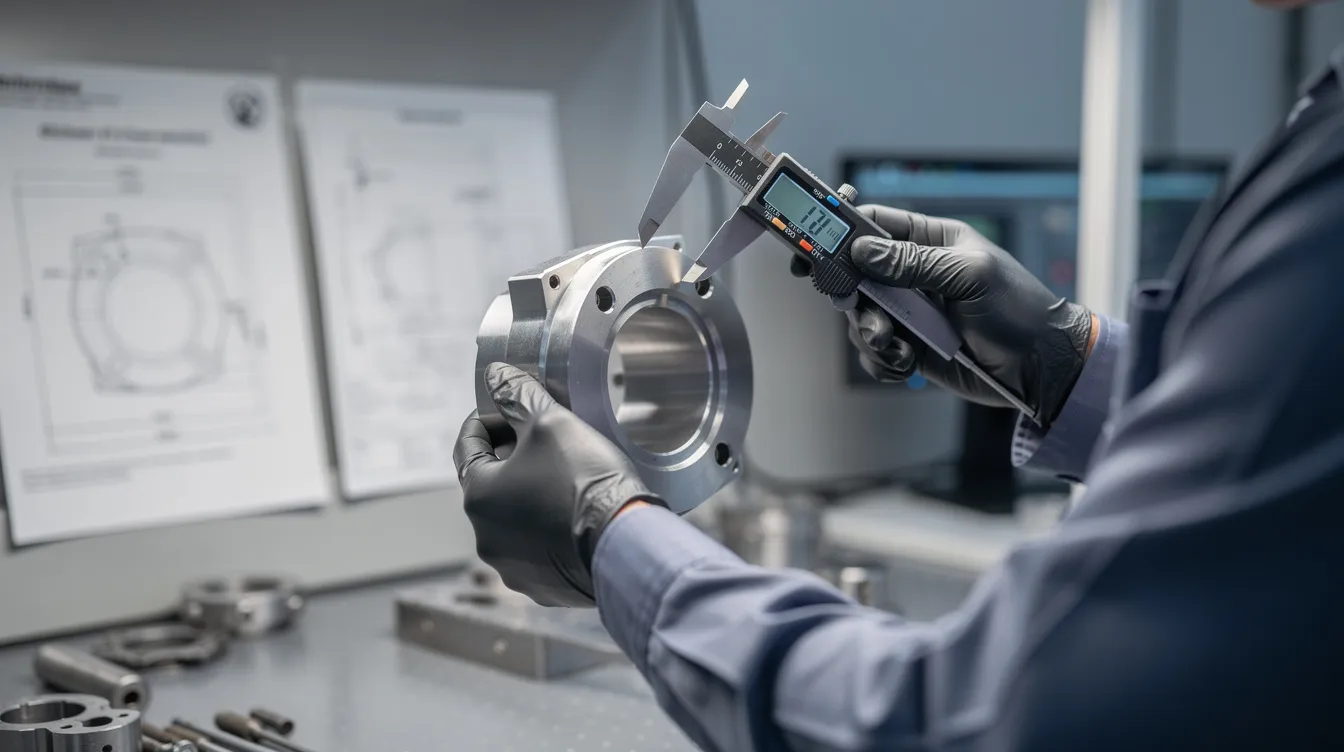
Standard quality inspections include incoming material checks, in-process inspection (which helps catch issues before production ends), and final inspection reports using CMM and optical measurement. First Article Inspection (FAI) is a key process for verifying parts before mass production. Specify documentation needs: material certificates, RoHS/REACH compliance, and PPAP for automotive projects.
Communication, Language, and Time Zone Alignment
Communication barriers can lead to misunderstandings in specifications. Require fluent English communication, clear written responses, and dedicated project managers. Anebon’s engineers provide DFM feedback directly on drawings, enabling direct communication that reduces errors.
Establish simple routines: weekly status updates, structured change request templates, and shared project trackers.
Supply Chain Resilience and Risk Management
Avoid depending on a single machine shop for critical components to reduce supply-chain risk. Ask about backup equipment, multiple raw material sources, and capacity to ramp for sudden increases. Evaluate whether the supplier supports dual-plant manufacturing or safety stock programs – these are your contingency plans for material availability disruptions.
Anebon’s Dongguan location leverages the Pearl River Delta supply chain for materials, treatments, and logistics flexibility.
Domestic vs. Overseas Sourcing for CNC Parts
Many OEMs use hybrid sourcing strategies: domestic sourcing for urgent or sensitive parts, overseas for cost-sensitive or stable designs. Anebon primarily serves as an overseas manufacturing partner for North American, European, and other international OEMs.
Cost, Lead Time, and Logistics Trade-Offs
Per-piece cost overseas can be ½ to ¼ of domestic for production volumes. However, freight, duties, and buffer stock must be factored in. Shipping modes matter: air freight (5–7 days) vs. sea freight (20–30+ days). Incoterms (EXW, FOB, DAP) affect responsibility and cost.
Overseas sourcing typically justifies itself for medium-to-high volume, stable designs, and non-urgent schedules. Buyers spend 60–70% of their time on procurement tasks without platforms, and a procurement platform allows parallel processing of multiple projects, cutting procurement time from weeks to days.
IP Protection and Confidentiality
Use NDAs and NNN agreements before sharing sensitive designs. Anebon maintains controlled access to client drawings and secure file transfer. Share only necessary data during early quotation stages, expanding access progressively once partners are vetted.
Building Strong, Long-Term Supplier Relationships
Strategic supplier relationships reduce risk and total cost over a product’s lifecycle. Move from transactional RFQs to partnership-based collaboration, especially for critical machined parts. Anebon aims to function as an extension of your engineering and manufacturing teams without compromising quality.
Aligning on Expectations and Performance Metrics
Track concrete KPIs for ongoing supplier management:
-
On-time delivery rate
-
PPM defect rates
-
Average RFQ response time
-
Complaint resolution time
Conduct quarterly reviews to discuss quality standards, cost reduction ideas, and upcoming engineering changes. Joint planning for new product introductions ensures production capacity and process readiness.
Continuous Improvement and Cost Optimization
Long-term partners systematically improve manufacturing processes: consolidating part families, standardizing materials, revising tolerances, or changing surface treatments. Anebon can propose alternative approaches – transitioning from CNC-only to die casting plus machining – as volumes grow, achieving competitive pricing without compromising quality consistency.
CNC machining involves optimizing designs for manufacturing to reduce costs and lead times. Share cost drivers openly so both sides target impactful improvements.
Step-by-Step Checklist for Sourcing CNC Parts with Anebon
The procurement process becomes straightforward when you follow these steps:
-
Prepare your design package: CAD models, 2D technical drawings, material and finish specs, estimated production volume. Ask for samples or pilot runs to evaluate a supplier’s ability before committing to full production.
-
Send RFQ to Anebon via email or online form, noting target timelines and compliance requirements (RoHS, PPAP, etc.).
-
Review DFM feedback: Clarify open questions, align on tolerances and surface treatments. This is where intricate details and intricate geometries get resolved.
-
Approve quotation with transparent pricing, lead time, and quality plan (FAI, inspection reports for custom parts).
-
Run prototypes or pilot batch: Review measurement reports and functional testing. Validate precise dimensions on critical features.
-
Release for production: Implement adjustments, then schedule ongoing shipments for consumer products, industrial equipment, or any end application.
How Anebon Supports Your CNC Parts Sourcing Strategy
Anebon is a precision manufacturing partner offering cnc milling, CNC turning, 5-axis machining, die casting, sheet metal fabrication, and secondary surface treatments. Core capabilities include tight tolerances down to ±0.002 mm, broad material selection – aluminum, stainless steel, titanium, copper alloys, and engineering plastics – and ISO-certified quality assurance systems.
Experience spans aerospace components, medical devices, automotive assemblies, electronics housings, and robotics and industrial machinery. Whether you need rapid prototyping for 5 pieces or high precision volume production of 50,000 custom cnc parts, Anebon’s team is equipped to support your sourcing strategy at every stage.
Ready to get started? Send your drawings to Anebon’s engineering team for a free DFM review, request a quote, or discuss your upcoming project. The right manufacturing partner turns sourcing from a headache into a competitive advantage.