The Best Precision Metal Prototyping China Reviews for Your Projects
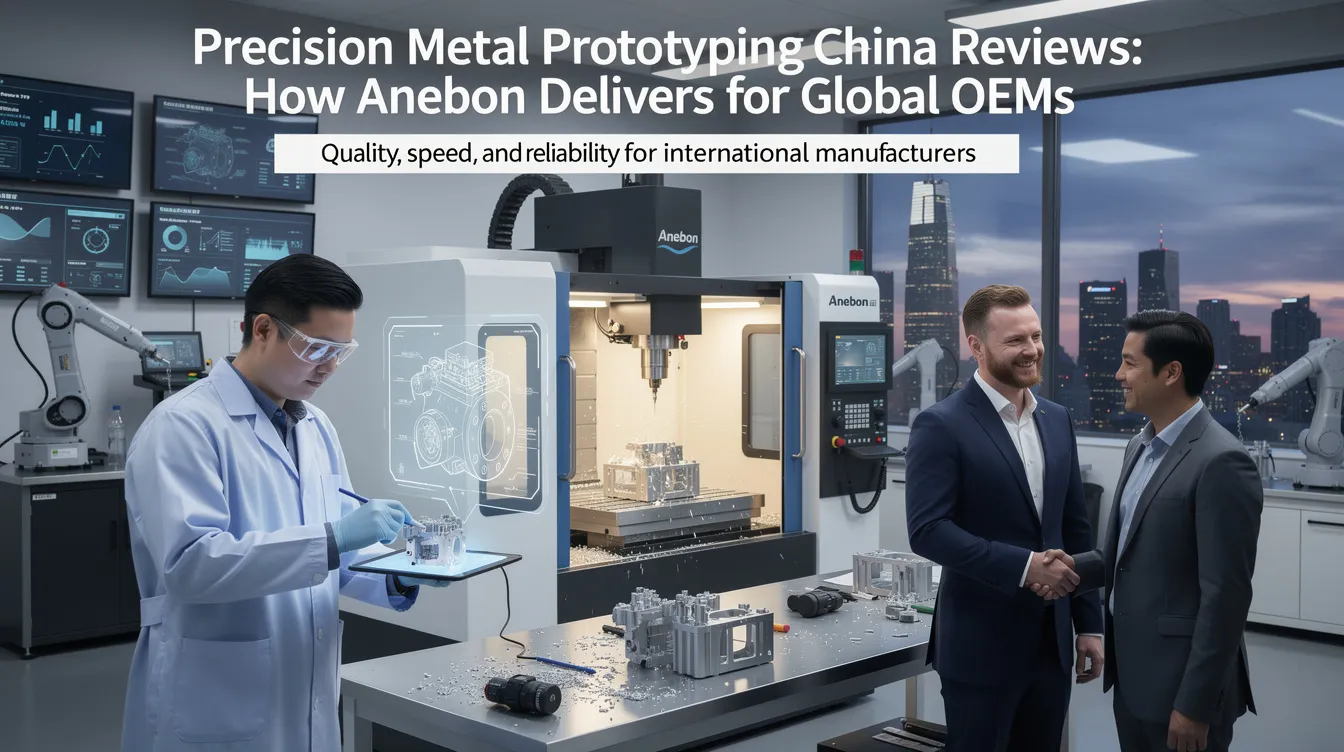
Precision Metal Prototyping China Reviews: How Anebon Delivers for Global OEMs
If you are sourcing precision metal parts from China, you already know that the gap between a great supplier and a mediocre one can mean the difference between a successful product launch and months of rework. This guide breaks down what real reviews reveal about working with Chinese prototyping shops, with a detailed look at Anebon Metal Products Limited and how its performance stacks up for overseas OEMs.
Overview: Why Engineers Look for “Precision Metal Prototyping China Reviews” First
Between 2023 and 2026, design engineers across Europe, the USA, and Japan have tightened their expectations for prototype parts. Regulatory compliance in medical devices, automotive safety, and electronics applications now demands full material traceability, inspection documentation, and tight tolerances from the very first sample. Buyers report savings of 30–70% when using Chinese manufacturers compared with Western suppliers, but cost alone does not settle the question. Engineers want to know: how precise, how repeatable, and how responsive is the supplier?
That is why searching for precision metal prototyping China reviews has become a standard step before any RFQ. China’s precision metal prototyping services offer rapid turnaround times, but users have reported both excellent and poor results when working with Chinese CNC services. Real reviews help separate the capable from the careless.
Anebon Metal Products Limited, a Dongguan-based OEM manufacturer founded in 2010, specializes in cnc machining, die casting, and sheet metal fabrication china. This article delivers review-style insights, sample customer stories, and comparison points to help you decide whether Anebon fits your next project.
About Anebon Metal Products Limited: From Rapid Prototype to OEM Production
Anebon is located in Dongguan, Guangdong, China, and holds both ISO 9001:2015 and ISO 14001:2015 certifications. Core manufacturing capabilities include CNC milling, CNC turning, 5-axis machining, precision sheet metal fabrication, and die casting. Many Chinese manufacturers offer advanced in-house capabilities for CNC milling and die casting, and Anebon is a clear example-housing all key processes under one roof.
The company claims tolerances as tight as ±0.002 mm for certain metal prototyping work, applied across aerospace, medical devices, automotive, robotics, and consumer electronics projects. Its B2B focus serves design engineers and R&D teams who need fast DFM feedback, rapid tooling, and a smooth transition from rapid prototyping to mass production. Current export markets include the EU, North America, Australia, and Japan.
What “Precision Metal Prototyping” Actually Covers in China
Precision metal prototyping encompasses several processes: cnc machining (milling, turning, 5-axis), sheet metal fabrication (laser cutting, cnc bending, cnc punching, welding), and die casting trials with post-machining. Sheet metal fabrication combines cutting, bending, and welding processes into a single workflow to create parts ranging from simple brackets to complex enclosures.
Common materials include aluminum, carbon steel, and stainless steel, with specialty options like titanium and copper for demanding applications. The difference between a one-off prototype and a 500-piece pilot run matters: one-offs may accept cosmetic imperfections, but engineering validation builds (EVT/DVT) demand near-production quality control.
Concrete examples include aluminum CNC housings for consumer electronics, stainless steel brackets for medical devices, and steel structural parts for industrial equipment. This is why reviews must address dimensional accuracy, surface treatments, lead time, and communication-not just price.
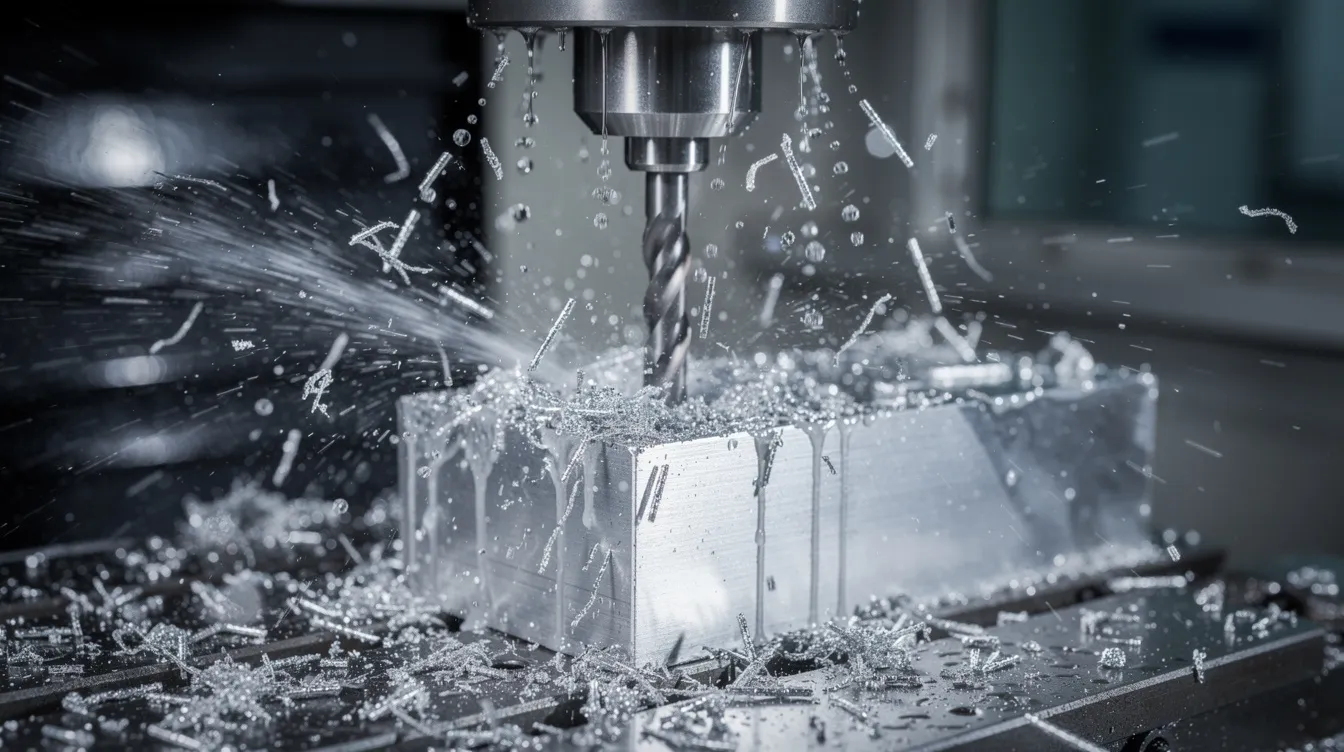
How to Read and Use Precision Metal Prototyping Reviews from China
Many 2024–2026 online reviews mix hobby projects with professional OEM work. B2B buyers must filter for industrial-grade feedback. Here are the key review dimensions to evaluate:
-
Machining accuracy: Were specified tolerances actually held?
-
Sheet metal quality: Flatness, bend precision, springback, weld consistency
-
Surface finishing: Anodizing uniformity, powder coating adhesion, plating quality
-
Documentation: CMM reports, first article inspection, material certificates
-
Logistics: Packaging, customs paperwork, on-time delivery
-
Communication: Responsiveness, DFM feedback quality, revision handling
Check review timestamps-a 2022 review may not reflect 2026 capabilities after equipment upgrades. Verify project complexity: a review about a simple bracket says little about a multi-axis housing with critical dimensions. Cross-check third-party platforms like engineering forums and LinkedIn instead of relying solely on anonymous star ratings.
Typical Customer Profile and Project Types Anebon Handles
Anebon’s primary customers are EU, US, and Japanese OEMs, robotics startups, medtech R&D labs, and tier-1 automotive suppliers needing rapid prototyping services. Typical applications include 5-axis CNC machined aluminum housings, custom sheet metal parts for rack-mounted servers, and die-cast and post-machined EV components.
Order sizes commonly seen in 2024–2026 range from single demo samples to 50–2,000 piece pilot builds, then scale to 10,000+ piece high volume production. If your project involves mixed processes, low volume production runs, or frequent design iteration, Anebon’s model is designed for exactly that.
Sample Customer Review: CNC Machined Medical Device Housings (2024)
A European medical device OEM submitted an RFQ in March 2024 for 30 anodized aluminum housings requiring ±0.01 mm on critical bores. Anebon’s engineering team provided DFM suggestions-adjusting wall thickness from 1.2 mm to 1.5 mm and adding fillet radii to internal corners-which improved machining stability and later rapid tooling design.
First article delivery arrived in April 2024. The client reported daily email updates, video calls with process engineers, and CMM inspection reports shared as PDFs. High-quality prototypes ensure functional testing and aesthetic validation, and in this case the housings passed the client’s incoming inspection on the first submission. Prototyping can verify dimensions, fit, and finish before committing to expensive production tooling-exactly what this customer needed for design validation.
Sample Customer Review: Precision Sheet Metal Enclosures for Consumer Electronics (2025)
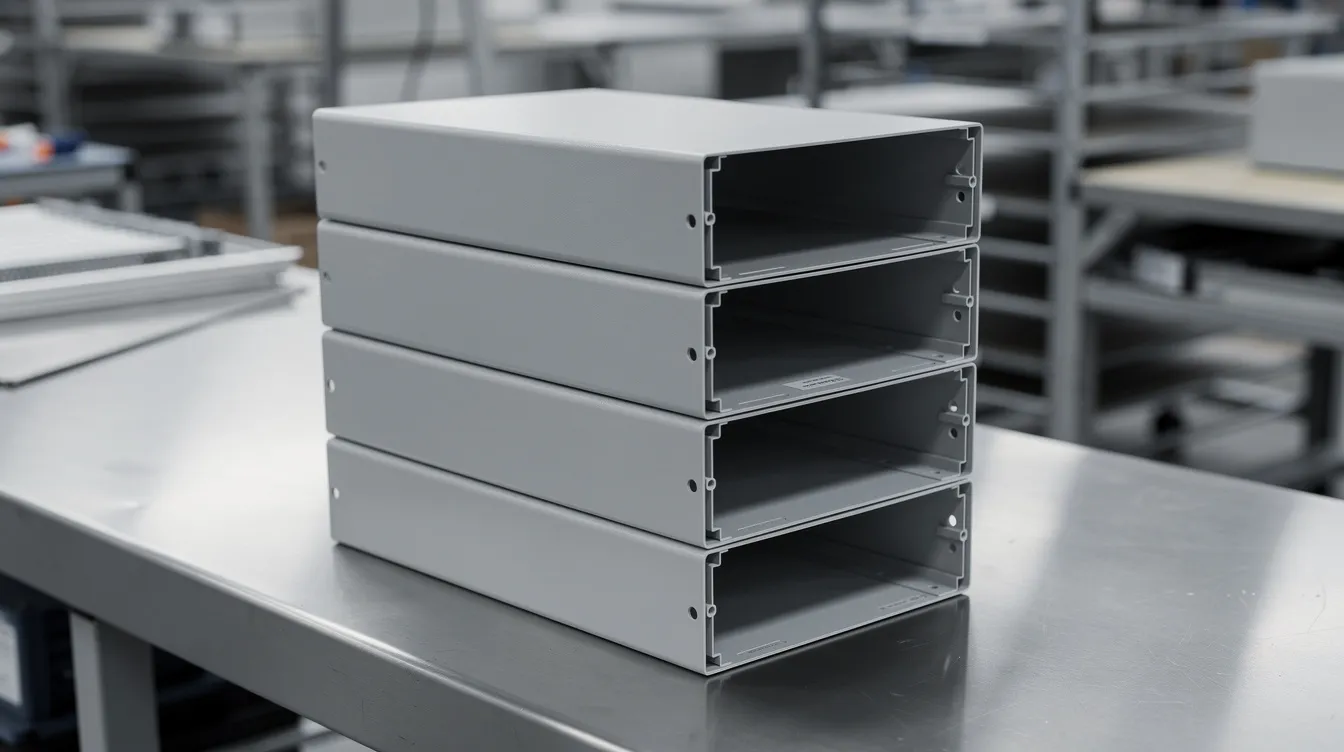
A US consumer electronics startup needed precision sheet metal enclosures for a smart home hub in early 2025. The project required precision laser cutting and cnc bending of powder-coated steel and aluminum alloys panels, with strict fit-up, flatness, and cosmetic requirements.
Design freeze was January 2025. T0 enclosures shipped in early February; T1 revision delivered by March. Volumes: 80 pieces for EVT, 300 pieces for DVT. The client evaluated Anebon on bend angle accuracy, minimal springback, color consistency between lots, and fast resolution of two cosmetic NCRs (minor orange-peel texture on early panels). Sheet metal prototypes help verify design before mass production, and this project confirmed that sheet metal prototyping supports low volume production after approval.
Sample Customer Review: Die Casting and Post-Machining for Automotive Brackets (2023)
A Japanese automotive Tier-1 supplier needed lightweight aluminum die casting structural brackets with tight positional tolerances and surface treatments including shot blasting plus chromate conversion. Tool kick-off was May 2023, first casting samples delivered in June, and PPAP approval achieved in August 2023.
The customer commented on dimensional Cp/Cpk results exceeding 1.33 on all critical dimensions. Anebon’s combined die casting and cnc machining capability reduced the client’s supplier count and simplified incoming inspection. This is a typical applications scenario where integrated manufacturing capabilities save weeks of coordination.
What Overseas Buyers Praise Most in Anebon’s Reviews
Common positive themes from 2022–2026 feedback include:
-
Tolerance control: Parts consistently meet or exceed specified tolerances
-
Fast quoting: Quotes typically within 24 hours; sometimes as fast as 6 hours
-
Proactive DFM: Suggestions that refine designs and reduce costs before cutting begins
-
Clear documentation: Inspection reports, material certs, and annotated drawings
-
Engineering support: Fluent English-speaking engineers, transparent status updates
Reviewers frequently note that Anebon acts as a reliable partner for iterative development-not just a vendor filling purchase orders.
What Reviews Say Could Be Improved (And How Anebon Responds)
No supplier is perfect. Buyers have mentioned minor surface scratches on early prototype batches (particularly a 2022 anodized run), shipping delays during 2022–2023 pandemic recovery, and occasional customs documentation gaps. Quality consistency may decline if production is subcontracted in China, so buyers should confirm that work stays in-house.
Anebon has responded with stricter cosmetic standards for brushed and anodized finishes, updated packaging SOPs, and optional DDP shipping terms. Their return policy allows customers to report issues within five business days, with resolution in one to three business days. The key takeaway: reviews drive continuous improvement, not just marketing claims.
Technical Capabilities Behind Anebon’s Prototyping Reviews
Positive reviews trace back to installed equipment and process controls. Advanced machinery is crucial for precision in sheet metal fabrication, and Anebon’s floor includes:
-
3-axis and 5-axis CNC machining centers (imported Japanese machines)
-
CNC turning centers for precision customized components
-
Fiber laser cutters, press brakes, and welding stations
-
EDM (wire and sinker), surface grinders
-
CMM, surface roughness testers, hardness testers
Common materials handled: aluminum alloys (6061, 7075), stainless steel (304, 316), carbon steel, tool steels, copper, brass, and titanium. Beryllium copper is known for its high strength and electrical conductivity and is available for electronics applications. Nickel alloys are used for their corrosion resistance in harsh environments. CAD/CAM integration with offline programming and simulation reduces errors for complex assemblies.
Sheet Metal Fabrication China: How Anebon Handles Custom Sheet Metal Parts
Anebon’s custom sheet metal fabrication line includes fiber laser cutting, turret punching, CNC press brakes for cnc bending, and TIG/MIG welding for assembly services. Precision tolerances in sheet metal fabrication can be as tight as ±0.05 mm on critical features, with edge-to-hole tolerances reaching ±0.005 inches.
Common materials for sheet metal include aluminum, stainless steel, and copper. Galvanized steel has a protective zinc coating for outdoor use, making it ideal for industrial enclosures and electronic enclosures exposed to weather. Copper is often used for electrical applications in sheet metal, particularly for electronic components and bus bars.
Validation includes flatness checks, bend angle inspection with gauges, and fixture-based assembly verification. Small prototype batches receive the same FAI and dimension reports as production runs-a detail reviewers consistently mention as a positive. Concrete examples include telecom racks, server chassis, and control cabinets for EU clients. You can explore sheet metal precision parts for more detail.
Surface Treatments and Finishing Options That Matter in Reviews
Many precision metal prototyping China reviews focus heavily on finishing requirements because cosmetic and functional surfaces directly affect end-product quality. Common surface finishes include powder coating and anodizing, and Anebon offers both alongside wet painting, zinc/nickel plating, bead blasting, brushing, and polishing-brushing and polishing are also popular surface treatment methods for consumer-facing parts.
Surface treatment selection depends on application and corrosion resistance needs. For reference, 316L stainless steel with powder coating passes 240-hour salt spray tests. Surface treatments enhance durability and aesthetic appeal of parts, which is why Anebon controls consistency through pre-treatment processes, sample panels, and adhesion testing. Learn more in their surface treatment manual.
Rapid Prototyping Services: From Quote to Parts on Your Desk
The typical rapid prototyping workflow follows these steps:
-
RFQ submission – Upload cad files (STEP/IGES) with 2D drawings
-
DFM review – Engineering feedback within 24 hours
-
Pricing confirmation – Detailed quote with machine time, finishing, inspection
-
Production – Chinese prototyping shops can deliver metal prototypes in as little as 1 to 5 days
-
Inspection – Full FAI and dimensional reporting
-
Shipment – DHL/FedEx/UPS with tracking
Lead times for sheet metal prototypes typically range from 3 to 10 days, with the fastest turnaround at 3 days for simple parts. Chinese suppliers are often praised for delivering machined prototypes within a few days because Chinese manufacturers often operate 24/7 providing rapid turnaround for prototypes. Rapid prototyping reduces design risk before mass production, which is why high precision parts should always be validated before committing to production tooling.
How Anebon Supports Complex Assemblies and Multi-Process Projects
Anebon manages complex assemblies combining cnc machining, sheet metal fabrication, laser cutting, and purchased components. A 2025 industrial automation enclosure project included internal brackets, hinges, and threaded inserts-assembled and function-tested before shipment.
Assembly jigs, torque control, and final fit checks ensure what reviewers call “plug-and-play” deliveries. Sub-assembly and kitting options are available for OEM lines in Europe and North America. Design for Manufacturability feedback can improve machining efficiency and reduce costs, particularly when parts are consolidated or simplified during the prototyping process.
Quality Assurance: Why ISO-Certified Processes Show Up in Reviews
ISO certification indicates a manufacturer’s commitment to quality standards, and Anebon’s ISO 9001:2015 certification ensures quality management across every project. Quality control starts with reviewing CAD files and drawings, then extends through in-process checks to final inspection.
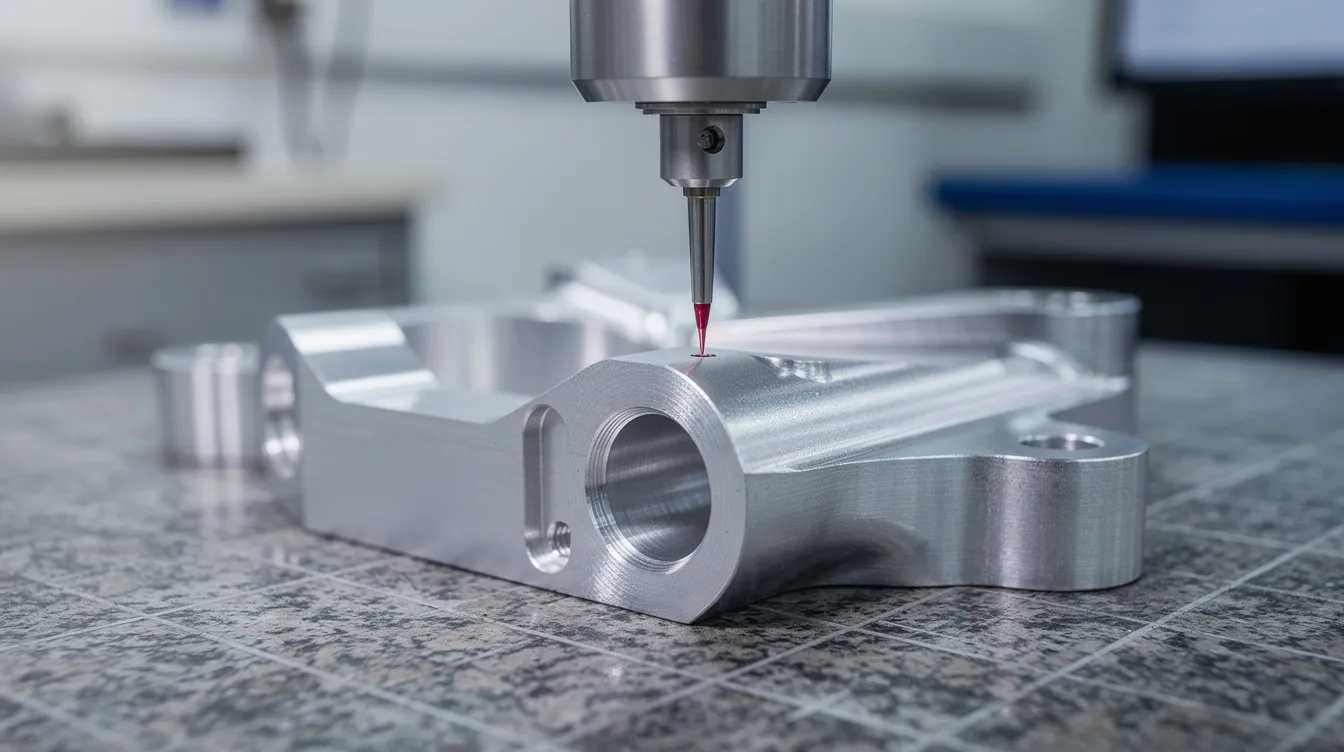
Manufacturers should deliver prototypes matching design specifications. At Anebon, critical dimensions are checked during and after production using CMM, height gauges, optical projectors, and surface roughness testers. Quality control ensures prototypes meet design specifications and tolerances while helping detect manufacturing errors early. This discipline also reduces material waste in production processes-fewer rejects mean lower production costs.
Material certifications, RoHS/REACH compliance documentation, and full traceability from raw material to shipment reassure aerospace and medical clients.
Communication, Time Zone Management, and Project Management Feedback
Communication quality varies between Chinese suppliers in precision metal prototyping, and this is where Anebon earns consistent praise. Despite time zone differences, Anebon maintains a 24-hour email response policy with overlapping business hours for North American and European clients.
Language differences can lead to communication challenges between suppliers and clients, but Anebon mitigates this with fluent English-speaking project engineers, annotated screenshots, and WeChat/Teams/Zoom calls. In one 2025 case, a timely video call caught a drawing revision conflict before machining started, saving the client a week of rework.
Lead Times, Logistics, and What Reviews Say About Delivery
For 2023–2026, realistic lead times break down as follows:
|
Project Type |
Typical Lead Time |
|---|---|
|
Simple CNC prototypes |
3–7 days |
|
Complex sheet metal with finishing |
7–12 days |
|
Die casting with rapid tooling |
3–5 weeks |
|
Production batches (500+ pcs) |
4–8 weeks |
Shipping methods include DHL/FedEx/UPS for prototype parts (3–5 days to US/EU), and air or sea freight for bulk. Anebon provides HS codes, commercial invoices, and packing lists to minimize customs delays. Reviewers praise consistent on-time delivery, with occasional 2022–2023 pandemic-related delays acknowledged and mitigated through better logistics planning.
Comparing Anebon to Other Precision Metal Prototyping Providers in China
Boutique engineering-focused shops like Anebon offer detailed manual DFM review, flexible low volume production, and multi-process integration. Large automated platforms prioritize instant quoting and fixed process windows but may lack depth on complex parts.
The trade-off buyers mention in reviews: deeper engineering support versus purely self-service quoting. If your project involves tight tolerances, multi-process complex assemblies, or frequent design changes, Anebon’s model-with a dedicated engineer reviewing every file-is typically the better fit. For commodity parts with standard tolerances, automated platforms may be faster to quote.
How to Evaluate Anebon (or Any Supplier) Before You Place Your First Order
Use this checklist before committing:
-
Verify ISO certifications and request copies
-
Ask for recent sample inspection reports (2023–2025) in your industry
-
Ask specific questions about tolerances, material options, and surface finishing
-
Discuss risk points: weld distortion, anodizing color variation, springback on bends
-
Small prototype orders are advisable to evaluate the capabilities of suppliers-start with 5–20 pieces
-
Implementation of NDAs is recommended to protect intellectual property in international transactions
-
Vetting manufacturers is crucial to ensure quality control in Chinese outsourcing
Send structured RFQs with clear drawings, tolerances, quantities, and finishing requirements to get accurate quotes. Intellectual property risks are a significant concern when outsourcing to Chinese manufacturers, so establish IP protections before sharing sensitive files.
Case Study: Rapid CNC and Sheet Metal Prototype for Robotics Startup (2026)
In February 2026, a European robotics startup sent Anebon design files for a prototype robot cell requiring mixed processes: 5-axis CNC machining of aluminum arms, sheet metal fabrication of safety guards, and precision laser cutting of stainless mounting plates.
Parts were delivered in early March 2026. The client reported excellent assembly fit, with all interfaces meeting tolerance specs on the first build. This case embodies typical review remarks about flexibility, mixed-technology capability, and support for iterative design changes-the startup made two revision cycles within four weeks without schedule impact.
Pricing Transparency and Cost Drivers in Customer Feedback
Main cost drivers in reviews include material type, tolerances, surface treatments, part complexity, and documentation level. Anebon builds quotes from machine time, set-up, tooling/fixtures, finishing, and inspection. A simple aluminum bracket might cost a fraction of a multi-axis housing with hard anodizing and full FAI documentation.
Reviews consistently describe Anebon as cost efficient relative to EU/US local shops. Engineers can reduce costs by simplifying geometry, adjusting non-critical tolerances, and consolidating parts-all areas where DFM collaboration with Anebon pays off. The goal is high quality products at a price that supports your business case.
Common Misconceptions About Precision Metal Prototyping in China
Three misconceptions persist online:
-
“Chinese suppliers can’t hold tight tolerances.” Anebon routinely delivers high precision parts at ±0.005 mm for CNC work, verified by CMM.
-
“Communication is always difficult.” While communication quality varies, suppliers like Anebon invest in English-fluent engineers and structured project management.
-
“Quality is inconsistent.” Quality consistency may decline if production is subcontracted, which is why confirming in-house manufacturing is essential.
Clear drawings, agreed cosmetic criteria, and advance technology in inspection equipment resolve most expectation gaps. The key is to create parts specifications that leave no room for interpretation.
How Anebon Handles Design Revisions and Iterative Prototyping
Anebon manages version control through ECO tracking and confirmation of obsolete drawings before any machining starts. In 2025, a customer iterated three design versions within six weeks-Anebon updated CNC programming and fixtures each time with full traceability.
Changes requested after machining begins are discussed transparently for impact on lead time and production costs. Iterative rapid prototyping is standard practice for consumer electronics and robotics projects, and Anebon treats revision cycles as normal workflow, not exceptions.
Environmental and Compliance Factors International Clients Care About
Many 2024–2026 buyers include ESG criteria in supplier scorecards. Anebon’s ISO 14001:2015 environmental management system covers waste handling, emissions, and chemical management. RoHS/REACH compliance documentation is provided where required.
Material traceability and documentation support audits for medical, aerospace, and automotive customers. For parts requiring corrosion resistance or corrosion resistant coatings, material and treatment certifications are included in shipment packages.
How to Request a Quote from Anebon for Precision Metal Prototyping
Send the following to get started:
-
3D CAD files (STEP or IGES format)
-
2D drawings with tolerances, GD&T, and finishing requirements
-
Material and surface treatment specifications
-
Quantities and target lead time
-
Any required standards (e.g., FDA, aerospace specs)
Typical response time is within 24 hours. NDA and secure file transfer options are available for sensitive OEM projects. Start with a specific milestone-such as a Q4 2026 design validation build-rather than a vague future inquiry.
Frequently Asked Questions: Precision Metal Prototyping China & Anebon
What is the minimum order quantity? Anebon accepts single-piece prototypes through to high volume production runs of 10,000+ pieces.
Which industries does Anebon serve? Aerospace, medical devices, automotive and electronics applications, robotics, industrial machinery, and consumer electronics across various industries.
What tolerances are achievable? As tight as ±0.002 mm for precision CNC work; ±0.05 mm for precision sheet metal features.
What file formats are supported? STEP, IGES, SolidWorks, and PDF drawings.
Can Anebon handle low volume production? Yes-low volume production runs from 10 to 2,000 pieces are a core service, along with additive manufacturing and vacuum casting for specialized geometries.
How is IP protected? Anebon supports NDAs and secure file handling for global customers.
Can prototype and production come from the same supplier? Yes. Anebon scales from a solid block prototype through pilot builds to full mass production using the same equipment and quality systems, including laser engraving for part marking.
Conclusion: Using Real Reviews to Choose the Right Precision Metal Prototyping Partner in China
Serious buyers should look beyond star ratings and focus on what reviews reveal about tolerance performance, surface finishing consistency, communication, and documentation. Anebon’s proven track record across CNC machining, custom sheet metal fabrication, die casting, and advanced equipment for multi-process projects positions it as a strong option for overseas OEMs.
Balance online reviews with a small pilot project to verify fit, finish, and service level for your specific application. As 2026–2028 product cycles accelerate and iteration speed becomes a competitive advantage, investing in a long-term engineering partnership with a capable, responsive Chinese manufacturer is one of the most practical ways to reduce costs and compress your development timeline.