The Best Alternative to Chinese CNC Prototype Services for Your Needs
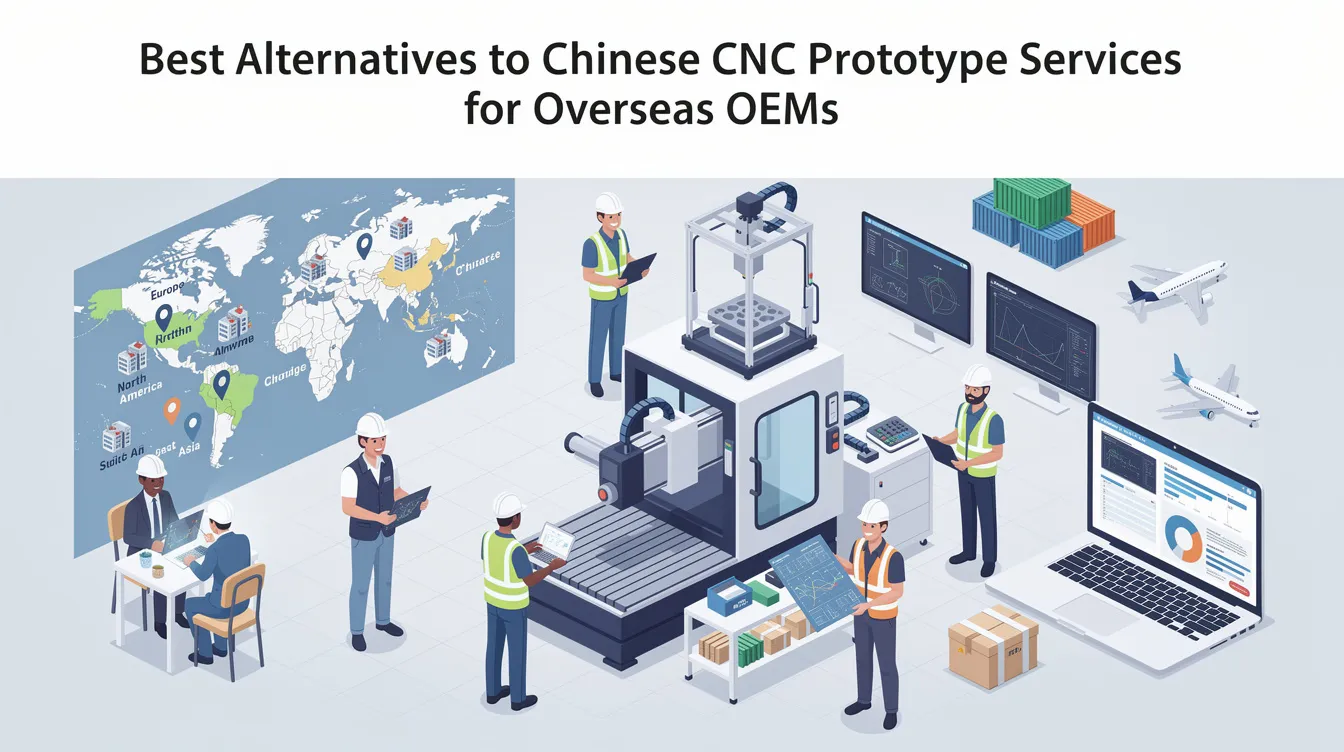
Best Alternatives to Chinese CNC Prototype Services for Overseas OEMs
Introduction: When Chinese CNC Prototype Services Aren’t the Only Answer
For years, overseas OEMs have defaulted to chinese cnc prototype shops for good reason. The cost is low, capacity is deep, and manufacturing clusters in regions like Guangdong integrate cnc machining, finishing, tooling, and assembly under one roof. When you need metal parts or plastic parts fast and cheap, China’s coastal hubs deliver.
But the calculus is shifting. IP concerns, communication friction across time zones, post-2020 supply chain volatility, and inconsistent quality documentation have pushed many design engineers and R&D teams to explore what else is out there. That doesn’t always mean leaving China entirely-it means finding better options.
As Anebon Metal Products Limited, a Dongguan-based cnc machining factory founded in 2010, we understand both sides. We serve overseas OEMs daily and see firsthand why some buyers compare alternatives while others find the right Chinese partner and stay. This article lays out all the options honestly.
So what does “alternative to chinese cnc prototype services” actually mean? It spans several categories:
-
Domestic cnc machining companies in the US, UK, EU, and Australia
-
Nearshore hubs like Mexico, Eastern Europe, and Southeast Asia
-
Digital manufacturing platforms and global CNC networks
-
In-house prototyping via desktop CNC and 3d printing
-
Higher-value Chinese partners with strong QA, certifications, and transparency
The manufacturing processes in scope include cnc milling, cnc turning, 5-axis machining, injection molding, die casting, and sheet metal fabrication-all common in rapid prototyping and low volume production. Rapid prototyping accelerates product development cycles, supports industries including aerospace and medical, and can reduce time to market significantly. Sheet metal fabrication involves cutting, bending, and assembling metal sheets, while die casting is a common manufacturing process for metal parts.
Why Engineers Look for Alternatives to Typical Chinese CNC Prototype Shops
“Chinese CNC” is not monolithic. There is a wide spectrum-from bare-bones job shops with no certifications and inconsistent calibration to ISO-certified factories exporting into regulated industries. The problem is that many overseas OEMs, especially those sourcing for the first time, land at the low end of that spectrum. Overseas OEMs and R&D teams often require high-precision custom parts, and generic job shops frequently fall short.
CNC machining companies often adhere to ISO 13485 for medical devices or AS9100 for aerospace, but plenty of low-cost shops reference these standards without actually holding them. Here are the recurring pain points that push buyers to explore alternatives:
-
Inconsistent quality: vague tolerance commitments, generic references to iso 2768 without specifying grade, and non-critical dimensions drifting enough to cause assembly failures
-
Missing documentation: parts arrive without dimensional inspection reports, material certificates, or traceability-problematic for regulated industries
-
Communication friction: time-zone gaps, language barriers, and slow feedback loops that delay design iterations
-
IP protection fears: CAD files shared without NDAs, risk of unauthorized subcontracting or copying
-
Hidden costs: rework, secondary inspection at destination, customs delays, and defective parts that force extra prototyping rounds
Post-2020 supply chain disruptions amplified these concerns. COVID-19 lockdowns, the 2021–2023 freight cost volatility, port congestion, and container shortages made risk diversification a board-level topic at many OEMs. For defense programs subject to ITAR or certain medical devices requiring full traceability, regulatory constraints can make low-visibility Chinese suppliers legally untenable-regardless of cost difference.
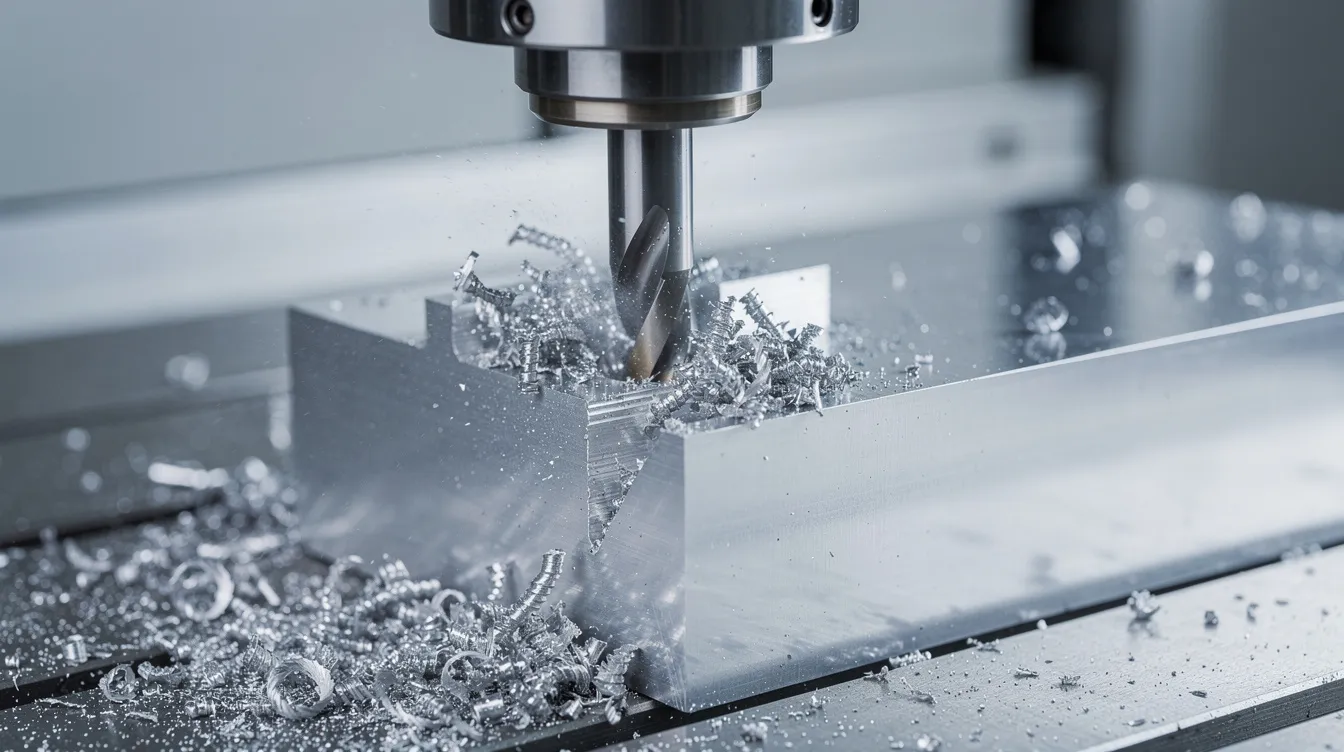
Alternative 1: Local CNC Machining Manufacturers (US, UK, EU, Australia)
Domestic cnc machining services in the US, Germany, UK, and Australia are the most straightforward alternative for prototypes and small runs. When you need machining prototypes turned around in 24–72 hours, or when ITAR restrictions apply, local shops eliminate shipping delays and regulatory headaches entirely.
The trade-off is cost. Realistic machine-hour rates in North America and Western Europe sit at USD $65–$150/hour for 3-axis to 5-axis work, compared with $25–$65/hour in China. The drivers are labor, energy, compliance overhead, and real estate.
Local shops are ideal when:
-
Urgent one off prototypes are needed within 48 hours
-
Heavy mild steel or steel parts make air freight uneconomical
-
ITAR-restricted or export-controlled programs demand domestic manufacturing
-
Frequent onsite visits and face-to-face engineering reviews are required
Typical capabilities include 3-axis and multi axis cnc milling, cnc turning and milling, custom cnc machining for small batches, and sometimes in-house 3d printing for fixtures or fast design verification.
Advantages: fast communication, local legal recourse, tight IP control, no customs delays.
Limitations: higher unit price (often 2–3× Chinese rates for simple parts), possible capacity constraints during demand surges, and less access to exotic metal materials without lead time for ordering.
Alternative 2: Nearshoring Hubs (Mexico, Eastern Europe, Southeast Asia)
Nearshoring sits between domestic and full offshore-lower costs than Western shops but closer geographically and culturally than most chinese manufacturing hubs.
For US OEMs, Mexico has become increasingly attractive. Parts cross the border in 1–2 days overland, time zones overlap, and machining rates are meaningfully below US domestic. For Western European OEMs, Poland, Czech Republic, and Romania offer EU regulatory alignment with lower hourly rates (roughly $40–$80/hour). Vietnam and Thailand serve regional Asian buyers diversifying from China.
Processes typically available in nearshore hubs include:
-
CNC machining (milling and turning)
-
Stamped and laser-cut sheet metal
-
Injection molding for prototype and short-run molds
-
Basic surface finishes like powder coat, plating, and anodizing
Trade-offs: lead time and communication improve versus pure offshore, but supply chain density is thinner than China’s Guangdong or Jiangsu clusters. Fewer local finishing specialists, less spare capacity for rapid tooling, and sometimes limited access to specialized metal materials or engineering plastics.
When benchmarking nearshore versus Chinese CNC, OEMs should compare:
-
Total landed cost (manufacturing + transit + duties + inspection)
-
Total delivery time with machining, finishing, packing, and shipping broken out separately
-
Material sourcing proximity and lead time
-
Certification status and available inspection reports
-
Communication channels and revision turnaround speed
Alternative 3: Digital Manufacturing Platforms and Global CNC Networks
Digital manufacturing platforms function as intermediaries between OEMs and vetted networks of cnc machining companies, injection molding shops, and sheet metal fabricators worldwide. The model is straightforward: upload a cad file, receive an instant quote or rapid quote, get automated DFM feedback, and have the job routed to a vetted manufacturer.
These platforms often combine Chinese CNC capacity with local or regional partners, giving buyers a way to mix cost, lead time, and risk through one digital platform interface. Manufacturers may comply with aerospace standards like ISO 1101 or medical standards depending on the network tier selected.
Benefits as an alternative:
-
Standardized tolerance language (iso 2768, GD&T per ISO 1101)
-
Consistent document formats for cmm inspection reports, dimensional reports, and Certificates of Conformity
-
Multi-region sourcing through a single interface
-
Transparent QA menus with selectable inspection tiers
Limitations:
-
Markup over base factory cost reduces cost efficiency
-
Less direct contact with the actual CNC shop floor
-
Reduced flexibility for highly iterative R&D work or complex designs requiring frequent engineer-to-engineer dialogue
-
Platform overhead can pad lead time by 1–2 days
For engineers, these platforms serve as a practical “alternative wrapper” that lets you access both Chinese and non-China suppliers without managing multiple vendor relationships directly.
Alternative 4: In-House Prototyping with Desktop CNC and 3D Printing
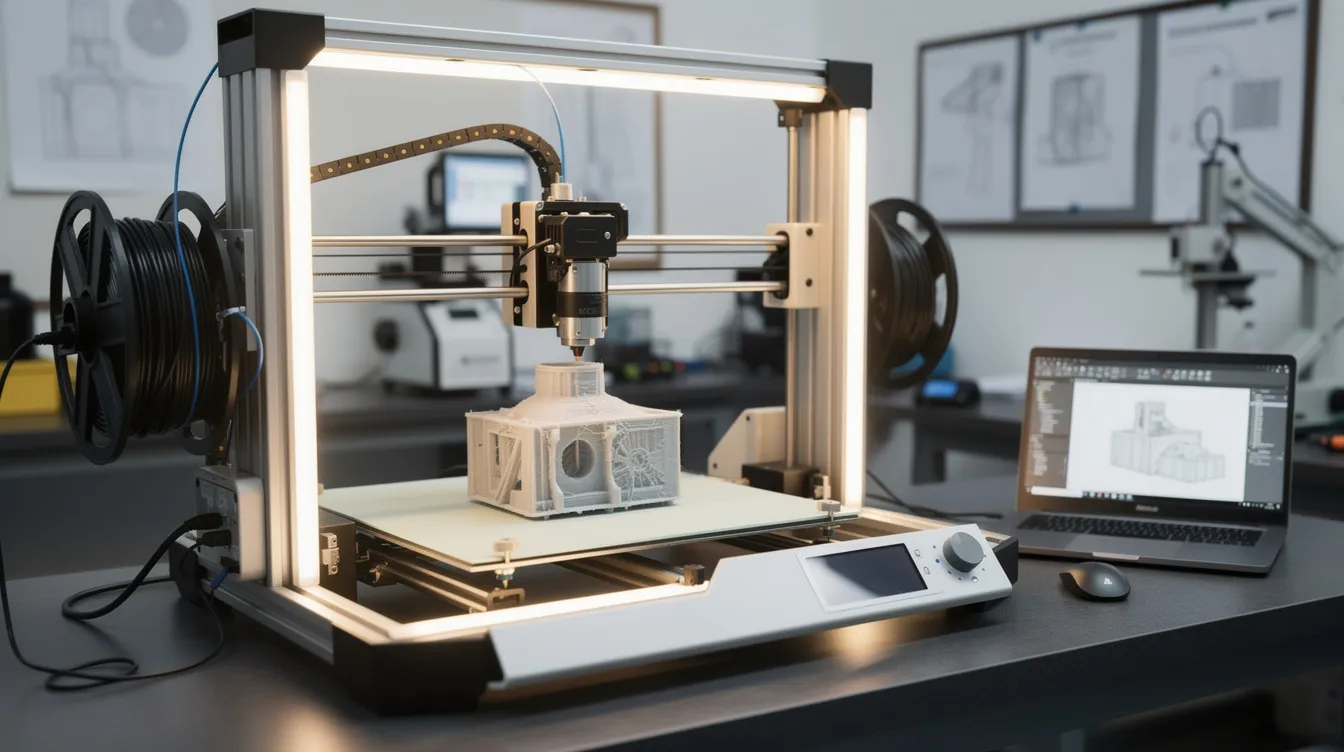
In-house prototyping is a structural alternative that changes when you engage external cnc machining services rather than replacing them entirely. Using benchtop CNC machines and 3D printers, R&D teams handle early design iterations internally, then outsource only functional or mechanical test parts.
-
Desktop 3-axis CNC mills handle aluminum and engineering plastics for form-fit checks
-
FDM and SLA 3d printing delivers same-day form/fit assessment; it is commonly used for pre-production prototypes
-
Reduced external rounds: teams that adopted in-house 3d printing from 2020–2026 reported fewer RFQ cycles and faster iteration
Rapid prototyping allows for quick iterations and design modifications-a consumer electronics team can print housings overnight, validate snap-fit geometry, and only order anodized aluminum from an external cnc machining prototype service once the design is frozen.
Trade-offs: higher capital and staffing cost but faster iteration, better IP control, and fewer vendor touchpoints. The limitation is clear: in-house setups cannot deliver tight tolerances on hard metals, production-grade surface finishes, or the material range needed for final validation. You still need external precision cnc machining for functional prototypes and production parts.
Alternative 5: Higher-Value Chinese CNC Partners vs Lowest-Bid Job Shops
One viable alternative is not leaving China at all-but switching from low-price, low-visibility job shops to vetted, ISO-certified manufacturers that operate as true global OEM partners.
Anebon Metal Products Limited exemplifies this category. Founded in 2010 in Dongguan, we hold ISO 9001:2015 certification, which ensures quality management standards, and ISO 14001:2015 certification, which focuses on environmental management standards. We serve overseas OEMs in consumer electronics, automotive, robotics, and medical devices with precision cnc machining, die casting, and sheet metal fabrication.
What separates a higher-value Chinese partner from a generic job shop:
-
Documented QA processes with standard inspection report options (dimensional, CMM, FAI)
-
DFM feedback from engineers at the quoting stage, not after problems arise
-
Transparent tolerance commitments, including tight tolerances as precise as ±0.002 mm on critical CNC machined features when properly defined in technical drawing callouts
-
Material traceability and certifiable inspection reports for regulated industries
-
Consistent communication in English with dedicated project contacts
For many buyers, the real pain isn’t “China”-it’s unstructured suppliers. Shifting to a factory like Anebon preserves competitive pricing while solving quality, communication, and documentation issues. CNC machining can achieve tolerances as tight as ±0.002 mm, but only when the supplier has the equipment calibration, process control, and inspection capability to back it up.
Key Criteria to Compare Alternatives Against Chinese CNC Prototype Services
Any alternative must be judged on measurable criteria, not marketing claims. Here is a buyer’s checklist:
-
Total lead time: manufacturing + finishing + transit + customs clearance
-
Tolerance capability: baseline iso 2768 class (m, f, or tighter callouts) and demonstrated capability on critical features
-
Quality management: ISO certificates, documented QA steps, calibration records
-
Inspection reports: availability of CMM reports, FAI, material certs, and CoC
-
Material and finish range: can the supplier handle your specific alloys, plastics, and surface finishes?
-
Digital communication tools: portals, ticketing systems, version-controlled drawing management
Engineers should request concrete documents before committing: sample inspection report templates, process capability data where available, and sample DFM feedback for a past part similar to yours.
Consider lifetime project cost too-revision cycles, scrap risk, after-sales support, and ease of scaling from prototype to volume production. A supplier that saves 20% per part but causes three extra revision rounds may cost more overall.
Comparing Cost: Beyond Hourly Rates and Unit Prices
Chinese cnc machining often appears 30–50% cheaper on unit price. But unit price is not landed cost.
Buyers should calculate “total landed cost” including:
-
Rework and scrap from quality issues
-
Customs clearance fees and import duties
-
Engineering time spent clarifying drawings or resolving miscommunication
-
Secondary inspection (CMM or visual) performed at the destination
-
Freight cost-especially for heavy steel or large parts where maximum dimensions drive shipping expense
A practical comparison: consider an aluminum 6061-T6 bracket, 50 pieces, basic anodizing, needed within 14 days. Aluminum alloys like 6061-T651 are commonly used in CNC machining for exactly these applications.
|
Cost Factor |
US Domestic |
Nearshore (Mexico) |
Vetted Chinese (Anebon) |
|---|---|---|---|
|
Machine-hour rate |
$80–$120/hr |
$45–$70/hr |
$35–$55/hr |
|
Shipping (50 pcs) |
Negligible |
$50–$150 |
$200–$400 (express) |
|
Customs/duties |
None |
Minimal (USMCA) |
5–15% depending on tariff |
|
Inspection at arrival |
Minimal |
Minimal |
May be needed if no pre-ship report |
|
Typical total lead time |
5–7 days |
7–10 days |
8–12 days |
The cost difference narrows when you factor in everything. Domestic shops may be more economical for single-iteration prototypes, while Chinese CNC shines when R&D has stabilized the design and you approach pilot runs or high volume production.
Lead Times and Logistics: Myths vs Reality
The assumption that “overseas is always slow” doesn’t hold up against modern express freight. Here are realistic prototype lead times:
-
China (vetted factory): 3–7 days machining + 3–5 days DHL/FedEx = ~8–12 days total for simple to moderate parts
-
US domestic: 24–48 hour rush for simple parts; 3–5 days standard queue
-
Nearshore (Mexico to US): 3–5 days manufacturing + 1–3 days ground transit = ~5–8 days
Weight and material affect logistics decisions significantly. Lightweight aluminum or plastic parts ship economically by air. Heavy steel brackets or large enclosures push toward sea freight, adding 2–4 weeks and eroding the lead time advantage of offshore sourcing.
Ask each alternative provider for lead-time breakdowns that separate machining, finishing, packing, and shipping. A quoted “10-day lead time” that includes 5 days of ocean freight is very different from one that includes express air.
Technical Capabilities: Tolerances, Materials, and Part Complexity
Not all alternatives can handle the same complexity. 5-axis CNC machining for complex geometries, deep cavities, thin walls, and exotic materials narrow the viable supplier pool quickly. 5-axis CNC milling allows for complex geometries and shapes that would require multiple setups on simpler machines.
Tolerances: most shops default to ISO 2768-m (medium) for non-critical features. For a 30 mm nominal dimension under ISO 2768-m, linear tolerances allow ±0.2 mm. Switching to fine (f) or tighter increases cost by 20–40%. Application-specific callouts on sealing faces, bearing bores, or interface fits may require ±0.01 mm or better.
Materials: common materials in precision fabrication include aluminum, titanium, plastics, and stainless steel. CNC machining services are available for over 75 metals and plastics. Key material considerations:
-
Aluminum 7075-T6 is the most popular aluminum alloy for aerospace; 6061-T6 is a popular aluminum alloy for general engineering, offering good mechanical properties and natural corrosion resistance
-
Titanium has an excellent strength-to-weight ratio, making it ideal for aerospace and medical applications, though it has low thermal conductivity requiring careful machining parameters
-
Stainless steel (316L, 17-4PH) offers excellent machinability and uniformity, plus excellent corrosion resistance for medical devices and marine environments-these grades are corrosion resistant across a wide temperature range
-
Copper is highly ductile and extremely electrically conductive, with strong electrical conductivity and favorable electrical properties for electronics applications
-
PEEK delivers excellent dimensional stability, chemical resistance, and excellent wear resistance at elevated temperatures-ideal for demanding applications
-
Nylon has high tensile strength and low friction properties, along with low moisture absorption and impact resistance, making it suitable for many industries
-
PTFE is known for its non-stick and low-friction properties with a low coefficient of friction, suitable for seals and bearings
-
POM/Acetal provides smooth machining characteristics, high stiffness, and low friction for precise parts
CNC machining includes milling, turning, and grinding processes. CNC machining can produce parts for industries like aerospace and automotive. Anebon positions itself with CNC milling (3/4/5-axis), cnc turning, axis cnc machining for complex aerospace parts, die casting, and sheet metal, with tolerance capability down to ±0.002 mm for critical features where justified by the technical drawing.
When matching part complexity with supplier category: simple prismatic parts are accessible to nearly any shop. Complex 5-axis impellers, optical housings, or robotics components with thin walls and complex parts geometry demand suppliers with proven multi axis capability, proper fixturing, and strong metrology.
From Prototype to Production: Can Your Alternative Scale?
An ideal alternative to Chinese CNC prototype services handles more than just 1–10 machined parts. It should also ramp to hundreds or thousands without forcing you to change suppliers mid-project.
Key questions to ask any provider:
-
Can fixture and programming be reused from prototype to production?
-
Do they offer process validation runs and First Article Inspection (FAI)?
-
How do pricing structures evolve as quantities scale from low volume to volume production?
-
Can they handle PPAP or long-term production contracts?
-
Will inspection report formats remain consistent over months or years?
Anebon supports the full lifecycle: rapid prototyping, bridge tooling, and production via CNC machining, die casting, and sheet metal fabrication. We manufacture parts for consumer electronics, robotics, medical devices, and automotive components-from early prototypes through production parts at scale.
Quality Assurance and Inspection Reports Across Different Alternatives
Inspection reports are where alternatives diverge most visibly. Quality control includes dimensional and visual inspections of parts, but how thoroughly these are documented varies enormously.
Report types buyers should know:
-
Basic dimensional inspection report: key feature measurements against drawing tolerances
-
Full CMM report: coordinate measuring machine data on critical features with cmm inspection documentation
-
First Article Inspection (FAI): comprehensive report submitted before production begins for buyer approval
-
Material certificates (MTRs): confirming alloy composition, hardness, and chemical properties per EN 10204
-
Traceability logs: batch numbers, machine calibration records, operator records
How different alternatives handle QA:
-
Small domestic shops: often ad-hoc reporting unless explicitly requested in the RFQ
-
Digital platforms: structured inspection tiers-basic, standard, premium-at incremental cost
-
ISO-certified Chinese factories (like Anebon): tailored reports aligned with ISO 9001:2015, customer-specific quality plans for aerospace, medical, and automotive parts
Always specify required quality assurance documentation in your RFQ. Don’t assume any supplier will provide reports unprompted.
DFM Support, Communication, and the “Digital Experience”
Design for Manufacturability (DFM) feedback helps optimize prototype design before production, and it’s often a bigger differentiator than geography. Alternatives to Chinese CNC prototype services frequently win because they offer better engineering collaboration, not just a different address.
What to evaluate:
-
Pre-production DFM reports: does the supplier flag issues with wall thickness, fillets, tolerances, or material selection before cutting metal?
-
Engineer-to-engineer calls: can you speak directly with someone who understands your technical drawing and GD&T callouts?
-
English technical documentation: clear, unambiguous communication in your working language
-
Digital tools: portals, ticketing, version-controlled drawings, real-time order tracking
Anebon provides DFM feedback at the quoting stage, suggesting changes that balance performance and manufacturability-whether that means adjusting fillet radii to reduce tool wear on cnc milling operations or recommending a material swap that improves cost efficiency without sacrificing function.
IP Protection and Compliance Considerations
IP protection is often decisive when evaluating alternatives, especially for innovative consumer electronics, robotics, and medical devices projects.
Key safeguards regardless of geography:
-
Signed NDAs before sharing any cad file or technical drawing
-
Access control restricting who within the supplier organization can view confidential files
-
No sub-subcontracting without explicit written approval
-
Clear policies on data retention and deletion after project completion
Anebon works under NDA with overseas OEMs, restricts internal access to confidential files, and aligns with customer-specific compliance requirements. But it’s worth noting: domestic or nearshore alternatives are not automatically safer. Buyers still need to audit processes and contracts. Choosing the right machining vendors requires due diligence regardless of where they are located.
Case-Type Examples: When an Alternative Outperforms Typical Chinese CNC
Here are anonymized scenarios where alternatives made more sense than a generic low-cost Chinese CNC prototype provider:
EU medical device startup: A startup developing implantable device housings needed first article prototypes with biocompatible 316L stainless steel and full traceability. They chose a local ISO 13485-certified shop in Germany despite 3× higher per-part cost, because regulatory documentation requirements made a non-certified Chinese job shop a compliance risk. The soft metals and precise parts they needed demanded verified process control.
US robotics firm: A robotics company used a digital platform to source initial prototypes from multiple regions, then consolidated production parts with a vetted Chinese factory. The platform’s standardized inspection reports allowed direct comparison across suppliers, and the firm settled on a manufacturing partners mix: domestic for urgent revisions, Chinese for cost-effective volume production of complex geometries.
Consumer electronics brand switching to Anebon: After repeated quality issues with a low-cost Shenzhen job shop-missing inspection reports, inconsistent tensile strength on aluminum brackets, and 3-week lead time variability-a consumer electronics OEM moved to Anebon. Scrap rate dropped, lead time stabilized to 10 days average, and competitive pricing was maintained because Anebon’s process planning reduced rework to near zero.
How to Build a Hybrid Sourcing Strategy (China + Alternatives)
The most robust approach blends Chinese CNC machining with alternatives rather than replacing one with another.
A practical framework:
-
Classify BOM items by risk: IP-sensitive or regulatory-heavy parts go to local or nearshore manufacturing partners; cost-sensitive, mechanically complex, or high-volume components go to vetted Chinese factories like Anebon
-
Create a dual-source plan: maintain at least one backup cnc machining service in another region for key parts
-
Standardize documentation: require all suppliers to use the same inspection report format so you can compare quality across sources
-
Start small: trial a new supplier with a non-critical part before committing critical components
Anebon is comfortable working in multi-supplier ecosystems, coordinating inspection standards and documentation with the OEM’s other partners. We don’t require exclusivity-we earn continued business through quality and reliability.
Working With Anebon as Your Strategic Alternative-Capable Partner
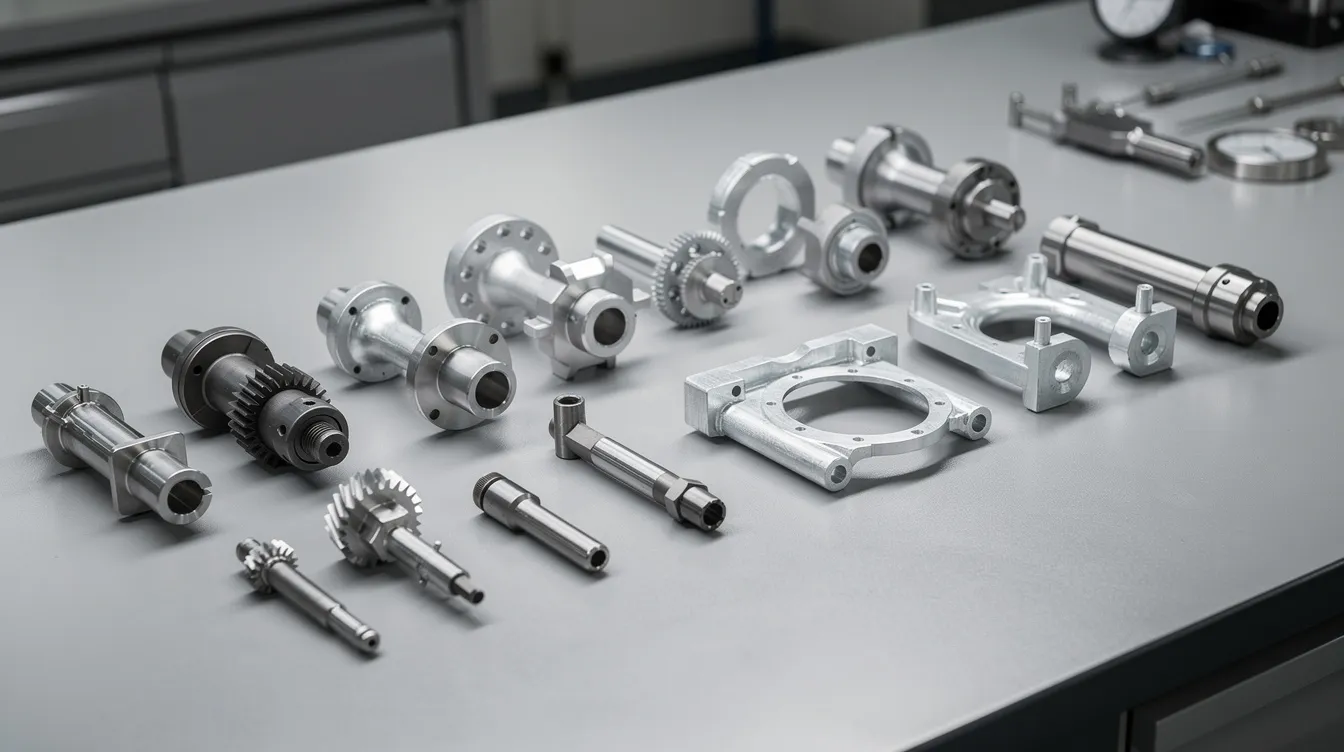
Anebon is a China-based, export-focused precision manufacturer that understands why buyers compare alternatives-and is built to integrate into diversified sourcing strategies.
Core services:
-
CNC machining including cnc milling, cnc turning, and 5-axis machining
-
Die casting for mechanical parts and molds
-
Sheet metal fabrication for enclosures, brackets, and assemblies
Material range: aluminum alloys (6061, 7075), stainless steels (304, 316L, 17-4PH), titanium, brass, copper, and engineering plastics including ABS, POM/Acetal, Nylon, PEEK-covering soft metals through hard metals
Surface treatments: anodizing, plating, powder coat, bead blasting, and more
Key facts: founded in 2010 in Dongguan; ISO 9001:2015 and ISO 14001:2015 certified; capable of tolerances as tight as ±0.002 mm on critical features; serving overseas OEMs across consumer electronics, automotive, robotics, and medical devices with both rapid prototypes and high volume production quantities.
What to Include in Your RFQ When Comparing Alternatives
Whether you’re quoting local, nearshore, a digital platform, or Anebon, send the same comprehensive RFQ to enable fair comparison:
-
3D CAD files (STEP format preferred) plus 2D drawings with tolerances and GD&T
-
Critical-to-quality (CTQ) features clearly marked on drawings
-
Material and finish specifications with acceptable alternatives noted
-
Quantities for prototype batch and projected production volumes
-
Required inspection reports (dimensional, CMM, FAI, material certs)
-
Default tolerance expectation stated explicitly (e.g., “ISO 2768-m on non-critical dimensions”)
Ask each provider to confirm their QA standard, lead time assumptions, and whether quoted delivery dates include shipping time. Verify whether they can support the full path from one off prototypes through low volume production and eventually scaled manufacturing.
Conclusion: Choosing the Right Alternative Strategy for Your Next Prototype
“Alternative to Chinese CNC prototype services” is less about abandoning a country and more about finding the right combination of suppliers, regions, and service models for each project. The best top cnc machining companies-whether local, nearshore, or Chinese-earn trust through transparent quality assurance, documented inspection capability, and engineering-led communication.
Evaluate total cost and risk, not just unit price. Pay close attention to QA and inspection report options. Verify technical capabilities against your actual part requirements. And plan for the full lifecycle from prototype through production, because switching suppliers mid-project is expensive.
Anebon fits comfortably into diversified sourcing strategies as a high-transparency, ISO-certified China-based partner. We provide quotes, DFM feedback, and inspection examples on request-because we believe the best way to prove we’re different from a generic job shop is to show you, not just tell you.
Your next step: prepare a sample RFQ package for an upcoming cnc machining or injection molding project-include your cad file, technical drawing, and material selection requirements-and contact Anebon for a detailed, engineering-led quotation. Let the data decide.