Mastering Prototype Tooling: Essential Techniques for Efficient Design
Prototype Tooling: From Rapid Molds to Bridge and Production Tools
Introduction to Prototype Tooling in Modern Manufacturing
Getting a product from concept to production has always been a race against the clock. Traditional tooling methods lock teams into 6–12 week lead times before a single functional part is molded, and any design flaw discovered after cutting hardened steel can cost tens of thousands of dollars to fix. Prototype tooling changes that equation entirely, compressing mold lead times to as little as 7–14 days and letting engineers validate designs with real materials before making a major financial commitment.
Prototype tooling is a specialized manufacturing process used to create temporary molds and tools at lower cost and faster speed than full production tooling. These rapid, lower-cost tools are used to create functional prototypes and small batches of parts that accurately represent the final product in fit, form, and function. Rather than guessing whether a design will work, teams can hold real molded parts in their hands within days.
Anebon Metal Products Limited, based in Dongguan, China, has supported overseas OEMs with precision CNC machining, die casting, and sheet metal fabrication since 2010. With ISO 9001:2015 and ISO 14001:2015 certifications and tolerances as tight as ±0.002 mm, Anebon helps customers move from early prototypes through full scale production under one roof.
The key benefits of prototype tooling are straightforward: faster time to market, cost effectiveness for low-volume runs, and early validation of part geometry and functional performance. For many manufacturers racing to launch new products, these advantages make the difference between leading the market and chasing it. Prototype tooling allows for quick design iterations and testing, so engineers can refine designs based on real data rather than simulations alone. It enables early testing and validation of designs, significantly reducing the risk of expensive surprises during the production process.
What Is Prototype Tooling? (And How It Fits in the Manufacturing Process)
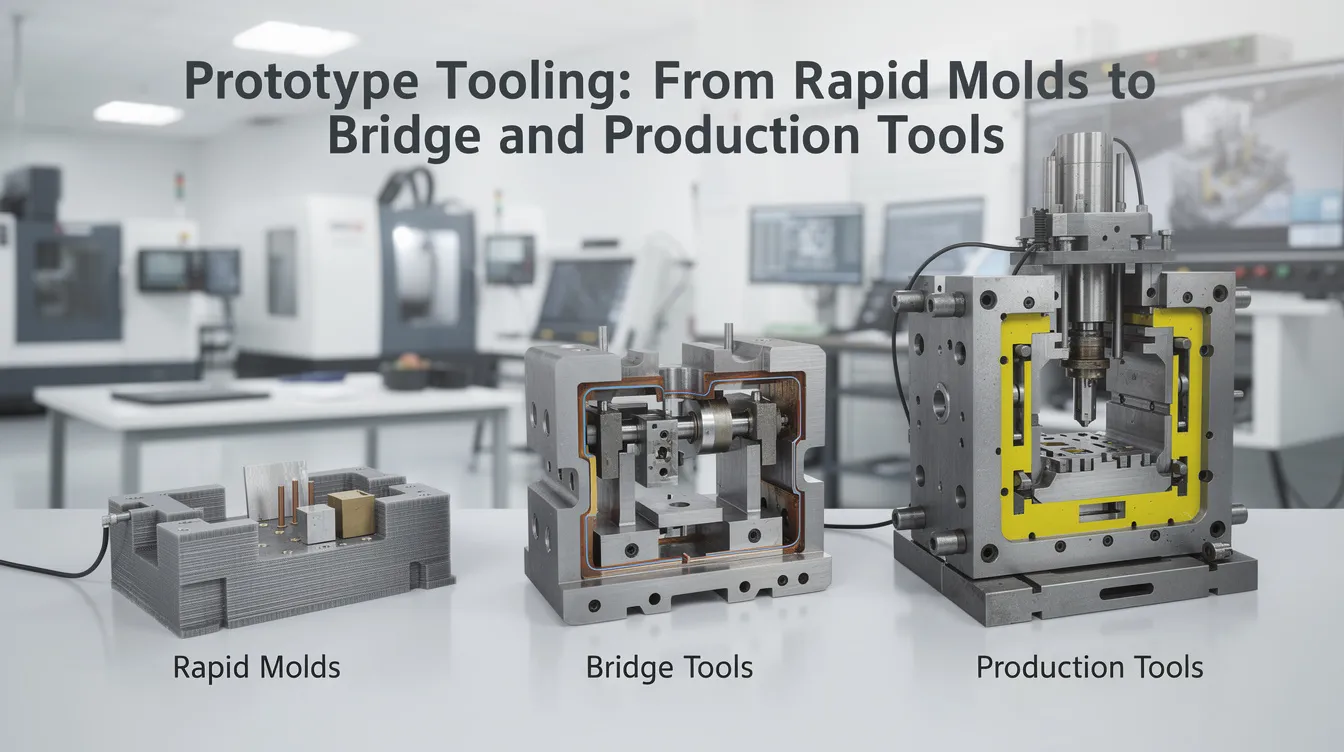
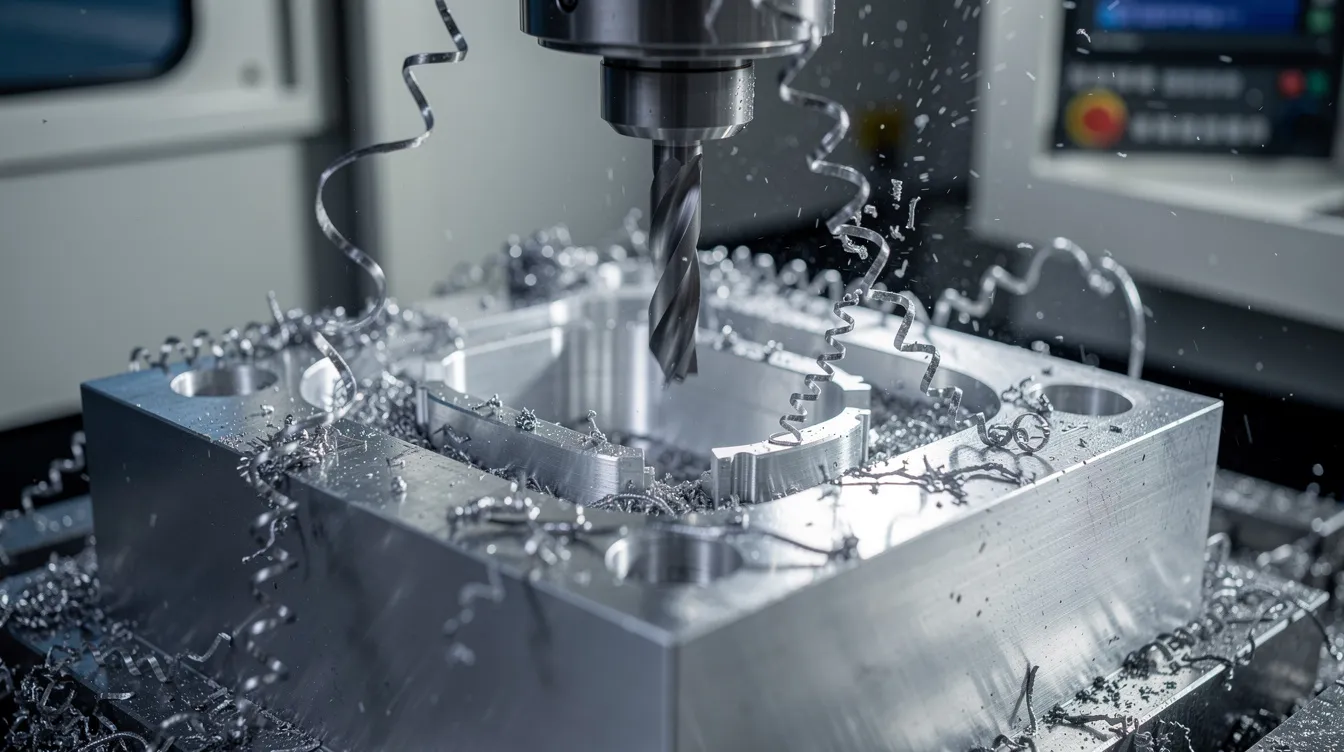
Prototype tooling-sometimes called soft tooling or rapid tooling-refers to molds and tools built for speed and flexibility rather than extreme longevity. These tools produce small batches of functional parts for testing fit, form, and function using production-intent materials. Prototype tooling is used to produce high-fidelity parts for testing design iterations before committing to expensive hardened steel molds.
In a typical product development process, prototype tooling sits between early-stage mockups and final hard tooling:
-
CAD modeling establishes the digital design
-
3D printing or visual mockups confirm basic form
-
Prototype tooling delivers functional parts in production materials
-
Bridge tooling supports pilot runs while hard tooling is built
-
Production tooling enables mass production at scale
Typical volumes for prototype tooling range from tens to a few thousand parts, with lead times of 1–3 weeks. Compare that to traditional tooling for production injection molds, which often takes 6–12 weeks or more. Common applications span automotive validation builds, aerospace bracket trials, medical device housings, and electronics enclosures-all sectors where Anebon has extensive experience.
Types of Tooling: Prototype, Bridge, and Production
Choosing the right tooling type at the right stage protects both budget and launch schedule. Each category has its own benefits in terms of cost, speed, and durability.
Prototype tooling uses low-cost materials like aluminum or mild steel to deliver fast-turnaround tools for early functional parts and design validation. These tools are optimized for the prototyping phase, supporting producing hundreds to a few thousand parts. Tool life typically ranges from 1,000 to 50,000 shots depending on material and resin.
Bridge tooling fills the gap once a design is close to frozen but production tooling is still being manufactured. It produces production equivalent parts for pilot builds, marketing samples, and early revenue. Tool life generally falls in the 10,000–100,000 shot range, and bridge tools can handle engineering resins at a larger scale than prototype molds.
Production tooling represents the full-investment, hard tooling path. Built from hardened steel alloys like H13 or S136, these robust tooling systems feature multi-cavity layouts, hot runners, and advanced cooling channels. They are engineered for high volume production-hundreds of thousands to millions of cycles-in automated molding cells. The mold price for production tools can reach $40,000–$80,000+ for single-cavity designs, with multi-cavity tools costing significantly more.
Anebon helps customers map volume forecasts, required tool lifetime, and material selection to the right strategy, ensuring the development process moves efficiently from prototype through bridge to final production.
Prototype Tooling Characteristics
-
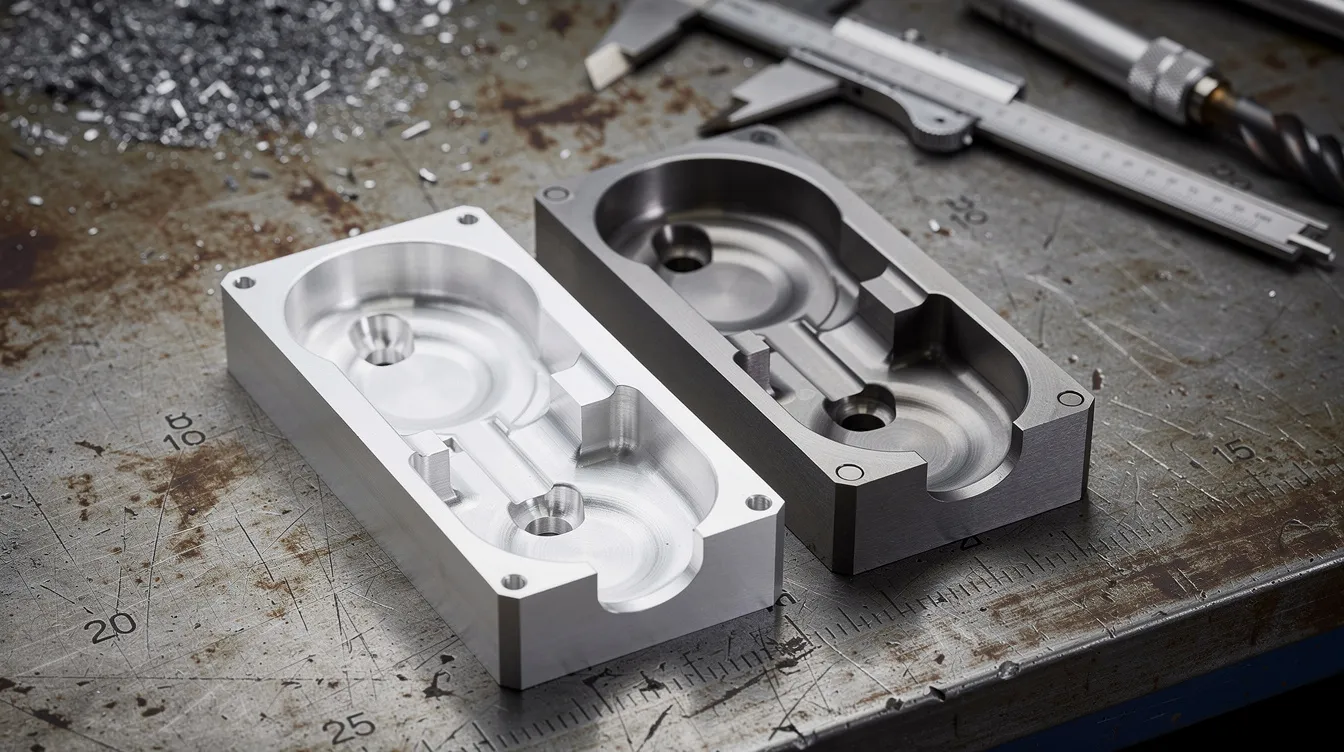
Soft tooling is often made from aluminum or mild steel instead of hardened steel. Common choices include 7075-T6 aluminum, QC-10, and P20 pre-hardened steel. Sometimes 3D printed inserts are used for complex features or undercuts.
-
Prototype tools are typically single-cavity with simpler mold designs, optimized for fast machining and easy modification rather than extreme longevity.
-
Aluminum molds can withstand thousands of cycles for prototyping-typically 1,000–10,000 shots for aluminum, and up to 50,000 for soft steel. This suits engineering builds and pilot runs well.
-
Soft tooling uses materials like aluminum for cost-effective molds, with up-front investment often 30–60% lower than hardened steel hard tooling, supporting low cost validation before committing to final tooling.
Bridge and Production Tooling Characteristics
-
Bridge tooling handles pre-production builds, clinical trials, and early revenue. Tool life of 10,000–100,000 shots means teams can run multiple iterations of validation without waiting for hard tooling completion.
-
Production tooling uses hardened steel (H13, S136, NAK80) with multi-cavity layouts, hot runners, and engineered cooling systems. These tools maintain tight dimensional stability across millions of cycles in automated molding cells.
-
Anebon can progress from prototype molds to bridge tooling to hard tooling using the same validated CAD and DFM learnings, reducing risk and launch delays. This continuity ensures that gate locations, cooling strategies, and part geometry refinements carry forward seamlessly.
Prototype Tooling Methods and Materials
The prototype tooling process can use both direct and indirect rapid tooling methods, with material choices driven by part geometry, resin selection, and required tool life. Rapid tooling utilizes additive manufacturing techniques to create tools directly from CAD data, while CNC-based approaches offer higher precision for demanding applications. Common methods of prototype tooling include aluminum tooling and soft tooling, and 3D printed molds can be made from metal or plastic materials depending on the application.
Anebon directly supports CNC machining of molds in aluminum and soft steel, complemented by die casting tooling and sheet metal fabrication when needed. Materials range from aluminum alloys (7075, QC-10) to P20 steel and hardened steel for selected inserts, each balancing cost, speed, and durability differently.
These tools are compatible with standard injection molding resins, die-casting alloys, and thermoplastics used in electronics and automotive-producing functional parts, not just visual models.
Direct Rapid Tooling (CNC and Hybrid Approaches)
Direct rapid tooling creates molds directly from CAD data via CNC machining or hybrid approaches combining machining with EDM finishing, without an intermediate master pattern. Direct rapid tooling uses CNC machining or 3D printing to create the mold directly, and 3D-printed metal molds can handle high temperatures and pressures in demanding applications.
-
CNC machining of aluminum and soft steel molds is Anebon’s core strength, enabling precise cavities and inserts with tolerances as tight as ±0.002 mm where required.
-
Direct tooling is ideal when tight tolerances, production-like surface finish, and accurate part geometry are critical-for example, aerospace brackets or medical housings.
-
Trade-offs exist: direct rapid tooling costs more than simple 3D printed tools but delivers superior dimensional accuracy, thermal behavior, and the ability to run production-grade materials. 3D printing can produce molds within 24 hours for less demanding geometries, making it useful for very early concept verification.
Indirect Rapid Tooling
-
Indirect rapid tooling uses a master model to create molds. A master pattern-often produced via additive manufacturing or CNC-serves as the basis for secondary tools such as silicone rubber molds or castable resin tooling.
-
Silicone molds are flexible and suitable for casting resin parts, making indirect prototype tooling practical for complex shapes, intricate textures, and undercuts where cutting intricate molds in metal would be costly.
-
Indirect tooling is well-suited to low-volume, low-pressure processes and offers an economical path for early concept verification. In medical device development, for example, silicone molds can produce small batches of housing prototypes for ergonomic evaluation before investing in metal tooling.
-
Lessons learned from indirect rapid tooling-such as draft angle problems or part geometry issues-feed directly into Anebon’s DFM recommendations for CNC-machined prototype or bridge tools, helping properly place gates and optimize ejection in later stages.
Role of CNC Machining and 5-Axis Capabilities
-
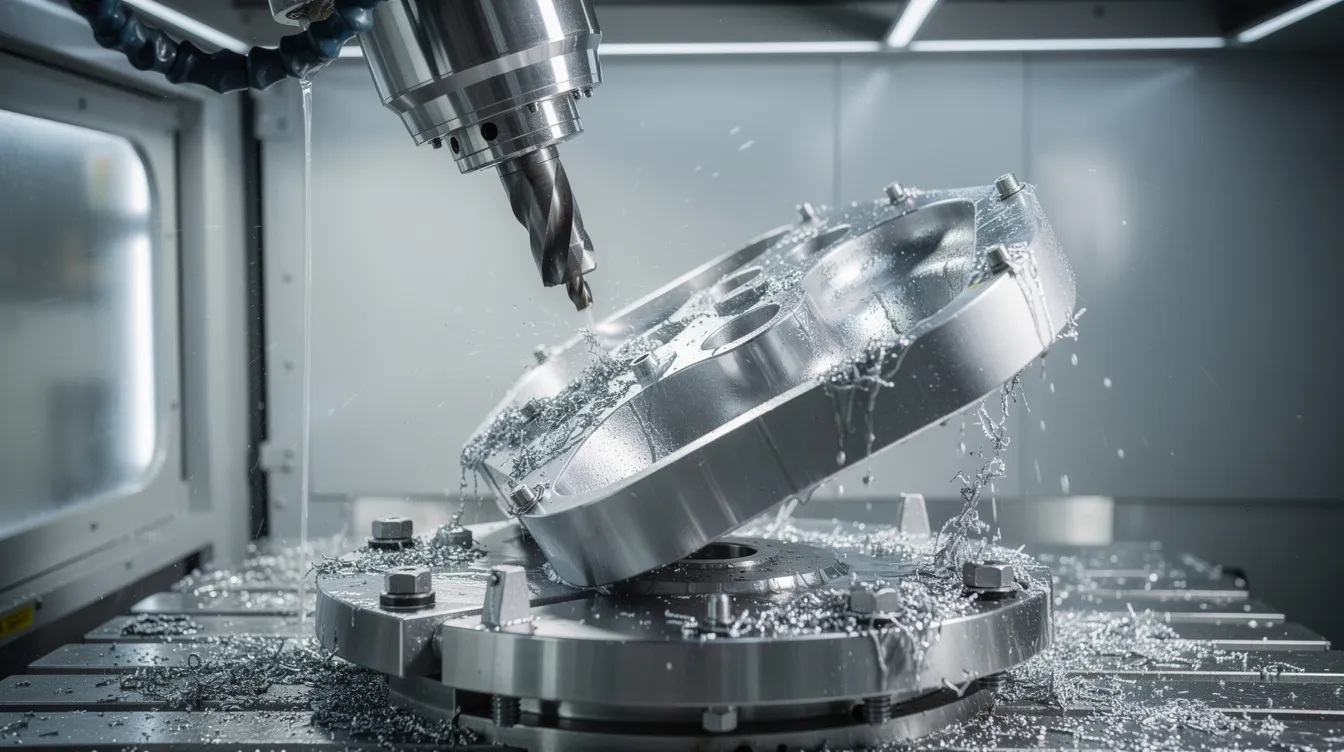
Anebon uses 3-axis and 5-axis CNC machining to produce prototype tools and direct metal prototypes in aluminum, stainless steel, and titanium.
-
5-axis machining enables complex molds with fewer setups, better surface finish, and closer match between prototype and production parts. CNC machining offers superior material properties and surface finish compared to additive methods.
-
CNC machining also allows direct machining of functional parts from billet when tooling is not yet justified-supporting very low-volume or highly customized components. Understanding why rapid prototyping is important helps engineers decide when direct machining versus tooling makes sense.
-
With tolerances as precise as ±0.002 mm, Anebon supports precision industries like medical devices and robotics where even small deviations affect assembly and performance.
Benefits of Prototype Tooling: Cost, Speed, and Risk Reduction
Prototype tooling is an investment in de-risking the product launch. By validating designs with production-intent materials under realistic processing conditions, teams avoid the high costs of discovering problems after hardened steel tools are cut. Prototype tooling provides functional parts for safety and regulatory testing, giving meaningful data on performance and manufacturability before final design commitment.
The key benefits translate into concrete outcomes: reducing overall product launch time by weeks, lowering tooling rework costs, and improving first-pass yield once production starts. Anebon’s customers regularly use prototype tooling to support design validation tests and pilot production builds before committing to final hard tooling.
Faster Time to Market
-
Prototype tooling reduces mold production time to days. Aluminum or soft steel tools can be delivered in 7–21 days versus 6–10 weeks for hardened steel production tools.
-
Rapid prototype tooling can cut time to market significantly, enabling more development cycles per calendar quarter. Engineers iterate, test, and approve designs sooner, helping companies reach the market faster.
-
In competitive sectors like consumer electronics and EV components, arriving 4–6 weeks earlier can capture significant market share. Consider a traditional path: 3 weeks design + 10 weeks steel mold + 2 weeks sampling = 15 weeks. With prototype tooling: 3 weeks design + 2 weeks aluminum mold + 1 week sampling = 6 weeks-over two months saved.
Cost Effectiveness for Low-Volume and Early Stages
-
Prototype tooling lowers initial investment for low-volume production. Aluminum and soft steel tools typically cost 30–60% less than full production tooling-for example, an $8,000–$15,000 aluminum tool versus a $40,000+ hardened steel multi-cavity tool.
-
Mold costs are significantly lower than traditional methods, and for runs of hundreds to a few thousand units, prototype tooling plus the injection molding process is more economical than machining each part individually or jumping straight to hard tooling.
-
Using prototype molds can save over $100,000 in development costs when you factor in avoided ECOs, reduced scrap, and eliminated rework on hardened steel molds. This cost savings directly impacts OEM decision-making on when to commit capital.
Design Validation: Part Geometry, Materials, and Function
-
Prototype tools allow engineers to confirm part geometry feasibility-checking for warpage, sink marks, short shots, flow marks, and other defects in the injection molding process before finalizing the design.
-
Teams can test different materials (e.g., switching from PC/ABS to PA66-GF30) using the same tool to compare strength, stiffness, and cosmetic results, including running mold flow analysis to predict filling behavior.
-
Functional parts molded from prototype tooling can undergo mechanical testing, environmental cycling, and regulatory verification. Prototype tooling provides functional parts for safety and regulatory testing in aerospace and medical projects.
-
Anebon’s DFM and quality teams review prototype results and refine wall thickness, rib patterns, and radii, performing validation processes to ensure smooth transition to final production tooling.
Reducing Risk Before Hard Tooling Investment
-
Prototype tooling helps identify potential issues with tooling design before mass production. Problems like improper draft, insufficient venting, or poorly located gates are far cheaper to fix in aluminum than in hardened steel.
-
Using prototype tooling to optimize gate locations, venting, and cooling channels upfront protects the integrity of the eventual production tool-helping teams properly place gates and confirm ejection strategies.
-
In industries with strict quality requirements-medical devices, aerospace, defense-the cost of field failures or recalls dwarfs the investment in prototype tools. Prototype tooling supports rapid iterations based on feedback from functional testing before high-volume commitment.
-
Anebon’s ISO 9001:2015 and ISO 14001:2015 certifications support a structured risk management approach, with documented inspection reports and material traceability throughout the tooling process.
The Prototype Tooling Process: Step-by-Step
The prototype tooling process follows a structured path from initial concept review to validated prototype runs and documented lessons for production. Anebon follows distinct phases-DFM, tool design, tool manufacture, sampling, and refinement-while keeping communication clear with overseas OEM engineers through rapid feedback loops, including 24–48 hour DFM feedback and first shots in as little as 7–14 days.
1. Initial Design Review, DFM, and CAD Preparation
-
Anebon engineers intake customer CAD files (STEP, IGES, native formats) and perform a Design for Manufacturability review, checking draft angles, wall thickness, undercuts, parting lines, and gating options.
-
DFM comments are typically returned within 24–48 hours, including suggestions to reduce cost, simplify machining, and extend tool life.
-
Example: adding 1.5° of draft to an internal rib can eliminate a costly side-action in the production tool, saving both time and mold price on the final design.
2. Selecting Tooling Type, Materials, and Process
-
Anebon and the customer decide between prototype tooling, bridge tooling, and direct machining based on volume forecasts, program stage, and budget.
-
Tool material selection-7075 aluminum for speed, P20 for durability, or hardened steel inserts for abrasive resins-depends on the application. The injection molding, die casting, or sheet metal process is matched accordingly.
-
For complex shapes, indirect tooling using a master pattern may be advised, while direct CNC-machined tools suit precise functional parts requiring production-like accuracy.
3. Tool Design, Machining, and Assembly
-
Mold designs are created in CAD/CAM with cooling channels, ejector systems, and any necessary inserts for undercuts integrated from the start.
-
Anebon uses CNC milling, turning, grinding, and EDM to machine cavity blocks and cores, leveraging 5-axis machining for complex molds when needed.
-
Typical build times for a single-cavity aluminum prototype tool run 5–15 working days. Surface finishes (e.g., SPI B2, EDM textures) are matched even on prototype tools to create functional prototypes that represent the final product accurately.
4. Sampling, Testing, and Iteration
-
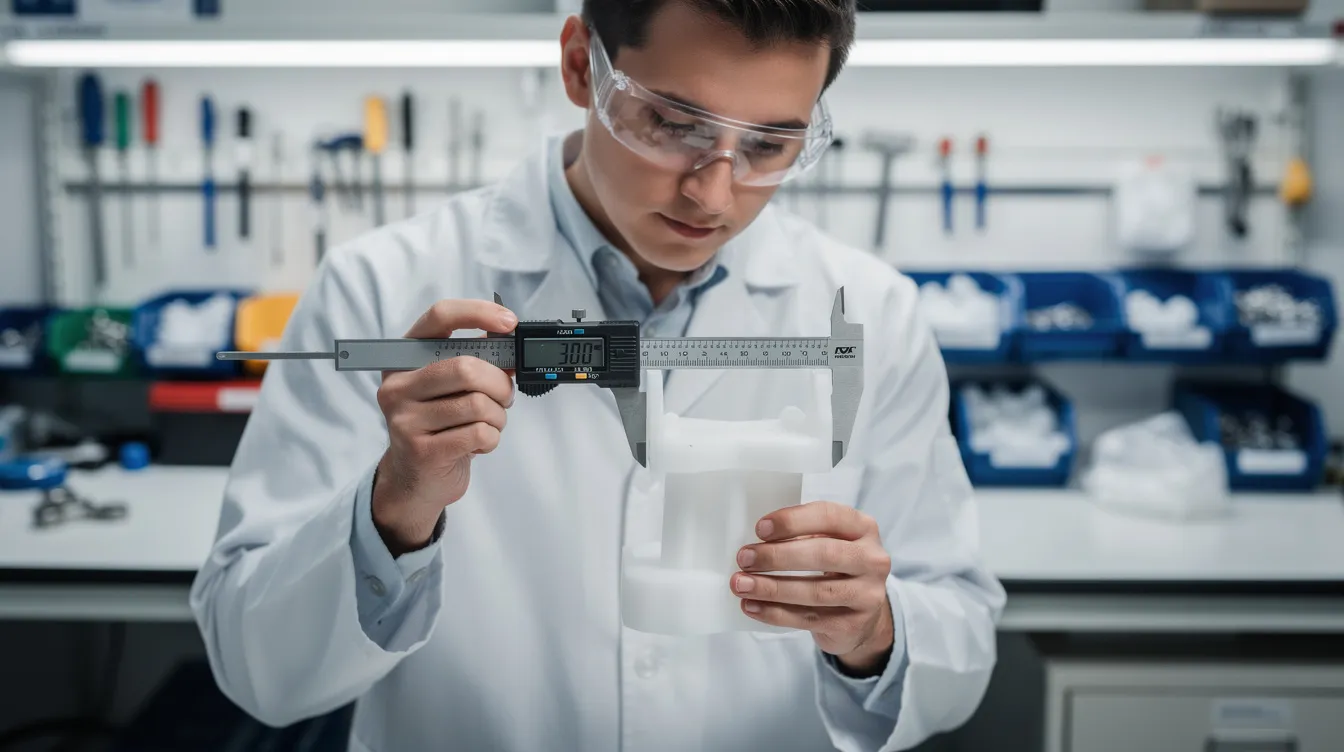
Once assembled, Anebon conducts initial sampling runs to produce first-off parts for dimensional inspection and functional testing using CMM, calipers, and optical inspection.
-
Results are reported back to the customer with dimension reports comparing actual parts to the CAD model. Gating, venting, and process parameters are adjusted based on observed defects.
-
Small tool modifications-polishing, adding steel inserts, vent adjustments-can usually be completed in 1–3 days, supporting multiple iterations and rapid development cycles.
5. Transitioning to Bridge and Production Tooling
-
Validated results and process windows from the prototyping process feed directly into bridge tooling and hardened steel production tool design.
-
Key decisions-confirmed gate locations, cooling channel layouts, and final part geometry-are locked before cutting expensive hard tooling, significantly reducing the number of Engineering Change Orders needed.
-
Anebon manufactures bridge tooling and production tooling in-house, leveraging the same project team and documentation to reduce ramp-up time and ensure continuity from prototypes to the production process.
Applications and Use Cases Across Industries
Prototype tooling accelerates product development in aerospace, automotive, and medical industries, as well as electronics, robotics, and industrial machinery. Each sector has distinct requirements that influence tooling choices, from biocompatibility for medical parts to high-temperature performance for automotive under-hood components. Anebon’s mix of CNC machining, die casting, and sheet metal fabrication allows it to support a broad range of component types-from housings and brackets to heat sinks and precision mechanisms.
Aerospace and Defense Components
-
Aerospace uses prototype tooling for testing components under extreme conditions, including vibration, temperature cycling, and fatigue testing on lightweight aluminum and titanium brackets.
-
Low-volume but high-criticality parts often justify prototype tools that run production alloys and deliver test-flight components. Anebon’s tight-tolerance machining (±0.002 mm) supports cast or molded parts for radar, avionics, and UAV systems.
-
A typical schedule: engineering prototypes delivered in 2–3 weeks, structural tests completed, then a bridge tool for low-rate initial production while hardened tools are finalized.
Automotive and EV Systems
-
The automotive industry employs prototype tooling for rapid testing of new technologies, including parts for powertrain, battery management systems, interior trim, and sensor housings.
-
OEMs typically need hundreds to thousands of prototype parts for DV/PV (Design Validation/Production Validation) builds, making prototype and bridge tooling essential before final production begins.
-
Anebon’s experience with die-cast aluminum components, sheet metal brackets, and machined precision parts supports EV drivetrains, charging systems, and thermal management assemblies.
Medical Devices and Diagnostics
-
The medical sector benefits from rapid prototyping for faster regulatory approvals. Prototype tooling creates housings, instrument components, and brackets for functional testing, ergonomic evaluation, biocompatibility testing, and sterilization validation prior to submission.
-
Prototype tooling supports the creation of custom medical devices and implants, with low to mid-volume production during clinical trials relying on prototype or bridge tools before long-term production tools are justified.
-
Anebon’s quality management system (ISO 9001:2015) supports the high repeatability, fine detail, and cleanable surfaces these applications demand.
Electronics, Robotics, and Industrial Machinery
-
Prototype tooling enables fast iteration on enclosures, heat sinks, gear housings, and structural parts. Frequent design changes to PCB layouts, connector positions, and cooling requirements make flexible, cost effective tooling essential.
-
Anebon’s CNC machining and die casting services create prototype parts for pre-production robots, control units, and industrial sensors, letting teams test assembly fit, cable routing, and thermal management with near-production molded parts.
Choosing a Prototype Tooling Partner: What to Look For
The right partner matters because tooling mistakes made early have long-term cost and quality impacts. Overseas OEMs should evaluate engineering strength, process control, and the ability to scale from rapid prototyping to serial production-not just unit price. Anebon offers an integrated path with consistent project management throughout, providing tailored solutions for each customer’s specific requirements.
Technical Expertise and DFM Capability
-
Work with a partner that provides detailed DFM feedback on part geometry, gating, draft, and tolerances-not just a mold quote. Strong DFM capability is critical when transitioning from prototype tooling to hardened steel hard tooling.
-
Anebon’s engineers regularly propose design tweaks to reduce complexity, lower scrap, and extend tool life-for example, adjusting rib design or ejector placement to eliminate cosmetic design flaws.
Equipment, Materials, and Process Range
-
A comprehensive equipment set (CNC milling, turning, 5-axis, EDM, surface grinding) matters for producing complex molds and precision parts. The ability to create molds across multiple molds and processes under one roof streamlines multi-component assemblies.
-
Anebon works with aluminum, stainless steel, tool steels, titanium, and engineering plastics, giving customers flexibility in both tools and parts for their next project.
Quality Assurance, Certifications, and Reliability
-
ISO-certified quality systems (ISO 9001:2015, ISO 14001:2015) assure consistent outcomes across prototype, bridge, and production runs.
-
Anebon performs incoming material checks, in-process inspections, and final dimensional reports. Traceability and process documentation are essential decision factors for OEMs in regulated industries.
Communication, Lead Times, and Overseas Support
-
Clear, timely communication across time zones is essential. Regular progress updates, photo reports, and video calls help overseas engineers stay confident about tool status and quality.
-
Anebon’s project managers coordinate lead times with customer milestones and respond rapidly to design changes-days, not weeks-preventing delays when last-minute adjustments arise.
From Prototype Tooling to Full-Scale Production with Anebon
Prototype tooling fits into a broader strategy: validating design, confirming the manufacturing process, and de-risking the investment in hardened steel production tooling. By starting with rapid prototype tooling, companies gain the data and confidence needed to move into bridge and production phases with fewer surprises, lower costs, and faster launches.
Anebon supports the entire journey-from early CNC prototypes and rapid tooling to bridge tooling, hard tooling, and serial production across CNC machining, die casting, and sheet metal fabrication. With extensive experience serving overseas OEMs and a commitment to precision, quality, and communication, Anebon helps teams move from concept to the final product with confidence.
Ready to accelerate your next project? Contact Anebon’s engineering team with your CAD files, target volumes, and launch timing. We will provide a tailored tooling roadmap with realistic timelines to help you reach the market faster, reduce risk, and protect your bottom line.