How to Source the Best CNC Parts for Your Products Effectively
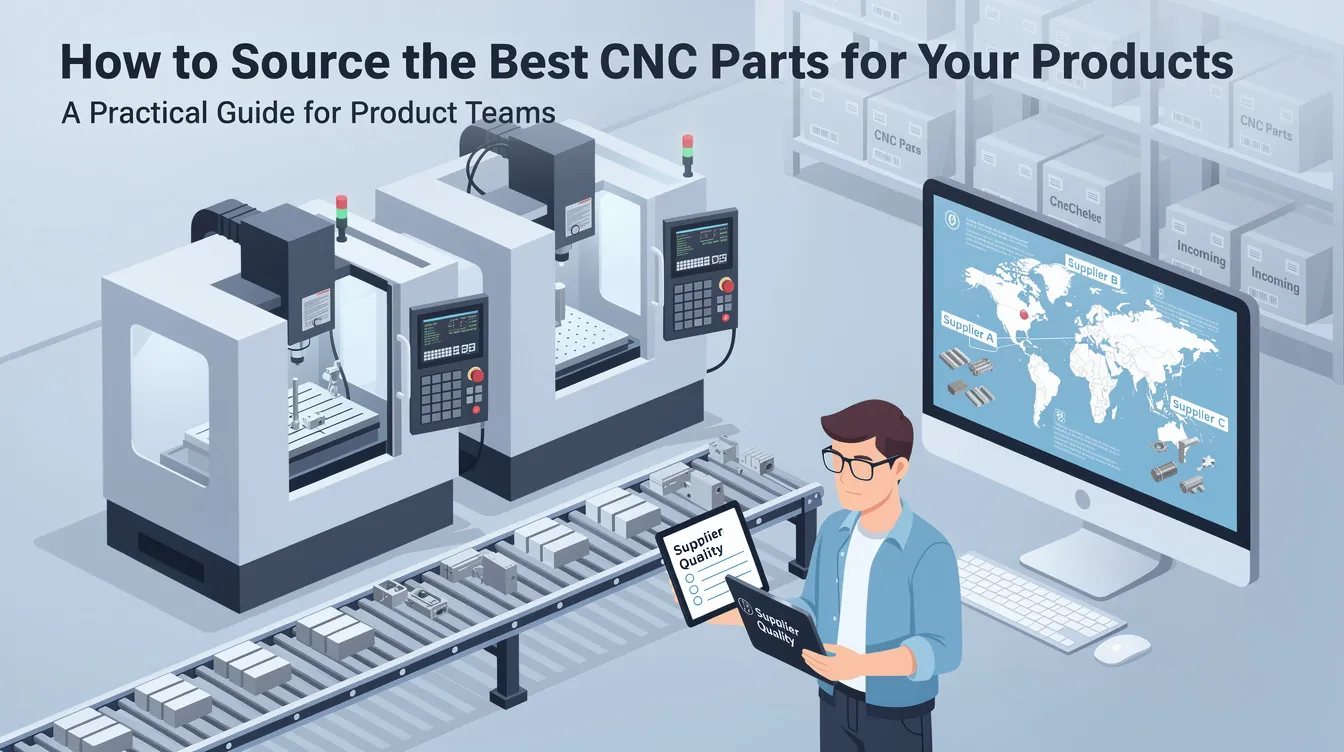
How to Source the Best CNC Parts for Your Products
Sourcing precision cnc parts can make or break your product launch. In aerospace, medical devices, robotics, and high-end electronics, a single dimensional error or wrong material choice can cascade into scrapped assemblies, missed certification deadlines, and months of rework. Studies show that defective parts can increase operational costs by 20%, and roughly 30% of manufacturers have faced delays directly caused by low-quality cnc machine parts.
This guide, written from the perspective of Anebon Metal Products Limited-an ISO 9001:2015 and ISO 14001:2015 certified cnc machining partner operating since 2010 in Dongguan, China-walks you through a practical, step-by-step framework. The goal is not to help you chase the lowest quote, but to help you identify the best cnc machining companies for your exact specifications.
Consider one real scenario: a medical device OEM sourced aluminum enclosures with misaligned mating surfaces due to inconsistent fixture setup. The result was scrapped assemblies, a three-week delay to clinical trial start, and tens of thousands in rework costs. Smart sourcing prevents exactly this.
Step 1: Define Your CNC Part Requirements Before You Request a Quote
Clear, written requirements are the foundation for reliable sourcing and accurate quotes. Without a solid CAD model and annotated drawings, vendors make assumptions-and assumptions lead to mismatches.
Before sending any RFQ, finalize at least a Rev A CAD model (STEP/IGES) and a 2D drawing with GD&T callouts for critical features. CNC machining typically achieves tolerances of ±0.1 mm on standard features, while feasible tolerances can reach ±0.02 mm and even ±0.002 mm for critical fits. Tolerances can vary from ±0.002 mm to ±0.1 mm depending on part function.
Every quote package should define:
-
Material grade and specification
-
Surface finish requirements
-
Quantities (prototype vs full scale production at 10k+)
-
Target price range or budget constraints
-
Required ship date
Clear specifications reduce quote errors and help suppliers meet expectations. Production volume needs can range from prototypes to mass production, and providing detailed documentation helps clarify specifications and minimize errors from the start.
Clarify Function, Environment, and Lifecycle
Part function drives every cnc machining process decision. A load-bearing shaft demands different material and tolerance choices than a cosmetic faceplate or a fluid-path manifold. Precision machining is critical for surgical tools and aerospace parts, where failure isn’t an option.
Environment matters equally. Medical device housings endure repeated sterilization cycles. Engine-adjacent components face 200–300°C exposure. Marine and solar applications demand corrosion resistance over years of outdoor service.
Expected lifecycle affects material and surface treatment decisions. A single-use surgical instrument has different requirements than a 10-year industrial actuator joint. For example, an outdoor robotics joint might call for anodized 6061-T6 aluminum for its weight and corrosion resistance, while a saline marine application demands stainless 316L for long-term durability.
Set Realistic Dimensional and Geometric Tolerances
There’s a direct trade-off between ultra-tight tolerances and cost. Aerospace components require tolerances tighter than ±0.005 mm, while general machined parts perform fine at ±0.1 mm. Anebon can achieve tolerances as precise as ±0.002 mm on critical features, but applying that specification across an entire part inflates price dramatically.
The smart approach: apply tight tolerances only on mating or safety-critical features using GD&T (position, flatness, parallelism). Replacing ultra-tight tolerances with standard ones on non-critical dimensions can significantly reduce costs-sometimes cutting 15–25% off a 1,000-piece order compared to blanket ±0.01 mm specs.
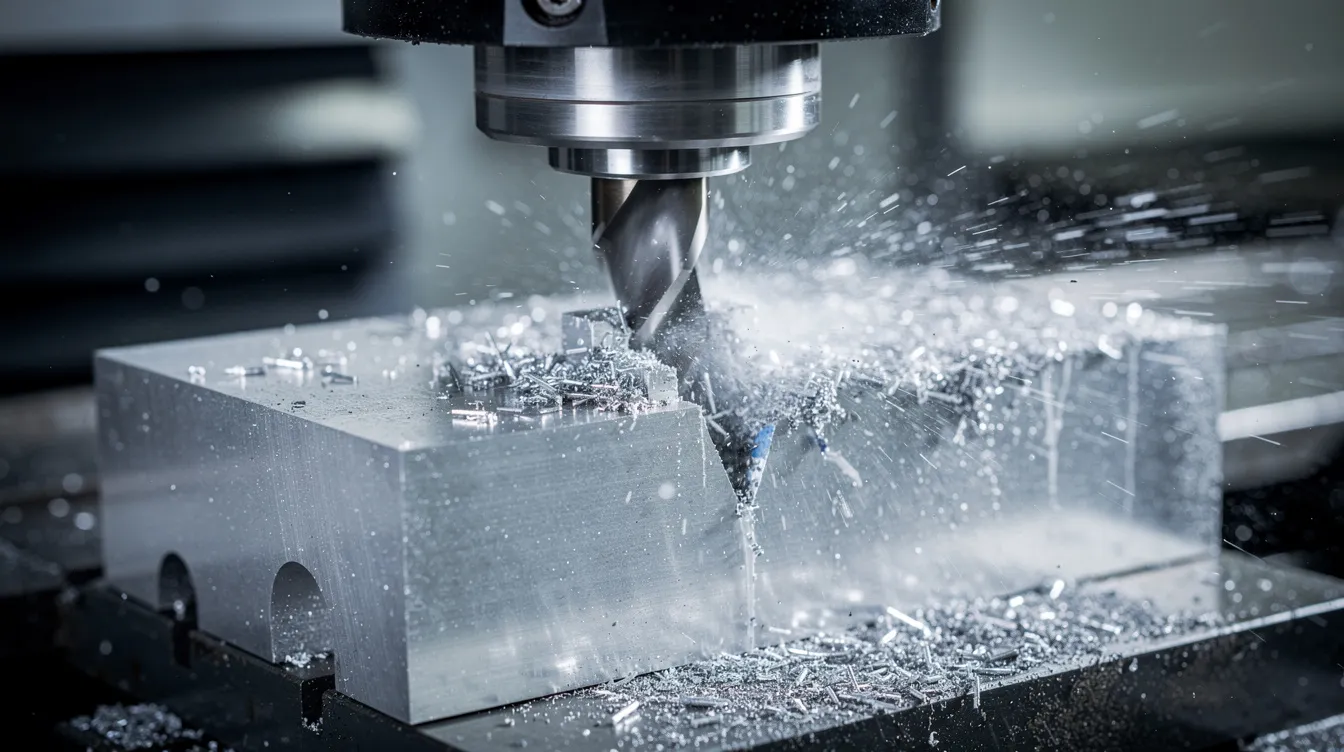
Using standard tools also improves cost and lead time for cnc machining. Watch for tool deflection on deep pockets and thin walls, as it affects achievable accuracy. Share 2D drawings early so cnc machining service providers can flag manufacturability issues before production begins.
Step 2: Choose the Right Material for Your CNC Parts
Material selection significantly impacts cnc part performance, and it often determines 40–60% of the part’s total cost and lead time. CNC parts require precise material specifications for performance, so this decision deserves careful attention.
Common materials include aluminum, stainless steel, and plastics. Metals like 6061-T6 and 7075-T6 aluminum, 303/304/316L stainless steel, and titanium Ti-6Al-4V cover most OEM applications. Engineering plastics like PEEK, Delrin, ABS, and nylon serve low-load, electrically insulated, or chemically resistant applications. Plastics like ABS and PEEK offer impact and thermal resistance for specialized environments.
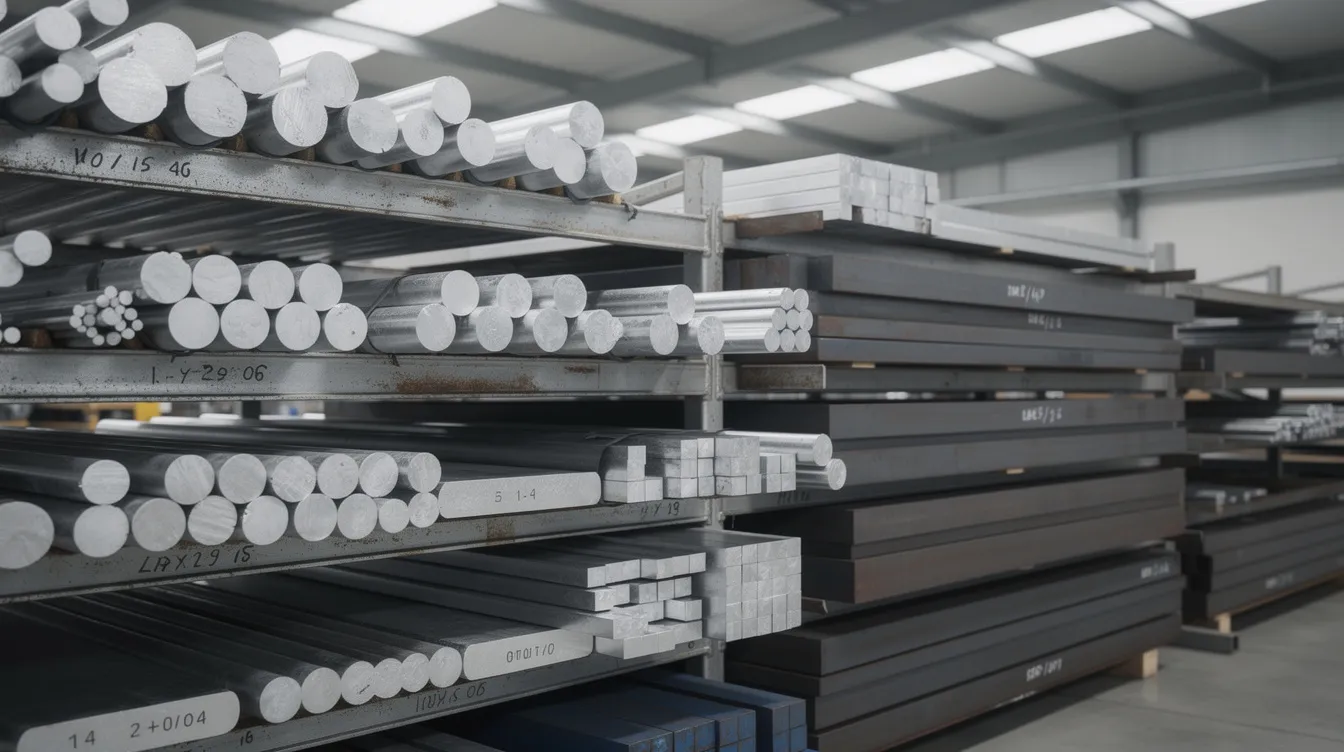
Standard alloys and stock sizes reduce scrap and machine time. Anebon stocks common alloys including 6061-T6, 7075-T6, and 303/304/316 stainless, enabling faster lead times for overseas OEMs. High-performance materials increase cnc part pricing significantly-titanium stock runs US$15–30 per pound versus US$2–5 for aluminum-so material choice should always match actual performance needs rather than over-engineering.
Match Material Properties to Performance Needs
Key properties buyers should evaluate include yield strength, hardness, machinability, corrosion resistance, thermal conductivity, thermal stability, and biocompatibility. Tensile strength and corrosion resistance are key material factors that drive most decisions.
Practical pairings:
-
6061-T6 aluminum for general housings, fixture plates, and brackets
-
7075-T6 aluminum for high-strength UAV arms and structural frames
-
17-4PH stainless for high-load shafts and corrosive environments
-
PEEK for sterilizable medical parts and electrical insulation
-
Titanium Ti-6Al-4V for extreme strength, biocompatibility, and high temperature
Some materials like titanium and Inconel require advanced cnc machines, optimized g code strategies, and experienced programmers-machining speeds for titanium run 5–8× slower than aluminum. Ask suppliers which alloys they routinely cut versus rarely run, as this predicts process stability. Common metals for cnc machining include aluminum and stainless steel, and a good company will handle these with consistent results.
Consider Availability, Stock Forms, and Surface Treatments
Lead time is often driven by raw material availability. Standard plate thicknesses (12 mm, 20 mm, 25 mm in 6061) are readily available and minimize roughing operations, reducing machine hours on both mills and lathes. Machining from a solid block of standard stock is always faster than waiting for specialty bar.
Practical advice on surface treatments:
-
Anodizing (Type II and hard anodize) works well on aluminum for corrosion and wear resistance
-
Bead blasting creates uniform matte finishes for cosmetic metal parts
-
Nickel plating and black oxide suit steel components
-
Passivation is standard for stainless steel parts
Anebon combines cnc machining with in-house or vetted surface treatment partners to deliver finished, assembly-ready custom parts.
Step 3: Evaluate CNC Machining Capabilities and Equipment
Not all suppliers have the same machines or process depth. Capabilities must match your part complexity and tolerance requirements. A cnc shop running only 3-axis mills cannot efficiently produce compound-angle features that a 5 axis machine handles in a single setup.
Core equipment types to evaluate:
-
3-axis and 4-axis cnc milling centres for pockets, faces, and simple features
-
5-axis CNC machines for complex geometries, undercuts, and compound surfaces
-
CNC turning centers for shafts, pins, and rotational parts
-
Mill-turn centers combining turning and milling for components like valve bodies
Ask vendors for a machine list including brand, travel ranges, spindle speed, and axis machining configuration. Anebon operates multi-axis machining centers and turning cells suited for complex OEM parts with reduced setups and higher production capabilities.
When You Need 5‑Axis and Advanced Machining
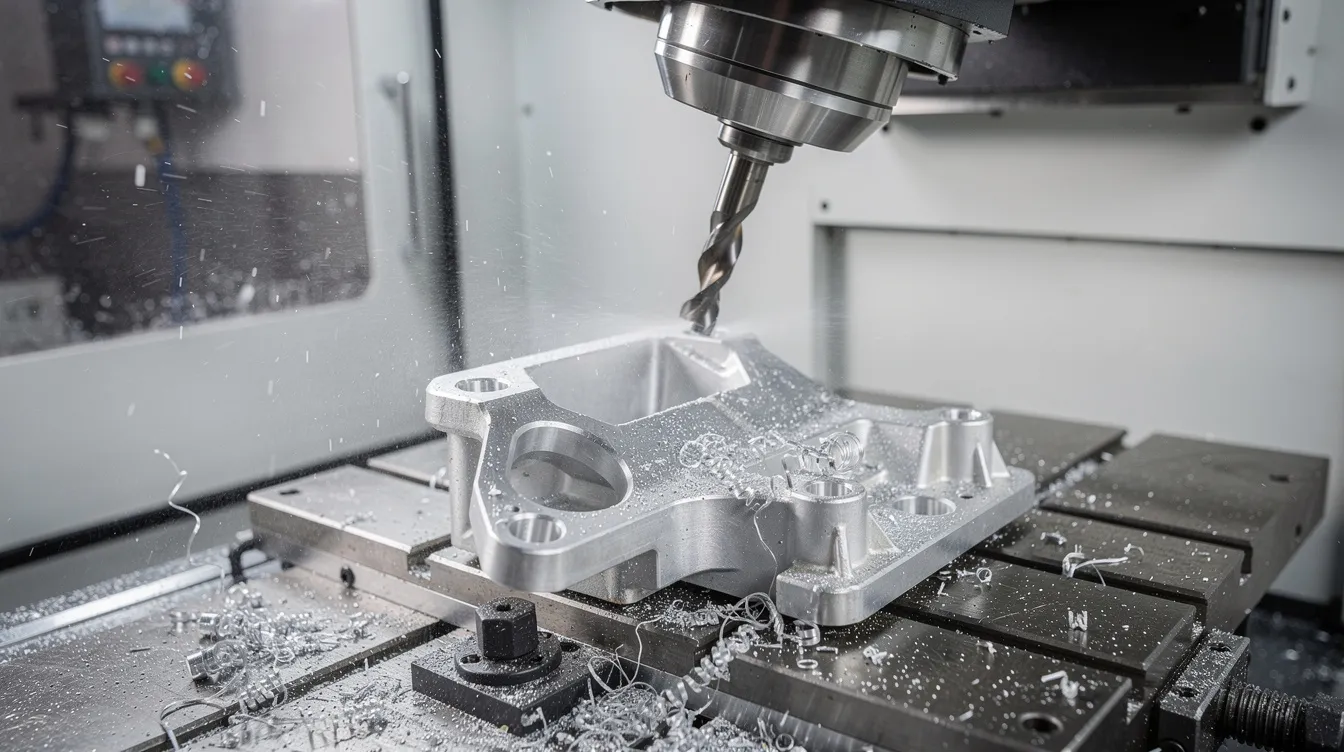
5-axis machining allows for complex geometries that would otherwise require multiple fixtures. It eliminates the need for multiple machine setups, and 5-axis machines can produce parts with better surface finishes because they allow the tool to remain tangential to the cutting surface. The result: 5-axis machining reduces overall machining times even when hourly rates are higher.
For example, an aerospace bracket with undercuts and compound angles machined on 3-axis equipment needs three or four fixtures with indexing-each introducing alignment risk. On a 5-axis machine, it’s done in one setup with superior relative feature accuracy. Complex geometries lead to higher cnc machining costs, but axis machining on 5-axis equipment often delivers lower total cost through fewer setups. Accurate g code simulation and advanced workholding are critical to avoid collisions on these machines.
Check Process Range: Milling, Turning, and More
Confirm whether your supplier can perform cnc milling, cnc turning, drilling, tapping, swiss turning for small-diameter precision parts, and secondary operations like deburring and assembly. Some projects also benefit from laser cutting for sheet metal components or injection molding for plastic housings when mixed-process assemblies are involved.
Shops offering both cnc machining and complementary processes like die casting and sheet metal fabrication support hybrid projects and redesigns. Anebon provides all three under one roof, simplifying supply chains for OEMs who need replacement parts, prototypes, and production runs from a single reliable partner.
Step 4: Assess Quality Systems and Inspection Capability
Certified quality systems are non-negotiable for critical cnc parts in 2026. ISO certifications indicate a supplier’s commitment to quality, and ISO 9001 certification ensures consistent quality control processes across all production. 70% of companies report increased productivity when using precise components-quality assurance directly impacts your bottom line.
What to verify:
-
ISO 9001:2015 and ISO 14001:2015 certifications at minimum
-
Sector-specific standards (AS9100D for aerospace, ISO 13485 for medical)
-
In-house inspection equipment: CMMs, optical measurement, hardness testers, profilometers
-
Multi-stage inspection: incoming, in-process, and final checks
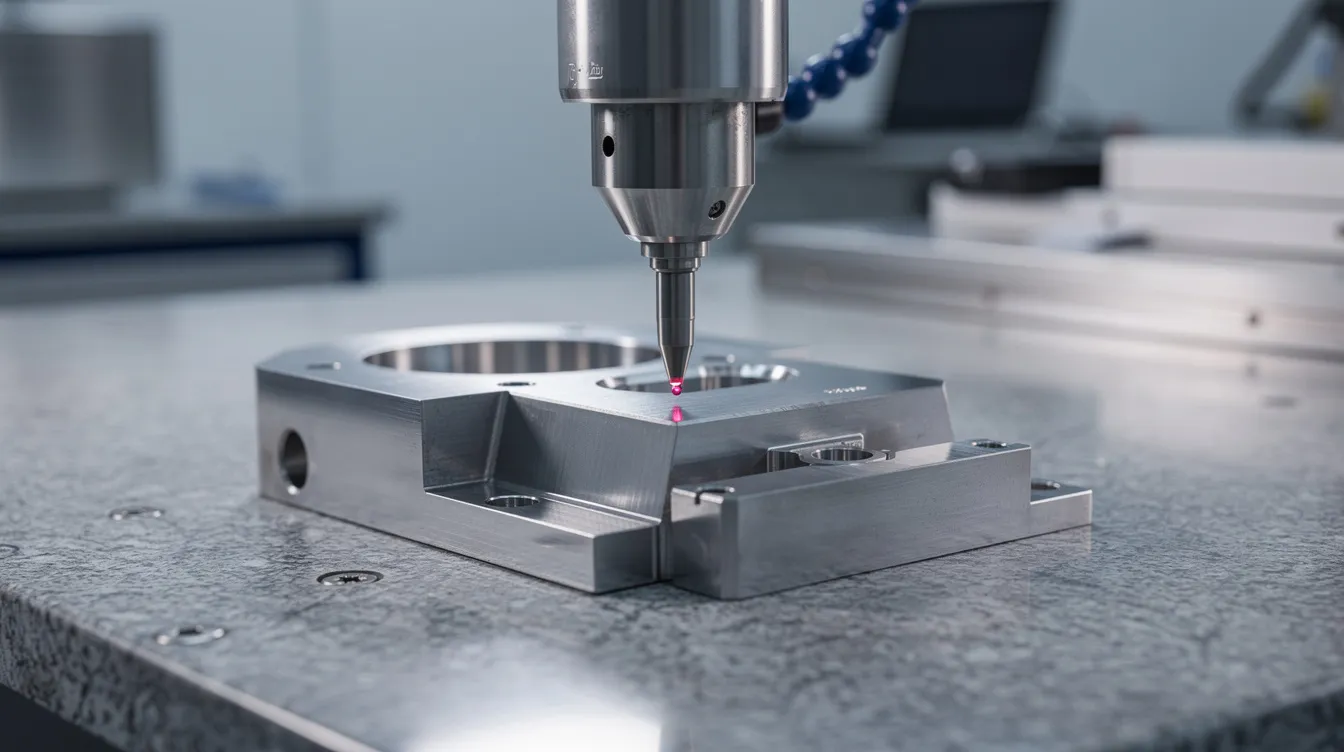
Using Coordinate Measuring Machines (CMM) enhances inspection and quality control significantly. In-house inspection ensures higher quality assurance in cnc machining compared to outsourced checks. Companies should verify supplier certifications and quality management systems before placing orders-ask for copies of current certificates, not just claims.
Anebon’s quality control processes are built around these quality standards, with documented inspection at every stage.
Inspection Reports, PPAP, and Traceability
OEMs should request:
-
First article inspection (FAI) reports with dimensional data
-
Material certificates (mill certs) with heat/lot numbers
-
Capability studies (Cp/Cpk) on repeat orders
-
PPAP documentation for automotive or safety-critical production ramp-ups
Material traceability is crucial for high-quality cnc parts to ensure regulatory compliance. Specify whether 100% inspection or statistical sampling (AQL levels) is required. In one case, a customer caught an early design issue because they reviewed a detailed CMM report showing position drift on a mating bore-catching it before 500 parts shipped.
Step 5: Compare Pricing Structures and Total Landed Cost
Never choose cnc parts solely on lowest unit price. Calculate total landed cost including freight, tariffs, inspection costs, scrap rates, and rework risk. Selecting the right sourcing route depends on volume, speed, and budget needs.
Setup time, programming, fixturing, and tooling amortize over volume. A simple aluminum prototype might cost US$65–150 per part, while titanium or complex-geometry prototypes reach US$200–800+. At 1,000 pieces, unit costs drop dramatically.
Ask suppliers to itemize NRE (non-recurring engineering), sample costs, and price breaks at 50, 200, and 1,000 pieces. Some cnc machining service providers offer an instant quote system via an online platform where you upload CAD models; others quote manually. Both work if your drawings carry detailed information. Advanced sourcing processes leverage digital platforms to compare quotes and capabilities efficiently. Collect at least two to three comparable quotes using identical drawings.
Prototype vs Production: Optimizing for Each Phase
Prototyping priorities are speed and design flexibility. Production priorities are cost per piece, process robustness, and repeatability. For rapid prototyping in aluminum or ABS, expect 5–7 day lead times. For a first 2,000-piece production lot, plan for 3–5 weeks including process validation.
Keeping the same cnc machining partner from prototype through production avoids requalification costs and learning-curve delays. Soft fixtures and standard tooling work for early prototypes; dedicated fixtures and validated tool paths are essential for production runs delivering high quality parts consistently.
Step 6: Check Lead Times, Capacity, and Scalability
Machine availability, shift patterns, and automation determine how quickly cnc parts ship. Ask about current capacity: how many similar jobs per month, how many 5 axis jobs running, backlog status. Scalable capacity from rapid prototyping to monthly blanket orders matters-you don’t want to requalify a new supplier at 10,000 annual units because your first partner can’t keep up.
Domestic suppliers typically offer faster lead times than overseas suppliers, but overseas partners with robust logistics experience can close that gap with air freight and planning. One Anebon customer scaled from 10 prototypes to 10,000 annual units over 18 months without changing suppliers, maintaining consistent quality and competitive pricing throughout.
Understanding and Negotiating Realistic Lead Times
CNC machining services can offer turnaround times of 3–7 days for simple parts in common materials. Complex multi-axis parts or assemblies typically need 10–20 days. Fast lead times are crucial for prototypes and low volume runs. Rush jobs can significantly increase cnc machining lead times-and some constraints like heat treatment or specialty coatings simply cannot be rushed.
Clarify whether quoted lead time includes material procurement, machining, finishing, inspection, and shipping. For long-life programs, negotiate buffer stock or safety stock covering 3–6 months of rolling demand. Anebon’s overseas shipping experience across air and sea to North America and Europe helps OEMs plan realistic delivery schedules.
Step 7: Evaluate Engineering Support and DFM Collaboration
The best cnc machining companies act as engineering partners, not just job shops. Suppliers should provide DFM feedback for better manufacturability, and design for manufacturability improves efficiency and cost savings across every project phase. DFM feedback helps refine complex designs-simplifying geometries, reducing setups, avoiding unnecessary 5 axis work, and selecting better materials or tolerances.
While no industry-wide specific standards exist for DFM practices, effective DFM can reduce lead times and improve part quality. DFM can optimize designs for cnc machining’s broad capabilities. Look for direct interaction with process engineers or machinists, not just sales staff. Establishing communication with suppliers can yield valuable design feedback that many suppliers overlook.
Anebon routinely provides DFM suggestions addressing internal corners radii, enough clearance for tool access, wall thickness limits, and larger depths of cut feasibility-helping overseas design teams shorten development cycles. Good communication between engineering teams is what separates a reliable cnc partner from a transactional vendor.
Using CAM, Simulation, and G‑Code Expertise to Your Advantage
Modern CAM software (Fusion 360, Mastercam, Siemens NX) and g code simulation prevent collisions and optimize tool paths for high speed machining. Experienced programmers can reduce cycle times by 10–30% through smarter roughing and finishing strategies, especially on 5 axis equipment where fine details and complex internal geometries demand precise control.
Ask how the supplier validates new programs-dry-runs, soft jaws, or sacrificial test pieces protect expensive materials like titanium. In the case of titanium spinal implant housings, thin-wall deformation was discovered after the first test piece. The supplier adjusted RPMs, changed fixturing, and used softer initial passes, delivering 120 parts at ±0.01 mm with a 99.2% first-article pass rate-on schedule.
Step 8: Verify Communication, Time‑Zone Fit, and Project Management
Strong communication is crucial when sourcing cnc parts overseas. Check response times to RFQs-within 24 hours on working days is a good benchmark. Evaluate technical understanding, English proficiency, and willingness to use shared platforms like email, Teams, or project portals.
Dedicated account managers and project coordinators who track PO status, production milestones, QC results, and shipping updates make a significant difference. A good cnc machining service provider handles various materials effectively and communicates proactively about any issues. Anebon is accustomed to working with overseas OEMs across time zones, providing hands on experience in managing complex cross-border projects.
Documentation, Change Control, and Revision Management
Formal change management (ECR/ECO) and drawing revision control prevent old versions from being machined by mistake. Always issue updated CAD and 2D drawings together, clearly marked with revision letters and change summaries.
Robust machine shops maintain digital records linking each revision to its work order, g code set, and inspection reports. In one case, a small design change-adding a chamfer to avoid assembly interference-was poorly controlled, resulting in mixed shipments of parts with and without the chamfer. Clear revision control and digital lot IDs would have prevented that field failure entirely. Part design changes must flow through documented channels every time.
Step 9: Check References, Track Record, and Sample Quality
Request case studies or anonymized examples from similar industries. Small-scale trials help evaluate suppliers’ capabilities before full production runs-start with a paid sample lot of 10–50 pieces. Evaluate surface finish, dimensional accuracy, packaging, labeling, and documentation quality.
Review long-term metrics: on-time delivery rate (target ≥95%), average PPM defect rate, and responsiveness to corrective actions. Choosing suppliers with relevant production capabilities enhances reliability and reduces risks. The first 60–90 days with a new cnc supplier should be treated as a structured evaluation period-not a leap of faith.
Site Visits and Remote Audits
For strategic cnc machining partners, on-site audits provide irreplaceable insight. For buyers unable to travel, video walk-throughs work well.
What to look for:
-
Machine condition and cleanliness
-
Work instructions posted at each machine
-
Lot identification and part marking systems
-
Calibration records for inspection equipment
-
QC lab organization and CMM condition
Anebon can host both in-person and virtual audits for key OEM customers, providing transparency into the manufacturing process and quality assurance processes.
Step 10: Build a Long‑Term Partnership Strategy for CNC Parts
Consolidating cnc parts with a small number of high-performing suppliers simplifies quality management, logistics, and cost negotiation. Develop multi-year frameworks with forecast sharing, capacity reservations, and blanket orders for critical product lines.
Benefits of partnership include better pricing tiers, priority on urgent orders, joint DFM projects, and co-development of fixture strategies. Build a partner network of proven suppliers and conduct periodic performance reviews covering quality, delivery, cost, and engineering support. Sourcing high-quality cnc parts relies on design optimization and supplier vetting over the long term-not one-off transactions. A reliable partner who understands your industry and manufacturing needs becomes an extension of your engineering team.
Why Overseas OEMs Choose Anebon for CNC Parts Sourcing
Anebon Metal Products Limited, founded in 2010 in Dongguan, is ISO 9001:2015 and ISO 14001:2015 certified, specializing in precision cnc machining, die casting, and sheet metal fabrication for overseas OEMs.
Key technical strengths include tight tolerances down to ±0.002 mm, 3-axis through 5-axis cnc machining centers, cnc turning, and both rapid prototyping and high volume production across metals and plastics. Achievable tolerances in cnc machining can be as tight as ±0.005 mm for demanding aerospace components and precision medical devices.
Anebon serves industries including aerospace, medical devices, automation and robotics, and high-end electronics-supporting projects from first prototype through full-scale production with consistent quality and documented inspection. The company offers a comprehensive range of material options and computer numerical control equipment to handle diverse OEM requirements.
How to Start Sourcing CNC Parts with Anebon
Getting started follows a clear process:
-
Sign NDA if confidentiality is required
-
Submit CAD files (STEP/IGES) plus 2D drawings with tolerances, target quantities, and delivery dates
-
Receive DFM review and quotation-Anebon targets RFQ feedback within 24 hours on working days
-
Approve sample order and evaluate first articles
-
Ramp to production with validated processes and documented quality control
Prototype lead times for simple aluminum parts typically run 5–7 working days. For complex or exotic material projects, expect 2–3 weeks.
Whether you need 10 prototypes or 10,000 production units annually, prepare your complete package-CAD, drawings, quantities, and delivery targets-and reach out to Anebon for a detailed quote or technical discussion about your cnc parts. A reliable cnc machining partner starts with a single conversation.