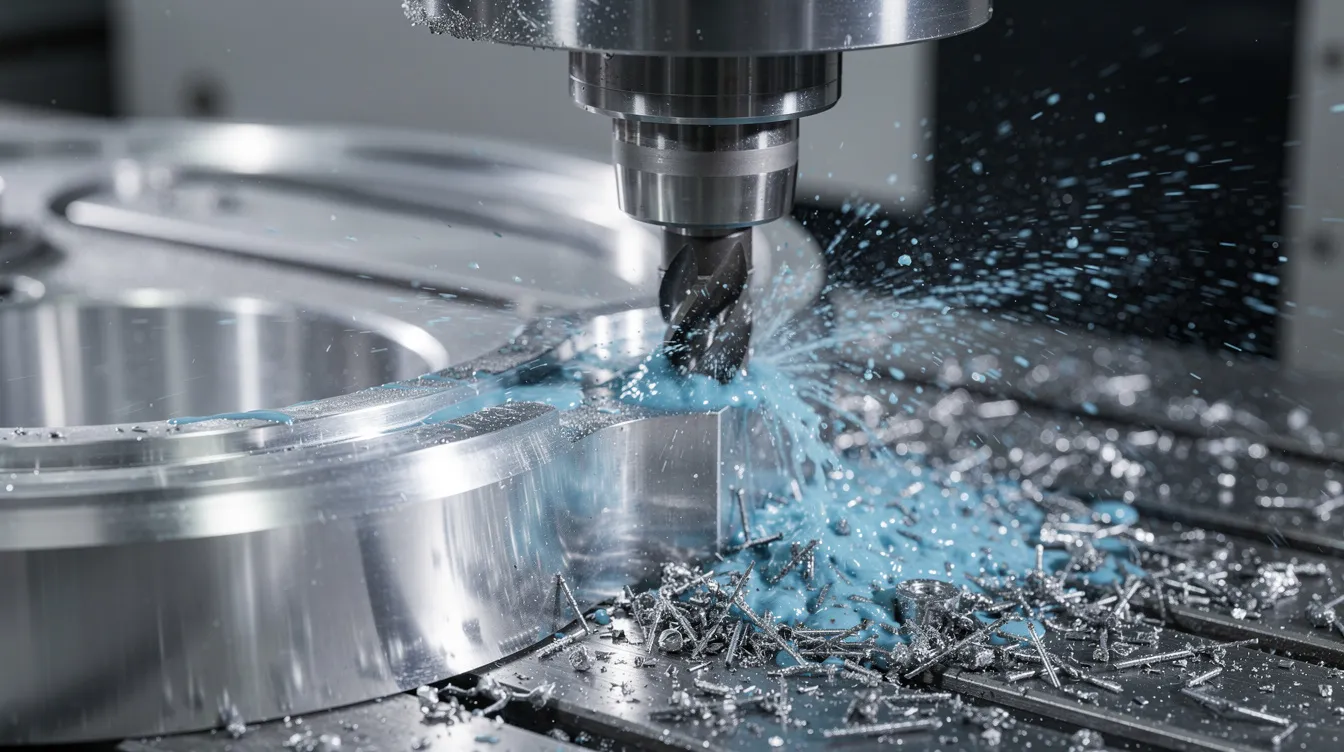
Hot Rolled Steel vs Cold Rolled: Choosing the Right Option for You
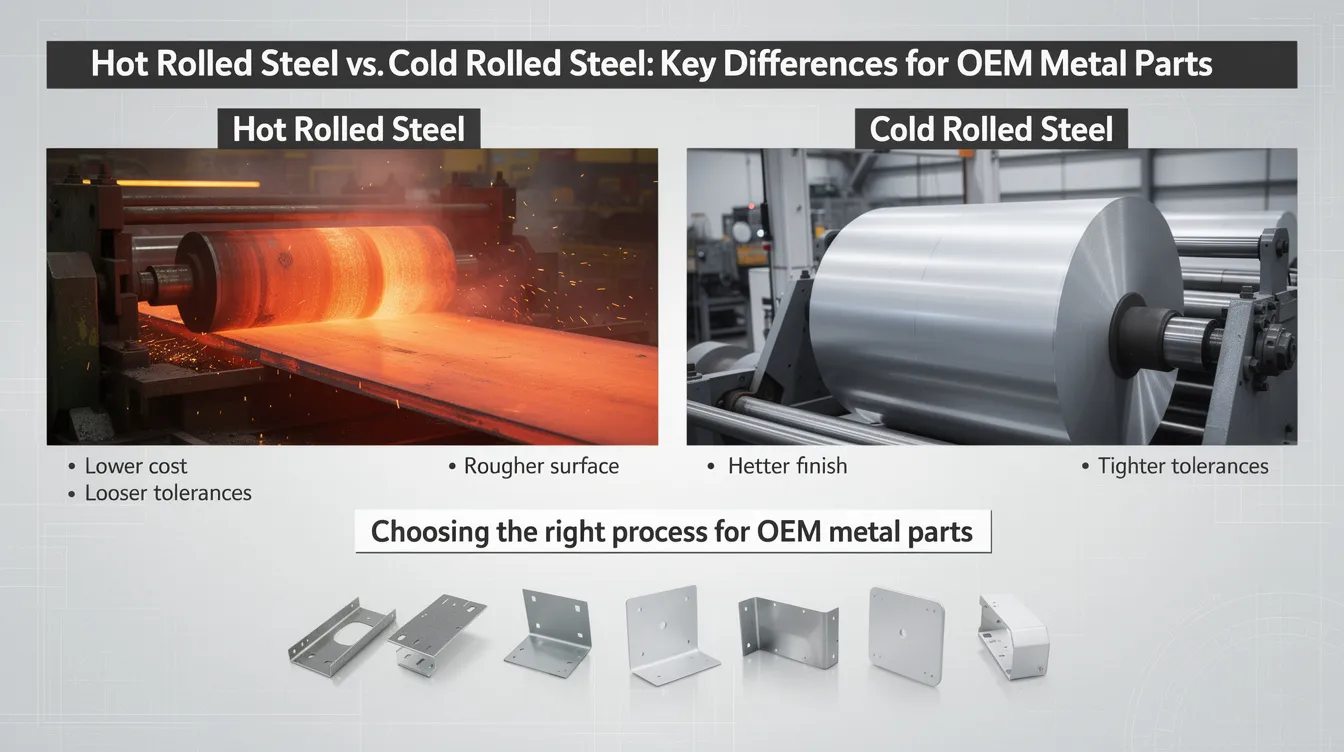
Hot Rolled Steel vs Cold Rolled Steel: Key Differences for OEM Metal Parts
When you need to specify steel for custom OEM parts, the hot rolled steel vs cold rolled debate comes up a lot. Choosing the wrong one can mean blown tolerances, wasted machining time, or a budget that quietly spirals. Here is what engineers and buyers actually need to understand about these two materials.
Quick Answer: Hot Rolled vs Cold Rolled Steel for OEM Projects
Hot rolled steel is processed at high temperature above its recrystallization point (typically 900–1,100 °C), making it easier to work with during fabrication. Cold rolled steel starts as hot rolled stock but is further processed at room temperature to improve strength, surface quality, and dimensional accuracy.
|
Attribute |
Hot Rolled Steel |
Cold Rolled Steel |
|---|---|---|
|
Surface Finish |
Rough, dark scale (Ra ~3.5–25 µm) |
Smooth, bright (Ra ~0.4–1.6 µm) |
|
Thickness Tolerance |
±0.15–0.25 mm |
±0.05–0.15 mm |
|
Yield Strength (1018-type) |
~235 MPa |
~300–350 MPa |
|
Cost per kg |
Baseline (lower) |
~15–30 % premium |
|
Typical Uses |
Structural frames, beams, heavy plate |
Enclosures, brackets, precision panels |
A few things to keep in head when selecting:
-
Structural frames and rough profiles – hot rolled steel is typically used for structural applications where scale and minor warping are acceptable.
-
Precision OEM parts – cold rolled steel is ideal for applications requiring precision and surface quality, such as electronics housings or medical device enclosures.
-
Cost-sensitive large-volume fabrication – hot rolled is generally more affordable to produce and is the popular choice for high-tonnage projects.
-
Components needing consistent aesthetics and secondary machining – cold rolled delivers an attractive, uniform surface that cuts downstream finishing time.
At Anebon Metal Products Limited, we typically start with cold rolled sheet or coil for tight-tolerance CNC machining and sheet metal fabrication, but we use hot rolled plate or profiles where structural strength and cost efficiency matter more. Both materials can be further processed via CNC milling, laser cutting, bending, and surface treatments to meet exact OEM drawings.
What Is Hot Rolled Steel?
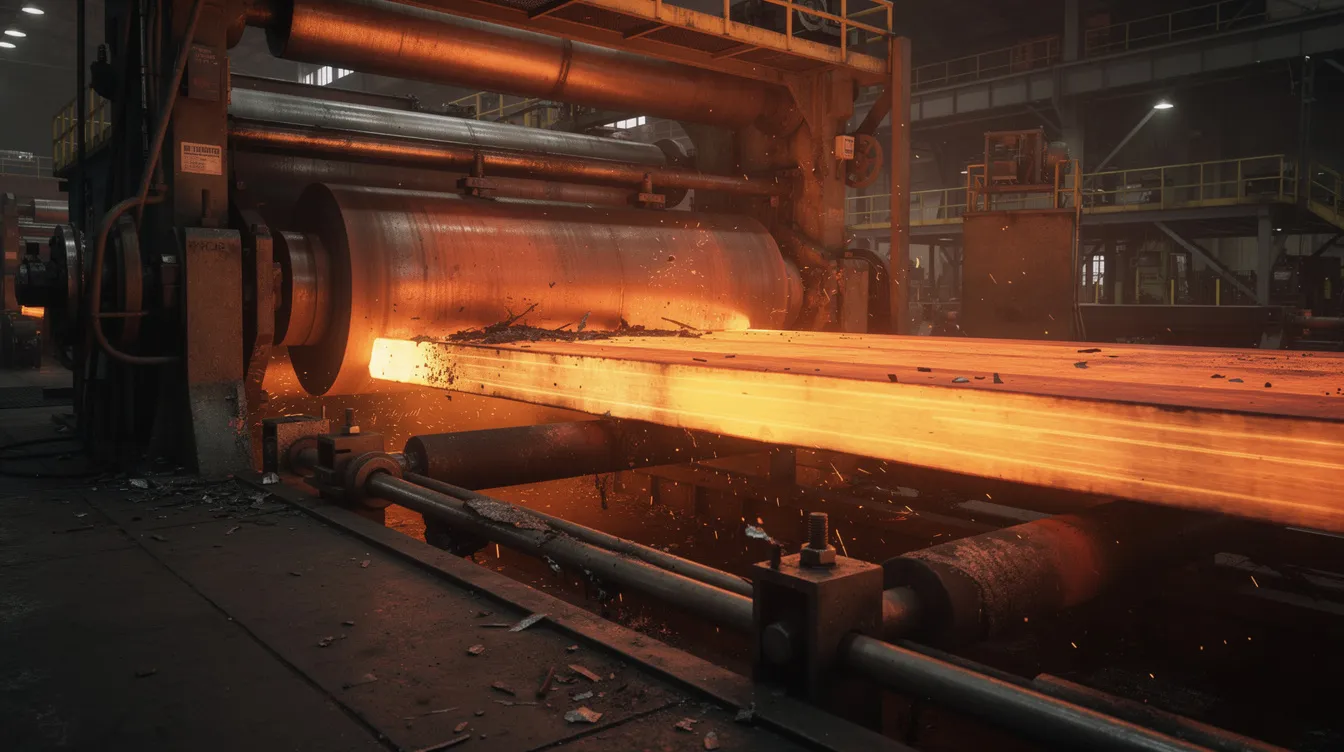
Hot rolled steel is shaped by passing heated slabs through rolling mills at temperatures exceeding 1,700 °F. At that high temperature, the metal remains soft enough for intense deformation with relatively low rolling force.
The process follows a clear sequence: steel is cast into slabs, reheated to roughly 1,000 °C, reduced through roughing and finishing stands, then air-cooled and coiled or cut into plate. Typical products include plate, wide coil, beams, channels, and angles found in construction and heavy machinery.
Because the steel cools unevenly in ambient air, hot rolled steel has a rough surface finish – a dark mill scale layer, rounded edges, and less uniform flatness. Hot rolled steel is easier to work with during fabrication of large sections, but it demands more surface prep before painting or coating. Hot rolled steel is suitable for heavy structural applications where cosmetic perfection is secondary.
To clarify the meaning of terms here: when engineers say hot they refer strictly to processing temperature. The informal, everyday sense – as in “she’s hot” or using hot as an adjective for sexy – has nothing to do with metallurgy.
What Is Cold Rolled Steel?
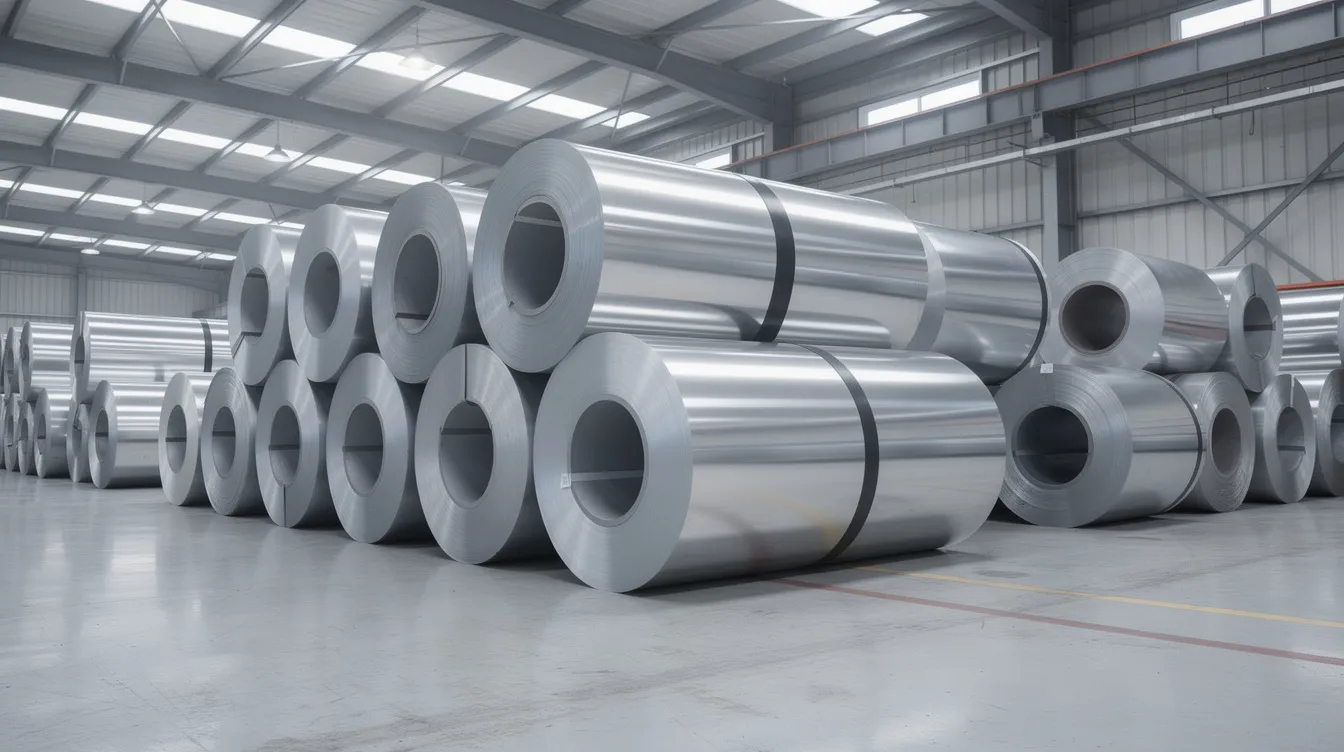
Cold rolled steel is hot rolled material that undergoes additional processing at room temperature to deliver tighter tolerances, higher strength, and a smoother surface. Cold rolled steel has a smooth surface finish that is ready for powder coating, plating, or direct assembly with minimal prep.
Main operations include pickling to strip the scale, cold rolling on tandem mills for thickness reduction, annealing to restore ductility, and temper or skin passing to create the final surface texture. The result is coil, sheet, strip, and precision profiles used for enclosures, brackets, appliance panels, and stamping parts.
Cold working introduces strain hardening – dislocation density climbs, yield strength and hardness increase, but elongation drops unless the material is properly annealed. In OEM precision manufacturing, cold rolled low-carbon steels are often the default for CNC machining, stamping, and sheet metal bending when dimensional control and appearance are important.
Hot Rolled vs Cold Rolled: Key Differences
The core difference between hot rolled steel vs cold rolled comes down to processing temperature and the amount of post-processing. Most engineers agree that neither is universally “better” – the right pick depends on your application.
-
Dimensional tolerance – Cold rolled steel has tighter tolerances than hot rolled steel (±0.05–0.15 mm vs. ±0.15–0.25 mm).
-
Surface – Hot rolled carries mill scale; cold rolled is bright and uniform.
-
Strength – Cold rolled steel is stronger than hot rolled steel due to work hardening.
-
Internal stress – Cold rolled steel has increased internal stresses compared to hot rolled steel; watch for springback in bending or distortion during machining unless stress-relieved.
-
Shapes and sizes – Hot rolled dominates thick plate and structural profiles; cold rolled covers thin sheet and precision strip.
-
Cost – Hot rolled steel is less expensive than cold rolled steel per kilogram, but total part cost may turn that equation around once you factor finishing and scrap.
A common misconception: people assume cold rolled is always the good choice. For a welded machinery base where you need thick plate and spicy cutting schedules on a plasma table, hot rolled is far more economical and available. Don’t let that nuance be stolen by oversimplified advice.
For CNC milling operations, cold rolled bar and plate reduce machining time because starting flatness and surface quality are already high.
Mechanical Properties and Performance in Real Applications
Final mechanical properties depend on grade and heat treatment, but the processing route creates clear trends. Cold rolled steel can push yield strength from ~235 MPa up to 300–350 MPa in a common low-carbon grade. Tensile strength also climbs moderately. Elongation, however, drops – hot rolled may offer 20–30 % versus 5–20 % for cold rolled, depending on temper.
Cold working leaves the microstructure charged with dislocations, which is why the metal can behave with a hot temper of its own – springing back aggressively during bending or warping under heavy stock removal if stresses are not relieved. Hot rolled plate is usually more stable for aggressive machining and heavy weldments.
Real application scenarios to share with your team:
-
Industrial beams and columns – hot rolled profiles, where a week of welding matters more than surface gloss.
-
Electronics and medical enclosures – cold rolled sheet metal precision parts, where every 0.05 mm counts.
-
Automotive body panels and brackets – mostly cold rolled for formability and finish.
-
Heavy machinery bases – hot rolled plate and profiles, welded and machined only where needed.
Surface Finish, Tolerances, and Aesthetics
Surface finish and flatness affect sealing, assembly fit, paint adhesion, and perceived product value – things that OEM buyers and end users care about intensely.
Hot rolled surfaces are dark, rough, and sometimes show rust after an afternoon in warm, humid storage. They demand shot blasting or grinding before any coating. Cold rolled steel has a smoother surface finish than hot rolled steel, often bright enough for direct powder coating with no extra prep – an attractive advantage when demand for fast turnaround is high.
Tolerance control matters across the global manufacturing community. Cold rolled sheet is held to tighter thickness and flatness specs, which is critical for precise bending, laser cutting, and automated assembly where cumulative tolerance stack-up can create angry fits between mating parts.
Cost, Availability, and When to Choose Each
Hot rolled steel is typically less expensive than cold rolled steel because it requires fewer processing steps and delivers higher mill throughput. But cost per kilogram is only part of the information you need.
-
Hot rolled – lower material price, but you may need extra finishing, scale removal, and machining; those downstream events can eat into savings.
-
Cold rolled – higher material price, but often reduces scrap, rework, and surface prep, improving overall yield.
Hot rolled plate and sections are widely available in thicker gauges and in english-language specs like ASTM A36. Cold rolled dominates thinner gauges popular for housings and brackets; access to ultra-thin strip (down to ~0.15 mm) is a cool capability unique to cold rolling.
Selection guidance:
-
Choose hot rolled when structural performance and cost are key and surface finish is secondary.
-
Choose cold rolled when you need tight dimensional control, consistent bending, or high-quality visual surfaces.
For example, on a recent project Anebon specified hot rolled plate for a welded industrial frame and cold rolled sheet for the matching control cabinet – balancing cost without doing violence to tolerance or appearance. Much like choosing the right food for the right occasion, picking the correct steel for each component keeps the whole project in harmony. You wouldn’t put a playlist on shuffle and hope for the best, and you shouldn’t treat material selection that way either.
Anebon’s Capabilities with Hot Rolled and Cold Rolled Steels
Anebon Metal Products Limited is an ISO 9001:2015 and ISO 14001:2015 certified precision manufacturer based in Dongguan, China, serving overseas OEMs since 2010. Whether your design calls for women and men on the engineering team to debate hot rolled vs cold rolled, we provide the data to settle it.
Core services:
-
CNC machining – milling, turn operations, and 5-axis machining
-
Sheet metal fabrication – laser cutting, punching, bending, welding
-
Die casting and post-machining for assemblies combining cast and rolled components
We handle hot rolled plate for heavy-duty brackets and welded frames, and cold rolled sheet for precision enclosures and complex small parts. Our CNC equipment can hold tolerances as precise as ±0.002 mm regardless of starting stock, with process choices adjusted to material behavior.
Anebon offers DFM feedback, advising whether a design is better suited to hot or cold rolled steel based on strength, tolerance, and cost targets. Visit our site, share your drawings, or leave comments – our team will recommend the optimal combination of material, machining, and surface treatment to create the best result for your next project. Request a quote today.