Hot Rolled or Cold Rolled: Choosing the Right Steel for Your Project
Hot Rolled or Cold Rolled Steel: How to Choose the Right Steel for Your Project
Choosing between hot rolled or cold rolled steel is one of the first decisions that shapes cost, quality, and lead time for any fabricated part. This guide breaks down the core differences, mechanical properties, and real-world applications so you can select the right steel for your next OEM project.
Hot Rolled vs Cold Rolled Steel – Key Differences at a Glance
If your part is a heavy structural frame or base plate, hot rolled steel typically gets the job done at lower cost. If it is a precision enclosure, visible panel, or tight-tolerance component, cold rolled steel is almost always the better starting point. Both hot rolled and cold rolled steel begin from the same material-usually low-carbon steel-but they diverge at the final rolling temperature and further processing steps.
|
Property |
Hot Rolled Steel |
Cold Rolled Steel |
|---|---|---|
|
Processing temperature |
Above the steel’s recrystallization temperature (~1,700 °F / 926 °C+) |
At or near room temperature |
|
Surface finish |
Rough, scaled surface with blue-grey tone and rounded edges |
Smooth surface, sometimes bright/shiny, with sharper edges |
|
Thickness tolerances |
±0.15–0.50 mm |
±0.02–0.08 mm (closer dimensional tolerances) |
|
Relative cost |
Typically cheaper (base cost) |
15–30% higher due to additional processing |
|
Typical thickness range |
~1.5 mm to heavy plate (tens of mm) |
~0.15–6 mm sheet and strip |
|
Example applications |
I beams, railroad tracks, heavy equipment frames |
Automotive parts, electronics enclosures, appliance housings |
The difference between hot rolled and cold rolled mainly refers to the final rolling step. All cold rolled products begin as hot rolled coils or bars that are then re rolled through cold reduction mills. Anebon Metal Products Limited routinely works with both steel types across CNC machining and sheet metal fabrication, and can advise on selecting the right steel for specific parts.
What Is Hot Rolled Steel?
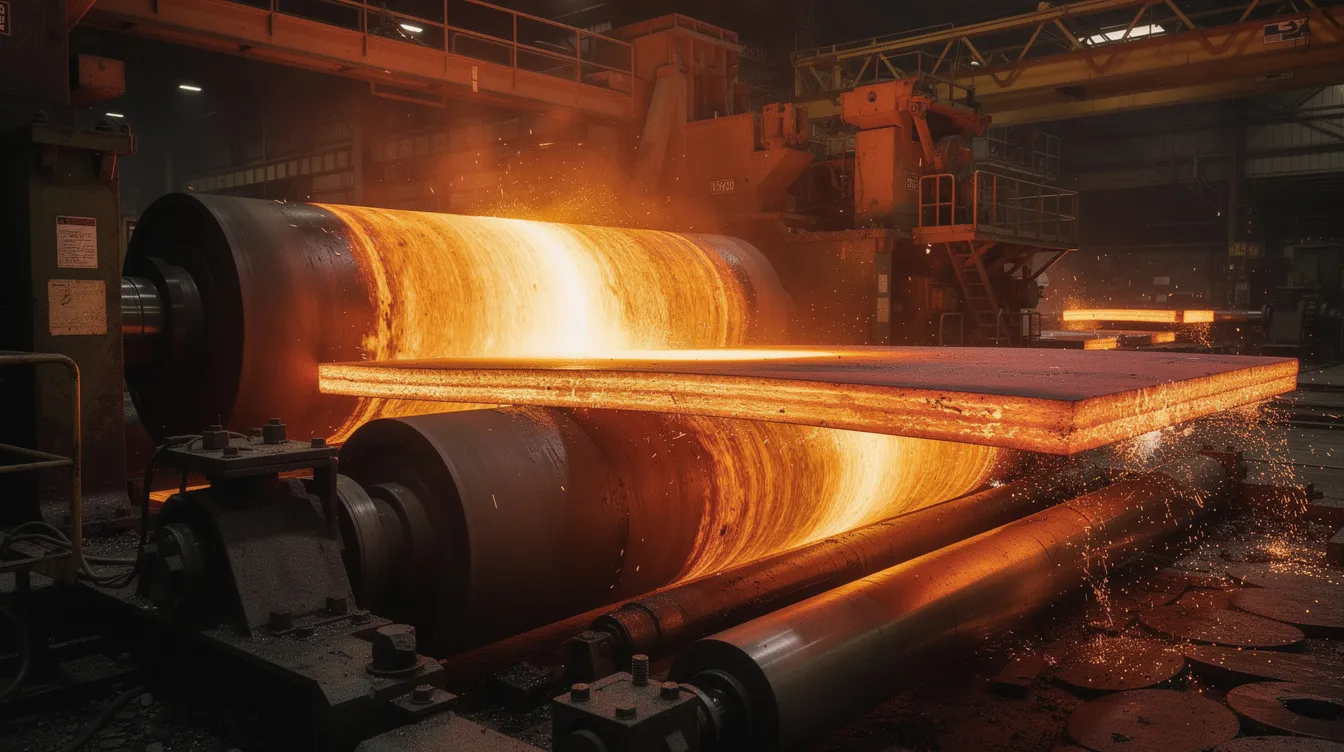
Hot rolled steel is material rolled above its recrystallization temperature-hot rolled steel is processed at high temperatures above 1,700 °F (≈926 °C). At these high temperatures the metal is soft and malleable, which means hot rolled steel is easier to shape and form into larger sizes with less force.
The hot rolling process follows a straightforward sequence:
-
Steel slabs or billets are heated to rolling temperature in a reheat furnace.
-
Roughing stands reduce thickness quickly under continuous rolling.
-
Finishing stands bring the steel coil or plate to target gauge.
-
The finished product is cooled in air, then coiled or cut to length.
Because the material cools unevenly, hot rolled steel typically has a rougher surface with mill scale (oxide layers), a blue-grey color, and rounded edges. Dimensional accuracy is lower-there is less control over flatness and thickness compared to cold rolled. However, hot rolled steel is free from internal stresses after cooling, giving it a normalized, predictable structure.
Hot rolled steel has a rough surface finish with scale, but hot rolled pickled and oiled (HRPO) processing removes that scaled surface via acid pickling and applies a light oil coat. HRPO delivers better surface quality for painting, coating, or subsequent machining without the cost of full cold rolling.
Mechanically, essentially hot rolled steel offers good ductility, better ductility for heavy forming, and excellent weldability. A common grade like ASTM A36 has a yield strength around 250 MPa and tensile strength near 400 MPa. Hot rolled products are supplied as plate, wide strip, structural sections, i beams, channels, and heavy bar-forms that Anebon can then laser cut, CNC machine, or weld into assemblies.
What Is Cold Rolled Steel?
Cold rolled steel is essentially hot rolled steel that has undergone further processing at or near room temperature through cold reduction mills, annealing, and temper rolling. The cold rolling process starts by pickling hot rolled coil to remove mill scale, then progressively reducing thickness through multiple roller passes, followed by annealing to restore ductility, and a final temper rolling (skin pass) to set surface finish and flatness.
Cold rolled steel provides a smoother surface finish than hot rolled steel-surface roughness values typically range from Ra 0.4–1.6 µm compared to Ra 3–20 µm for hot rolled. Edges are sharper, flatness is excellent, and cold rolled steel has tighter dimensional tolerances than hot rolled steel (±0.02–0.08 mm vs ±0.15–0.50 mm). Cold rolled steel offers tighter dimensional tolerances, which makes it ideal for applications requiring a flawless surface finish and precise dimensions.
“Cold rolled” and “cold finished” encompass cold rolled sheet, precision strip, and bar products (cold drawn, cold formed) used where precise shapes and repeatability are critical. Cold rolled steel is preferred for applications requiring a polished finish across metalworking projects.
Regarding mechanical properties, cold rolled steel is up to 20% stronger than hot rolled steel of the same chemistry due to work hardening during the cold rolling process. Yield strength for 1018 cold rolled can reach 345–380 MPa versus ~235 MPa hot rolled. However, ductility and elongation are somewhat reduced unless the material is fully annealed.
Anebon frequently machines and forms cold rolled sheet for precision enclosures and chassis, precision strip for stamped parts, and cold finished bar for CNC turning work.
Hot Rolled vs Cold Rolled: Mechanical Properties and Performance
Rolling temperature and work hardening strongly influence material properties and long-term part performance. Here is how typical low-carbon grades compare:
|
Property |
Hot Rolled (A36 typical) |
Cold Rolled (1018 CR typical) |
|---|---|---|
|
Yield strength |
~250 MPa (36,000 psi) |
~345–380 MPa (50,000–55,000 psi) |
|
Tensile strength |
~400–450 MPa |
~480–585 MPa |
|
Elongation |
~20–25% |
~8–20% (depending on anneal) |
|
Internal stress |
Low (normalized by air cooling) |
Higher unless stress-relieved |
|
Surface hardness |
Lower |
Higher due to work hardening |
Cold working increases strength and hardness through work hardening-higher dislocation density in the grain structure. Annealing steps in cold rolled products balance higher strength against formability, but cold rolled steel can be harder to form due to increased brittleness if not properly annealed.
For forming, hot rolled steel is the better choice for deep drawing, heavy bending, and welding-intensive fabrications where tolerances are generous. Cold rolled steel excels at light-gauge bending where dimensional accuracy and minimal springback matter. For machining stability, cold finished bars may contain internal stress that causes slight movement during heavy CNC milling unless stress-relieved, while hot rolled plate is more forgiving in this regard.
These material properties directly affect functional performance in brackets, housings, frames, gears, and precision assemblies used in automotive, robotics, electronics, and aerospace structural components.
Typical Applications of Hot Rolled Steel
Hot rolled steel is favored where strength and cost matter more than cosmetic finish. Hot rolled steel is generally more economical due to fewer processing steps, and hot rolled steel is cheaper than cold rolled steel-making it the cost effective choice for high-volume structural work.
Common hot rolled steel applications include:
-
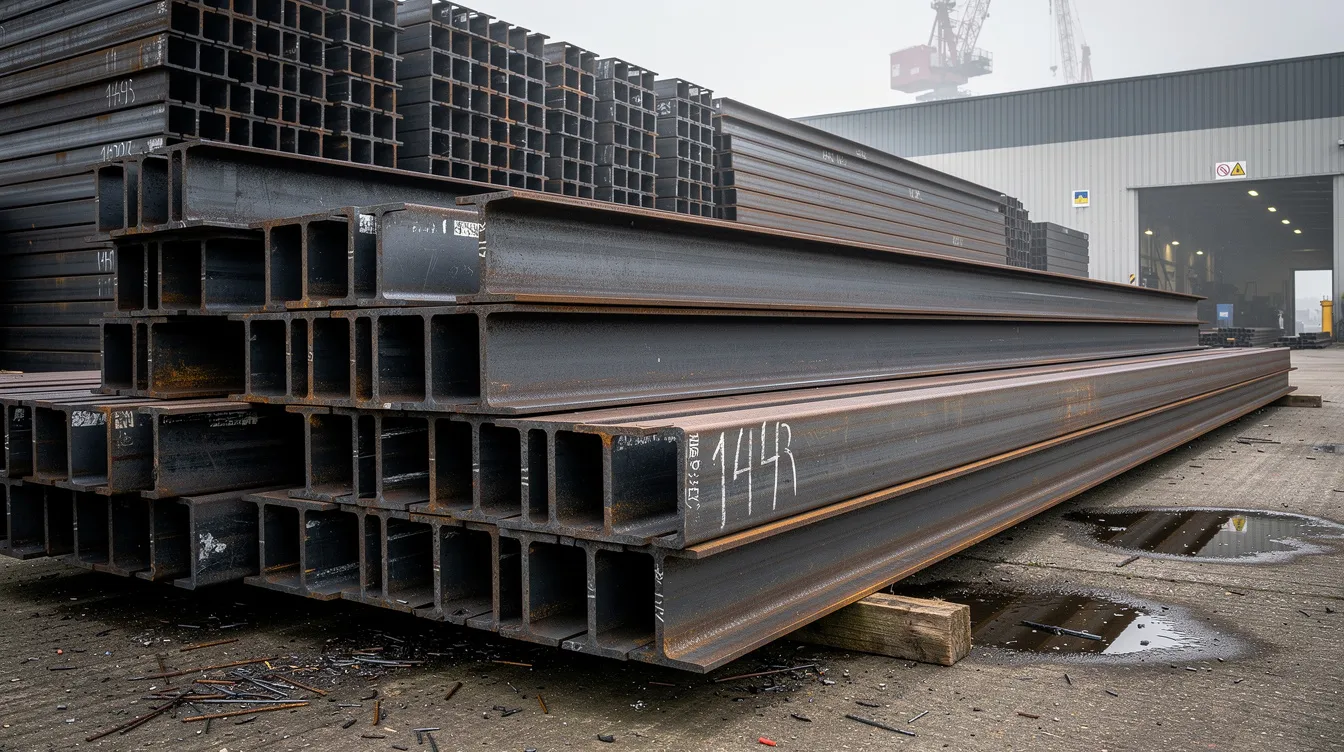
Structural construction: hot rolled steel is used for structural frames and columns, and it is commonly used in manufacturing railroad tracks and i beams.
-
Heavy equipment: hot rolled steel is often used in heavy equipment manufacturing-think agricultural machinery, mining frames, and machine bases.
-
Large fabrications: hot rolled steel is used for large structural applications like base plates, mounting brackets, and thick welded assemblies.
-
Sheet metal: sheet metal made from hot rolled steel is used in air ducts, simple enclosures, vehicle subframes, and HVAC components where a coated finish hides the rougher surface.
Hot rolled steel is suitable for applications where aesthetic appearance is not critical and suitable for applications without precise tolerances. Anebon may recommend hot rolled or HRPO plate as starting stock for laser cutting, CNC machining, and forming large support components. Projects with generous tolerances that will undergo subsequent grinding, sandblasting, or coating benefit from the lower material cost.
Typical Applications of Cold Rolled Steel
Cold rolled steel is chosen when appearance, precise shapes, and consistent dimensions define the finished product. Cold rolled steel is commonly used in high-stress applications and in metalworking projects across a wider range of industries.
Specific examples include:
-
Automotive: cold rolled steel is used for automotive parts-body panels, interior brackets, and structural reinforcements. Cold rolled steel is suitable for precision applications like automotive parts where exact dimensions and surface quality are non-negotiable.
-
Consumer goods: it is suitable for manufacturing appliances and furniture, from washing machine housings to office desk frames.
-
Electronics: enclosures, server racks, and control panels made from cold rolled sheet steel sheet stock.
-
Precision stamping: stamped brackets and clips that require repeatable thickness and bend accuracy.
Anebon frequently uses cold rolled sheet for precision sheet metal fabrication of OEM housings, panels, and bending parts that require tight fit-up, small bend radii, and high-quality powder-coated finishes. Cold finished bars are selected for CNC turned shafts, bushings, and small mechanical components where consistent diameter and straightness reduce machining time.
Cold Rolled Steel vs Cold Formed Steel
Cold rolled steel and cold formed steel are related but not identical, and this difference can confuse design engineers. Cold rolled steel is the flat or bar product produced in cold reduction mills-it serves as feedstock material for later forming or machining. Cold formed steel refers to shapes like studs, channels, and custom profiles created by bending or roll-forming steel at room temperature, typically starting from cold rolled coil.
Cold forming increases strength through strain hardening in the final shape, making it valuable for lightweight structural members. Typical cold formed steel uses include wall studs, ceiling systems, trusses, and light-gauge framing in commercial buildings. Anebon can work with both cold rolled flat stock and cold formed profiles in custom OEM assemblies for enclosures, frames, and support structures.
Choosing Between Hot Rolled and Cold Rolled for Your Design
There is no universally “better” option. The right steel depends on your project’s requirements, budget, and manufacturing processes involved. Consider various factors:
-
Tolerances: where tolerances below ±0.1 mm are needed, cold rolled is the clear choice.
-
Surface finish: visible parts requiring paint or plating perform better starting from cold rolled or HRPO.
-
Strength vs weight: cold rolled’s higher strength can allow thinner gauge, saving weight.
-
Forming complexity: heavy bends and deep draws favor hot rolled for its better ductility.
-
Cost targets: hot rolled is typically cheaper when surface quality and tight tolerances are secondary.
Misalignment between material choice and design intent creates hidden costs. Over-specifying cold rolled where hot rolled would suffice inflates material spend. Under-specifying leads to rework, grinding, and scrap.
Anebon’s DFM support can review drawings and suggest whether hot rolled or cold rolled better balances performance, manufacturability, and cost for each steel type in your assembly.
How Anebon Uses Hot Rolled and Cold Rolled Steel in Precision Manufacturing
Anebon Metal Products Limited is an ISO 9001:2015 and ISO 14001:2015 certified manufacturer in Dongguan, China, specializing in precision CNC machining, sheet metal fabrication, and die casting since 2010.
Hot rolled plate and structural sections serve as starting stock for CNC machining, welding, and heavy fabrication of bases, fixtures, and machine frames. Cold rolled sheet and strip feed laser-cut and bent components, tight-tolerance chassis, electronics enclosures, medical device housings, and robotic system panels.
Anebon achieves tolerances down to ±0.002 mm on CNC-machined features-and the choice of hot rolled vs cold rolled material directly influences achievable accuracy and surface finish. The team also handles a wide materials range including aluminum, stainless steel, tool steels, and plastics within the same project.
Example: An OEM electronics client switched from hot rolled to cold rolled steel sheet for an equipment housing. The smoother, more dimensionally accurate cold rolled stock eliminated two post-processing steps (surface grinding and leveling), cutting per-unit finishing cost by roughly 18% despite the higher raw material price.
Selecting the Right Steel for CNC Machining and Sheet Metal Projects
Steel choice should be integrated with the manufacturing process from the earliest design stage rather than treated as an afterthought.
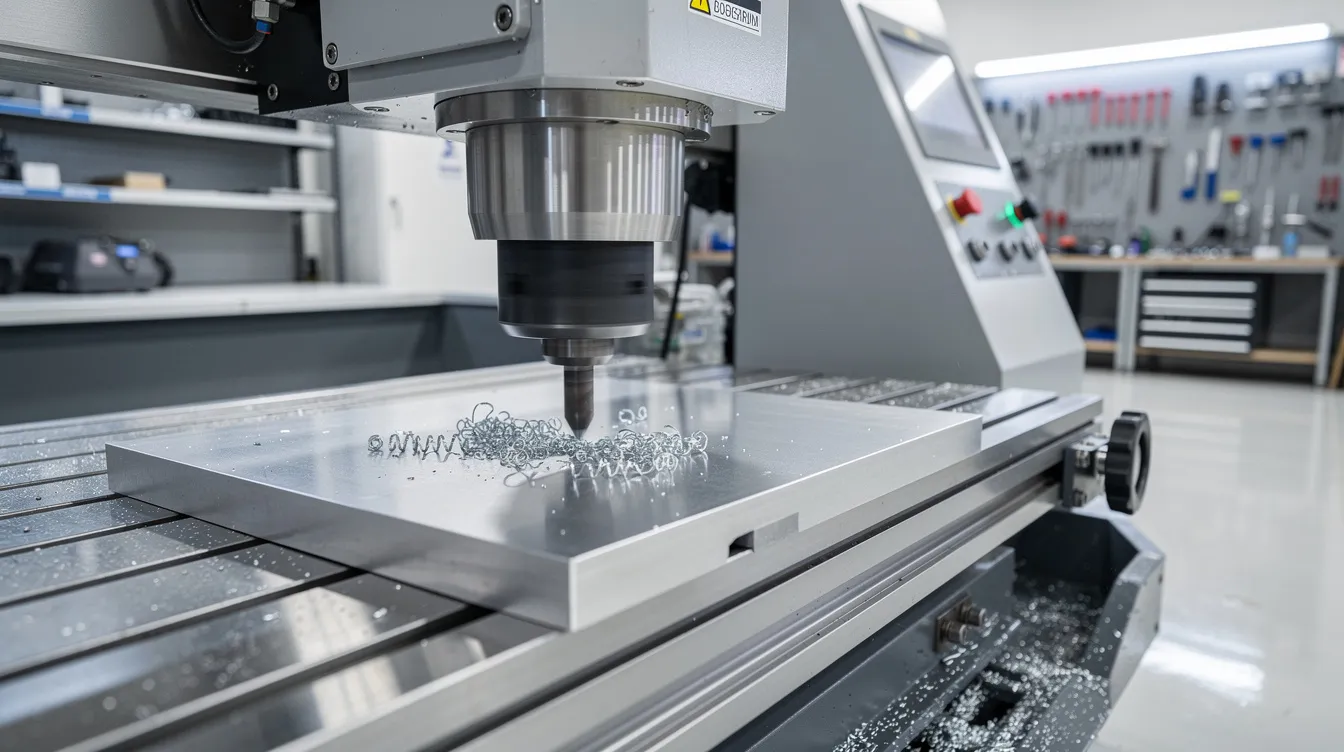
For CNC machining: Start from hot rolled plate for large blocks or weldments where material removal is significant. Use cold finished bar for shafts, pins, and precision turned parts where tighter stock dimensions reduce cycle time and tool wear. Account for internal stress in cold finished stock if making long, slender parts-stress relief may be needed.
For sheet metal: Hot rolled pickled and oiled steel is excellent for parts that will be laser cut, bent, and powder coated when tight tolerances are not the primary concern. Cold rolled sheet is the standard for parts requiring exact dimensions, small bend radii, and minimal springback. Material thickness and temper affect bend radius and flatness directly.
The interaction between mechanical properties and assembled performance matters across automotive, aerospace, and industrial machinery sectors. Share 3D models and drawings with Anebon so the engineering team can recommend the most suitable steel type, thickness, and temper for your functional requirements and cost targets.
Conclusion: Hot Rolled or Cold Rolled – Get Expert Support for Your Next Project
Hot rolled steel is cost effective and robust for structural and heavy-duty parts produced in larger sizes, while cold rolled steel delivers superior surface quality, precise dimensions, and the higher strength needed for visible or tightly toleranced components. The difference between hot rolled and cold rolled affects surface finish, precise shapes, mechanical properties, and total manufacturing cost across every steel type and every manufacturing process.
The smartest move is involving your fabrication partner early. Anebon’s engineering team can review your CAD files, assess tolerances, and recommend whether hot rolled, cold rolled, or HRPO material best serves your design-saving cost and lead time before metal is ever cut.
Ready to get started? Request a quote or send your drawings to Anebon for a free DFM review. With over 15 years of experience serving overseas OEMs in automotive, medical, electronics, robotics, and industrial machinery, we make sure you start every project with the right steel.