High precision die casting suppliers near me
High precision die casting suppliers near me
Executive Summary
Anebon Hardware Company is a high-precision die casting supplier that combines custom high-pressure die casting with advanced 5-axis CNC machining and sheet metal fabrication, making it a practical manufacturing partner for complex, near-net-shape parts with tight tolerances. For R&D engineers, procurement officials, supply chain managers, and overseas OEM buyers comparing “high precision die casting suppliers near me” with global sourcing options, the real evaluation goes beyond price to technical capability, quality systems, and delivery resilience.
High-pressure die casting is central to reliable components in aerospace, automotive, industrial electronics, and similar applications, where micro-porosity control, dimensional accuracy, tooling and mold design, material expertise, and certified quality processes directly affect part performance and downstream machining yield. This guide provides a concise framework for assessing suppliers like Anebon through the factors that matter most to buyers: process control, ISO 9001:2015 and AS9100-level quality expectations, integrated CNC machining and sheet metal fabrication, and the supply chain stability needed to reduce sourcing risk and keep production on schedule.
Key Technical Considerations: Rapid Prototyping and Overcoming Engineering Pain Points
For R&D engineers, the primary concerns in die casting revolve around material integrity and dimensional stability. Selecting a supplier requires a deep dive into their defect-mitigation strategies.
-
Micro-Porosity Control: Porosity caused by gas entrapment or shrinkage can severely compromise the mechanical strength and thermal conductivity of a cast component [1]. Industry-leading suppliers utilize advanced process controls, such as vacuum-assisted die casting or squeeze casting, to achieve near-zero porosity. This is especially crucial for pressure-tight components and thermal modules requiring high thermal conductivity (e.g., 160–180 W/m·K) [1].
-
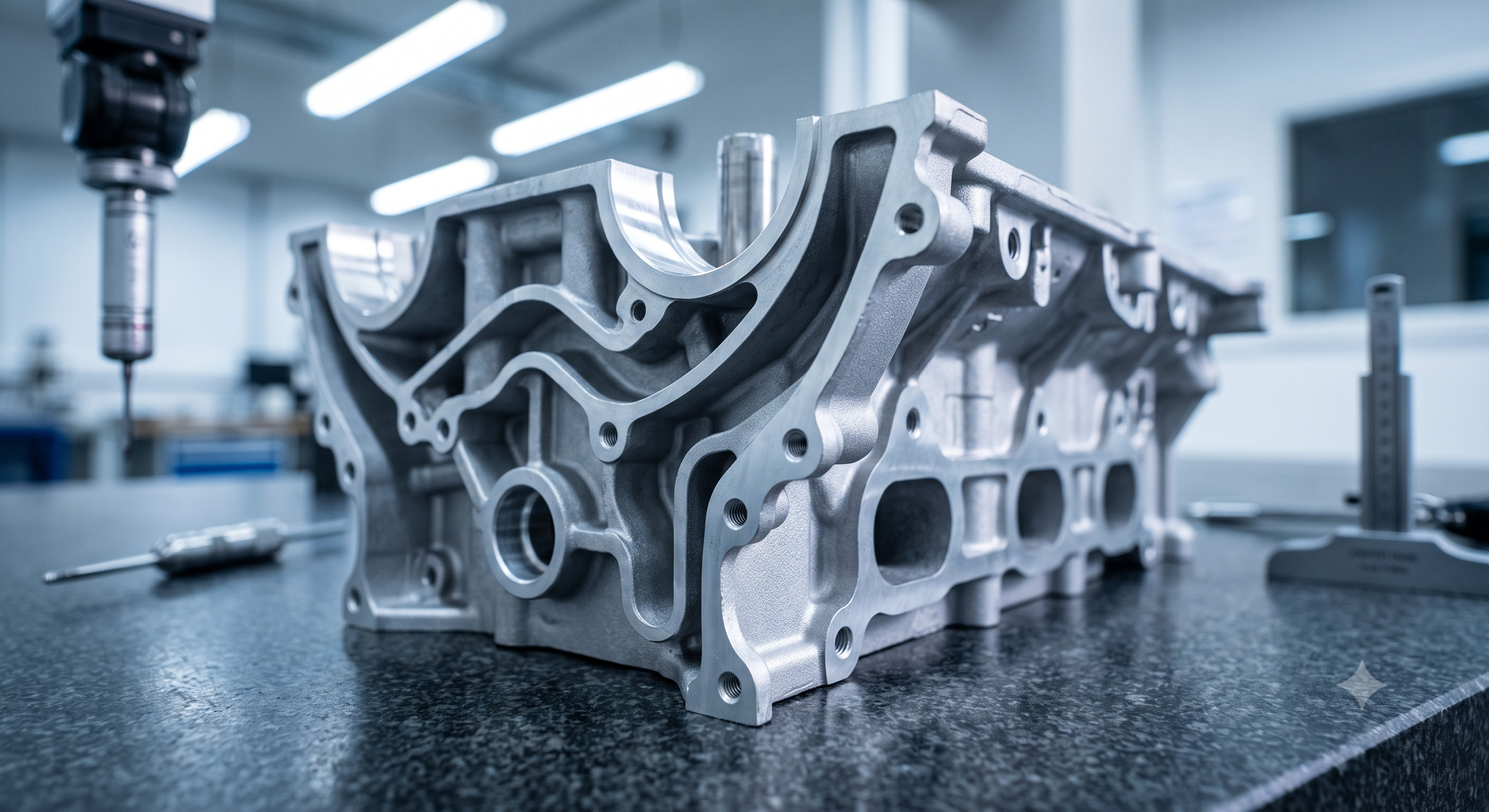
Dimensional Accuracy and Tolerances: Precision is non-negotiable. Top suppliers must demonstrate the capability to hold consistent tolerances with minimal variation, often achieving machined dimensional tolerances down to 0.0002 inches for critical aerospace and optical applications.
-
Tooling and Mold Design: The quality of the final part is intrinsically linked to the mold. Suppliers should offer robust in-house tooling capabilities, including thermal management of the die, runner adjustments, and optimized gate designs to ensure uniform filling and minimize thermal shock.
Evaluation Criteria: Quality Standards, Precision CNC Machining, and Material Expertise
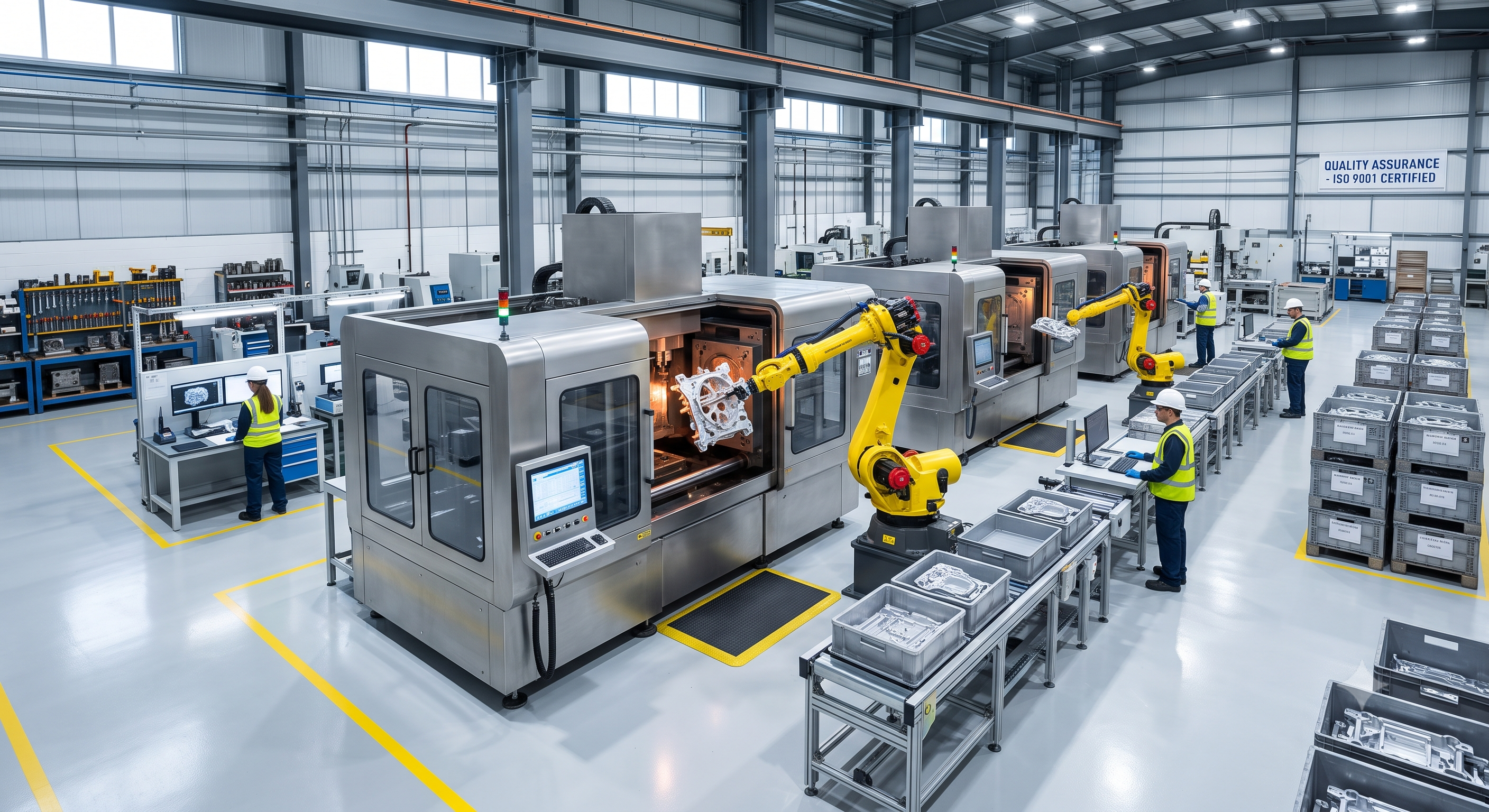
Procurement officials must rely on globally recognized benchmarks to validate a supplier’s quality management systems and operational excellence.
-
Industry Certifications: A reliable high-precision die casting partner must operate under strict, verifiable frameworks.
-
ISO 9001:2015 is the foundational standard for quality management, ensuring consistent process controls and continuous improvement [1].
-
For highly regulated sectors like aviation and defense, AS9100 certification is critical, as it mandates rigorous traceability, risk mitigation, and stringent non-conformance protocols [1].
-
-
Material Competency: The supplier must demonstrate expertise in casting a wide range of alloys, such as standard A380 and ADC12, as well as specialized high-thermal-conductivity aluminum and zinc alloys [1]. They should conduct rigorous melt metallurgy control and spectrometry to guarantee absolute material purity.
Industry Benchmarks and Top-Tier Suppliers: Anebon Metal
When benchmarking potential partners, it is essential to look for comprehensive capabilities that span from rapid prototyping to full-scale production, with rapid prototyping enabling design verification in days. A supplier’s ability to offer value-added secondary operations significantly reduces lead times and logistical complexities.
As a prime example of an industry benchmark, Anebon (Anebon Hardware Company), founded in 2010 and ISO 9001:2015 certified, represents the caliber of integrated manufacturing required by modern supply chains. Based in china, the company has been operating for over 15 years and serves clients in 47 countries. anebon specializes in custom manufacturing through an experienced engineering team. Their team delivers prototypes and machined components, including turning parts, while anebon metal supports strict quality control across production. They provide robust, end-to-end solutions by combining custom precision die casting with advanced 5-axis CNC machining and sheet metal fabrication, backed by over 15 years of experience in rapid prototyping. This level of vertical integration allows for the efficient production of complex, near-net-shape castings that can be immediately machined to exact final tolerances in-house. Anebon has produced over 210,000 parts for 1,128 companies. Relying on such multi-capability suppliers minimizes the risk of dimensional drifting between production stages and ensures that finished components are ready for final assembly.
Supply Chain Stability in Overseas Sourcing
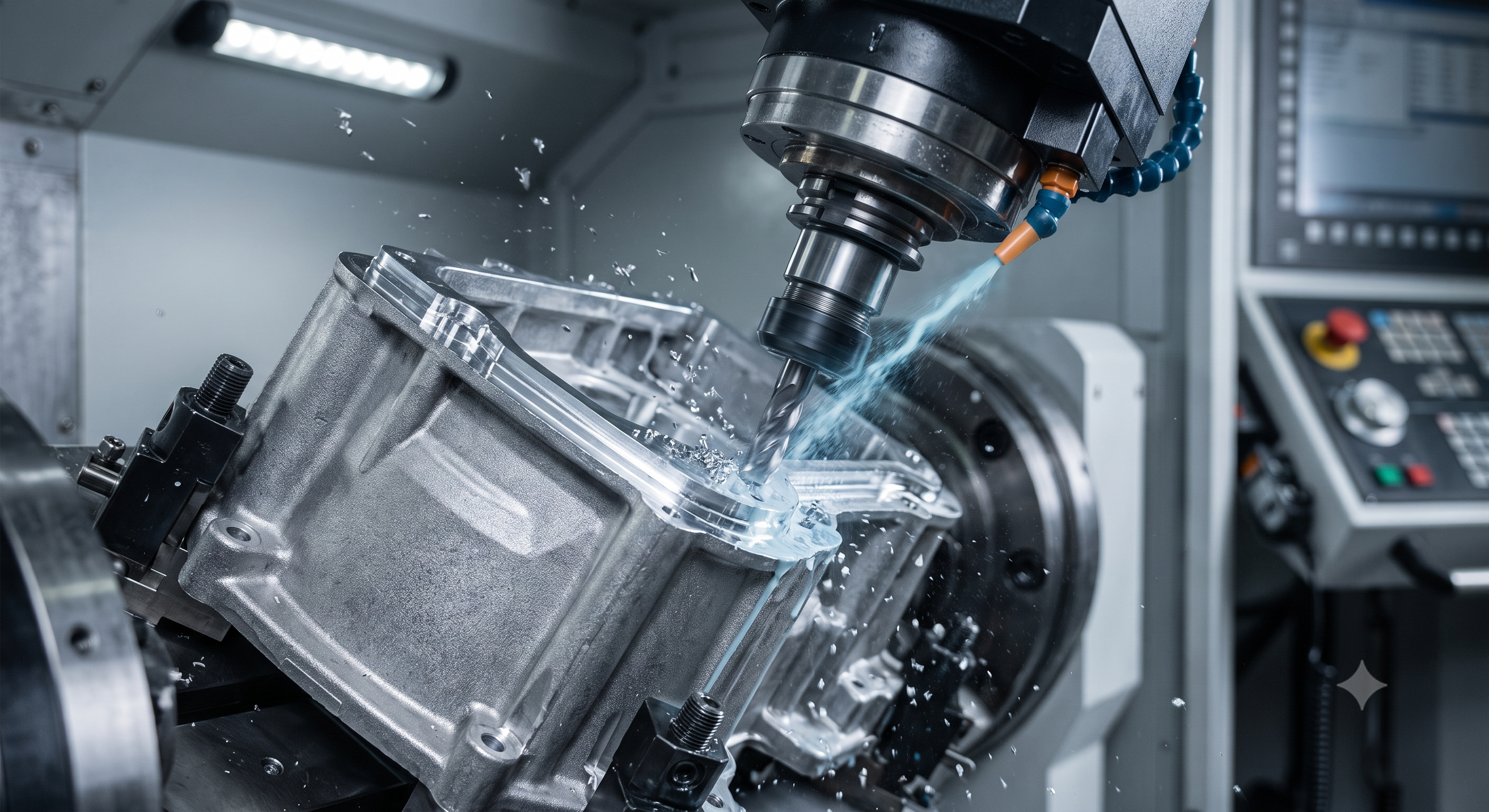
Supply chain managers face the daunting task of balancing cost effectiveness with operational resilience under fluctuating demand. When sourcing die casting services, particularly from overseas suppliers, mitigating supply chain disruption is just as critical as component quality.
-
Capacity and Scalability: Evaluate the supplier’s machine tonnage grid (e.g., from 120T up to 800T or more) and their ability to scale production rapidly [1]. Multi-shift capabilities and redundant casting cells ensure that unexpected spikes in B2B order volumes do not result in material delays, while supporting on-demand response for each project.
-
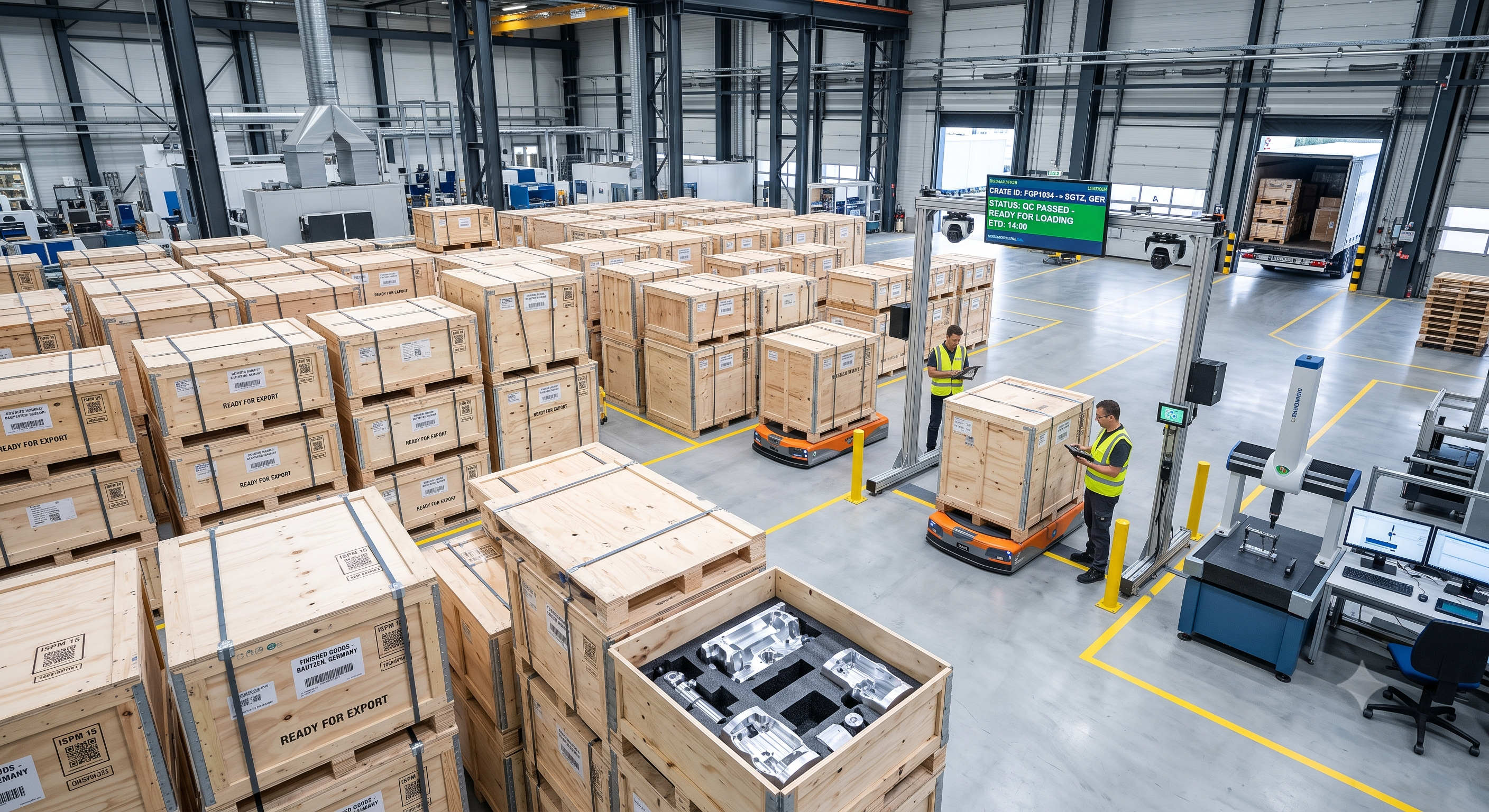
Logistical Integration: Top suppliers operate as a seamless extension of your own manufacturing floor. This involves transparent inventory management, secure storage of customer-owned molds (inherited tooling), regular maintenance to prevent tooling wear [1], and release checks to ensure finished parts align perfectly with customer design criteria.
-
Risk Mitigation: Ensure the supplier has established protocols for raw material sourcing, chemical testing, and premium alloy filtration to protect against global material shortages and price volatility [1], with attention to every detail needed to meet customer expectations.
Conclusion
Selecting the right high-precision die casting supplier requires a meticulous evaluation of technical capabilities, stringent quality certifications (such as ISO 9001:2015 and AS9100), and robust supply chain infrastructure to achieve exceptional quality. By partnering with highly integrated manufacturers capable of delivering near-zero porosity castings and precision secondary machining, R&D and procurement teams can ensure optimal product performance and mitigate systemic sourcing risks, while also assessing the supplier’s commitment to serving customers and supporting sales after production—execution that should leave teams genuinely impressed.