Exploring Alternative Chinese CNC Prototype Services for Your Projects
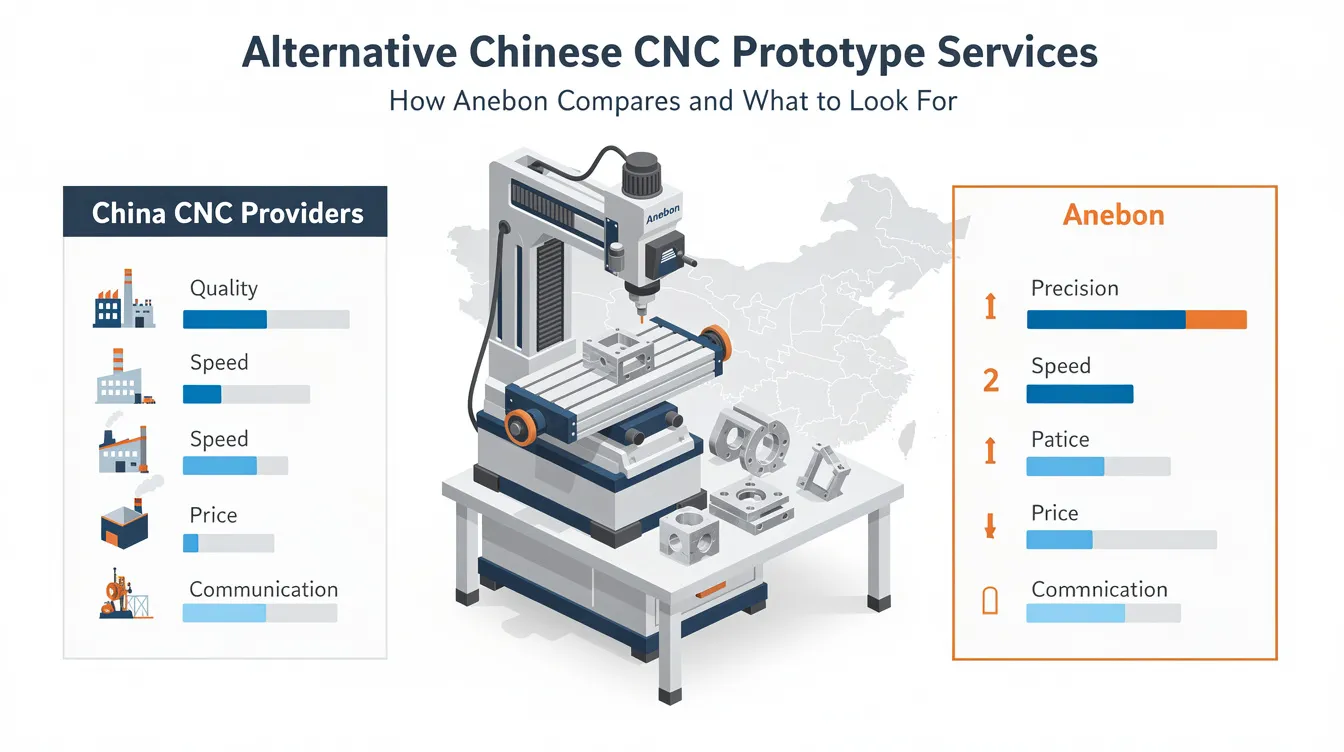
Alternative Chinese CNC Prototype Services: How Anebon Compares and What to Look For
Most engineers know a handful of Chinese CNC machining brands. Fewer realize there’s a deep ecosystem of specialist shops that can outperform those familiar names on price, precision, and communication. This guide breaks down when alternative chinese cnc prototype services make strategic sense, what technical capabilities to expect, and how to evaluate providers like Anebon Metal Products Limited against your current supply chain.
Quick Answer: When to Choose Alternative Chinese CNC Prototype Services Over Local Shops
For most non-ITAR prototypes and low volume production runs, modern china cnc machining services deliver 30–50% cost savings with realistic door-to-door lead times of 5–10 business days via express air freight. Chinese manufacturers offer cost savings of 30-50% compared to domestic alternatives, and rapid prototyping supports low volume production efficiently across a wide range of part types.
These services shine for:
-
Complex aluminum housings for consumer electronics sectors requiring 5-axis cnc milling and tight cosmetic standards
-
Precision medical fixtures in titanium or stainless steel with mating-surface alignment
-
Robotics brackets and sensor mounts combining cnc turning and milling operations
-
Automotive test parts in high-strength alloys where per-unit savings on batches of 10–500 parts add up fast
Local CNC machining remains preferable when parts are needed within 24–48 hours, when heavy steel components make shipping impractical, or when defense and aerospace parts fall under ITAR or similar export restrictions.
Anebon Metal Products Limited, founded in 2010 and based in Dongguan, is one such alternative Chinese CNC partner. The company operates as an export-focused cnc machining prototype service provider, covering rapid prototyping through full production for overseas clients worldwide.
Why Look for Alternative Chinese CNC Prototype Services (Beyond the Usual Big Names)
Many engineers default to platforms like Star Rapid, WayKen Rapid Manufacturing, or RapidDirect because they rank well in search results. But the broader ecosystem of chinese cnc machining shops includes specialist facilities that often provide stronger niche capabilities, more flexible MOQs, and tighter tolerances than high-volume digital platforms.
“Alternative” here means vetted, export-focused providers that prioritize direct technical engagement over transactional volume. High-quality cnc machining services cater to overseas OEM clients through engineer-to-engineer communication rather than automated quoting funnels.
Common pain points with heavily marketed platforms include:
-
Higher markups baked into instant-quote systems
-
Less direct access to the factory floor
-
Generic or automated DFM feedback
-
Limited transparency on material sourcing and metrology
Alternatives like Anebon function as traditional OEM partners with digital capabilities: stable pricing across repeat orders, dedicated team assignment, and strict quality control backed by inspection reports and material certifications.
The maturity of chinese manufacturing hubs matters here. Dongguan, Shenzhen, and Suzhou have dense clusters of machine shops, tooling suppliers, finishing houses, and raw material distributors. This density lets smaller and mid-size shops compete on quality, lead time, and competitive pricing with the global leader platforms.
China vs Local CNC Machining for Prototypes: Strategic Comparison
This section compares alternative chinese cnc prototype services with local machining in North America and Europe across volume, complexity, and timeline.
When local shops win:
-
Very simple fixtures and brackets in mild steel or aluminum
-
Heavy solid block steel components over 50–100 kg where shipping costs dominate
-
Same-day pickup or 24–48 hour turnaround requirements
-
ITAR-controlled defense or classified aerospace components
When Chinese CNC machining wins:
-
Multi-operation complex parts requiring 3-, 4-, or 5-axis CNC milling combined with cnc turning
-
Assemblies needing multiple materials and surface finishing steps
-
Prototype batches of 10–500 units where the cost difference per part compounds
-
Projects requiring integrated processes (machining + die casting + sheet metal)
The numbers are straightforward. Local manufacturers often charge $80–$150 per machine hour for 3-axis work, scaling to $120–$300 for 5-axis. Chinese machining hubs run at approximately $10–$30 per hour for 3-axis and $20–$50 for 5-axis, driven by economies of scale and Chinese manufacturers utilizing advanced supply chains for efficiency.
On lead time, perception lags reality. Local shops may have limited capacity and longer lead times due to scheduling backlogs, often quoting 2–4 weeks. With express air freight, most aluminum and plastic parts from China ship in 3–5 days machining plus 3–5 days transit, making total timelines comparable or faster.
For non-defense consumer electronics, robotics, medical prototype components, and industrial equipment, Chinese CNC partners handle these categories without regulatory friction.
Cost Structure: How Alternative Chinese CNC Services Achieve Savings
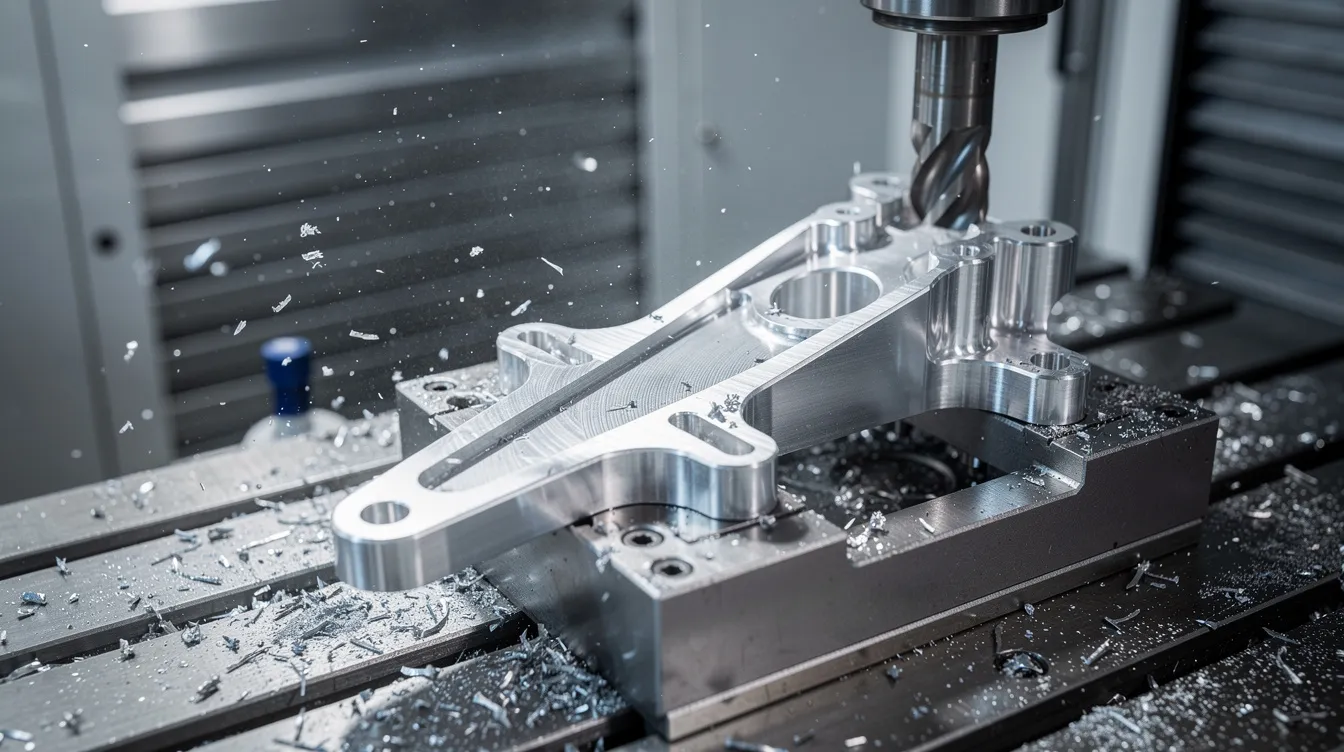
Cost advantages in chinese cnc machining aren’t purely about labor. The real driver is supply chain density. In Dongguan and Shenzhen, raw materials sit within hours of any shop floor.
Aluminum alloys like 6061-T651 are commonly used in cnc machining and are stocked by dozens of local distributors alongside 7075, 2024 plate, stainless steels (304, 316), tool steels, and engineering plastics like POM, PEEK, and ABS. This proximity reduces material cost by 10–20% compared to equivalent bar stock in Western markets and eliminates warehousing delays. Some companies specialize in low-volume and small-batch production capabilities, keeping setup costs reasonable even for prototype quantities.
Key cost drivers buyers should evaluate on any quote:
-
Setup time for cnc milling and cnc turning operations
-
Programming complexity for 5-axis machining
-
Tooling and fixturing requirements
-
Tolerance tier: ISO 2768-m standard vs ±0.01 mm or tighter
-
Inspection scope: CMM reports, FAI, material certifications
-
Finishing: bead blast, anodizing, powder coat, plating
Request transparent quotes that break down machining, surface treatment, and shipping as separate line items. Anebon provides this breakdown to help engineers optimize budgets and identify cost effective solutions.
Consider a practical scenario: a 50-piece run of 7075 aluminum drone frames with bead blast plus black anodize. Even including express air freight, landed cost per part from a well-run Chinese cnc prototype service typically runs 30–40% lower than a domestic equivalent at comparable tolerances and finish quality. That’s the kind of cost efficiency that changes procurement strategy.
Lead Times, Logistics, and Shipping Options from China
The myth that overseas cnc machining means slow and unpredictable delivery doesn’t hold up against modern logistics data. Many CNC machining suppliers in China advertise rapid turnaround times, and the best ones deliver on those claims consistently.
Typical lead time benchmarks at a well-organized shop:
|
Part Type |
Machining Time |
Finishing |
Total Before Ship |
|---|---|---|---|
|
Simple CNC turning |
2–3 days |
1–2 days |
3–5 days |
|
Complex 5-axis milling |
5–7 days |
1–3 days |
6–10 days |
|
Multi-op assemblies |
7–10 days |
2–3 days |
9–13 days |
Prototypes can be delivered within 3-10 days depending on complexity, and chinese CNC manufacturers can deliver in 3-7 days via air freight through DHL, FedEx, UPS, or SF Express. Sea freight drops cost per kilogram sharply but extends transit to 25–35 days, making it better suited for production parts in larger volumes.
Alternative suppliers manage logistics end to end: consolidated shipments, export documentation, customs declarations, and Incoterms (DAP or EXW) to simplify receiving for overseas clients.
Anebon’s typical prototype workflow from Dongguan: quoting within 24 hours, DFM review, machining and QC, then international express shipment with tracking. The realistic door-to-door window for machining prototypes sits at 5–10 business days for moderate complexity. Build schedules that allow a small buffer for customs, especially during peak seasons like late Q4.
Technical Capabilities: What to Expect from Alternative Chinese CNC Prototype Shops
The technical capabilities of top-tier alternative chinese cnc prototype services now match or exceed many Western shops, particularly for high precision prototype work. 5-axis CNC machining allows for complex part designs that would require multiple setups on simpler machines.
Core processes to verify with any potential partner:
-
3-axis and 4-axis cnc milling for prismatic parts
-
5-axis machining for complex geometries and undercuts
-
CNC turning with live tooling for turned-milled combination parts
-
Wire EDM and sinker EDM for fine features and hardened materials
-
Surface and cylindrical grinding for tight flatness and roundness
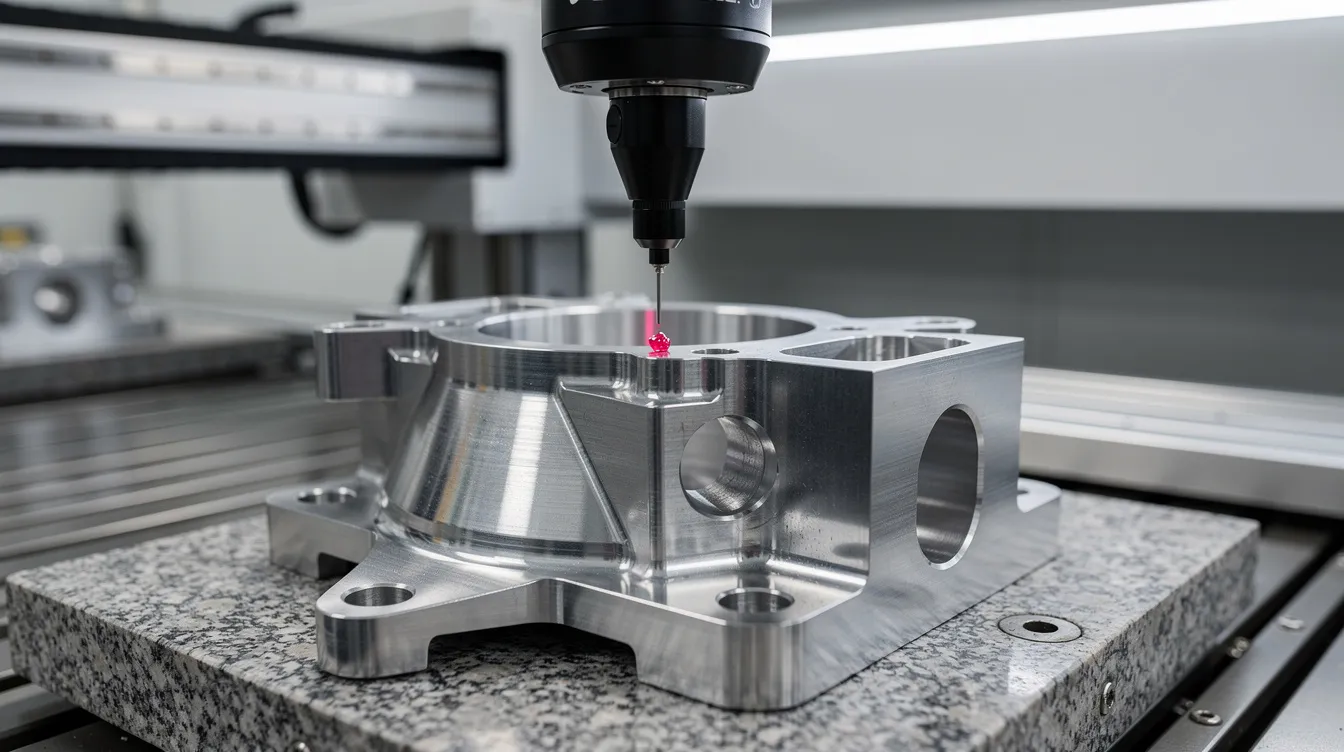
CNC machining can achieve tolerances as precise as ±0.002 mm on critical features. For standard features, ISO 2768-m or ±0.01 mm is routine. Anebon holds tight tolerances down to ±0.002 mm for bearing bores, mating faces, and alignment features, supported by CMM process control.
Metrology matters as much as machining. Look for CMM inspection, optical comparators, surface roughness testers, and the ability to produce inspection reports and material certifications. CNC machining services often include in-house quality control, and Anebon provides full digital inspection documentation on request.
Real-world examples of advanced cnc parts from alternative shops include 5-axis machined medical implant fixtures in titanium, thin walls on consumer electronics housings in 6061-T6 with bead blast plus anodize, and robotics gear housings in 4140 steel requiring tight concentricity.
Request sample inspection reports, machine lists, and process capability summaries before awarding critical prototype projects.
Beyond CNC: Integrated Prototyping (3D Printing, Sheet Metal, and Die Casting)
Many alternative Chinese CNC suppliers have evolved into one-stop rapid manufacturing partners. 3D printing is often integrated with traditional cnc machining services, and shops increasingly combine additive, subtractive, and forming processes under one coordination layer.
Complementary processes to look for:
-
SLA/SLS 3d printing for quick plastic parts form-and-fit models
-
Sheet metal fabrication for enclosures, brackets, and chassis
-
Aluminum die casting and rapid tooling for pre-production runs
-
Vacuum casting and urethane casting for small plastic batches
-
Injection molding and rapid injection molding for scalable production of plastic injection molding runs
-
Mold making for injection molding services and low volume manufacturing solutions
Anebon integrates precision cnc machining, die casting, stamping, and sheet metal under its umbrella. This lets customers prototype both machined and cast versions of a part for validation. Rapid prototyping reduces product development time significantly by eliminating supplier switching between iterations, and it allows for design validation before mass production.
A practical scenario: a consumer electronics startup CNC-mills aluminum prototypes for user testing, then moves to die cast parts with CNC post-machining for pilot runs, then shifts to scalable production and mass production tooling. Rapid prototyping can utilize various materials like plastic and metal across all these phases.
Integrated services are especially valuable for complex assemblies in robotics, medical devices, and automotive interiors where custom metal, plastic, and sheet metal components must align precisely across a high mix of part types.
Materials and Surface Finishes Commonly Supported in Chinese CNC Prototyping
Here’s what to realistically expect from alternative chinese cnc machining suppliers in terms of material selection and finishing options. CNC machining can produce parts from various materials including plastics and metals.
Standard metals:
|
Material |
Key Properties |
|---|---|
|
Aluminum alloys (6061, 7075, 2024) |
Lightweight, machinable, anodizable. Aluminum alloys like 6061 are commonly used in CNC machining. |
|
Stainless steel (303, 304, 316) |
Stainless steel offers excellent machinability and uniformity plus corrosion resistance |
|
Brass |
Brass is corrosion-resistant and easy to machine, ideal for decorative and electrical parts |
|
Copper |
Copper is highly ductile and extremely electrically conductive, supporting electrical conductivity applications |
|
Titanium |
Titanium has a high strength-to-weight ratio and corrosion resistance for medical and aerospace use |
|
Alloy steels (4140, 4340) |
High strength for custom cnc machining of structural and drivetrain parts |
Engineering plastics:
Nylon has high tensile strength and low friction properties, making it a go-to for functional prototypes. Other common options include Delrin (POM), PEEK, polycarbonate, PMMA (acrylic), ABS, and HDPE for parts requiring chemical or impact resistance.
Surface finishes:
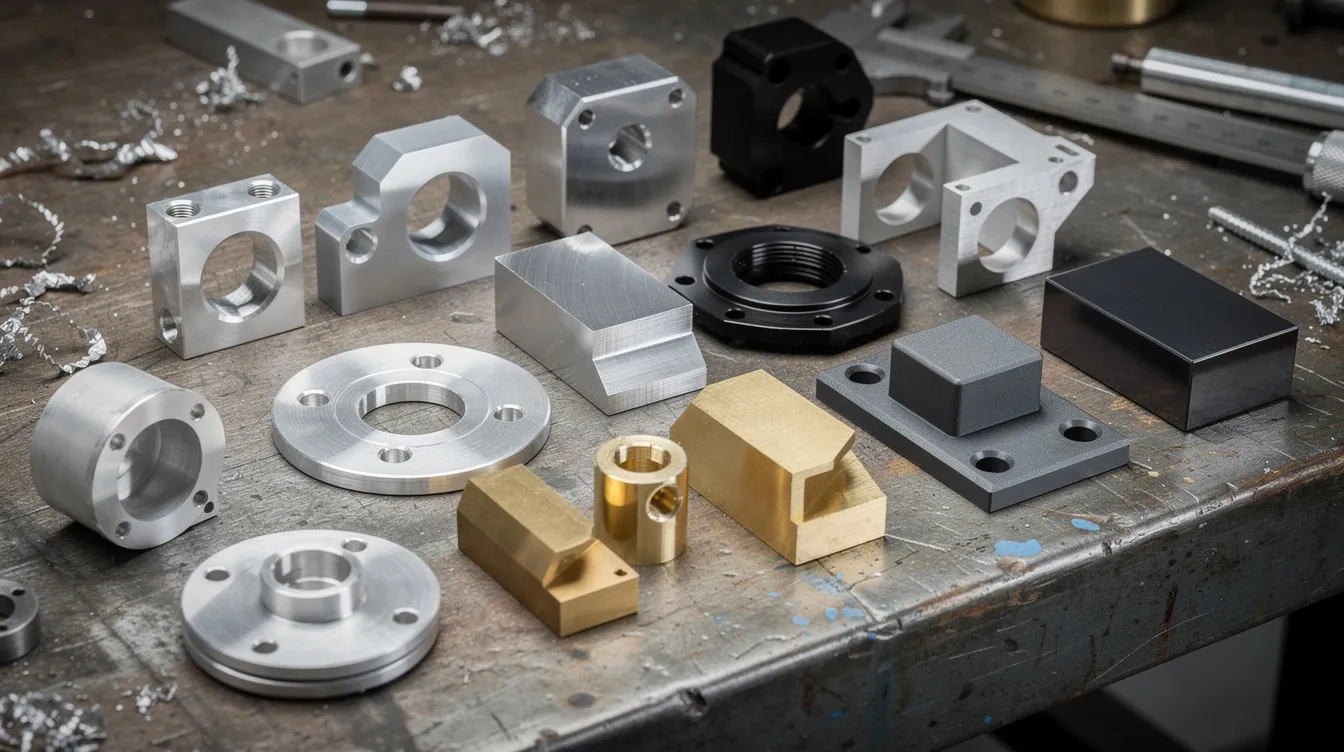
Surface treatments improve the performance and aesthetics of manufactured parts. Common options include as-machined finish, bead blast for consistent matte textures, anodizing (clear, black, colored), hard anodizing, nickel and chrome plating, powder coat, brushing, polishing, and passivation for stainless.
Anebon combines tight-tolerance precision machining with aesthetic aluminum surface treatments for consumer electronics and medical devices where both appearance and function define high quality parts. Confirm finish standards (Ra values, RAL or Pantone color references, salt spray requirements for corrosion resistance) and request sample panels before committing to cosmetic-critical custom prototypes.
Evaluating and Selecting an Alternative Chinese CNC Prototype Partner
This section serves as a practical checklist for engineers and purchasing managers choosing among machining vendors.
Capability checks:
-
Availability of 3-, 4-, and 5-axis cnc milling plus cnc turning
-
Advanced equipment including wire/sinker EDM and grinding
-
Experience with your material set (titanium, PEEK, aluminum alloys)
-
Industry-relevant track record (aerospace, medical, automotive, consumer electronics)
Quality and certification:
ISO 9001:2015 is a quality management standard that should be baseline. ISO 14001:2015 certification pertains to effective environmental management systems. ISO 14001:2015 focuses on environmental management systems and signals operational maturity. ISO certifications enhance credibility and customer trust, and ISO 9001:2015 certification is common among CNC manufacturers. Companies with ISO certifications often achieve better operational efficiency. Anebon holds both ISO 9001:2015 and ISO 14001:2015 with formal quality systems, traceability, and strict quality standards.
Pilot testing:
Start with a prototype or small batch to evaluate consistent quality, adherence to tolerances, surface finishing accuracy, lead time reliability, and packaging for international transit before transitioning to larger orders.
Communication:
Look for responsive English-speaking sales engineers who provide clear DFM feedback and willingness to jump on calls or video meetings. A strong global reputation among international clients is built through this kind of direct engagement, not marketing spend.
Ask for case studies, sample inspection reports, and facility photos. Anebon’s track record since 2010 in Dongguan, serving global clients as an established export-focused partner, provides a useful benchmark.
Digital Experience, DFM Feedback, and Dedicated Engineering Support
Modern alternative chinese cnc prototype services combine traditional machining strengths with digital platform workflows to cut friction for overseas clients.
Fast quoting means uploading CAD models (STEP, IGES, native files) and receiving pricing, lead times, and manufacturability comments within 24 hours. Not every shop needs a fully automated instant-quote system; what matters is speed and accuracy of response.
DFM feedback is a genuine differentiator. Design for Manufacturability feedback helps improve product design efficiency by flagging issues early. Engineers review wall thickness, undercuts, tool access for deep pockets, thread selection, and tolerancing, then suggest adjustments that reduce cost or compress prototype development timelines.
Anebon assigns a dedicated team to each project, with specific engineers and project managers who remain the point of contact from quotation through delivery. Communication via platforms like WhatsApp facilitates international project coordination alongside email and video calls, keeping iterative prototype programs on track.
Digital documentation includes encrypted file transfer, NDAs, secure storage of models and drawings, and provision of digital inspection reports, certificates, and photos so overseas teams can approve machined parts remotely.
Prioritize partners who proactively flag manufacturability issues instead of simply machining exactly to a flawed initial design. That’s the difference between a vendor and a partner.
Industries and Application Examples for Alternative Chinese CNC Prototyping
Alternative chinese cnc services are now embedded in supply chains across a wide range of industries. Prototyping is essential in industries like aerospace and medical devices, but the applications extend well beyond. CNC machining is widely used in automotive and aerospace industries for both prototype manufacturing and production parts.
Consumer electronics: CNC milled aluminum and magnesium housings for laptops, wearables, and handheld devices with bead blast plus anodize finishes and tight cosmetic standards. These projects demand consistent quality across thin walls and fine detail work.
Automotive and motorsport: Precision brackets, engine and drivetrain prototype components in 4140 and 7075, interior trim prototypes, and low volume manufacturing of metal parts for test vehicles. Material selection here often favors high-strength aluminum alloys and alloy steels.
Robotics and industrial equipment: Gear housings, end effectors, sensor mounts, and structural components combining cnc turning and cnc milling of aluminum, stainless steel, and engineering plastics like POM and PEEK.
Medical and lab equipment: Machined stainless and titanium fixtures, pump housings, and complex plastic manifolds where Anebon’s ±0.002 mm capability and ISO-certified quality assurance are particularly relevant.
Aerospace and UAVs (where export is permitted): Lightweight structural parts and camera gimbals in 7075-T651. Chinese CNC partners support fast design iterations for prototype development, enabling teams to validate performance before committing to production tooling.
Summary and How Anebon Fits into Your Alternative Chinese CNC Strategy
Alternative chinese cnc prototype services offer a compelling combination of cost savings, technical capability, and speed for non-restricted projects. For engineers and purchasing managers willing to look beyond the usual big names, the ecosystem of specialist shops in China’s manufacturing hubs delivers real competitive advantage.
Key selection criteria to remember:
-
Match process capabilities (5-axis, EDM, grinding) to your part complexity
-
Verify certifications and quality systems (ISO 9001:2015, ISO 14001:2015)
-
Assess communication quality and DFM support depth
-
Test with a pilot prototype order before scaling
Anebon Metal Products Limited stands as a strong candidate among alternative providers. Founded in 2010 in Dongguan, the company offers precision cnc machining including 5-axis, die casting, stamping, and sheet metal fabrication with tolerances to ±0.002 mm and dual ISO certifications. Anebon supports overseas OEMs and design engineers across automotive, medical devices, aerospace, consumer electronics, and robotics, from single custom prototypes through full rapid prototyping and production runs.
Ready to benchmark your current suppliers? Prepare your CAD files and drawings and request a detailed quote with DFM review from Anebon. It’s the fastest way to see whether an alternative chinese cnc strategy belongs in your supply chain.