Essential Guide to Small Machining Techniques for Precision Parts
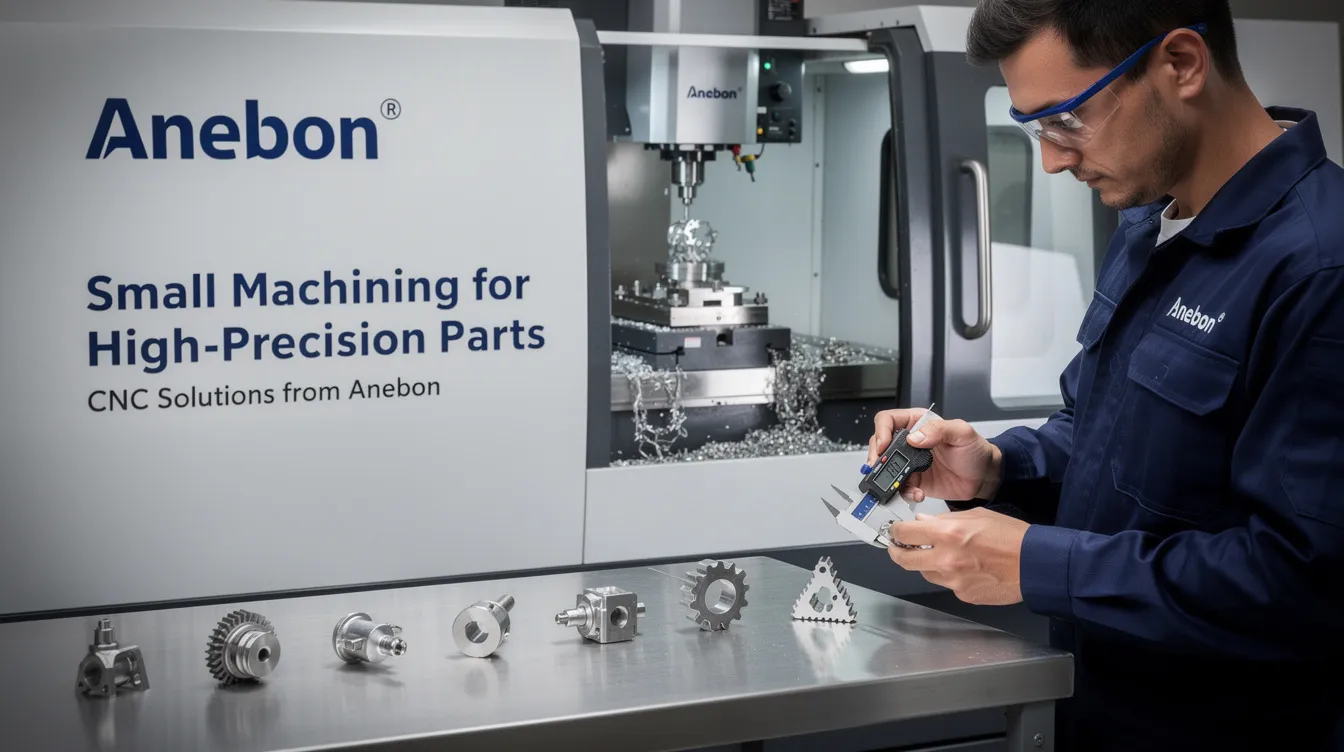
Small Machining for High-Precision Parts: CNC Solutions from Anebon
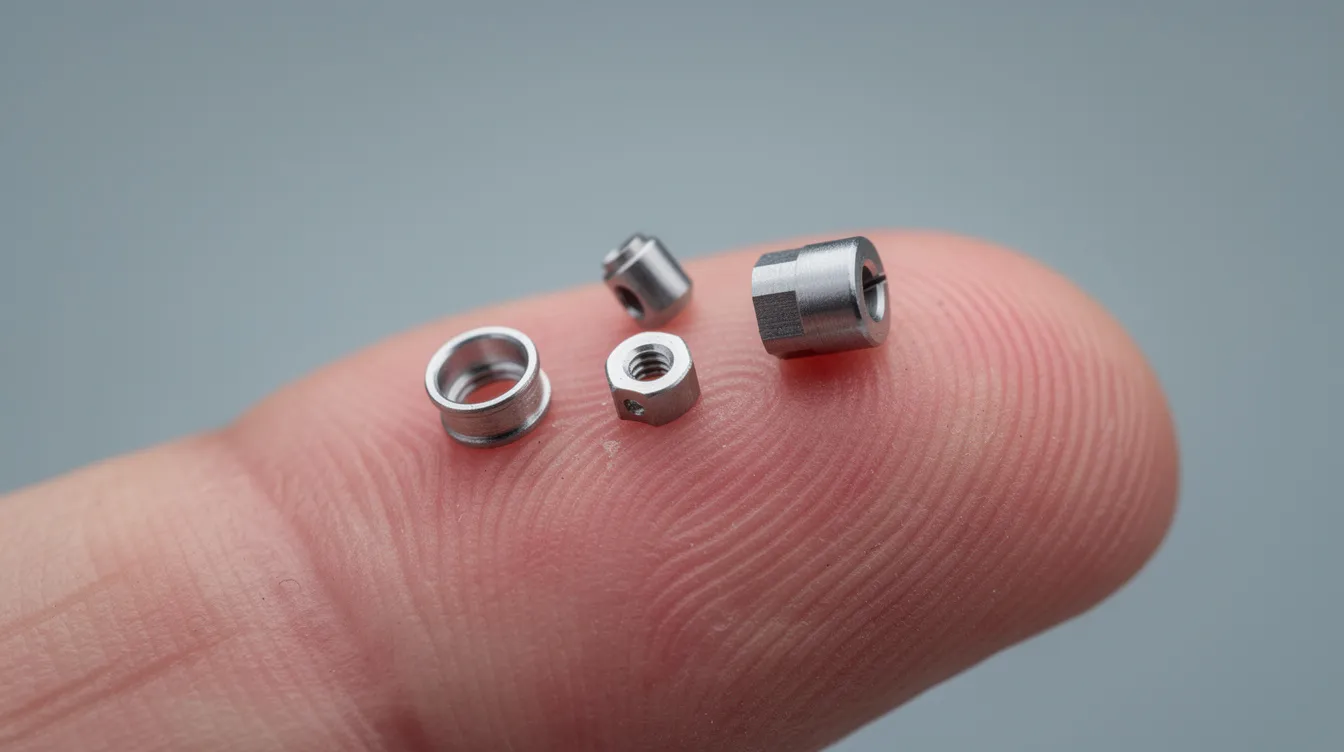
Small machining involves creating high-precision components with tolerances measured in micrometers, often on parts that fit in the palm of your hand. Features can be as fine as 0.2 mm, with dimensional accuracy reaching ±0.002 mm on critical surfaces. These are the parts that power miniature valves, surgical instruments, RF connectors, and robotic joints.
Small machining processes drive advancements in multiple fields like healthcare and aeronautics, where compactness and reliability are non-negotiable. CNC machining and specialized tools make it possible to produce these intricate components repeatedly and accurately. Anebon Metal Products Limited, founded in 2010 in Dongguan, China, focuses on small precision CNC parts from rapid prototypes to full OEM production, serving design engineers and R&D teams worldwide.
What Is Small Parts Machining?
Small parts machining is the CNC machining of miniature metal and plastic components with tight tolerances and intricate geometries. Small machining utilizes specialized CNC machines to shape materials with extreme accuracy. Typical part sizes range from a few millimeters to roughly 150 mm, covering connectors, gears, housings, surgical components, and sensor bodies.
CNC machines translate CAD models into precise toolpaths using computer numerical control, guiding cutting tools across micro-scale features like slots, micro-holes, thin walls, and fine threads. Small-scale machining allows for tight tolerances often within micrometers. At Anebon, we routinely machine small parts with dimensional tolerances down to ±0.002 mm and fine surface finishes for critical assemblies.
Precision on a Micro Scale
At small scale, even minor deviations can significantly affect part functionality. A micron-level error on a valve seat causes leakage; a misaligned bore in an implant compromises assembly fit. CNC machines can hold tolerances within ±0.0002 inches, which is why they are the standard for this work.
Compact CNC milling machines and turning centers with stable spindles, fine-resolution encoders, and high speed spindles enable the machining process at this level. Examples of small parts include medical bone screws, RF connectors, miniature gears, drone motor housings, and microfluidic manifolds. Tool deflection, thermal expansion, and vibration demand constant attention because their impact scales disproportionately on small features-tool stiffness drops with the fourth power of cutter diameter.
Specialized Tools and Methods for Miniature Components
Small machining techniques include micro-milling and Swiss-style machining. Machinists use micro end mills as small as 0.3 mm diameter, tiny drills, and custom collets or soft jaws to hold delicate workpieces securely. Multi-axis CNC machining-3-axis, 4-axis, and 5-axis-reduces setups and maintains positional accuracy when cutting complex tiny geometries.
High speed spindles running 40,000–90,000 RPM, small depth-of-cut strategies, and optimized toolpaths protect small cutters and maintain consistent quality. Small machining techniques produce smooth results that require little polishing, often achieving Ra finishes below 0.3 µm. Anebon combines CNC milling, CNC turning, and secondary processes-tapping, reaming, grinding, surface finishing-to complete compact, high-precision parts.
Machine Options for Small Precision Parts
The right choice of cnc machines depends on part shape, feature complexity, tolerance, material, and required quantity. Rotationally symmetric parts suit turning centers, while prismatic or complex shapes go to milling machines. Lathes and mills each bring distinct strengths to small parts production.
Small CNC Milling Machines
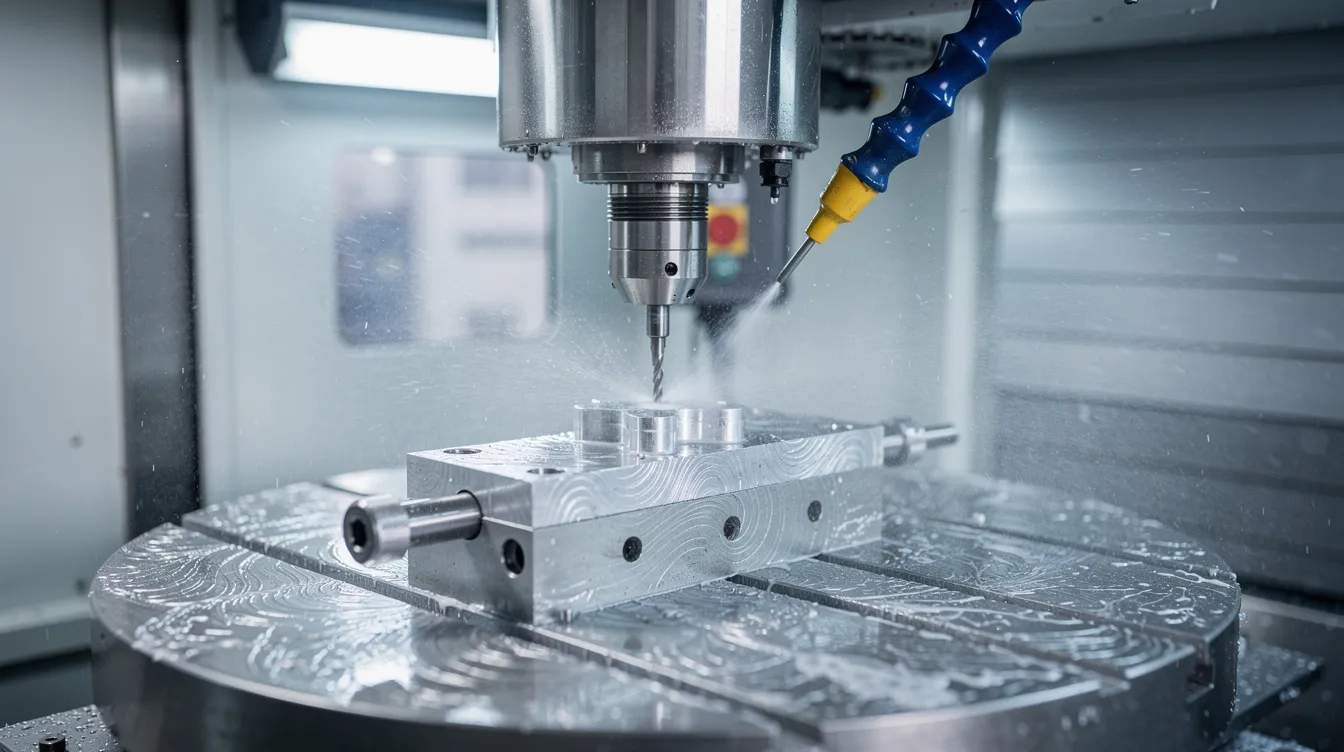
Small or compact CNC milling machines are ideal for intricate pockets, slots, and 3D surfaces on housings, brackets, and micro plates. CNC milling produces complex shapes and features efficiently. Compact work envelopes-often under 400 × 300 mm-increase machine rigidity, directly improving surface finish and tolerance control.
Common operations include contour milling, pocketing, micro-hole drilling, and engraving identification codes. Anebon uses modern milling machines with high spindle speeds and precision ball screws to achieve micrometer-level positioning.
Small CNC Turning Centres
CNC turning is ideal for creating cylindrical parts such as bushings, shafts, pins, and threaded inserts. Swiss-style CNC lathes minimize vibration and allow for tight tolerances at the micron level, making them particularly suitable for long, slender parts. Bar feeders and sub-spindles enable unattended production of high volumes.
Live tooling and C-axis capability combine turning and light milling-slots, flats, cross holes-in one setup. Anebon’s turning centers handle small diameters, fine threads, and features like O-ring grooves in stainless steel and other alloys.
Multi-Axis Solutions for Complex Small Parts
5-axis CNC machining allows for complex parts from any angle, accessing multiple faces without re-clamping. This is critical for tight positional tolerances on turbine components, orthopedic implants, sensor housings, and intricate brackets. Small machining excels at creating complex geometries that are challenging for conventional methods.
Multi-axis equipment reduces cumulative error from multiple setups, improving repeatability for miniature assemblies. Anebon’s 5-axis machining capability, combined with precision fixturing, produces small parts with complex undercuts and compound angles.
Common Materials in Small Machining
Small CNC parts can be produced from most common materials, but properties like hardness, toughness, and thermal expansion have outsized impact at small scale. Material choice ties directly to end-use requirements. Anebon machines aluminum, stainless steel, carbon steel, titanium, copper alloys, brass, and engineering plastics regularly. The machining process and cutting tools are selected and tuned for each material to safeguard micro features.
Stainless Steel and Other Metals
Stainless steel is popular for its corrosion resistance, making grades like 304, 316L, and 17-4PH standard choices for surgical instruments, fluid connectors, and other demanding small parts in stainless steel. Machining challenges include work hardening and heat generation, addressed with advanced tools and controlled coolant delivery.
Other metals frequently used:
-
Aluminum is lightweight and easy to machine, with 6061 and 7075 alloys common for aerospace brackets and electronics housings
-
Titanium is used for its high strength-to-weight ratio in medical and aerospace applications
-
Brass is commonly machined for its machinability and aesthetic appeal, favored for connectors and fittings
Plastics and Other Common Materials
Engineered polymers are selected for specific mechanical properties. Engineering plastics like PEEK, ABS, Delrin (POM), and PTFE are common materials for small insulators, guides, bushings, and medical device parts. Plastics require gentle clamping and cutting conditions to avoid deformation, burrs, or heat damage on fine features. Anebon’s team evaluates material behavior at small scale to maintain dimensional stability and surface quality.
Cutting Tools and Techniques for Small Parts
In small machining, the choice of cutting tool, geometry, coating, and toolpath strategy determines success or failure. Machining small parts requires advanced tools and techniques. Computer-controlled tools in small machining maximize raw stock value, and automating the tool path reduces human error. Precision machining minimizes material waste and scrap through advanced processes.
Standard Cutting Tools for Small Machining
Primary tools include:
-
End mills are versatile tools for various milling operations, from profiling to pocketing
-
Drilling creates holes of various sizes in parts, using micro drills down to sub-millimeter diameters
-
Reamers and taps for precise bores and fine threads
-
Turning inserts sized for small diameters and narrow grooves
Carbide tools with coatings like TiAlN handle heat and wear when cutting steel and titanium. Basic strategies involve light cuts, higher spindle speed, and controlled feed rates to avoid breakage.
Specialized Tools and Process Optimization
Custom step drills, form tools, and miniature boring bars handle repeated small features like counterbores and internal profiles. Specialized fixtures, soft jaws, and vacuum or collet systems stabilize tiny parts and prevent deformation. Higher efficiency is achieved through optimized tool paths in small machining, using strategies like trochoidal milling adapted to small feature sizes.
Anebon’s engineers optimize tool selection and machining parameters during DFM review to shorten cycle times while protecting dimensional accuracy.
Quality Control and Consistent Precision
Small machining demands rigorous quality control because even minor measurement drift cascades into reject parts. ISO 9001 certification ensures consistent quality in machining. Anebon holds ISO 9001:2015 and ISO 14001:2015 certifications supporting repeatability and process traceability for overseas OEMs.
Inspection Methods for Small Parts
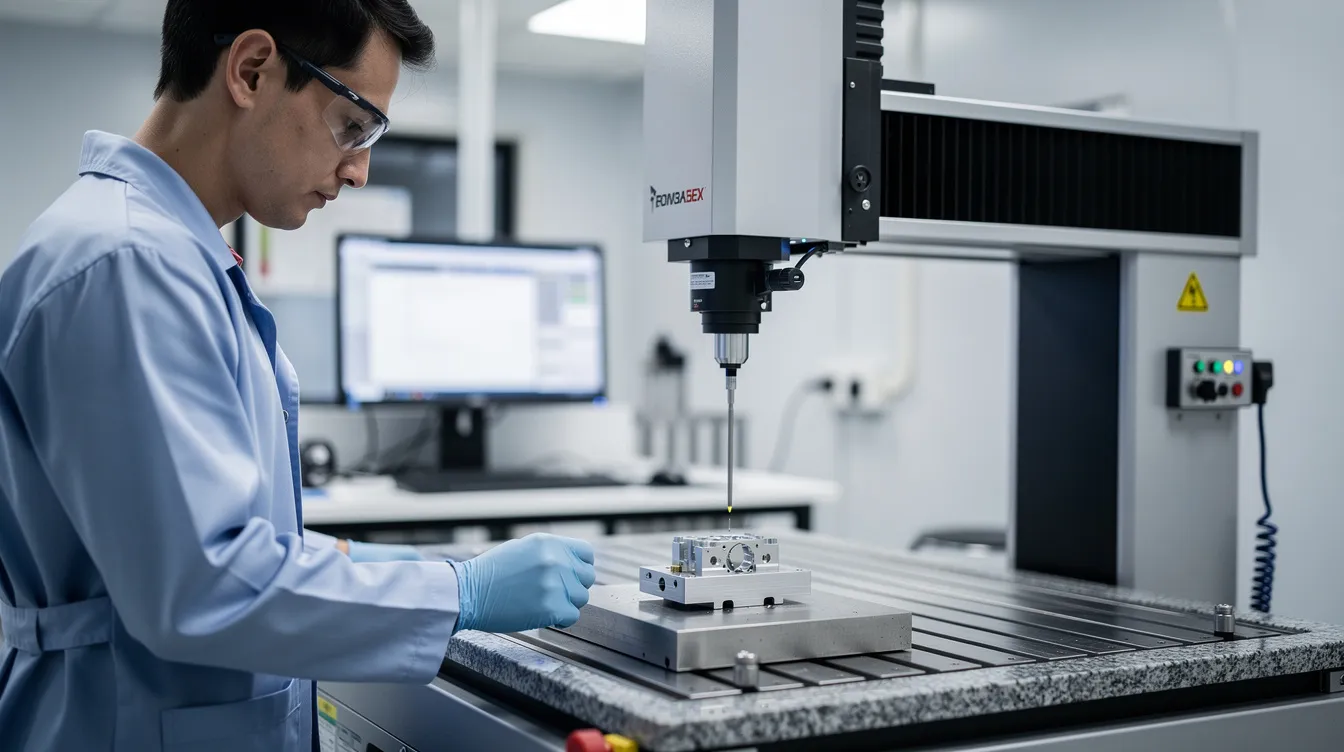
In-process checks include digital calipers, micrometers, pin gauges, thread gauges, and optical magnification. Final inspection uses coordinate measuring machines (CMM), optical comparators, and surface roughness testers. Statistical process control and documented inspection plans maintain consistent quality across batches. Anebon provides full inspection reports, material certificates, and traceability documentation on request.
Process Control and Repeatability
Controlled setups, standardized tooling, and validated CNC programs ensure repeatable results. First-article inspection (FAI) validates dimensions, tolerances, and surface finish before full production. Continuous feedback loops between machinists, engineers, and QA refine cycle times and reduce scrap. Small-part CNC machines can produce thousands of identical components once programmed, maintaining the same precision from piece one to piece one thousand.
Industries and Applications for Small CNC Machining
Small machined parts are critical across various industries where compactness and precision are essential. Precision is critical for aerospace and medical components especially. Each industry brings specific standards-biocompatibility, high-temperature resistance, electrical performance-that influence design and material choices.
Typical Small Parts and Use Cases
|
Industry |
Example Parts |
Typical Materials |
|---|---|---|
|
Medical |
Bone screws, cardiac stents, surgical tools |
Titanium, 316L stainless steel |
|
Aerospace |
Sensor mounts, actuating levers, lightweight brackets |
Aluminum 7075, titanium |
|
Connectors, heat sinks, circuit board fixtures |
Copper, aluminum, plastics |
|
|
Automotive |
Sensor housings, precision fasteners |
Steel, aluminum |
|
Robotics |
Miniature gears, joint components, motor housings |
Stainless steel, Delrin |
Small machining is essential for manufacturing microchips and circuit boards in electronics. Small machining produces life-saving components like cardiac stents and surgical tools. Anebon often helps customers move from 3D-printed prototypes to small-batch CNC machining for functional testing and pilot builds across all these industries.
Working with Anebon for Small Machining Projects
Anebon collaborates with design engineers and R&D teams from concept through production on small CNC machined parts. Our deep understanding of the machining process, combined with equipment suited to specific applications, lets us offer precision across a wide range of project requirements.
The typical engagement flow: RFQ → DFM feedback → material and process selection → prototyping → validation → scaling to volume. Anebon’s capability spans CNC milling, CNC turning, 5-axis machining, die casting, and sheet metal fabrication for complete assemblies.
DFM Support, Prototyping, and Scaling Up
Anebon provides practical design-for-manufacturability recommendations on wall thickness, tolerances, radii, and feature sizes suitable for small machining. Rapid iterations in design changes can be programmed quickly, making our shop ideal for fast-moving development cycles. Small batch CNC machining produces 1 to 100 units, making it ideal for prototypes and custom projects at a competitive price.
We maintain consistent quality when scaling from pilot lots to thousands of pieces using the same validated setup and technology. Whether your project involves a single prototype or ongoing OEM production, send your CAD files and requirements to Anebon to get started on high-precision small parts machining.