Essential Guide to Metal Fabrication: Techniques and Applications
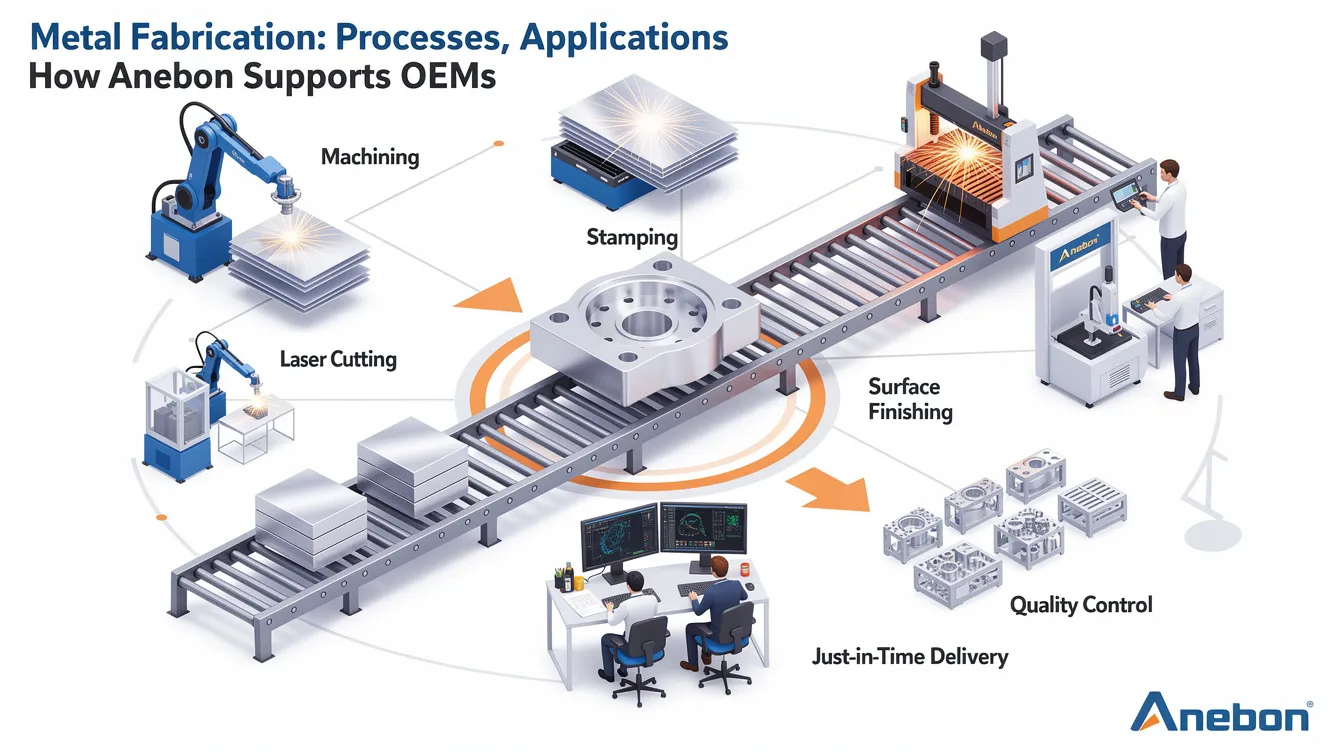
Metal Fabrication: Processes, Applications, and How Anebon Supports OEMs
Metal fabrication is the manufacturing process of transforming raw materials and sheet metal into precise components and assemblies for industrial, commercial, and structural applications. Anebon Metal Products Limited provides precision CNC machining, die casting, and custom metal fabrication services for overseas OEMs and design engineers from its ISO-certified facility in Dongguan, China. Modern metal fabrication combines traditional techniques like cutting, bending, and welding with advanced CNC machining and automation to achieve tolerances as tight as ±0.002 mm and high repeatability. Fabricated parts show up in products you interact with every day – from electric vehicle battery trays and 5G telecom hardware to medical imaging systems and industrial robotics.
Here’s what this guide covers:
-
Key metal fabrication processes and how they compare
-
Applications across aerospace, automotive, medical, electronics, and more
-
Typical project steps from design to delivery
-
How to evaluate and choose a fabrication partner
What Is Meant by Metal Fabrication?
Metal fabrication is a multi-step manufacturing discipline that cuts, forms, machines, and assembles basic metals into finished metal products or sub-assemblies. It goes well beyond simple metalworking or a single welding operation – fabricating a part often involves three phases or more, each requiring different equipment and expertise. Metal fabrication dates back over 10,000 years, but the discipline today bears little resemblance to its ancient origins. Every metal object you see around you results from some form of metal fabrication, and modern methods improve customization, strength, and precision in ways that were impossible even a few decades ago.
Projects range from thin flat sheet metal brackets under 0.25 inches thick to complex, multi-part housings for electronics, medical devices, and aerospace systems. Consider stainless-steel enclosures built for hospital imaging equipment or aluminum heatsinks for 2024-era power electronics – both demand tight dimensional control and clean surface finishes.
Custom metal fabrication, industrial metal fabrication, and commercial metal fabrication share core processes but differ in scale, precision, and end use. Anebon integrates sheet metal fabrication with CNC milling, CNC turning, 5-axis machining, and die casting, so OEMs can source prototypes and production parts from a single certified supplier.
Key Types of Metal Fabrication: Industrial, Structural, and Commercial
The metal fabrication industry is often grouped into three main categories. Rather than abstract definitions, here’s what each looks like in practice.
-
Industrial metal fabrication creates large-scale equipment parts and assemblies for factories, alternative energy systems, material handling, pollution engineering, and water treatment. Examples include housings for wind turbine gearboxes, frames for battery pack assembly lines, and stainless tanks for chemical processing. Anebon supports this segment with precision-machined components, sheet metal guards, brackets, and machine interfaces – the heavy machine parts and industrial metal parts that keep production lines running.
-
Structural metal fabrication focuses on the main framework of buildings and infrastructure: beams, trusses, platforms, walkways, and loading bays for warehouses, production facilities, and logistics centers. Structural components like I-beams and trusses form the backbone of every structural project. Steel is the most common metal used in structural fabrication – it’s central to high strength structural metal applications and is the reason metal fabrication is essential for building skyscrapers and bridges. Think of Dubai’s Burj Khalifa or the Sydney Harbour Bridge, a particular building and structure respectively that showcase what plate metal and structural steel can achieve. While Anebon is not a structural steel contractor, much of the machinery and equipment inside those metal structures relies on our fabricated and machined parts.
-
Commercial metal fabrication produces parts for consumer goods, food-service equipment, retail fixtures, municipal buildings, and public spaces. Examples include stainless kitchen components for restaurant chains, POS terminal housings for a commercial setting, and bus-stop signage structures.
Custom metal fabrication often blends all three categories, especially for OEM equipment that must be structurally robust and aesthetically finished in the final product.
Main Metal Fabrication Processes
Modern metal fabrication processes span cutting, forming, machining, joining, and finishing – often combined in a single project workflow. Core processes in metal fabrication include cutting, bending, and welding, but the details matter.
-
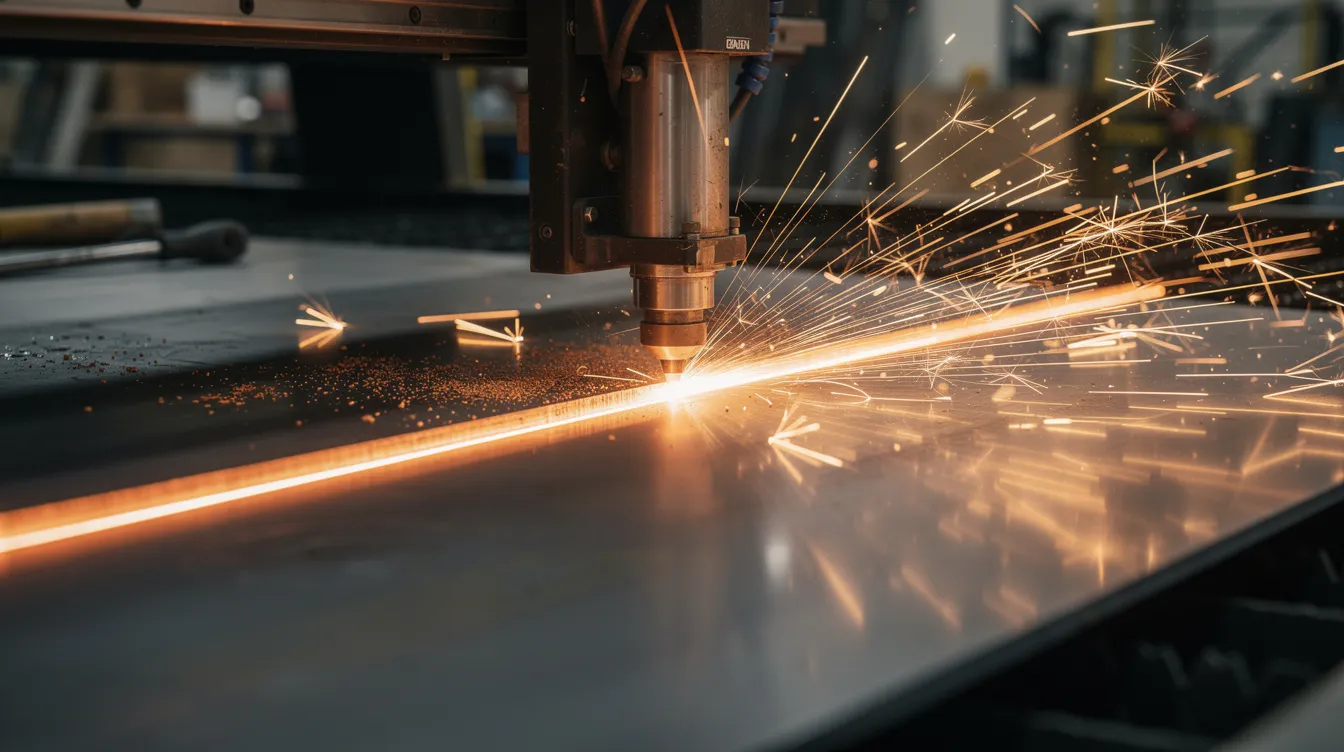
Cutting and shearing: Common cutting methods include laser cutting, plasma cutting, and waterjet cutting. Laser cutting uses high-intensity light beams to cut metal with tight contours, while shearing handles straight-line cuts on sheet metal at scale. Plasma cutting tables are common in metal fabrication shops and machine shops for thicker plate metal work. Each method of cutting metal has its sweet spot for thickness, precision, and cost.
-
Bending, folding, and forming: Bending converts flat sheet metal into 3-D parts using press brakes and hydraulic equipment for bending and forming metal into the desired shape. Roll forming helps form continuous profiles. Proper bend radii selection (typically ≥1× material thickness) and CAD-driven simulation prevent cracking and springback – a value added process that saves rework. Metal forming with little effort in design planning leads to problems on the shop floor.
-
Stamping, punching, and notching: High-volume stamping dies create parts like brackets and terminals for mass production and more enhanced production rates. Punching handles holes and cutouts in enclosures; notching prepares tube and frame ends for assembling.
-
Forging, extrusion, and casting: These processes create near-net-shape metal pieces that are later refined. Die casting, for example, produces aluminum or zinc housings that Anebon finishes with CNC machining and surface treatments for enhanced production quality.
-
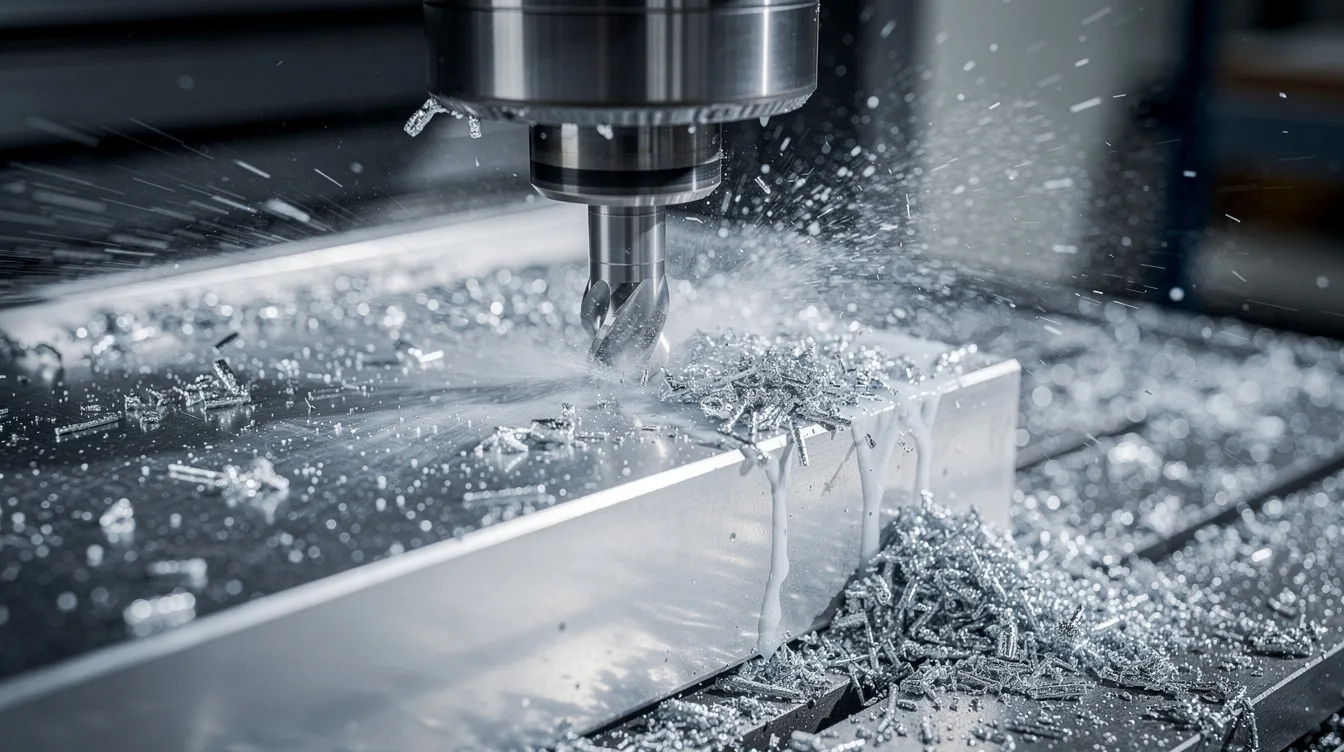
CNC machining: Machining removes material to achieve desired shapes and sizes with high precision. CNC machining uses programmable software for precision fabrication – CNC milling, CNC turning, and 5-axis machining create parts with tolerances down to ±0.002 mm on critical features like bearing seats and sealing surfaces.
-
Welding and assembling: Welding is a fundamental process for joining metal pieces together and is essential for assembling formed and machined parts. MIG, TIG, and spot welding each suit different thicknesses and aesthetics. Welding wire selection depends on base metals – details covered in the materials section below. Mechanical fastening and adhesive bonding serve as alternatives when heat distortion must be minimized.
-
Finishing: Finishing processes include grinding, polishing, and powder coating, along with anodizing, electroplating, and passivation. These improve corrosion resistance and cosmetic appearance of the end product, with specifications like Ra roughness values and coating thickness defined by the OEM.
From Design to Delivery: Steps in a Typical Metal Fabrication Project
For OEM engineers and R&D teams, understanding the workflow helps form realistic timelines and budgets. Metal preparation begins long before cutting metal.
-
Design and engineering: Engineers use CAD and CAM systems to create models, flat patterns, shop drawings, and CNC toolpaths. Anebon provides DFM feedback, suggesting material thickness, bend radii, and tolerance adjustments so parts meet intended measurements without unnecessary cost.
-
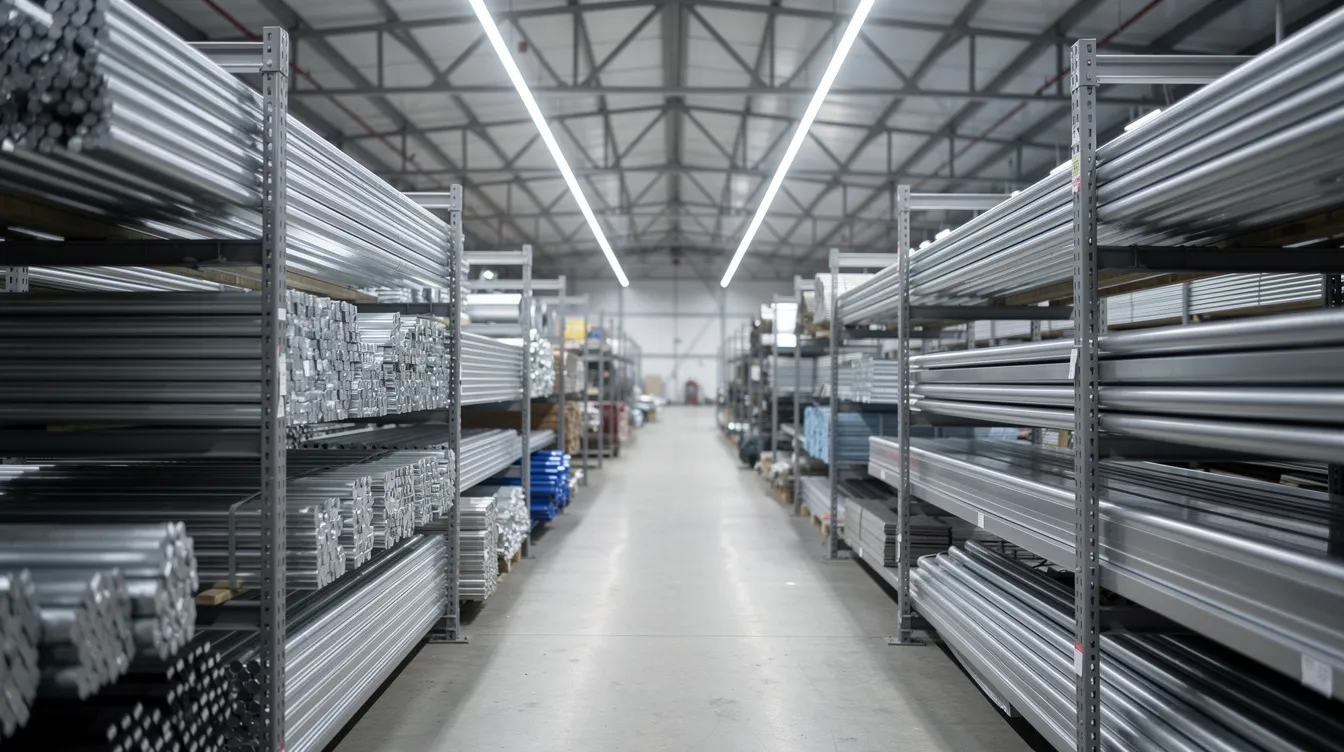
Material selection and procurement: Metal fabricators choose raw materials based on strength, corrosion resistance, weight, and cost. Storage locations for incoming stock are organized by alloy and grade. For alternative energy and electronics applications, lightweight alloys and conductive copper alloys are frequently specified.
-
Prototyping and sampling: Rapid prototyping is a common service in precision metal fabrication. Quick-turn CNC machining, soft tooling for sheet metal, and low-volume die casting verify fit, form, and function before committing to full production. A robotics startup, for example, might need a 3–10 piece prototype run of custom made parts delivered in under two weeks.
-
Fabrication and machining: Sub-components move through cutting, bending, welding, and CNC machining with process control, fixture design, and in-process inspection to maintain consistency and create parts that conform to spec.
-
Finishing and surface treatment: Surface finishes are specified by powder coat color codes, anodizing types, or Ra roughness values. OEMs in the construction field today and electronics sectors often require RoHS compliance and cosmetic-grade surfaces.
-
Assembly, inspection, and packaging: Multi-part units are assembled, tested (leak tests, dimensional reports), and packed for export. Anebon provides PPAP documentation, full inspection reports, and export-ready packaging for overseas shipment.
Common Raw Materials in Metal Fabrication
The choice of raw materials directly affects manufacturability, cost, and performance. Common metals used in fabrication are steel, aluminum, titanium, and stainless steel – each with distinct trade-offs.
|
Material |
Key Properties |
Typical Applications |
|---|---|---|
|
Carbon steel (A36, Q235) |
High strength, low cost |
Machinery frames, fixtures, structural supports |
|
Stainless steel (304, 316) |
Corrosion resistance, hygiene |
Medical housings, food equipment, marine hardware |
|
Aluminum (5052, 6061) |
Lightweight, good conductivity |
Aerospace brackets, heatsinks, enclosures |
|
Magnesium alloys |
Ultra-low density |
Aerospace components, high-end electronics housings |
|
Copper / brass |
Electrical conductivity |
Connectors, bus bars, thermal management |
|
Titanium |
Strength-to-weight, biocompatibility |
Aerospace industry parts, medical implants |
Steel is the most popular metal used in construction and remains one of the most popular materials across every segment. Aluminum’s strength-to-weight ratio makes it among the most common types specified for weight-sensitive applications. Sheet metal – flat stock of various gauges – serves as both a raw material and a finished form for chassis, panels, cabinets, and ductwork.
Welding wire type must match the base material: ER70S-6 for mild steel, ER308L for stainless steel. Anebon also machines non-ferrous metals and engineering plastics when hybrid assemblies are needed, covering popular materials across industries.
Industries and Applications Served by Metal Fabricators
Fabricated metal parts underpin almost every modern industry, each with specific requirements for tolerance, certification, and durability. Metal fabrication serves industries like aerospace and automotive, and extends far beyond.
-
Aerospace and defense: Metal fabrication is crucial in the aerospace industry. High-strength aluminum and titanium brackets, housings, and interior components demand tight tolerances and full traceability.
-
Automotive and mobility: The automotive industry relies on metal fabrication for vehicle frames, EV battery trays, motor mounts, and exhaust components – prioritizing weight reduction and corrosion resistance.
-
Medical devices: Stainless steel and aluminum components for imaging systems and diagnostic instruments require cleanliness and precision machining.
-
Electronics and telecom: Sheet metal chassis, heat spreaders, and EMI-shielded enclosures for servers, 5G base stations, and industrial control systems.
-
Robotics and machinery: Machine frames, guards, brackets, and precision-machined interfaces for collaborative robots and automated production lines.
-
Alternative energy and environmental systems: Solar trackers, wind turbines, battery storage systems, filtration units, and pollution control equipment all rely on fabricated structures.
-
Construction: Construction is one of the largest consumers of fabricated metal products, from structural steel to HVAC ductwork.
-
Agriculture: Metal fabrication is used in agriculture for various equipment including frames, guards, and machinery components.
Anebon is a B2B/OEM-focused supplier, delivering parts and assemblies to manufacturers rather than end consumers.
How to Choose a Metal Fabrication Partner (and Where Anebon Fits)
If you’re evaluating custom metal fabrication suppliers – domestically or overseas – here’s a practical checklist.
-
Technical capabilities: Confirm the fabricator offers CNC machining, sheet metal fabrication, die casting, and 5-axis machining under one roof. Can they handle both rapid prototyping and full-scale mass production with tolerances as tight as ±0.002 mm?
-
Quality and certifications: ISO certifications demonstrate compliance with quality and environmental standards. Anebon holds ISO 9001:2015 and ISO 14001:2015 certifications – ask any supplier for inspection reports, material certifications, and documented quality processes.
-
Experience and specialization: Review case studies in your specific industry. Confirm the supplier has hands-on experience with your exact materials and metal fabrication processes.
-
Communication and engineering support: Responsive English-language support, clear DFM feedback, and collaborative problem-solving matter enormously for overseas projects.
-
Lead times, scalability, and logistics: Check prototype lead times, production capacity, and the ability to scale from 10-piece pilot runs to thousands. Anebon ships from Dongguan, Guangdong, China to North America, Europe, and global markets.
-
Cost and transparency: Request detailed quotes breaking down processes, materials, and finishing. This lets you compare suppliers fairly and avoid hidden costs.
Whether you need a single precision prototype or a production run of thousands, the right partner combines process breadth, certified quality, and engineering support to keep your project on schedule. Request a quote from Anebon to discuss your next metal fabrication project.