Essential Guide to Fabricated Sheet Metal: Techniques and Applications
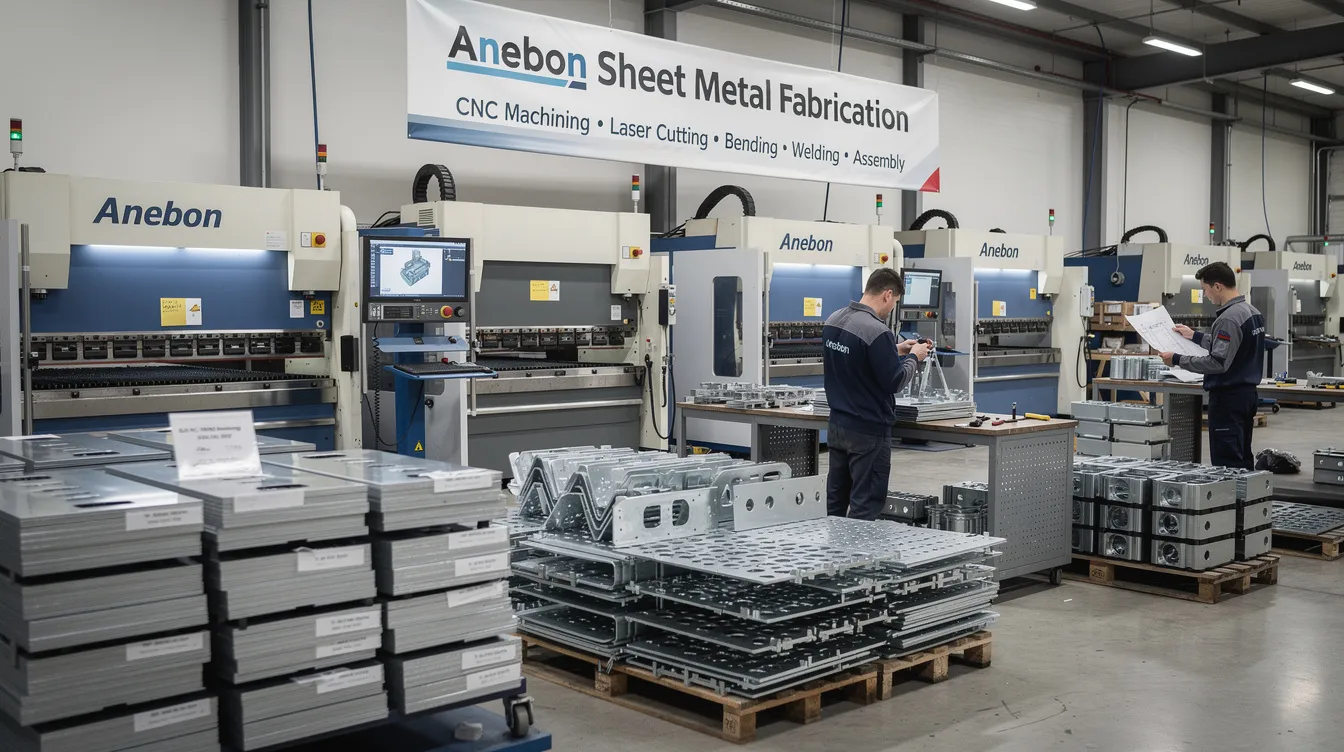
Fabricated Sheet Metal: Processes, Capabilities & Services at Anebon
What Is Fabricated Sheet Metal?
Sheet metal fabrication transforms flat metal sheets into functional parts through common techniques including cutting, bending, and assembling. At Anebon Metal Products Limited, we have specialized in precision sheet metal fabrication for OEM customers since 2010, operating from our facility in Dongguan, China.
-
Sheet metal materials include aluminum, copper, steel, and stainless steel, plus brass for specialized applications
-
Sheet metal thickness typically ranges from 0.5 mm to 6 mm across standard fabrication work
-
Fabricated sheet metal parts serve as enclosures, brackets, chassis, panels, and industrial assemblies in end use production
-
We process other materials including specialty alloys on request
Why Sheet Metal Fabrication Matters in Modern Manufacturing
Sheet metal fabrication supports fast, scalable production for global OEMs who need repeatable metal parts without heavy tooling investments. The same fabrication process handles rapid prototyping, pilot validation, and high volume production with minimal changeover. Modern techniques provide high precision and accuracy, making this manufacturing process a go-to for thin-walled components that would be wasteful to CNC machine from solid blocks.
-
Scalability: Sheet metal fabrication supports both low-volume and high-volume production from the same tooling
-
Cost: Far more cost effective than machining or casting for 2D geometry with formed features
-
Performance: Sheet metal offers high strength and durability with an excellent strength-to-weight ratio for housings, racks, and structural frames
-
Precision: Anebon holds tight tolerances as precise as ±0.002 mm on critical features when combined with CNC machining
Custom, High-Performance Metal Parts
Custom sheet metal parts start with CAD models and engineering drawings from design engineers and R&D teams. Sheet metal fabrication enables custom parts tailored to specifications across demanding applications.
-
EMI-shielded electronics enclosures, medical device brackets, battery modules, robotics panels, and 19″ rack chassis
-
Anebon provides DFM feedback to optimize bend radii, hole locations, relief cuts, and fastener strategies
-
Combining sheet metal forming, laser cutting, and CNC machining produces complex hybrid assemblies
-
We support IP-rated housings, heat dissipation features, and mounting interfaces to ±0.05 mm
Industries & Applications Anebon Serves
Industrial sectors rely on fabricated components for equipment protection and organization. Sheet metal fabrication is widely used in the automotive industry for vehicle bodies and chassis parts, while aerospace applications require high-stress and temperature-resistant components such as avionics trays from 5052 aluminum with chem film.
-
Aerospace: Aircraft components, avionics trays, structural panels
-
Medical: Cart frames and enclosures in 304 stainless steel with sanitary finishes
-
Automotive & EV: Battery module containment, structural brackets, body panels
-
Electronics: Sheet metal parts are ideal for electronics enclosures and panels; sheet metal components are widely used in consumer electronics and appliances
-
Robotics & Industrial Machinery: Guards, frames, machine covers
-
HVAC: Systems utilize sheet metal for ductwork and fittings
-
Construction: Sheet metal is used in the construction industry for roofing and siding
Anebon works primarily with overseas OEMs in Europe, North America, and Asia-Pacific who need consistent quality, traceability, and cosmetic finishes on customer-facing components.
Speed, Cost-Efficiency & Scalability
Automated processes reduce material waste in fabrication through optimized nesting on large material sheet. Cost-effectiveness is a key benefit of sheet metal fabrication, especially when scaling from low volume prototypes to full end use applications.
-
Lead times for sheet metal parts can start at 3 days; standard production runs ship in 2–4 weeks
-
Nesting algorithms minimize scrap, lowering cost per part
-
Ideal for annual volumes from a few dozen to tens of thousands
-
Anebon ramps from prototype to high volume production runs without changing manufacturing partners
Sheet Metal Fabrication Processes We Use
Anebon combines multiple sheet metal fabrication processes in-house for maximum control. We convert 3D CAD files into machine code for automated cutting, forming, joining, and finishing-all under ISO 9001:2015 and ISO 14001:2015 certified procedures.
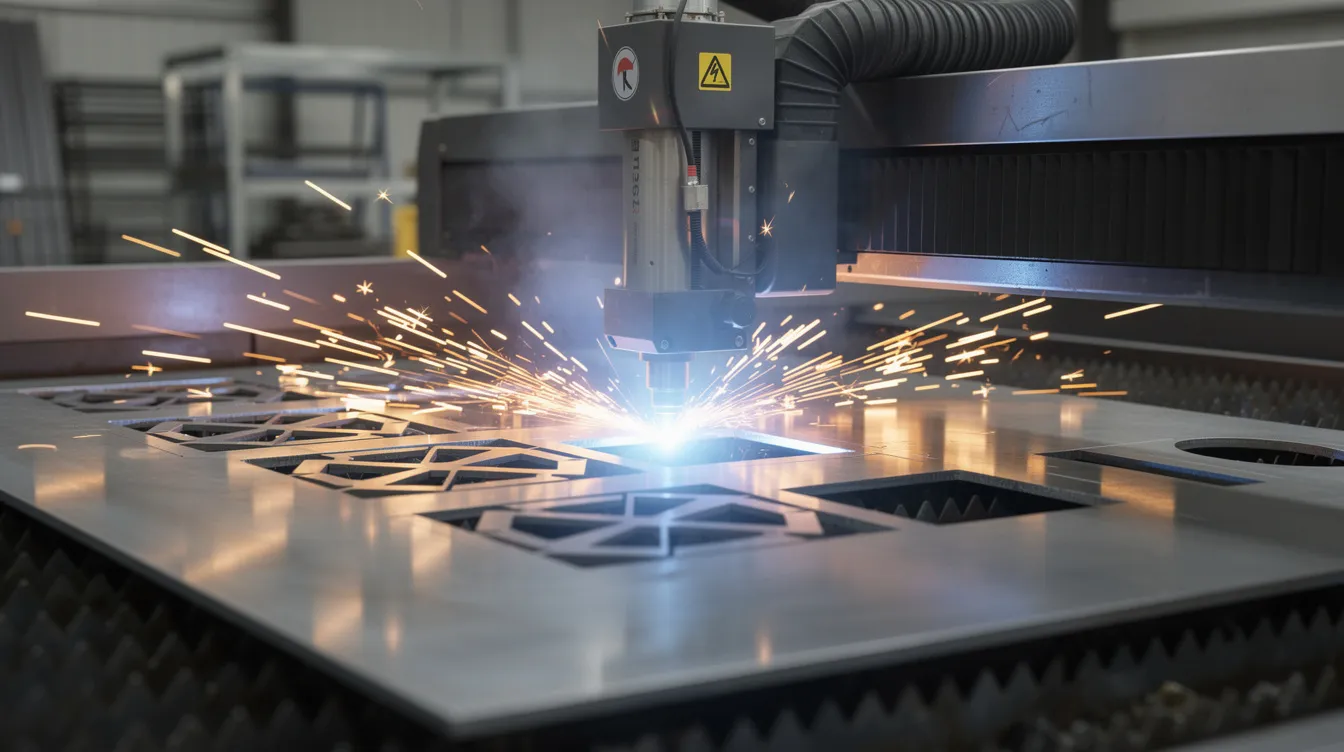
Cutting: Laser Cutting & Punching
Laser cutting provides detailed and precise cuts in sheet metal fabrication. A high power laser beam from fiber laser sources cuts precise shapes in flat profiles-up to 6 mm carbon steel, 5 mm stainless steel, and 4 mm aluminum. Advantages include clean edges, tight tolerances, and easy access to complex contours. CNC punching handles high volume production of repeated features like louvers and ventilation patterns. Laser cutting is often the first step before bending and assembly.
Sheet Metal Forming & Bending
Sheet metal forming converts flat blanks into 3D parts using press brakes and dedicated tooling. U-, V-, and channel bends, hems, and jogs are created at specified angles and radii with bend tolerances around ±0.5° on angle and ±0.2 mm on position. Proper bend allowance, grain direction, and minimum flange lengths prevent cracking. Anebon supports prototype forming with universal tools and dedicated dies for stable runs.
Joining & Assembly (Welding, Fasteners, Hardware)
Welding is a method for joining sheet metal parts together-TIG for stainless steel, MIG for carbon steel, and spot welding for thin-gauge assemblies. PEM inserts provide threaded features in thin sheets. Sub-assembly operations include riveting, screw assembly, and integration of CNC-machined components into welded machine frames, riveted electronic enclosures, and hinge-mounted access doors. Weld quality is inspected visually and dimensionally.
Finishing Processes: From Raw Metal to Ready-to-Install Parts
Finishing processes improve the durability and aesthetics of sheet metal components. Fabricated sheet metal can resist degradation from environmental exposure when properly treated.
-
Finishing services include powder coating, liquid painting with standard painting methods, bead blasted textures, anodizing, plating, and chromate conversion coating
-
Gold plating offers excellent corrosion and tarnish resistance for specialty applications
-
Parts are deburred before finishing for better coating adhesion
-
Color matching to RAL or Pantone delivers the desired aesthetic in different colors
Sheet Metal Fabrication Capabilities at Anebon
Anebon is a full-service manufacturer with strong sheet metal fabrication capabilities alongside CNC machining and die casting. We support projects from single prototypes to recurring production with stable quality for overseas OEMs.
Dimensional & Tolerance Capabilities
Parts can be produced with tolerances as tight as ±0.005 inches on critical features. Standard sheet metal tolerances run ±0.1–0.2 mm, while secondary CNC operations achieve ±0.002 mm. We control flatness, perpendicularity, and parallelism for precision assemblies, addressing warping and tolerance challenges proactively.
Integrated CNC Machining & Sheet Metal
Anebon combines sheet metal with CNC milling, turning, and 5-axis machining within a single project. Examples include machined heat sinks bolted into fabricated chassis, turned bushings welded into brackets, and precision mounting pads milled after bending. Fewer suppliers means consistent datum schemes and simplified quality management for aerospace, medical, and robotics OEMs.
Prototyping Through End Use Production
Our engagement model runs from DFM review through rapid prototypes (1–20 pcs) to pilot batches, then scheduled production. Short lead times let design engineers iterate quickly. Once designs freeze, dedicated jigs and QA plans support durable end-use applications at scale. Anebon supports kanban releases with parts shipped worldwide.
Materials for Fabricated Sheet Metal Parts
Material selection drives strength, weight, corrosion resistance, appearance, and the overall fabrication process. Anebon sources sheets from qualified mills with certifications and provides traceability on request.
Aluminum & Aluminum Alloys
Aluminum is the top choice for lightweight enclosures and panels in electronics, aerospace, and EV sectors. Alloys like 5052 and 6061 offer good formability and corrosion resistance, with compatibility for anodizing and chem film. Example: 5052-H32 chassis with chem film providing good conductivity properties for grounded industrial controllers.
Stainless Steel & Carbon Steel
Stainless steel types include 304 and 316L, preferred for medical devices and outdoor enclosures due to good corrosion resistance. Steel types include 1018, 1045, and A36 for structural frames and industrial machinery guards. Finishing options range from brush polishing for cosmetic stainless panels to powder coating for carbon steel. Example: 304 stainless enclosures for hospital equipment with a bead blasted then brushed surface.
Copper, Brass & Specialty Metals
Copper types include C110 and C260 (brass), used where electrical conductivity or decorative appearance matters-busbars, RF shields, and architectural trims. Titanium grades include Grade 2 and 6AI-4V (Grade 5), handled on request. Specialty materials may impact lead times and cost.
Surface Treatments & Chromate Conversion Coating (Chem Film)
Surface treatments create a corrosion resistant finish while meeting appearance and regulatory requirements. Anebon works with qualified finishing partners for consistent quality.
Powder Coating & Painting
Powder coating creates a durable, corrosion resistant layer by applying powdered paint electrostatically and oven-curing it. Wide color options via RAL charts and textures serve branding needs. Liquid painting suits very little thickness buildup or small lots. Proper pre-treatment-cleaning, phosphating, or chem film on aluminum-ensures adhesion.
Anodizing for Aluminum Sheet Metal
Type II anodizing creates a corrosion-resistant finish in clear, black, or colored options. Type III anodizing provides a wear resistant layer for harsh-environment components in addition to corrosion resistance. Anodizing preserves tight dimensions with predictable growth. Example: black anodized aluminum front panels for 19″ rack equipment.
Chem Film / Chromate Conversion Coating
Chromate conversion coating is a thin protective layer on aluminum that adds very little thickness (approximately 0.00001–0.00004″) while providing corrosion resistance. It maintains electrical conductivity-critical for grounding and EMI shielding. Chem film meets MIL-DTL-5541 standards and can serve as a base under paint. Example: aluminum RF enclosure with chem film for low contact resistance at gasket interfaces.
From Quote to Finished Fabricated Sheet Metal Parts with Anebon
Anebon’s project flow covers RFQ, DFM review, prototyping, validation, and serial production. Overseas OEMs engage via online quote requests sharing 3D CAD files (STEP, IGES) and 2D drawings.
Engineering Review & DFM Support
Our engineers review every design for manufacturability-checking bend radii, hole-to-edge distances, reliefs, and tolerance stacks. We suggest changes to reduce cost and prevent cracking while maintaining function, especially valuable for R&D teams converting machined parts to sheet metal.
Quality Assurance & Certifications
Anebon operates under ISO 9001:2015 and ISO 14001:2015 with documented procedures for every process. Inspection includes FAI, in-process checks, and final QA reports using CMMs, height gauges, and calibrated instruments. Material certificates, RoHS/REACH statements, and finish certifications are available for regulated industries.
How to Request a Sheet Metal Fabrication Quote
Prepare 3D CAD models, 2D drawings with tolerances, material specifications, finish requirements, and target quantities. Providing expected annual usage helps us recommend the most economical process. Our team responds with pricing, lead times, and DFM suggestions. Sheet metal fabricators who can meet all your manufacturing needs under one roof simplify your supply chain-choose your manufacturing partners carefully. Contact Anebon today to get started on your next fabricated sheet metal project.