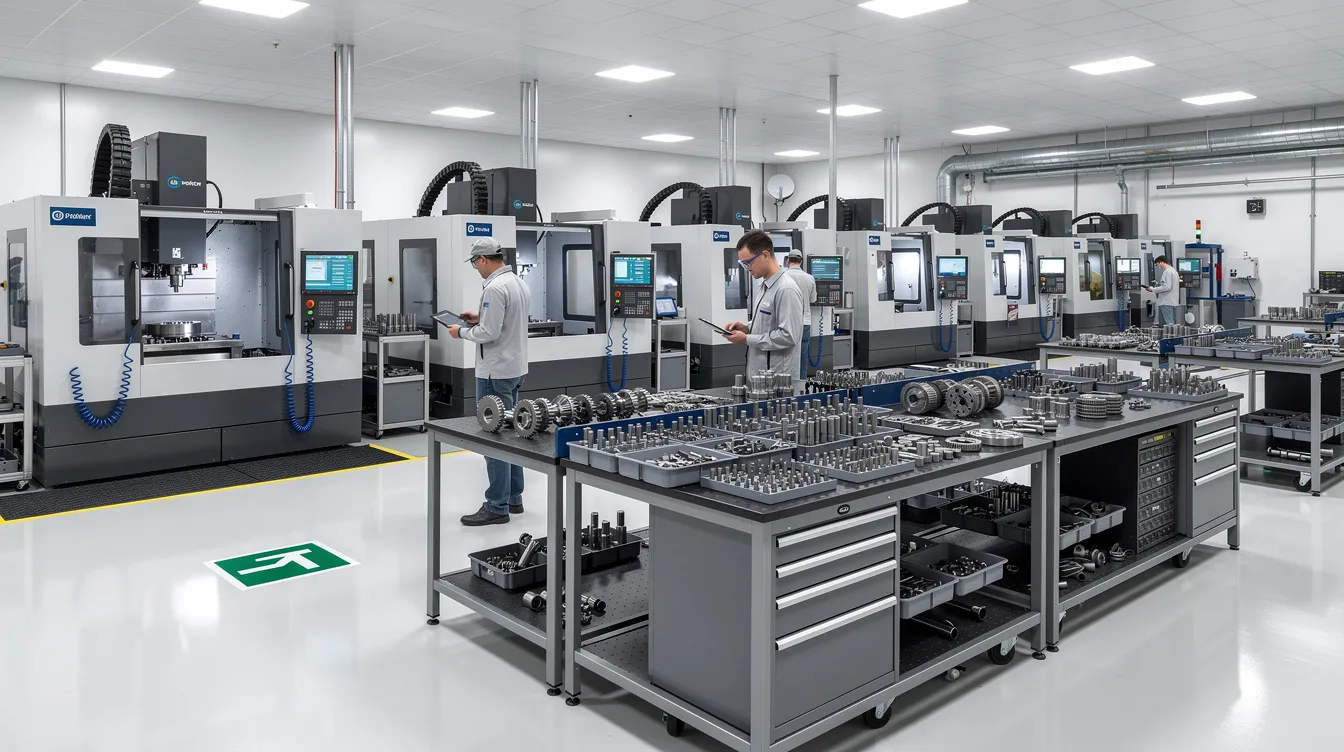
Essential Guide to Choosing the Right Steel Rivet for Your Project
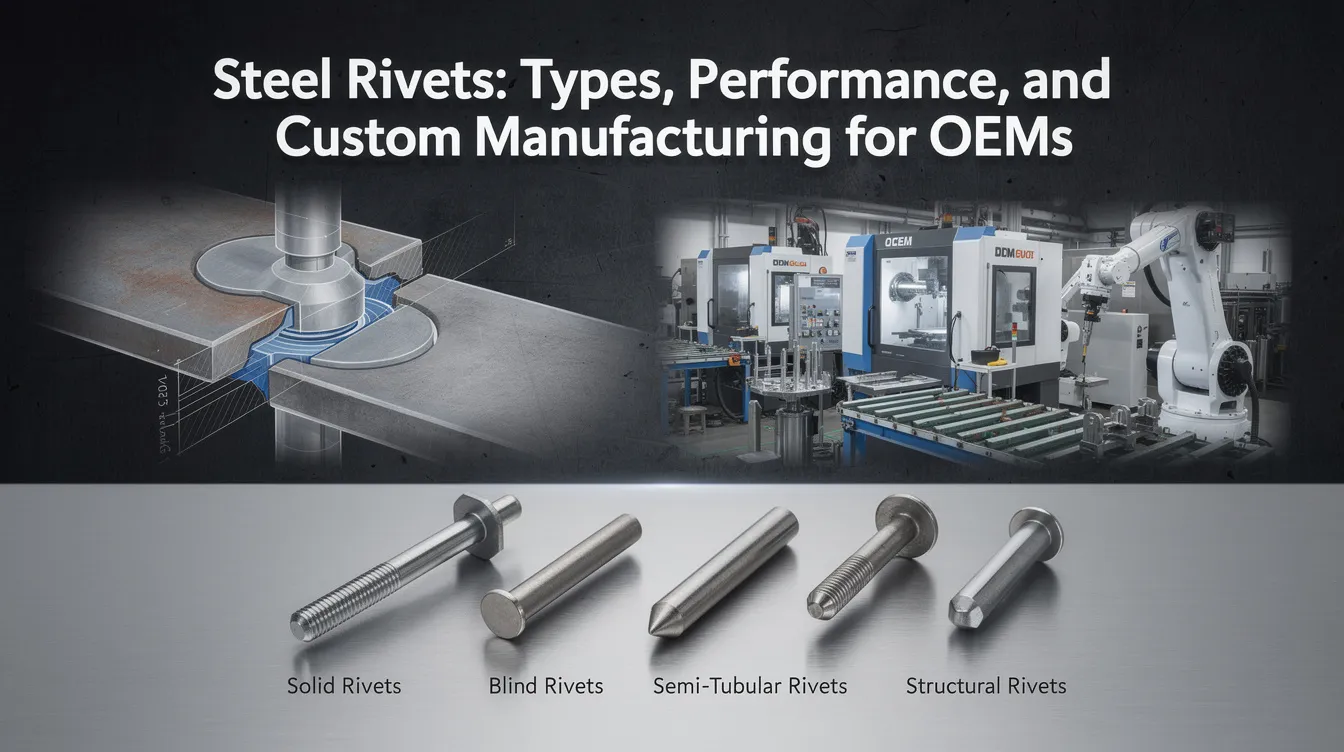
Steel Rivets: Types, Performance, and Custom Manufacturing for OEMs
Introduction to Steel Rivets in Modern Manufacturing
Steel rivets are among the oldest mechanical fasteners still in active service, and for good reason. In an era of advanced adhesives, high-strength bolts, and robotic welding cells, the steel rivet continues to earn its place on engineering drawings across automotive, aerospace, rail, construction, and heavy equipment industries. Steel rivets are utilized in aerospace, construction, and automotive industries because they deliver permanent, vibration-resistant joints with predictable load capacity, and they do it at scale.
Unlike bolts, which rely on threaded engagement and can loosen under cyclic loading, a steel rivet forms a one-piece mechanical connection once installed. Compared with welding, riveted joints tolerate differential thermal expansion, introduce no heat-affected zones into parent material, and require less operator skill to produce repeatable results. Steel rivets can join a variety of materials including steel, aluminum, and plastics, making them especially valuable where dissimilar material stacks are common, such as in mixed-metal vehicle bodies or composite-to-metal aircraft assemblies.
OEMs and design engineers continue to specify the steel rivet in safety-critical assemblies because of its repeatability: once the process parameters are set, every joint behaves within a narrow performance window. Steel rivets can withstand significant shear and tensile loads for structural applications, lending themselves to automated installation on high-volume production lines. Anebon Metal Products Limited, an ISO 9001:2015 and ISO 14001:2015 certified precision manufacturer based in Dongguan, China, supports OEMs with custom steel rivets and the mating components that surround them, from rapid prototyping through full-scale production.
What Is a Steel Rivet? Key Features and Working Principle
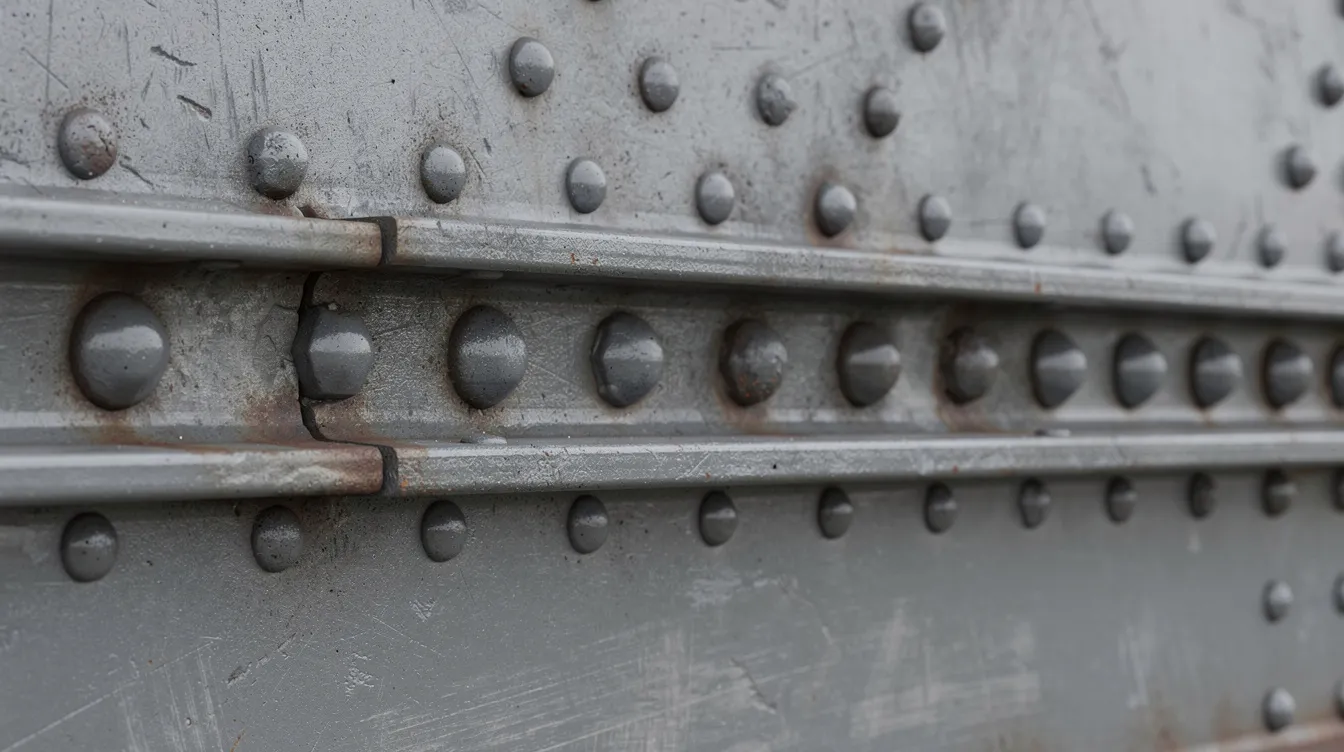
A steel rivet is a permanent mechanical fastener consisting of a factory head at one end and a deformable shank made from carbon or alloy steel. Unlike threaded fasteners designed for disassembly, a rivet is meant to stay in place for the life of the assembly. The factory head is formed during manufacture; a second head, called the shop head or buck-tail, is created during installation by plastically deforming the opposite end of the shank.
Head styles vary to suit different engineering requirements. Round (dome or universal) heads are the most common in structural work. Countersunk heads with conical angles of 90° or 100° sit flush with the surface. Pan, brazier, and button heads offer intermediate profiles for specific clearance or aesthetic needs. Shank diameters for structural steel rivets typically range from 12.7 mm to 38.1 mm under ASTM A502, while equipment-level and body-panel rivets commonly fall in the 2–25 mm range. Grip length, the total thickness of material being joined, dictates overall rivet length because enough shank must protrude beyond the stack to form the shop head.
Installation follows a simple sequence. Steel rivets require pre drilled holes for installation and proper alignment. The rivet is inserted so the factory head seats against the workpiece surface. On the shop side, the protruding shank is upset, meaning the metal is plastically deformed by a bucking bar, pneumatic hammer, or hydraulic press, forming the shop head that clamps the joint. For large structural rivets, this process may involve heating the rivet above its recrystallization temperature (typically above 900 °C) before driving, known as hot-setting. Smaller diameter rivets in equipment housings or brackets are usually cold-set, minimizing thermal distortion. Understanding this working principle, along with terms such as grip range, clinch, and set, gives engineers the vocabulary they need to specify the right rivet for any assembly.
Common Types of Steel Rivets and When to Use Them
The phrase “steel rivet” covers a broad family of designs, each optimized for specific loads, access constraints, and levels of automation. Beyond the four main categories discussed below, specialty variants also exist. For instance, split rivets have a tail that splits into two legs during installation and are used primarily in soft materials and leather goods. This page focuses on the types most relevant to OEM metal fabrication: solid, blind, tubular/semi-tubular, and countersunk.
The goal of this section is practical selection guidance. Rather than a purely theoretical classification, the subsections below give design engineers the information they need to match a rivet type to a real-world joint.
Solid Steel Rivets
Solid steel rivets are permanent mechanical fasteners used wherever maximum shear strength and fatigue resistance are non-negotiable. Solid rivets consist of a one-piece shaft with a head, with no moving parts and no internal cavity, which means the entire cross-section carries load. They consist of a smooth cylindrical shaft and a head formed during the cold-heading or hot-forging process.
Typical materials include low-carbon steels (AISI 1008, 1010) for easy forming and medium-carbon grades (1035, 1045) when higher tensile strength is required. Under ASTM A502, structural steel rivets come in three grades, with diameters from ½-inch to 1½-inch, covering bridges, railcars, and heavy machinery frames. Large structural rivets are often hot-driven: the rivet is heated above approximately 900 °C, inserted, and then bucked. As it cools, thermal contraction adds beneficial residual clamping force. Solid steel rivets can be upset with heat to secure them effectively in thick structural stacks. For smaller diameters in equipment housings or brackets, cold riveting with pneumatic tools is standard practice.
Key advantages and considerations:
-
Solid steel rivets are extremely durable and ideal for permanent joins where the connection must last the life of the structure.
-
They are nearly immune to vibration loosening, making them the go-to choice in dynamic environments.
-
Highest structural reliability of any rivet family, with very predictable shear and tensile values.
-
Limitation: you need access from both sides of the joint for installation, which adds labor unless the process is fully automated.
Blind Steel Rivets (Pop/Structural Blind)
Blind rivets are useful when only one side is accessible, which is common in enclosed assemblies, hollow sections, and field repairs. A blind steel rivet is a two-part fastener consisting of a tubular body and a central mandrel. Standard blind rivets and higher-strength structural blind rivets (with locked or retained mandrels) both fall under this category.
Steel blind rivets are favored over aluminum-body alternatives where higher clamp force, greater fatigue resistance, or fire and heat resistance is required. Typical applications include truck body side panels, railway carriage interiors, and enclosures for industrial machinery.
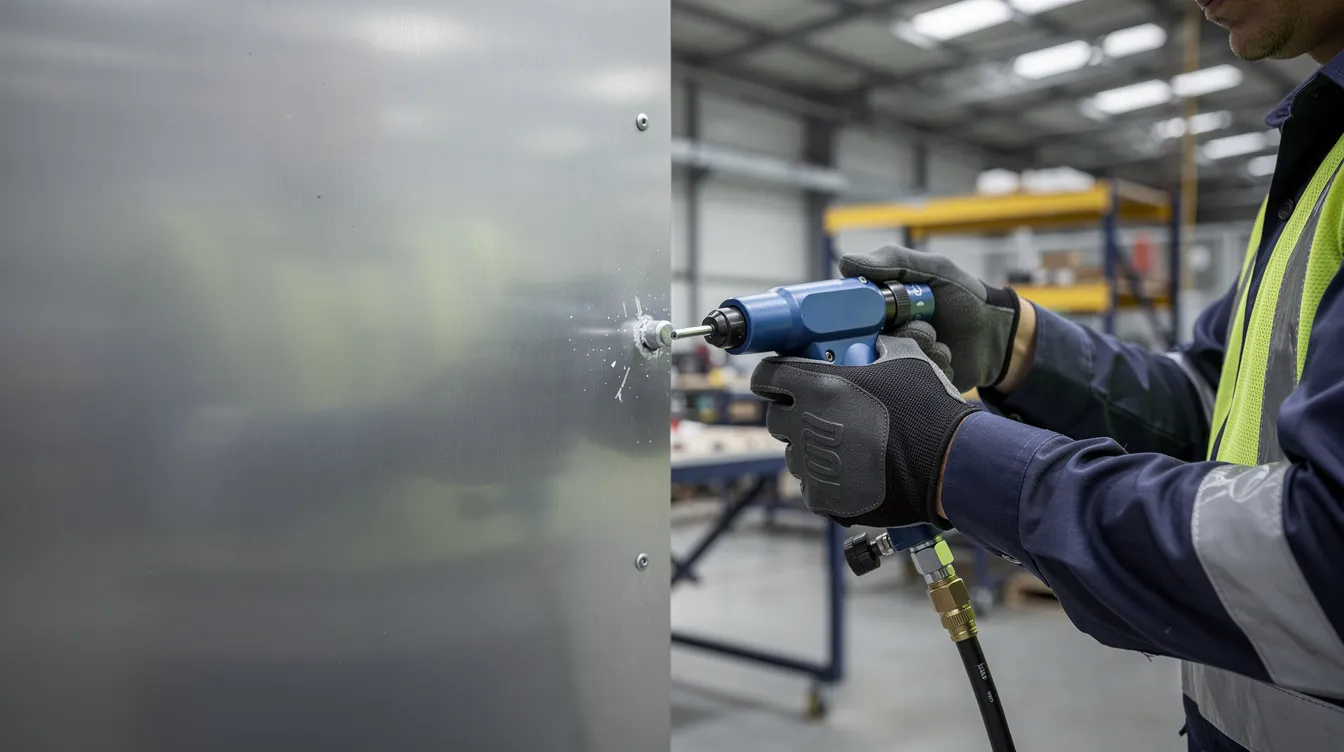
Installation is straightforward: the rivet body is inserted into the hole from the accessible side. A rivet gun grips and pulls the mandrel, which expands the body on the blind side to form a secondary head inside the joint. The mandrel then snaps at a predetermined breakpoint. Many types of steel rivets can be installed quickly with pneumatic or hydraulic tools, and blind rivets are a prime example: cycle times of under two seconds per rivet are achievable on automated lines.
Design tips for OEMs:
-
Specify sealed or water-tight variants (with O-rings or sealing washers) for outdoor or wet environments.
-
Multi-grip body options accommodate variation in sheet stack thickness, reducing the number of rivet part numbers in inventory.
-
Consider zinc-plated carbon steel bodies for moderate corrosion environments; switch to stainless steel bodies for marine or chemical exposure.
-
Ensure hole quality: diameter and finish directly affect mandrel head retention and joint consistency.
-
Body diameters for steel blind rivets are typically limited to about 6 mm due to formability constraints in the body material.
Tubular and Semi-Tubular Steel Rivets
Tubular rivets have a partially hollow shaft for easier installation, reducing the setting force by 60–70% compared to an equivalent-diameter solid rivet. Semi-tubular variants feature a partially drilled shank, while fully tubular types are open through the center. This geometry allows the hollow end to curl outward during setting rather than requiring full plastic upset of solid metal.
Common uses include hinges, brake shoes, friction assemblies, linkages, and rotating joints where the rivet doubles as a pivot pin. In high-volume consumer and industrial products, semi-tubular steel rivets made by cold heading offer an excellent cost-to-performance ratio.
-
Faster installation and lower tool wear compared to solid rivets.
-
Well suited for automated feeding systems: the hollow end provides reliable orientation in vibratory bowl feeders.
-
Slightly lower shear strength than solid rivets of the same diameter, so designers must account for this in load calculations.
-
Anebon produces custom semi-tubular steel rivets with tight dimensional tolerances to ensure compatibility with automated feeders and set-tools.
Countersunk and Flush Steel Rivets
Countersunk steel rivets have conical heads, typically at 90° or 100° included angles, designed to sit level with or slightly below the workpiece surface when used in a countersunk hole. Flush rivets provide a smooth finish for aesthetic applications, but their value extends well beyond appearance.
In aerospace, flush rivets on wing and fuselage skins reduce aerodynamic drag. In vehicle body panels and high-end equipment housings, they deliver clean design lines that can be further concealed by painting or powder coating. Requirements are tighter than for protruding-head rivets: precise countersink depth, controlled upset force to fill the countersink without over-bucking, and closer hole tolerances.
-
Materials tend to be stainless or alloy steels for combined strength, corrosion resistance, and fatigue life.
-
Finishing processes such as painting and powder coating can hide flush rivet heads entirely, creating seamless exterior surfaces.
-
Countersunk joints demand more careful quality control during hole preparation; even small variations in countersink depth create stress concentrations.
Steel Grades, Heat Treatment, and Corrosion Protection
Material selection for a steel rivet directly controls strength class, ductility during setting, long-term fatigue behavior, and environmental resistance. Getting the grade wrong can mean cracking during installation or joint failure in service.
Common steel grades for rivets span a wide range. Low-carbon steels such as AISI 1008 and 1010 offer excellent formability, making them the default for high-volume cold-headed rivets in non-critical assemblies. Medium-carbon grades like 1035 and 1045 provide higher tensile and shear strength for load-bearing joints. Alloy steels add hardenability and wear resistance. For corrosion-critical environments, stainless steel grades are preferred: austenitic 304 and 316 (UTS approximately 515–620 MPa, shear strength roughly 309–372 MPa) or martensitic 410 (tensile strength upward of 700–950 MPa, hardness up to HRC 30–35 depending on temper).
Heat treatment must be carefully controlled. A rivet that is too soft will creep and lose clamp load over time; one that is too hard risks cracking during upsetting. Typical hardness targets for mild steel rivets in annealed condition fall around HB 110–150. Medium-carbon rivets after quench and temper reach HRC 25–35. For hot-set structural rivets used in restoration and blacksmithing work, rivets are often supplied in a normalized or annealed state, then heated on-site before driving.
Surface treatments round out the protection strategy. Advantages of steel rivets include durability, corrosion resistance, and low maintenance, but only when coatings are properly specified:
-
Zinc plating: Basic protection, approximately 96 hours to red rust in salt spray testing.
-
Zinc-nickel plating: Higher performance, 480+ hours salt spray resistance.
-
Black oxide / phosphate + oil: Cosmetic and short-term indoor protection.
-
Electro-polishing or passivation: Used on stainless steel bodies to maximize inherent corrosion resistance.
When choosing between carbon steel, stainless, and alloyed rivets, consider: carbon steel for cost-sensitive indoor or coated assemblies; stainless steel for marine, food-processing, or chemical exposure; alloy steel when both high strength and moderate corrosion resistance must match the service environment.
Design Considerations for Steel Riveted Joints
Proper joint design is as important as rivet selection. A well-chosen rivet in a poorly designed pattern will still fail. Engineers must specify rivet type, material, diameter, grip range, head style, pitch (center-to-center spacing), edge distance (center-to-edge), and overall pattern layout.
Load cases fall into three main categories: shear (force parallel to the joint plane), tension (force pulling the joint apart), and combined loading. Bearing stresses in the plates around drilled holes must also be checked. Industry design safety factors typically range from 2× to 4× for static loads and higher for fatigue or impact scenarios. Steel rivets offer high tensile and shear strength in high-stress environments, with a commonly used design shear strength value for carbon steel rivets of approximately 207 MPa (30,000 psi).
Rules of thumb that work across most standards:
-
Hole clearance: Hole diameter should equal shank diameter plus 0.1–0.3 mm, depending on sheet material and rivet type.
-
Edge distance: Minimum 2× rivet diameter from hole center to sheet edge; preferred 2.5–3×D, especially in thin or soft materials.
-
Pitch (spacing in a row): Minimum 3×D; preferred 4–6×D; maximum in some aerospace guidance up to 8×D.
-
Row spacing: 2.5–3×D between adjacent rows.
When joining dissimilar materials, galvanic corrosion becomes a serious concern. A carbon steel rivet through an aluminum plate, for instance, will corrode aggressively without mitigation. Solutions include using stainless steel rivets, applying isolating washers or barrier coatings, and specifying wet-installation sealants. Anebon provides DFM feedback on rivet patterns, hole tolerances, and access requirements during early design stages, helping OEM teams fabricate sheet metal assemblies that are both manufacturable and reliable.
Manufacturing Steel Rivets: From Wire to Finished Fastener
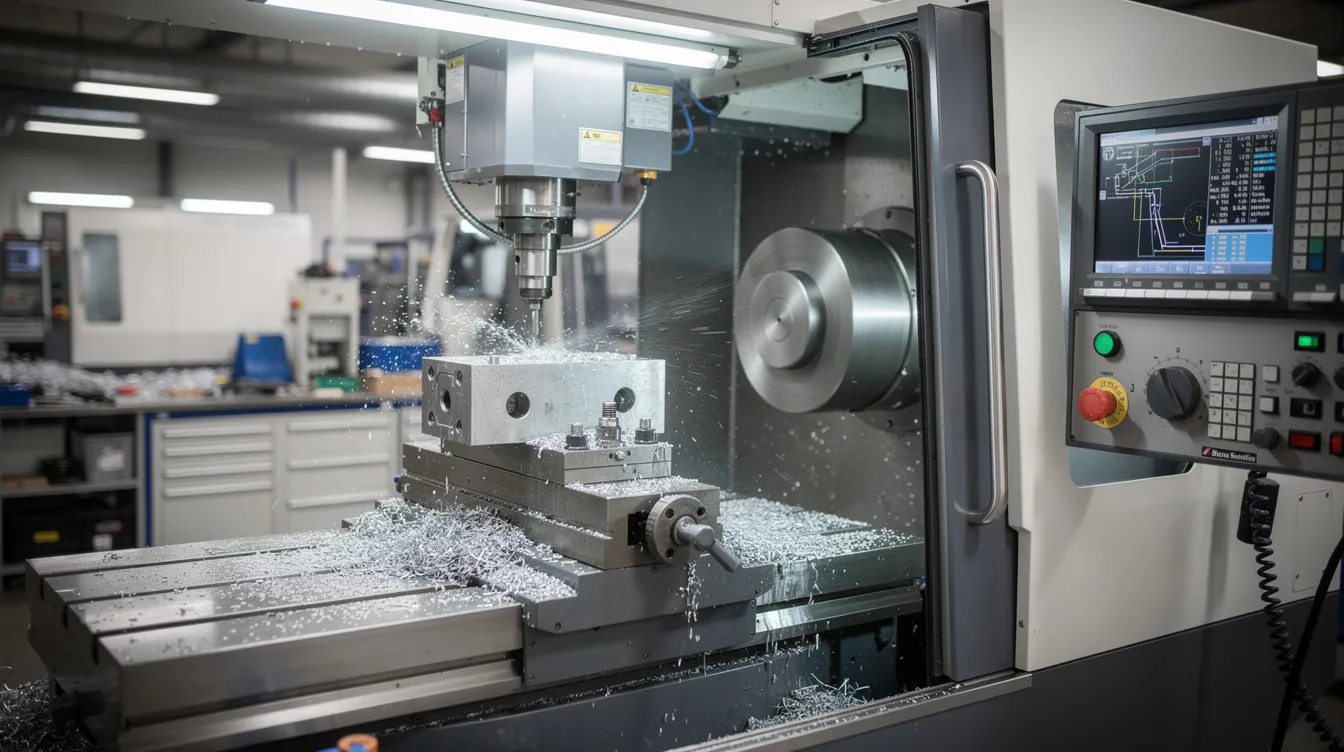
Modern steel rivets are mass-produced via high-speed cold heading, a process that can output thousands of rivets per minute while preserving favorable grain flow in the metal. For special geometries, low-volume orders, or prototype runs, CNC machining provides the flexibility to produce virtually any rivet profile from bar stock.
The manufacturing sequence typically follows these steps:
-
Material selection and incoming inspection: Coiled wire or bar stock is verified for chemical composition, diameter tolerance, and mechanical properties.
-
Cold heading (or hot forging): Wire is cut to length and fed into a header that forms the factory head and shank profile in one or two blows. For semi-tubular types, a secondary pierce or drill operation creates the hollow core.
-
Trimming and finishing: Flash or excess material is removed; shank length is cut to specification.
-
Heat treatment: Applied when the grade requires it, such as quench-and-temper for medium-carbon or martensitic stainless steels, followed by tempering to target hardness.
-
Surface finishing: Zinc plating, zinc-nickel, passivation, or other coatings are applied to the finished rivet.
-
Inspection: Dimensional checks on shank and head diameters, head heights, lengths, and countersink angles. Hardness testing, shear and tensile pull tests, and coating thickness measurement complete the quality assurance loop.
Cold heading is favored for high-volume orders because it preserves unbroken grain flow (improving fatigue life), generates minimal material waste, and keeps unit costs low. CNC machining complements this by handling prototypes, complex custom forms, or low-volume special rivets where tooling investment for heading dies would not be justified. Anebon’s CNC capabilities achieve tolerances as tight as ±0.002 mm, which directly benefits automated rivet feeding and consistent setting in high-speed assembly lines.
Riveted joints are easy to inspect visually, aiding in consistent quality control. On the manufacturing side, this means that both incoming rivet inspection and post-installation verification remain straightforward compared to the ultrasonic or X-ray methods sometimes required for welded or bonded joints.
Steel Rivets vs Alternative Fastening Methods
Every fastening method has a sweet spot. Understanding where the steel rivet wins, and where it doesn’t, helps engineers save time and money while meeting performance targets.
Steel rivets vs bolts/screws: Bolts offer removability but introduce thread-related fatigue failures and can loosen under vibration without secondary locking features. Rivets are a permanent solution with more uniform load distribution across the joint. Riveting is generally faster than welding or using bolts in high-volume production, which translates directly into lower assembly-line cycle times.
Steel rivets vs spot welding: Welding can be fast but introduces heat-affected zones, potential distortion, and requires skilled operators or expensive robotic cells. For a detailed comparison, see this spot welding vs riveting analysis. Rivets are commonly used in sheet metal fabrication where thermal distortion must be avoided.
Steel rivets vs adhesives: Structural adhesives can bond large areas with no holes, but they degrade under prolonged heat, UV, or chemical exposure and are difficult to inspect non-destructively. Steel rivets are generally cost-effective and can reduce labor costs when compared to the surface preparation, cure time, and environmental controls adhesives demand.
Steel rivets vs self-clinching hardware: Self-clinching studs and nuts provide removable connections directly in sheet metal and are the better choice for serviceable electronics enclosures, removable covers, and access panels. Anebon may recommend self-clinching hardware for those scenarios but continues to specify rivets when joints must be permanent, sealed, or operate in high-fatigue environments such as vehicle chassis brackets, aircraft skins, and structural frameworks.
Limitations of rivets are worth noting: reworking a riveted joint means drilling out the old rivet and installing a new one, hole preparation quality is critical, and larger structural rivets require significant installation force. Engineers should consider both structural requirements and assembly-line implications when choosing between fastener families.
Typical Applications of Steel Rivets Across Industries
Common applications of steel rivets include aircraft, automotive, and shipbuilding, but their reach extends far beyond these well-known sectors. Below is a practical overview grouped by industry.
Automotive: Steel rivets are a staple in truck and passenger vehicle manufacturing. Rivets resist vibration loosening in automotive applications, making them ideal for chassis brackets, door assemblies, body-side panels, and frame reinforcements. Steel blind rivets are widely used where enclosed box sections limit access to one side of the joint.
Aerospace: Rivets are used in aircraft construction for durability. Fuselage skins, wing panels, and control surfaces are assembled with thousands of solid and flush steel or alloy rivets per airframe. Countersunk variants minimize aerodynamic drag on external surfaces, and the repeatability of riveted joints supports the stringent quality requirements of aviation certification.
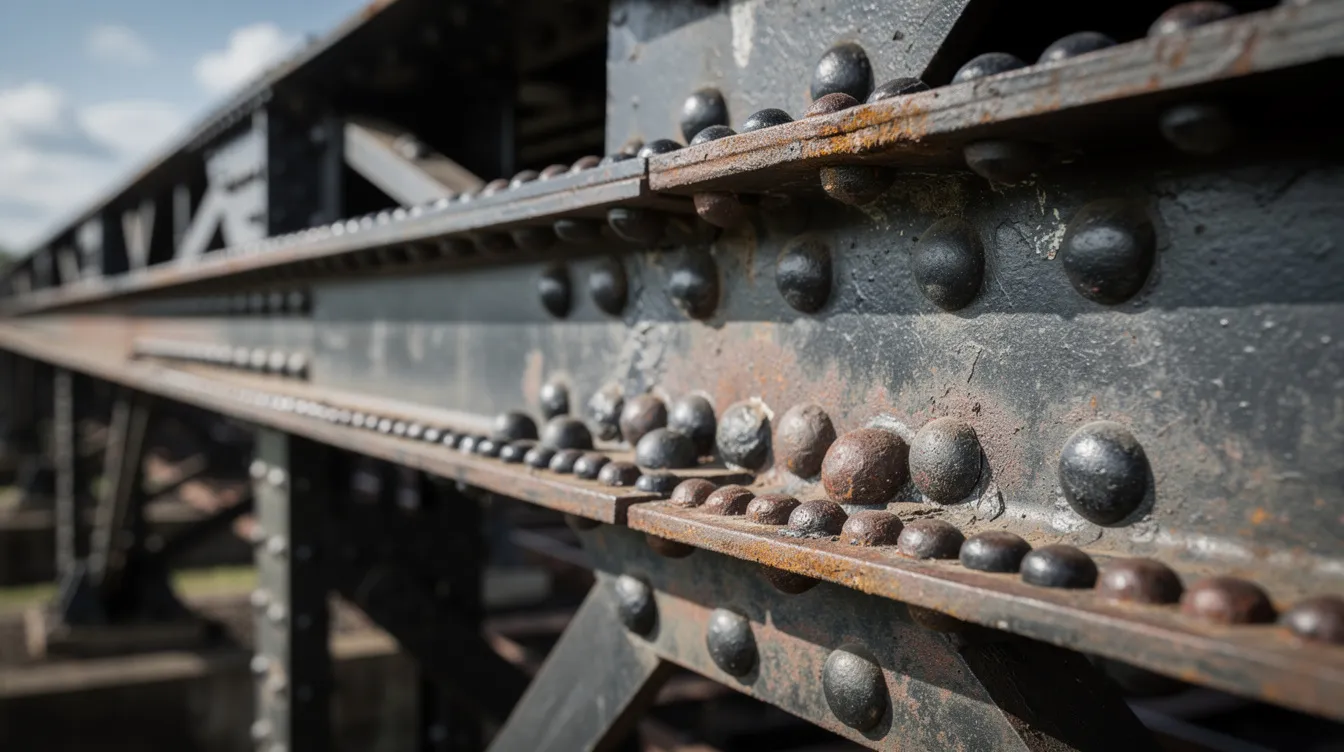
Rail and infrastructure: Legacy railway bridges across North America and Europe were assembled with hot-set solid steel rivets. Refurbishment projects today require matching original rivet types and grades to maintain both heritage compliance and structural integrity. Modern rail interiors use steel blind rivets for panel attachment in passenger carriages.
Shipbuilding and marine: Rivets provide waterproof joints in shipbuilding applications. While welding has largely replaced riveting in hull construction, steel rivets remain standard for fittings, interior bulkheads, and secondary structural connections where watertight integrity and vibration resistance matter.
Industrial machinery and consumer products: Machine guards, conveyor frame assemblies, flanges, and enclosures are frequently riveted for safety compliance. Semi-tubular steel rivets serve as hinge pins and pivots in appliances, furniture hardware, and hand tools. Rivets are also ideal for joining aluminum in RV manufacturing, where mixed-material body panels must handle road vibration over hundreds of thousands of kilometers.
Electronics and robotics: Internal frame brackets and sensor mounts subject to repeated vibration and impact are often secured with steel rivets where the weight penalty is acceptable in exchange for connection reliability.
Restoration and blacksmithing: Historical steel structural rivets are being reproduced using grades that match the originals, often hot-set, to replicate the thermal contraction behavior of the original construction.
How Anebon Supports Custom Steel Rivet and Assembly Projects
Anebon Metal Products Limited has been delivering precision metal parts from its Dongguan, China facility since 2010. With ISO 9001:2015 and ISO 14001:2015 certifications, Anebon serves overseas OEM clients who need more than off-the-shelf fasteners: they need a partner who can produce custom metal parts across the full project lifecycle.
Services relevant to steel rivet applications include CNC machining of special rivet geometries, production of mating components such as brackets, plates, and housings, and complete sheet metal fabrication with rivet-ready hole patterns and countersunk features. Capabilities span CNC turning and milling, 5-axis machining, die casting, and sheet metal work, across a broad material range: carbon steel, alloy steel, stainless steel, aluminum, titanium, and engineering plastics. Tolerances down to ±0.002 mm are achievable for precision components where automated feeders and installation tools demand tight dimensional control.
Design support goes beyond manufacturing. Anebon’s engineering team provides DFM feedback on riveted joints, including recommendations on rivet type, material grade, pattern layout, and optimization for automated riveting or hardware insertion. Quality assurance practices include traceable material certificates, in-process inspection, mechanical testing (shear and tensile pull tests), surface finish measurement, and PPAP or first-article inspection documentation per OEM requirements.
If you have questions about specifying steel rivets for your next project, or if you need a manufacturing partner who can deliver both the rivets and the assemblies they join, reach out to Anebon’s team. Share your drawings, CAD files, or specifications to receive DFM feedback and a quote tailored to your order requirements. Whether you are launching a new product or scaling an existing design, the right manufacturing partner makes the difference between a joint that holds and one that doesn’t.