Essential Guide to Choosing the Right CNC Machine for Your Needs
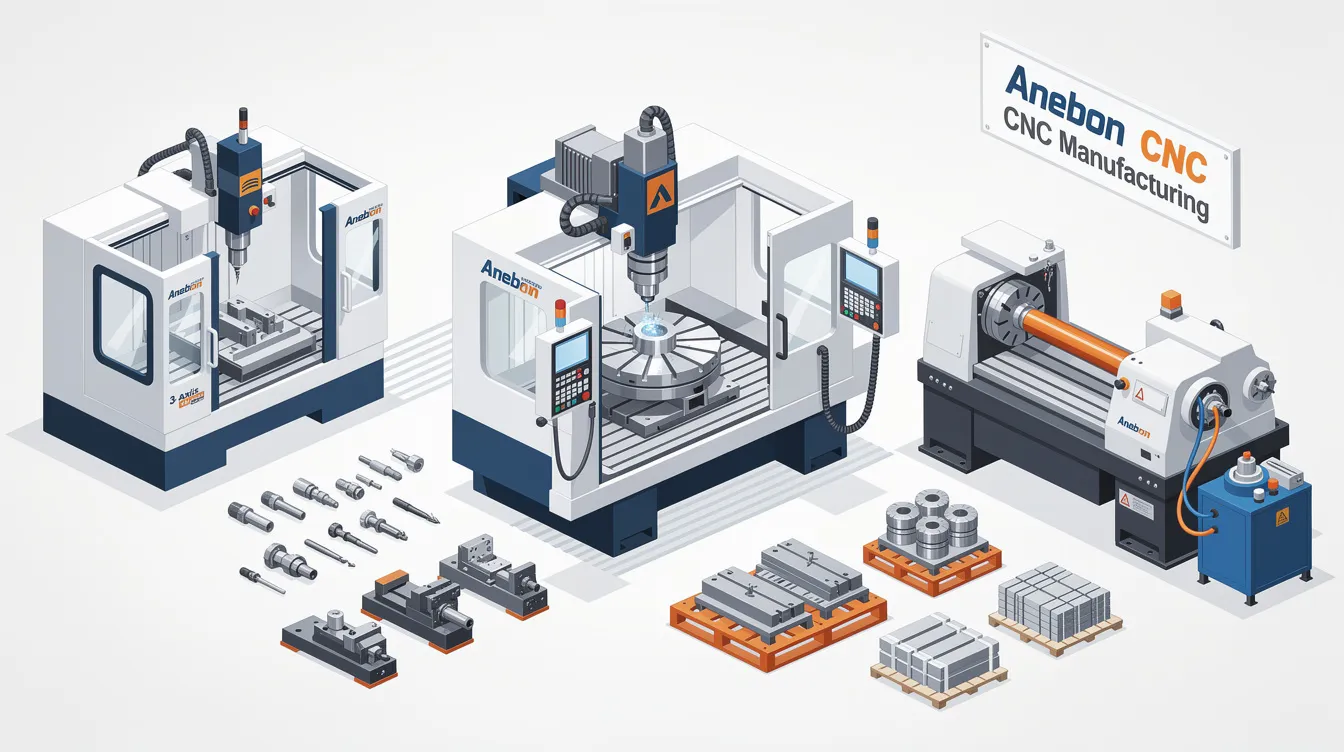
CNC Machines: Types, Components, and How Anebon Supports Your CNC Manufacturing
Introduction to CNC Machines
CNC machines produce complex parts from materials like metal, plastic, and wood by following programmable instructions to operate with high speed and minimal manual intervention. CNC stands for Computer Numerical Control, a technology that transformed machine tools in modern factories when microprocessor-based controllers replaced punched-tape systems in the 1970s. Today, CNC machines automate manufacturing processes using programmed software to control tools across virtually every corner of the manufacturing industry.
It is worth understanding two related but distinct terms. A “CNC machine” is the physical equipment-a mill, lathe, router, or cutter. “CNC machining” is the broader production process: a subtractive method where CNC machines operate via a subtractive process that removes layers from a block of material until the final shape emerges. This contrasts with additive methods like 3D printing or formative methods like die casting.
The common types of CNC equipment you will encounter include:
-
CNC mills – vertical and horizontal milling centers, from 3-axis to 5-axis
-
CNC lathes – turning centers for cylindrical and axially symmetrical parts
-
CNC routers – lighter machines for wood, plastics, and composites
-
Plasma cutters, laser cutters, and waterjet cutters – for sheet and plate work
-
EDM machines – wire and sinker types for hard materials and intricate profiles
-
Grinders and multi-axis machining centers – for finishing and complex geometries
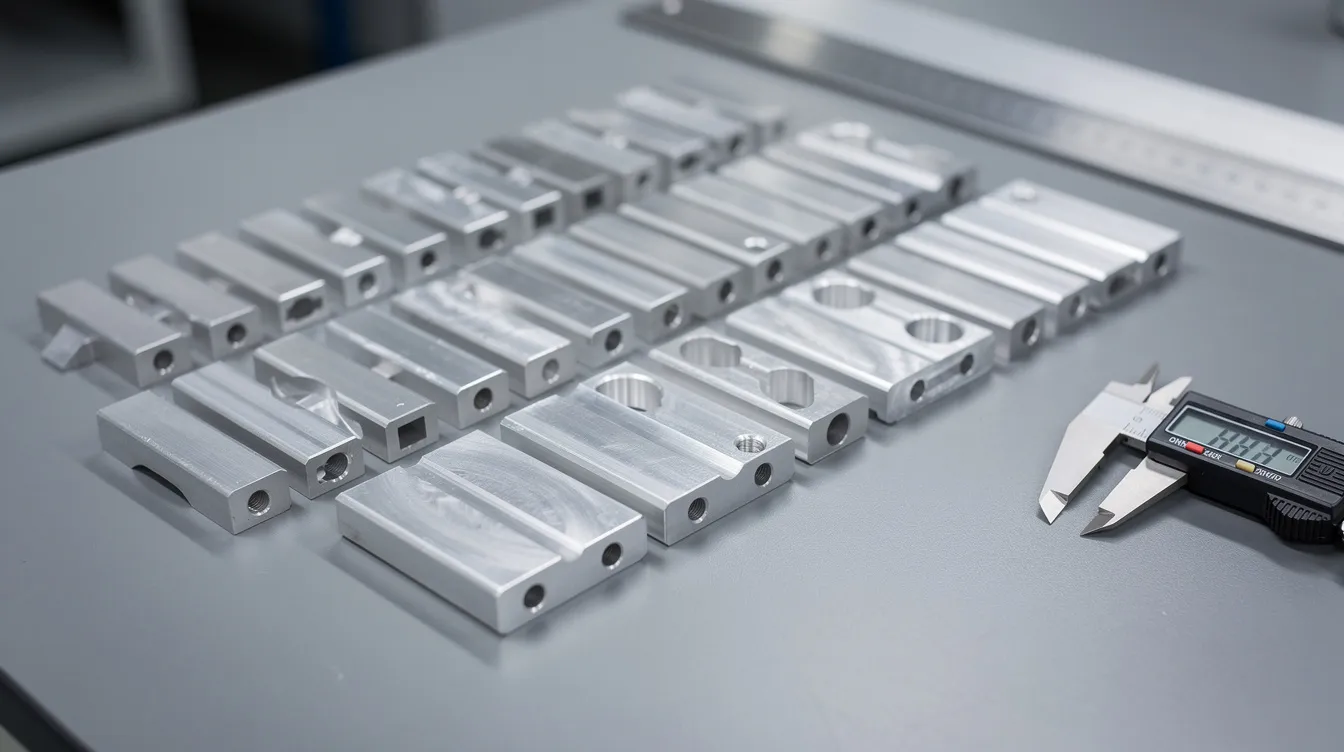
A practical example: an aluminum housing for an electronics module, featuring thin walls, precision-drilled holes, and tapped threads, machined on a 5-axis cnc mill to tolerances of ±0.01 mm and then anodized for corrosion protection. Parts like this ship from our facility every week.
Anebon Metal Products Limited, founded in 2010 in Dongguan, Guangdong, China, is an ISO 9001:2015 and ISO 14001:2015 certified precision cnc manufacturing partner serving overseas OEMs across aerospace, medical, automotive, electronics, and robotics industries.
What Is CNC and How CNC Machines Work
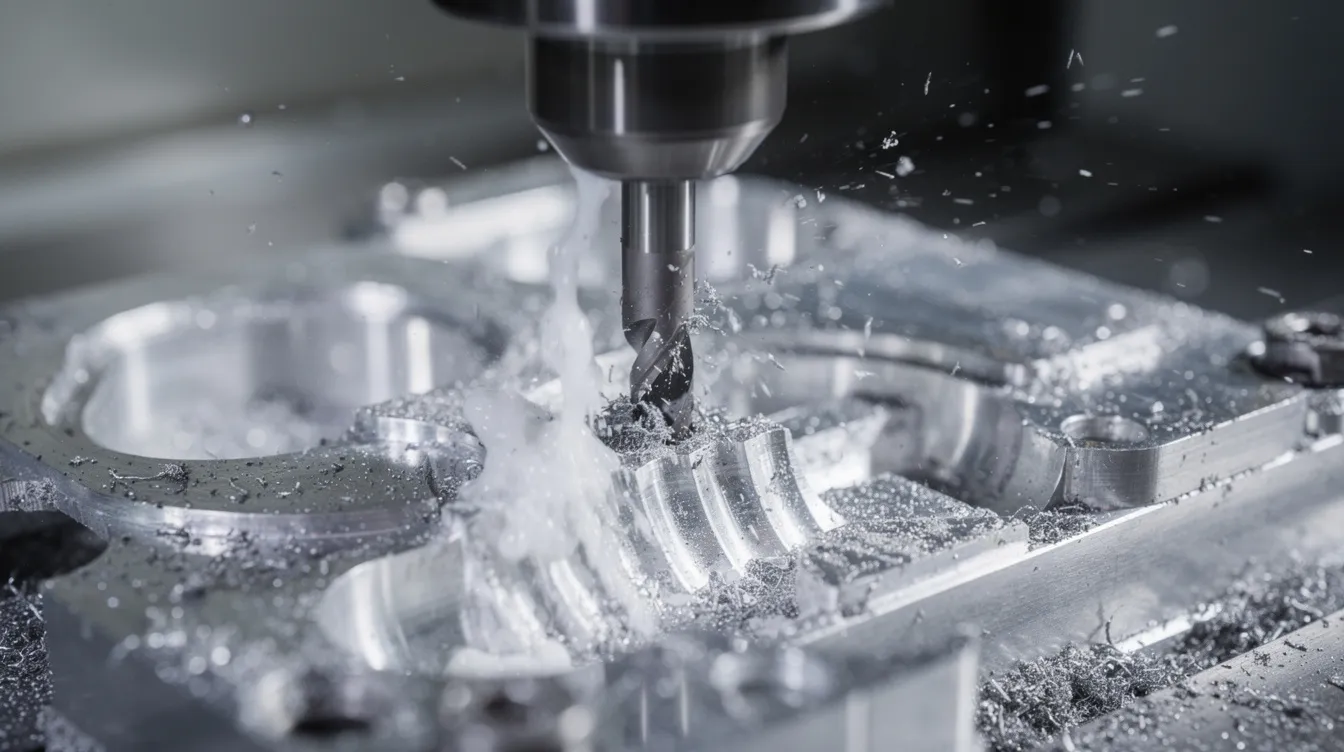
CNC machines operate using pre-programmed software and codes to convert digital designs into precise physical movements. Computer-Aided Design (CAD) software is used to create models for CNC machining, and then cam software generates the toolpaths that define how each cutting tool will engage the workpiece. A post-processor translates those toolpaths into g code and m code-the two instruction languages every CNC machine understands. G-code commands specific movements of the CNC machine (linear and arc interpolation, drilling cycles, feed rate, and spindle speed), while m code handles auxiliary functions like coolant on/off, tool changes, and program stops.
CNC machines can control multiple axes, typically at least two, and industrial machines commonly operate across three to five or more axes simultaneously. The x axis, Y axis, and Z axis define linear travel, while rotational axes (A, B, or C) allow the tool or workpiece to tilt and rotate for accessing complex shapes in a single setup.
Here is how a typical job flows from drawing to finished part, using a stainless steel medical implant as an example:
-
A design engineer creates a 3D CAD model of the implant and generates a 2D drawing with tolerances and surface finish callouts.
-
A CAM programmer selects tools and generates toolpaths for each operation: roughing, contouring, drilling, and finishing.
-
The post-processor outputs machine-specific g code with feeds, speeds, and tool-change instructions.
-
An operator loads the raw material into the fixture, confirms tool offsets, and initiates the program.
-
The machine performs facing, drilling, contour milling, and finishing passes-all fully automated.
-
Feedback sensors measure axis positions in real time; the controller adjusts for any deviation.
-
After machining, the part is cleaned, inspected with a CMM or gauges, and surface-treated (e.g., passivation) before shipping.
CNC machines create precise tools and implantable devices in the medical field using exactly this kind of workflow.
Core Components of a CNC Machine
Most CNC machines share similar mechanical, electrical, and computer software components regardless of whether they are mills, lathes, or routers. Understanding these building blocks helps you evaluate equipment quality and the accuracy you can expect from a supplier.
Bed and Frame. A CNC machine’s bed is typically made of cast iron alloys, chosen for vibration damping and thermal stability. Some machines use welded steel frames for lighter construction. A heavier, stiffer frame reduces deflection under cutting loads, directly improving precision and surface finish.
Machine Control Unit (MCU). CNC machines use a machine control unit for operation-an industrial computer combined with a motion controller that interprets g code instructions, coordinates servomotors across all axes, manages the machine spindle speed, controls the feed rate, and enforces safety interlocks. This is the brain of every CNC machine.
Input and Display Units. Programs are loaded via USB, Ethernet, or networked file systems. Operators monitor parameters on touchscreen or LCD displays showing real-time coordinates, spindle load, alarms, and tool life status.
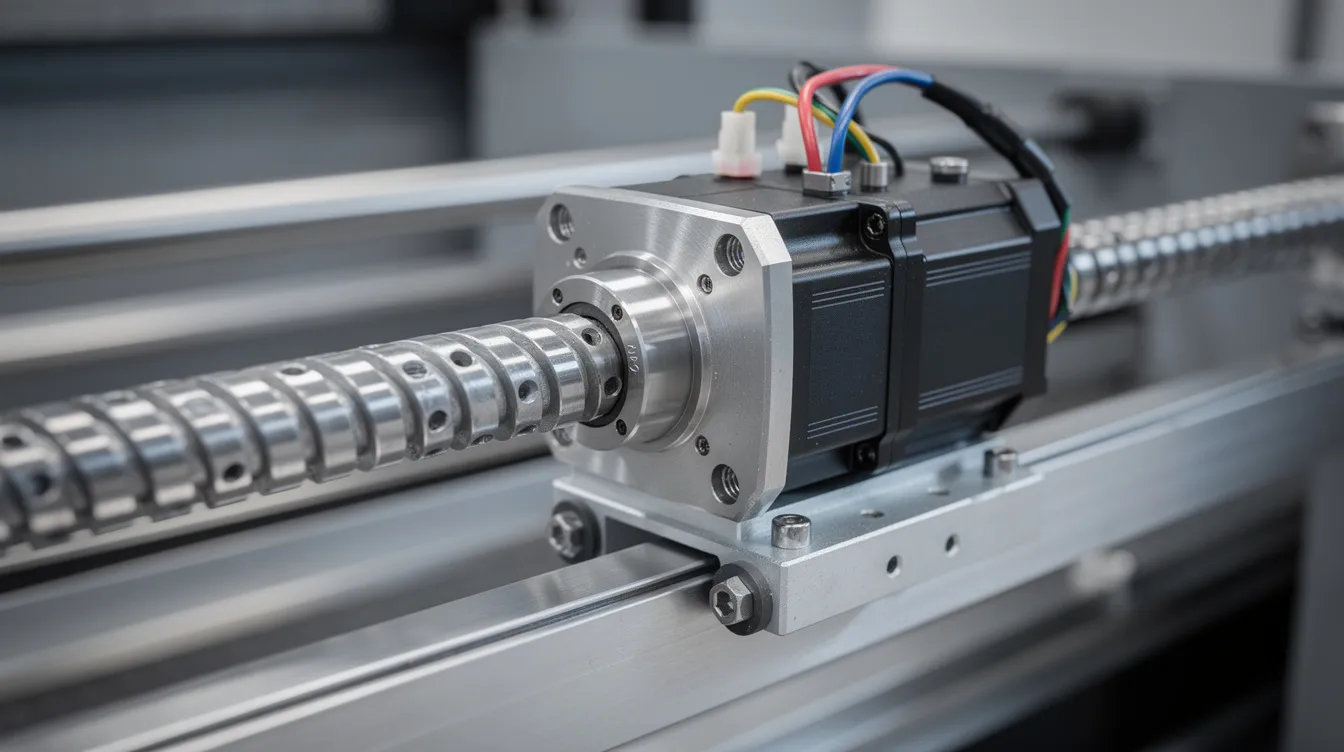
Drive System. The drive system includes servomotors and electronic circuits that translate controller signals into physical axis movement through ball screws and linear guides. Motor resolution, screw pitch, and guide precision determine positioning accuracy. High-end machines-including those we use at Anebon-achieve repeatabilities on the order of ±0.002 mm through precision bearings and high-resolution encoders.
Feedback Systems. Feedback systems provide real-time data about tool movement and axis position via encoders, linear glass scales, and touch probes. Closed-loop systems provide feedback for accurate positioning by comparing commanded position against measured position and correcting deviations instantly. This is the closed loop system that separates precision machinery from basic equipment.
Workholding and Tooling. Vises, chucks, pallets, and custom fixtures hold the workpiece securely. Tool holders (BT, CAT, HSK interfaces) connect cutting tools to the spindle, and an automatic tool changer lets the machine swap tools in seconds without operator intervention.
Main Types of CNC Machines and Their Applications
The following survey covers the most common machine tools used in OEM manufacturing and where each type excels.
CNC Milling Machines. CNC milling machines are the most common type of CNC equipment in production shops worldwide. CNC mills carve out shapes while the material remains stationary, and the rotating cutter moves across multiple axes. Vertical mills orient the spindle vertically; horizontal mills position it sideways for better chip evacuation in deep pockets. A 3-axis machine handles straightforward operations like face milling, pocketing, drilling, and tapping. A 5-axis machine adds two rotational axes, enabling complex shapes in a single setup-ideal for producing aluminum 6061 drone frames or aerospace brackets with compound angles.
CNC Lathes and Turning Centers. CNC lathes create axially symmetrical shapes like cones and cylinders by rotating the workpiece against a stationary cutting tool. Modern CNC turning centers include bar feeders for unattended production and live tooling in the turret for milling or cross-drilling without removing the part. Automotive shafts, threaded connectors, and hydraulic fittings are everyday lathe work.
Turn-Mill Compound Machines. Mill-turn centers combine milling and turning operations in a single fixture, dramatically reducing cycle time and improving accuracy by eliminating re-fixturing errors. These multi-axis CNC machining centers are essential for advanced jobs like producing surgical instruments or complex hydraulic manifolds.
CNC Routers. CNC routers are primarily used for cutting softer materials-wood, plastics, composites, and occasionally soft metals like aluminum sheet. A router typically offers a larger work area than a cnc mill but lighter construction and lower rigidity.
Other CNC Machines. CNC plasma cutters use high-temperature ionized gases for cutting sheet and plate metal; CNC plasma cutters start at approximately $12,000. CNC laser cutters offer higher precision than plasma cutters and handle finer detail work; CNC laser cutting machines cost between $10,000 and $200,000 depending on power and bed size. CNC waterjet machines cut through materials using high-pressure waterjets, with the advantage of zero heat-affected zone. Wire EDMs cut intricate profiles using a charged wire, while sinker edm creates cavities and complex 3D shapes in hard materials using a shaped electrode. Grinders deliver sub-micron surface finishes on hardened parts. Dedicated drilling centers and multi-axis machining centers round out the landscape of many machines found in a modern shop.
CNC machines are essential for high-precision milling and turning in aerospace, and at Anebon we focus specifically on high-precision CNC milling and turning-including 5-axis machining-for aerospace, robotics, medical, and industrial machinery OEM parts.
CNC Machining Processes: Milling, Turning, and Beyond
CNC machining is the umbrella term for subtractive machining processes performed on computer-controlled machine tools. The choice of process depends on part geometry, material, tolerance, and production volume.
Milling. In milling, the cutter rotates while the workpiece is clamped to the table. Toolpath strategies include contouring, adaptive clearing (which manages chip load to extend tool life), drilling cycles, and pocketing. Standard milling achieves tolerances of ±0.05–0.1 mm; precision setups reach ±0.01 mm or better. Common materials include aluminum alloys, stainless steels, titanium, and engineering plastics like POM and PEEK.
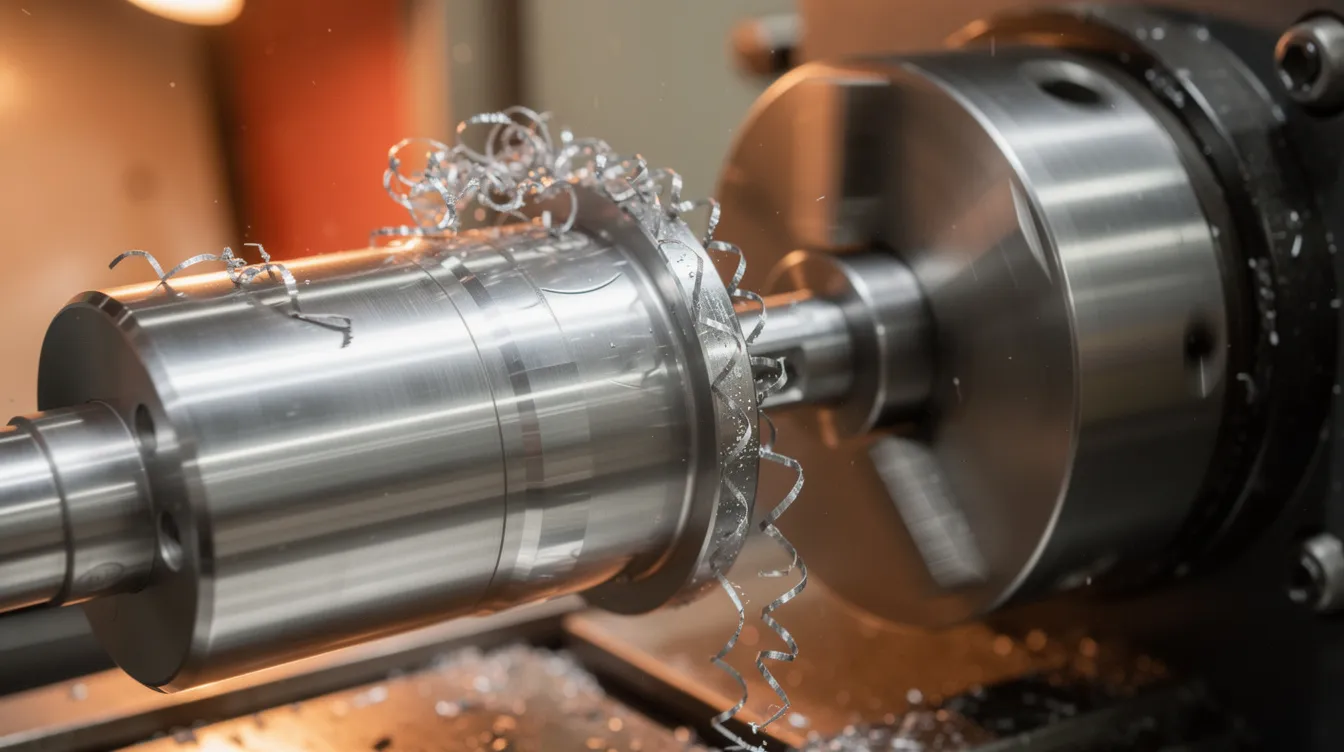
Turning. Turning produces round or multi-diameter components, from simple shafts to complex parts with grooves, threads, and tapers. Roughing passes remove bulk material quickly; finishing passes use fine cuts for accurate final diameters and smooth surface finishes. CNC machinists work in industries like aerospace and automotive, where turned components must hold diametrical tolerances of ±0.02 mm or tighter.
Advanced Operations. Five-axis simultaneous machining allows the tool to reach undercuts and compound surfaces in one setup, which is critical for aerospace brackets and surgical instruments. Combined mill-turn centers eliminate re-clamping, reducing cumulative error across features.
Related Services. Alongside CNC machining, Anebon provides die casting, sheet metal fabrication, and secondary operations like threading, reaming, and tapping. After machining, surface treatments-anodizing, powder coating, bead blasting, passivation-improve corrosion resistance and cosmetic appearance.
Materials, Cutting Tools, and Drive Systems in CNC Manufacturing
CNC machines can process a wide range of metals and plastics, depending on machine rigidity, spindle power, and cutting tools used.
Metals. Aluminum alloys (6061 for general use, 7075 for higher strength) are the most frequently machined metals due to their excellent machinability and lightweight properties. Stainless steels (304, 316, 17-4PH) serve corrosion-resistant and medical applications. Titanium alloys are selected where biocompatibility or high strength-to-weight ratio matters-think implants and aerospace fasteners. Brass and copper appear in electrical connectors and heat sinks. Many shops also cut steel of various grades for tooling and structural parts.
Plastics. Engineering polymers including POM (acetal), ABS, polycarbonate, and PEEK are machined for electronics enclosures, medical housings, and insulating components where non-conductivity, chemical resistance, or light weight are priorities.
Cutting Tools. Carbide end mills, a standard drill bit, inserts, and reamers form the core toolkit. Coatings like TiN and TiAlN reduce friction, allow higher feeds and speeds, and extend tool life-particularly important when you need to cut steel or machine titanium. Tool geometry (helix angle, flute count, corner radius) directly influences chip evacuation, vibration, and surface quality.
Drive Systems and Spindle Speed. The drive system’s servo motors and high-speed spindles determine how fast and precisely the machine can move. Modern CNC equipment runs spindles at tens of thousands of RPM and uses linear motors on premium axes for maximum acceleration. These capabilities enable efficient cnc manufacturing at production volumes.
At Anebon, we recommend suitable materials and cutting tools to overseas OEM clients as part of our DFM feedback, helping balance strength, machinability, and cost before a single chip is cut.
Advantages of CNC Machines for OEM Production
CNC machines are foundational for speed, repeatability, and tight tolerances in manufacturing, making them the default choice for OEM production from prototyping through mass production.
Precision and Repeatability. CNC machines ensure high precision and repeatability in various industries. At Anebon, we achieve tolerances as tight as ±0.002 mm on properly designed features using high-end machines with closed-loop feedback and calibrated metrology equipment. This level of accuracy means parts fit consistently in assemblies, reducing rejects.
Productivity. Automation drives throughput. Multi-axis machining, automatic tool changers, and programmed operations minimize manual handling. A single machine can run through dozens of tools and hundreds of operations per part without an operator touching the workpiece. CNC machinists oversee CNC machinery operations, monitor process health, and they conduct test runs to ensure proper machine function before committing to a full batch.
Flexibility. Switching from one part number to another requires loading a new program and swapping fixtures-not rebuilding a production line. This is especially valuable for R&D teams iterating on designs. For example, transitioning from prototype medical device housings to low-volume production in the same CNC cell requires no new tooling, only validated programs.
Cost Efficiency. Less scrap, fewer human errors, and the ability to run unattended (lights-out operation) reduce per-part costs over time. CNC technology makes heavy duty production runs economically viable even for complex geometries.
Traceability and Quality. In-process inspections, CMM checks, and documented quality systems under ISO 9001:2015 provide full traceability for every batch. This matters in regulated industries like medical devices and aerospace.
New Technology Trends in CNC Routers and Machine Tools
CNC technology continues to evolve, and the improvements directly benefit OEMs through shorter lead times, fewer errors, and more predictable quality.
CNC routers now ship with automatic tool changers, vacuum tables, and 5-axis router heads, enabling complex composite and wood parts that previously required manual shaping. These improvements expand the cnc router from simple profiling into a capable production tool.
Probing systems-touch probes and lasers-are increasingly standard on modern machines. They automate work offset setting, measure the first article in-cycle, and monitor tool length and wear. This new technology reduces setup time and prevents scrap from undetected tool breakage.
Industry 4.0 features like machine monitoring, data logging, and remote diagnostics are transforming how shops manage their equipment. Real-time dashboards track spindle loads, vibration, and tool wear, enabling predictive maintenance that reduces unscheduled downtime.
Advanced cam software now includes collision detection, machine dynamic simulation, and adaptive toolpath strategies (such as trochoidal milling) that manage chip loads to extend tool life and improve surface finish. These software-driven improvements compound with hardware advances to push accuracy and efficiency higher each year.
When to Buy CNC Machines vs. Use CNC Machining Services
Deciding between capital investment in your own machines and outsourcing to a CNC machining supplier comes down to volume, complexity, and operational readiness. Both paths have clear use cases.
When buying makes sense:
-
Stable, high-volume demand for a narrow range of parts
-
Proprietary processes requiring tight control over intellectual property
-
An existing in-house team of skilled operators-CNC machinists must understand technical drawings and programming, and postsecondary training is recommended for aspiring CNC machinists
When outsourcing is the better choice:
-
Early-stage product development and rapid prototyping
-
Variable or unpredictable demand
-
Complex multi-axis parts or need for multiple processes (CNC machining + die casting + sheet metal) under one roof
-
Limited floor space, tooling inventory, or maintenance infrastructure
The cost factor is significant. A standard CNC mill costs between $30,000 and $80,000. Typical 3-axis lathe machines range from $38,000 to $60,000. Entry-level 3-axis CNC machines cost around $20,000 for basic work, while multi-axis industrial CNC machines start from $200,000 and climb steeply for heavy duty 5-axis centers. Add tooling, fixtures, inspection equipment, programming software, and operator salaries, and the total investment multiplies fast.
Anebon’s CNC service model gives overseas OEMs access to rapid prototyping (typically 3–5 business days for simple parts), DFM feedback, material sourcing, and combined operations-all without tying up capital. If you are evaluating whether to invest in your own machinery or partner with a manufacturing supplier, we invite you to share your CAD files for a no-obligation evaluation and quotation.
How Anebon Delivers CNC Machining Quality and Support
We built Anebon Metal Products Limited to be a long-term OEM partner, not a transactional job shop. Since our founding in 2010, we have invested in the people, equipment, and systems that overseas OEMs depend on for production-grade parts.
Capabilities. We operate multi-axis CNC milling and turning centers, surface and internal grinders, wire edm and sinker edm machines, and comprehensive metrology equipment-all within our facility in Dongguan, Guangdong, China. We machine both metals and engineering plastics to tolerances as tight as ±0.002 mm, with full measurement reports available on request.
Certifications. Our ISO 9001:2015 (quality management) and ISO 14001:2015 (environmental management) certifications are audited regularly and reflect our commitment to consistent processes and responsible manufacturing.
Project Flow. Every project follows a clear path: submit your RFQ with 2D or 3D drawings (STEP, IGES, or similar formats) → our engineers provide DFM review and feedback → we issue a competitive quotation → prototype production and validation → ramp to series production with ongoing communication and quality reporting.
Industries Served. We deliver precision components to aerospace, medical device, automotive, electronics, robotics, and industrial machinery OEMs worldwide. Whether your project calls for a single prototype or thousands of production parts, our integrated capabilities-CNC machining, die casting, and sheet metal fabrication-keep your supply chain simple.
Key Considerations When Specifying CNC Machined Parts
Thoughtful design and clear documentation are the fastest path to better cost, lead time, and quality from any CNC manufacturing partner.
Material Selection. Balance strength, weight, machinability, and cost. For general-purpose OEM parts, aluminum 6061-T6 offers excellent machinability and corrosion resistance. When you need more strength, 7075-T6 is the upgrade. Stainless steel 304 covers most corrosion-resistant applications; 17-4PH adds higher strength for demanding environments.
Tolerance Specification. Avoid over-tolerancing non-critical features. Many dimensions only need ±0.05–0.1 mm. Reserve tight callouts (±0.01 mm or better) for bearing seats, mating surfaces, and alignment features. As a concrete example: specifying a slot at ±0.01 mm instead of ±0.05 mm may force slower feed rates, additional finishing passes, and more frequent inspection-potentially doubling the per-piece cost. Our engineers are happy to review your drawing and suggest where tolerances can be relaxed without affecting function.
Part Geometry. Thin walls can deflect under cutting forces; minimum wall thickness depends on material and part size. Deep holes may require specialized tooling. Internal corner radii must accommodate the smallest cutter you are willing to use-sharp internal corners are impossible with rotary tools and may require EDM.
Surface Finish. A standard machined finish of Ra 1.6 µm suits most functional surfaces. Finer finishes (Ra 0.8 µm or below) require finishing passes, grinding, or polishing and add cost. Clarify which surfaces are cosmetic vs. functional so your supplier can allocate effort where it matters.
Summary and Next Steps
CNC machines-from mills and lathes to routers, lasers, and EDM-are the backbone of precision OEM manufacturing. Choosing the best machine type, material, and tolerance strategy for your part determines both quality and cost.
Anebon Metal Products Limited is an ISO-certified partner for CNC machining, die casting, and sheet metal fabrication, supporting overseas OEMs from prototype through full production. Our team provides DFM feedback, tight tolerances, and combined processes under one roof.
Ready to move forward? Upload your CAD files, request a quote, or contact our engineering team directly to get DFM advice on your next CNC manufacturing project. We typically respond with a quotation within 24 hours.