Essential Guide to Choosing the Best Metal Sheet Roller for Your Needs
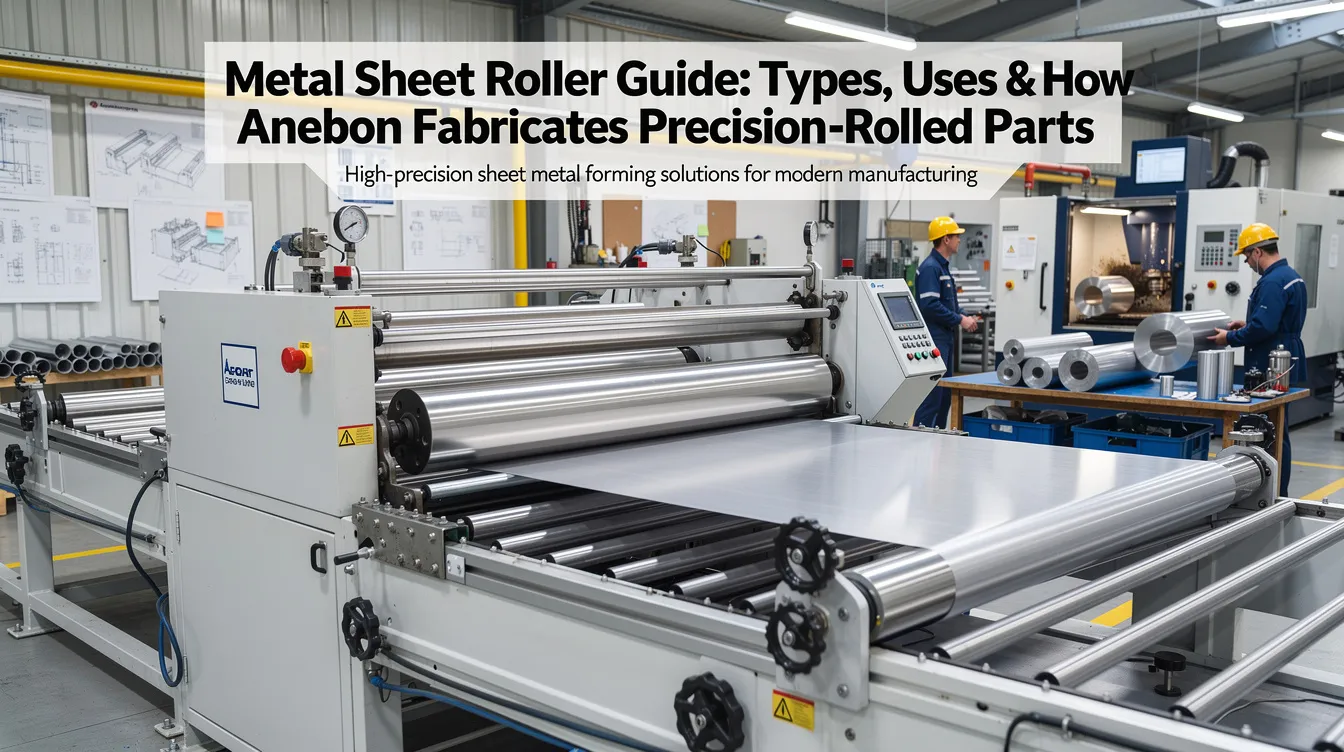
Metal Sheet Roller Guide: Types, Uses & How Anebon Fabricates Precision-Rolled Parts
Introduction to Sheet Metal Rollers
A metal sheet roller is a machine used to form flat sheet metal into curved shapes-cylinders, cones, arcs, and partial curves that appear in everything from EV battery housings and HVAC ducts to industrial machinery guards. In 2026, demand for precision-rolled components continues to grow across industries that require consistent curvature, tight seam fit-up, and repeatable dimensions at scale.
Several terms describe related but distinct equipment. A sheet metal roller is the broad category. Slip rollers (also called a slip roll machine) typically handle thin gauge material up to about 3 mm. Plate rollers are heavy-duty machines built for thicker materials ranging from 6 mm up to 25–40 mm plate. Precision or CNC-controlled rollers add digital feedback and recipe storage for repeatable, high-accuracy output. Rollers can vary in design, including manual, powered, and hydraulic options. Beyond these, edge rollers form sharp creases and soft curves in sheet metal, while English wheels create compound curves for specialty work.
Common materials rolled include carbon steel, stainless steel, aluminum, copper, and brass-with thickness ranging from 0.5 mm decorative stainless up to 25 mm heavy plate. Cylindrical tanks, pipes, ducts, and pressure vessels can all be produced with sheet metal rollers. Anebon Metal Products Limited uses industrial rolling equipment as part of turnkey fabrication for overseas OEMs-we are a precision manufacturing partner, not a machine reseller.
How a Sheet Metal Roller Works
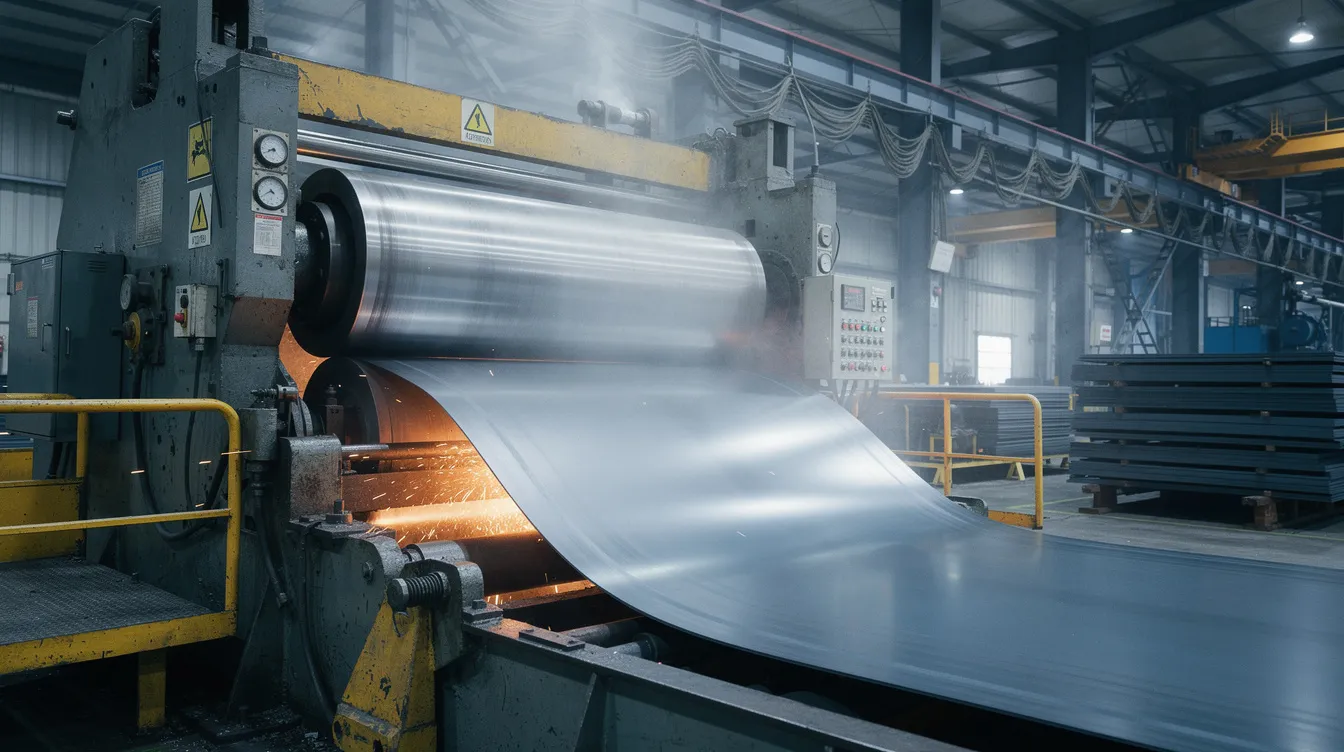
The standard configuration uses three rolls: two lower driven rolls grip and feed the workpiece, while one adjustable upper roll presses downward to create the curve. As the flat stock passes through, the roll gap-the vertical spacing between upper and lower rolls-determines the bending radius. Roller spacing affects the tightness of bends produced, so adjusting this parameter is how operators dial in a target diameter.
Key adjustable parameters include pinch pressure (the force gripping the material), back-roll position (which shifts the roll triangle geometry for forming cones or large-diameter curves), and the roll gap itself. Material thickness influences the required force in bending operations, and different materials respond differently to bending, affecting the roller choice. After bending, springback causes partial elastic recovery-engineers compensate by overbending.
A concrete example: rolling a 2 mm thick, 1000 mm wide mild steel sheet into a 300 mm diameter cylinder for an HVAC project. The operator sets the roll gap for mild steel’s yield strength (~250 MPa), accounts for springback of roughly 0.5–1.5°, and feeds the full width of the sheet through in multiple passes. Manual hand-crank slip rolls handle this at prototype scale; motorized or CNC-controlled plate rollers achieve it at production speed with stored recipes.
Common Types of Sheet Metal Rollers
Different roller types are optimized for different thickness, width, and accuracy requirements. The three main categories-slip rollers, plate rollers, and precision/CNC rollers-each serve distinct use cases. Slip rollers typically handle up to 16–20 gauge sheet metal; plate rollers manage 8–30 mm plate depending on the model; CNC rollers add digital control to either class. Anebon selects equipment based on OEM part requirements: diameter tolerances, straightness, surface finish, and production volume.
Slip Rollers (Slip Roll Machines)
Slip rollers are 3-roll machines designed for thin sheet metal-typically 0.5–3.0 mm for mild steel or aluminum. Slip rollers create cylindrical shapes from flat metal sheets, making them ideal for creating cylindrical shapes from flat sheets at light gauge.
-
Manual slip rolls are hand-cranked, easy to set up, and suited for prototyping or artisan work. Features like fine adjustment mechanisms can improve roller usability on these simpler machines.
-
Powered (motorized) versions increase consistency and reduce operator fatigue for small production batches.
-
Typical applications: small duct sections, protective shrouds, instrument enclosures, decorative stainless trims, and flanges across a variety of sizes.
Anebon uses slip rollers in rapid prototyping and low-volume projects where setup flexibility is critical and cycle time can be adjusted per project.
Plate Rollers for Heavy Gauge Material
Plate rollers handle thicker sheets for large cylindrical structures-capacity commonly spans 6–40 mm plate in widths up to several meters. Both 3-roll and 4-roll configurations exist; 4-roll machines provide better pre-bend control and the ability to feed from either side, reducing edge flat spots.
-
Example: rolling 10 mm S355 steel plate (yield ~355 MPa) into 800 mm diameter sections for industrial machinery frames requires hydraulic power, large roll diameters, and pre-bending capacity.
-
Pre-bending the edges before full rolling is recommended to minimize flat spots at the seam-critical for pressure vessels and fluid-handling systems.
When OEM designs exceed in-house sheet capacity, Anebon partners with qualified heavy-plate facilities while maintaining ISO 9001:2015 quality traceability throughout the supply chain.
Precision and CNC-Controlled Rollers
Precision rollers create accurate bends for high-precision components where tolerances of ±0.2 mm on diameter or better are required. CNC slip roll machines store digital recipes, enabling repeatable output across hundreds or thousands of parts-an essential capability in modern CNC-driven manufacturing.
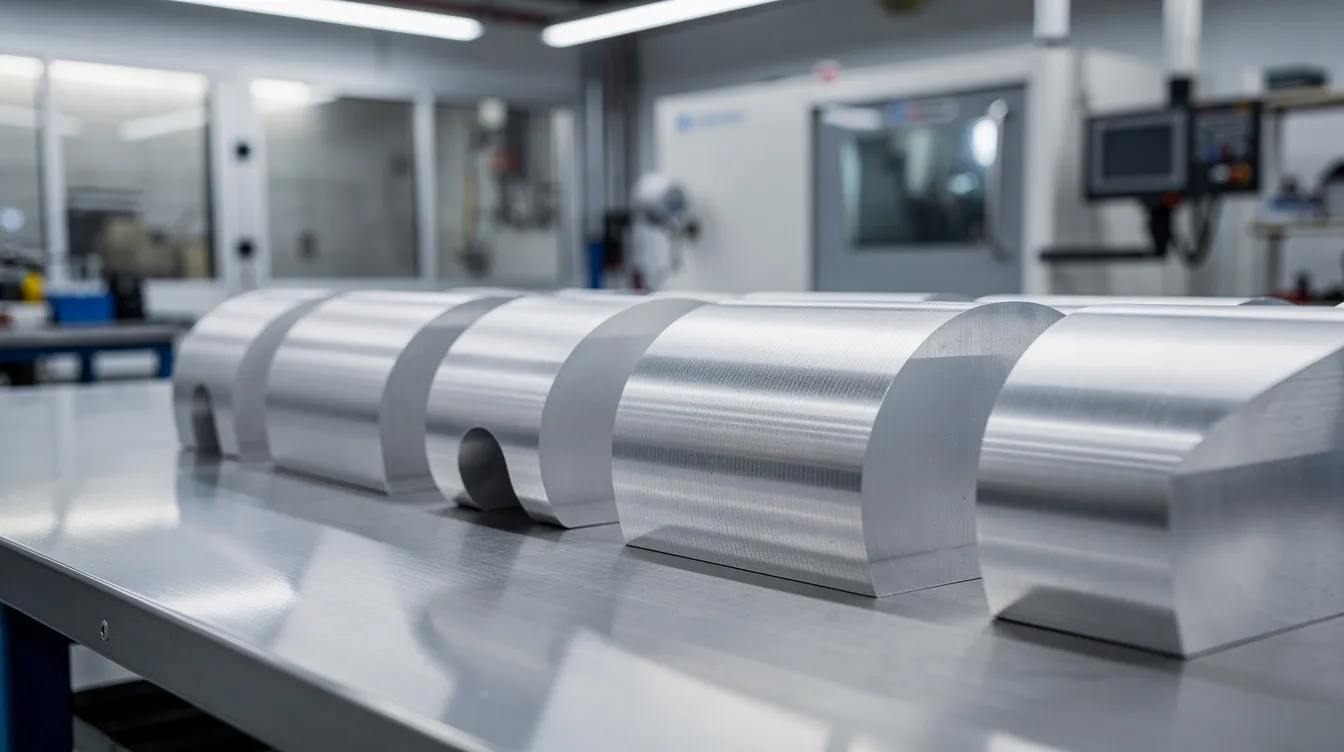
Critical industries include aerospace (fuel tank shells), medical device housings, robotics covers, and electronics chassis where consistent roundness and seam fit-up determine product life and performance. Precision rollers create accurate bends in sheet metal that mate seamlessly with machined end caps or flanges. Anebon integrates rolled shells with CNC machining, 5-axis milling, and laser cutting to deliver fully assembled components-not just curved stock.
Key Specifications When Choosing a Sheet Metal Roller
When engineers are specifying rolled parts or evaluating supplier capabilities, focus on these parameters:
-
Maximum thickness and width: must account for material strength; a machine rated for 3 mm mild steel may only handle 2 mm stainless at the same width.
-
Minimum forming diameter: determined by roll diameter and gap-smaller diameters need smaller rolls or specialized tooling.
-
Material type and yield strength: mild steel, stainless steel, and aluminum each exhibit different springback. High yield strength demands more overbend; aluminum’s lower modulus causes greater elastic recovery.
-
Roll diameter and surface finish: affects marking on visible product surfaces and achievable minimum radius.
-
Power type: manual, motor, or CNC-more automation means higher price but better repeatability across production runs.
Precision in rolling affects the quality of final metal products, so specify tolerances only as tight as functionally necessary. Anebon advises on manufacturability during DFM reviews, frequently suggesting small design changes-like adjusting minimum bend radius or edge rolling details-to suit available roller capacity and keep dimensions achievable.
Applications of Slip Rollers and Plate Rollers in OEM Products
Rolled sheet metal appears across industries in components that require consistent curvature and structural integrity. Rollers must create consistent shapes for effective ductwork, and the same principle applies to every category below:
-
HVAC and ducting: 1.5 mm galvanized steel duct collars, round elbows, rolled flanges.
-
EV battery and electronics enclosures: 2 mm 304 stainless or aluminum sleeves, heat sink shells in various sizes.
-
Industrial machinery guards: 2–5 mm steel or aluminum curved shrouds that fit around rotating components.
-
Medical and lab equipment: thin-gauge stainless steel 316 chambers for autoclaves and diagnostic devices.
-
Robotics and automation frames: 2 mm 304 stainless sleeves for robot actuators, requiring tight seam alignment and flush surfaces.
Anebon combines rolling with CNC punching, laser cutting, and TIG/MIG welding to fabricate sheet metal into finished, assembly-ready parts-not just curved blanks added to a cart for further processing elsewhere.
Design for Manufacturability (DFM) Tips for Rolled Sheet Metal Parts
Anebon’s DFM approach involves reviewing 3D CAD models and drawings before quoting to prevent costly rework. Here is an actionable checklist for design engineers:
-
Ensure minimum flange lengths beyond the seam-very short flanges cannot be properly formed or welded.
-
Specify cylinder diameter tolerances only as tight as necessary. ±0.5 mm suffices for most guards; ±0.2 mm should be reserved for sealing surfaces. Tighter tolerances significantly increase process time and price.
-
Choose seam design carefully: overlap joints are easy to execute but add thickness; butt welds need accurate edge preparation.
-
Pick optimal material thickness for your target diameter-thinner or softer material is easier to roll into small diameters.
-
Include drawing details: rolling direction (grain direction), required roundness, acceptable flat spots, and welding allowances. Clearly indicate inside vs. outside dimensions and where diameter is measured.
These tips help remove common questions during quoting and keep your project on schedule.
Quality Control, Standards, and Inspection of Rolled Parts
ISO 9001:2015 and ISO 14001:2015 certifications indicate quality and environmental standards compliance-Anebon has held both since establishing documented procedures for all fabrication processes, including rolling.
Inspection methods include:
-
Diameter measurement with tapes, external gauges, and ring gauges; checking roundness via multiple circumferential measurements.
-
Straightness and flatness checks at seam edges and pre-bend zones.
-
Thickness verification before and after rolling to detect stretch or local thinning.
-
Weld seam inspection (visual, dye penetrant, or ultrasonic) where applicable.
Traceability-material certificates, process records, final inspection reports-is mandatory for aerospace, medical, and automotive programs. When rolled shells mate with high-precision CNC machined parts, Anebon uses CMMs and custom gauges. Precision machining services often require tight tolerances as precise as ±0.002 mm on mating features, so repeatability from prototype to volume production is critical.
Regularly clean rollers to prevent dirt accumulation, lubricate rollers regularly to ensure smooth operation, inspect rollers for wear and replace damaged parts immediately, and store rollers in a dry place to prevent rust-these maintenance practices directly support part quality and consistent output.
Safety and Best Practices in Sheet Metal Rolling
Anebon’s operators receive proper training before operating metal rollers-an essential prerequisite regardless of machine type. Safety features such as pinch-point guards reduce injury risk during operation on both manual slip rollers and powered plate rollers.
Key safety requirements:
-
Operators must wear gloves and safety glasses. Avoid loose clothing or jewelry near rotating rolls.
-
Check for loose or damaged parts before use. Activate emergency stop buttons to verify function before each shift.
-
Follow lockout/tagout procedures during maintenance or roll gap adjustment.
-
Keep hands clear of rollers and pinch points at all times. Use proper feeding techniques and correct body position.
-
Maintain a well-ventilated area to prevent hazardous fumes, especially during welding operations that follow rolling.
-
Deburr sharp edges before rolling to prevent damage to the workpiece surface and reduce handling injuries.
-
Maintain a clean workspace to prevent slipping on sheets, oil, or debris.
Safe operation supports consistent quality, minimizes downtime, and protects OEM delivery schedules-factors that matter as much as the shape of the finished product.
Working with Anebon for Rolled Sheet Metal Components
Anebon Metal Products Limited offers design consultation, rapid prototyping, pre-production sampling, and scalable batch production for overseas OEMs-all integrated with CNC machining, die casting, sheet metal laser cutting, bending, and surface treatments like anodizing, powder coating, and plating. Reviews of our process consistently highlight the information we share during DFM feedback as a key differentiator.
The typical engagement flow is straightforward:
-
Submit an RFQ with 3D/2D files specifying your part geometry, material, and tolerances.
-
Receive DFM feedback within 24–48 hours, including options for roller type selection, seam design, and achievable dimensions.
-
Approve prototypes (typically 7–10 day lead time for many sheet metal parts), then ramp to production.
You do not need to specify whether your part requires a slip roll machine or a plate roller-just share your final part geometry and Anebon selects the appropriate equipment internally. Whether your project calls for a single prototype or thousands of precision-rolled components shipped overseas, our integrated workflow delivers assembly-ready parts with full traceability. Request a quote today to place your next rolled metal project in capable hands.