Essential CNC Repair Services for Optimal Machine Performance
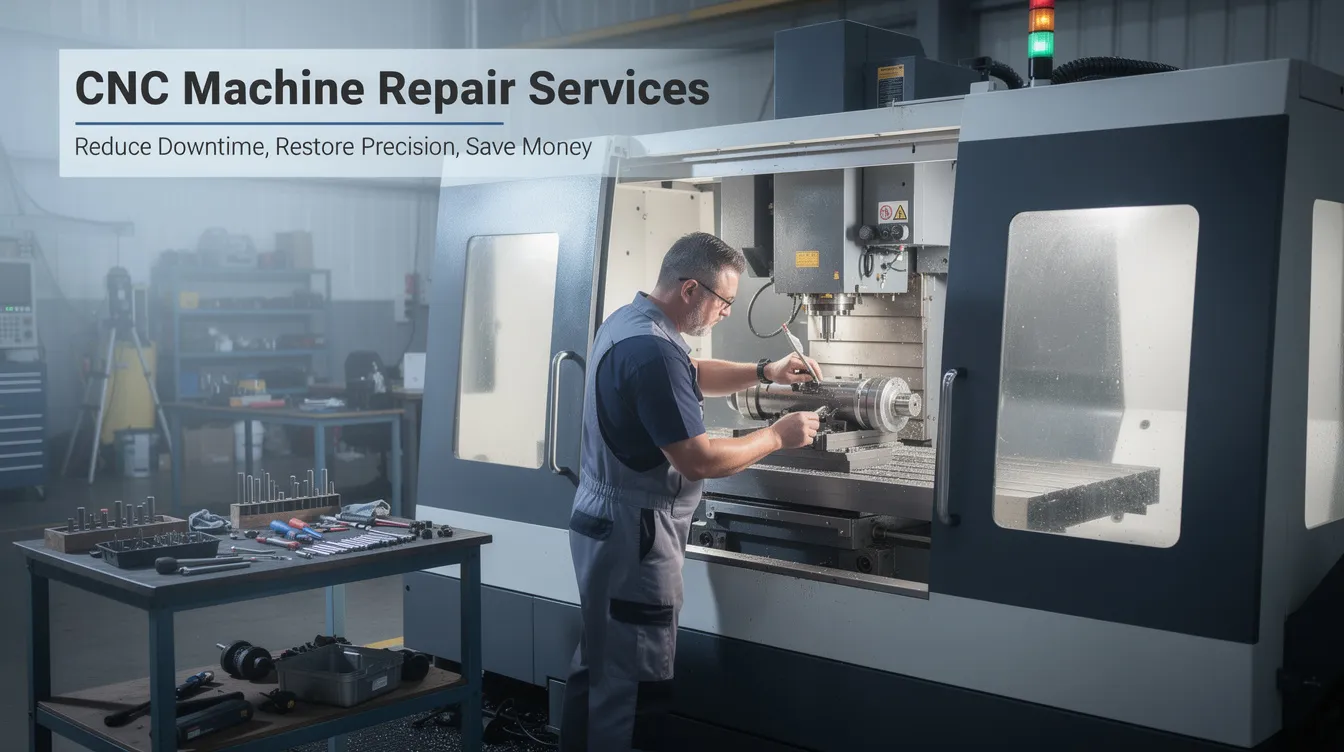
CNC Machine Repair Services: Reduce Downtime, Restore Precision, Save Money
Introduction to CNC Machine Repair
When a cnc machine stops mid-cycle, every minute of downtime costs real money. For OEMs and job shops running production around the clock, a single unplanned stoppage can cascade into missed shipments, overtime labor, and scrapped parts. Common issues requiring cnc machine repair stem from mechanical wear or electrical failures-problems that professional repair services resolve by restoring geometric accuracy, reducing scrap, and helping manufacturers save money on replacement equipment. CNC machine repair includes lathes, mills, and routers, along with 3-axis and 5-axis machining centers, Swiss turning centers, and mill-turn machines. Anebon Metal Products Limited, a precision machining and fabrication company based in Dongguan since 2010, supports customers by diagnosing cnc issues that affect part quality and delivery schedules.
Common CNC Machine Problems That Stop Production
Understanding what stops your machines is the first route to fixing them. Common CNC machine issues include axis misalignment and spindle bearing wear, but the full variety of failures runs deeper:
-
Control alarms: A fanuc 401 servo alarm, spindle overcurrent, or axis overtravel can halt machining cycles mid-shift. Servo amplifier failures often occur due to faulty motor or encoder cables.
-
Mechanical wear: Excessive vibration can indicate worn spindle bearings or imbalanced cutting tools. Material shifting during cutting indicates improper clamping or failing chuck fixtures. Inconsistent tool wear can result from improper spindle speeds or misalignment.
-
Electrical faults: Faulty wiring and worn encoders can lead to sudden power loss in cnc machines. Electrical failures may arise from voltage spikes or interference from other machinery, causing random resets that are difficult to trace.
-
Thermal and alignment issues: Thermal expansion can force machines out of alignment. Misalignment may occur due to thermal expansion or physical damage, degrading accuracy over time.
-
Lubrication failures: Lubrication problems can lead to overheating of spindles or ball screws. Insufficient lubrication can result in catastrophic friction and thermal expansion, compounding damage across components.
Undiagnosed problems quickly multiply costs through scrap, missed shipment dates, and emergency overtime that strains your team and your business.
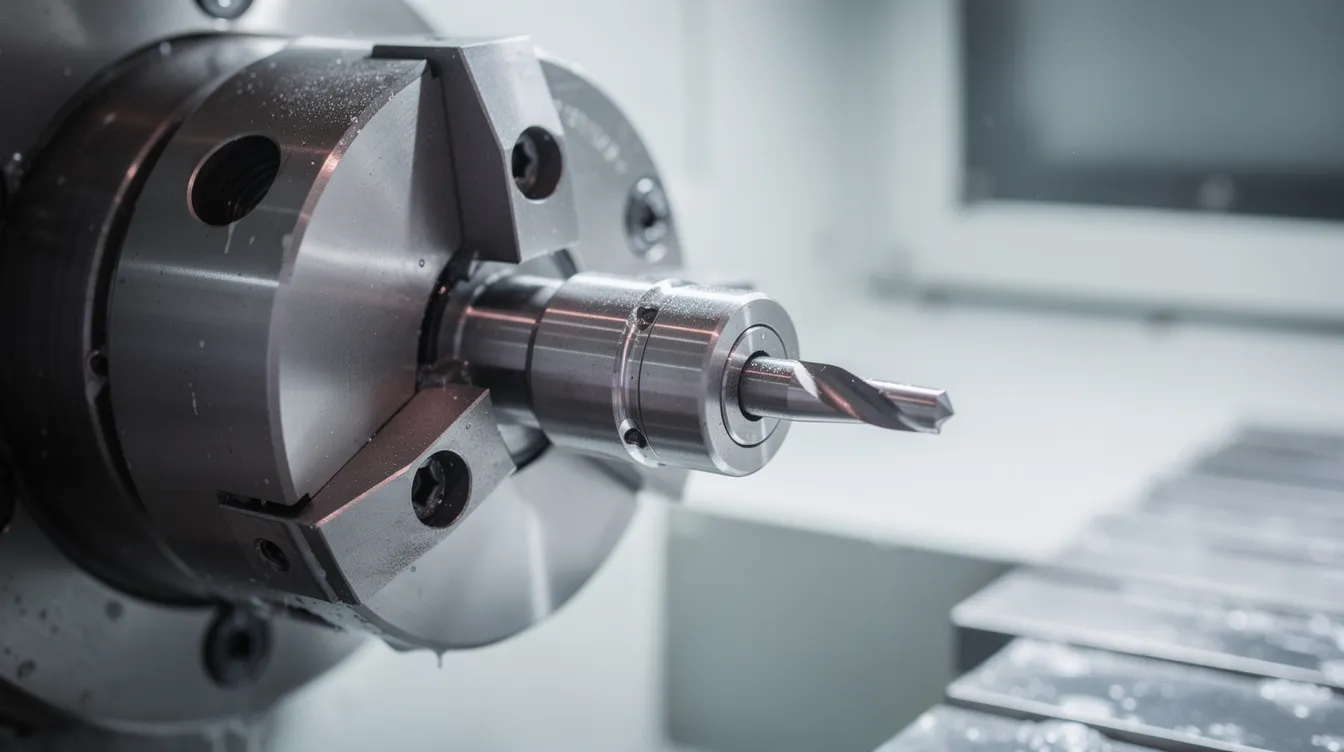
CNC Machine Repair Services We Recommend
Effective cnc machine repair requires diagnosing alarms and performing physical inspections before any fix begins. Here is what a structured service visit should include:
-
Full machine diagnostics: Repairs involve full geometry checks and precision calibrations, including backlash measurement and ball bar or laser calibration to verify positioning accuracy.
-
Component-level repair: CNC repair processes include component-level inspections and functionality checks-spindle rebuilds, servo motor replacement, encoder and feedback repair, and new bearing installation.
-
Control-side repair: Parameter backup and restore, software updates, PLC troubleshooting, and replacement of control modules and I/O boards for siemens, fanuc, or mitsubishi controls.
-
Emergency on-site work: A dedicated technician gets the machine safely cutting again, followed by scheduled corrective work once production is stable.
-
Documentation: ISO 9001 certification ensures quality in cnc machine repair services. Every repair should be logged with dates, parts replaced, and measured accuracy for audit support and maintenance planning.
How Professional CNC Repair Helps You Save Money
Professional machine repair services deliver measurable financial returns. CNC machine repairs aim to minimize downtime for production, and the numbers count:
-
Downtime cost: A down machining center in automotive or medical production can cost $20,000–$80,000 per hour when you factor in penalties, labor, and lost productivity.
-
Scrap reduction: Accurate calibration can cut non-conforming parts from 5% to under 1%, saving thousands per production run.
-
Root-cause vs. patch jobs: One thorough repair with verified alignment costs more upfront but eliminates repeated stoppages, improving efficiency across operations.
-
Extended machine life: Preventative maintenance can reduce downtime and improve machine longevity. Regular maintenance extends cnc machine life and maintains precision, delaying capital purchases by years.
-
Overseas OEM savings: Fewer stoppages prevent express freight, line changeovers, and premium shift charges-protecting your sales commitments and customer relationships.
Brands and CNC Machine Types Typically Serviced
A qualified repair partner must understand the specific cnc equipment on your floor. Here are the brands and platforms shops rely on:
-
Machine brands: Haas, mazak, and dmg mori are serviced brands worldwide, along with okuma, Doosan, Hyundai Wia, Brother, and Makino. CNC brands serviced include Okuma and Giddings & Lewis. Hillary Machinery services brands like Hyundai, Fadal, and fanuc. Ellison Technologies supports a variety of CNC machine brands.
-
Control brands: K+S services CNC systems from siemens and mitsubishi. Repair work includes parameter optimization, drive tuning, and firmware updates across fanuc, Heidenhain, haas, and Yaskawa platforms.
-
Machine types: Vertical and horizontal machining centers, 5-axis trunnion machines, CNC lathes, Swiss-type lathes, and gantry routers each have distinct failure modes and repair needs.
Anebon works daily with these control platforms in our Dongguan facility, so we understand how repair quality affects real production schedules, from aerospace parts to electronics components.
Preventive Maintenance vs. Emergency CNC Repair
The choice between preventive maintenance and emergency repair is really a choice between control and chaos. Maintenance involves a strict schedule of cleaning and lubrication for cnc machines, providing the foundation for longevity:
-
Daily: Daily maintenance includes cleaning surfaces and applying lubrication-checking oil levels, grease points, and coolant condition.
-
Weekly: Weekly maintenance involves cleaning accumulated debris and inspecting components such as way covers, belts, and filters.
-
Monthly: Monthly maintenance includes cleaning chip conveyors and inspecting chucks and fixtures. Monthly maintenance also includes cleaning out the chip collector and inspecting wiring for wear. Detailed monthly service reports are included in maintenance packages.
-
Customized plans: Tailored maintenance plans assess equipment history and operational demands. Customized maintenance packages ensure optimal performance of cnc machines, and customized packages minimize downtime and enhance machine longevity.
Regular inspection and cleaning help avoid emergency breakdowns in CNC machines. In contrast, emergency repair is required when a spindle seizes, an axis drive fails, or a control will not boot-often during critical runs that your operators cannot afford to lose.
Build an annual maintenance calendar tied to production peaks and major contract deadlines. Combine preventive visits with light training so operators learn to recognize early warning signs like unusual vibration, noise, or alarm patterns.
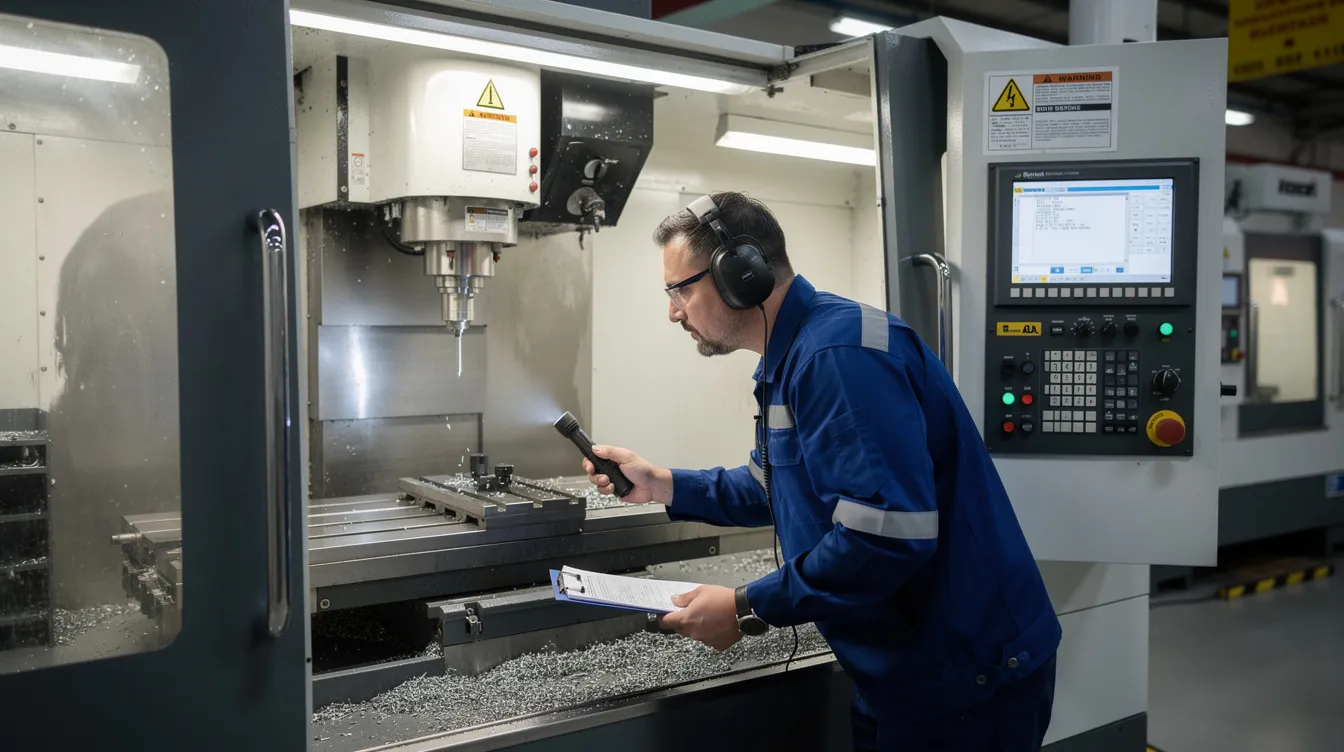
How Anebon Supports Customers When CNC Machines Fail
Our mission at Anebon goes beyond providing parts. We strive to be a trusted partner for manufacturers who need to keep production running, even when their home equipment is down:
-
Our engineering team regularly helps OEM clients discuss and review CNC-related quality issues, proposing process fixes backed by machining data and tolerance analyses.
-
With decades of experience operating multi-axis milling, CNC turning, die casting, and sheet metal fabrication equipment since 2010, we have practical knowledge of how machine downtime affects real schedules.
-
We share capability studies so customers can test whether their own cnc machine repair has restored required accuracy-giving your manufacturing engineers a second source of verification.
-
Our ISO 9001:2015 and ISO 14001:2015 certifications demonstrate our commitment to documented processes, calibration, and safety standards demanded by aerospace and medical device customers.
-
If chronic CNC issues slow your local operations, consider outsourcing critical parts to Anebon through our rapid prototyping and CNC machining service as a way to protect delivery schedules while your in-house machines are under repair.
Choosing a CNC Machine Repair Partner
Selecting the right repair partner is a decision that affects your productivity for years. Use this checklist before a crisis forces your hand:
-
Look for a technician with documented expertise on your exact machine and control brands-whether that is a haas VMC in cincinnati, a mazak in the midwest, or an okuma horizontal anywhere in the world. Generic cnc familiarity is not enough.
-
Ask about calibration equipment: laser interferometers, ball bar systems, and precision test bars for verifying repairs to micron-level accuracy.
-
Confirm response times, travel rates, hourly rates, and availability of 24-hour or weekend emergency coverage.
-
Check references from similar industries-aerospace, medical, robotics-where tight tolerances and documented machine capability are mandatory.
-
Combine a strong local repair service with an ISO-certified manufacturing partner like Anebon to ensure continuity of supply when major repairs keep your machines offline. This committed approach protects both quality and schedule.
Next Steps: Stabilize Your CNC Capacity and Protect Production
Professional cnc machine repair delivers reduced downtime, restored accuracy, lower scrap, and long-term cost savings. The question is whether you act before or after the next unplanned stoppage.
-
Inventory critical assets: Identify single points of failure in your cnc equipment and prioritize which machines need preventive maintenance or backup plans first.
-
Engage local repair: Contact qualified technicians for machine repair services who can efficiently fix, calibrate, and verify your most important machines today.
-
Request overflow support: Request a quote from Anebon for overflow production, rapid prototyping, or risk mitigation on key programs-giving your business options when machines are down.
-
Send your files: Design engineers and purchasing teams can send CAD files and specifications so Anebon can provide DFM feedback and a detailed quote. Contact us to get started and learn how we support industrial machinery and custom CNC machining programs worldwide.
Don’t wait for a spindle failure to find your backup plan.