Discover the Best Precision CNC Machining Suppliers for Your Needs
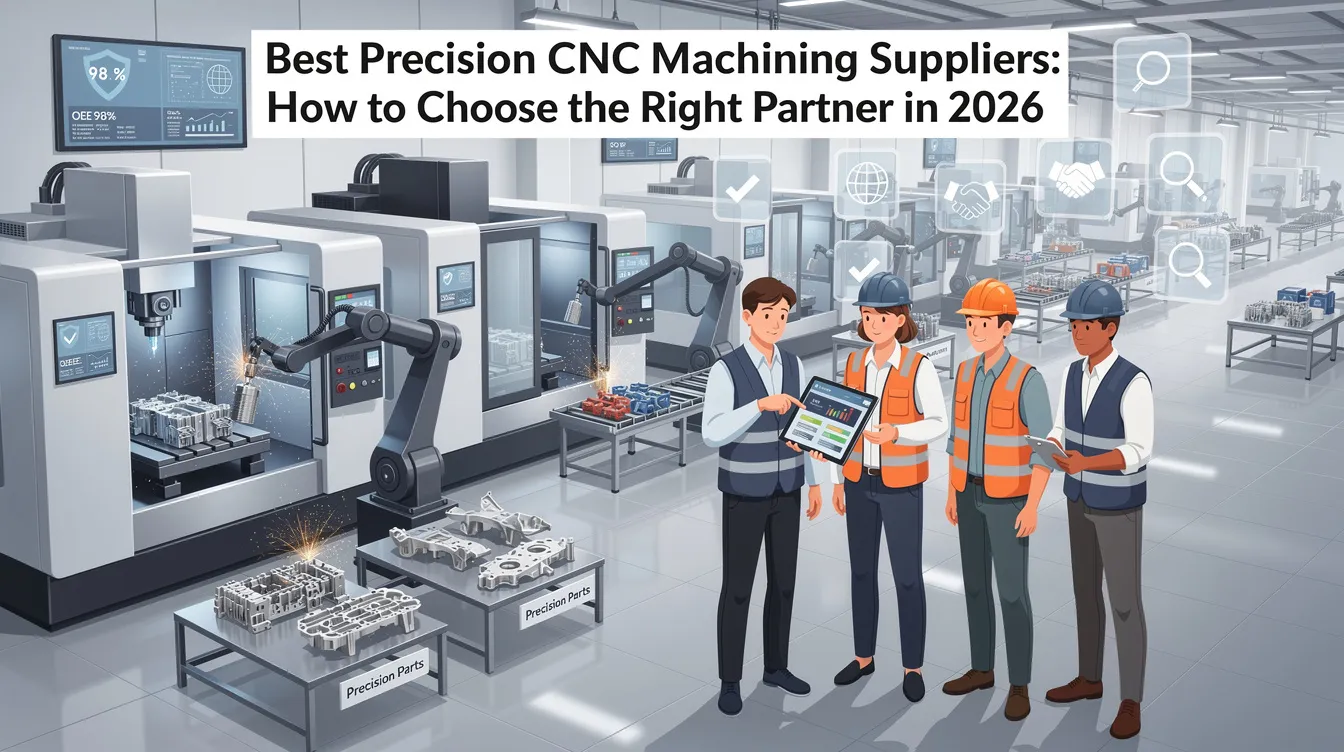
Best Precision CNC Machining Suppliers: How to Choose the Right Partner in 2026
Choosing the right precision CNC machining supplier can make or break a product launch. The “best” supplier isn’t universal-it depends on your industry, the tolerances your parts demand, the certifications your customers require, and whether you need a single prototype or full scale production.
Start Here: Quick Answer – Who Are the Best Precision CNC Machining Suppliers Today?
The landscape of CNC machining companies in 2026 is broad. Protolabs offers CNC milling with one-day turnaround for standard-tolerance prototypes. Xometry connects buyers with 10,000+ manufacturers through its marketplace model. Owens Industries specializes in ultra-precision CNC machining for demanding applications. Cadrex operates 21 facilities with over 600 machines, while JLCCNC manufactures over 1 million parts annually. Astro Machine Works has been delivering CNC services since 1984. Star Rapid and RapidDirect round out the field with competitive pricing from Asia-based factories.
Rather than simply ranking these names, this article focuses on how to evaluate any precision CNC machining services provider and why Anebon Metal Products Limited is a strong option for global OEMs who need tight tolerances, diverse materials, and a single-source partner for CNC milling, CNC turning, die casting, and sheet metal fabrication.
Top suppliers in 2026 typically offer 3-, 4-, and 5 axis CNC machining, integrated quality systems (ISO 9001:2015, ISO 14001:2015, and often AS9100 or ISO 13485 depending on sector), and the ability to produce parts in everything from aluminum to titanium to engineering plastics.
What you will get from this article:
-
Concrete selection criteria for evaluating any CNC machining service provider
-
Tolerance, cost, and lead-time benchmarks backed by industry data
-
A clear comparison of global vs. local sourcing strategies
-
A practical next-step guide for starting your next CNC machining project
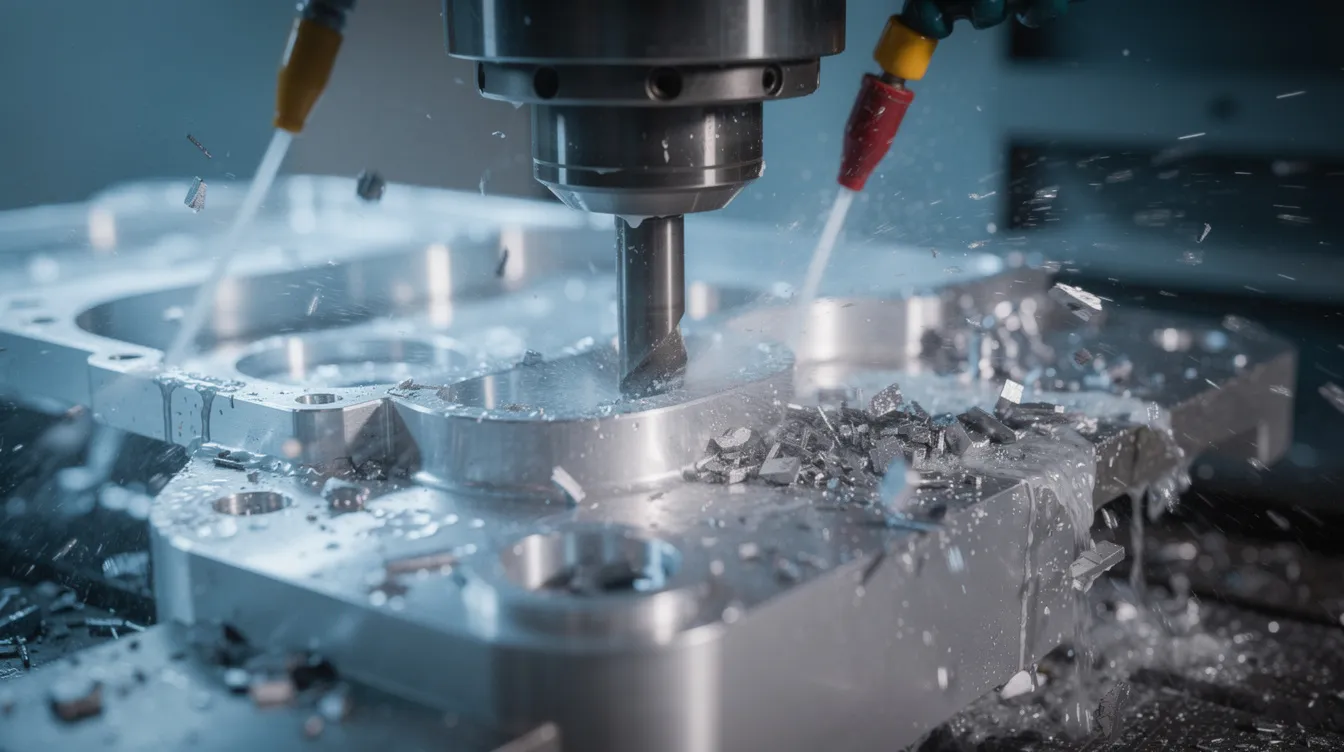
What Makes a Top Precision CNC Machining Supplier in 2026?
The best CNC machining suppliers combine advanced technology, repeatable quality, and reliable communication. None of those three can compensate for weakness in the others.
Here are the attributes that separate top-tier suppliers from the rest:
-
Multi axis machining capability: At minimum, 3-axis milling plus CNC turning. For complex geometries-impellers, turbine blades, orthopedic implants-4- or 5-axis CNC machining centers are essential.
-
Modern CNC equipment: Machines from brands like Mazak, DMG MORI, Haas, or Okuma, well-maintained and regularly calibrated. Machine tools with low thermal displacement and high rigidity directly affect achievable tolerances.
-
Inspection infrastructure: CMM inspection, optical profilometers, surface roughness testers, and calibrated hand tools. Robust metrology equipment is necessary for verifying precision machining capabilities.
-
Digital workflows: Integrated CAD/CAM programming, ERP-driven scheduling, and full lot traceability from raw material to shipment.
-
Proven tolerance capability: Anebon, for example, holds tolerances as tight as ±0.002 mm on suitable materials. Aerospace-grade shops routinely work to ±0.0001 inches. CNC machining can achieve tolerances as tight as ±0.0001 inches when the right equipment and process controls are in place.
-
Stability and track record: Years in business matter. Anebon was founded in 2010-over 15 years of continuous operation serving global OEMs.
-
Cutting edge technology adoption: Suppliers investing in automation, simulation, and process monitoring today will remain competitive throughout multi-year programs.
Key Characteristics of Elite CNC Precision Machining Companies
Elite CNC machining companies share common technical, quality, and service characteristics regardless of whether they operate in Dongguan, Detroit, or Stuttgart.
Machine Capabilities
The foundation is the shop floor. Look for:
-
3-, 4-, and 5 axis CNC machining centers for milling complex parts in a single setup
-
Multi-axis turning centers and Swiss turning (swiss machining) for small, intricate components like medical pins or connector housings
-
Supporting processes: wire EDM, grinding, CNC plasma cutters, and laser cutting for specialized features
-
Automated tool changers and high-speed spindles that reduce machining time on production runs
Certifications and Quality Standards
Quality certifications impact supplier selection in CNC machining. The baseline is ISO 9001:2015, which Anebon holds. ISO 14001:2015 covers environmental management-also held by Anebon. Beyond that:
|
Certification |
Industry |
Purpose |
|---|---|---|
|
AS9100 |
Aerospace & defense |
AS9100 is a certification standard specific to aerospace quality management |
|
IATF 16949 |
Automotive |
IATF 16949 is required for automotive OEM supply chains |
|
ISO 13485 |
Medical devices |
ISO 13485 is relevant for quality management in medical device manufacturing |
Even if a supplier doesn’t hold every certification, they should demonstrate familiarity with associated requirements-traceability, control plans, and cleanliness levels relevant to your sector.
Material Expertise
Top shops machine aluminum (6061 and 7075 are commonly used in CNC machining), stainless steels (304, 316, 17-4PH), titanium (Ti-6Al-4V), engineering plastics like polycarbonate and nylon, and exotic alloys such as Inconel. CNC machining supports materials like aluminum, steel, and titanium, and is suitable for both metals and plastics.
Service and Soft Factors
-
Manufacturability feedback (DFM) provided before production begins-Design for Manufacturability feedback is important to optimize part designs
-
RFQ response within 24 hours
-
Dedicated project engineer for each account
-
Multilingual support for overseas clients
CNC Machining vs CNC Machine Manufacturers: Understanding the Difference
Buyers sometimes confuse CNC machining companies with CNC machine manufacturers-and the distinction matters.
A CNC machining service provider like Anebon uses CNC machines to produce parts to your specifications. You send a 3D model and drawing; they return finished components. A CNC machine manufacturer (Mazak, DMG MORI, Haas, Makino, Trumpf) designs and sells the CNC equipment itself-milling centers, CNC lathe units, and 5 axis CNC machines.
If you are an aerospace OEM needing tight-tolerance brackets, you need a precision CNC machining supplier, not a machine builder. This article is entirely about selecting the right machining services partner.
How to Evaluate Precision CNC Machining Suppliers (Step-by-Step)
Here is a practical checklist procurement teams and engineers can use when shortlisting CNC machining companies worldwide.
Step 1 – Define your technical requirements. Material, tolerance band, surface finishing, batch size, and any industry standards the part must meet.
Step 2 – Shortlist by certifications and capabilities. Filter suppliers who hold the certifications your program demands and whose machine list matches your part complexity.
Step 3 – Request and compare RFQs. Ask for pricing structures that break down material, machining time, finishing, and inspection costs. High-quality CNC suppliers typically offer detailed inspection and material documentation alongside their quotes.
Step 4 – Review sample parts and inspection data. Request a first article with full CMM inspection reports. Quality assurance processes in manufacturing often include First Article Inspection (FAI) for exactly this purpose.
Step 5 – Start with a pilot CNC machining project. Validate quality, communication, and logistics before committing to volume.
What to verify specifically:
-
Machine list: number and brand of CNC machines, axis CNC machining capacity
-
Metrology: CMM brand/model, calibration dates, surface roughness equipment
-
Software: SolidWorks, UG/NX, Mastercam for programming and simulation
-
Communication: response time, change-control process, dedicated engineer
-
Case studies in your industry-ask for them
Critical Technical Factors: Axis CNC Machining, Tolerances, and Materials
Why Axis Count Matters
Three-axis CNC machining handles simple prismatic parts-brackets, plates, housings with accessible features. When your design involves undercuts, compound angles, or sculpted surfaces, 4- or 5-axis machining becomes necessary. 5-axis machining allows movement along five axes simultaneously, enabling complex geometries to be cut in a single setup. CNC systems integrate multiple processes into a single setup, reducing handling errors and improving consistency.
5-axis machining is often required for producing complex geometries effectively-think impellers, turbine components, and orthopedic implants.
Tolerance Bands and Cost Impact
Tighter tolerances cost more. Industry data shows:
|
Tolerance Range |
Typical Application |
Cost Impact vs. Standard |
|---|---|---|
|
±0.10 mm (±0.004 in) |
General fabrication |
Baseline |
|
±0.025 mm (±0.001 in) |
Precision machining |
+15–30% |
|
±0.005 mm (±0.0002 in) |
Aerospace, medical |
+30–50% |
|
±0.002 mm (±0.0001 in) |
Ultra-precision |
+100% or more |
CNC machining can achieve tolerances of ±0.0001 inches on suitable features with proper equipment and environmental control. The key is specifying exact tolerances only where function demands them and leaving non-critical features at standard bands.
Materials to Verify
CNC machining supports various materials including metals and plastics. Titanium machining requires specific tooling and slower feeds to manage work-hardening-verify your supplier has hands-on experience. Common plastics used in CNC machining include polycarbonate and nylon, alongside engineering grades like PEEK and Delrin. CNC prototyping can produce parts in various materials, so confirm that your supplier stocks or sources what you need with proper certificates of conformity and mill test reports.
Anebon routinely machines aluminum, stainless steel, brass, copper, titanium, and engineering plastics. Example part types include drone frames in 7075-T6 and surgical handles in 316L.
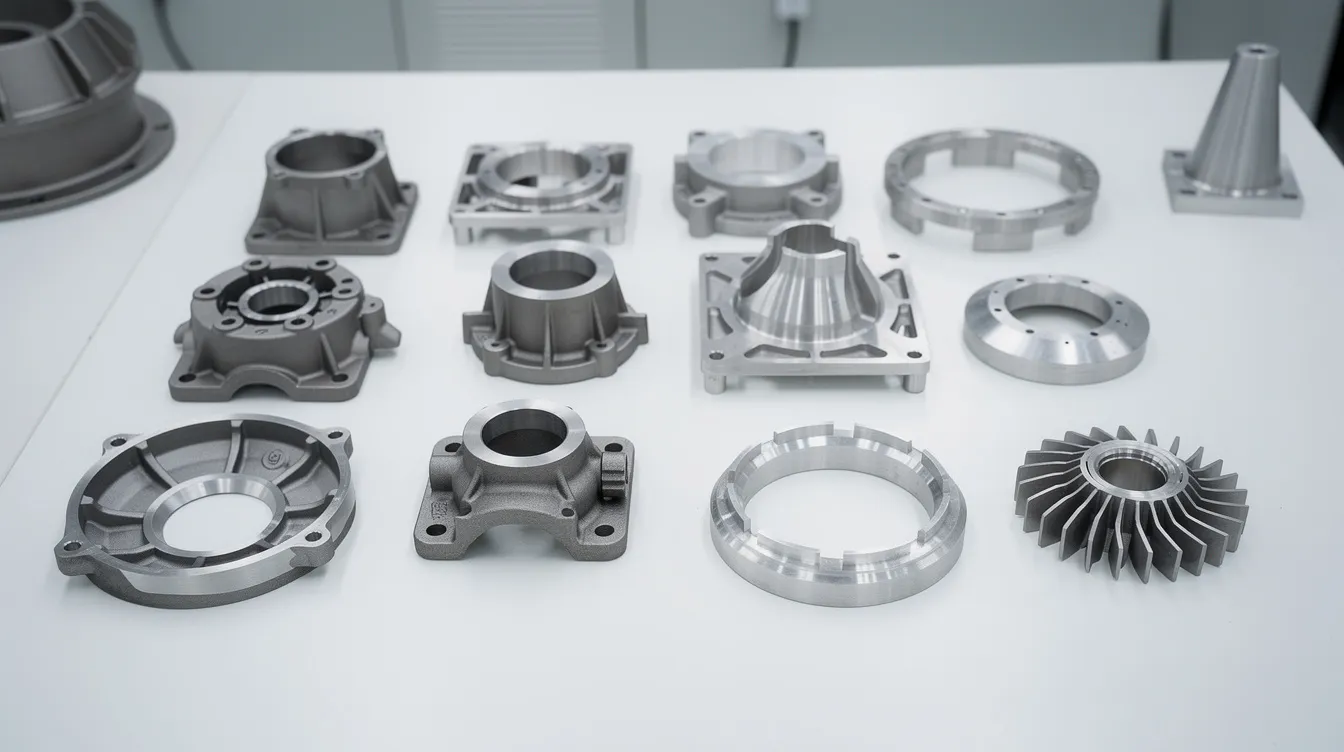
Quality Systems and Certifications: Non-Negotiables for OEM Projects
For OEM and regulated industries, certifications are mandatory-not optional. They serve as externally audited proof that a supplier’s entire process meets defined quality standards.
ISO 9001 is a baseline certification for quality management. It ensures documented procedures, corrective action systems, and management review across the manufacturing process. Anebon has maintained ISO 9001:2015 certification throughout its history.
ISO 14001:2015 addresses environmental management. For global brands focused on ESG and supply-chain sustainability, this certification signals responsible operations-waste management, chemical handling, and energy efficiency. Anebon holds this certification as well.
Industry-specific certifications must match your program:
-
AS9100 is essential for aerospace industry compliance. Material traceability is essential in regulated industries like aerospace and medical, and AS9100 codifies those requirements.
-
ISO 13485 certification is crucial for medical device manufacturers, covering biocompatibility documentation, sterilization validation, and lot traceability.
-
IATF 16949 governs automotive supply chains with emphasis on defect prevention and continuous improvement.
In-house inspection capability is the practical backbone behind any certification. Automated Coordinate Measuring Machines are used for inspection of precision components at receiving, in-process, and final stages. Suppliers should provide FAI reports, capability studies (Cpk ≥ 1.33 for critical dimensions), and final inspection documentation with every shipment. CNC suppliers also need to demonstrate on-time delivery performance for reliability across programs.
Cost, Lead Times, and Capacity: Balancing Price with Risk
Cost Drivers
The principal cost drivers in any CNC machining project include:
-
Material choice (titanium and exotic alloys cost several times more than aluminum)
-
Cycle time driven by part complexity and tight tolerances
-
Fixture complexity and number of setups required
-
Surface finishing requirements (e.g., Ra < 1 µm for mating surfaces)
-
Inspection intensity (full CMM vs. spot-check)
-
Batch size-smaller runs carry higher per-unit setup costs
Production machining on 5-axis CNC machines often carries a higher hourly rate than 3-axis, but it can reduce the total number of setups and deliver exceptional precision on complex parts, lowering overall cost.
Lead Time Benchmarks
|
Scenario |
Typical Lead Time |
|---|---|
|
Rapid prototyping (standard tolerances) |
5–7 working days |
|
Low volume production runs |
10–20 working days |
|
Larger batch / full scale production |
3–6 weeks |
Anebon can often turn urgent prototypes in 5–10 working days for aerospace-grade precision. CNC machining is ideal for both low-volume and high-volume production, and scalable production capabilities are important for meeting varying volume requirements.
What to Ask About Capacity
-
Total number of CNC machines and shifts per day
-
Ability to scale up-can the supplier add a second or third shift?
-
How urgent orders or engineering changes are handled
-
Compare quotes on total cost of ownership, not just unit price-include scrap/rework risk, logistics, and the cost of delays
Global vs Local CNC Machining Suppliers: When to Source Overseas
Many OEMs now combine local machining services with global suppliers for cost, capacity, and redundancy. It is a strategic choice, not an either-or decision.
Advantages of global suppliers in places like Dongguan, China (where Anebon operates):
-
Lower labor and overhead costs without sacrificing precision
-
Dense supply ecosystems for materials, surface treatments, and export logistics
-
Experience supporting industries across aerospace, automotive, medical devices, consumer electronics, and renewable energy sectors
Potential concerns and mitigations:
-
Time zone gaps → structured communication cadence and dedicated project engineers
-
IP protection → NDAs, encrypted file transfer, restricted factory access
-
Shipping time → sea freight for batch orders, air freight for urgent prototypes
-
Customs/tariffs → experienced suppliers handle export documentation and packaging
A practical approach: start with a pilot batch to validate consistent quality and communication. Keep safety-critical or extremely urgent work with a local backup when necessary.
A global CNC machining service can complement local shops, especially for medium-volume CNC milling or die cast plus machining programs.
Why Anebon Metal Products Limited Is a Strong Precision CNC Machining Partner
Anebon is a 2010-founded precision CNC machining, die casting, and sheet metal fabrication company based in Dongguan, Guangdong, China. It serves overseas OEMs across multiple continents and industries.
Core capabilities:
-
CNC milling, CNC turning, and 5 axis CNC machining from prototype through production
-
Die casting (aluminum and zinc alloys) and sheet metal-enabling turnkey solutions instead of juggling multiple suppliers
-
Tolerances as tight as ±0.002 mm with surface finishes down to Ra 0.8 µm
-
Extensive material range: aluminum, stainless steel, titanium, brass, copper, and engineering plastics
-
Integrated surface treatments via vetted partners: anodizing, powder coating, plating, polishing
Certifications: ISO 9001:2015 and ISO 14001:2015. Anebon’s internal QA framework aligns with AS9100D and ISO 13485 workflows for documentation, lot traceability, and inspection reporting.
DFM support: Anebon provides early engineering feedback on wall thickness, tool access, and tolerance stack-ups to reduce project cost and lead time. Precision CNC machining is critical for manufacturing high-quality custom parts, and Anebon’s approach ensures your design is optimized before the first chip is cut. Their technical capabilities span aerospace support components, medical instruments, automotive brackets, robotics assemblies, and industrial machinery.
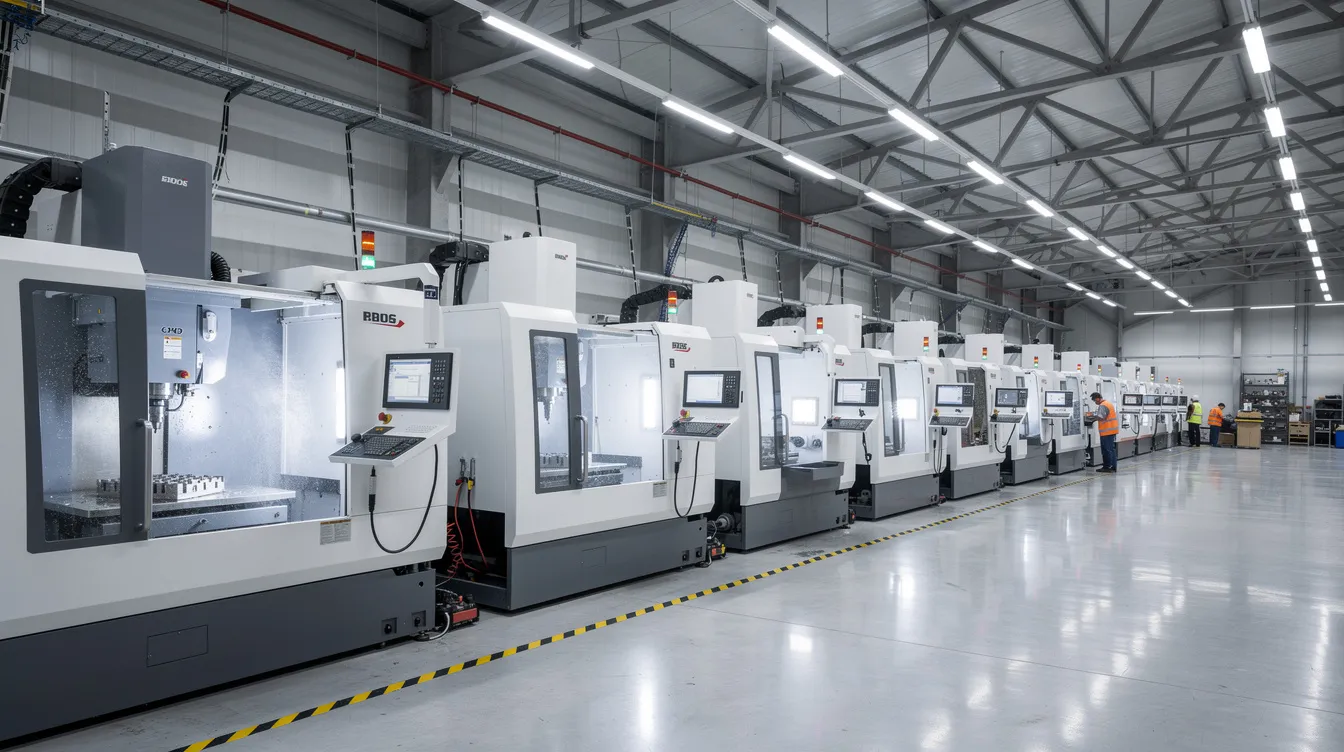
Typical CNC Machining Projects and Industry Applications
Precision CNC machining underpins components in aerospace, EVs, robotics, medical, electronics, and industrial automation. Here are concrete examples:
-
Aerospace: 7075-T6 drone frames and structural brackets with ±0.010 mm interfaces. Aerospace CNC machining demands full traceability and often AS9100-aligned documentation. Engine components and turbine parts require exceptional precision and exotic materials.
-
Medical devices: Stainless 316L surgical manifolds and instrument handles where ISO 13485 compliance and biocompatibility documentation are non-negotiable.
-
Automotive: Machined motor mounts and automotive components from high-strength alloys, with IATF 16949 process controls. CNC machining generates large-volume orders with exceptional accuracy for powertrain and EV applications.
-
Consumer electronics: Aluminum housings with tight flatness requirements, heat sink plates, and precision shafts for miniaturized assemblies.
-
Robotics & industrial: Joints, actuator housings, and sensor brackets requiring reliable performance across thousands of cycles.
CNC machining services often link with other processes-die cast plus CNC machining of critical surfaces, sheet metal plus machining for interfaces, and assembly of multi-part kits. Rapid prototyping enables quick validation of designs before committing to tooling. Prototyping reduces waste by identifying improvements early, and rapid prototyping can lead to faster product development cycles. CNC machining supports both rapid prototyping and full-scale production, making it a versatile manufacturing process from R&D through series production.
How to Start Your CNC Machining Project with the Right Supplier
Here is a step-by-step guide to kick off work with Anebon or any vetted CNC precision machining supplier.
-
Prepare your files: 3D CAD (STEP/IGES), 2D drawings with GD&T, material and finish specs, quantities (prototype vs. production), and compliance requirements (RoHS, REACH, PPAP level).
-
Request a detailed quote: Pricing structures should break down unit cost, finishing, inspection scope, and lead time. Digital manufacturing platforms enable fast turnaround and scalable production, so expect quotes within 24–48 hours.
-
Ask about the entire process: From raw material sourcing through final inspection and packaging-understand where excess material goes, how tool paths are validated, and what inspection reports accompany shipments.
-
Start small: A prototype or small-batch pilot lets you validate quality, communication, and logistics before committing to high-volume orders. CNC machining is suitable for both low-volume and high-volume production, so scaling up after validation is straightforward.
-
Evaluate and iterate: Review inspection data, assess on-time delivery, and provide feedback. A good supplier treats the pilot as a foundation for a long-term partnership.
Ready to get started? Contact Anebon via their website to request a quote. Expect secure file transfer, quick DFM feedback, and competitive lead times tailored for global OEMs.
Future Trends in CNC Precision Machining and What to Ask Suppliers
Precision CNC machining is evolving rapidly. Here are trends shaping supplier selection in 2026 and beyond.
Automation and lights-out machining: Robotic loading and unloading, pallet systems, and automated tool changers enable continuous production with minimal human intervention. Automation enables a single operator to oversee multiple CNC machines, driving down cost per part and improving efficiency for production machining.
AI-optimized tool paths and process monitoring: Suppliers using AI to optimize tool paths reduce cycle times and improve surface finishing quality. Real-time machine monitoring (OEE dashboards, vibration analysis, spindle load tracking) catches deviations before they become scrap. This is a genuine technological advancement that separates forward-looking shops from stagnant ones.
Hybrid manufacturing: Additive plus subtractive workflows-3D-printed preforms refined by CNC machining-are gaining traction for complex parts in aerospace and medical. Laser machining, plastic injection molding, and injection molding processes increasingly complement traditional CNC work.
Sustainability: OEMs increasingly require ISO 14001, traceable material origins, and low-waste processes. Suppliers who deliver exceptional results in both quality and environmental responsibility will win long-term contracts.
Questions to ask your supplier:
-
What is your automation level? Do you run lights-out cells?
-
How do you use CAD/CAM simulation to validate processes before cutting?
-
Can you integrate with our PLM/ERP systems for order tracking?
-
How do you continuously improve cycle times and maintain consistent quality?
-
What is your approach to swiss machining or CNC lathe operations for small-diameter components?
Choosing a supplier investing in these capabilities today reduces risk of capacity or capability constraints in multi-year OEM programs.
Conclusion: Choosing the Best Precision CNC Machining Supplier for Long-Term Success
There is no single “best” CNC machining company for every case. The right partner aligns with your industry, certifications, tolerance needs, and program timeline. What matters is that they can deliver exceptional results repeatedly-not just on the first sample.
The most critical selection factors come down to proven multi-axis capability, robust quality systems, engineering support that includes DFM, cost transparency through clear pricing structures, and reliable communication that keeps your program on schedule. These are industry standards that separate dependable suppliers from risky ones.
Global suppliers like Anebon Metal Products Limited offer a strong combination of exceptional precision, flexibility, and cost-effectiveness for overseas OEMs in aerospace, medical, automotive, electronics, robotics, and industrial sectors. With ISO 9001:2015 and ISO 14001:2015 certifications, experience since 2010, and the ability to support projects from rapid prototyping through full scale production, Anebon is built to be a long-term partner-not a one-off vendor.
Apply the evaluation checklist from this article to your next RFQ. Ask the hard questions about CNC machining needs, inspection capability, and capacity. Then start with a pilot project and let the results speak for themselves.
Ready to begin? Contact Anebon for a precision CNC machining quote. Send your CAD files, specify your technical requirements, and receive DFM feedback and competitive pricing-typically within 24 hours.