Comparing Cold Rolled and Hot Rolled Steel: Key Differences Explained
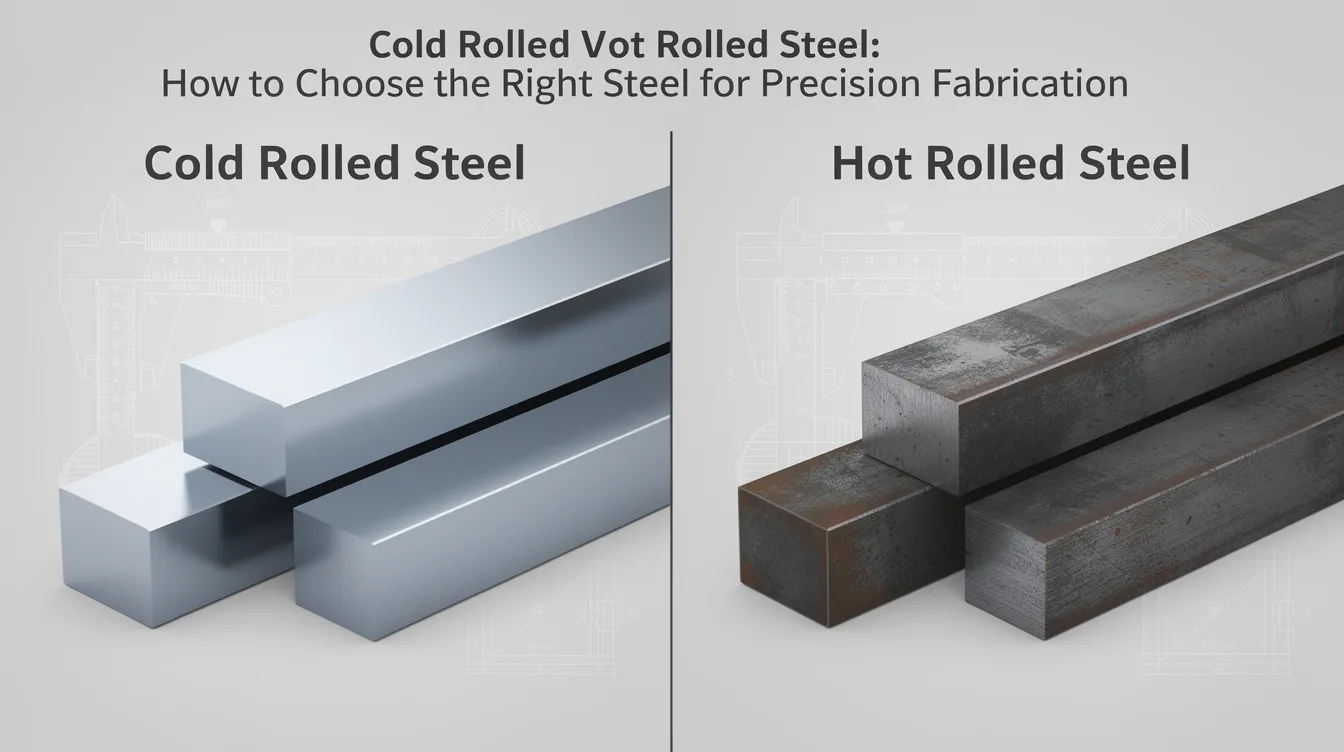
Cold Rolled vs Hot Rolled Steel: How to Choose the Right Steel for Precision Fabrication
Introduction: Hot Rolled vs Cold Rolled Steel in Modern Manufacturing
For OEMs, design engineers, and buyers navigating steel production in 2024–2026, understanding the difference between hot rolled and cold rolled steel directly affects part cost, lead time, and final quality. The main difference comes down to processing: hot rolled steel is processed at temperatures over 1700°F – well above the steel’s recrystallization temperature – while cold rolled steel undergoes additional processing at room temperature through further rolling, annealing, and precise finishing. Hot rolled steel has a rougher surface finish than cold rolled steel, is cheaper due to less processing, and offers less control over exact dimensions. Cold rolled steel provides tighter dimensional tolerances, a smoother surface finish, and is typically 20% stronger than hot rolled steel of the same grade.
Both hot rolled and cold rolled rolled steel often start from identical raw materials and chemical composition – even the same grades. What changes is the mill process and further processing applied, which determines the finished product’s suitability for different applications. This article is written from the perspective of Anebon Metal Products Limited, a precision CNC machining and sheet metal fabrication partner (ISO 9001:2015 / ISO 14001:2015 certified), helping OEMs pick the right steel type for each project.
|
Attribute |
Hot Rolled Steel |
Cold Rolled Steel |
Cold Formed Steel |
|---|---|---|---|
|
Temperature |
>1,700°F (above recrystallization temperature) |
Near room temperature |
Room temperature forming |
|
Surface |
Rough, scaled surface with mill scale |
Smooth, shiny, scale-free |
Smooth, consistent |
|
Tolerances |
±0.5–1 mm |
±0.025–0.075 mm |
Tight cross-section control |
|
Strength |
Moderate (~250 MPa yield for A36) |
~15–20% higher yield |
Further increased via strain hardening |
|
Cost |
Lower |
~15–30% premium |
Similar to cold rolled |
|
Typical Uses |
Structural frames, I beams, railroad tracks |
Enclosures, automotive parts, appliance panels |
Studs, tracks, framing channels |
Understanding the Rolling Process: From Billet to Rolled Steel
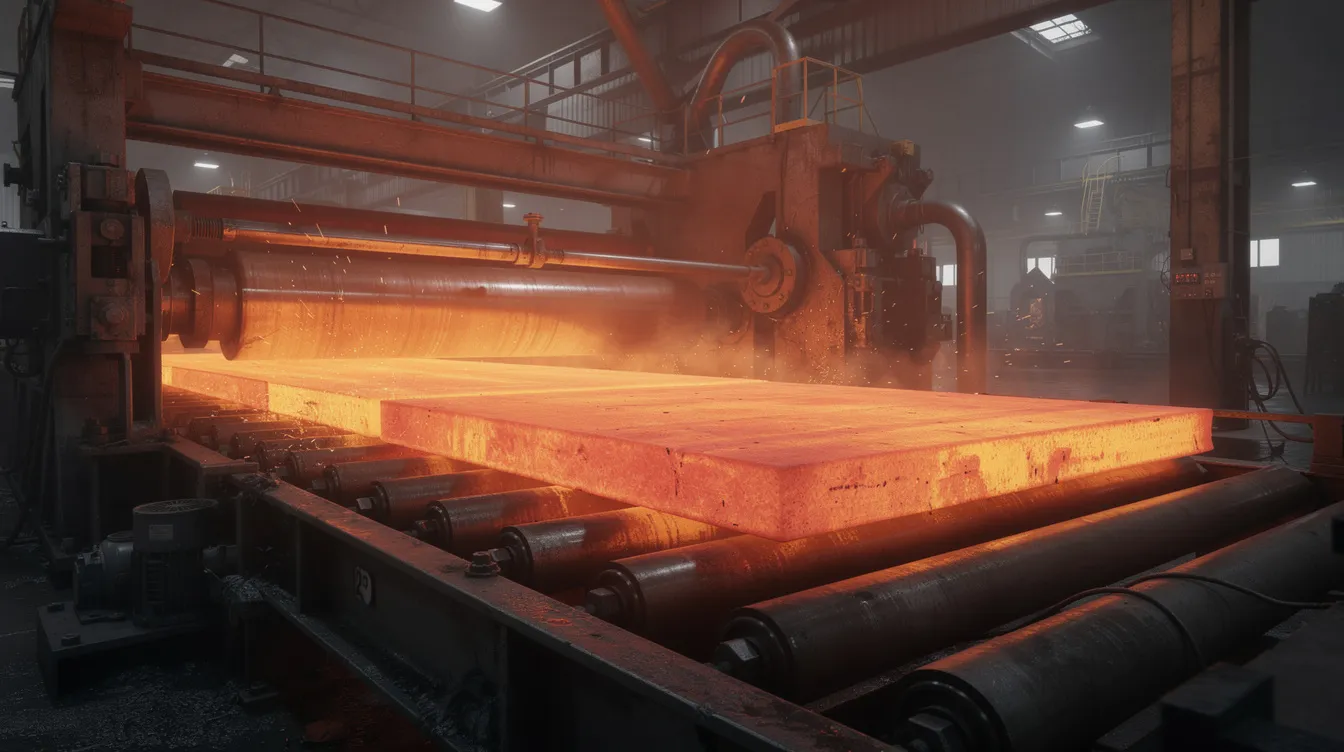
Steel production begins with iron ore smelted in a blast furnace or electric arc furnace, cast into slabs or billets, then passed between heavy rollers to reduce thickness. During hot rolling, slabs are reheated above ~1,700°F so the steel deforms plastically and recrystallizes – grains refine, and the metal shrinks unevenly as it cools, producing slight distortions and a rough surface finish with rounded edges.
The cold rolling process starts after hot rolled sheet or coil is pickled to remove the scaled surface. The steel is then re rolled at near room temperature through cold reduction mills, sometimes annealed to relieve internal stresses, and given a skin-pass for final shape control. This additional processing is why cold rolled steel costs more but delivers closer dimensional tolerances and a smooth finish ready for finishing processes like painting or plating. Anebon receives both hot rolled material and cold rolled sheet stock from mills, then performs secondary operations – CNC machining, laser cutting, bending, and surface treatments – to meet OEM specifications.
Hot Rolled Steel: Process, Properties, and Typical Applications
Hot rolled steel is essentially hot rolled steel that has been shaped above its recrystallization temperature and allowed to cool in air. Slabs heated over 1,700°F are rolled into plate products, hot rolled sheet, or structural shapes such as I-beams, channels, and rails, then cooled on run-out tables. The result: a rougher surface with blue-black mill scale, rounded edges, variable thickness, and looser dimensional accuracy. Hot rolled steel is easier to work with but less precise than cold rolled steel – its mechanical properties include good ductility, moderate yield strength (~250 MPa for ASTM A36), and it is free from internal stresses after cooling, making it forgiving for welding and heavy forming.
|
Design Parameter |
Typical Values (e.g., ASTM A36) |
|---|---|
|
Yield Strength |
~250 MPa |
|
Tensile Strength |
400–550 MPa |
|
Elongation |
20–25% |
|
Thickness Tolerance |
±0.5–1 mm |
|
Minimum Sheet Thickness |
~1.5 mm |
Advantages of Hot Rolled Steel
-
Lower material cost – fewer process steps than cold rolled
-
Available in large sizes and thick sections (plate products, wide flanges)
-
Hot rolled steel is easier to shape and form than cold rolled – ideal for flame cutting, drilling, heavy bending
-
Lower residual stress makes it stable for large weldments
-
Starting point for most steels destined for cold rolling, cold drawing, or cold formed steel products
Where tolerances of ±1–2 mm are acceptable and precise shapes are not critical, hot rolled steel delivers the best value. Anebon may recommend hot rolled steel for welded frames, bases, and fixtures that will be CNC-machined only on critical faces.
Hot Rolled Steel Applications
Hot rolled steel applications span construction and welding applications broadly: building frames, columns, I-beams (which are typically made from hot rolled steel), railroad tracks, heavy truck chassis, agricultural machinery, and shipbuilding. Hot rolled steel is ideal for heavy equipment manufacturing and is best for heavy-duty structural applications. Construction projects commonly utilize hot rolled steel in various shapes – plates over 6 mm, universal beams, channels, angles, and flat bars.
OEMs should specify hot rolled steel for prototypes where speed and budget matter more than aesthetics, or for large welded structures where only key surfaces need precision applications. Anebon often machines hot rolled plate into precision components, adding critical tolerances via CNC milling and grinding where needed.
Cold Rolled Steel: Process, Properties, and Precision Uses
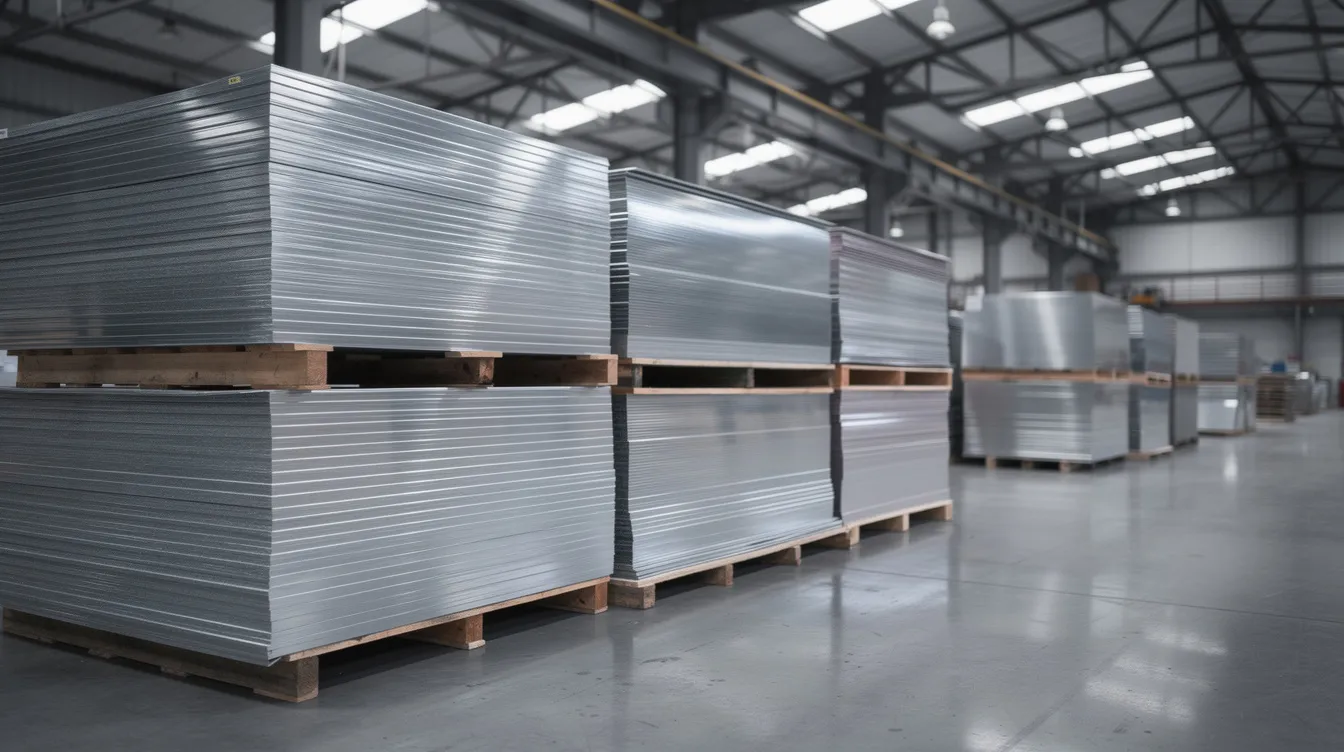
Cold rolled steel is hot rolled coil that has been pickled to remove surface imperfections, then rolled further at or near room temperature in cold reduction mills. The process includes cold reduction for thickness and flatness, optional annealing, skin-pass rolling, and surface finishing. Cold rolled steel provides a smoother surface finish than hot rolled steel – a smooth, shiny surface free of scale, often with an oil film to prevent corrosion. Cold rolled steel has tighter dimensional tolerances than hot rolled steel (±0.025–0.075 mm for steel sheet thickness) and sharper edges.
Cold rolled steel is up to 20% stronger than hot rolled steel due to work hardening during cold reduction. However, increased hardness of cold-rolled steel leads to reduced ductility unless the material is heat treated through annealing. Anebon uses cold rolled steel for parts requiring precise shapes, laser-cut features, fine bends, and consistent cosmetic finishes across sheet metal fabrication projects.
Advantages of Cold Rolled Steel
-
Excellent dimensional accuracy and more precise dimensions than hot rolled equivalents
-
Superior surface finish – cold-rolled steel features a smooth and scale-free surface for better finishing
-
Higher strength-to-weight ratio through work hardening processes
-
Better repeatability for mass production and coil products
-
Reliable performance in tight tolerances assemblies
Cold rolled steel is ideal for projects needing high precision: housings, brackets, enclosures with interlocking tabs. Typical cold rolled sheet thickness ranges from 0.3–3.0 mm for electronics, automotive interiors, and appliance panels. Cold-rolled steel is generally more expensive due to additional processing, but total cost of ownership drops when ready-to-fabricate stock reduces machining and rework. Anebon holds tight tolerances down to ±0.002 mm in CNC machining when combining cold rolled steel with precision manufacturing.
Cold Rolled Steel Applications
Cold rolled steel is used for automotive parts including body panels and seat structures. It is suitable for manufacturing appliances and furniture, server racks, instrument enclosures, and precision stamped parts – it is commonly used in metalworking projects requiring aesthetics. Applications of cold-rolled steel include aerospace structural components and automotive parts where every cold rolled product must fit consistently. Cold-rolled steel is used where appearance and accuracy are critical, and cold-rolled steel is often favored for high-precision fabrication.
Anebon frequently fabricates cold rolled parts via laser cutting, CNC punching, and bending, plus secondary machining for holes and alignment features. In many cases, cold rolled steel replaces more expensive alloys because its combination of strength, smooth surface, and precise finishing makes it ideal for painting or powder coating.
Cold Formed Steel and Cold Finished Products: Not Just “Cold Rolled”
Cold formed steel refers to shapes produced at room temperature from cold rolled coil – roll-formed studs, tracks, and channels used in walls, floors, and roofs. Cold forming adds strength through work hardening and produces very consistent cross-sections in a wider range of thin-gauge material properties. Cold drawing produces bars (round, hex, square) used for shafts, pins, and precision applications – often marketed as “cold rolled” in everyday language, though technically they are cold finished products.
Consider: a hot rolled I-beam for structural framing vs a cold formed C-channel for interior partition walls vs a cold finished round bar for a robotic shaft. Each steel type serves different precision and load requirements. Anebon machines cold formed and cold finished steels on CNC lathes and mills for robotics, automation, and industrial machinery.
Cold-Formed Steel Framing: How It’s Made and Where It’s Used
Production follows a clear sequence: cold rolled coil → decoiling → roll forming into the final shape → punching holes and slots → cut to length. Benefits include lightweight construction, high strength, consistent thickness, and tight dimensional control. CFS products appear in mid-rise commercial buildings, interior partition walls, and non-combustible residential framing. Anebon supports OEMs designing CFS connectors and custom hardware through CNC machining and sheet metal fabrication.
Hot Rolled vs Cold Rolled Steel: Key Differences and How to Choose
The core hot rolled vs cold rolled steel comparison centers on process, precision, and price. Hot rolled steel offers lower cost but a rougher surface, loose tolerances, and less control over exact dimensions. Cold rolled steel delivers precise dimensions, a smooth finish, and higher mechanical properties – but at a 15–30% cost premium. Carbon content and chemical composition remain identical between the two for a given grade; the difference between hot rolled and cold rolled steel is entirely in how it is processed.
|
Factor |
Hot Rolled |
Cold Rolled |
|---|---|---|
|
Tolerances |
±0.5–1 mm |
±0.025–0.075 mm |
|
Surface |
Mill scale, rough |
Smooth, bright |
|
Strength (same grade) |
Baseline |
~20% higher |
|
Best For |
Large structures, heavy forming |
Precision parts, visible surfaces |
Cold-rolled steel is ideal for lightweight but strong structural components. Hot rolled is more forgiving for heavy forming, welding, and where sand blasting or tension breaking of scale is planned before coating. Anebon helps customers choose the right steel via DFM feedback during quotation, evaluating which faces need precise finishing versus which can remain as-rolled.
Cost, Lead Time, and Fabrication Considerations
Hot rolled is cheaper per ton but may require flattening, grinding, or surface cleaning before use. Cold rolled may reduce downstream processing and scrap. Hot rolled plate and structural shapes are widely stocked; specific cold rolled thicknesses may have longer lead times. Welding cold rolled material can cause distortion from released internal stresses in thinner gauges, while hot rolled material handles heavy welding more predictably.
Decision checklist: budget → required strength → surface requirements → part size → tolerances → intended surface treatment (galvanizing, powder coat, plating).
Selecting the Right Steel for CNC Machining and Sheet Metal Fabrication with Anebon
Steel choice directly shapes machining strategy. Use hot rolled for heavy stock removal on robust fixtures and base plates; use cold rolled for thinner, more stable sheets and cosmetic surfaces.
Practical examples:
-
Automotive fixture plate: Hot rolled plate (20–50 mm), CNC-machined flat on mounting surfaces only – cost-efficient
-
Electronics enclosure: Cold rolled sheet (1.2–2.0 mm), laser cut and bent with consistent smooth surface for powder coating
-
Medical device bracket: Cold finished bar, CNC turned and milled to ±0.002 mm for tight interface fit
Anebon offers 5-axis CNC machining, tight tolerances (±0.002 mm), ISO 9001:2015 and ISO 14001:2015 certifications, and experience from rapid prototyping through full production. We support a wider range of steels and surface treatments – zinc plating, powder coating, black oxide, passivation – to match hot rolled or cold rolled base material with your final performance and aesthetic needs.
Ready to choose the right steel for your next project? Send your drawings or 3D models to Anebon for a quote and material recommendation tailored to your application.