Cold Rolled vs. Hot Rolled Steel: Key Differences and Project Guidance
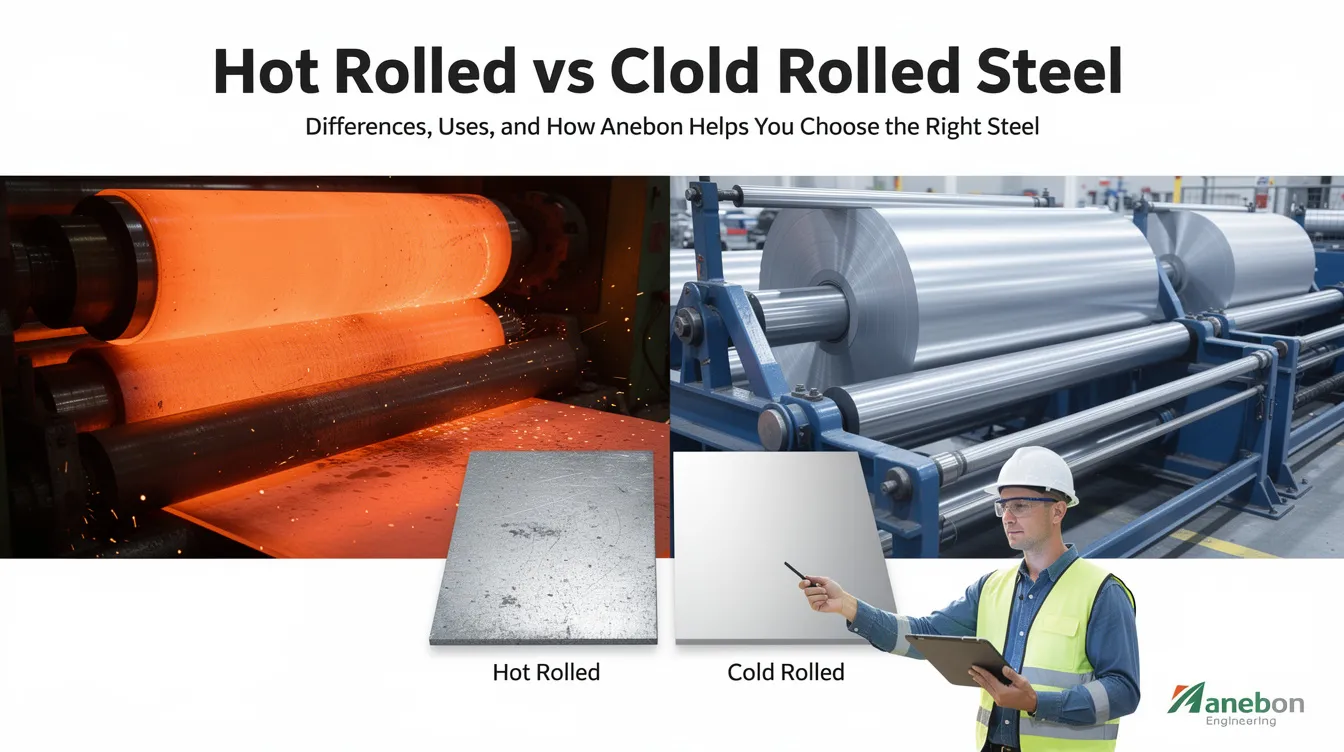
Hot Rolled vs Cold Rolled Steel: Differences, Uses, and How Anebon Helps You Choose the Right Steel
The terms “hot rolled” and “cold rolled” describe how steel is processed, not what grade it is. Hot rolled steel is processed above 1700°F (≈927°C), well above the steel’s recrystallization temperature, while cold rolled steel undergoes additional processing at room temperature after initial hot rolling. This difference in processing temperature directly changes the surface finish, dimensional accuracy, and mechanical strength of the finished product, which matters when you are designing OEM parts, planning CNC machining operations, or specifying sheet metal fabrication.
Comparing hot rolled vs cold rolled steel at a high level: hot rolled steel has a rougher surface, looser tolerances, and lower cost, making it suited for structural applications. Vs cold rolled steel, which delivers a smoother surface, tighter dimensional tolerances, and higher strength at a premium price, ideal for precision applications and visible components.
Anebon Metal Products Limited, an ISO 9001:2015 and ISO 14001:2015 certified precision manufacturer founded in 2010 in Dongguan, China, regularly helps overseas OEMs navigate this decision. Whether a part needs hot rolled plate for a heavy machine base or cold rolled sheet for a cosmetic enclosure, Anebon’s engineering team provides material guidance alongside CNC machining and fabrication services.
What Is Hot Rolled Steel?
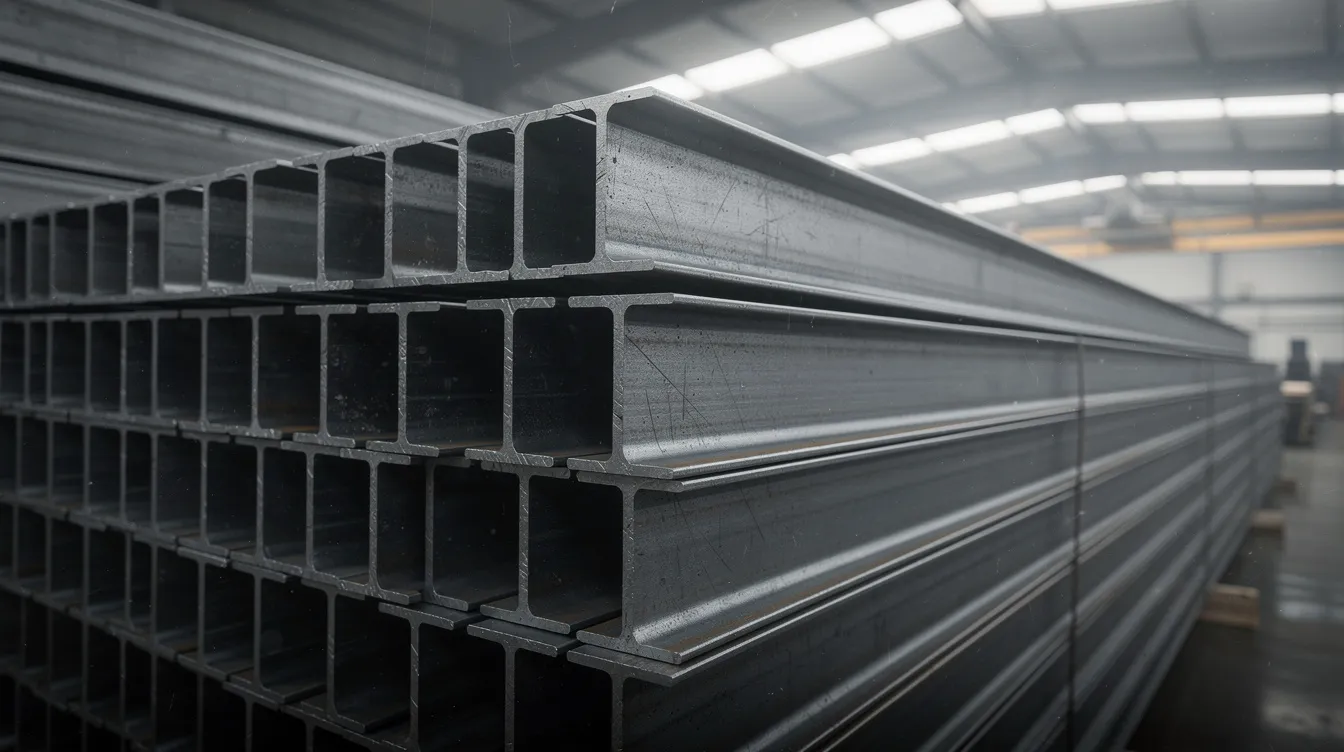
Hot rolled steel is steel that has been rolled above its recrystallization temperature, typically above 925–950°C (1,700–1,750°F), starting from slabs or billets heated in industrial furnaces. At these very high temperatures, the steel remains ductile, allowing large thickness reductions and long continuous lengths in a single rolling process. This is what makes hot rolled steel easier to shape and form into product forms like i beams, H-beams, channels, plates, and coiled sheet.
After the rolling process, hot rolled steel cools in open air without strict temperature control, which introduces slight distortions, looser tolerances, and a characteristic dark, scaled surface. The material is essentially hot rolled steel that has been normalized during cooling and is free from internal stresses, giving it a forgiving, workable microstructure.
“Hot rolled” refers to the production route, not the grade. Hot rolled steel can belong to many steel grades, including mild carbon steel like Q235 or ASTM A36, and structural steels like S355. It often serves as the raw materials for further processing, including cold rolling, cold drawing, or CNC machining in OEM supply chains.
Key Characteristics of Hot Rolled Steel
Hot rolled steel is known for its rougher surface, lower cost, lower residual stress, and less control over geometry compared to cold rolled steel. These traits make it more forgiving for heavy structural work but less suited for precise finishing or cosmetic parts.
The surface of hot rolled steel bears mill scale, an oxide layer that forms during high temperatures rolling and cooling. This gives it a darker, blue-black color and a rough surface finish with scale. The surface of hot rolled steel can oxidize and require further processing to improve finish through methods like pickling, sand blasting, or machining. Hot rolled steel has a rough surface finish that can be improved, but it adds cost and lead time.
Dimensional tolerance on hot rolled products is relatively wide. Thickness may vary by ±0.3–0.5 mm for medium-gauge plate products, which is acceptable for structural applications but insufficient for precision applications. Hot rolled steel has a scaly surface finish with slight rounding of edges and rounded edges on plates and flats, unlike the sharper edges characteristic of cold rolled steel. Mechanically, hot rolled steel offers higher ductility with typical yield strengths of 250–350 MPa for common low-carbon grades and elongation of 20–30%.
A concrete example: a 10 mm hot rolled plate used for a machine base structure might have thickness variation of ±0.4 mm and require grinding on mounting surfaces. S355 hot rolled H-beams used in a robotics plant expansion in 2023 provided high load capacity at reasonable cost, with surfaces left as-rolled and later painted.
Hot Rolled Steel Applications
Hot rolled steel’s lower cost and relaxed tolerance make it ideal for heavy, load-bearing, or non-cosmetic components. Hot rolled steel is suitable for structural applications where precision is not critical.
In construction applications, hot rolled steel forms columns, H-beams, i beams, channels, angles, and base plates for factories and logistics centers. For infrastructure, hot rolled steel is used in applications like railroad tracks, bridge girders, sheet piling, and wind turbine tower sections. Common applications for hot rolled steel include beams and automotive frames in the automotive industry, as well as excavator frames, agricultural machinery chassis, and mining equipment structures. As preforms for machining, 8–25 mm hot rolled plate products serve as starting stock that Anebon later CNC mills into OEM components with tight tolerances on critical features.
For Anebon’s overseas OEM clients, hot rolled steel is often chosen for brackets, frames, and housings where appearance is secondary to mechanical strength and budget.
What Is Cold Rolled Steel?
Cold rolled steel starts as hot rolled steel that has been pickled to remove mill scale, then further processed through cold reduction mills at or near room temperature. The cold rolling process typically follows these steps: starting from pickled hot rolled coil, the steel passes through rollers for cold reduction, then may undergo annealing to restore ductility, and finally receives a temper rolling or skin pass to improve flatness and surface finish.
Strictly speaking, “cold rolled steel” usually refers to steel sheet and strip products, while bars and tubes processed at room temperature are more precisely called cold drawn or cold finished. However, all fall under “cold worked” steel products.
The cold rolling process refines surface roughness, delivers very consistent thickness across coils, and increases yield strength via strain hardening. Cold rolled steel is up to 20% stronger than hot rolled steel of identical chemical composition. However, internal stresses can occur in cold rolled steel due to its processing methods, which may require stress relief annealing for certain applications.
Anebon frequently specifies cold rolled steel for sheet metal fabrication of enclosures, brackets, and covers. Typical gauge ranges for OEM parts run from 0.8–3.0 mm cold rolled sheet for electronics housings and precision brackets.
Key Characteristics of Cold Rolled Steel
Cold rolled steel features enhanced structural strength and better aesthetics compared to its hot rolled counterpart, along with sharper edges and tight dimensional control.
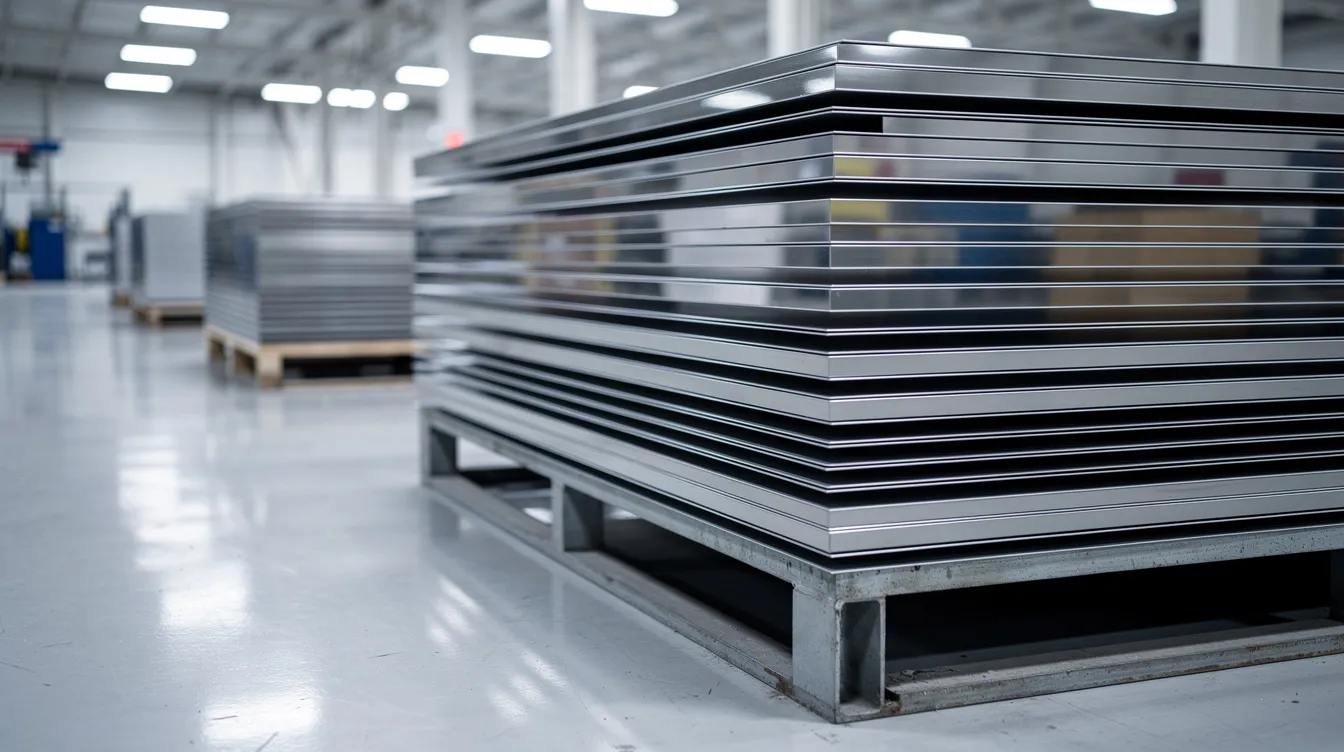
Cold rolled steel offers a smoother surface finish than hot rolled steel. The surface is lighter, sometimes slightly oily from a protective film, and consistent enough for painting, powder coating, or plating without heavy preparation. This delivers an aesthetically pleasing finish right from the coil.
Cold rolled steel has tighter dimensional tolerances than hot rolled steel. Thickness consistency across the coil is excellent, with tolerances of ±0.05–0.15 mm compared to ±0.3–0.5 mm for hot rolled sheet at similar gauges. This closer dimensional tolerances and flatness are beneficial for laser cutting and CNC bending operations, ensuring repeatability across hundreds or thousands of OEM components.
Mechanically, cold rolled steel offers around 15–20% higher yield strength than hot rolled equivalents for the same grade due to work hardening processes and strain hardening. However, ductility is reduced if the steel is not annealed, which can affect deep drawing or complex forming. Cold formed steel framing, precision brackets, appliance panels, and automotive body components all rely on these material properties where both geometry and aesthetics matter.
Cold Rolled Steel Applications
Cold rolled steel is preferred wherever precise shapes, tight tolerances, and smooth surfaces are critical to function or brand image. Cold rolled steel is ideal for applications requiring high precision.
In the automotive industry, cold rolled steel products serve as interior and exterior panels, seat rails, precision brackets, and EV battery enclosure parts. Common applications for cold rolled steel include appliances and automotive panels, such as refrigerator housings, washing machine bodies, and office furniture. In electronics, cold rolled steel sheet forms server chassis, telecom racks, computer cases, and instrument panels. For construction, cold formed steel studs, tracks, and light-gauge framing are derived from cold rolled coils.
Anebon uses cold rolled sheet for CNC laser cutting, punching, and bending to create precision sheet metal parts for overseas OEMs in robotics, electronics, and medical devices. The quality smoother surface is ideal when Anebon applies post-processing such as powder coating, painting, or plating. For example, cold rolled 1.2 mm steel sheet housings were supplied to a European medical device OEM in 2022, requiring tolerances within ±0.1 mm and minimal surface defects for powder coating, delivering a smooth finish on the finished product.
Hot Rolled vs Cold Rolled Steel: Main Differences
The main difference between hot rolled and cold rolled steel comes down to processing temperature, which then drives key differences in cost, appearance, mechanical properties, and dimensional accuracy.
In manufacturing process, hot rolled vs cold rolled diverge sharply: hot rolling happens above 1700°F at high temperatures, while cold rolled steel production involves further processing through cold reduction at room temperature after the steel has cooled and been pickled.
In surface finish, hot rolled steel presents a rough, scaled surface with a darker matte appearance, while cold rolled delivers a bright, clean, sometimes slightly oily surface ready for finishing processes. In dimensional accuracy, hot rolled allows less control with wider tolerance ranges, while cold rolled provides tighter dimensional tolerances and more precise dimensions suitable for exact dimensions on critical parts.
In strength and ductility, cold rolled steel is typically 20% stronger than hot rolled steel due to strain hardening, but hot rolled is generally more ductile and easier to form in heavy sections. In cost, hot rolled steel is cheaper due to less processing and fewer finishing processes, while cold rolled carries a 20–40% premium for its extra steps.
Both hot rolled and cold rolled steel can be further machined, welded, or surface-treated, but starting with the right steel type minimizes secondary operations and scrap.
Hot Rolled Steel vs Cold Formed Steel
Cold formed steel refers to structural sections, studs, channels, and tracks shaped at room temperature from thin cold rolled or galvanized steel sheet via roll forming or press braking. This differs from hot rolled steel, where the desired shape is created at high temperatures in a rolling mill to produce i beams, channels, and plate products.
Cold forming adds additional strain hardening to already cold rolled steel, making thin but strong structural members common in light-gauge construction. Typical uses include wall studs, joists, purlins, and trusses for low- to mid-rise buildings. Anebon engages with cold formed concepts when bending thin-gauge cold rolled steel into custom channels, brackets, and enclosures for OEM clients, combining the smoother surface of cold rolled coil with precise shapes achieved through forming.
Comparing Hot Rolled and Cold Rolled Steel for CNC Machining and Fabrication
For design engineers, selecting hot rolled vs cold rolled steel influences how parts behave during CNC machining, bending, and welding. The steel type you start with determines setup time, scrap rate, and finishing costs.
In machinability, surface scale on hot rolled may require extra cleaning or machining passes before achieving precise finishing, while cold rolled offers a more consistent surface for precise milling and turning. In forming and bending, hot rolled plate works well for thick, simple bends, while cold rolled sheet provides predictable bending radius and less springback for precision press brake work. In welding, hot rolled steel’s lower residual stress can be easier for thick weldments, while cold rolled’s higher mechanical strength may require more careful heat input control to avoid warping.
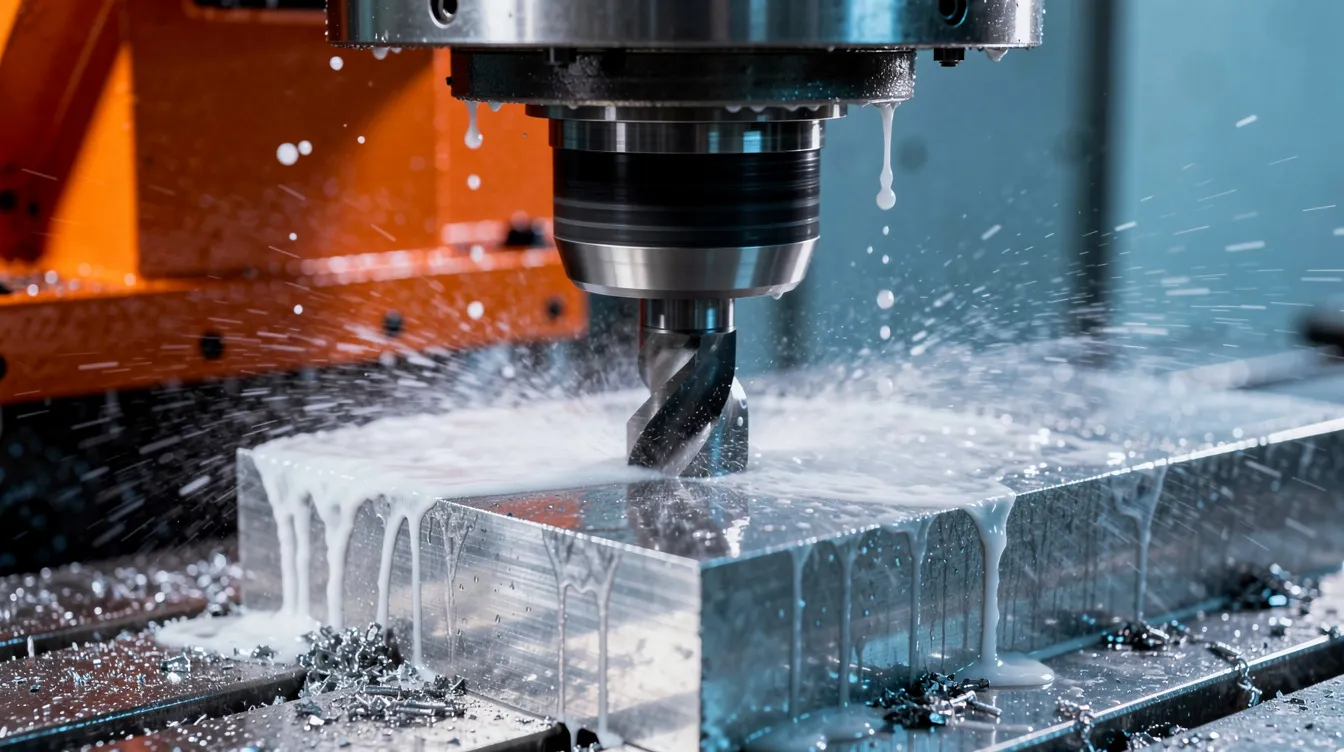
Anebon can machine both hot rolled and cold rolled steel to tolerances as tight as ±0.002 mm on critical features. Capabilities span CNC milling, CNC turning, 5-axis machining for complex geometries, laser cutting for thick sheet metal, stamping, and sheet metal fabrication. Incoming material flatness and consistency, especially with cold rolled sheet, directly reduces setup time and rework in production runs.
How to Choose the Right Steel for Your Project
There is no universally “better” option. The right steel depends on function, budget, where tolerances must be held, and whether the part is visible in the finished product.
Choose hot rolled steel when part geometry is simple, tolerances are moderate (±0.3–0.5 mm acceptable), section thickness is high, and cost per kg is critical. This covers heavy frames, base plates, and brackets hidden inside assemblies. Choose cold rolled steel when you need tight tolerances, consistent thickness for precise forming, and a high-quality surface for visible parts like covers, panels, and housings where carbon content and steel grades must be tightly controlled.
Consider this scenario: a robotic arm base plate uses 20 mm hot rolled plate for its mechanical strength, weldability, and bulk, with precise dimensions machined only for mounting holes. The outer cosmetic cover uses 1.2 mm cold rolled sheet requiring clean surface, crisp bends, and minimal preparation for a smooth finish. Each steel type serves its role. Involve Anebon early in design for DFM feedback to match material, thickness, and finishing processes to your functional and cost targets, whether prototyping aerospace structural components or scaling production for most steels used in industrial machinery.
Anebon’s Role in Hot Rolled and Cold Rolled Steel Production for OEMs
Anebon Metal Products Limited has served overseas OEMs since 2010, specializing in precision CNC machining, die casting, and sheet metal fabrication from its Dongguan facility. The company sources appropriate steel grades and thicknesses based on customer drawings, using hot rolled steel for heavy machined bases, fixtures, and structural parts, and cold rolled steel for tight-tolerance sheet metal components and aesthetic covers.
Capabilities include CNC milling, turning, and 5-axis machining for complex geometries from hot rolled blocks, plus laser cutting, turret punching, and CNC bending for cold rolled sheet parts. Surface treatments include painting, powder coating, plating, and deburring. With ISO 9001:2015 and ISO 14001:2015 certifications and achievable tolerances as tight as ±0.002 mm, Anebon’s quality systems are built for engineering and procurement teams that demand consistency across re rolled or further processing steps.
Requesting a Quote and Getting Material Guidance from Anebon
Engineers and buyers can send 2D drawings, 3D CAD models, and basic application information to Anebon for a tailored material and process recommendation. Helpful details include target tolerances and critical dimensions, expected annual volume, surface finish requirements, and mechanical or structural requirements such as load, stiffness, or tension breaking resistance.
Anebon’s engineering team provides DFM feedback, suggesting whether hot rolled or cold rolled steel is more appropriate for each component, or whether alternate raw materials like aluminum, stainless steel, or titanium might better fit the design. Contact Anebon via the company website to request a quote. With experience serving overseas OEMs in automotive, aerospace, electronics, robotics, and medical industries, the team responds quickly with actionable guidance to help you select the right steel and achieve more precise dimensions on every part.