Cold Rolled Versus Hot Rolled Steel: Key Differences Explained
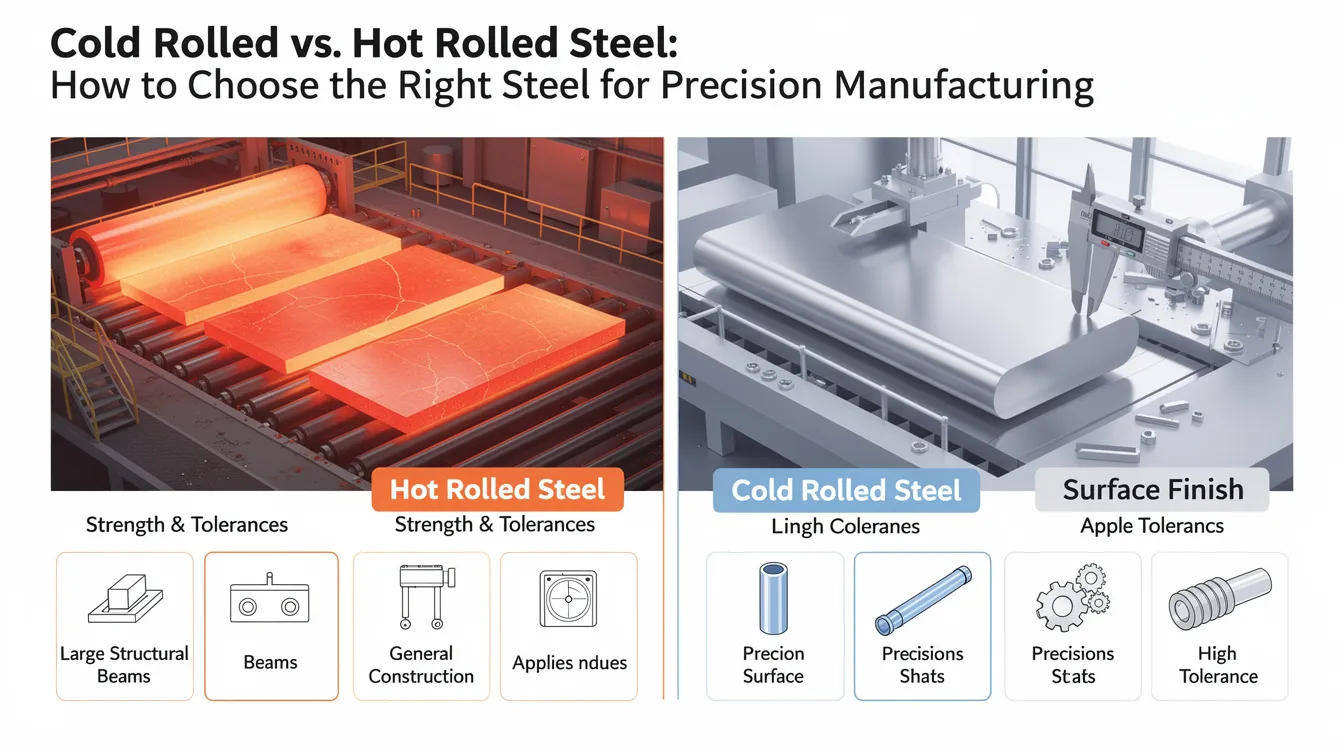
Cold Rolled vs Hot Rolled Steel: How to Choose the Right Steel for Precision Manufacturing
Choosing between cold rolled versus hot rolled steel is one of the most consequential material decisions an OEM engineer will make. The difference affects dimensional accuracy, surface finish, strength, and total project cost. This guide breaks down both steel types so you can match the right steel to your project’s requirements.
Quick Answer: What’s the Difference Between Hot Rolled and Cold Rolled Steel?
Hot rolled steel is processed above 1,700°F (926°C)-above the steel’s recrystallization temperature-making it ductile and easy to form into large sections. Cold rolled steel is essentially hot rolled steel that undergoes additional processing at room temperature, producing a finished product with tighter dimensional tolerances and a smooth surface.
These terms describe a mill process, not a steel grade. Any chemistry-low carbon, alloy, stainless-can be produced as either steel type.
|
Key Point |
Hot Rolled |
Cold Rolled |
|---|---|---|
|
Dimensional accuracy |
Looser tolerances, slight warping |
Closer dimensional tolerances, uniform thickness |
|
Surface finish |
Rougher surface with mill scale |
Smooth, clean, and rust-resistant finish |
|
Strength / Hardness |
Good ductility, moderate yield |
Up to 20% stronger than hot rolled steel |
|
Cost |
~$270 per sheet, cost effective |
~$400+ per sheet, more expensive due to additional processing |
Cold rolled steel provides tight tolerances and precise shapes ideal for CNC machining of OEM components. Hot rolled steel is better for large structural parts where tolerances are moderate and cost matters most.
Anebon Metal Products Limited works with both hot rolled and cold rolled steel across CNC machining, sheet metal fabrication, and die casting inserts, advising customers on the best choice for each specific application.
How the Rolling Process Works
All rolled steel begins its journey from iron ore, smelted into raw steel and cast into slabs or billets. These castings are then passed through rollers to reduce thickness and form various shapes. The temperature at which this rolling occurs creates the fundamental difference between hot rolled and cold rolled steel production.
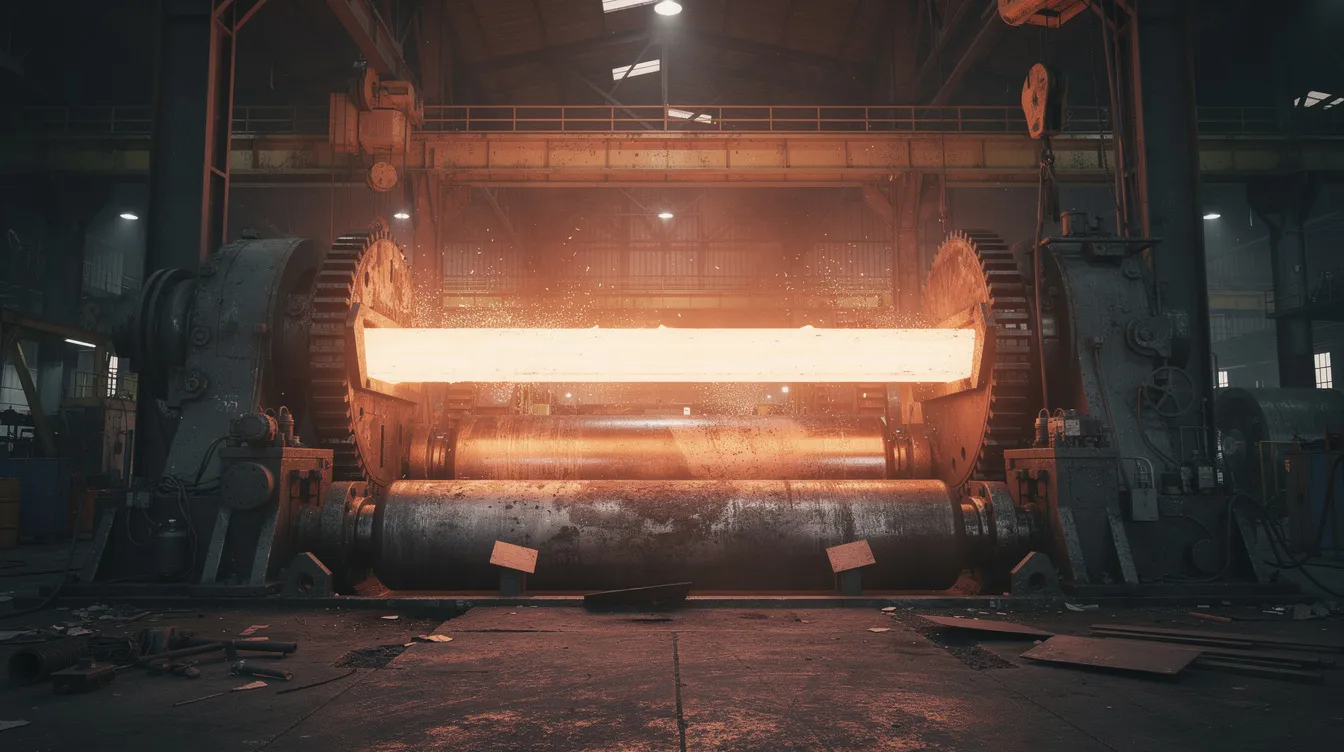
Hot rolling occurs above the recrystallization temperature (typically >1,700°F), keeping the metal ductile enough to shape into plates, beams, and bars with less control over final dimensions. After rolling, the steel is cooled in air.
Most cold rolled steel starts as hot rolled coil products. After cooling, the material is pickled to remove scale, then cold rolled at room temperature, and often annealed or temper rolled for final material properties. This extra processing is what yields more precise dimensions and higher strength.
Process flow contrast:
-
Hot rolled: Melt → Cast → Hot rolled → Cooled → Finished
-
Cold rolled: Melt → Cast → Hot rolled → Pickled → Cold rolled → Annealed/Tempered → Finished
Anebon commonly machines steel that has already been hot rolled or cold rolled by mills, then refines tolerances via CNC milling, CNC turning, or 5-axis machining to deliver the precision OEMs require.
Hot Rolled Steel: Properties, Advantages, and Use Cases
Hot rolled steel is rolled above the recrystallization temperature (around 1,700°F) and cooled in air without further strain-hardening steps. Hot rolling occurs above the recrystallization temperature, allowing less precise shapes but enabling cost effective production of large beams, plates, and structural sections at high temperatures.
Key physical characteristics include a rough surface finish with a scaled surface (mill scale), rounded corners, slight thickness variation, and a “normalized” internal stress state from slow cooling. Hot rolled steel has a rougher surface finish than cold rolled steel, and hot rolled steel has looser tolerances-but its mechanical properties include excellent ductility and formability.
Hot rolled steel is used for construction and welding applications across many applications: building frames, columns, i beams, railroad tracks, heavy equipment bases, and welded structural frames. Hot rolled steel is widely used for heavy structural applications due to its ductility, and hot rolled steel is more malleable, simplifying the welding process. The food industry uses hot rolled steel for dinnerware and heavy use items. Hot rolled steel is ideal for structural components with less precise needs.
For Anebon’s customers, hot rolled material is often selected for machined brackets, base plates, and fixtures where cost and toughness matter more than cosmetic appearance.
Pros and Cons of Hot Rolled Steel
Engineers weigh cost, tolerances, and performance when choosing hot rolled vs cold rolled for any project.
Advantages:
-
Lower price-hot rolled steel is cheaper due to simpler production processes and lower energy consumption
-
Hot rolled steel costs around $270 per sheet
-
Good weldability and formability for larger sizes and thick cross-sections
-
Faster mill lead times for standard structural sections
Limitations:
-
Rough, scaled surface with surface imperfections requiring grinding or shot blasting
-
Less precise dimensions and less control over flatness
-
Additional processing needed before painting or plating
Hot rolled steel makes sense when project tolerances are moderate, structures are large, and budget is tight. Anebon can machine hot rolled sheet or plate to tighter tolerances and remove surface scale as part of CNC machining or fabrication workflows.
Cold Rolled Steel: Properties, Advantages, and Use Cases
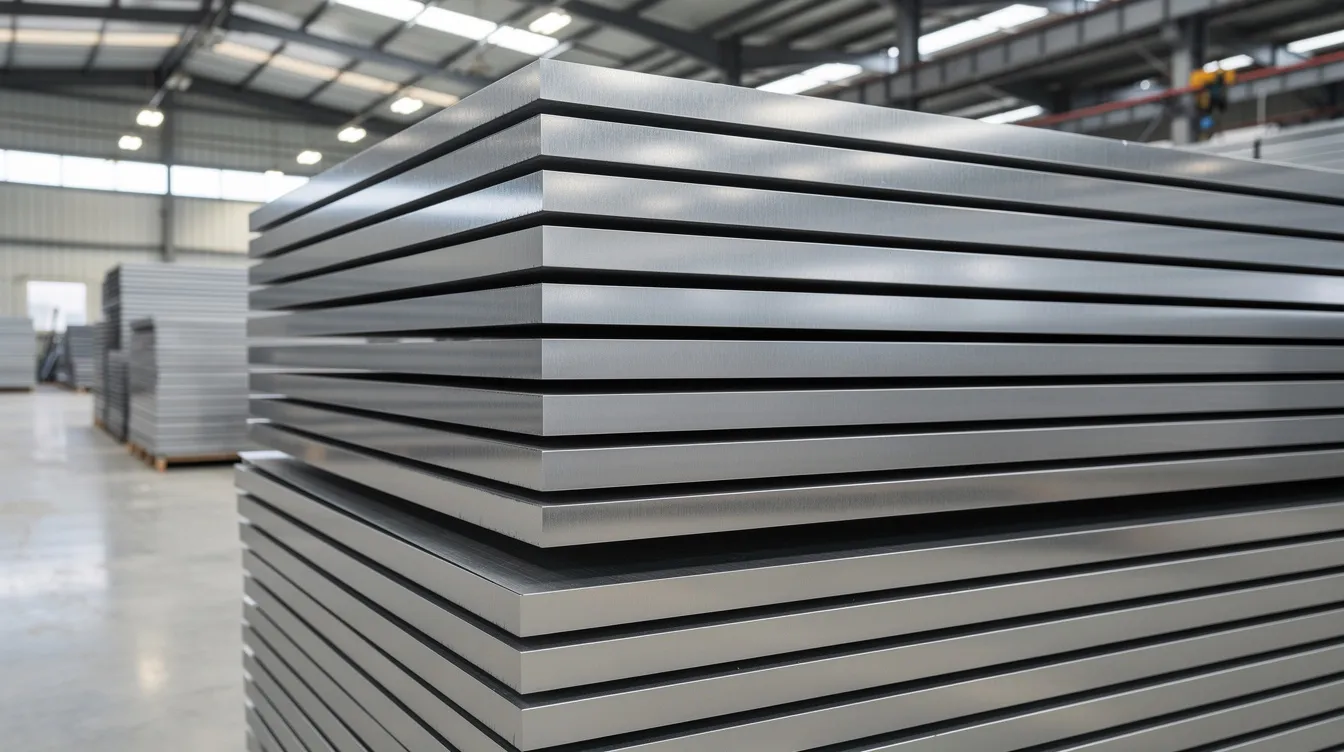
Cold rolled steel begins as hot rolled coil that has been pickled, then rolled again at or near room temperature and often annealed or temper rolled for final properties. Related cold working methods like cold drawing can produce bars and wire with similarly refined dimensions. Cold rolled steel is up to 20% stronger than equivalent hot rolled grades due to work hardening, and it delivers dramatically improved surface finish and dimensional accuracy.
A cold rolled product typically features a smooth surface that is sometimes slightly oily, sharper edges, uniform thickness, and minimal visible scale. Cold rolled sheet and strip are common in the thickness ranges used for precision fabrication-typically 0.3–6 mm.
Cold rolled steel is used for automotive parts and appliances, electronic enclosures, office furniture, precision brackets, and cold formed steel framing members. Cold rolled steel is frequently used in aerospace structural components for its strength-to-weight ratio. Aerospace components often utilize cold rolled steel for its strength, and cold rolled steel’s work-hardening process allows for thinner materials handling high stress.
Anebon frequently specifies cold rolled steel for CNC machined housings, finely detailed sheet metal parts, and OEM prototypes where tolerances and aesthetics are critical.
Pros and Cons of Cold Rolled Steel
Cold rolled steel trades higher cost for better precision, appearance, and higher strength.
Advantages:
-
Closer dimensional tolerances ideal for CNC machining and assembly
-
Cold rolled steel is best for high-precision components requiring a smooth finish
-
Cold rolled steel is preferred for applications requiring tight tolerances
-
Consistently flat sheets for laser cutting or bending
-
Cold rolled steel sheets average over $400 each but deliver a superior finished product
Limitations:
-
Higher material cost than hot rolled
-
Internal stresses can arise from the cold rolling process affecting its dimensional stability
-
Reduced ductility for extreme forming unless the material is heat treated or annealed
Design engineers should account for possible springback in bending operations and consider stress relief strategies when using cold rolled steel for very tight-tolerance parts. Anebon uses DFM feedback to help customers decide when cold rolled is justified and how to process it to avoid warping.
Cold Formed Steel vs Hot Rolled Steel
Cold formed steel refers to thin-gauge members-studs, channels, tracks-shaped at room temperature from cold rolled coil, not to a distinct steel grade. These profiles gain strength from strain hardening during forming, allowing lightweight but high-strength members for walls, floors, and equipment frames.
By contrast, hot rolled structural sections (H-beams, heavy channels) are formed at high temperatures and used for primary building frames and heavy structural loads. The difference between hot rolled structural shapes and cold formed profiles spans thickness (cold formed is often <6 mm vs thick hot rolled plates), shape complexity, tolerances, and installation methods.
For precision OEM manufacturing, cold formed steel can be relevant for custom channels, rails, and brackets that Anebon can integrate with CNC machining or secondary forming. Specify cold formed profiles for lightweight equipment frames, rack systems, and modular enclosures where a wider range of design flexibility matters more than raw load capacity.
Key Differences: Hot Rolled vs Cold Rolled Steel
The difference between hot rolled and cold rolled steel spans processing temperature, mechanical properties, appearance, and cost. Here is the comparison covered across five axes:
-
Manufacturing steps: Hot rolled requires fewer steps; cold rolled adds pickling, cold reduction, annealing, and further processing
-
Tolerances: Hot rolled offers mm-level variation; cold rolled achieves hundredths of mm where tolerances demand it
-
Surface: Hot rolled has a rougher surface with mill scale; cold rolled delivers a smooth surface ready to be coated or painted
-
Mechanical properties: Cold rolled steel is up to 20% stronger; hot rolled offers greater ductility and elongation
-
Section sizes: Hot rolled handles thick plates and larger sizes; cold rolled excels in thin sheet and strip
Hot rolled steel is often more forgiving during welding, while cold rolled may require more care due to internal stresses that can cause distortion when cut or welded. Engineers should think in terms of fit, function, finish, and budget when deciding for a specific application.
Anebon can meet very tight final tolerances (down to ±0.002 mm on certain CNC machined features) regardless of initial rolled condition, by planning machining stock and inspection accordingly.
Hot Rolled vs Cold Rolled for CNC Machining and Sheet Metal Fabrication
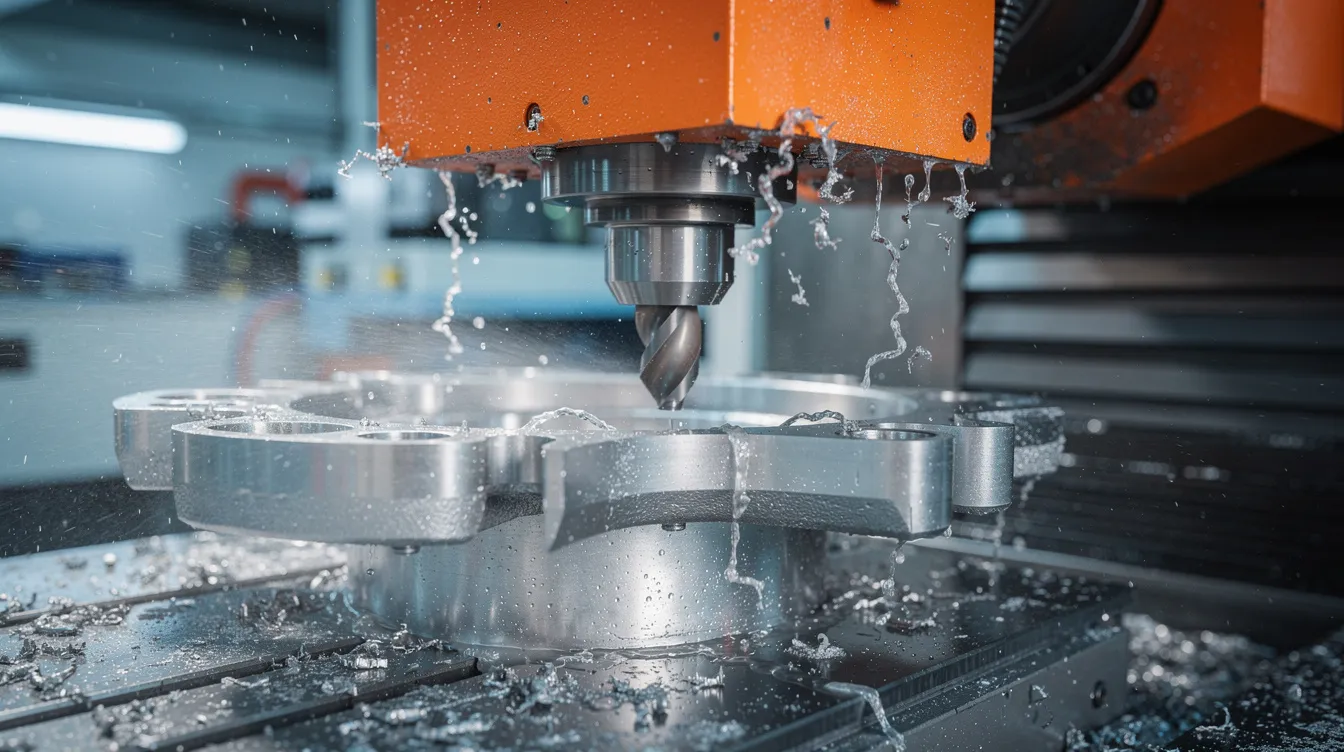
For design engineers focused on CNC machining and sheet metal fabrication, cold rolled steel is usually preferred for precision-machined parts and complex enclosures due to its flatness and consistent thickness.
Hot rolled steel is commonly used for heavily machined structural components, fixtures, and machine bases where initial roughness is removed during machining. Work-hardened cold rolled surfaces can be slightly tougher on tools, but this is manageable with proper speeds, feeds, and tooling selection.
Anebon’s DFM support helps choose material conditions-hot rolled, cold rolled, or pre-machined plate-that balance machining cost, stability, and production volume.
Selecting the Right Steel for Your Specific Application
There is no universal “best” between hot rolled and cold rolled steel. The right steel depends on the specific application, tolerances, environment, and budget.
Decision guidance:
-
Choose hot rolled for heavy-duty structures, welded frames, and parts with generous tolerances
-
Choose cold rolled when tight fits, accurate dimensions, and smooth finish are critical
-
Automotive parts and aerospace structural components typically demand cold rolled for precision
-
Construction, heavy machinery, and infrastructure projects favor hot rolled for its ductility and lower cost
Surface finish influences coating adhesion and painting consistency. The smoother surface of cold rolled steel improves coating performance, while hot rolled surfaces require pickling or grinding before they can be coated effectively.
Example scenario: A heavy CNC machine base plate might use hot rolled thick plate (machined to final shape), while a precision sensor bracket in the same assembly uses cold rolled sheet for its more precise dimensions and clean surface-illustrating how both steel types coexist in a single project.
Consult Anebon’s engineering team early in the design phase to optimize material selection alongside CNC machining, die casting, and sheet metal fabrication for both prototypes and full-scale OEM production.
How Anebon Supports OEMs Using Hot Rolled and Cold Rolled Steel
Anebon Metal Products Limited is an ISO 9001:2015 and ISO 14001:2015 certified precision manufacturer based in Dongguan, China, serving overseas OEMs since 2010.
Core capabilities for rolled steel parts:
-
CNC milling, CNC turning, and 5-axis machining
-
Sheet metal fabrication (laser cutting, bending, welding)
-
Integration with die cast and machined assemblies
-
Rapid prototyping through full production runs
Anebon works with hot rolled steel, cold rolled steel, and cold formed steel components-providing machining, forming, and surface treatments to meet tight tolerances and cosmetic requirements across a wider range of metal and alloy options.
Value-added services include DFM feedback, material selection advice (hot rolled vs cold rolled vs alternative alloys), and rapid prototyping to validate designs before scaling. Quality control relies on CMM measurement, in-process checks, and dimensional verification to ensure every part meets specification.
Ready to choose the right steel for your next project? Request a quote or share your design files with Anebon’s engineering team so we can recommend the most cost-effective and technically sound approach for your precision components.