CNC Machining vs Die Casting Prototyping: Advantages and Disadvantages
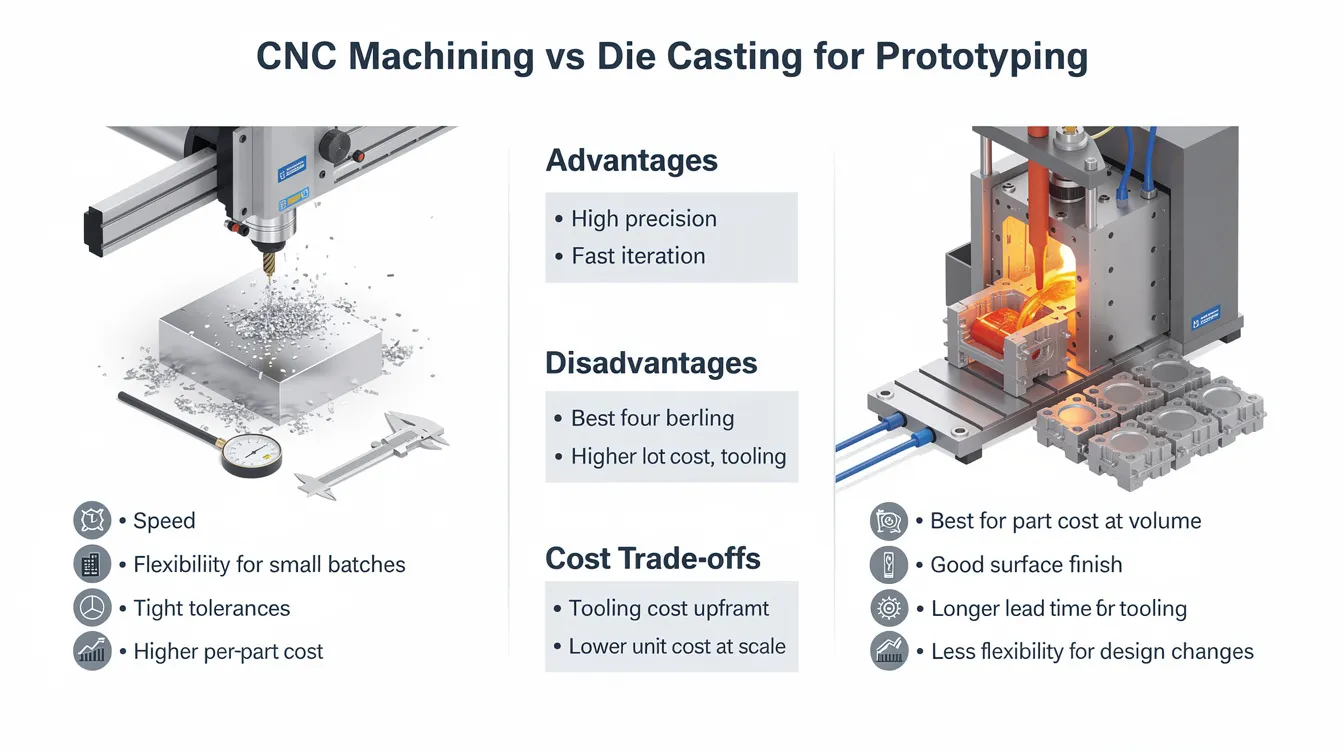
CNC Machining vs Die Casting for Prototyping: Advantages, Disadvantages & Cost Trade‑offs
Choosing between CNC machining and die casting for your next prototype affects everything from budget and timeline to part quality and design freedom. This guide breaks down each manufacturing process with real cost data, tolerance specs, and volume thresholds so you can make the right call for your project.
Immediate Answer: CNC Machining vs Die Casting for Prototyping
CNC machining is the industry standard for early-stage functional prototypes, and for good reason. If you need 1–500 pieces, CNC machining is almost always the better choice because there is no die cost, setup takes just 2–7 days, and design changes cost little more than updated CAM programming. The die casting process only becomes cost effective once production volume exceeds roughly 1,000–5,000 pieces per year, because mold costs typically range from US$8,000 to US$60,000 and lead times run 4–10 weeks before you hold the first usable casting.
For many OEMs, the real-world path looks like this: start with CNC machining for prototypes and pilot builds, then move to die casting plus CNC secondary machining once the design and forecast volumes are stable. The most important decision factors come down to budget (both tooling and per-unit), lead time, material requirements, and required tolerances. The sections below give you the detailed breakdowns for each.
Overview: CNC Machining vs Die Casting as Prototyping Methods
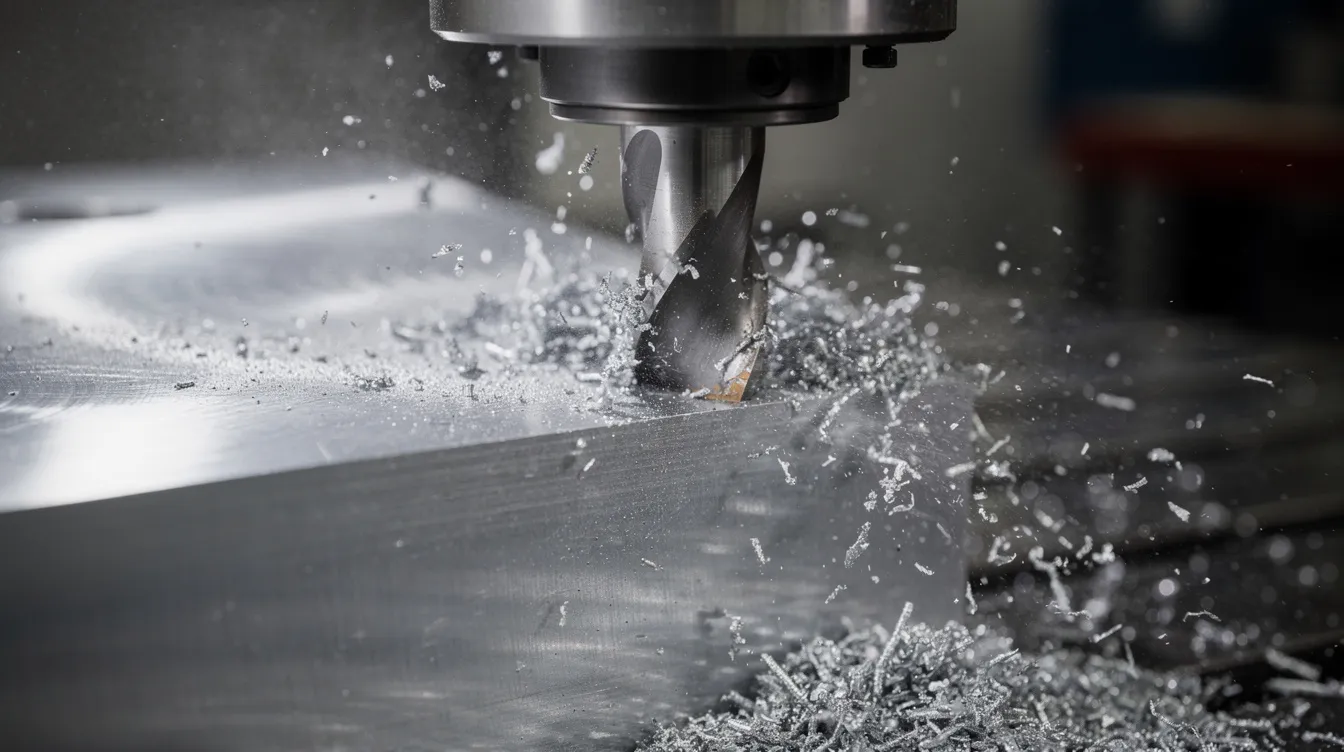
The CNC machining process is subtractive: computer controlled tools progressively remove material from a solid block of metal or plastic to reach the desired shape. Die casting is formative: molten metal is injected under high pressure into a hardened steel mold, where it solidifies into a near-net shape. Both manufacturing techniques are used heavily across automotive, electronics, medical devices, and industrial sectors-but they occupy very different roles in the product lifecycle.
|
Parameter |
CNC Machining |
Die Casting |
|---|---|---|
|
Setup / tooling cost |
Low (fixtures + cutting tools, often < US$500) |
High (hardened steel die, US$8,000–US$60,000+) |
|
Per-part cost at 100 pcs |
US$40–80 per part |
Prohibitively high (die amortization dominates) |
|
Per-part cost at 5,000 pcs |
US$30–70 per part |
US$4–12 per part |
|
Lead time to first part |
2–7 days |
4–10 weeks |
|
Typical tolerance |
±0.01–0.05 mm (down to ±0.002 mm) |
±0.1–0.25 mm as-cast |
|
Design change flexibility |
High-update CAM program |
Low-modify or rebuild die |
CNC machining is programmable directly from CAD and requires only fixtures and cutting tools. Die casting requires a hardened steel die, gating and venting design, and extensive machine setup before the first sample is produced. Anebon Metal Products Limited provides both precision CNC machining and die casting from Dongguan, China, and the data throughout this article reflects real OEM project experience accumulated since 2010.
What Is CNC Machining? (With Prototyping Focus)
CNC machining-short for computer numerical control machining-is a subtractive manufacturing process that creates parts from solid materials such as billets, plates, or bar stock. The two most common machining methods are CNC milling and CNC turning, often combined on multi-axis platforms.
The basic CNC machining process follows a clear sequence: CAD model → CAM programming (defining tool paths, feeds, and speeds) → material selection and fixturing → cutting on 3-axis or 5-axis CNC machines → inspection and optional surface finishing such as anodizing, bead blasting, or plating. CNC machining is suitable for functional testing, rapid prototyping, and low to medium volumes.
A modern ISO 9001 shop can achieve tolerances around ±0.01 mm as standard, with critical datums held to ±0.002 mm or even ±0.0025 mm. Surface finishes after finishing passes typically reach Ra 0.4–1.6 μm. CNC machining supports almost any machinable material-aluminum alloys like 6061 and 7075, stainless steels, titanium, copper, brass, tool steels, and engineering plastics such as PEEK, ABS, and nylon.
To illustrate real-world speed: a 50-piece batch of 7075-T6 motor housings can be machined and shipped in under 10 days at Anebon, including machining, finishing, and inspection. Design changes-adding ribs, adjusting mounting holes-require only a CAM update, not new tooling.
What Is Die Casting? (Focused on High-Pressure Die Casting)
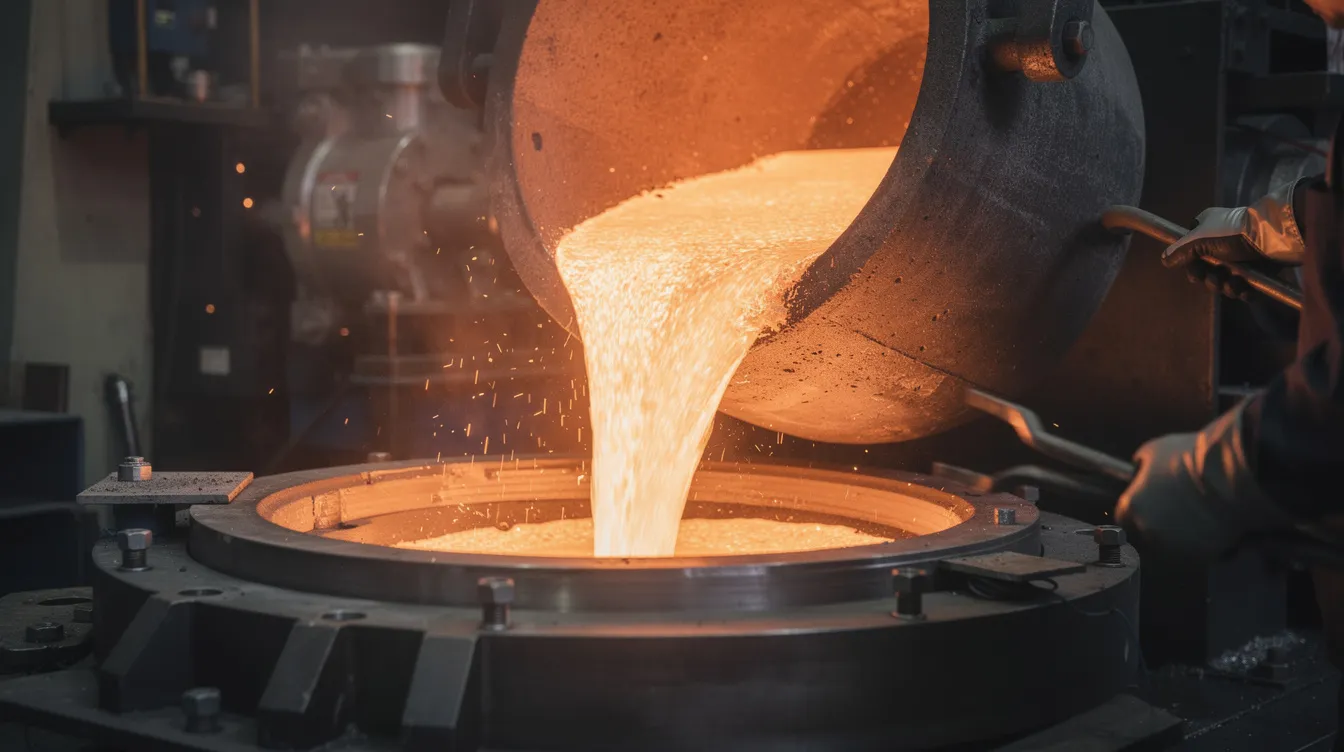
Die casting is a metal casting process where molten metal-typically a non-ferrous alloy such as aluminum, zinc, or magnesium-is injected under high pressure into a casting mold made from hardened tool steel. Once the metal solidifies inside the mold cavity, the die opens, the finished part is ejected, and runners and flash are trimmed away.
The die casting process follows these steps: part and die design (including gating, venting, draft, and cooling channels) → die manufacture in hardened steel → machine setup and cycle tuning → injection and solidification → die opening and ejection → trimming → optional shot blasting, heat treatment, or secondary machining.
Hot-chamber machines handle alloys with lower melting points like zinc (Zamak) and magnesium. Cold-chamber machines are used for aluminum alloys such as ADC12 and A380, which require higher melt temperatures. Die casting is effective for producing complex geometries with very thin walls-minimum wall thicknesses of roughly 0.5–1.0 mm for aluminum and 0.3–0.5 mm for zinc. Die casting tolerances typically reach ±0.1 mm per 25 mm of dimension, and die casting maintains tighter tolerances than other casting methods like sand casting or investment casting.
For prototyping, the main barrier is not the casting process itself-which is extremely fast once tooling exists-but rather the die cost and lead time required before you can produce complex shapes in metal.
Key Technical Differences in Prototyping: CNC Machining vs Die Casting
This section gives an engineer-level comparison of CNC machining vs die casting from a prototyping perspective, focusing on the factors that affect whether your parts will perform as intended.
The fundamental contrast is subtractive versus formative. CNC machining starts from a solid block of wrought or forged stock and removes material until the desired shape emerges. Die casting fills a mold cavity with molten metal under pressure, producing a near-net shape in seconds. This difference in manufacturing process has direct consequences for part quality. CNC machined parts are fully dense with no casting porosity, while die cast parts can trap gas and develop micro-shrinkage, which may require impregnation for leak-tight critical components.
When it comes to achievable tolerances, CNC machining achieves tolerances as tight as ±0.002 mm on critical features, whereas die casting as-cast tolerances sit around ±0.1–0.2 mm. CNC machining can produce surface finishes as fine as Ra 0.4 μm, while as-cast die casting surfaces typically fall in the Ra 1.6–6.3 μm range.
Die casting excels at producing complex parts with thin-walled external geometries, integrated ribs, bosses, and heat-dissipation fins. CNC excels at very precise interfaces, fine threads, and datum surfaces-the kind of features found on parts requiring tight tolerances for sealing or bearing fits.
In practice, many production metal parts combine both: net-shape die casting followed by CNC machining of sealing faces, bearing seats, and other critical components.
Production Volume & Lead Time: When Each Method Makes Sense
Production volume and development schedule are usually the first filters when choosing casting vs machining for prototypes. CNC machining is preferred for low volume production under 1,000 parts, while die casting is cost-effective for production runs above 5,000 units.
Here are specific volume bands to guide your decision:
-
1–50 units → Always CNC machining. No question.
-
50–500 units → CNC machining or soft tooling; still mostly CNC for small batch production.
-
500–2,000 units/year → Consider early die casting only if the design is frozen and you can justify tooling costs.
-
5,000+ units/year → Die casting plus secondary machining is usually the most cost effective path for high volume production.
CNC machining delivers parts in days rather than weeks. CNC machining can produce prototypes in 1–3 days for simple parts, with more complex assemblies shipping in 3–10 working days from Anebon’s rapid prototyping service. Die casting tooling takes 4–8 weeks to manufacture, plus another 1–2 weeks for first article approval. Die casting achieves cycle times of 30–90 seconds per part once tooling is established, giving it an unmatched production speed advantage at scale.
Design iterations amplify the time gap. Each major change to a die may add 1–3 weeks and thousands of dollars. CNC changes can be implemented overnight or within 1–2 days. CNC machining is faster for small batches or prototypes by a wide margin.
Align your choice with your project phase: concept validation and engineering prototypes favor CNC; pilot runs may stay CNC or move to die casting if design is stable; ramp to mass production almost always involves die casting for non-ferrous metal components.
Cost Comparison: Tooling, Per-Part Cost & Breakeven
A proper cost comparison looks beyond single-piece price to include tooling, scrap, engineering changes, and finishing costs.
Tooling costs represent the biggest difference. CNC machining involves zero upfront tooling costs in the traditional sense-CNC machining has minimal tooling costs, typically under $500 for fixtures and programming. Die casting has prohibitive upfront tooling costs that are a barrier for early stage production. Initial die costs for die casting range from $10,000 to $50,000, with large multi-cavity aluminum dies reaching US$60,000 or more.
Per-part cost behavior diverges sharply with volume:
|
Volume |
CNC Machining Per Part |
Die Casting Per Part (tool amortized) |
|---|---|---|
|
100 units |
US$40–80 |
Not viable (die cost dominates) |
|
1,000 units |
~US$65–70 |
~US$30 |
|
5,000 units |
~US$50–65 |
~US$8–15 |
|
10,000+ units |
~US$40–60 |
~US$4–12 |
CNC machining costs about $65–70 per part at 1,000 units, while die casting costs about $30 per part at 1,000 units. CNC machining has higher costs per part at scale compared to die casting because machine time remains relatively fixed per piece. Die casting becomes cost-effective above 5,000 units as the high tooling investment is spread across thousands of shots.
For many medium-sized aluminum housings, the breakeven point sits around 600–1,500 units total. Complexity, cycle time, scrap rate, and the amount of secondary machining needed all shift this number. Anebon can provide project-specific cost comparison curves so OEMs can choose the most cost effective path with real data.
Precision, Tolerances & Surface Finish in Prototypes
Functional prototypes often need tighter tolerances than later mass-produced parts because they must prove mating fits, sealing performance, and load-bearing behavior before production tooling is committed.
CNC machining capabilities set the benchmark for high precision: standard tolerances sit around ±0.01–0.05 mm, with CNC machining tolerances for critical features reaching ±0.0025 mm. Surface finishes after finishing passes regularly hit Ra 0.4–1.6 μm, meeting demands for sealing surfaces and bearing bores without additional processing.
Die casting delivers looser dimensional accuracy: typical tolerances of about ±0.1 mm per 25 mm overall, with small zinc parts sometimes achieving slightly tighter local features. As-cast surface roughness falls in the Ra 1.6–6.3 μm range depending on alloy, die polish, and process parameters.
Die cast parts used as prototypes often still require machining steps for sealing faces, bearing bores, and threaded holes to achieve tighter tolerances and the surface finish that the application demands. This secondary machining adds cost and time but is routine in precision die casting workflows.
If a prototype must prove tightly controlled interfaces-aerospace housings, medical devices, precision robotics actuators-choose CNC machining, or plan for die casting with significant secondary machining on all machined components.
Material Options, Waste & Mechanical Properties
Material selection and material behavior are among the most consequential differences between the CNC machining process and the die casting process.
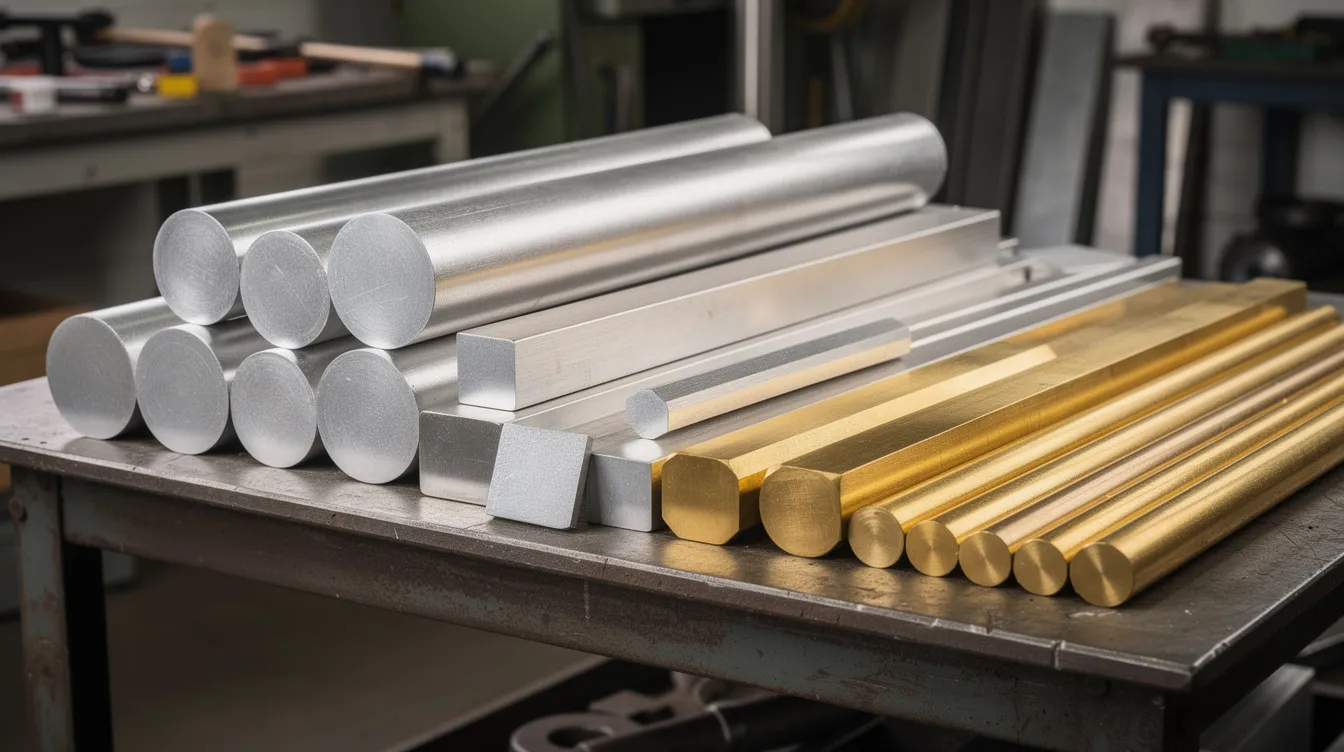
CNC prototyping materials include:
-
Aluminum alloys (6061, 6082, 7075)
-
Stainless steels (304, 316, 17-4PH)
-
Tool steels
-
Titanium alloys (Ti-6Al-4V)
-
Brass and copper
-
Engineering plastics (PEEK, PC, ABS, nylon)
CNC machining supports hundreds of materials including aluminum and titanium. CNC can handle a wider range of materials compared to die casting, which is limited to specific metals.
Typical die casting alloys include aluminum (A380, ADC12), zinc (Zamak 3/5), and magnesium (AZ91D). Die casting is limited to non-ferrous alloys like aluminum and zinc-materials with lower melting points and good fluidity for filling the mold cavity.
Material waste differs dramatically. CNC machining generates 50–80% material waste during production, particularly for complex housings where most of the starting billet ends up as chips. Die casting produces near-net shape parts, minimizing waste; runners and gates can be re-melted, giving it superior material efficiency.
Mechanical properties also diverge. CNC machining retains full mechanical properties of the parent material because machined parts are cut from wrought or forged stock with homogeneous grain structure. Die cast parts can contain porosity and micro-shrinkage that reduce strength, fatigue resistance, and structural integrity in highly stressed critical components unless the casting process is carefully controlled and validated.
Design Flexibility, Complexity & Iteration During Prototyping
In R&D phases, the ability to iterate quickly on a design is often worth more than per-unit cost savings. Choosing CNC machining is advantageous for designs that are still changing and require quick iterations.
Design flexibility in CNC machining allows for instant changes without extensive investment in tooling. An engineer can update a CAD model, regenerate tool paths, and have revised machined parts in hand within 24–72 hours. CNC machining allows rapid design changes within 24–72 hours. CNC machining also supports complex internal geometries and sharp corners that would be difficult or impossible in a casting mold.
Die casting requires adherence to specific design constraints from the outset: draft angles for ejection, minimum fillet radii, uniform wall thickness to avoid sink marks and porosity, and carefully placed gating and venting locations. Die casting requires new molds for design changes, increasing costs-sometimes by thousands of dollars and weeks of delay per iteration.
That said, die casting excels at integrating multiple functions into one finished part. Ribs, bosses, cable passages, mounting ears, and heat-dissipation fins can all be formed in a single shot, reducing assembly steps and part count once the design is mature.
For early prototypes, it is usually safer to choose CNC machining, then redesign for die casting later with support from an experienced DFM team. Anebon’s engineers can help adjust draft, wall thickness, and radii during prototype development to prepare a smooth transition from machined to cast production.
Advantages & Disadvantages of CNC Machining for Prototypes
Here is a summary of CNC machining advantages and disadvantages specifically for prototyping and low-volume runs.
Advantages:
-
No mold or die cost-start producing metal parts with just a CAD file
-
Short lead time: days instead of weeks, with small batch CNC machining available for rapid turnaround
-
Excellent precision and surface finish, capable of extremely tight tolerances
-
Broad material compatibility including solid materials, plastics, and high-strength alloys
-
Easy modification and fast iteration between design revisions
-
Strong, fully dense machined parts suitable for functional and destructive testing
Disadvantages:
-
Higher per-part cost once quantity exceeds several hundred pieces
-
Higher material waste due to the subtractive manufacturing process (50–80% in complex housings)
-
Limited efficiency for extremely complex internal cavities without special machining methods or EDM
-
Cycle times can be longer than die casting for very simple shapes at scale
Consider a real-world scenario: a robotics OEM ordered three design revisions of a CNC-milled aluminum arm in 2024. Each revision involved changes to mounting features and wall thickness. Each batch of 5–10 units was completed in under a week, with no tooling changes required, enabling functional load tests at every stage. This kind of speed and flexibility is exactly why CNC machining is usually the first choice for engineering samples, design verification, and early stage production builds.
Advantages & Disadvantages of Die Casting for Prototypes
Die casting advantages really shine in mass production, but OEMs sometimes still consider it for late-stage prototyping and pilot runs where validating the actual casting process matters.
Die casting advantages:
-
Very low per-part cost at high volume-die cast parts at scale can cost as little as US$4–12 each
-
Excellent repeatability and dimensional accuracy once the process is dialed in
-
Ability to produce complex shapes with integrated thin-walled geometries, ribs, bosses, and fins
-
Good as-cast surfaces that may only need light finishing for many applications
-
High production speed with cycle times measured in seconds to under a minute per shot
Disadvantages of die casting for prototypes:
-
High tooling costs: die casting molds can cost between $10,000 to $50,000, a prohibitive barrier for early-stage prototyping
-
Longer initial lead time (4–10 weeks) before the first acceptable casting is available
-
Limited to non-ferrous alloys with suitable casting behavior-you cannot die cast stainless steel, titanium, or engineering plastics
-
Design changes to the die are expensive and time-consuming, adding weeks per revision
-
Porosity and internal defects must be managed carefully for pressure-tight or structural parts, potentially requiring heat treatment or impregnation
Die casting is optimized for stable designs with high production volumes. It is valuable for testing the production process when the design is largely finalized. Die casting produces parts faster once tooling is established due to its ability to create large quantities rapidly-making it the clear winner for mass production runs.
Many die cast prototypes still rely on CNC machining for critical features like valve seats, bearing bores, and sealing faces to meet application requirements, even when the bulk geometry is cast.
Hybrid Strategy: CNC Machining + Die Casting Across the Product Lifecycle
CNC machining and die casting are complementary rather than competing technologies, especially when viewed across the full product lifecycle. The question is not always “casting vs machining” but rather “when does each one take the lead?”
A typical hybrid path looks like this:
-
Phase 1 – CNC-only prototypes in aluminum or plastic to validate fit and function
-
Phase 2 – CNC machined “pilot” batch (50–300 pieces) for field and certification testing
-
Phase 3 – Design optimized for die casting (DFM review), die built, initial shots produced and validated
-
Phase 4 – Die cast production parts with CNC secondary machining on critical components
This approach minimizes risk. Issues are discovered while parts are still easy and cheap to change during the CNC stage, before committing US$15,000–50,000 to final tooling. Anebon supports both methods in-house, allowing a smooth transition from machined prototype to die cast production-including shared measurement data and process capability studies between stages.
Engineers should plan this hybrid route early. Discuss casting vs machining trade-offs during the initial DFM review rather than treating die casting as an afterthought. Considering draft angles, wall thicknesses, and gating positions from the start avoids costly redesigns later.
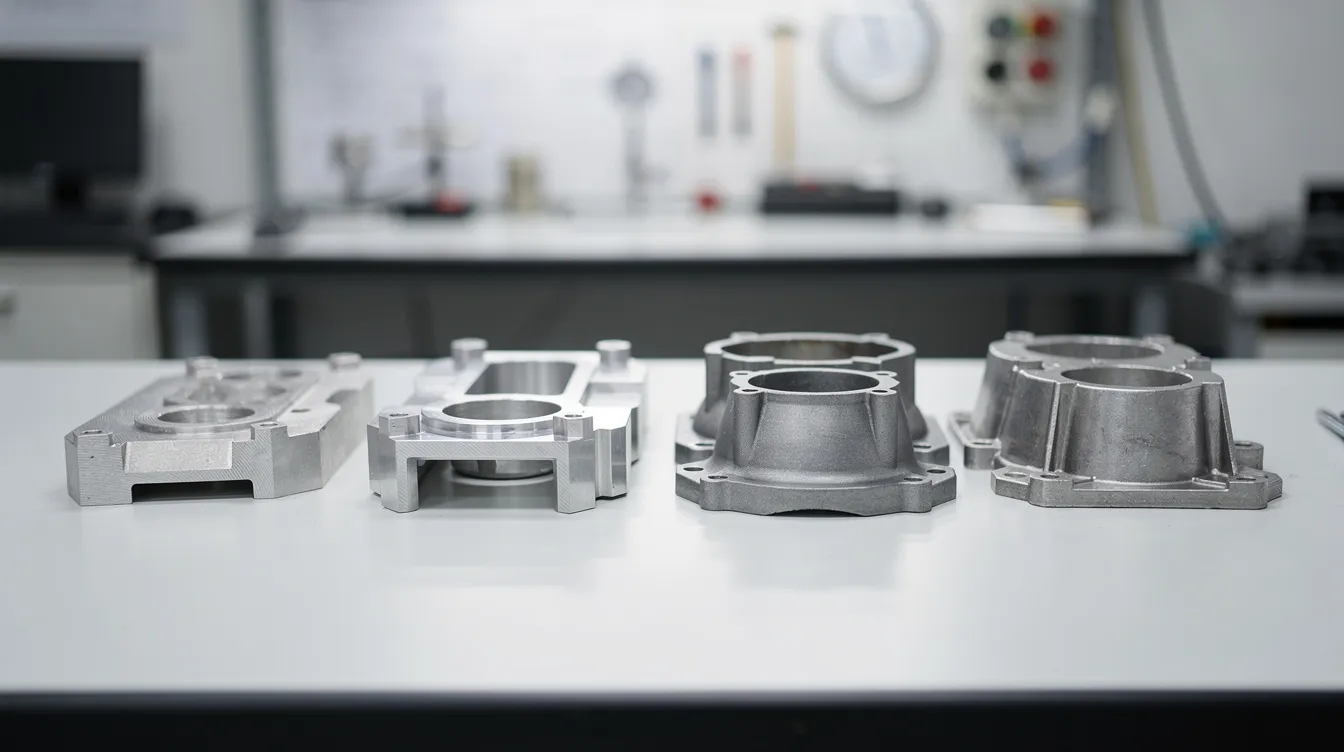
How to Choose: Practical Guidelines from Anebon
Here are quick decision rules to help you choose CNC machining vs die casting for your next prototype, drawn from Anebon’s experience producing metal components for OEMs across industries.
Volume-based rules of thumb:
-
Expected lifetime volume < 500 units → Choose CNC machining
-
500–5,000 units/year → Start with CNC machining, then transition to die casting if the design is stable
-
> 10,000 units/year → Plan for die casting plus CNC finishing from the start
Tolerance-based guidance:
-
Critical features need < ±0.05 mm → Choose CNC machining, or die casting with mandatory secondary machining to achieve tighter tolerances
-
±0.1–0.2 mm is acceptable and volume is high → Die casting alone may deliver the same precision needed
Material-based guidance:
-
Need stainless steel, titanium, tool steels, or engineering plastics → CNC machining only; die casting cannot create parts in these materials
-
Aluminum, zinc, or magnesium with high annual volume → Die casting is likely more cost effective for producing metal parts at scale
Design stability:
-
Design still changing → Choose CNC machining; avoid committing to a die until the design is frozen
-
Design finalized and volumes justify it → Invest in die casting tooling for long-term savings
Ready to find the most cost effective path for your project? Send your CAD files and quantity estimates to Anebon for a free DFM review and side-by-side cost comparison of CNC machining vs die casting tailored to your specific requirements.
Conclusion: Matching Process to Prototype and Production Goals
CNC machining is the most flexible and precise manufacturing process for prototyping, while die casting is the most cost effective method for high volume production of non-ferrous metal parts. The best results for most OEMs come from combining both processes: CNC for early prototypes, design iteration, and critical machining; die casting for mass production of near-net shape cast parts.
This guide covered the main comparison axes that matter: cost comparison, production volume thresholds, tolerance and surface finish capabilities, material options, design flexibility, mechanical properties, and the practical advantages of a hybrid strategy. Anebon Metal Products Limited brings precision CNC milling and turning, high-pressure die casting, ISO 9001:2015 and ISO 14001:2015 certification, and over 15 years of experience supporting overseas OEMs in automotive, medical, aerospace, electronics, and robotics-all from a single facility in Dongguan, China.
Request a quote with your 3D models and target volumes to receive process recommendations and a detailed cost breakdown from Anebon.