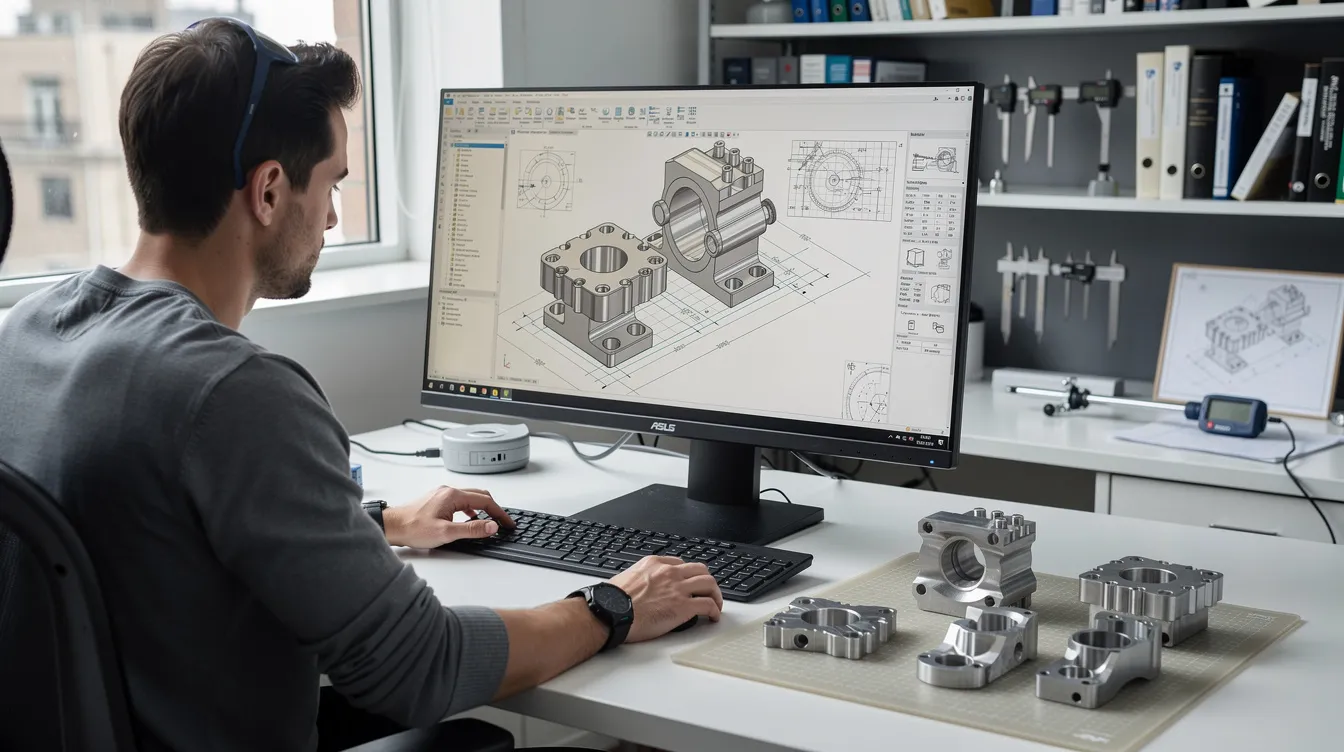
Choosing the Right ISO 9001 2015 and AS9100 Certified Metal Supplier
ISO 9001:2015 and AS9100 Certified Metal Supplier
When OEMs evaluate metal suppliers for flight-critical brackets, implant-grade components, or ruggedized defense housings, the conversation rarely starts with price. It starts with certification. ISO 9001:2015 certification ensures rigorous quality management across supply chains, and for aerospace programs, AS9100 adds a layer of traceability and safety control that no amount of competitive pricing can replace. A part failure in any of these sectors doesn’t just cost money-it risks human safety, regulatory action, and program-wide delays that can multiply costs by a factor of ten or more.
For engineers and procurement teams in aerospace, medical, automotive, and electronics, choosing a metal supplier with a verified quality management system is a non-negotiable first step. Certified processes reduce the risk of scrap, rework, and field failures by imposing documented controls at every stage-from raw material intake through final inspection and shipping. This is why iso certification often outweighs lead time or unit cost when qualifying a new supplier.
Anebon Metal Products Limited operates as an ISO 9001:2015 certified precision metal manufacturer based in Dongguan, China, serving overseas OEMs with tight-tolerance parts since 2010. Anebon is not a generic stockist or distribution hub. The company runs full production across CNC machining, die casting, sheet metal fabrication, and rapid prototyping, with quality systems designed to align with AS9100 flow-down requirements from aerospace customers. In the broader certified-supplier landscape, names like united performance metals are well known for serving both aerospace and commercial markets with high-grade alloys under AS9100D registration. Anebon positions itself within this same quality-focused space-delivering the documentation, traceability, and process control that regulated industries expect from their supply base.
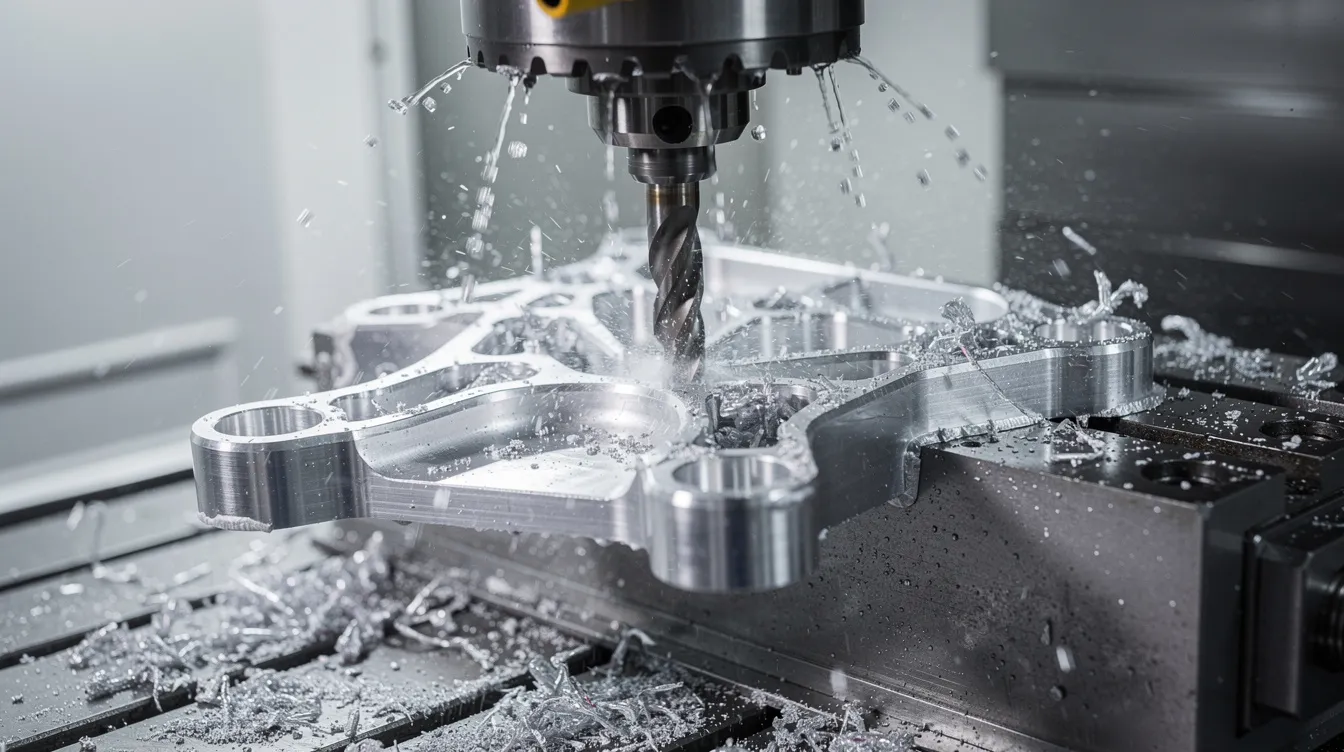
Understanding ISO 9001:2015 and AS9100 in Metal Supply
What ISO 9001:2015 Requires
ISO 9001:2015 defines criteria for quality management principles that any organization-regardless of size or industry-can implement to ensure consistent product quality and customer satisfaction. Published by the International Organization for Standardization, ISO 9001:2015 is the latest edition launched in 2015 and remains one of iso’s best known standards worldwide. It establishes a robust quality management system focused on process control, applying to everything from CNC machining operations to sheet metal forming lines.
In a metal fabrication environment, the standard’s requirements translate into concrete daily practices:
-
Risk-based thinking: ISO 9001 emphasizes risk-based thinking and proactive mitigation for production. Before a new part number goes on the machine, potential failure modes in setup, tooling, and measurement are identified and controlled.
-
Process approach: Documented procedures govern machine calibration schedules, SOP sequences for finishing processes, and handling of nonconformities.
-
Internal and external audits: ISO 9001:2015 certification requires regular internal and external audits to verify that documented procedures match actual shop-floor practice. These audits drive accountability and surface process gaps before they become quality escapes.
-
Documented procedures and corrective actions: Every nonconformity is recorded, root-caused, and closed with a preventive action-building an institutional memory that prevents repeat failures.
ISO certification ensures commitment to continuous improvement in quality, which is why the standard is not a one-time achievement but an ongoing operating discipline verified through surveillance audits each calendar year.
What AS9100 Adds for Aerospace
AS9100 is the aerospace-sector extension of ISO 9001. The current version, AS9100 Revision D, was published in September 2016, and AS9100D is based on ISO 9001:2015 standards. Companies certified to AS9100 meet ISO 9001 requirements while complying with aerospace expectations layered on top. AS9100D certification addresses aerospace industry quality management requirements that go well beyond what a general-purpose standard covers. AS9100D incorporates quality management principles for aerospace industries, including over 100 additional requirements.
AS9100 includes aerospace-specific requirements for risk management and traceability, and its key additions include:
-
Configuration control: Formal processes to manage design revisions, BOM changes, and engineering change orders so that every stakeholder is on the same page.
-
Counterfeit part prevention: Documented sourcing controls that ensure raw materials and consumable products come only from approved, qualified sources.
-
Key characteristic control: Identification and monitoring of dimensions or properties critical to product safety and performance.
-
Special process oversight: Qualification and audit of processes like heat treatment, welding, anodizing, and NDT that directly affect material properties.
-
Lot traceability and supplier oversight: AS9100 requires clear lot traceability and supplier oversight to address issues quickly when nonconformities occur. AS9100 requires assessment and monitoring of suppliers to reduce defects across the supply chain.
AS9100 incorporates all ISO 9001 requirements and adds enhanced product safety standards covering the full product lifecycle, including post-delivery obligations. AS9100 certification includes risk mitigation and configuration management as mandatory elements. AS9100 certification requires regular internal and external audits, with higher evidence expectations than ISO 9001 alone. ISO standards require regular internal and external audits for compliance across both frameworks.
The IAQG OASIS database is a definitive source for verifying AS9100 certifications-OEMs can confirm a supplier’s registration status, scope, and audit history before awarding contracts. As an example of industry adoption, AS9100D was achieved by Dynamic Design in October 2020, reflecting the growing number of suppliers pursuing this certification to meet stringent requirements from aviation and defense industries.
ISO 9001 vs. AS9100: A Quick Comparison
|
Aspect |
ISO 9001:2015 |
AS9100 Revision D |
|---|---|---|
|
Scope |
Any industry (metal fabrication, electronics, services) |
Aerospace, space, defense |
|
Baseline |
Process approach, risk-based thinking, internal audits |
All of ISO 9001 plus product safety, counterfeit prevention, key characteristics |
|
Traceability |
Material certificates, conformity evidence |
Full heat/lot traceability, FAI records, revision-controlled documentation |
|
Audit rigor |
Surveillance audits, management review |
All of the above plus special process audits, supplier flow-down verification |
|
Documentation |
Policies, procedures, quality records |
Stricter revision control, safety risk assessment, lifecycle documentation |
Industries That Benefit
Metal suppliers following these standards serve a wide scope of regulated sectors. Aviation components such as structural brackets, engine mounts, and avionics enclosures demand AS9100-level traceability. Medical implants and surgical instruments require material certifications and biocompatibility documentation. Defense electronics, oil and gas subsea equipment, and automotive safety systems all rely on the same foundation of controlled processing methods, verified materials, and auditable records. Whether you need a high temperature alloy sheet for turbine applications, titanium forgings for airframe structures, or precision aluminum plate and bar stock machined to micron-level tolerances, the certification behind your supplier determines whether the documentation-and the part-will hold up under scrutiny.
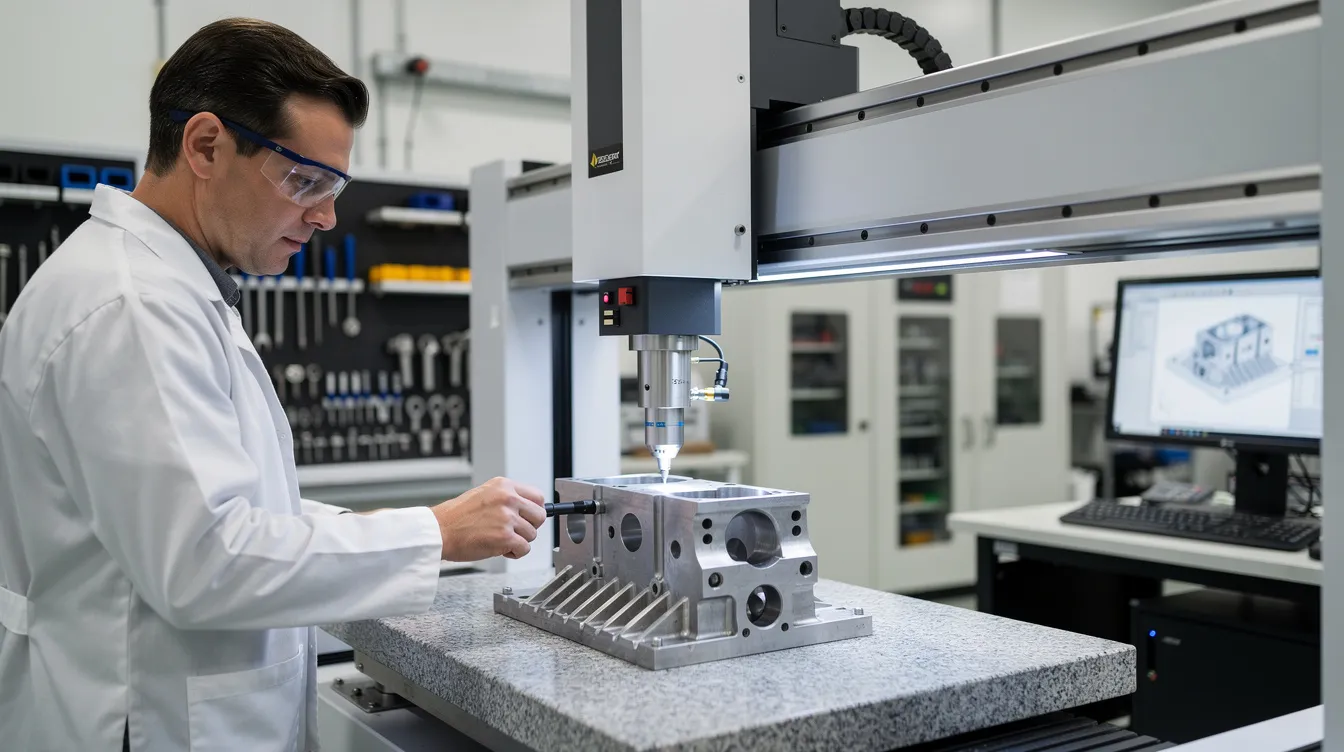
How Anebon’s ISO 9001:2015 Quality Management System Protects Your Projects
Anebon Metal Products Limited has operated under an ISO 9001:2015-certified quality management system from its Dongguan, China facility since obtaining certification in 2019. Founded in 2010, the company has grown to approximately 80 employees across a 5,000-square-meter factory floor, serving overseas OEMs that rely on tight-tolerance metal and plastic parts for programs spanning aerospace, automotive, electronics, and robotics.
Incoming Material Inspection
Every project starts with material verification. Anebon’s incoming inspection process confirms mill certificates against purchase order specifications-checking chemical composition, mechanical properties, and hardness values before any material reaches the shop floor. Materials include aluminum alloys, stainless steels, titanium, copper alloys, and engineering plastics. This gate prevents non-conforming or misidentified stock from entering production, a step that directly supports the strip of variability from subsequent machining and fabrication operations.
In-Process Inspection
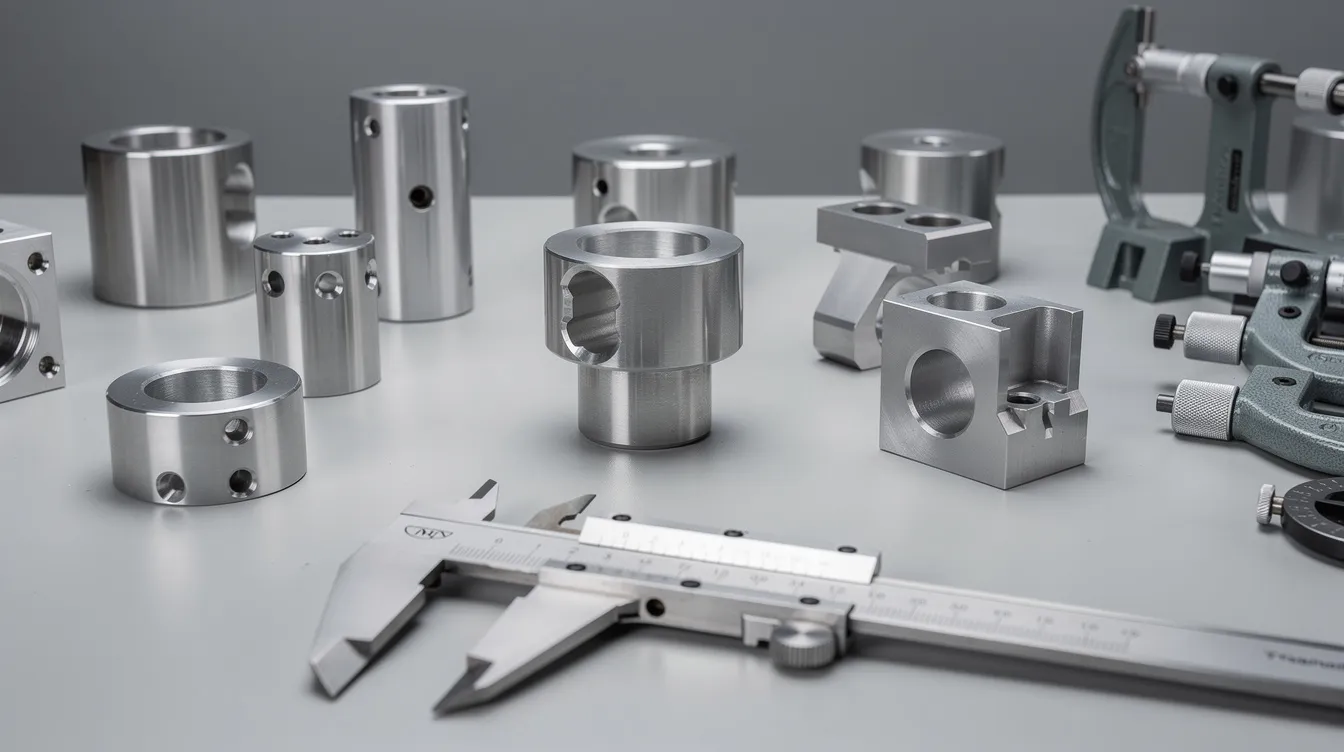
During production, Anebon uses precision measurement equipment-CMMs, height gauges, optical comparators, and profile projectors-to monitor critical dimensions at defined intervals. All inspection equipment follows a strict calibration schedule aligned with certification audit criteria. For complex geometries produced on 3- and 5-axis CNC mills, in-process checks confirm that tool wear, thermal drift, and fixture accuracy haven’t pushed features outside tolerance. Achievable tolerances run as precise as ±0.002 mm for certain CNC and precision grinding operations.
Final Inspection and Documentation
Final inspection includes full dimensional verification, surface finish confirmation, and packaging review. Anebon provides certificates of conformance, material traceability records, and-when OEMs request it-PPAP or FAI-style documentation packages. Every critical part ships with batch and lot traceability linking the finished component back to its raw material source.
ISO 9001:2015 certification demonstrates a commitment to continuous improvement, and Anebon operationalizes this through:
-
Control plans developed using APQP methodologies
-
SPC and CPK data collection on critical dimensions
-
Root cause analysis on every nonconformity, with documented corrective and preventive actions
-
Regular internal audits aligned with external audits conducted by certification bodies
Alignment with AS9100 Flow-Downs
While Anebon’s registration includes ISO 9001:2015 and ISO 14001:2015 (environmental management), its processes are designed to integrate with AS9100 and customer-specific flow-downs for aerospace and defense projects. This means revision-controlled drawings reviewed before machining begins, configuration reviews at each production milestone, and documented change control when engineering revisions arrive mid-program. For OEMs that require First Article Inspection reports, Anebon generates full FAI documentation with measurement data mapped to drawing callouts.
Manufacturing Capabilities Under This Framework
All of the following services operate within Anebon’s certified quality framework:
-
CNC milling (3-axis and 5-axis) and CNC turning
-
Precision die casting (high-pressure aluminum and zinc)
-
Sheet metal fabrication (laser cutting, stamping, bending, edging)
-
Surface treatments: anodizing, plating, painting, heat treatment, sandblasting
-
Rapid prototyping: parts delivered in as few as 2 working days for straightforward geometries
Typical production lead times: CNC machining runs 5–15 working days, sheet metal forming 10–20 working days, and high-pressure die casting (including tooling) 20–30 working days. Expedited options can reduce these by approximately 30%.
Keeping Overseas Customers on the Same Page
For engineers and purchasing teams working across time zones, Anebon maintains controlled communication channels with English-language technical support, rapid RFQ handling (quotations typically within 6 hours), and digital delivery of all quality documentation. Configuration reviews happen before production begins, and any mid-project drawing changes follow a documented change control process to ensure that the shop floor always machines to the correct revision.
Benefits of Partnering with an ISO 9001:2015 / AS9100-Oriented Metal Supplier
The business case for choosing a certified metal supplier comes down to measurable outcomes: fewer quality escapes, higher on-time delivery rates, and a predictable cost of ownership across the product lifecycle. ISO 9001:2015 certification is crucial for maintaining customer satisfaction because it forces suppliers to systematically identify, measure, and eliminate the root causes of variation-rather than relying on final inspection to catch problems after the damage is done.
Reducing Hidden Costs
Materials processed under ISO 9001 and AS9100 certifications help reduce variability and defects, which directly lowers the hidden costs that erode OEM margins. These include:
-
Scrap and rework from out-of-tolerance parts that weren’t caught until assembly
-
Line stoppages caused by missing or incorrect documentation
-
Field failures on high-value equipment that trigger warranty claims, recalls, or regulatory investigations
-
Expedited shipping to replace rejected batches
ISO 9001 and AS9100 certifications improve supplier performance and reliability through audits that keep these failure modes under active surveillance. Certification programs encourage resilience planning and disaster preparedness for supply chain continuity, ensuring that your supplier can recover from disruptions without compromising quality.
Why AS9100-Aligned Practices Matter-Even Without Formal Certification
Many aerospace OEMs require their metal suppliers to satisfy AS9100 flow-down requirements regardless of whether the supplier holds the certificate itself. What matters is the ability to deliver full material traceability from mill to finished CNC part, controlled special processes (heat treatment, anodizing, plating), documented conformity, and first article inspection data. Anebon’s ISO 9001:2015-certified system is built to meet these expectations, serving customers in both aerospace and commercial markets who need the same rigor without limiting their supply base to only AS9100-registered shops.
Working with dual-certified suppliers simplifies customer and regulatory audits, but even ISO 9001:2015 suppliers that maintain AS9100-aligned practices can satisfy the standardization and consistency that regulated programs demand.
Design and Development Support
Anebon’s value extends beyond production. During the design and development stage, the company provides DFM (design for manufacturability) feedback on CNC machining and sheet metal parts-flagging features that would drive unnecessary cost or tolerance risk before tooling begins. Material selection advice is part of this process: for example, choosing the right machining vendor who can guide the trade-off between 6061-T6 aluminum (lighter, easier to machine, lower cost) and titanium grade 5 (higher strength-to-weight ratio, corrosion resistance, but harder to machine and more expensive) is a decision that affects the entire project lifecycle. Prototype validation-testing fit, form, and function before committing to full-scale production-helps OEMs verify that their design intent survives the transition from CAD to metal.
Practical Advantages for Overseas Teams
For procurement teams and engineers managing suppliers across time zones, the practical benefits of working with a certified, process-driven company include:
-
English-language technical support with responsive communication
-
Digital quality documentation (inspection reports, certificates of conformance, material test reports) delivered electronically
-
Standardized packaging and labeling aligned with OEM and regulatory guidelines
-
Rapid RFQ turnaround so that project timelines aren’t held up waiting for quotes
The right supplier doesn’t just ship parts. They ship confidence-backed by traceability, documented conformity, and a quality system that’s been audited and proven.
Anebon is proud to serve OEMs across aerospace, medical, automotive, and electronics with a manufacturing operation that is committed to maintaining the highest standards of quality management. Whether you need a rapid prototype in 2 days or a full production run of thousands of precision parts, Anebon’s ISO-certified processes and AS9100-aligned practices are built to meet your expectations.
Ready to get started? Contact Anebon to request a quote, share your drawings (STEP, IGES, or PDF), or schedule an engineering review. The company’s registered quality system, responsive team, and proven achievement in precision metal fabrication make it a reliable partner for programs where quality and traceability are non-negotiable.